 Isabella Mueller Baroness of Stainton le Vale
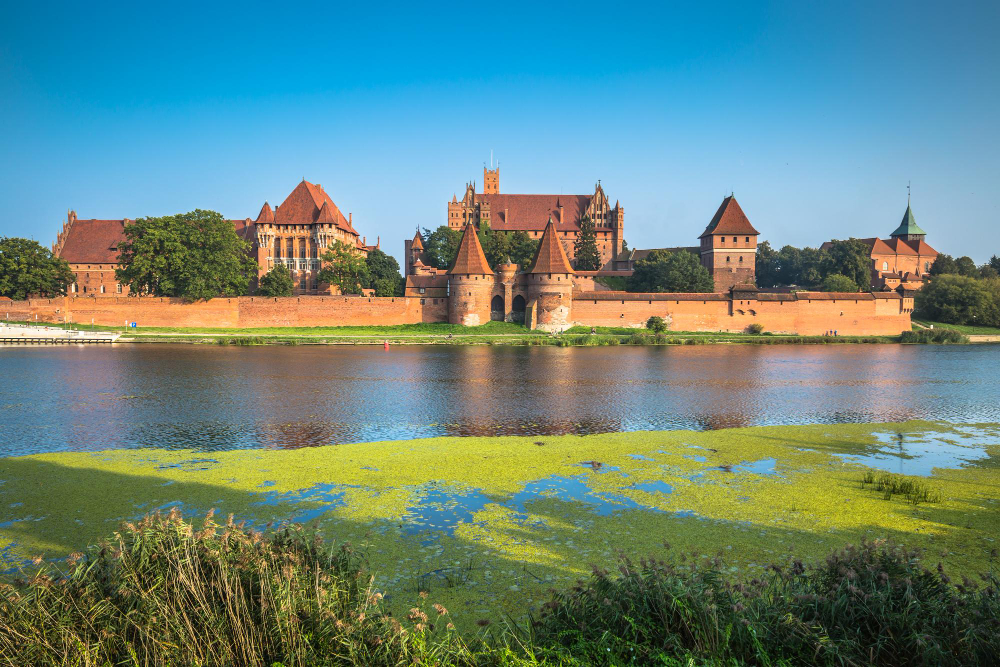
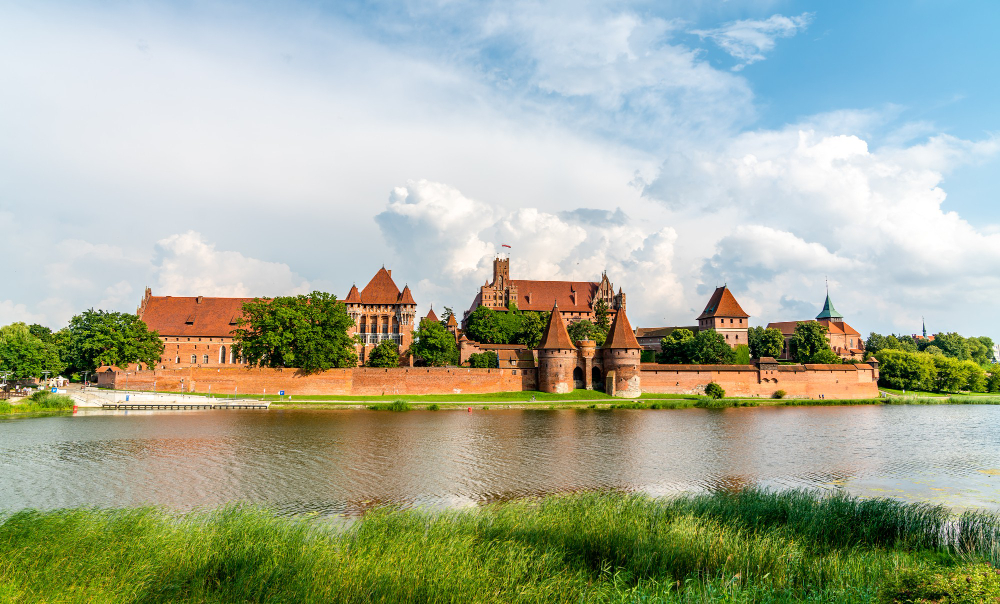
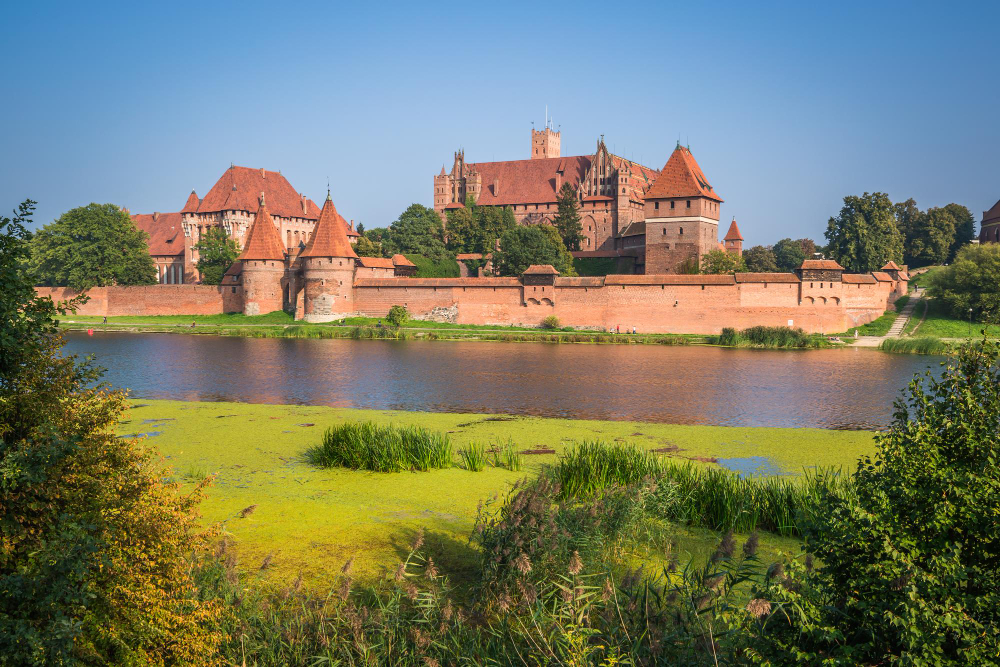
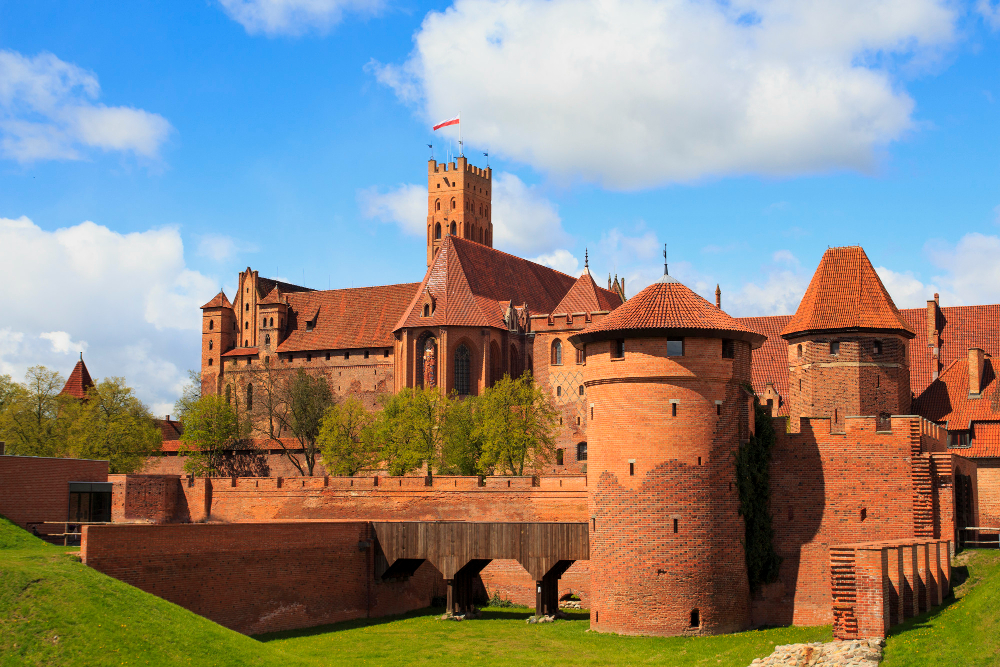
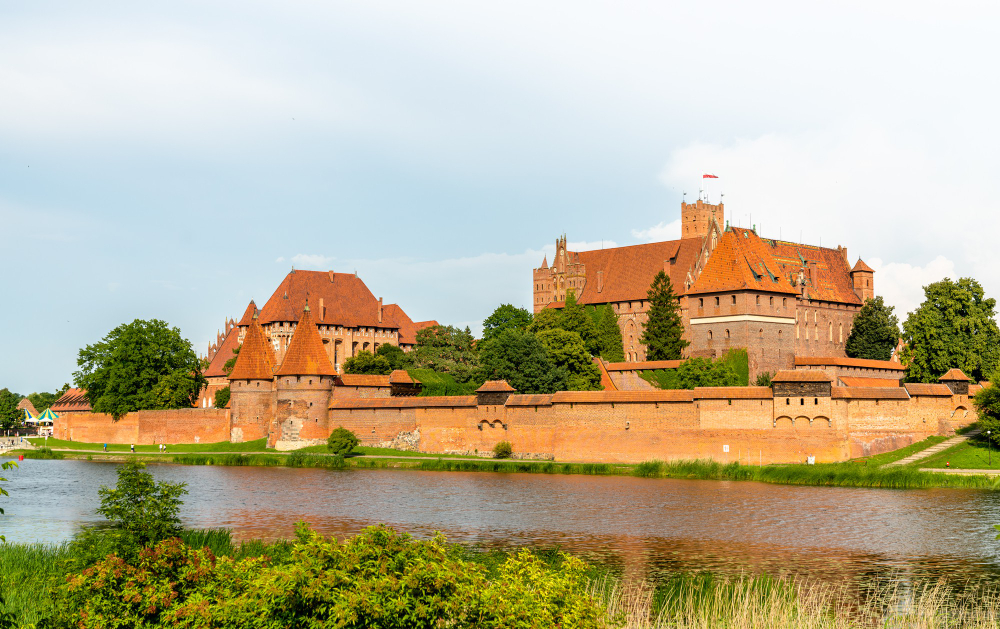
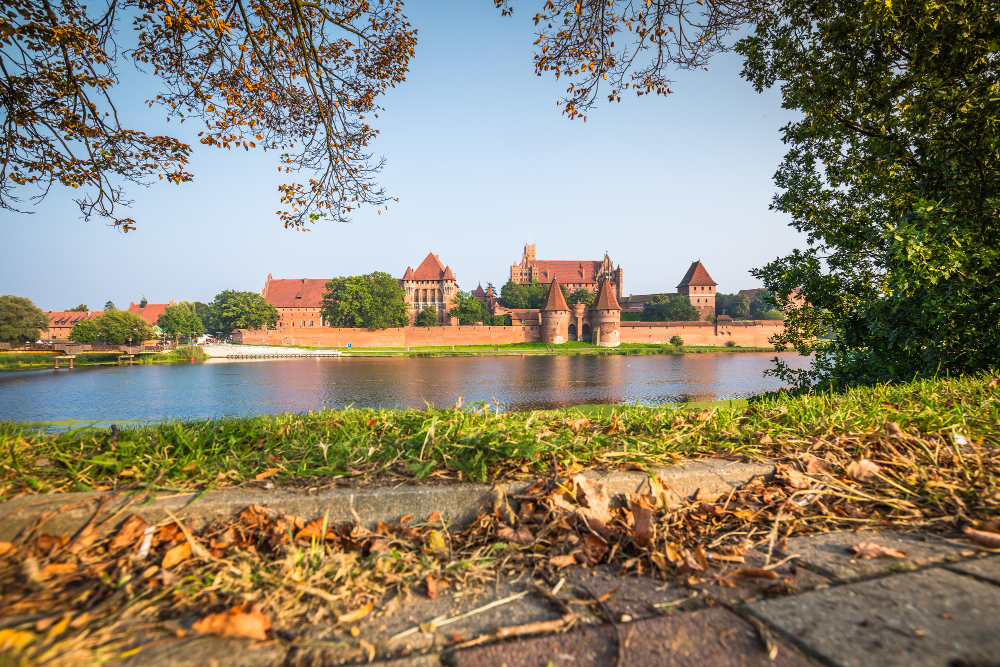
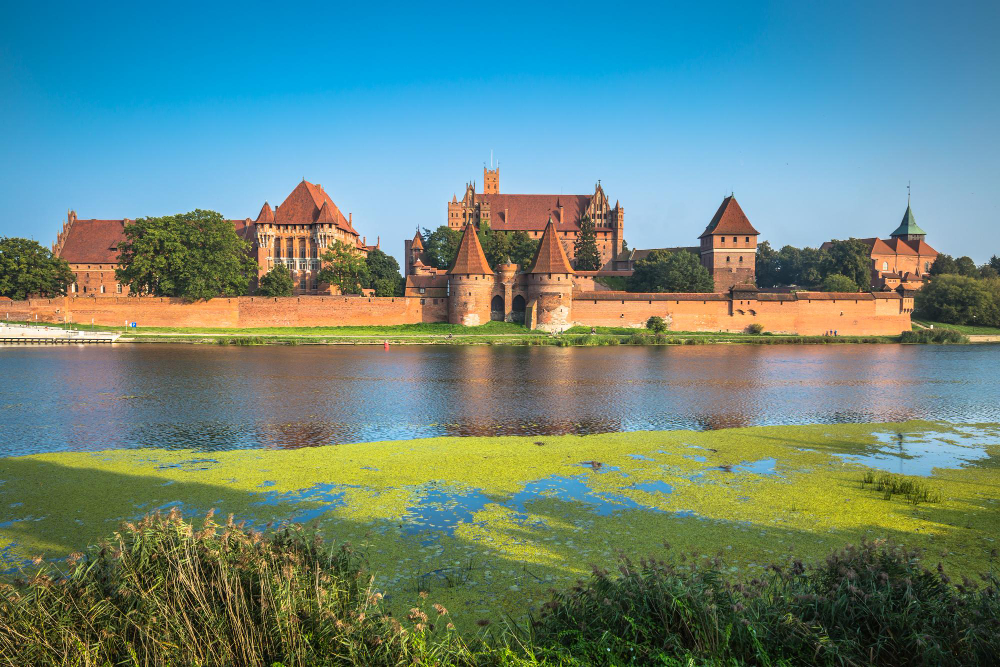
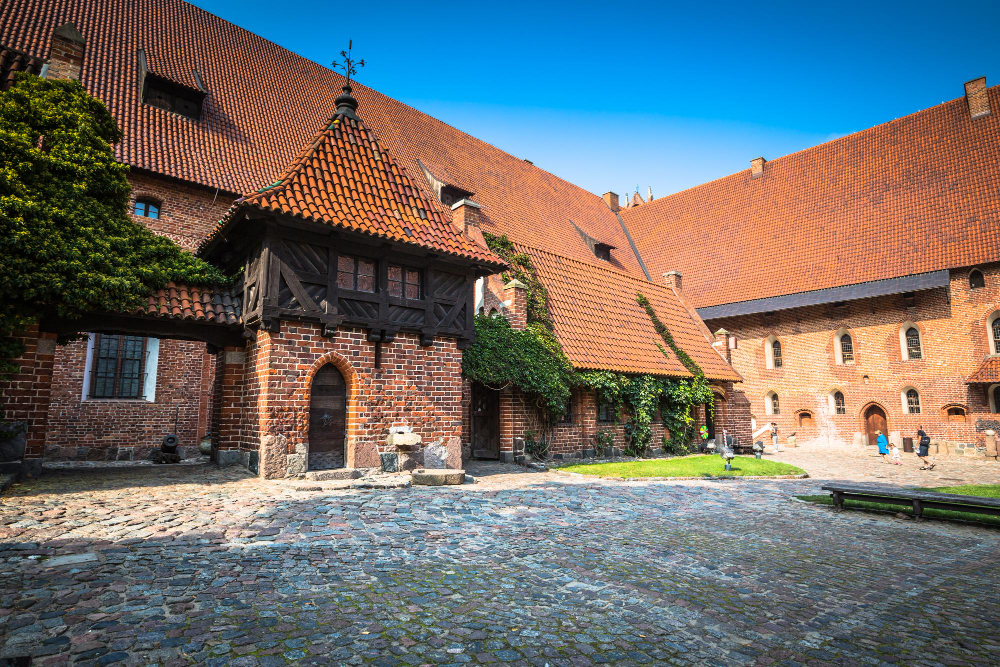
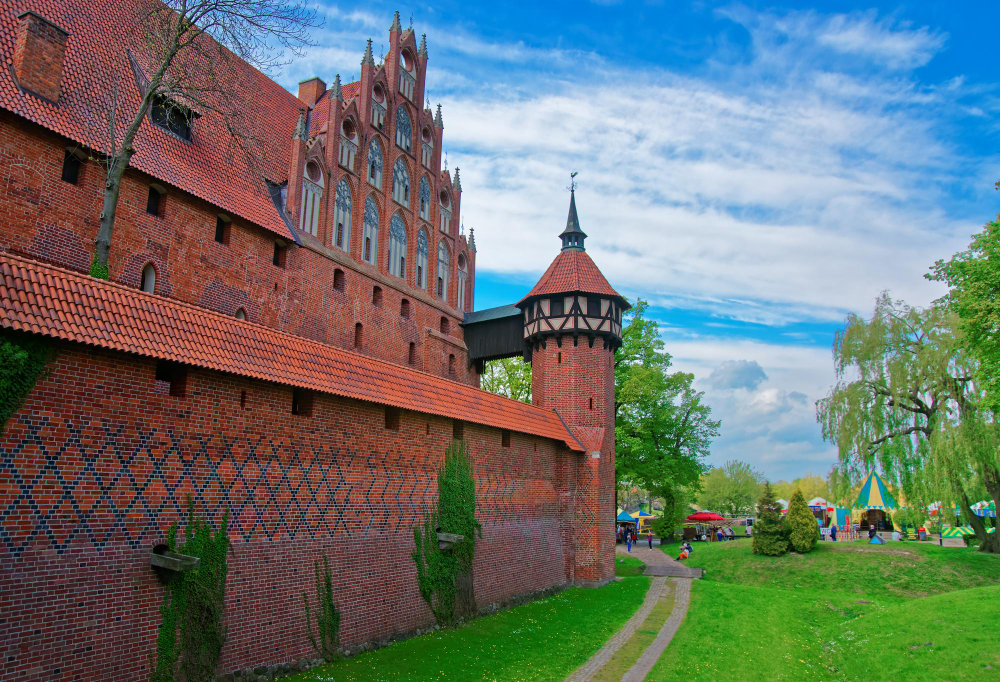
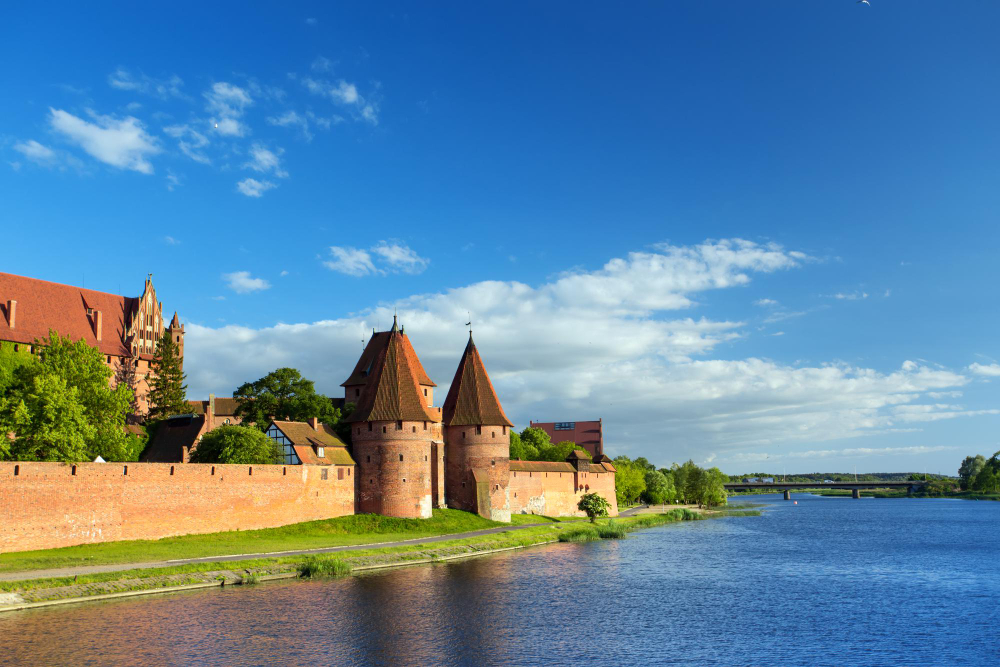
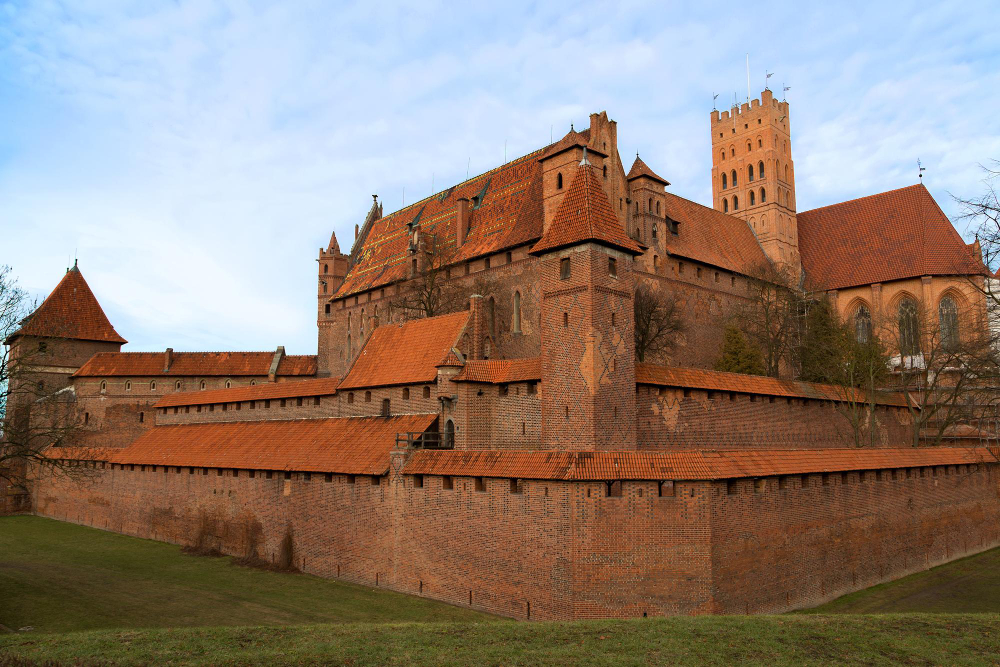
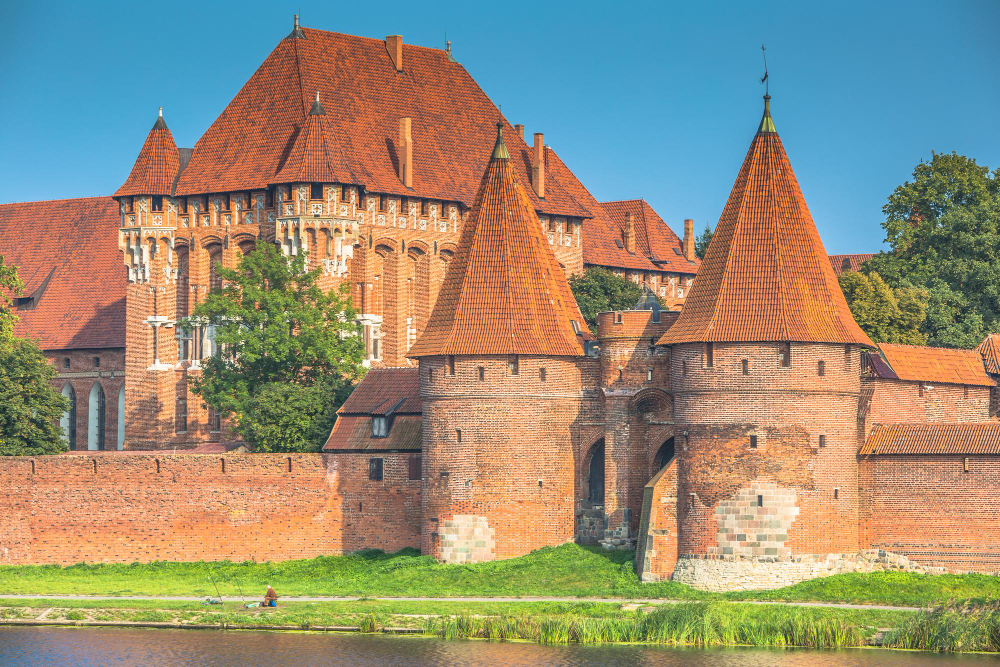
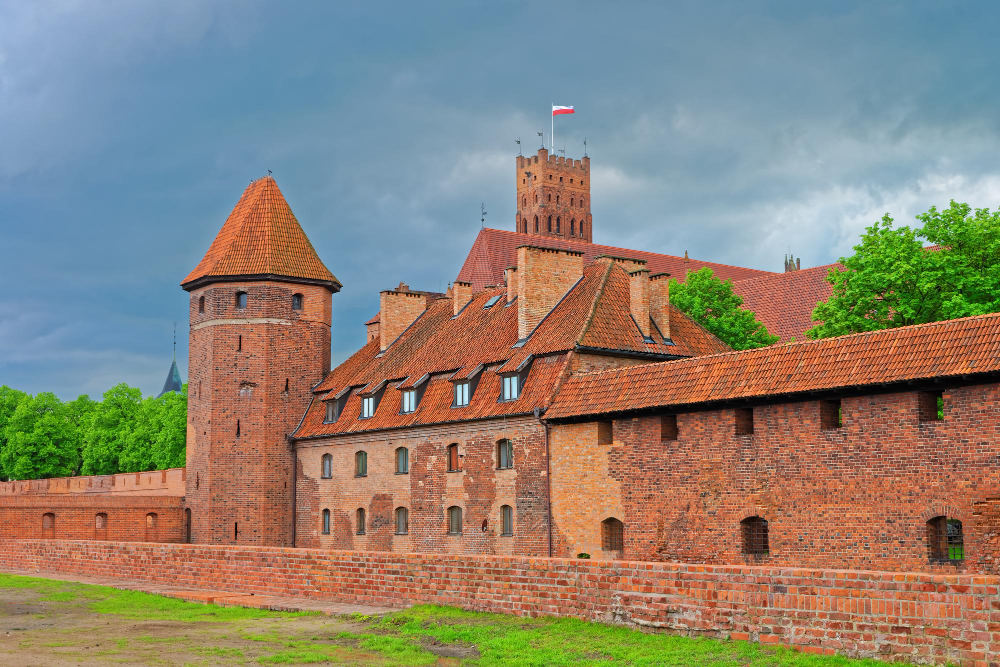
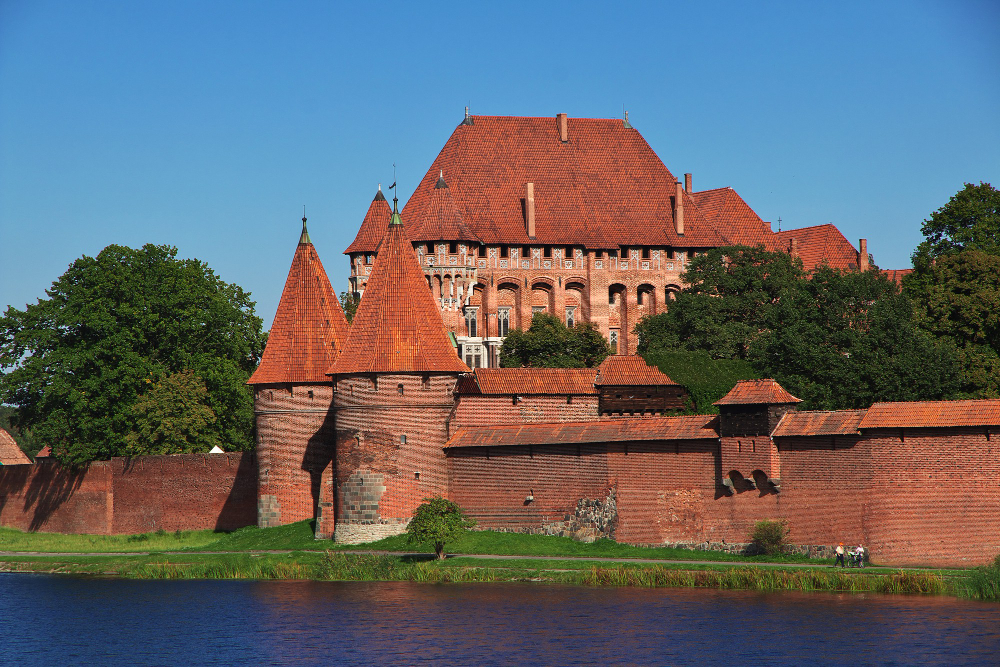
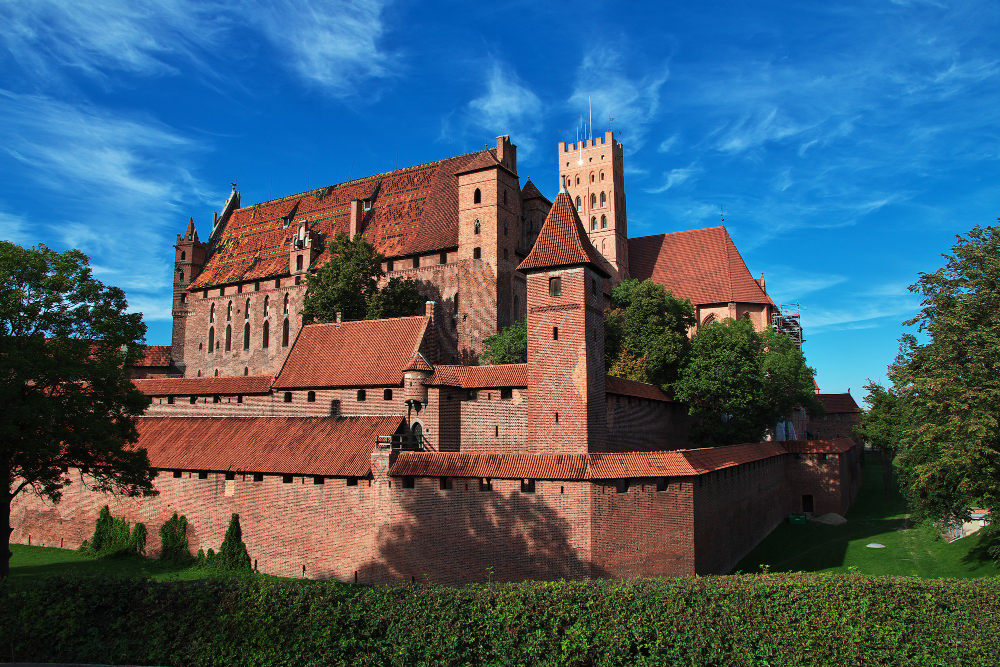
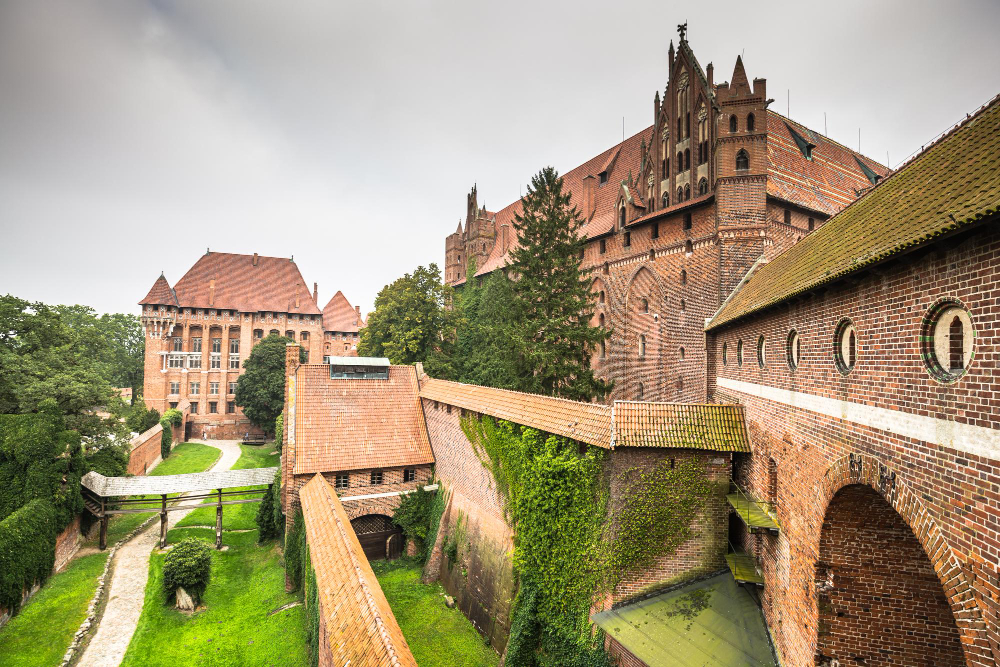
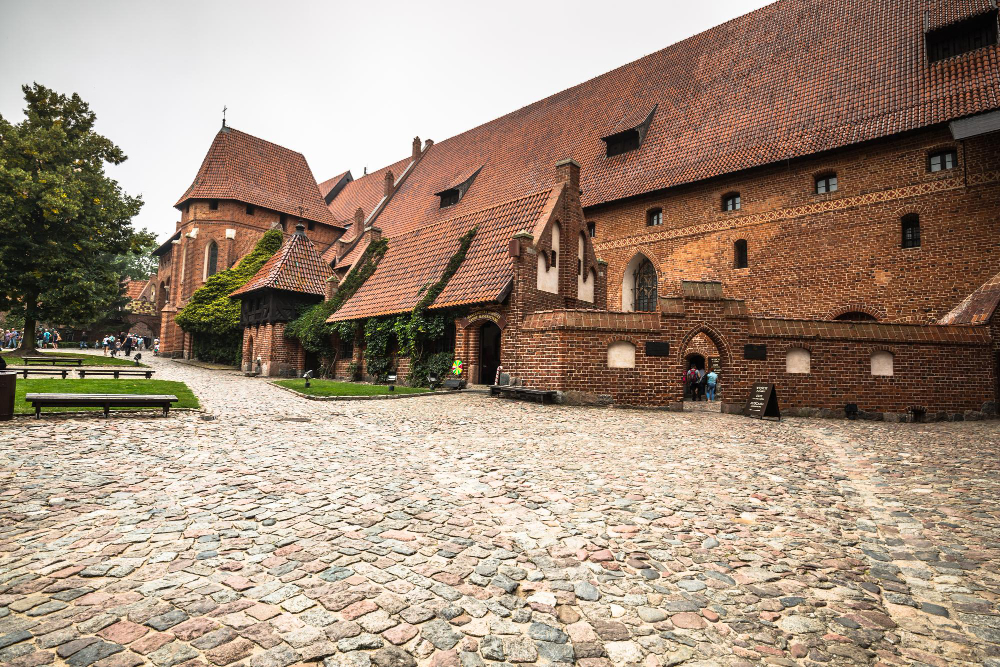
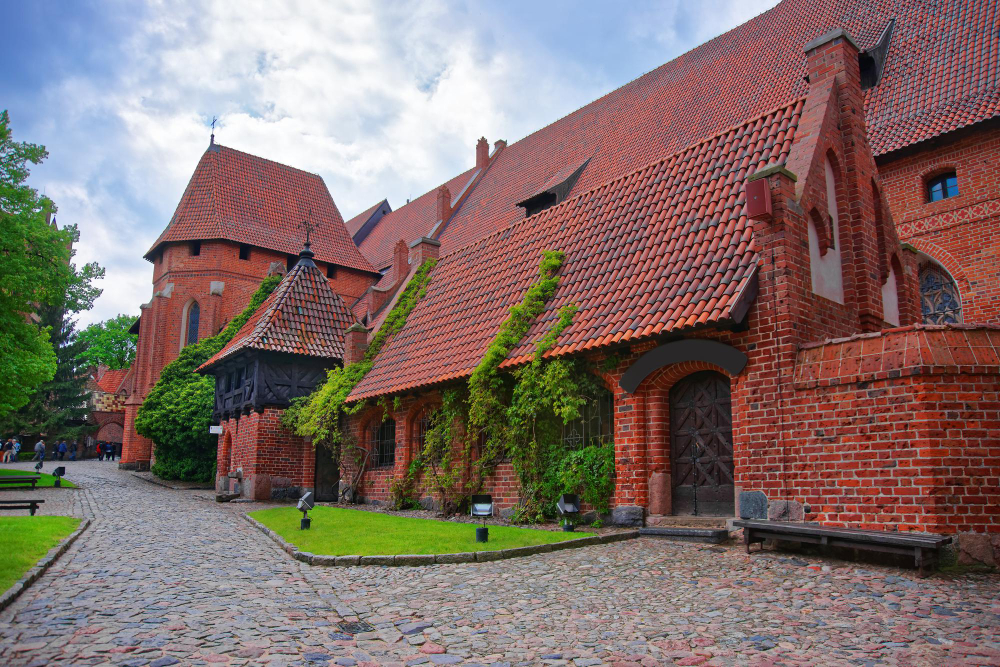
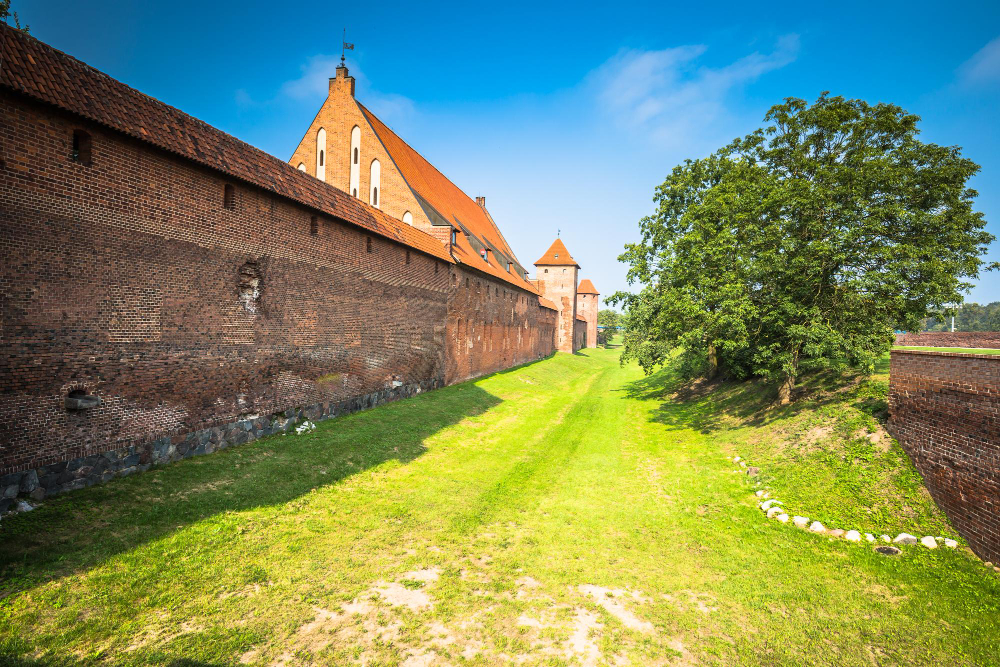
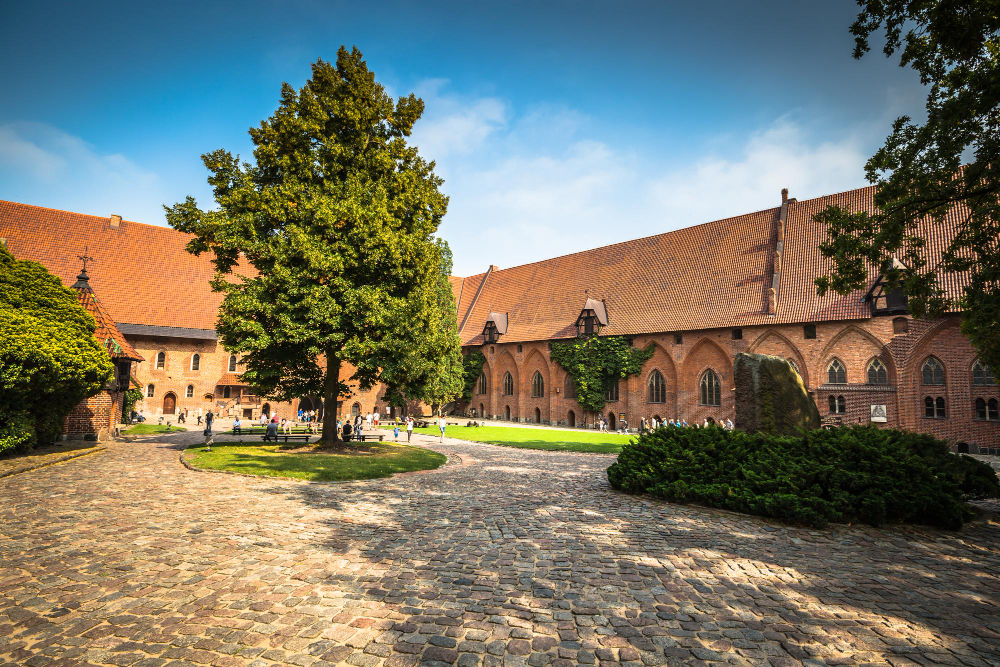
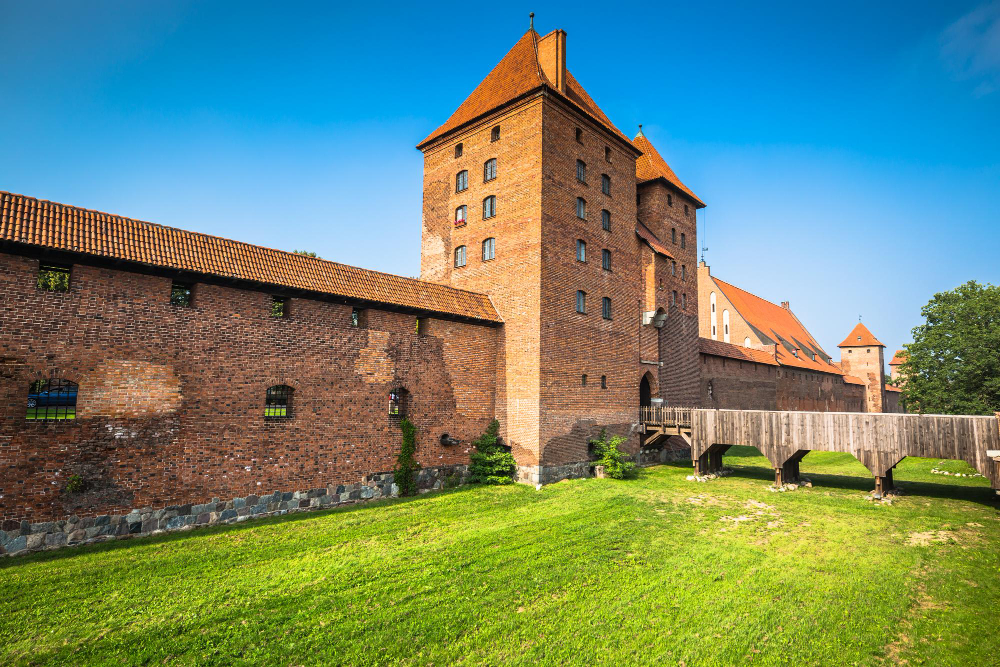
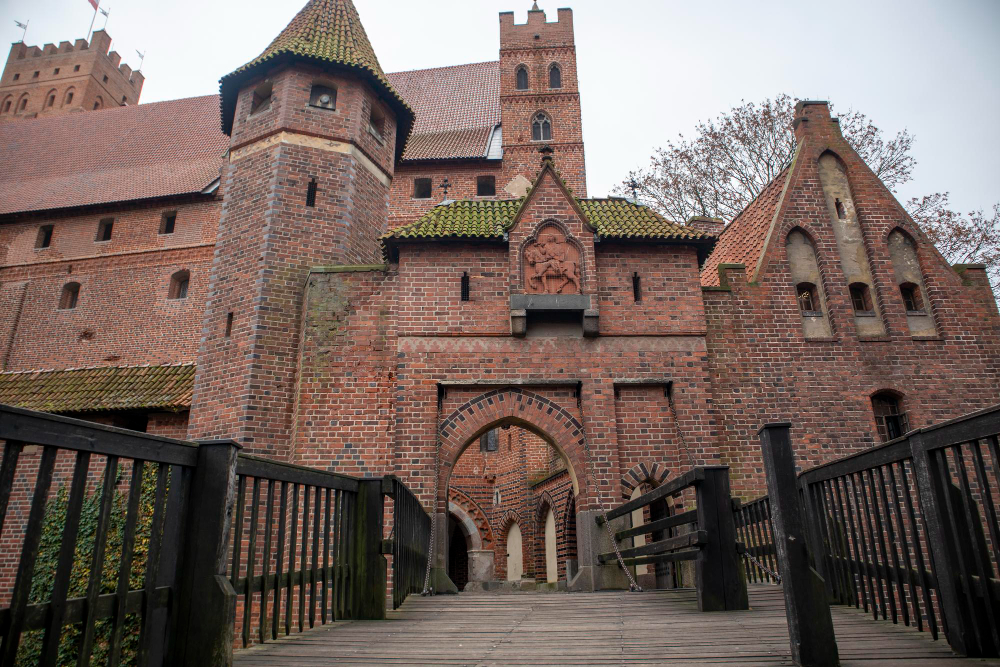
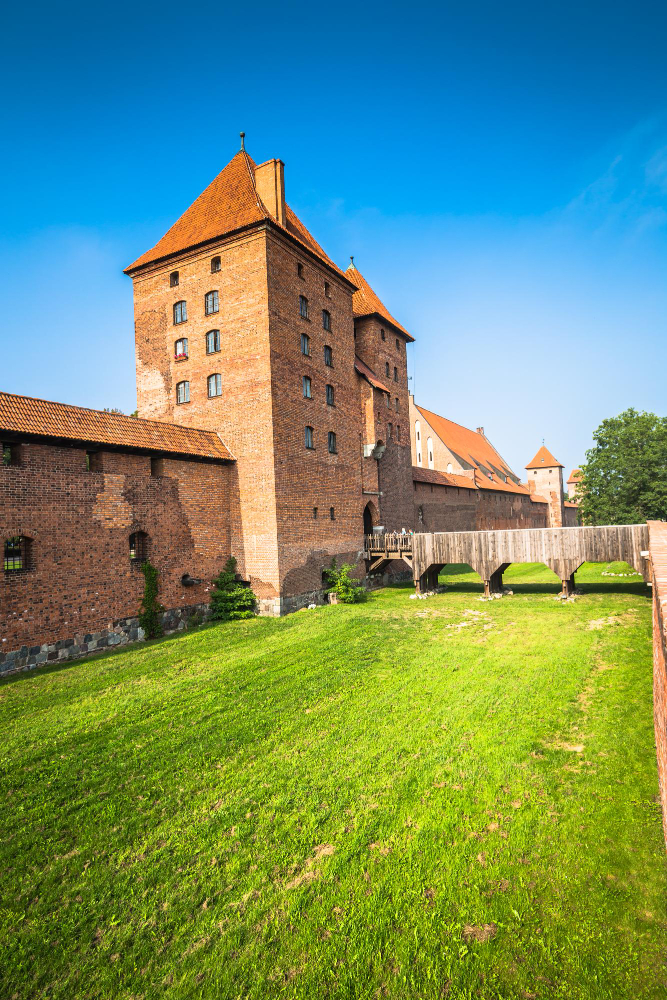
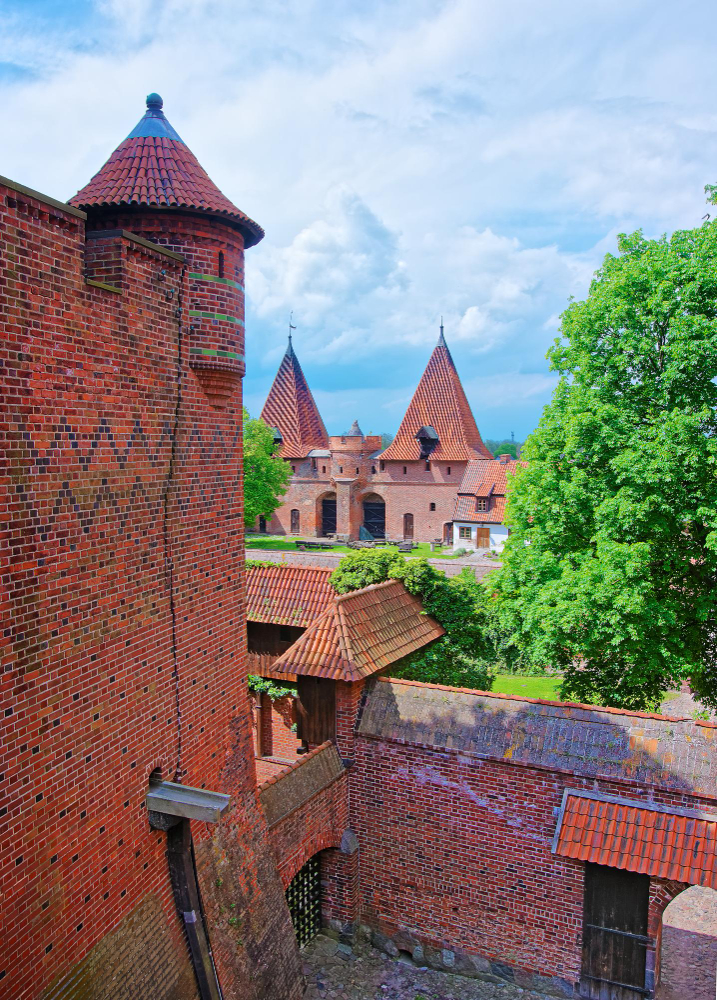
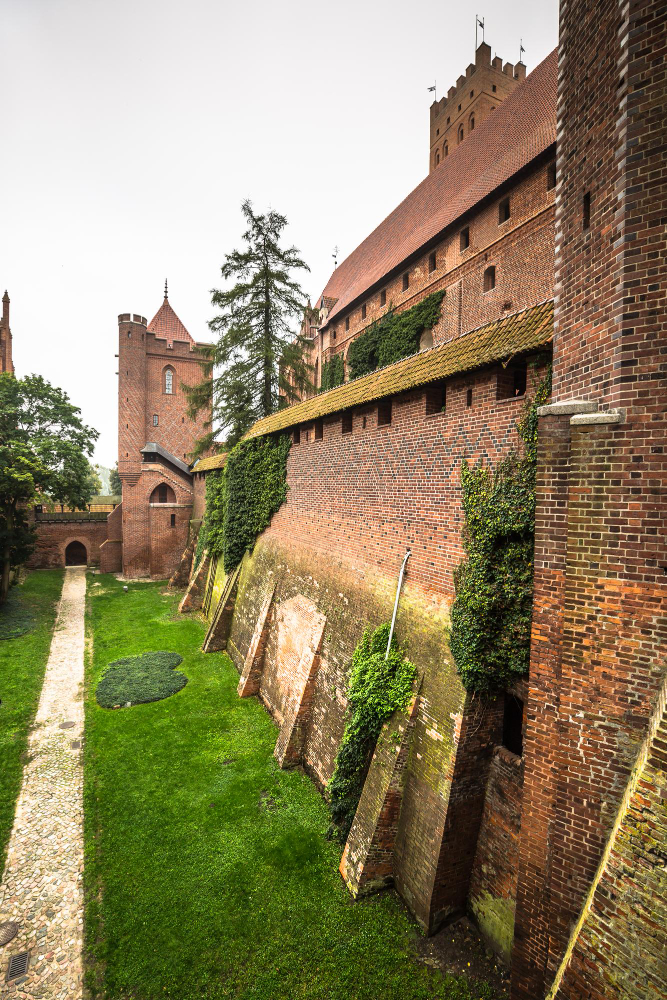
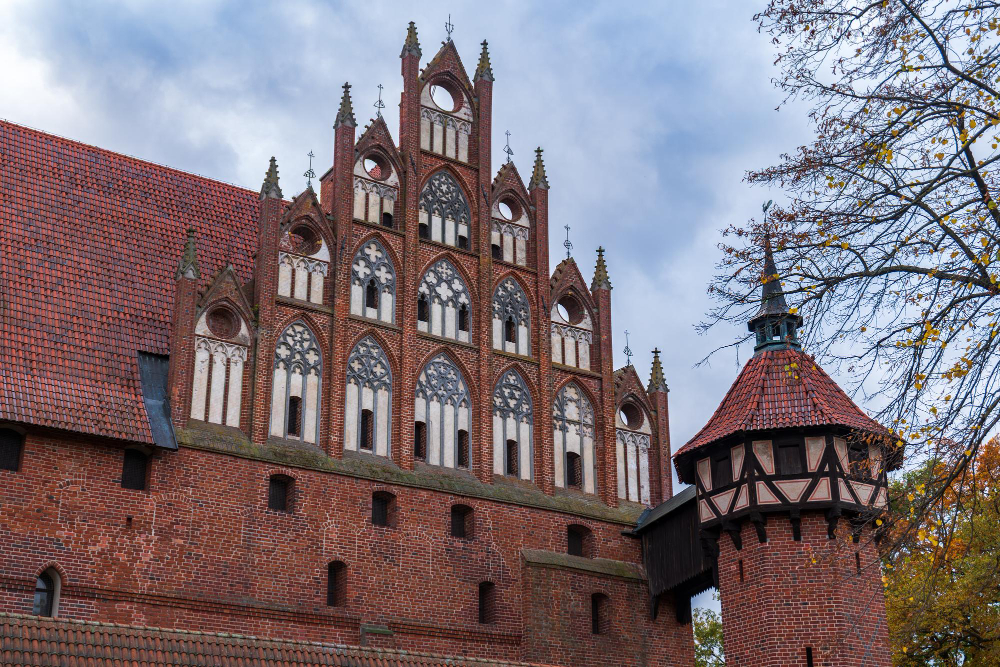
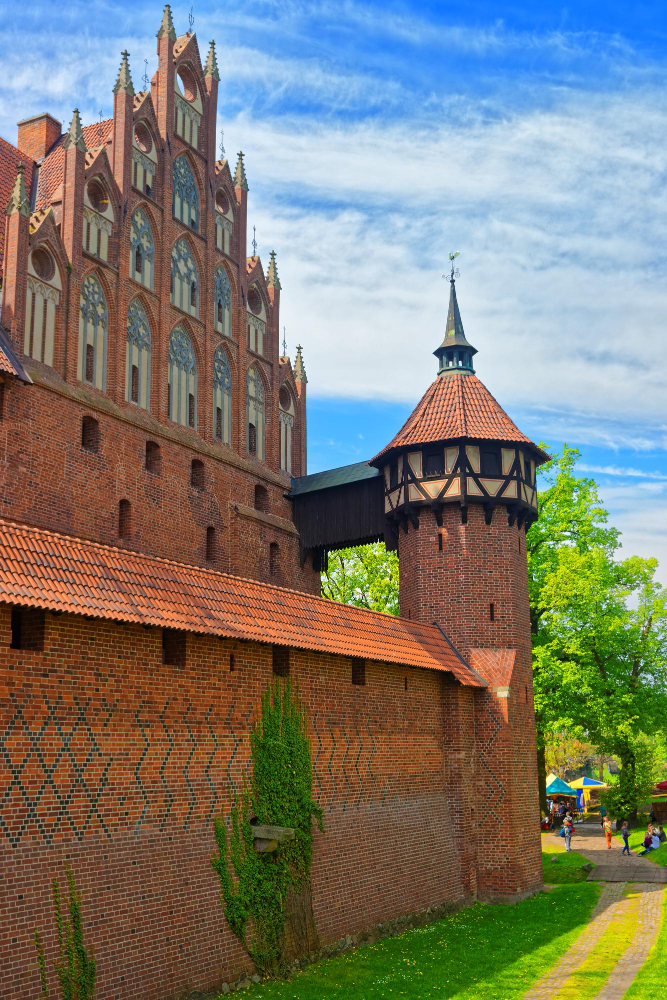
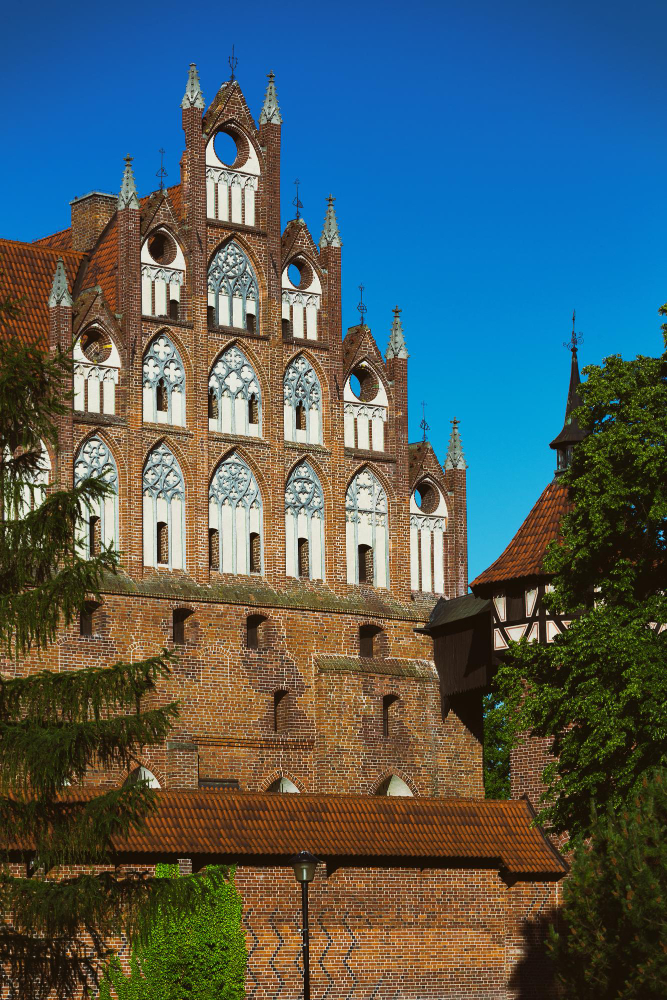
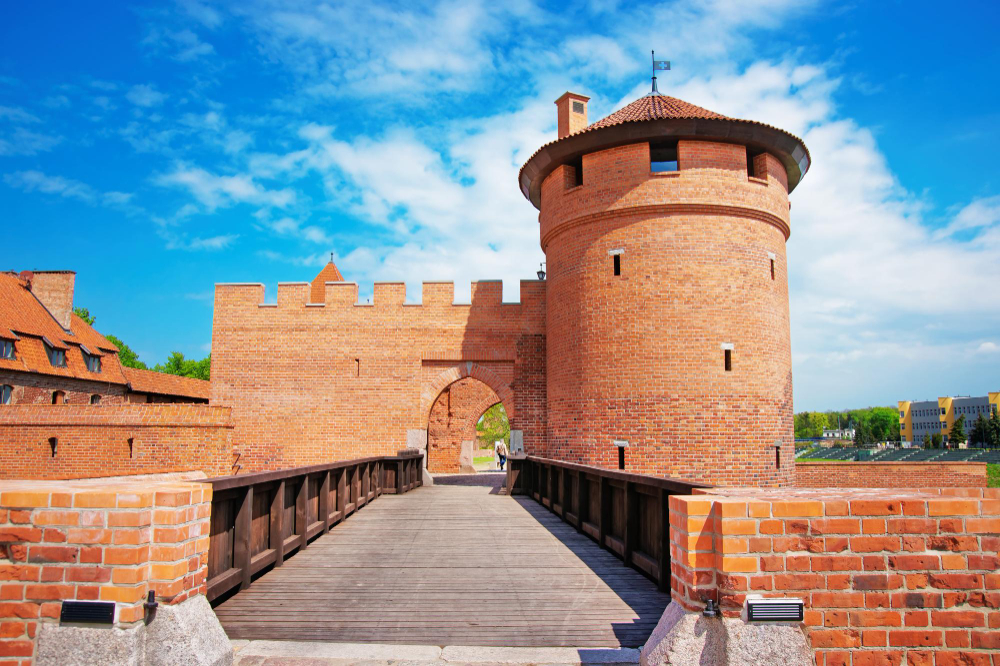
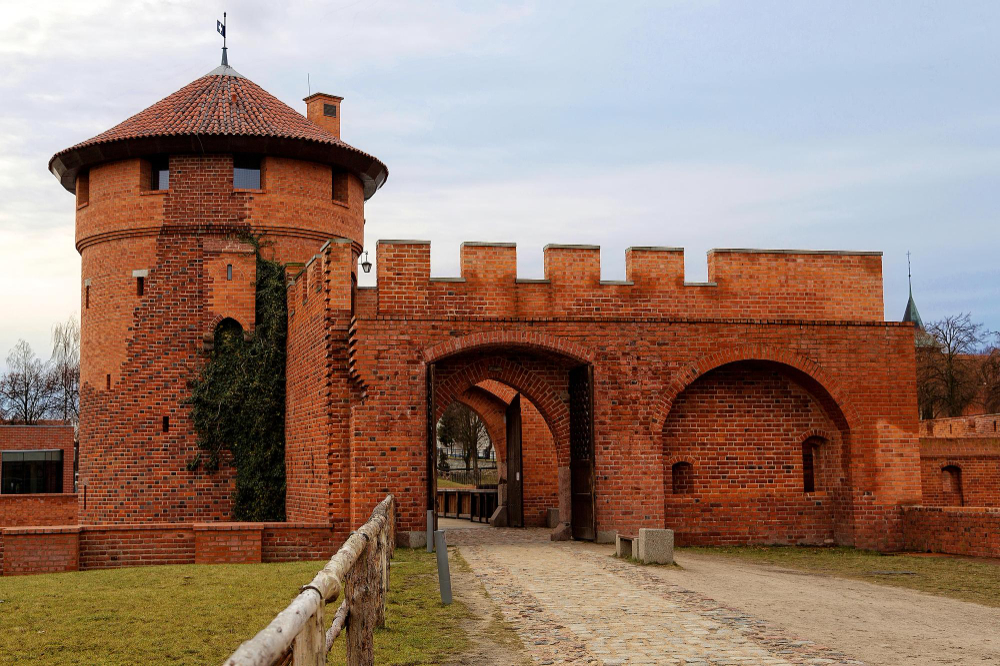
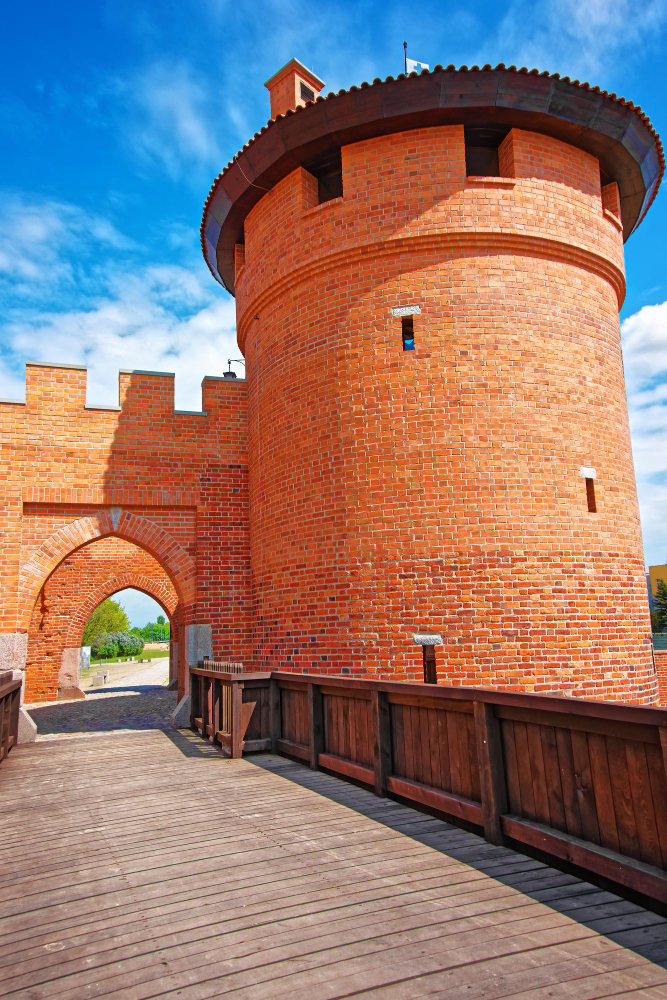
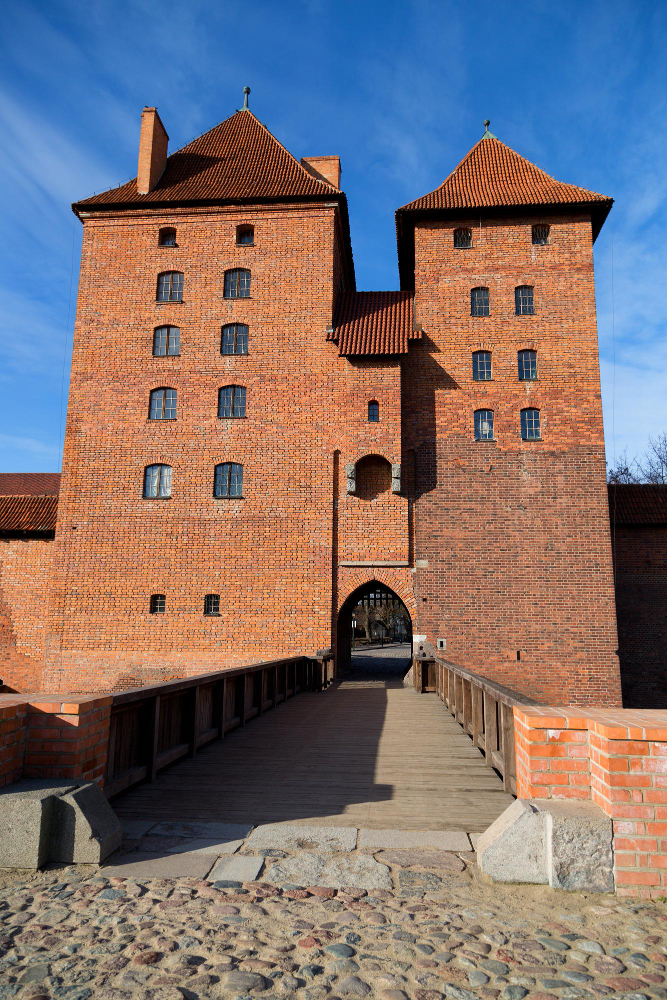
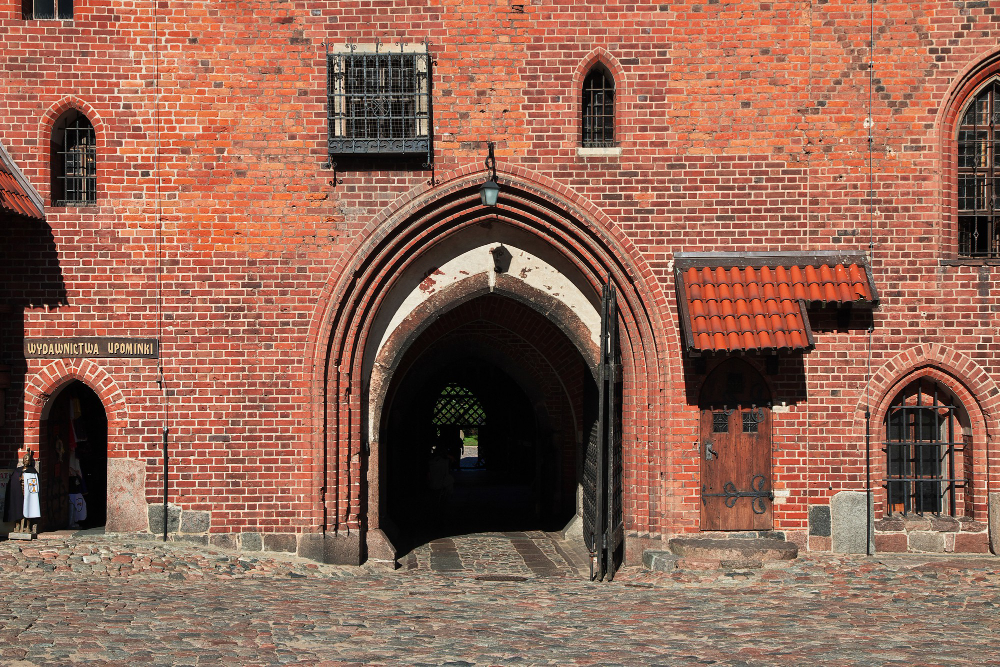
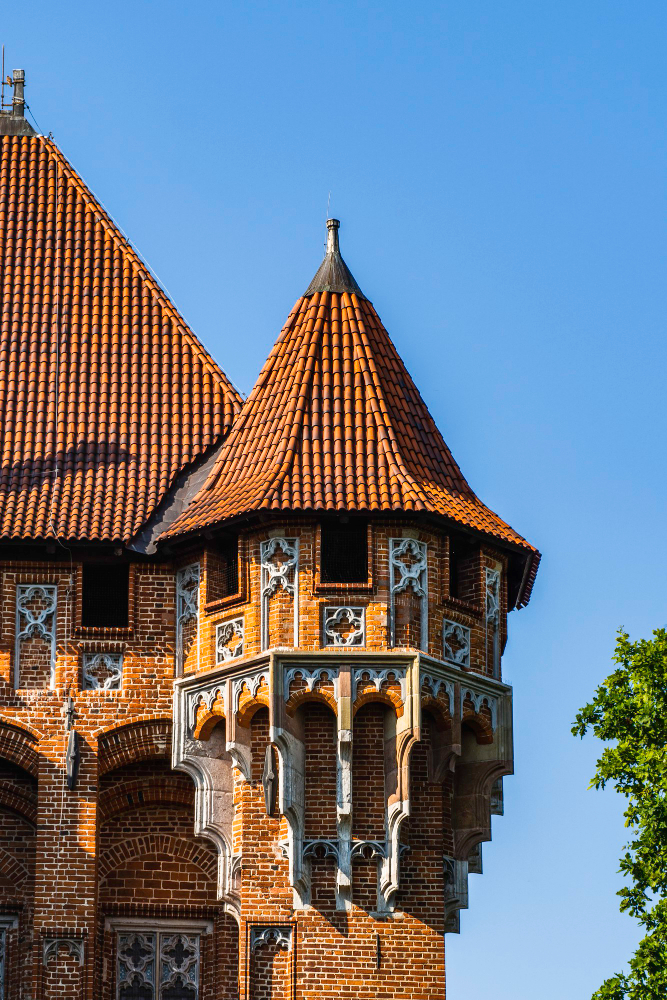
Malbork Castle in present-day Poland – or ‘Zamek w Malborku’, as it is known in Polish – is one of the most impressive structures of the Middle Ages. Yet behind its imposing brick walls lies a dark secret. Alongside its history as the seat of the Teutonic Order, numerous legends and spine-chilling tales surround the world’s largest brick castle. It is said that mysterious forces seem to be at work there, particularly in the cool cellar corridors and the chapel. Are you ready to take a peek behind the magnificent façade? Then immerse yourself in the eerie world of Marienburg, where the boundaries between reality and myth become blurred.
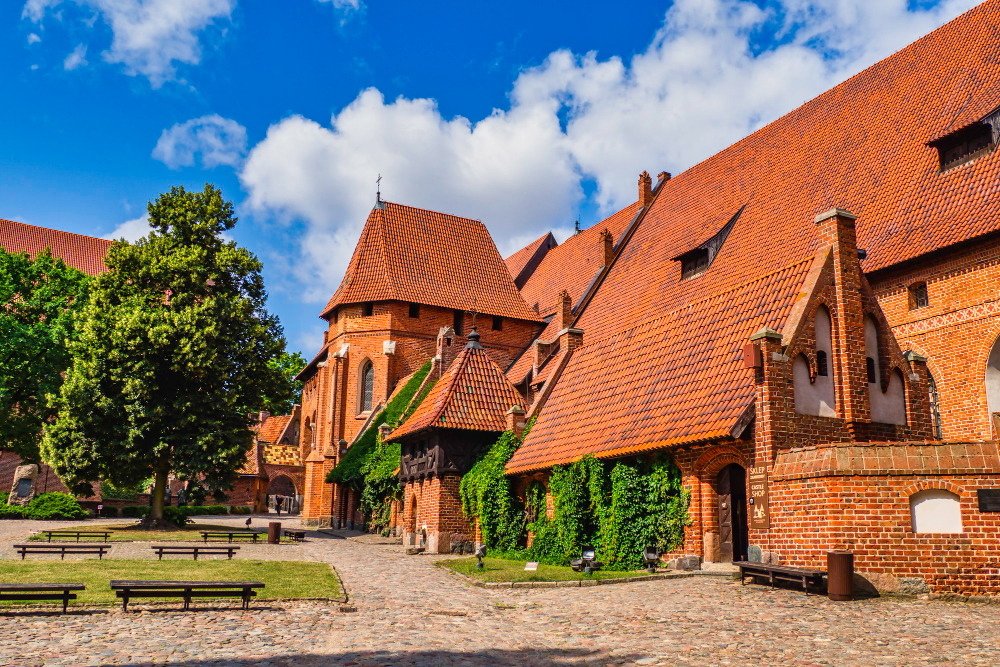
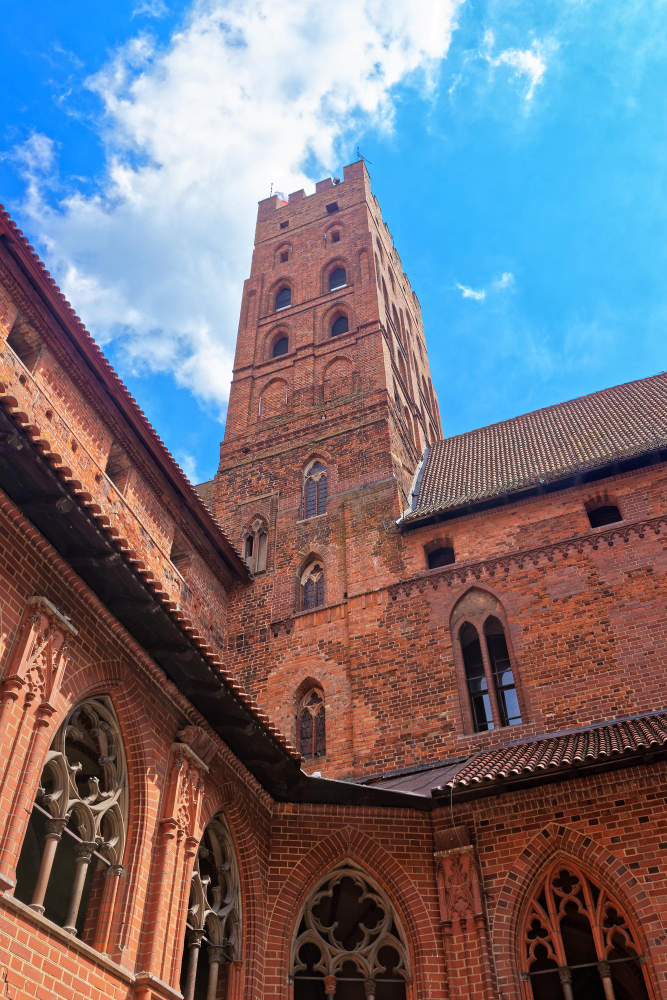
The Shadow of Times Gone By – The origins of Marienburg date back to the 13th century, when the Teutonic Order established a new headquarters here. As a key strategic hub, the castle served not only as a military stronghold but also as a spiritual centre. From here, powerful Grand Masters and their followers shaped the Order’s destiny. Yet power and splendour went hand in hand with intrigue, betrayal and violence – the perfect breeding ground for legends of restless spirits who cannot find peace. One of the most famous tales centres on the castle chapel, a room whose Gothic splendour inspires both awe and dread. It is said that the ghosts of the Grand Masters buried here continue to watch over the chapel long after their deaths. A thick veil of doom is said to shroud this place, causing even the most hardened sceptics to shudder. Visitors report sudden drops in temperature and an inexplicable sense of foreboding the moment they cross the threshold of this room. It seems as though something invisible hovers there – an unspoken warning that this place must be treated with respect.
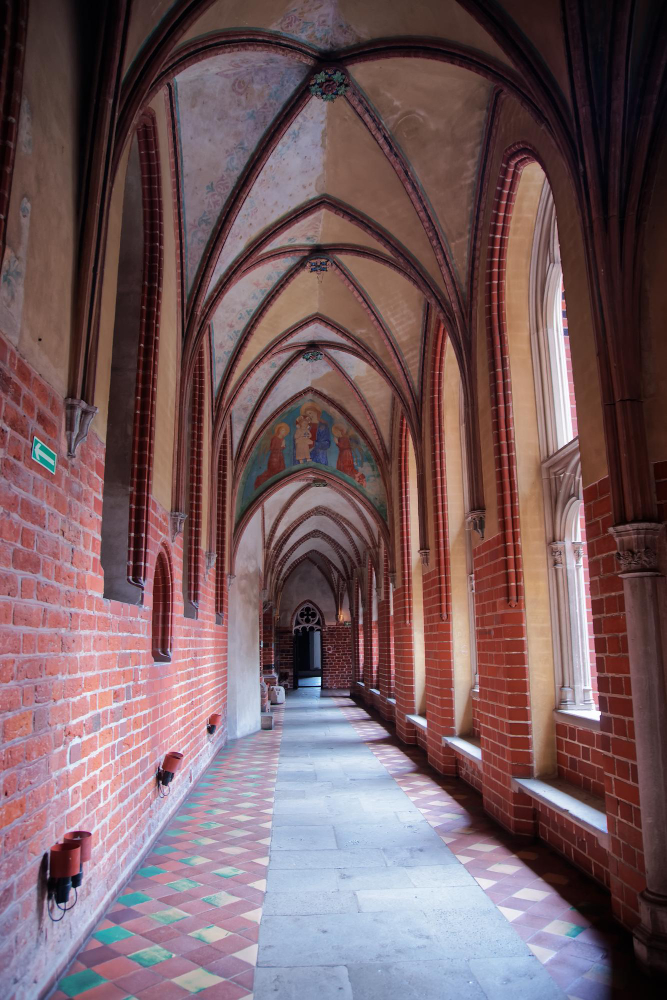
The dark cellars and their secrets – But it is not only the chapel that harbours eerie experiences. The true darkness lurks in the cellar corridors deep beneath the castle. These labyrinthine vaults are, if at all, only dimly lit and convey a sense of eternal lostness. Enveloped in absolute silence, one might think the walls themselves were breathing – but what is it, exactly, that triggers this uneasy feeling? Many visitors report being suddenly overcome by an inexplicable chill in the passageways, even though the air is otherwise pleasantly mild. Shadows flit across the walls where there is no light, and unexpected sounds – such as the tapping of footsteps – echo through the endless tunnels. Some even claim to have heard voices – soft whispers that seem to come from the depths of the earth. What might these voices be saying, and to whom do they belong? No one knows for certain. Yet the stories suggest that the ghosts of the past are far from ready to give up their castle.
A curse for all eternity? – Another eerie legend holds that the entire Marienburg is under an ancient curse. This curse is said to date back to a time when the Teutonic Order was waging its brutal campaigns of conquest. According to one legend, the castle was built on a sacred, ancient cemetery dedicated to the protection of local spirits and ancestors. The desecration of this land is said to have incurred the wrath of otherworldly powers, which have since watched over Marienburg Castle, bringing misfortune upon anyone who breaks their unspoken rules. Some say that, especially at night, the castle gives the impression of being alive. Doors that open of their own accord, footsteps echoing without any visible source, and the feeling of being constantly watched ensure that even the bravest wish to leave this place. An oppressive atmosphere hangs over Marienburg, reaching its peak especially at full moon. Perhaps it is the curse itself that makes itself felt on such nights.
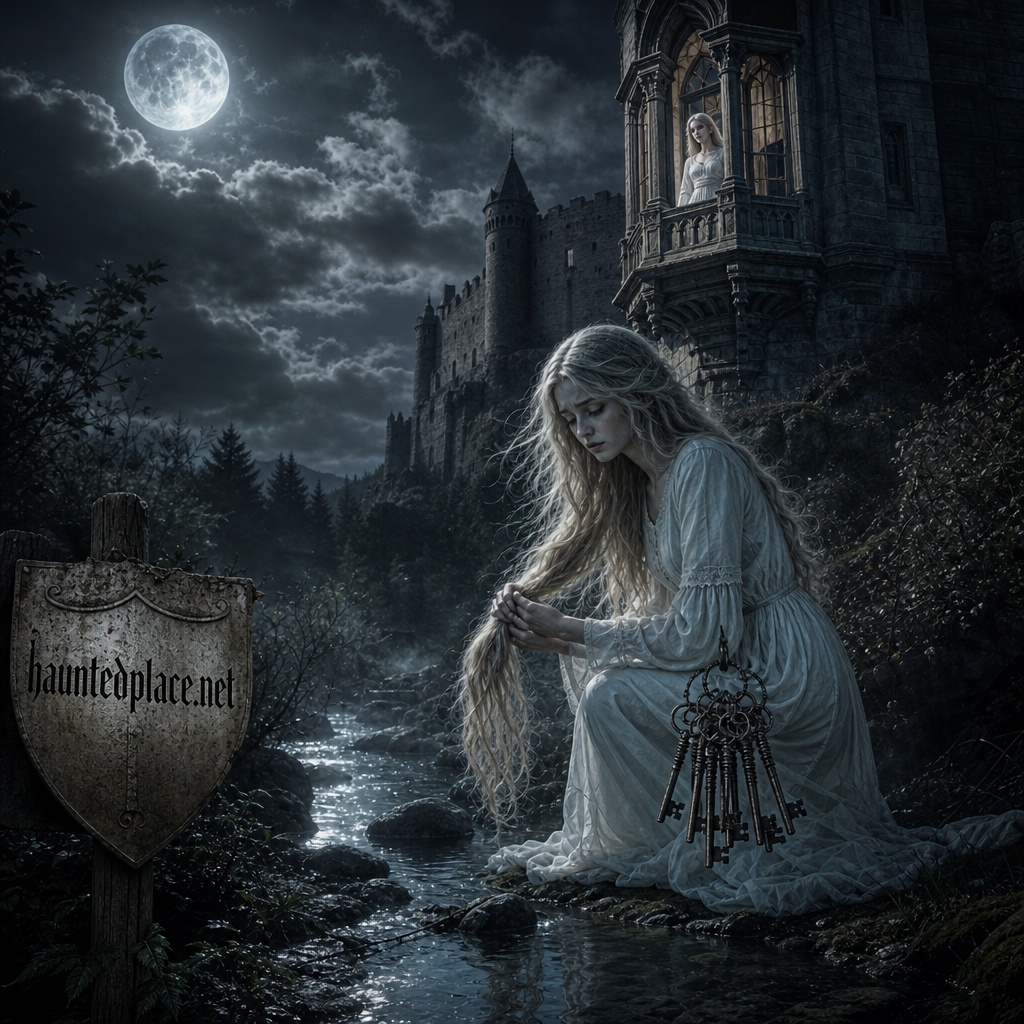
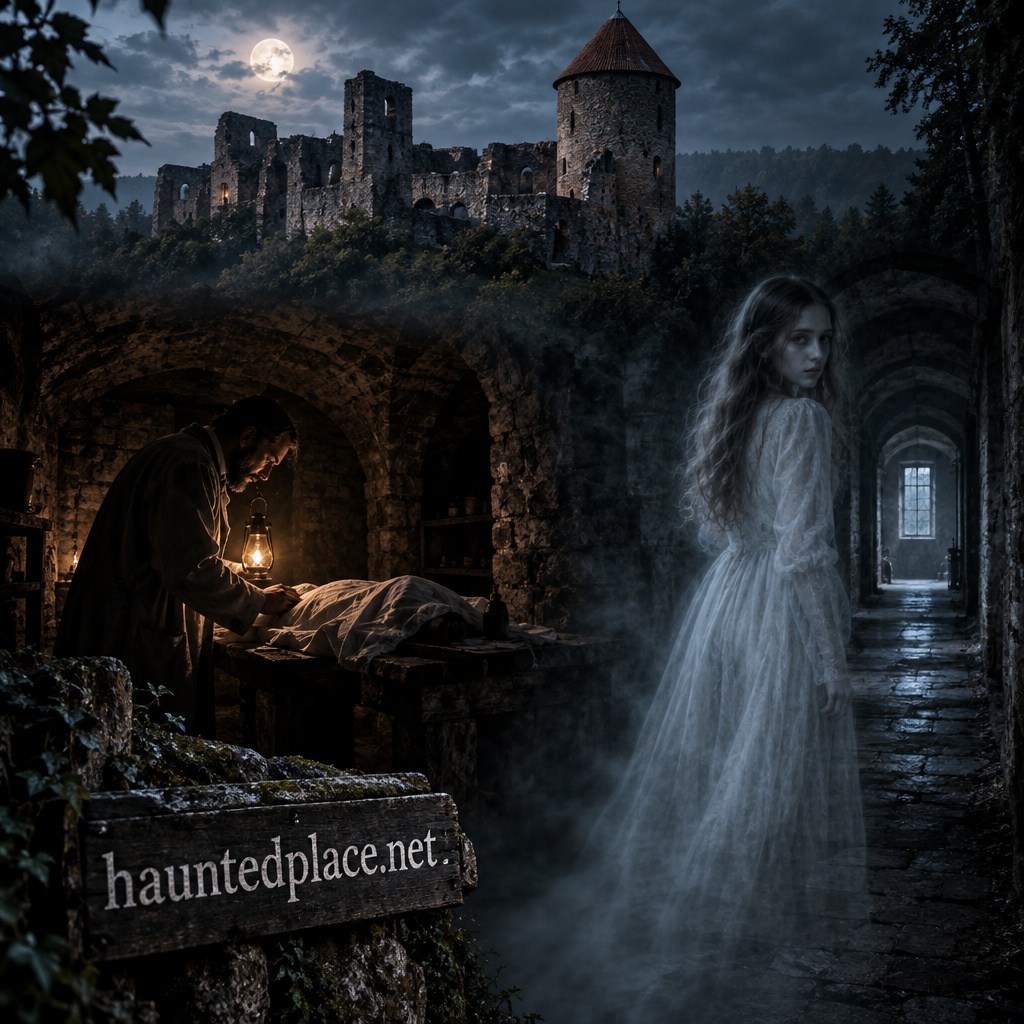
The White Lady – Myth or Warning? – Alongside the general reports of hauntings in the castle, one particular figure is mentioned time and again: the White Lady. She is said to be a tragic figure, a young woman named Gertruda, who was secretly engaged to a Grand Master but was betrayed by him. Overwhelmed by grief and anger, she took her own life in the icy waters of the nearby River Nogat. Her soul, however, is said never to have found peace. Today, Gertruda is said to wander as a white ghost through the dark corridors of Malbork Castle. Her destination remains unknown, though some believe she is seeking redemption or justice. It is said that seeing her bodes ill: whoever encounters her is said to be struck by misfortune themselves. Yet some argue that the White Lady is not a malevolent spirit, but rather seeks to warn of an impending danger. Whatever the truth may be – the thought of a wandering soul lends the already eerie castle an even more ghostly aura.
Attempts at Scientific Explanation – Naturally, sceptics attempt to explain the phenomena rationally. The sudden drop in temperature in certain rooms could be attributed to the castle’s architecture. After all, its walls are made of solid brick, which retains cold particularly well. Similarly, the strange noises and shadows could be caused by draughts or optical illusions. Yet even these explanations cannot entirely dispel the carefully preserved legends. For the question remains: why do so many different people experience similar occurrences? Perhaps the castle’s own history also contributes to the atmosphere. Marienburg Castle has been the scene of numerous grim events – from battles and sieges to executions and betrayal. The walls bear witness to these tragedies and may harbour more memories than one would care to admit. Could it be that the energy of this cruel past still echoes within the stones?
Marienburg today: pure thrills for the curious – Despite – or perhaps precisely because of – its dark legends, Marienburg attracts numerous visitors year after year. Some come to explore the history of the Teutonic Order, whilst others are specifically seeking a thrill of a special kind. Night-time guided tours, during which visitors roam the dark walls by torchlight, are extremely popular. Everyone must decide for themselves whether the eerie feeling stems solely from the atmosphere of the old castle – or from something that lies beyond our understanding. Whether ghost stories or realistic anecdotes: Marienburg remains to this day a place that both fascinates and instils fear. It is a symbol of the Middle Ages, but also a haven of the uncanny, whose secrets will probably never be fully revealed. Yet perhaps that is precisely what makes it so alluring: in a world that has rationalised everything, Marienburg offers the chance to encounter the unknown – and to set the heart racing.
Marienburg is more than just an impressive historical building – it is a place where myth and history merge. Its labyrinthine corridors, gloomy cellars and eerie legends of ghosts and curses ensure that it remains an attraction not only by day, but also comes to life after dark. It is a place that reminds us that even the most magnificent buildings have a dark side – a side that tells its own, often eerie, story.