 Isabella Mueller Baroness of Stainton le Vale
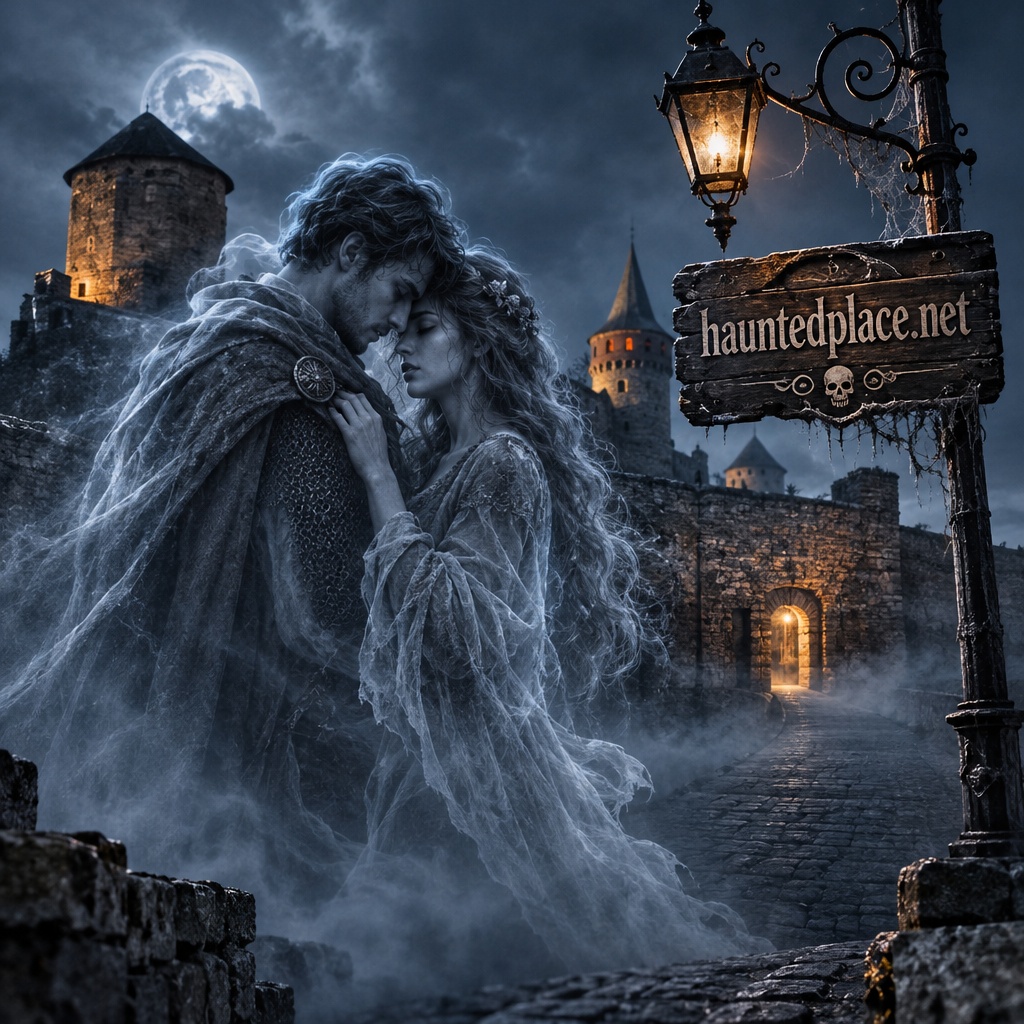
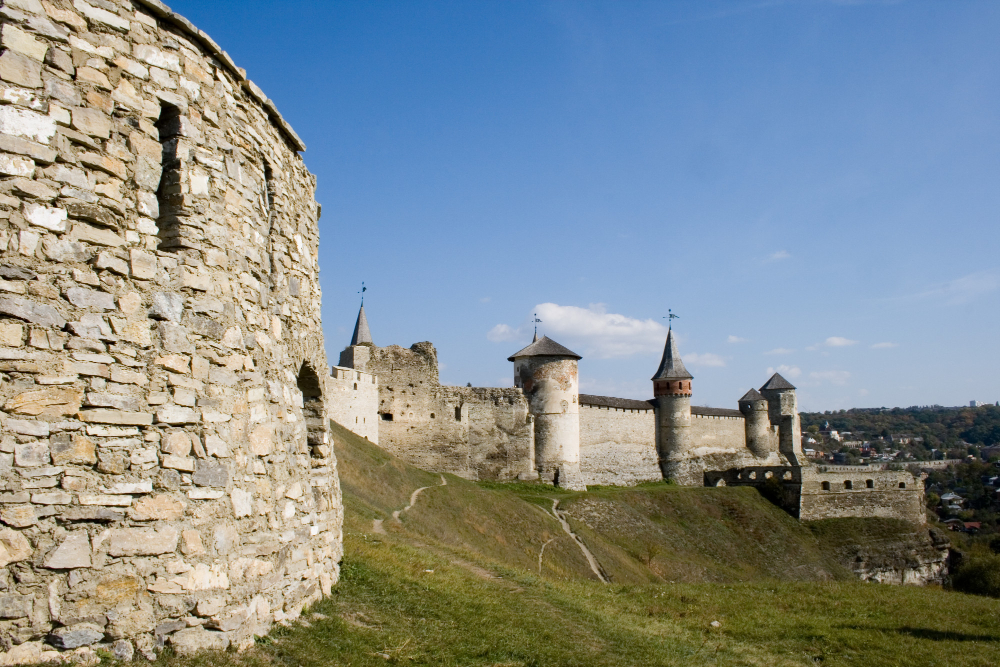
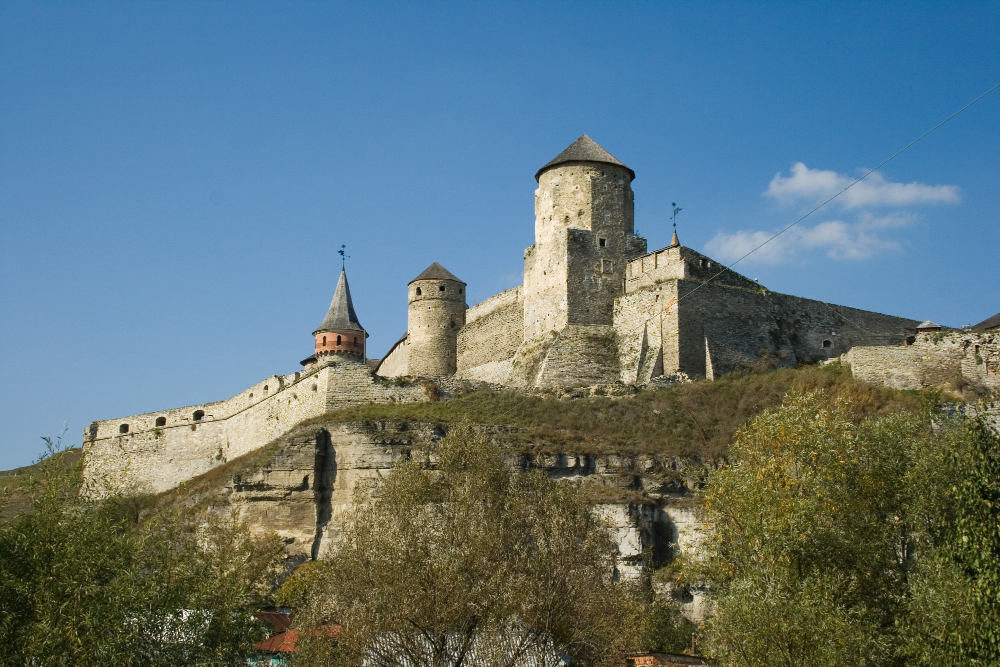
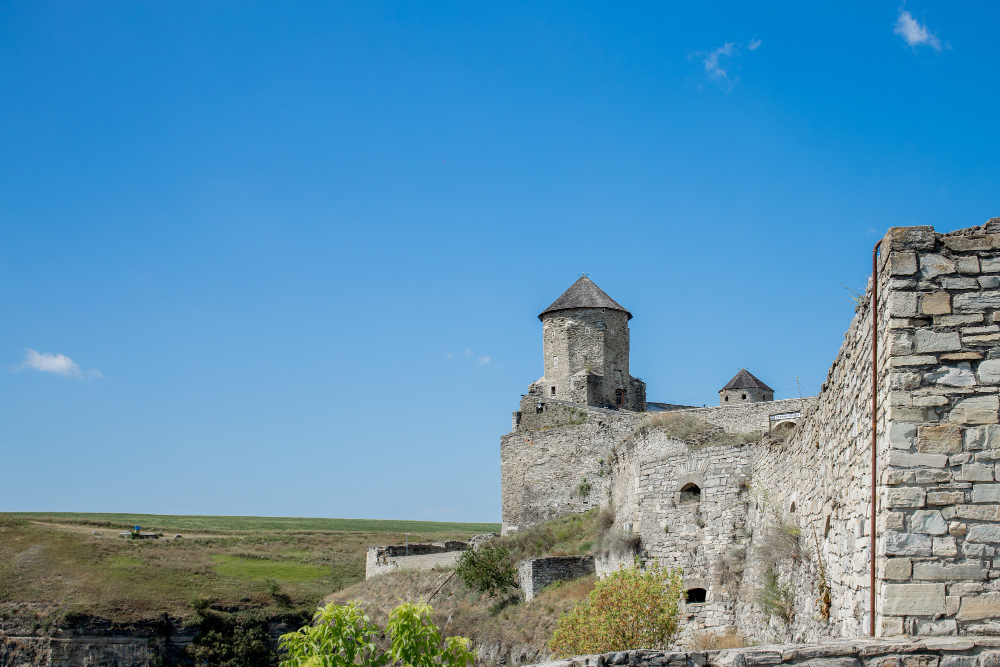
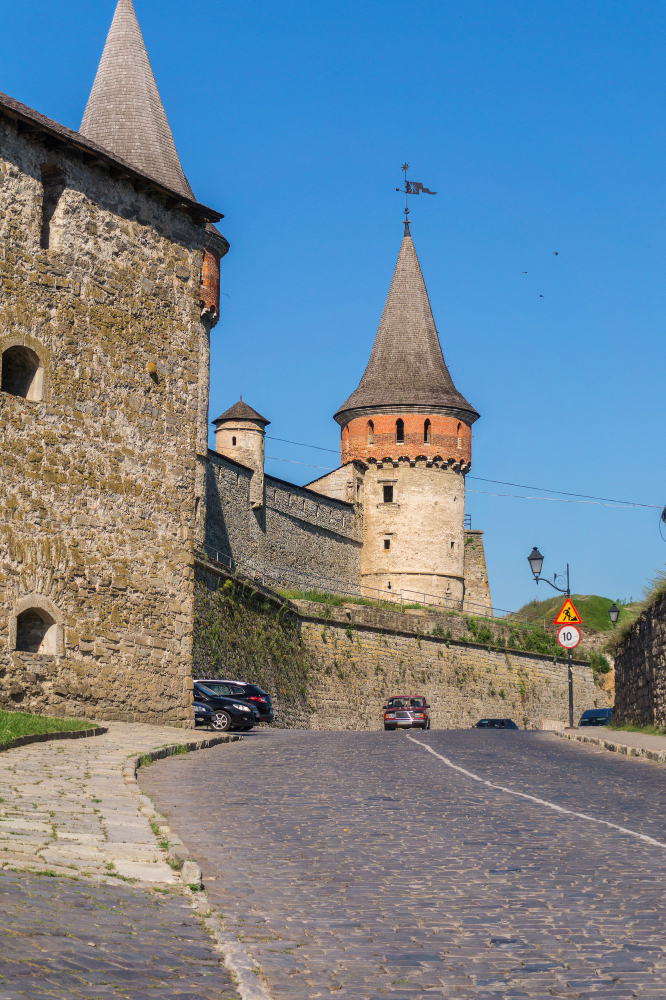
High above the deep valley of the Smotrych River stands the fortress of Kamianets-Podilskyi in western Ukraine. Its towers, walls and stone fortifications are among the most famous landmarks of this historic town. For centuries, they have guarded the entrance to the old town, which lies on a rocky islet almost entirely surrounded by the river. However, the castle is not merely a testament to military architecture and an eventful history. Its ancient walls are also linked to a local, romantically sombre tradition: the legend of the fallen lovers. It tells of a young couple who were separated during a siege of the town and lost their lives whilst defending Kamianets-Podilskyi. According to the tale, their ghosts are said to still roam near the fortress walls. Particularly on quiet nights, when the wind sweeps through the battlements and shadows creep across the towers, residents and visitors claim to have heard voices or seen two figures on the walls. The legend forms part of the oral tradition surrounding the old fortress. There is no historically verifiable name, exact date or reliable contemporary account of the two lovers. It is precisely this uncertainty that has kept the story alive across generations. Kamianets-Podilskyi was a strategically important location for many centuries. The town lay on key trade and military routes and was protected by its unique geographical position. The Smotrych River flows around the old town in a tight loop; a narrow land bridge led to the fortress and provided access to the town. Anyone wishing to control Kamianets-Podilskyi had to overcome these fortifications. The castle complex, which in its present form combines elements from different eras, was therefore repeatedly extended, reinforced and altered.
Its history is marked by changes of rule, attacks and sieges. Kamianets-Podilskyi belonged at times to the Grand Duchy of Lithuania, was under Polish rule for a long period and came under Ottoman control in the 17th century. Later, the town belonged to the Russian Empire before becoming part of present-day Ukraine. Each of these periods has left its mark on the town’s appearance and in the stories told by its inhabitants. Where fortresses were contested over the centuries, stories also emerged of lost families, slain defenders and unfulfilled promises. The legend of the fallen lovers is not usually linked to any single historical attack. Rather, it is set in that indeterminate period during which the town was repeatedly threatened. In some versions, the young man is a defender of the fortress; in others, a soldier or a sentry. The woman is described as the daughter of a citizen, a resident of the old town, or a young woman who ventured near the walls despite the danger. What all the tales have in common is that their love is put to the test during the days of a siege. The man is said to have fought on the walls or at one of the entrances to the castle. Whilst the attackers attempted to reach the fortified town, he remained with the defenders. The woman waited in the town for news of him. In the legend’s narrative, the fortress is not merely a military structure, but a boundary between hope and loss. Behind the walls are the people hoping for protection; beyond them lies danger. For the couple, this boundary becomes insurmountable.
As the fighting grows ever fiercer, the young woman resolves to seek out her lover. The tale describes her journey through a town filled with fear and unrest: locked doors, hurried footsteps, people with few possessions seeking shelter. Smoke and dust are said to have hung over the fortress walls. Eventually, she reaches the defenders’ position, but she arrives too late. The young man is already mortally wounded or falls at the very moment she finds him. In a particularly tragic version, the young woman refuses to leave him behind. She stays with him, even though the danger persists. She, too, loses her life – either in the attack, from a stray bullet, or in the chaos of the retreat. Other versions recount that, out of despair following his death, she threw herself from the walls. These details vary depending on the narrator. The central message, however, remains the same: two people who wanted to live together are separated by war and siege. After their deaths, so the legend goes, the lovers found no rest. Their shadows are said to appear on the walls, often as two figures walking side by side, only to vanish into the darkness shortly afterwards. Some accounts speak of a faint cry; others of a young woman in light-coloured clothing standing at the edge of the fortifications, gazing towards the town. Still others tell of a man striding along the old battlements, as if he were still standing guard.
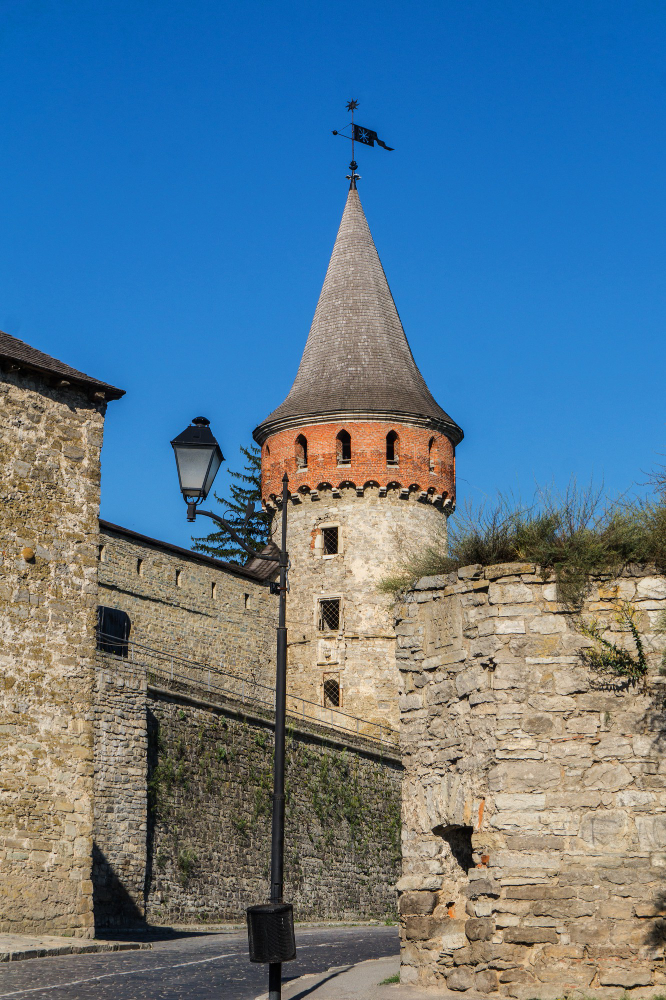
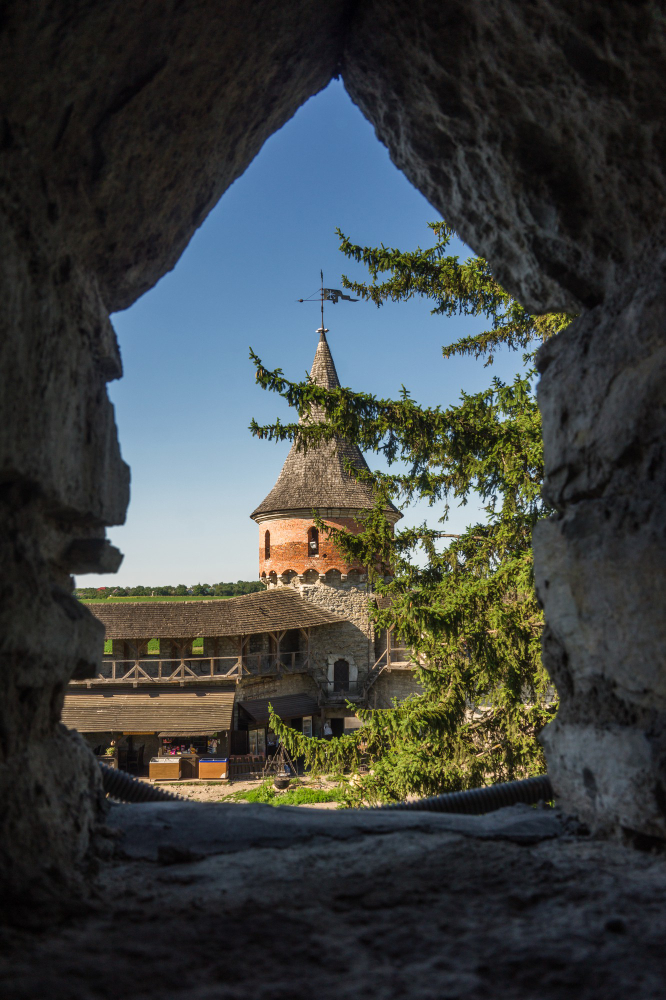
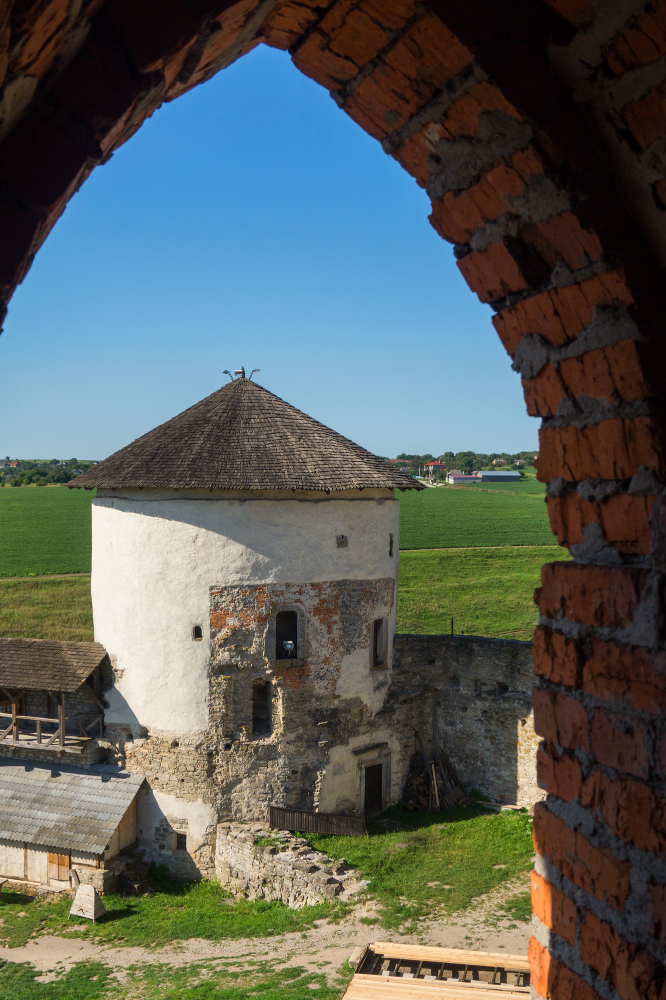
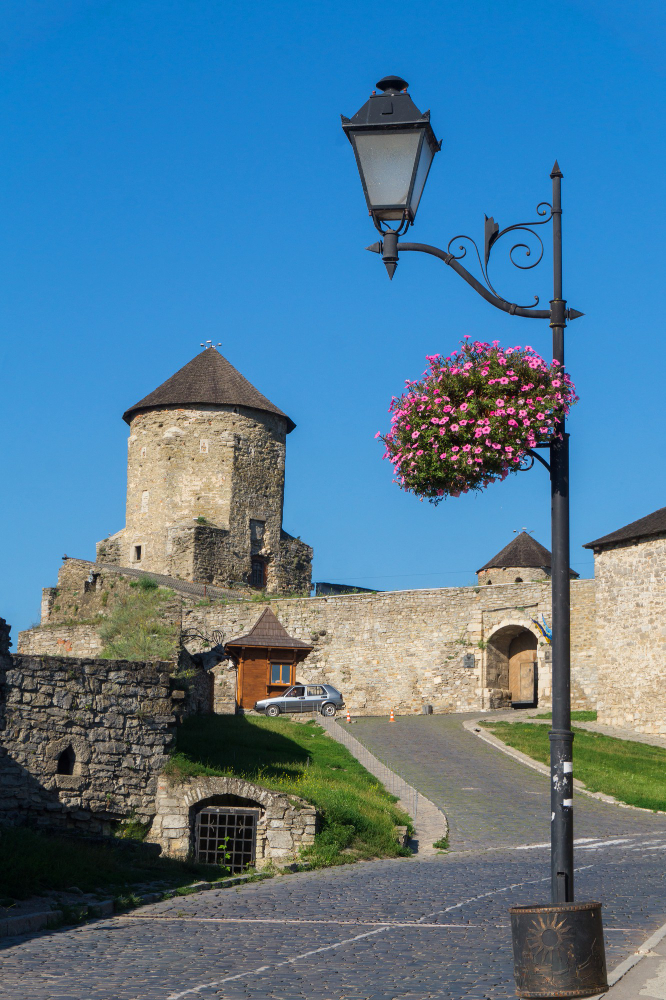
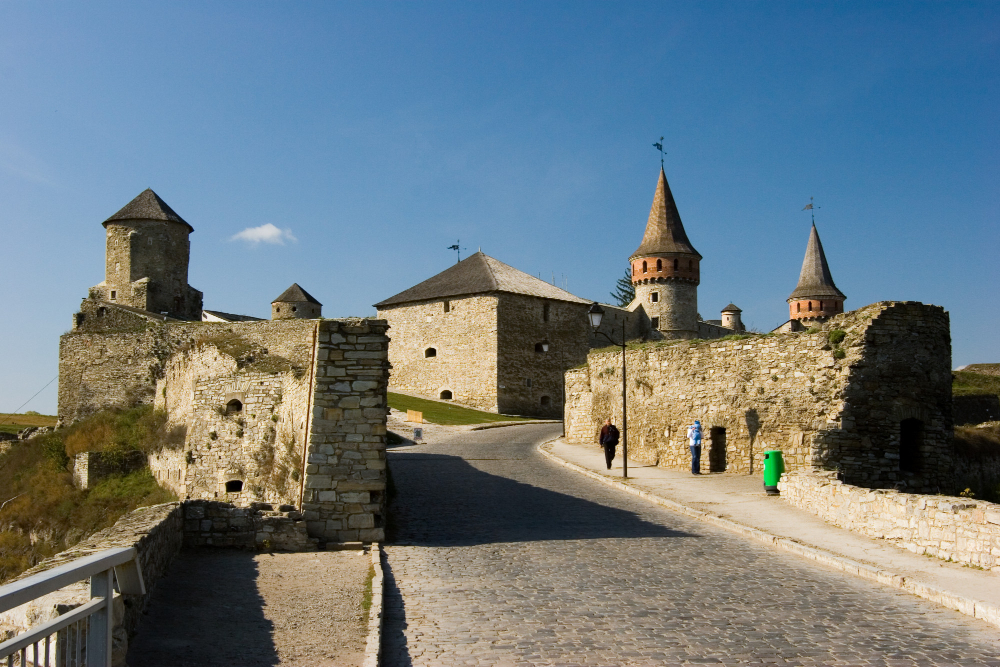
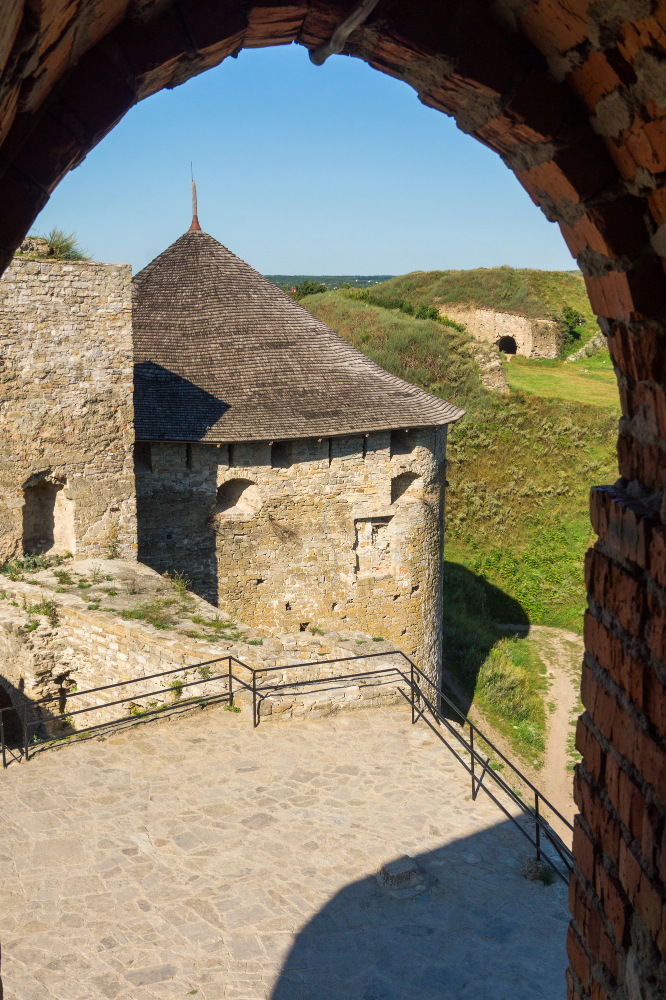
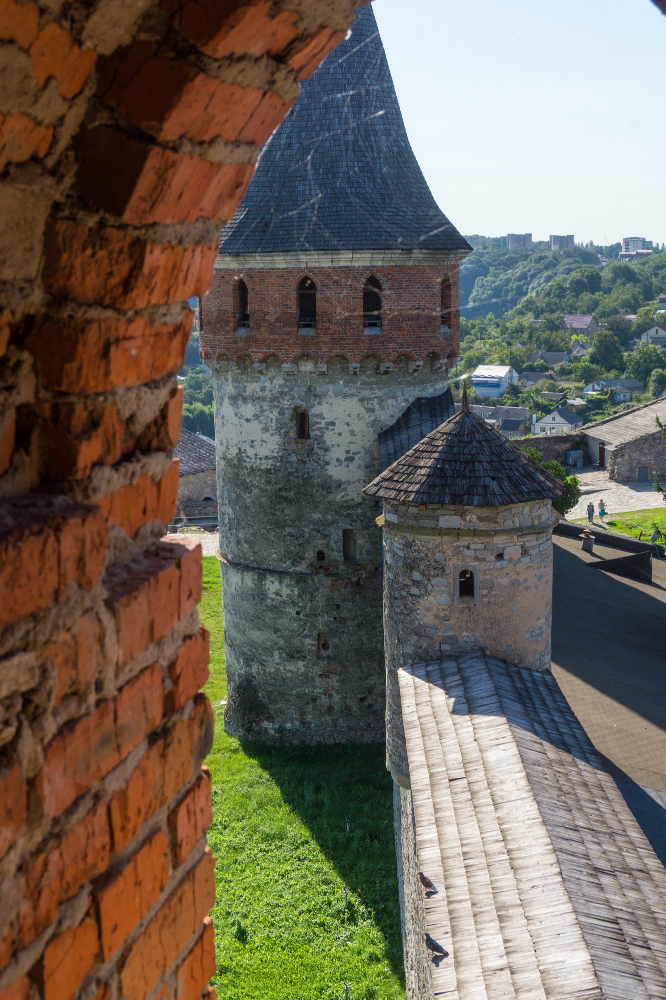
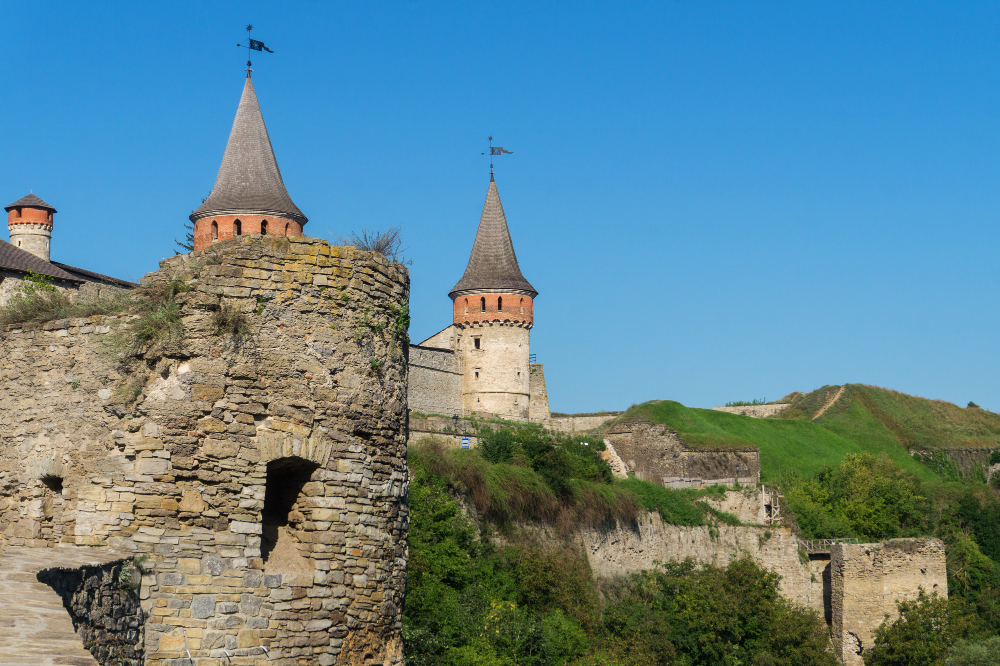
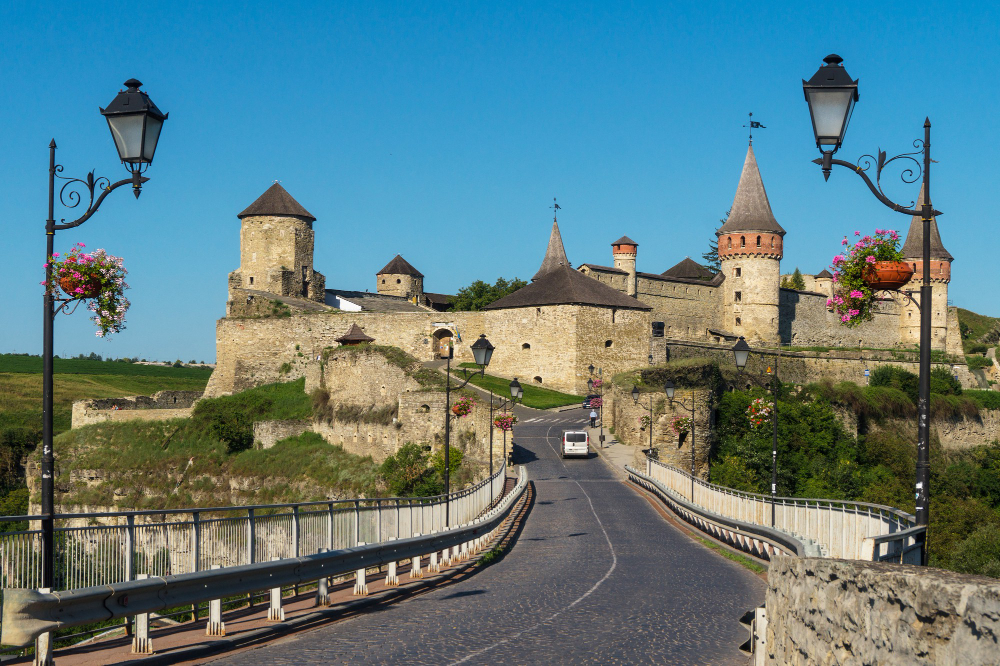
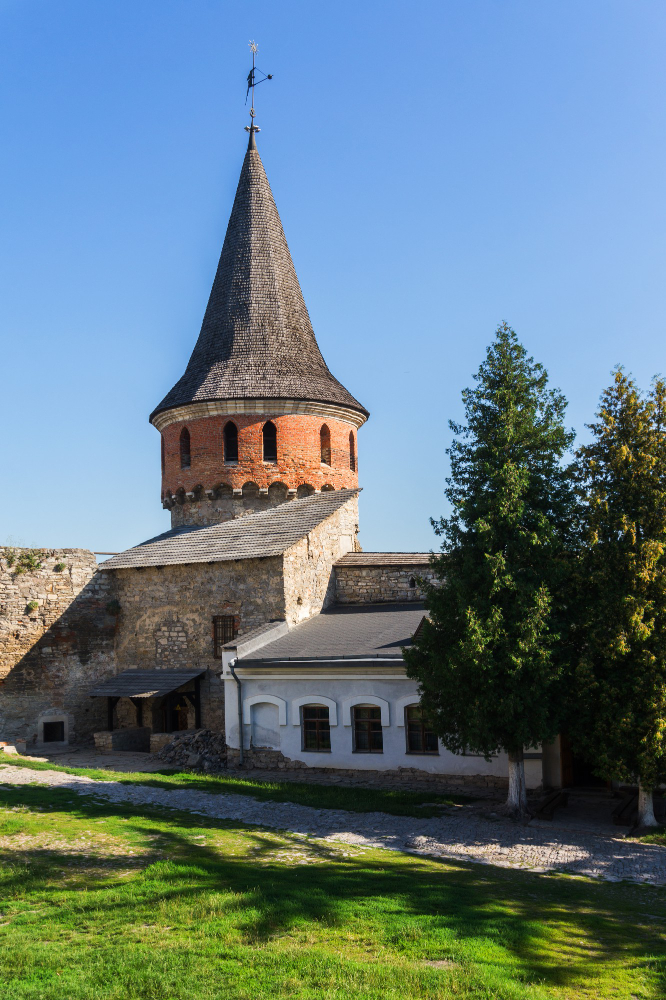
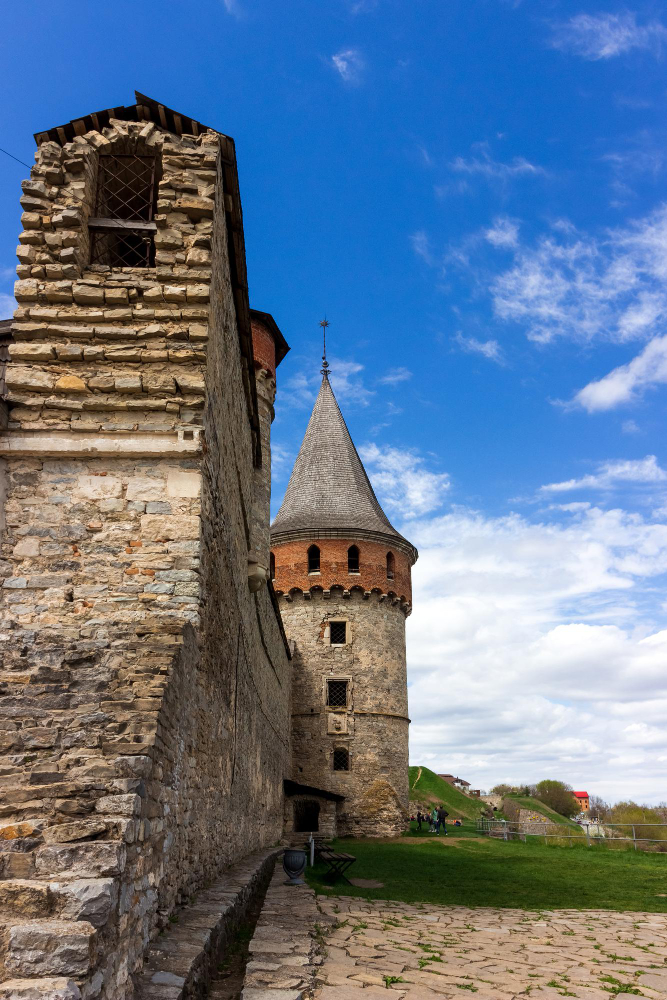
Such stories are closely linked to the character of the castle. The complex at Kamianets-Podilskyi comprises several imposing towers, stone walls, courtyards and entrances. The fortress is connected to the old town by a bridge and stands above the Smotrych Gorge. In fog, rain or at twilight, the landscape can take on an almost surreal atmosphere. The high walls cast long shadows, and the sound of the river rises from the depths of the valley. The surroundings provide the perfect backdrop for legends of voices, apparitions and past destinies. The castle itself is far better documented historically than the love story. Its origins date back to the Middle Ages; over the centuries, it became an important defensive stronghold in Podolia. The Ottoman conquest of Kamianets-Podilskyi in 1672 is particularly well known. Following a siege, the town fell to the Ottoman Empire and became the centre of an Ottoman administrative district for several decades. The Treaty of Karlowitz in 1699 subsequently returned the town to Polish-Lithuanian rule. These events explain why the memory of sieges is so deeply rooted in Kamianets-Podilskyi. For the town’s inhabitants, attacks were not merely the stuff of chronicles. They meant destroyed homes, flight, hunger, separation and death. Local legends bring such experiences to life by focusing them on individual figures. In this tradition, the fallen lovers stand as representatives of all those whose personal stories were not recorded amidst the major political and military events.
The legend makes no claim to be a precise historical reconstruction. It cites no verifiable biographies and no clearly documented siege. Its power lies in linking a real place with a human tragedy. The mighty fortress, whose walls did indeed have to withstand repeated attacks, becomes the setting for a story of love, duty and loss. Even today, Kamianets-Podilskyi attracts visitors from Ukraine and abroad. The old town, with its churches, streets and historic buildings, as well as the castle visible from afar, characterise the town’s appearance. The fortress is regarded as a cultural monument, a tourist destination and a symbol of regional history. Anyone approaching the complex across the bridge can understand why this place has captured the imagination for centuries: the towers rise from the stone like sentinels, whilst the river valley almost completely encircles the town. When the visitor paths empty in the evening, the castle does not fall silent. The wind sweeps over the battlements, footsteps echo along the paths, and darkness fills the spaces between the ancient walls. To some, these are merely the ordinary sounds of a historic site. To others, they sound like a reminder of the two lovers who, according to legend, were never able to say a final farewell to one another. Thus their story endures, without its ending ever being clearly defined. Perhaps they were separated by war. Perhaps they died together. Perhaps their shadows are merely a symbol of the countless people whose lives were lost during the sieges of Kamianets-Podilskyi. In local lore, however, they remain bound to the fortress: two young figures on the walls, united in death and destined to watch over the old town.