 Isabella Mueller Baroness of Stainton le Vale

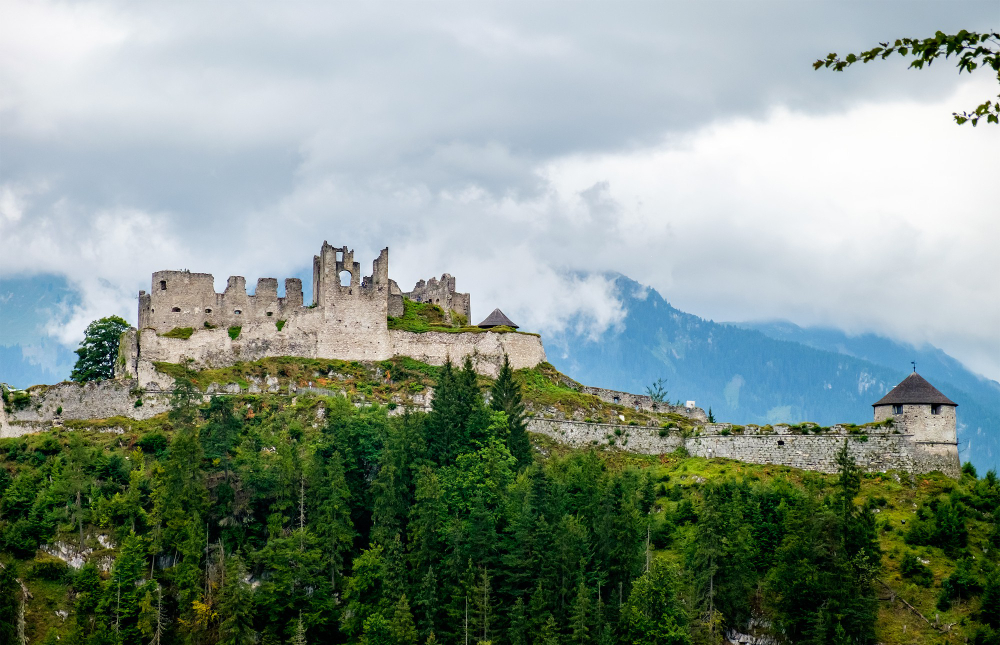
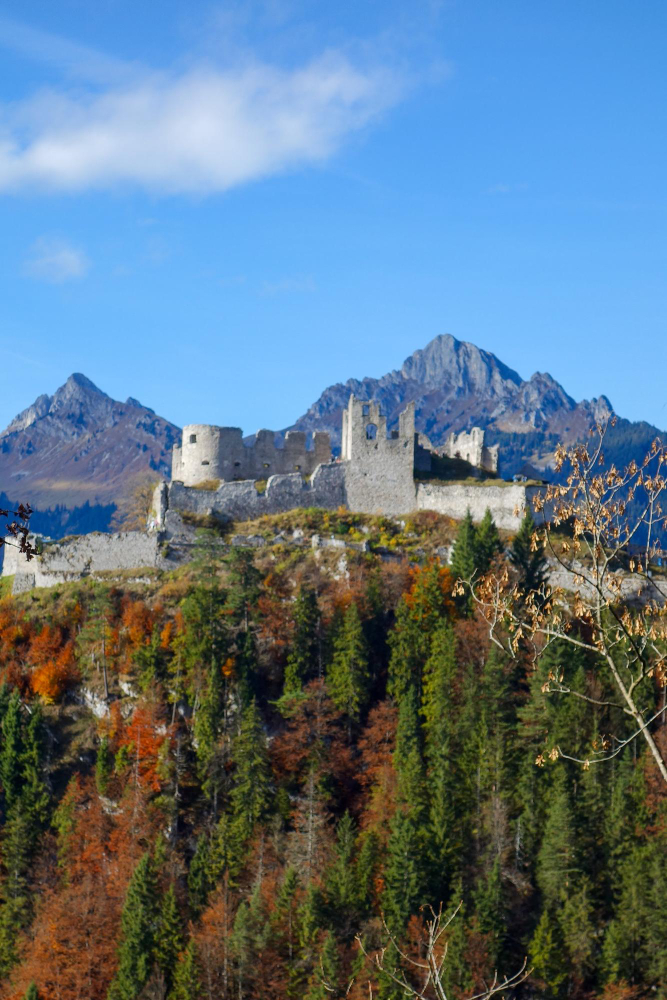
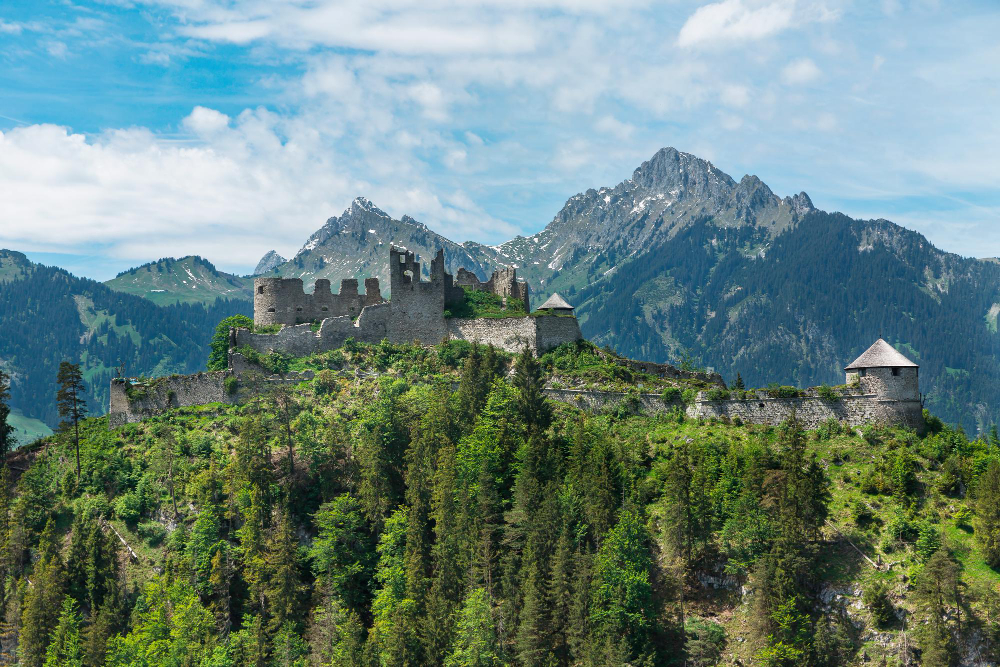
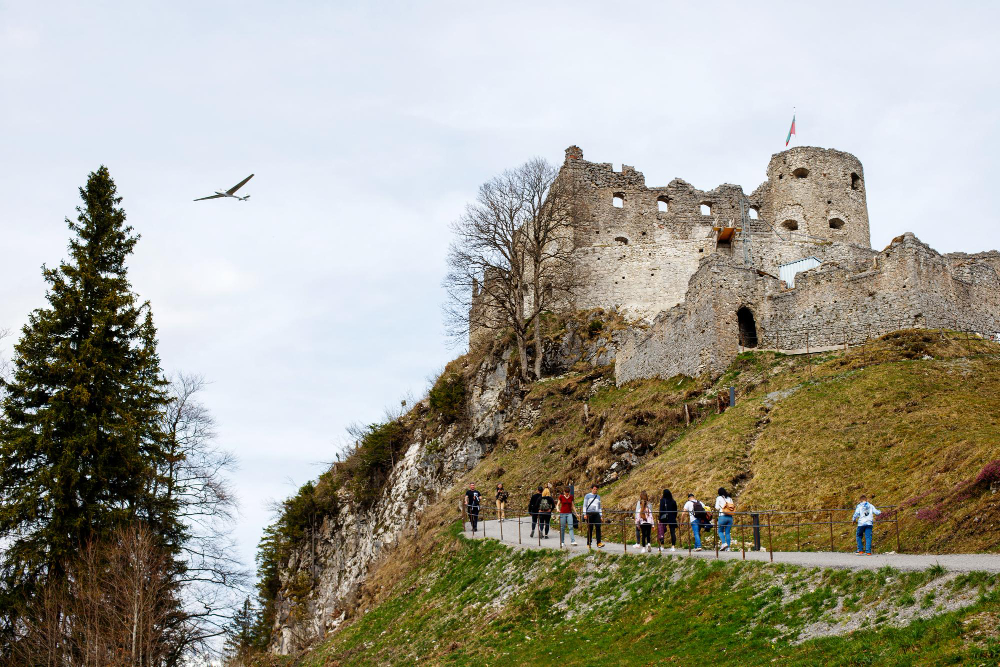
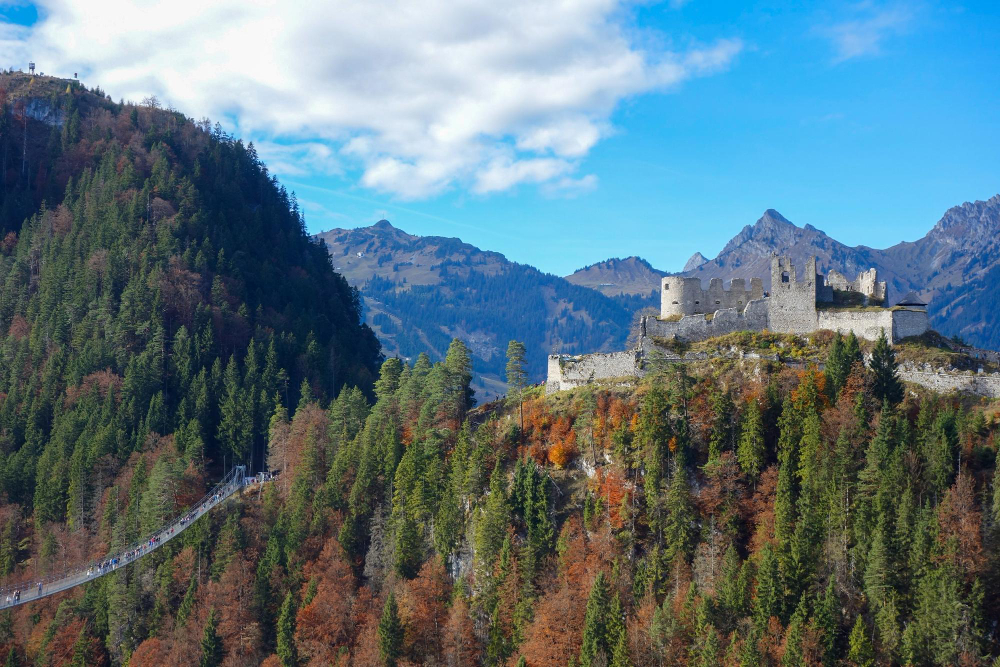
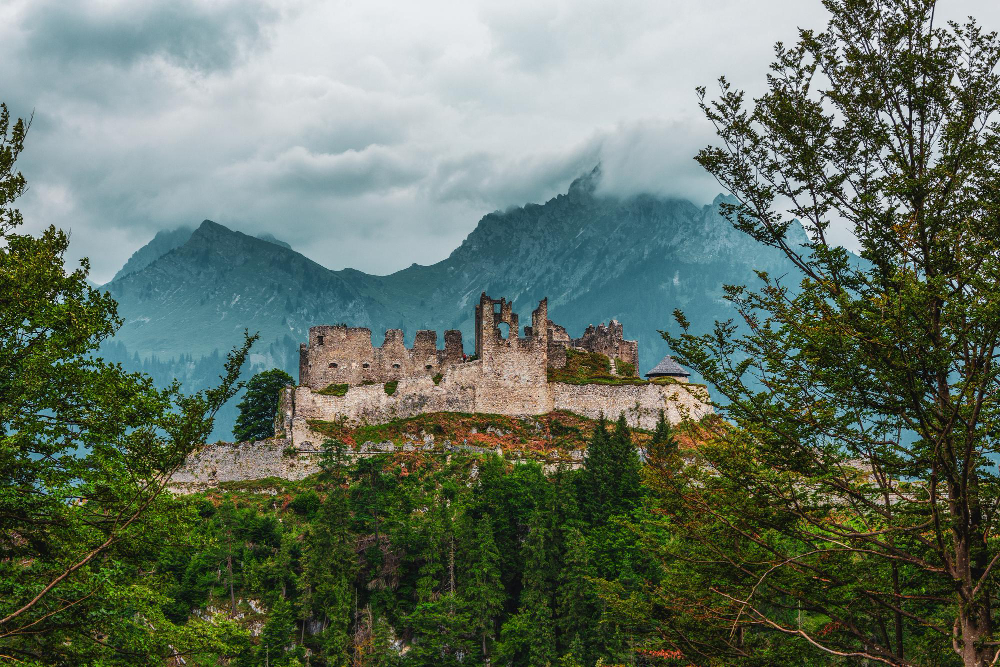
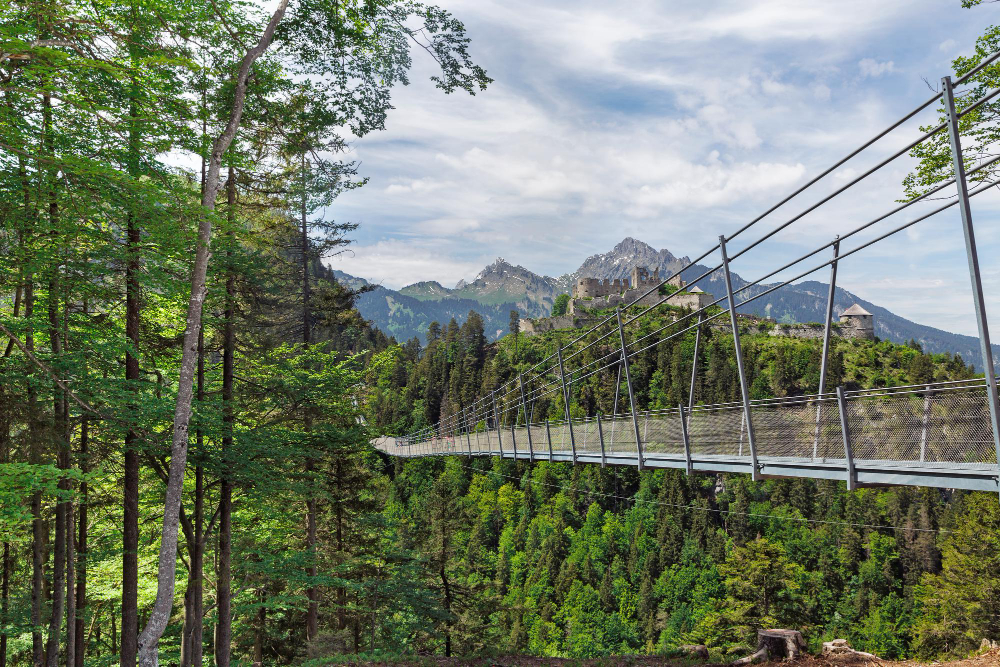
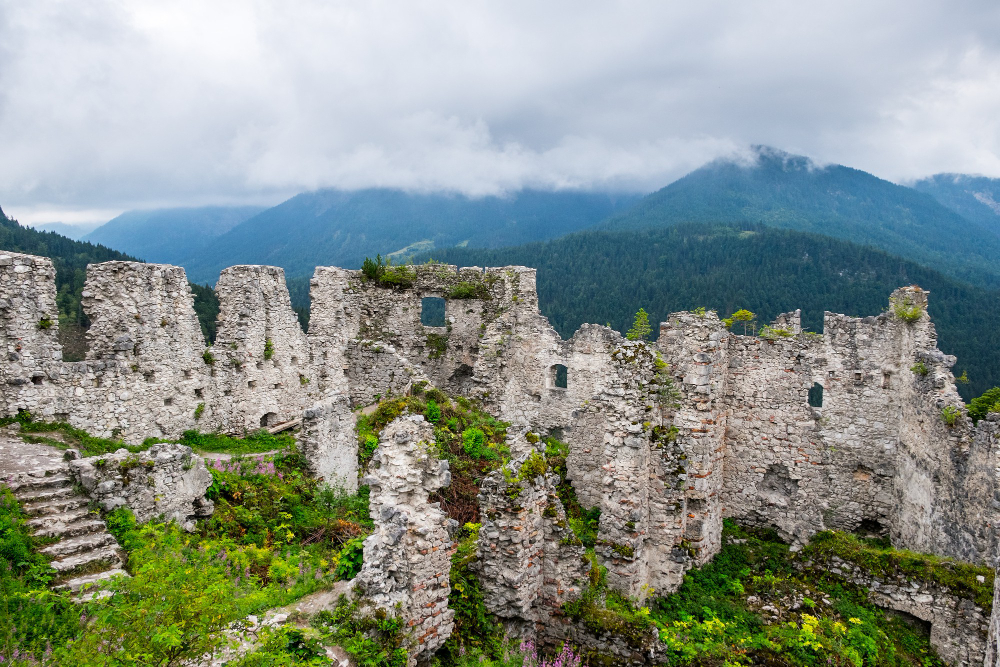
High above Reutte, where the paths through the Tyrolean Alps and towards the Fern Pass intersect, stand the ruins of Ehrenberg Castle. Its walls, towers and fortified slopes bear witness to centuries of military significance. Yet alongside the site’s historical role as a border fortress and checkpoint, another tradition is associated with Ehrenberg: the world of legends. In the tales of the region, visitors encounter a mysterious White Woman and a sinister creature known as the Klausenhund. These stories form part of the oral traditions that have accompanied castles, gorges, forests and remote paths for generations. They link real places with fear, warning and the sense that, in some spots, the past has not entirely fallen silent. The ruins of Ehrenberg in particular, looming over the valley at dusk, provide the perfect backdrop for these figures.
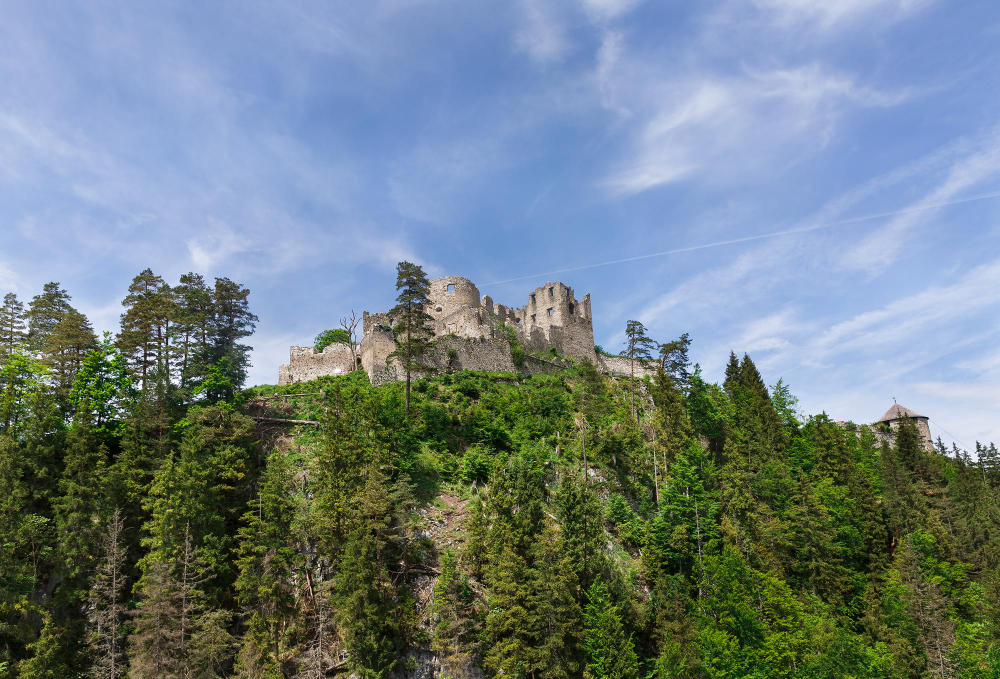
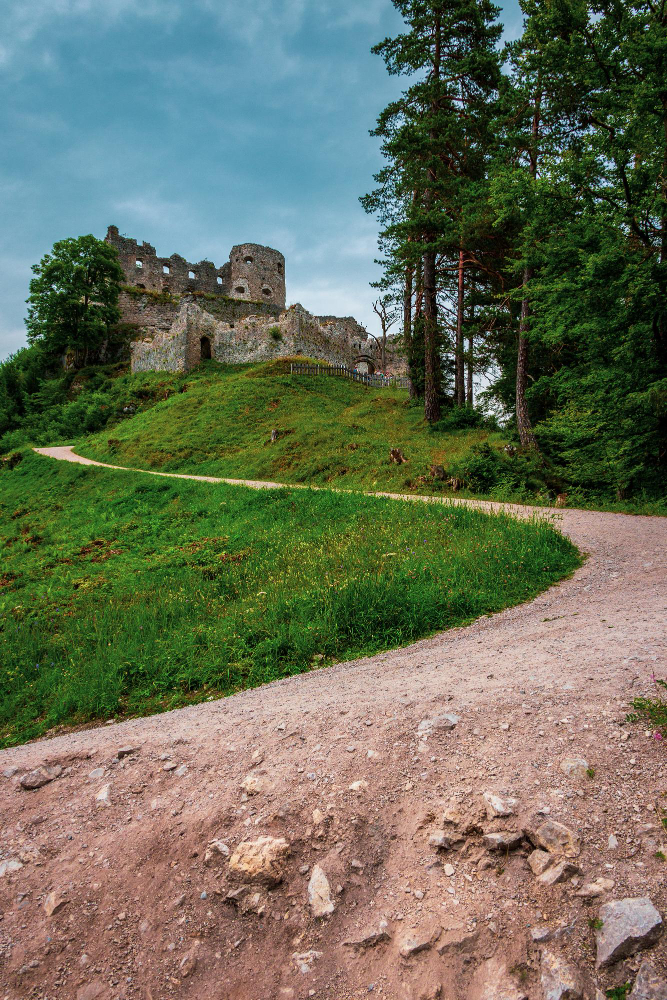
A castle overlooking the valley – Ehrenberg Castle was built in the 13th century and developed into an important stronghold on a major transport route. From here, the path through the valley could be controlled. The fortifications were expanded over the centuries and supplemented with further defences. Ehrenberg was of great strategic importance, particularly in times of war. Today, the castle complex is primarily a historical site and a popular destination for day trips. However, the ruins still stand in a landscape characterised by steep slopes, woodland and rocks. When mist rises from the valley or the last rays of the sun disappear behind the mountains, the impression created by the ancient walls changes. What appears to be a monument by day becomes, in the darkness, the setting for ancient tales. The legends surrounding the White Lady and the Klausen Dog should not be understood as documented historical events. They form part of the region’s folk tradition. This is precisely where their power lies: they do not speak of dates and documents, but of fear, guilt, secrets and the notion that certain places harbour an invisible history.
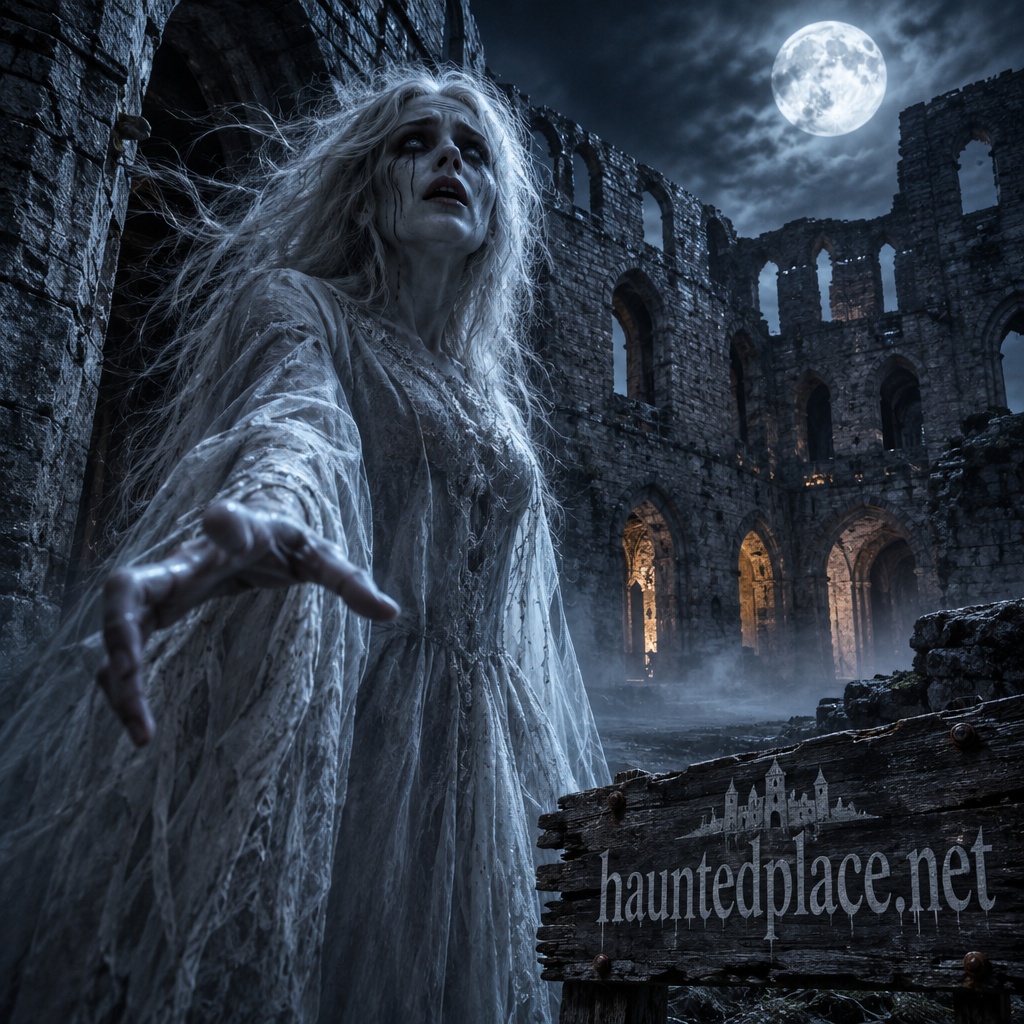
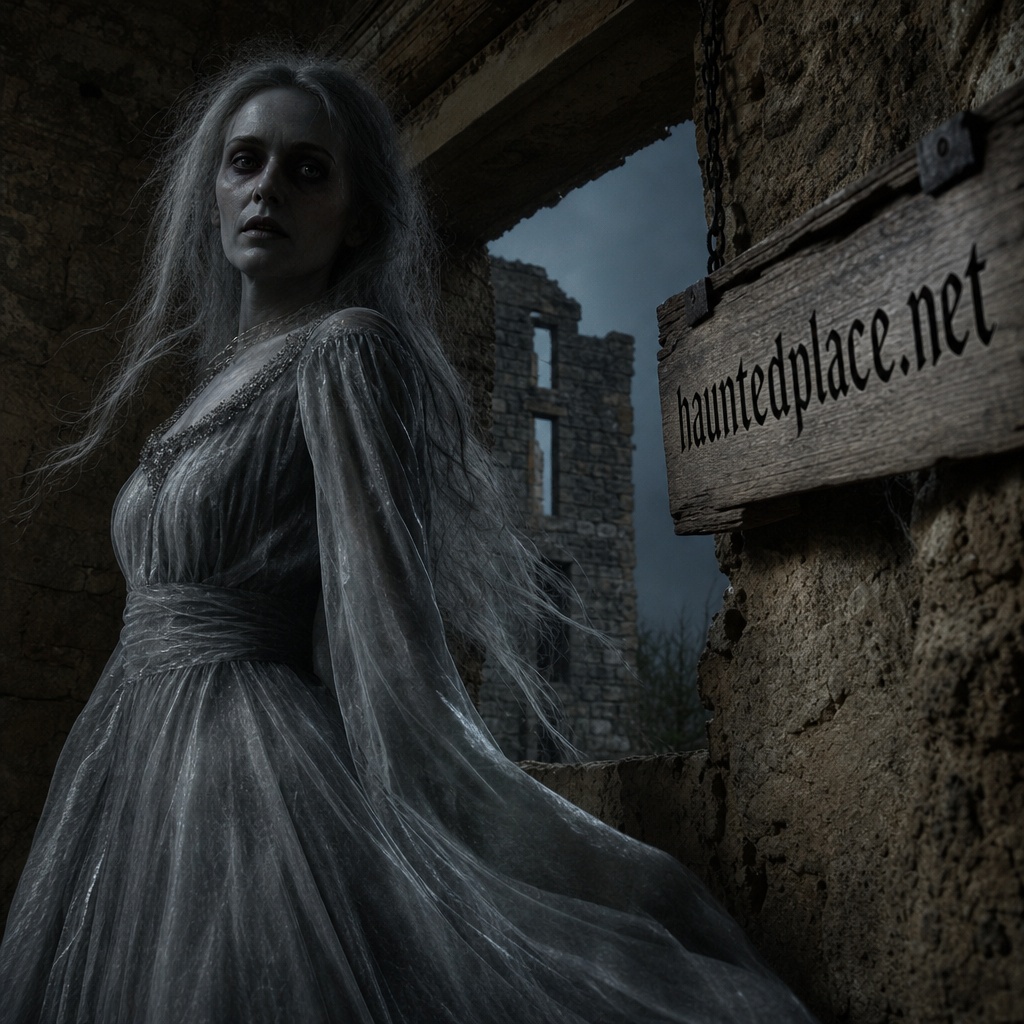
The Apparition of the White Lady – The White Woman is one of the best-known figures in European folklore. She is also said to appear in the area around Ehrenberg. She is described as a woman in light-coloured, usually white, clothing. According to tradition, she appears near the castle, on paths or in quiet spots around the grounds. Her appearance is neither loud nor wild. It is precisely her silence that makes her so eerie. In many storytelling traditions, a White Lady represents a figure who has not found peace. She is often associated with tragic life stories: unrequited love, betrayal, violence, guilt or an early death. There is no single, historically verified biography for the figure at Ehrenberg. Rather, the legend thrives on its open, shadowy form. Those who see her do not encounter a person from an archive, but a figure drawn from the landscape’s collective memory. Her white clothing forms a stark contrast to the castle’s dark surroundings. Amidst grey ruins, black tree trunks and the shadows of the mountains, a figure dressed in light colours appears like something alien. In the legend’s narrative, she is not simply seen as a wayfarer, but as a sign that the night brings back something that should long since have passed. In such traditions, the White Woman usually does not appear by chance. Her appearance is linked to specific times and places: to dusk, the night, lonely paths, dilapidated buildings and silent walls. Ehrenberg Castle offers all these elements. Its ruins stand above the valley as visible remnants of a distant past. The legend gives the stones a voice – though not a reassuring one.
A Silent Terror – What is eerie about the White Lady is not an overt attack. She is not described as a noisy monster, but as an apparition that suddenly appears and vanishes just as mysteriously. The terror arises from eye contact, from uncertainty and from the question of whether one has actually seen anything. Anyone walking alone at night near a ruin can easily pick up on every sound: the wind in the trees, the crack of a branch, the clatter of a loose window shutter or the echo of a footstep. In the legend, such impressions become an encounter. The white figure becomes a symbol of the uncertainty of the darkness. At the same time, the tale carries a warning. It urges people not to venture recklessly onto lonely and dangerous paths. In centuries past, castle grounds and mountain paths were by no means romantic destinations for a day out. Poor lighting, steep slopes, sudden changes in the weather and remote stretches of terrain could pose a very real danger. Legends transformed these dangers into figures that people could remember. Yet the White Lady is more than just a warning against the night. She also embodies the past itself: visible, but not tangible; close, but not truly within reach. According to the logic of the tradition, anyone who encounters her is said to feel, for a moment, that the history of a place consists of more than just walls and dates.
The Klausenhund: Guardian of the Darkness – Alongside the White Woman, the Klausenhund is one of the dark figures associated with the area around Ehrenberg. Whilst the White Woman is described as a silent apparition, the Klausenhund appears more physical and menacing. The very name conjures up the image of a large, eerie dog that appears at night. In Alpine folklore, the term ‘Klausenhund’ is closely associated with remote, dark and feared places. ‘Klausen’ can refer to narrow passages, gorges or specific points in the landscape. A dog that appears there is no ordinary animal. In the legends, it becomes a figure that blocks the path of travellers, pursues them or strikes fear into their hearts simply by its presence. Around the old fortifications and transport routes near Ehrenberg, this figure takes on a special significance. The site was situated on a strategically important route. People, traders, soldiers and travellers passed through the valley for centuries. After dark, such paths could be lonely and dangerous. In folklore, the Klausenhund symbolises the fear that accompanies travellers on unfamiliar paths. Unlike a real guard dog, the Klausenhund does not belong to a castle garrison and does not guard a gate in the usual sense. It is a creature of legend. Its role is symbolic: it marks a boundary. Anyone who encounters it has entered a place where the familiar world ends. The path becomes treacherous, one loses one’s bearings, and the night seems to have its own rules.
The animal as a warning – Black or gigantic dogs feature in many regional legends. They appear at crossroads, bridges, gorges, cemeteries or ruins. They are often regarded as omens, guardians or companions of ominous events. The Klausenhund at Ehrenberg fits into this tradition, yet possesses its own unique atmosphere due to the location. For centuries, the fortress and its surroundings were characterised by control, transit and military vigilance. Gates, walls and fortified paths separated the inside from the outside, safety from danger. This sense lives on in the legend. The Klausenhund is like a guardian, but one who no longer follows any human order. It does not protect the castle, but darkness itself. His appearance cannot be equated with an encounter with a stray animal. In the tale, he is supernatural because he evokes more than just fear of a dog. He forces people to question their own path. Turn back or carry on? Is this really the right path? Where does the safe environment end? In this way, the Klausenhund fulfils a function typical of many legends. It transforms a real landscape into a moral and emotional map. Certain places should be respected. Certain hours do not belong to humans. Those who ignore warnings not only expose themselves to external dangers but, according to the legend’s belief, cross an invisible boundary.
Two Figures, One Landscape – The White Woman and the Klausenhund have different effects, yet both belong to the nocturnal world surrounding Ehrenberg. The woman is pale, silent and almost elusive. The dog is dark, animalistic and immediately threatening. They appear as two sides of the same legendary landscape. The White Woman symbolises the mystery of the ancient walls and a past that reveals itself in a fleeting form. The Klausen Dog, on the other hand, is part of the paths, passageways and dark edges of the complex. He embodies the fear of what lies in wait around the next bend. Together, they lend Ehrenberg Castle a second history. Alongside the verifiable history of its construction phases, defences and political significance, there exists the story that people have passed down through the generations. It did not originate in chancelleries or chronicles, but in taverns, within families and on long journeys through the valley. Such legends still hold power today because they not only explain ancient places but also imbue them with atmosphere. Anyone visiting the ruins in daylight sees stone, landscape and history. However, those who recall the legends of the White Lady and the Klausenhund may also perceive something else: the silence between the walls, the depth of the shadows and the feeling that some stories live on precisely because they can never be fully unravelled.