 Isabella Mueller Baroness of Stainton le Vale
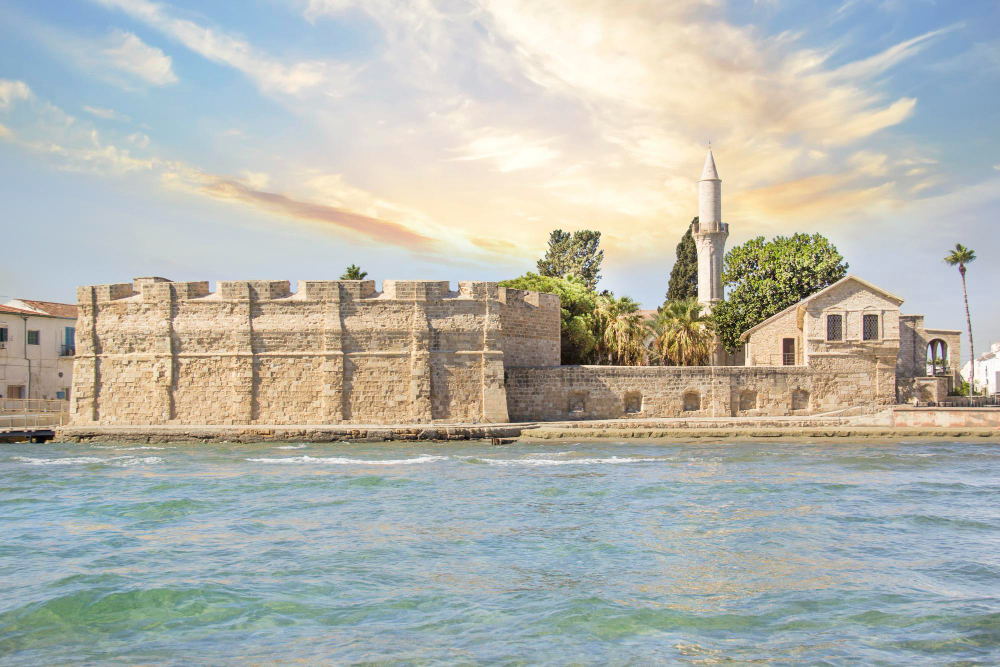
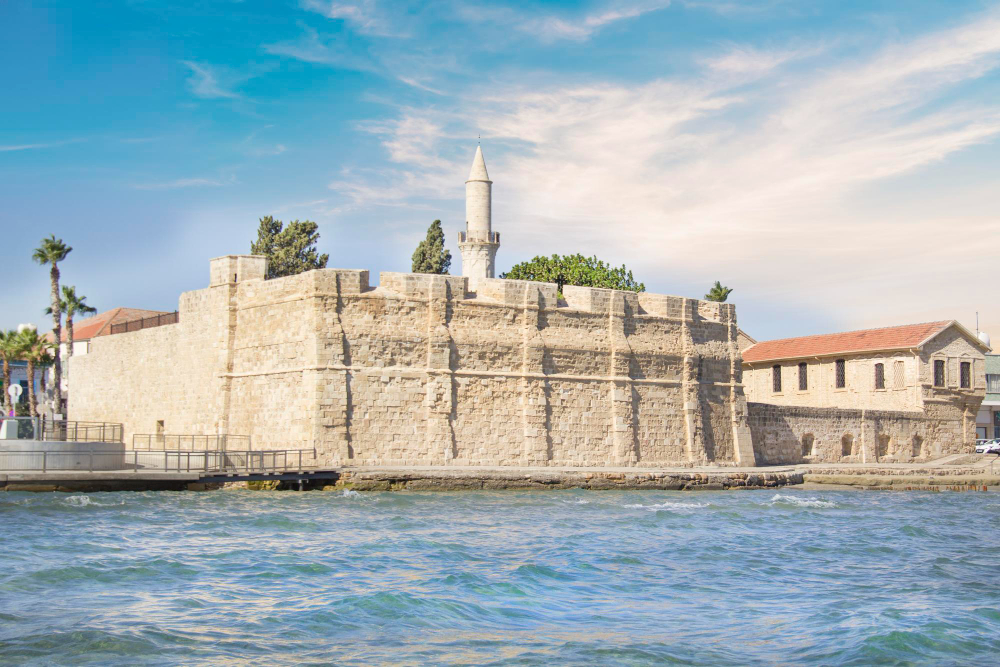
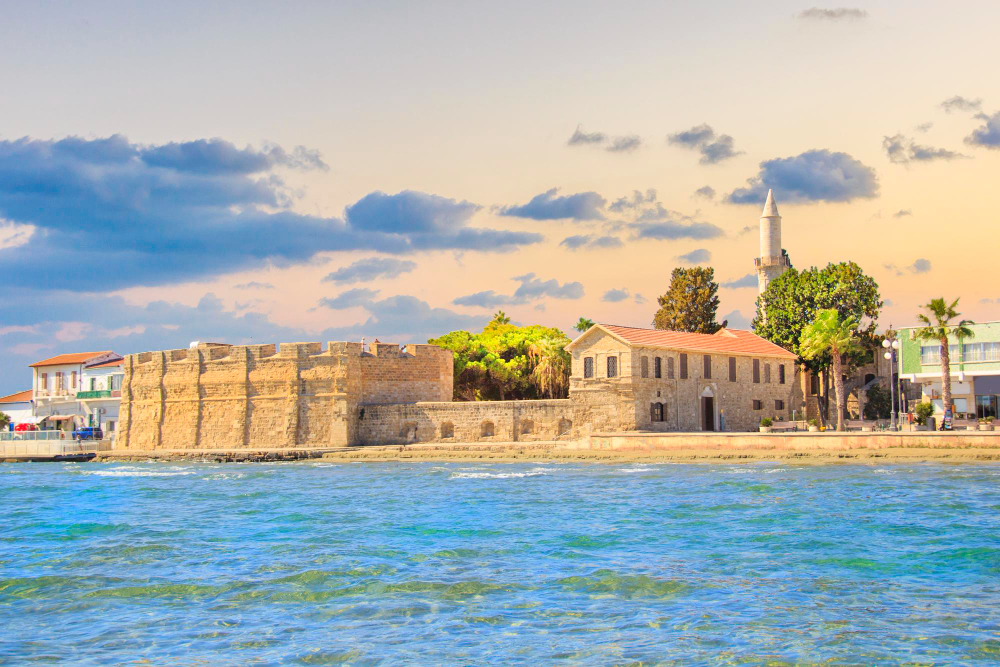
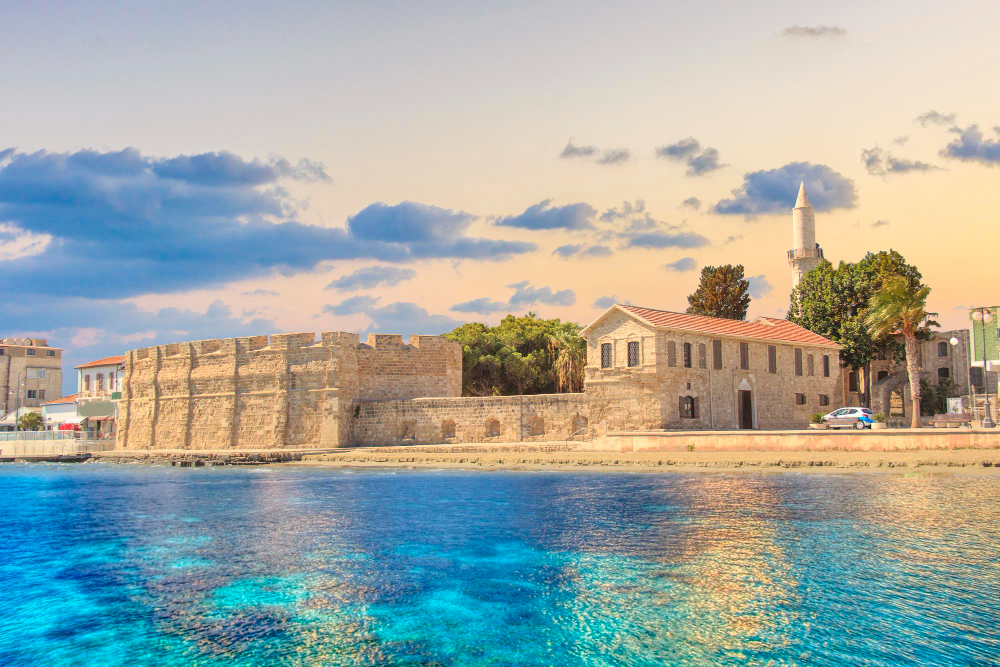
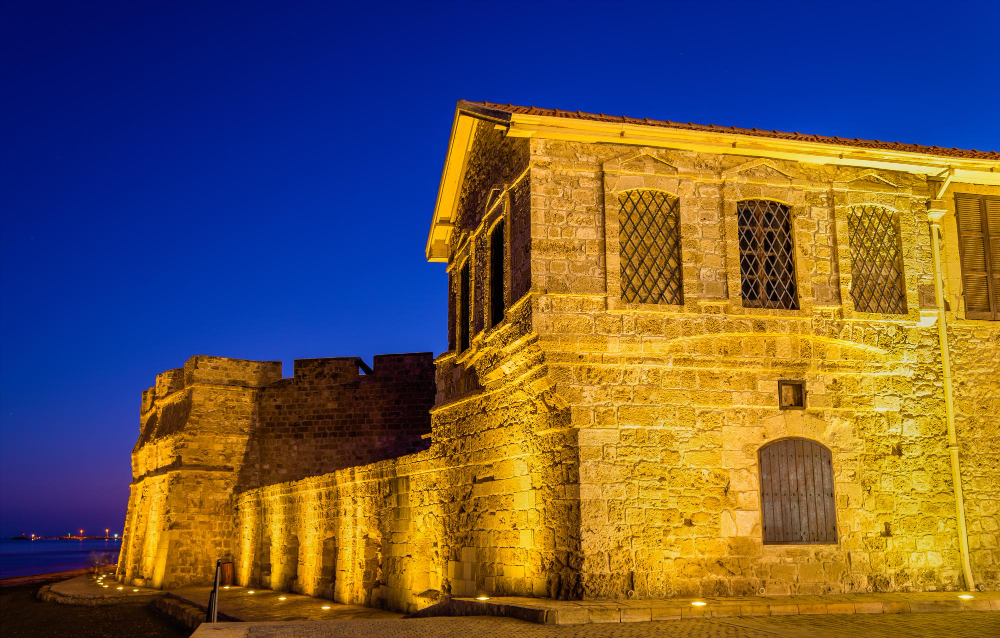
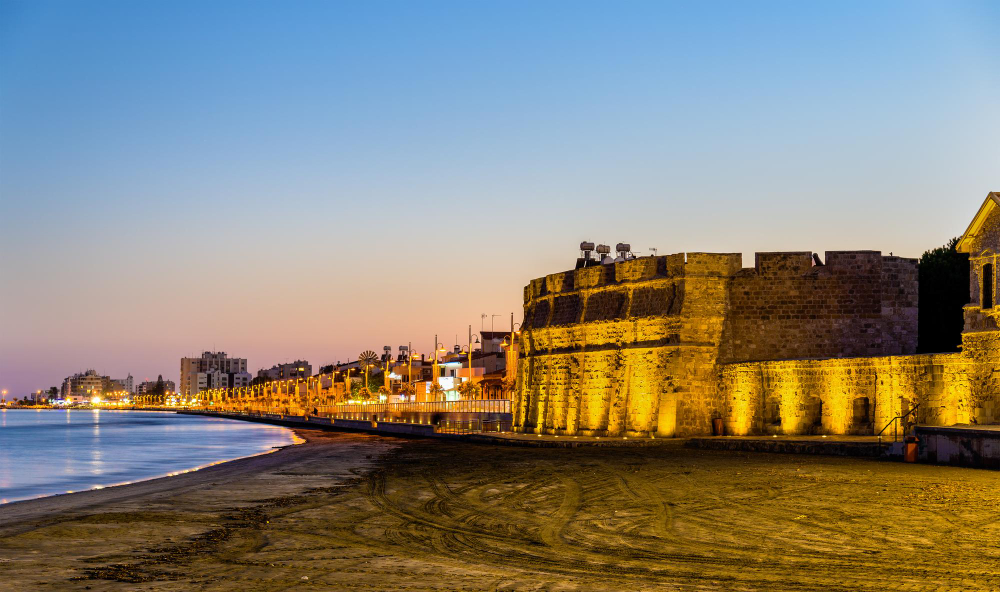
On the edge of Larnaca’s seafront promenade, where today walkers, bathers and visitors stroll amongst palm trees, cafés and the Mediterranean Sea, stands a structure built of light-coloured stone: Larnaca Castle. From the outside, the complex appears compact and almost unremarkable. Its walls, however, tell of centuries of military control, foreign rule, imprisonment and violence. It is precisely this past that provides the fertile ground for a legend that lives on in local tales to this day: the story of the ghosts of the executed. The castle, often referred to as the medieval fortress of Larnaca, is situated at the southern end of the Finikoudes Promenade. Its present form dates back primarily to the Ottoman period. Historical sources, however, link the site to a significantly older fortification, which is said to have been built during the Frankish rule over Cyprus. Over the centuries, the island changed hands several times. The Byzantines, Crusaders, Venetians, Ottomans and, later, the British colonial administration all left their mark on the country. Each era left its traces – and each brought with it conflicts, prisons and the power to punish. For the inhabitants of Larnaca, the castle is not merely a museum and a relic of the past. In some traditions, it is regarded as a place where the past has not entirely fallen silent. Visitors speak of an oppressive atmosphere in the dark areas of the complex, particularly where the rooms are cramped, the walls massive and the light dim. Over generations, such impressions have given rise to a story that is retold time and again: the souls of those who were imprisoned, condemned and killed here are said to have found no rest.
For a long time, the fortress served more than just a military purpose. During Ottoman rule, it functioned as a defensive structure and a seat of state authority. Later, the British colonial authorities used parts of the fortress as a prison. It is precisely this use that lies at the heart of the grim tales. Where people were deprived of their freedom, where interrogations, fear and sentences were part of everyday life, something remained in the minds of many locals that could not be dispelled by the end of a prison term or by death. Particularly haunting is the tradition according to which executions are said to have taken place in the castle’s inner courtyard. The courtyard, now surrounded by the fortress walls and open to visitors, becomes a scene of human despair in such tales. There, where daylight falls on the stone and visitors walk past exhibits, prisoners are said to have spent their final hours. The names of the alleged victims, exact dates and verifiable details are usually not mentioned in the ghost stories. This does not make the legend any less potent. On the contrary: the uncertainty lends it a special power. In many versions of the tale, the ghosts do not appear as clearly recognisable figures, but as shadows, voices or fleeting movements at the edge of one’s field of vision. Some report hearing footsteps on the stone floors, even though no one is nearby. Others speak of muffled cries, a soft knocking behind locked doors, or an inexplicable cold draught. Particularly after dark, when the sounds of the city fade and the castle is lit only by a few lamps, the fortress seems like a place outside the present.
The legend centres primarily on the former prisoners. Their alleged apparitions are frequently linked in local tales to unresolved fear and lives cut short by violence. The idea behind this is an ancient one: those who die under unjust or cruel circumstances may remain as restless souls. The castle’s walls are thus understood not merely as a stone shell, but as silent witnesses. They are said to have heard the pleas of those imprisoned, the judgements of the powerful, and the final moments of those whose fates were decided within the fortress. It is historically established that Larnaca Castle was used as a prison during the British period. The British administration took control of Cyprus in 1878, before the island was officially declared a Crown Colony in 1925. During this period, numerous administrative and security structures were established or continued to be used. The old fortress remained a place of control. Its use as a prison reinforced the building’s grim reputation, even if the specific stories of apparitions and ghosts belong to the realm of folklore. The castle itself had been a symbol of shifting power long before the British period. Following the Ottoman conquest of Cyprus in 1571, the complex was redesigned and reinforced. The Ottomans had a structure built on the foundations of older fortifications to meet military requirements. Loopholes, thick walls and elevated positions indicate that the complex was intended to defend the coastline. Larnaca was an important port, and whoever controlled access to the city controlled trade, movement and security.
Yet fortresses do not merely protect; they also confine. This dual nature is central to the castle’s significance. On the one hand, it represents protection against attacks from the sea. On the other, its history evokes imprisonment and punishment. The rooms that now house exhibitions thus take on a second meaning. Behind every gate and in every narrow chamber, there seems to lie the possibility that someone once waited here: for a verdict, for news, for freedom – or for death. The tales of the ghosts of those executed cannot be understood as historical evidence. They are not a record of specific paranormal events. Nevertheless, they form part of the cultural perception of the place. Such stories rarely arise without a connection to their surroundings. With its thick walls, enclosed courtyards and history as a prison, the castle possesses all the elements that lend credence to a sombre legend. Anyone who steps through the gate leaves, for a moment, the bright, open world of the seafront promenade and enters a space shaped by the weight of the past. The atmosphere of the complex changes particularly in the evening hours. The light-coloured stones lose their warmth, and shadows gather in niches and beneath arches. The wind from the sea carries sounds through the corridors, causing doors and loose objects to vibrate and creating a whispering that can be interpreted slightly differently in the darkness. This is precisely where the old stories come in. They do not claim that every visitor will see a figure. Rather, they tell of how some places cannot shake off their history.
Locals who believe in the legend – or at least respect it – often do not speak of spectacular apparitions. They are more like small, elusive moments: a feeling of being watched; a sudden chill in an otherwise warm room; the echo of a footstep that comes too late or from the wrong direction. For sceptics, these are natural phenomena associated with an ancient fortress. For others, they are signs that the former prisoners are still present. The notion of restless spirits fits well with a castle whose history has been shaped by changing rulers and a harsh regime. For centuries, Cyprus was a strategically important location in the eastern Mediterranean. Powers came and went, borders shifted, laws changed. For those who were imprisoned within the castle’s walls, this grand history probably meant one thing above all else: being at the mercy of others. The legend gives these anonymous people a voice, even if it lives on only as whispers in the corridors. Today, Larnaca Castle houses a small medieval museum. Visitors can see archaeological finds, weapons, artefacts from bygone eras and evidence of local history. The site is thus both a place of remembrance and a tourist attraction. Yet whilst the exhibitions organise historical data and objects, the ghost stories elude any display case. They do not live in labelled collections, but in conversations, hints and the special atmosphere that many visitors sense within the old fortress.
Whether ghosts actually roam the castle’s chambers remains a matter of belief. What is well documented, however, is the site’s long and troubled history: a fortress from the Ottoman period built on older foundations, a centre of military power and later a prison under British administration. It was from this reality that the legend arose. The ghosts of those executed are therefore more than just a ghost story for the night. They are a sombre echo of those people whose lives, behind the walls of Larnaca Castle, were defined by fear, punishment and bondage.