 Isabella Mueller Baroness of Stainton le Vale
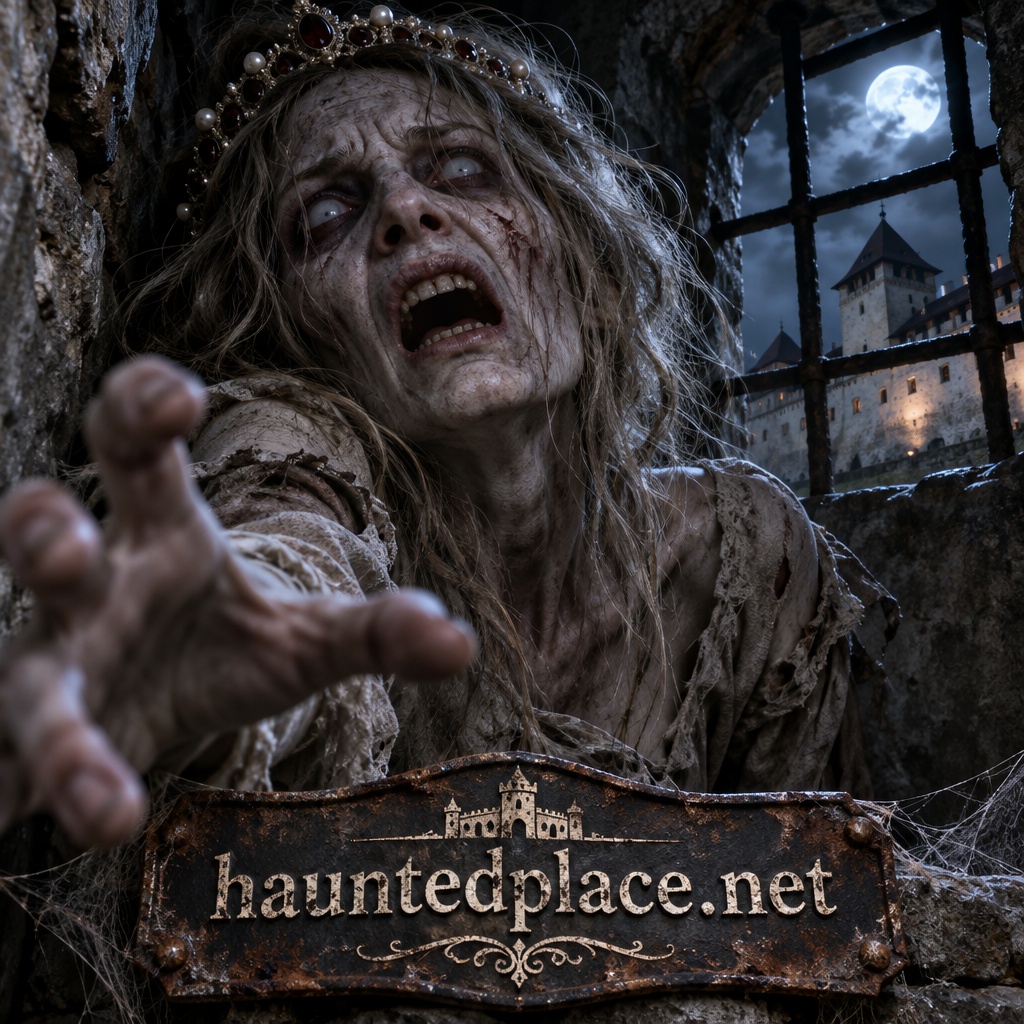
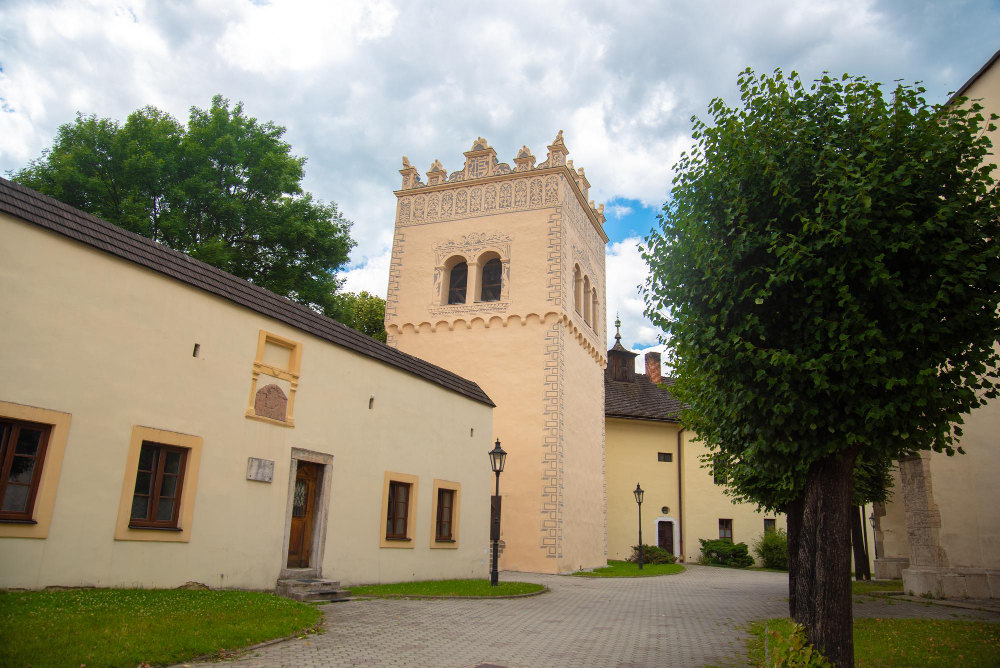
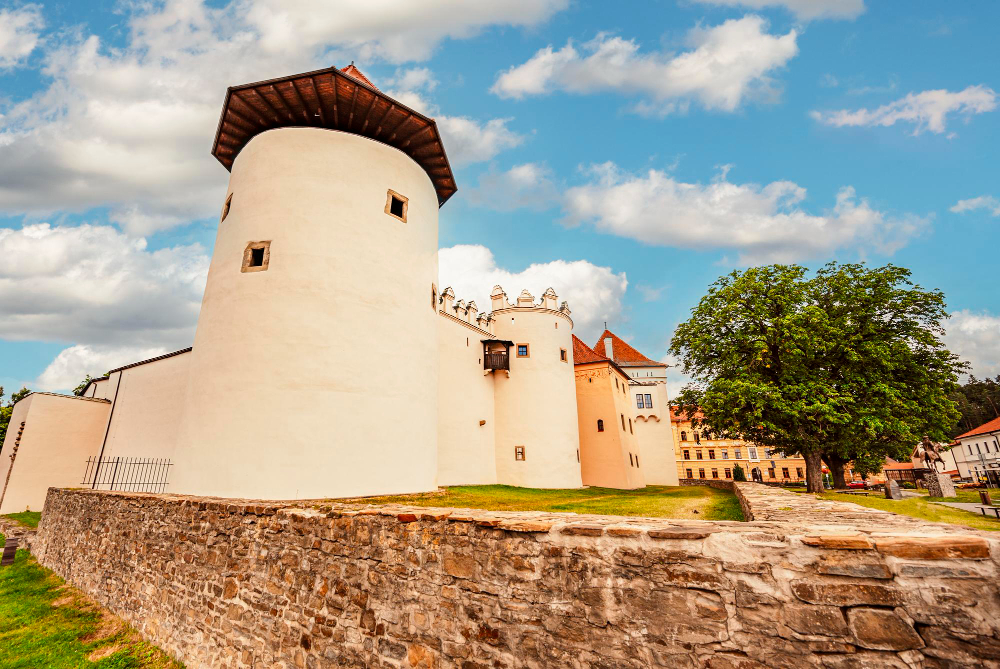
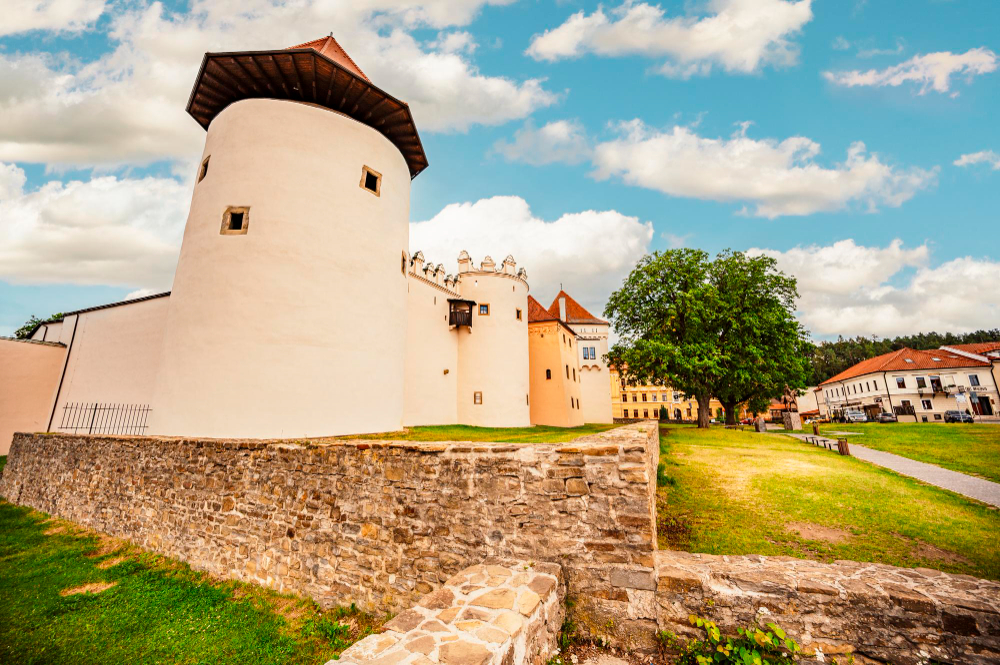
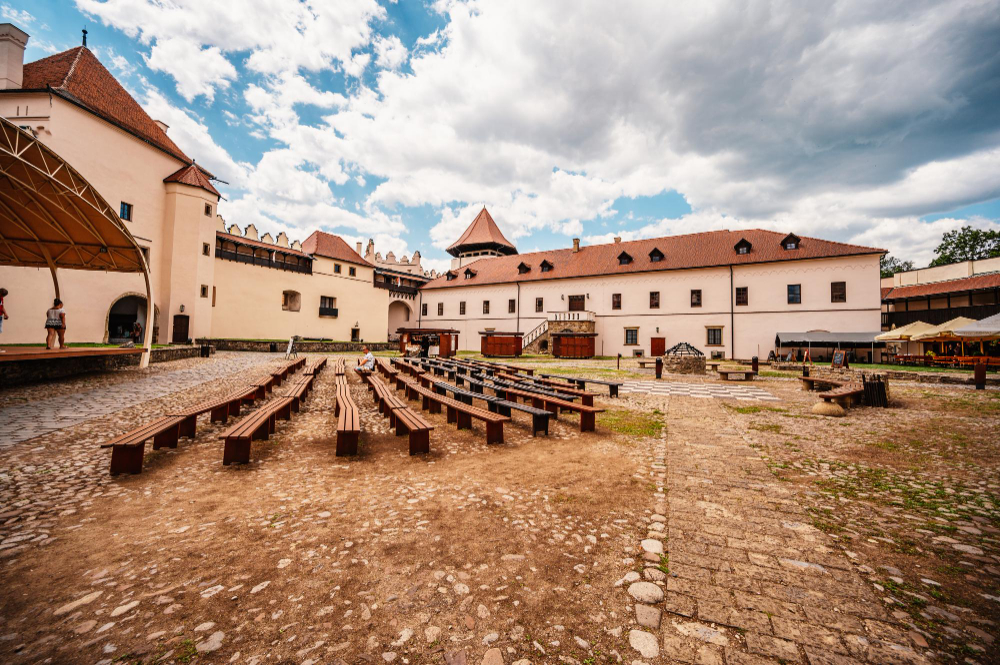
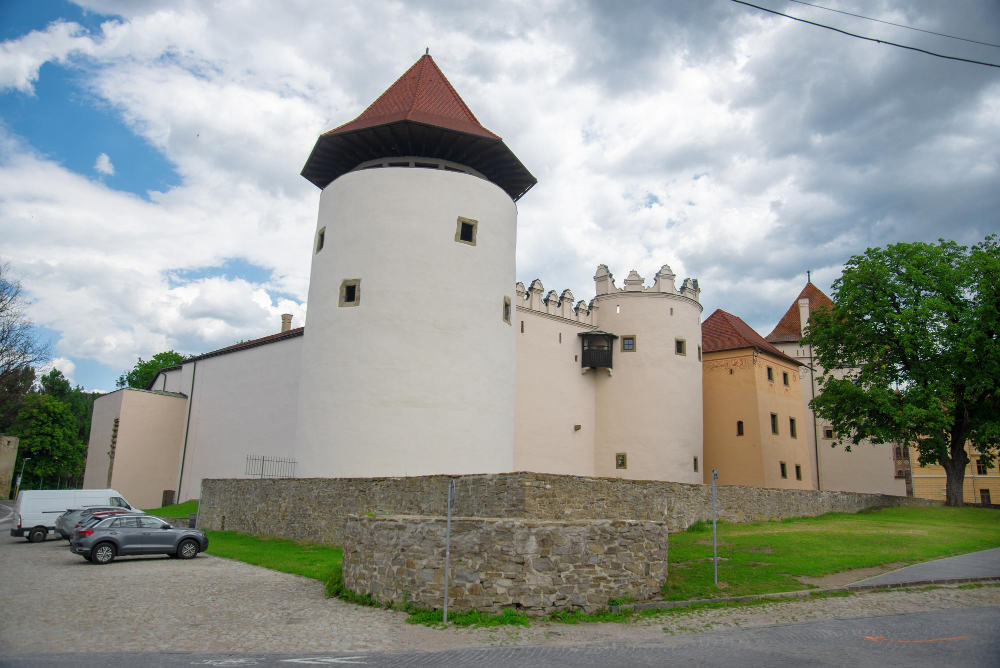
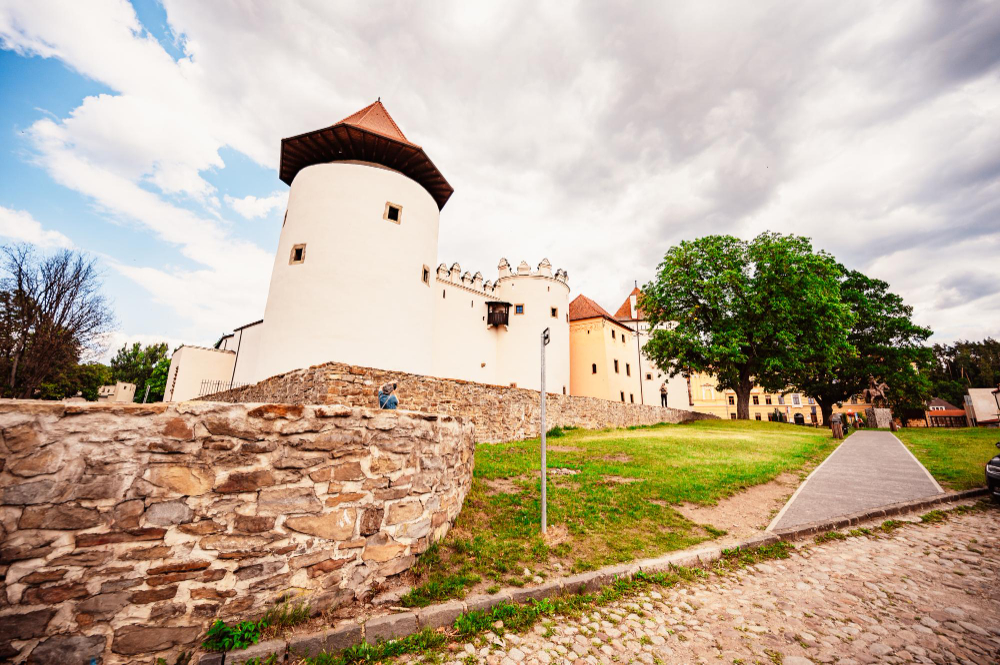
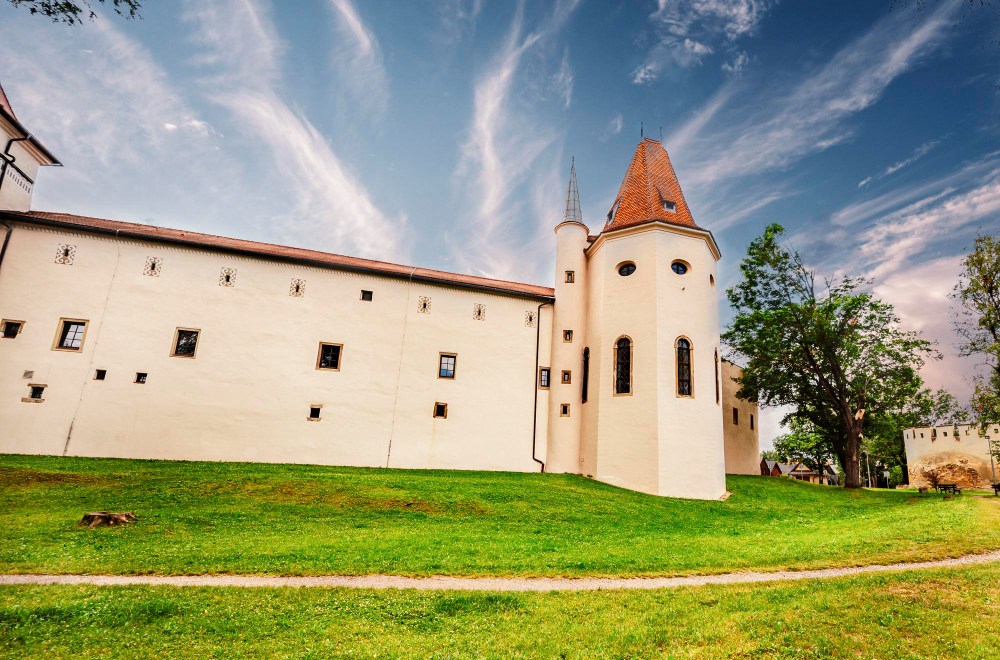
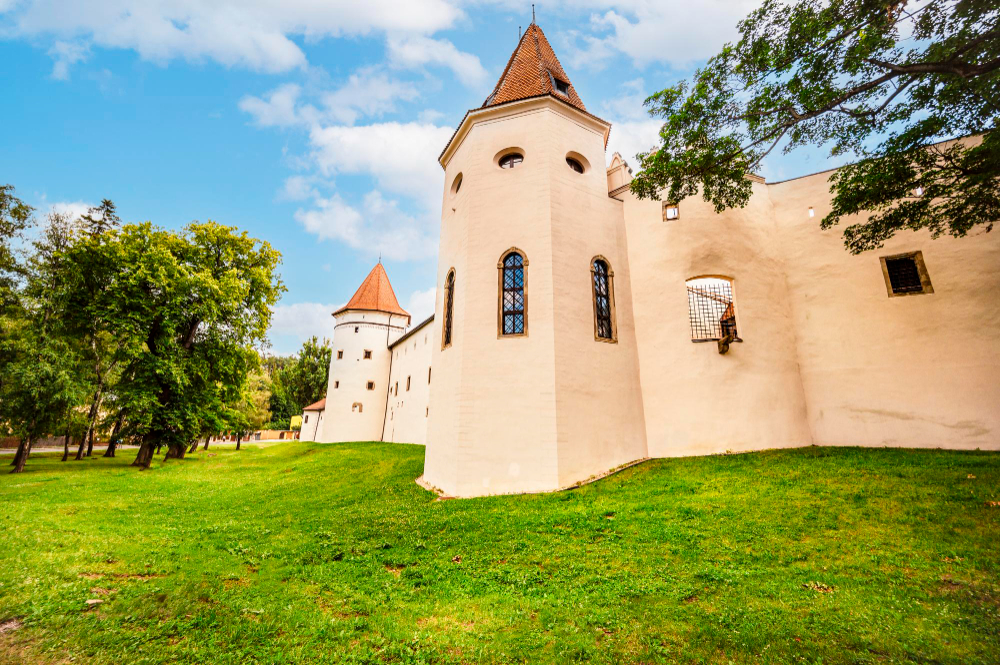
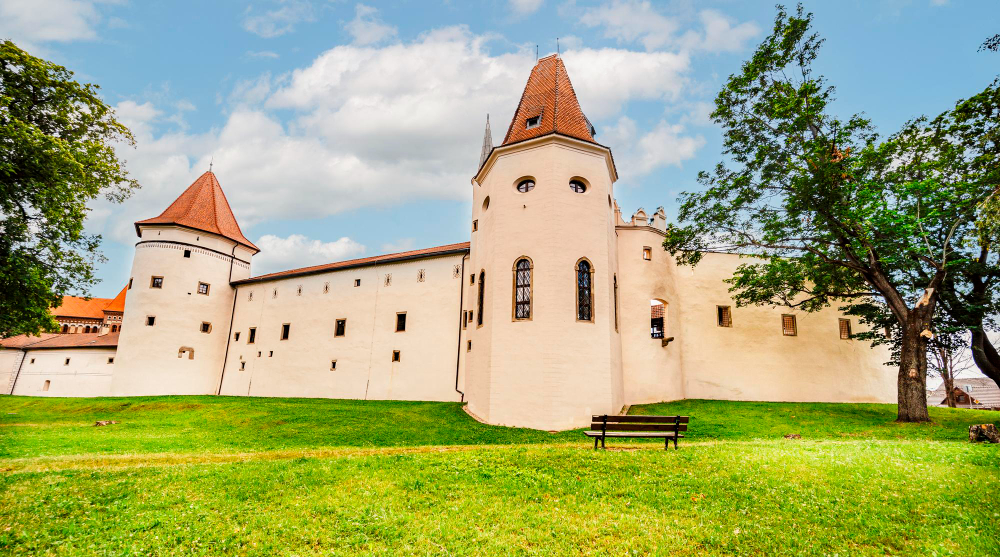
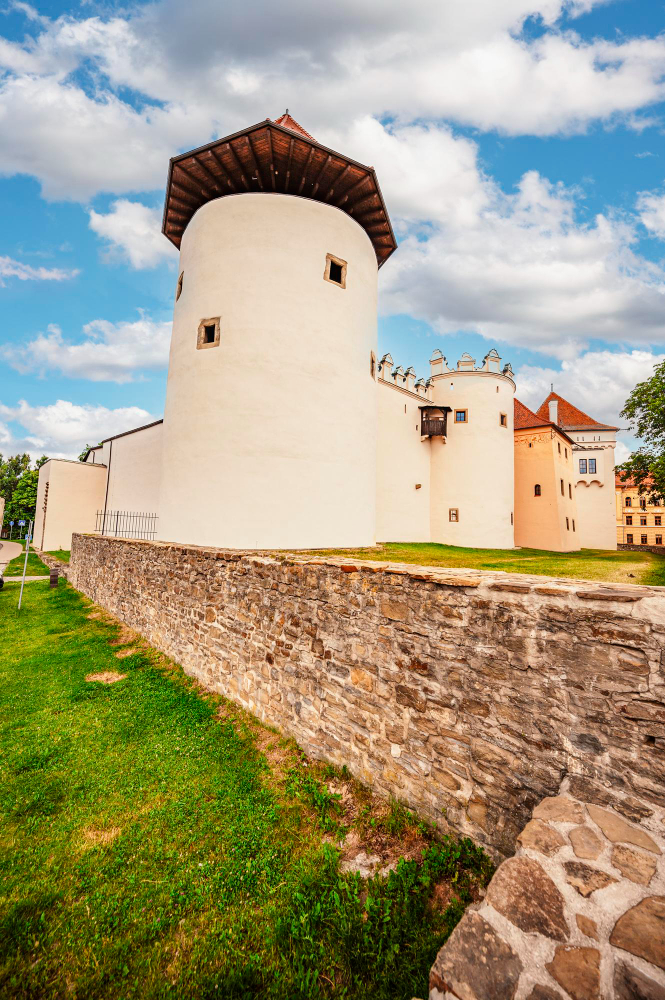
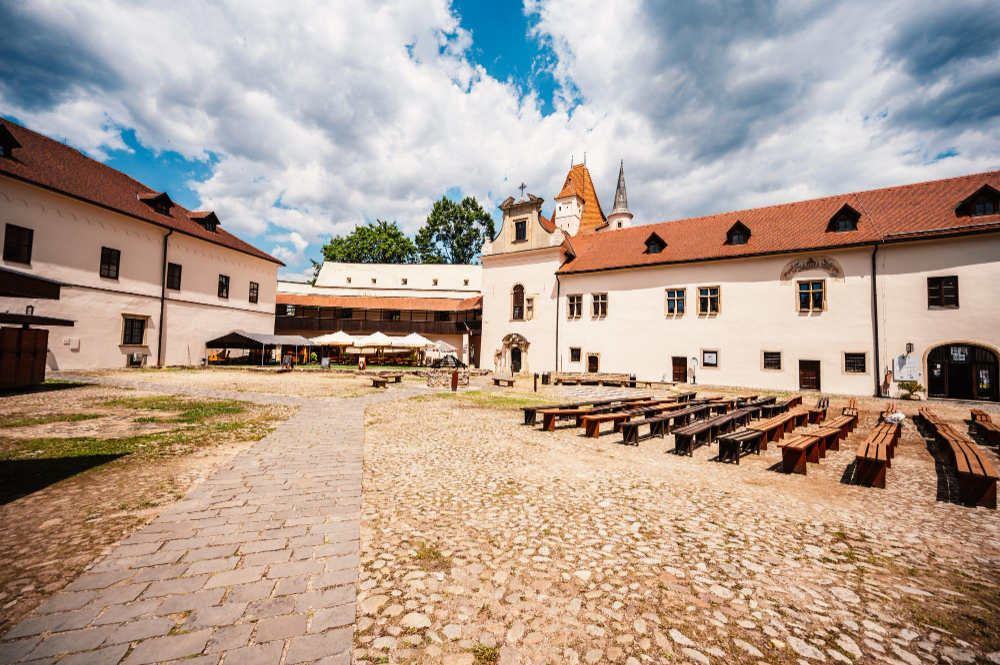
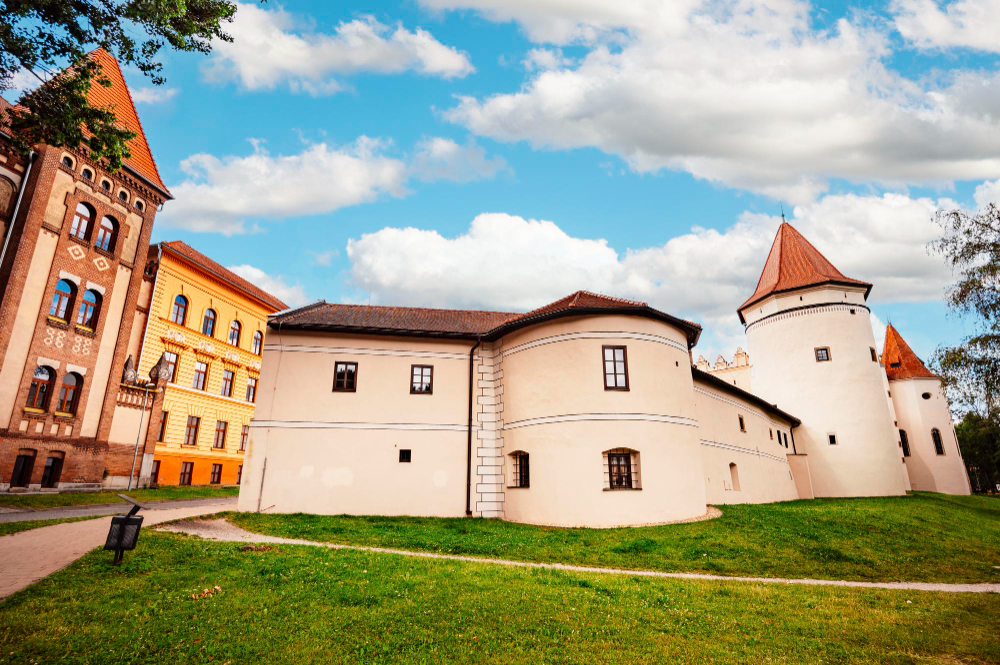
When darkness falls over Kežmarok in northern Slovakia, the imposing castle on the edge of the old town seems like a place where the past has not entirely faded away. High walls, narrow passageways, and the old tower are reminders of centuries of power struggles, noble families, and imprisonment. The so-called Hunger Tower, in particular, is associated with a story that remains one of the castle’s best-known and most harrowing legends to this day: the story of Beata Łaska. Her name is associated with wealth, travel, family conflicts, and a cruel fate. According to legend, the noblewoman was locked up in the castle’s tower by her own husband. She is said to have spent six years there under appalling conditions. The legend tells that she eventually lost her mind—and that her soul has not left the castle walls to this day.
A Woman from an Influential Family – Beata Łaska, also known as Beata Kościelecka, came from a prominent Polish noble family. She was considered wealthy and possessed a fortune that was of crucial importance to her future husband. Her life story dates back to the 16th century, an era in which political alliances, claims to property, and family interests often determined the personal fates of individuals. She married Albert Łaski, a member of the powerful Hungarian-Polish noble family of Łaski. Albert was significantly younger than his wife and was considered ambitious, extravagant, and heavily in debt. The union between the two was therefore not merely a marriage but also a union of money, property, and influence. While Albert Łaski strove for power and political significance, Beata possessed her own fortune and a strong character. Sources on the history of Kežmarok Castle and the Łaski family describe how the conflict between the spouses escalated increasingly. Personal estrangement was not the only factor at play. At the heart of the matter was also the question of who was entitled to dispose of Beata’s property.
The Journey to the High Tatras – Beata Łaska is remembered not only for her later imprisonment. She is also associated with an early, extraordinary journey to the High Tatras. In 1565, she undertook a documented excursion into the mountains. She is therefore often cited as the first woman whose visit to the High Tatras is recorded in writing. Today, the Tatras are a well-known destination for hikers, mountaineers, and travelers. In the 16th century, however, the high mountains were a foreign, rugged, and difficult-to-access landscape. Trails were treacherous, lodging was scarce, and the mountains were shrouded in tales of wild animals, impassable gorges, and hidden dangers. A trip there was no ordinary pleasure excursion for members of the nobility. According to tradition, Beata Łaska took part in an expedition into the mountains that was considered remarkable for its time. This trip is said to have been a source of anger for her husband, Albert Łaski. Whether wounded pride, mistrust, or the preexisting animosity between the spouses was the deciding factor cannot be clearly determined today. What is certain, however, is that Beata’s journey later became part of the dramatic narrative surrounding her imprisonment.
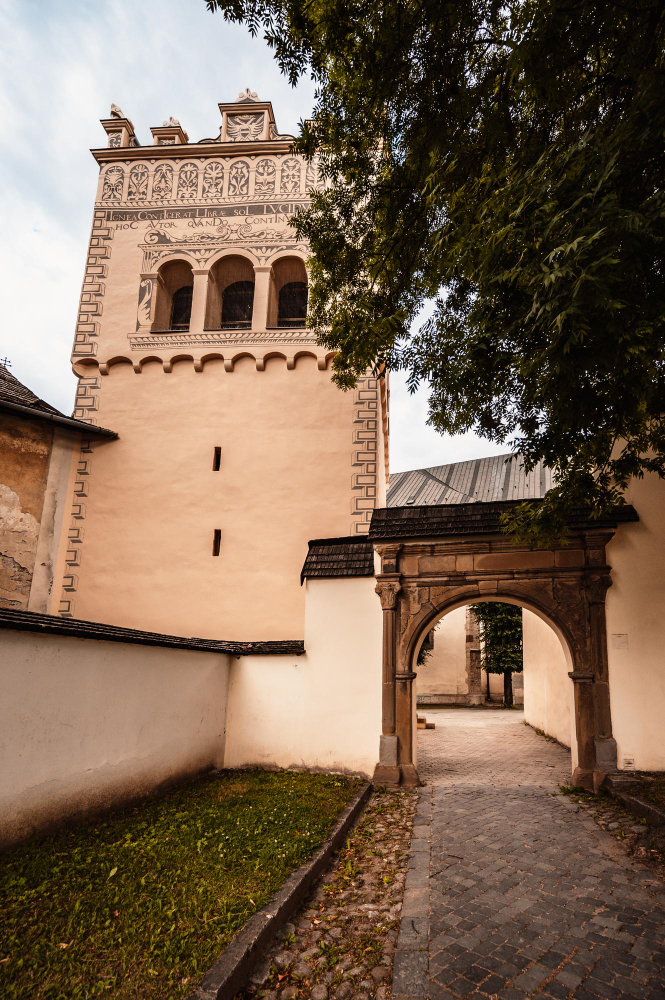
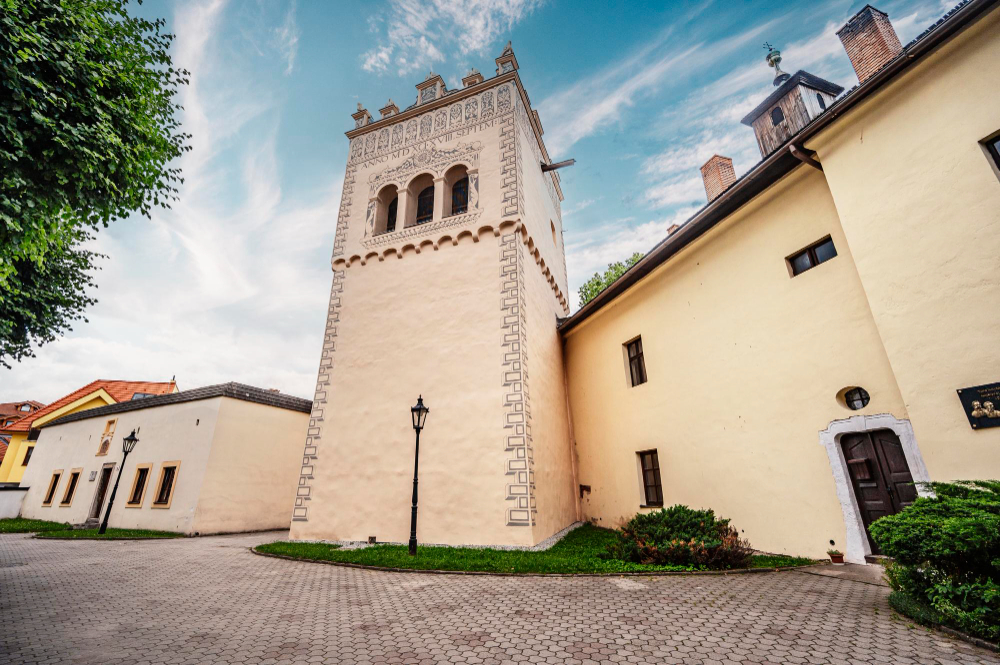
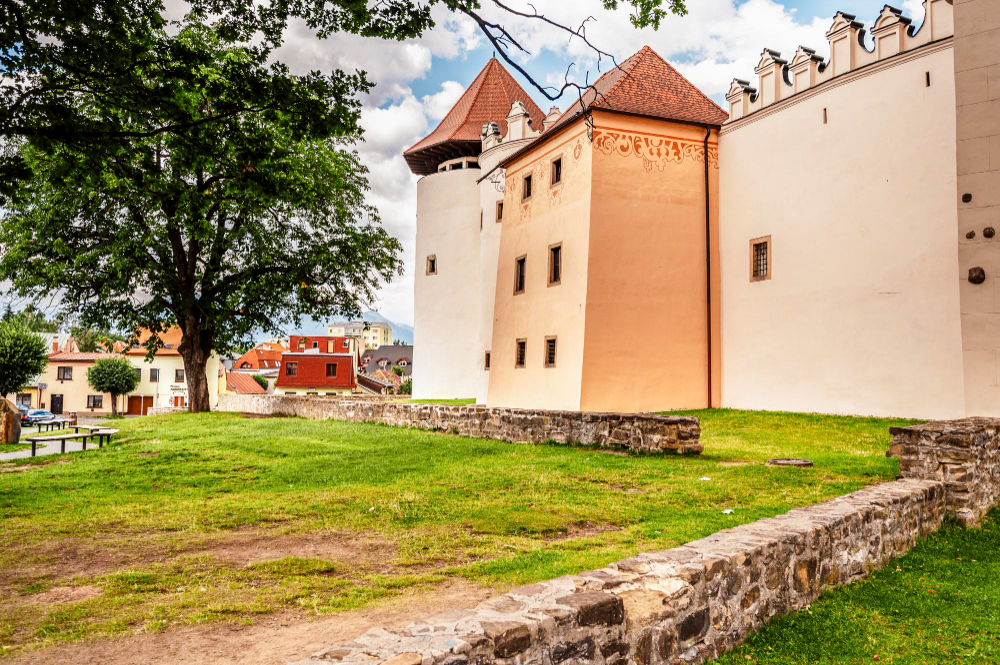
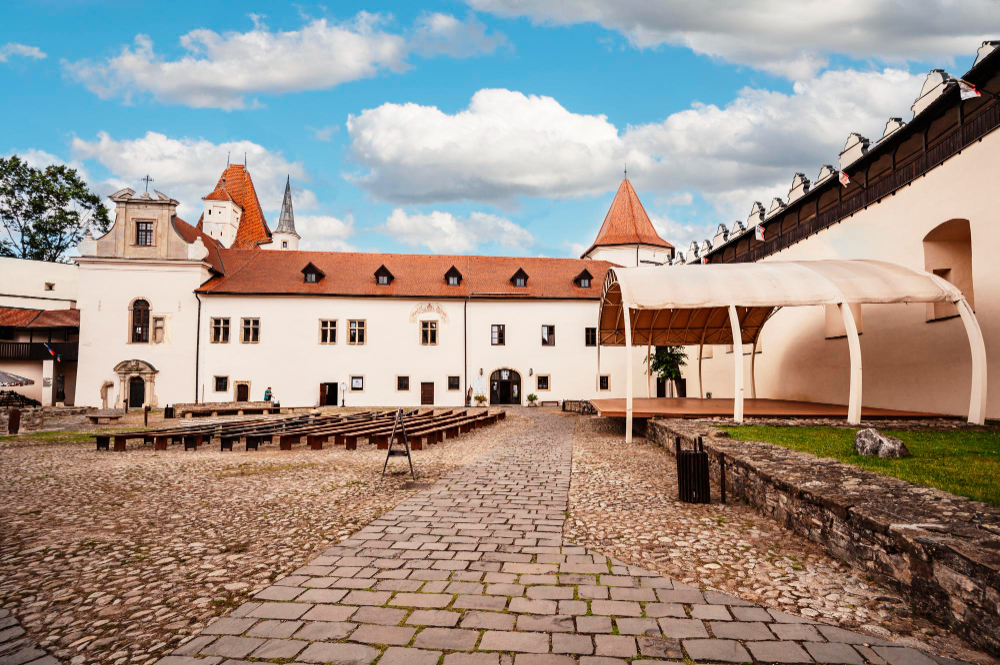
The Hunger Tower of Kežmarok – Kežmarok Castle was the seat of influential families for a long time. The complex was built in the 15th century as a fortified manor and was rebuilt several times over the centuries. The Łaski family was among its owners. The castle was not only a residence but also a symbol of power. Behind its walls, people could be protected, monitored, or imprisoned. The tower, which is now known as the Hunger Tower, carries a grim reminder in its very name. Such towers often served as prisons in castles and palaces. The name refers to imprisonment under particularly harsh conditions—isolation, deprivation, and the prisoners’ complete dependence on their guards. According to the story that has been passed down, Albert Łaski had his wife walled up or imprisoned there. Beata is said to have been held for years in a small, locked room. She could see outside only through a narrow opening. This view, so the legend goes, led toward the mountains of the High Tatras—the landscape she had previously visited. For later storytellers, the small window became a particularly haunting image: a woman who had once traveled freely to the mountains, now confined within a tower, with nothing but a distant view of the peaks. Outside lay freedom, open spaces, and movement. Inside reigned silence, darkness, and captivity.
Six Years Behind Walls – Beata Łaska’s imprisonment is said to have lasted six years. For a prisoner, such a period meant more than just the loss of freedom of movement. It meant separation from social life, from loved ones, and from any possibility of determining her own fate. The story is often told as an example of the brutality of a husband who sought to gain access to his wife’s property. Albert Łaski is said to have coveted Beata’s fortune and used her imprisonment as a means of pressuring her. At a time when women’s legal status and personal protection depended heavily on family and marriage, a conflict with a powerful husband could be life-threatening. The legend describes Beata’s situation as growing increasingly bleak. Day after day, she is said to have seen the same walls. The light streaming through the window must have been dim. Sounds from the castle—footsteps in the hallways or voices in the distance—reached her, even though she herself was cut off from life outside her cell. Whether she hoped for help, received news, or was completely cut off from the outside world cannot be said with certainty. What has been passed down, however, is the image of a woman who slowly broke down during her captivity. According to the folk tale, Beata Łaska lost her mind during her years of imprisonment.
The Voice Behind the Walls – Over time, the historical memory turned into a ghost story. Visitors and residents of Kežmarok told one another that Beata Łaska had not found peace after her death. Her spirit is said to appear in the area of the Hunger Tower, to wander through the castle’s rooms, or to make her presence known through unexplained noises. The legend does not always describe the apparitions in the same way. Some accounts speak of a woman dressed in white, others of a sorrowful figure seen at windows or in dark corridors. Still others limit themselves to the feeling that the tower is not empty: footsteps that cannot be attributed to anyone, sudden whispers, or a chill that spreads through the old rooms. Such accounts are part of the oral tradition surrounding the castle. They are not proof of supernatural occurrences, yet they show how deeply Beata’s fate has been etched into the collective memory of the place. As a result, the Hunger Tower has become more than just a part of a historic complex. It has become the setting for a story of betrayal, loneliness, and a woman whose life was destroyed behind stone walls. Particularly haunting is the notion that her spirit still returns to the window. There, where she is said to have gazed out for years, she is said to search for the mountains she once saw. In this tradition, the High Tatras do not appear as an idyllic backdrop, but as an unattainable memory of freedom.
Between History and Legend – The story of Beata Łaska is closely linked to Kežmarok Castle and the Łaski family. It is historically established that Beata was a wealthy noblewoman, that she was married to Albert Łaski, and that the Łaski family is connected to the castle. Her trip to the High Tatras in 1565 is also recorded as one of the earliest documented visits by a woman to these mountains. However, the details of her imprisonment and the tales of her ghost belong primarily to the realm of local legend. It is precisely this combination of verifiable history and dark folklore that makes the story so enduring. Behind the ghost story lies not a nameless phantom, but a real woman whose life was overshadowed by conflicts over property and power. Anyone visiting Kežmarok Castle today encounters a structure that has endured for several centuries. The walls have been restored, the rooms are used as museum spaces, and the site is part of the region’s cultural heritage. Yet, in the minds of many visitors, the Hunger Tower retains something of its former menacing aura. In the place where, according to legend, Beata Łaska was imprisoned, the past seems particularly close. The tower tells a story not only of architecture and aristocratic rule. It tells the story of a woman who went from the freedom of the mountains to the confines of a prison—and whose name remains linked to this day with the darkest rooms of Kežmarok Castle.