 Isabella Mueller Baroness of Stainton le Vale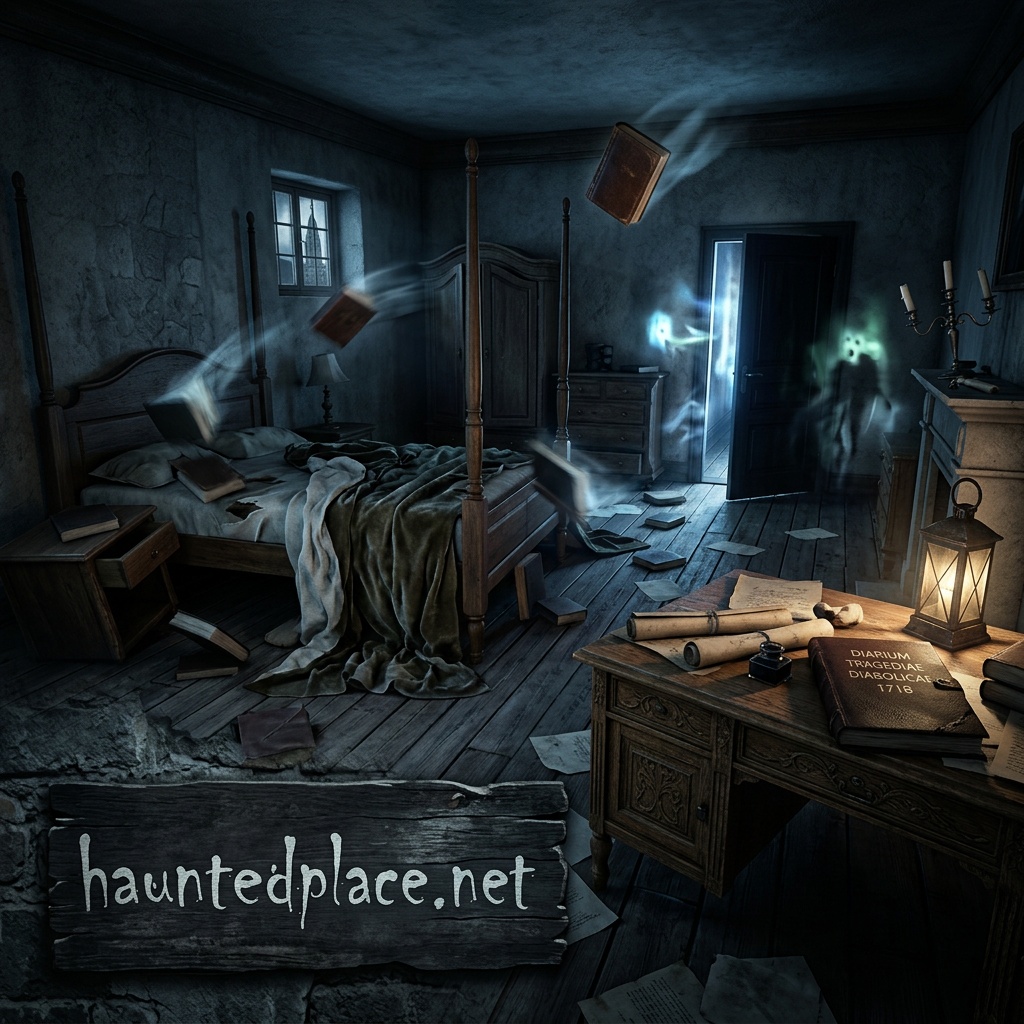
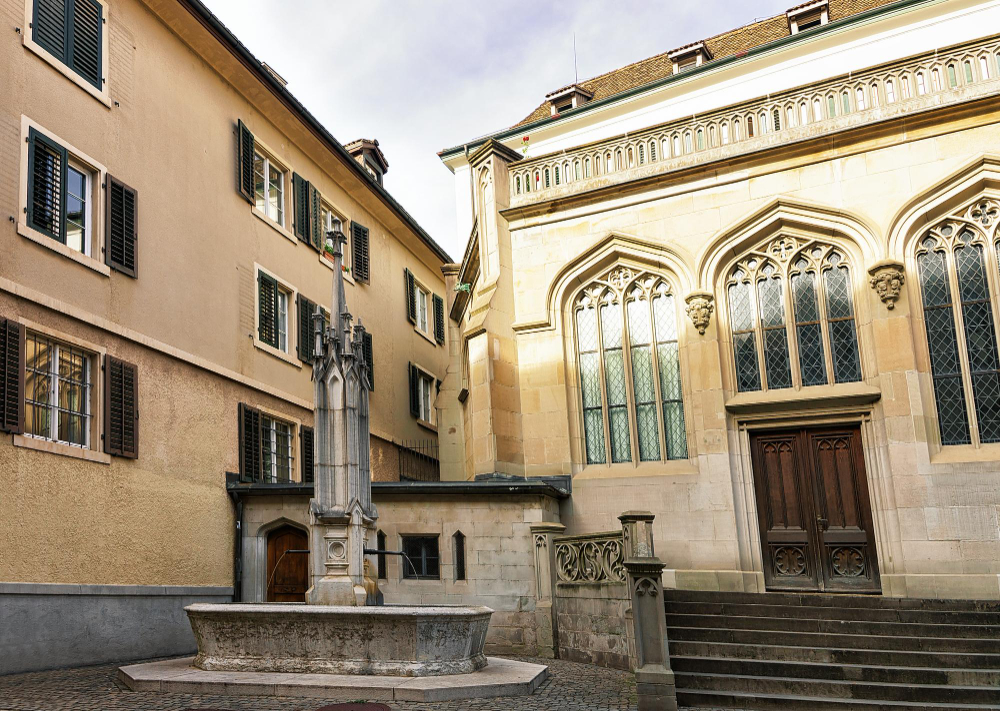
In the shadow of the venerable Grossmünster, at Zwingliplatz 4—where tourists today marvel at Zurich’s bustling daily life and the history of the Reformation—a dark memory lurks. It is the place where, over 300 years ago, a series of ghostly events took place that continue to inspire spine-chilling tales to this day. The former parsonage, also known as the Antistitium, was the scene of an eerie encounter between humans and an invisible, evil force—a force that brutally shattered the life of the Antist family and defied rational understanding.
The Year of the Catastrophe: 1718 – The year 1718 would go down in Zurich’s history, not because of a political revolution or a religious uprising, but because of a series of inexplicable events that forever changed the lives of the family of Zurich’s chief pastor at the time—the Antist. What began as harmless yet strange occurrences soon developed into a veritable nightmare. The seemingly peaceful idyll of everyday life was replaced by a palpable atmosphere of fear as mysterious phenomena haunted the venerable parsonage. Little by little, family members began reporting strange occurrences: bedcovers were violently torn away while they slept, furniture moved through the rooms for no apparent reason, heavy books flew through the air as if guided by an invisible hand, and crashed to the floor with a loud bang. Added to this were reports of will-o’-the-wisps that sent a cold shiver down the spines of even seasoned men.
The Record of Horror – The events left no one in the family untouched and reached such intensity that they were documented. Under the ominous title “Diarium Tragediae Diabolicae” (Diary of the Diabolical Tragedy), a written account was compiled that recorded these dark days. This three-hundred-year-old document is not only fascinating evidence of the existence of such accounts from earlier times, but also a disturbing testimony to humanity’s struggle with the incomprehensible. Historians and researchers have thoroughly examined the Diarium and confirm that the descriptions contained therein are extremely detailed and credible accounts of the events of that time. What is unusual about this chronicle is that it is not based solely on the subjective perceptions of individual persons, but has also been confirmed by a multitude of witnesses. Even religious authorities, who were otherwise rather skeptical of paranormal reports, considered the descriptions to be unsettling and authentic.
A Demonic Presence? – The question of what exactly triggered these phenomena remains unanswered to this day. While skeptical voices attempted to attribute the events to hallucinations or mental disorders, there were equally convinced voices that spoke of a demonic presence. In religious circles, it was even suspected that this was a manifestation of the devil, who had taken control of the house to torment the family of the Zurich Obergeist and shake their faith. Reports of this kind were not uncommon in the 18th century, but the intensity and variety of the events described made the case in Zurich unique. Experts in paranormal activity would classify such incidents today as a poltergeist phenomenon, whereby the alleged energies or entities are often associated with a strong emotional attachment or a traumatic history linked to a location. Some speculations even go so far as to claim that the building itself, possibly due to earlier tragic events, had absorbed and preserved these dark energies, thereby bringing them back to life centuries later. Whether it was actually a poltergeist or a malevolent demonic presence, however, will likely never be definitively clarified.
The Psychological Consequences – What the reports do make clear, however, is the immense psychological strain that weighed on the family. The thought of not even being safe within their own four walls, and the experiences of physical harassment by invisible forces, left deep emotional scars on those affected. Even after fleeing the cursed house, the family is said to have been repeatedly plagued by nightmares and fears that haunted them for the rest of their lives. Some claimed that the spirit continued to haunt them years later in other places—a terrifying notion that paints a picture of an omnipresent evil presence.
The Legacy of the Antistitium – Today, the Antistitium appears peaceful, at least on the surface. The building no longer serves as a rectory but houses modern facilities. Yet a glimpse into the past reveals the grim truth that leads many to view the place with either cautious respect or superstitious fear. Tourists strolling across Zwingli Square are usually unaware of the dark secrets hidden deep within the stone walls. Few know the old chronicles that recount these eerie events. And even fewer have the courage to linger near the building alone at night. Some even believe that evil has not been completely banished and that the Antistitium remains a place where one would do well to stay vigilant.
An Echo from the Darkness – The story of the Antistitium reminds us how fragile the line between our perceived reality and the inexplicable can be. Although these incidents occurred nearly three centuries ago, the idea of an invisible, malevolent force still terrifies us. Was it a poltergeist that tormented the family, or something far darker—a demonic force that deliberately terrorized its victims? Ultimately, the truth remains shrouded in darkness. But one thing is certain: The story of the Antistitium makes it clear that even the holiest places are not safe from the horrors of the supernatural. And if you ever find yourself strolling through Zurich and feel the urge to pause for a moment while visiting Zwingliplatz, take a close look at the old parsonage. Perhaps you’ll sense something—a cold breeze, a distinct chill—or even hear a faint whisper echoing from the past.