 Isabella Mueller Baroness of Stainton le Vale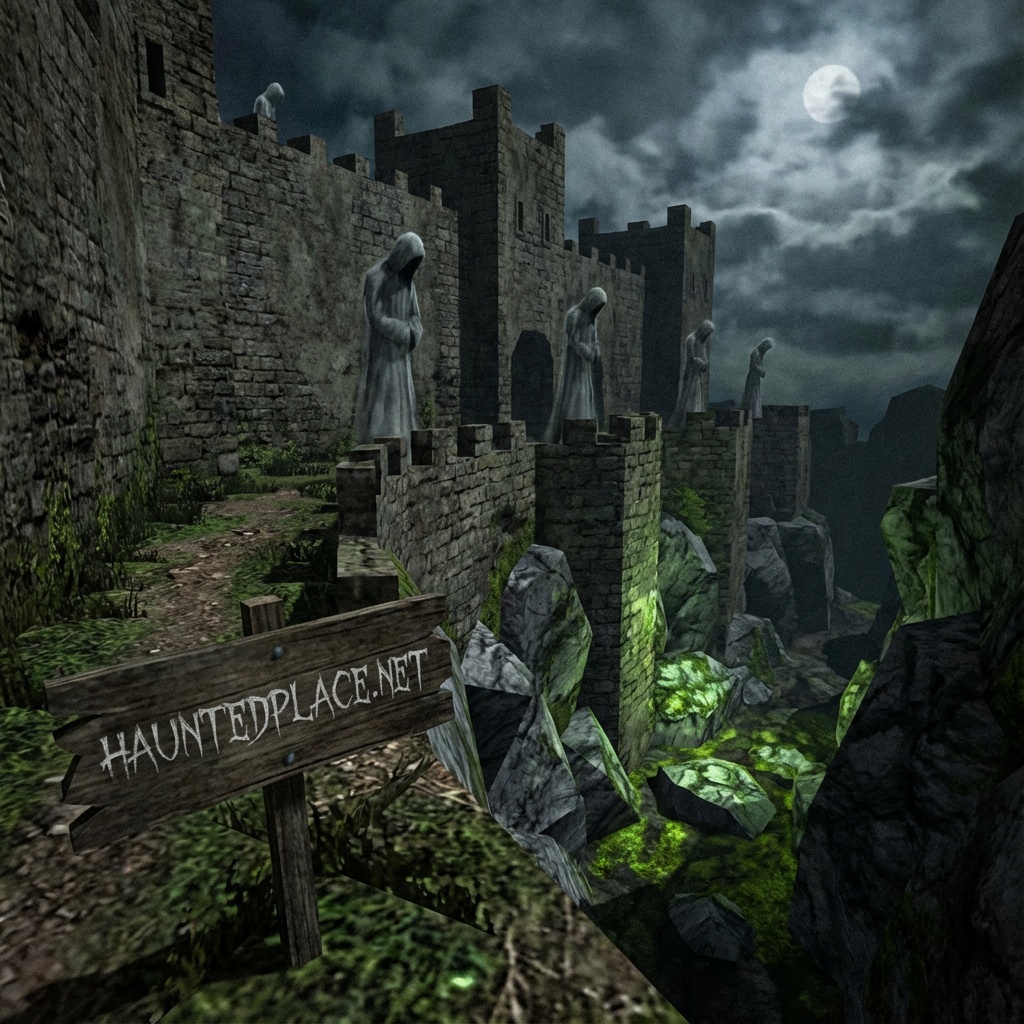
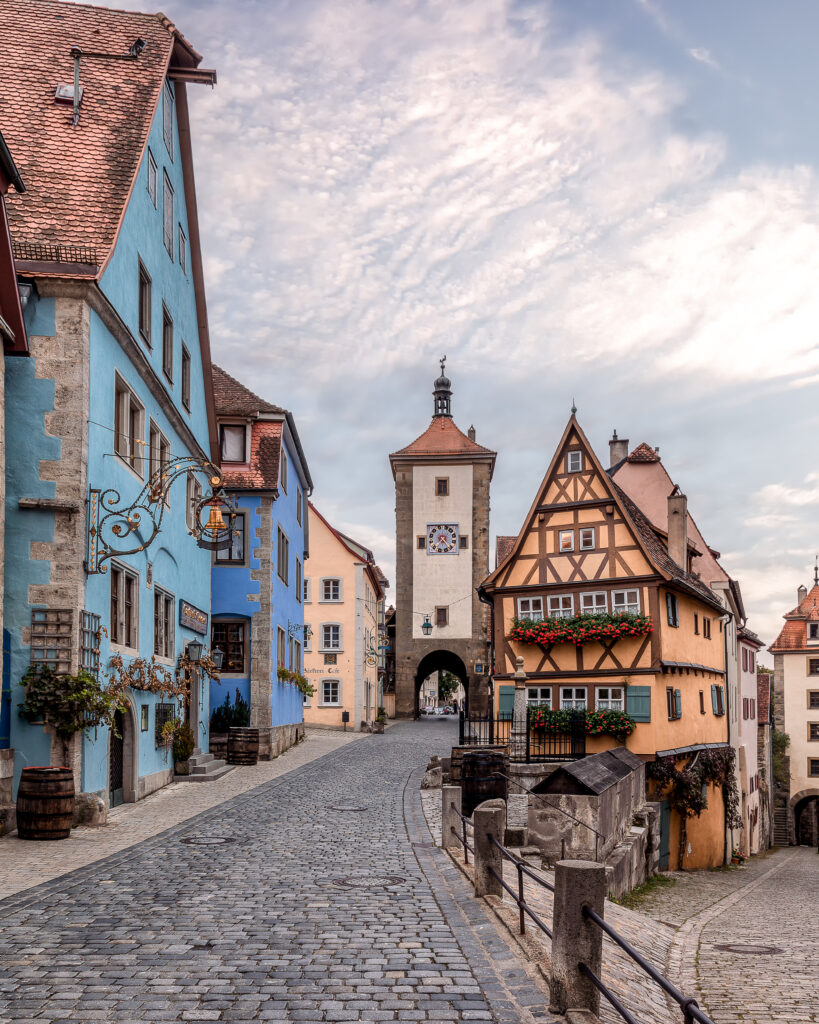
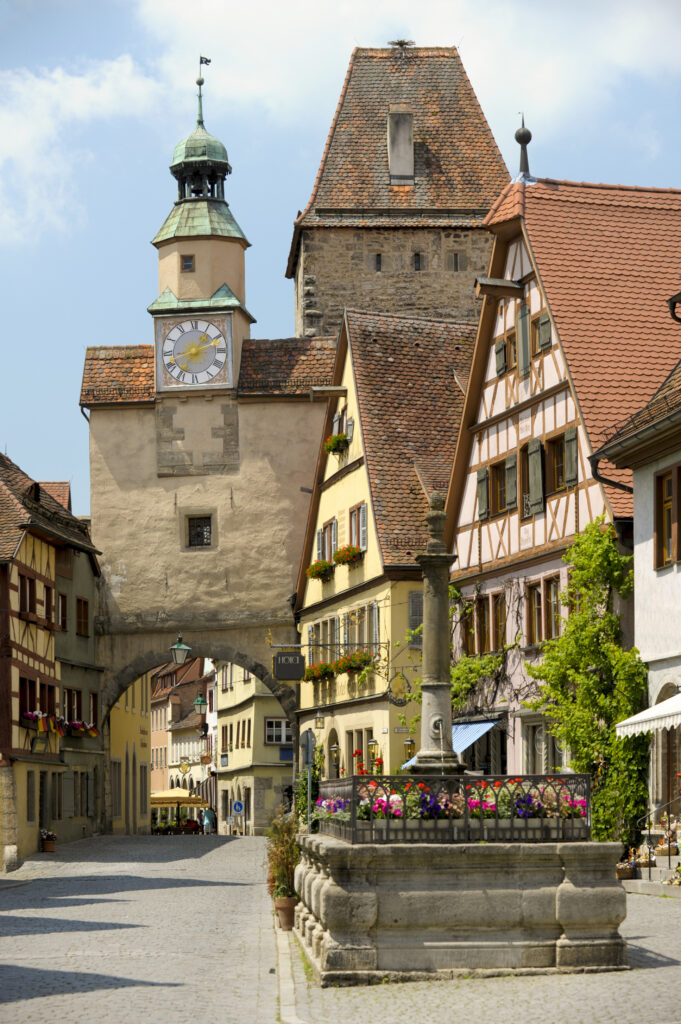
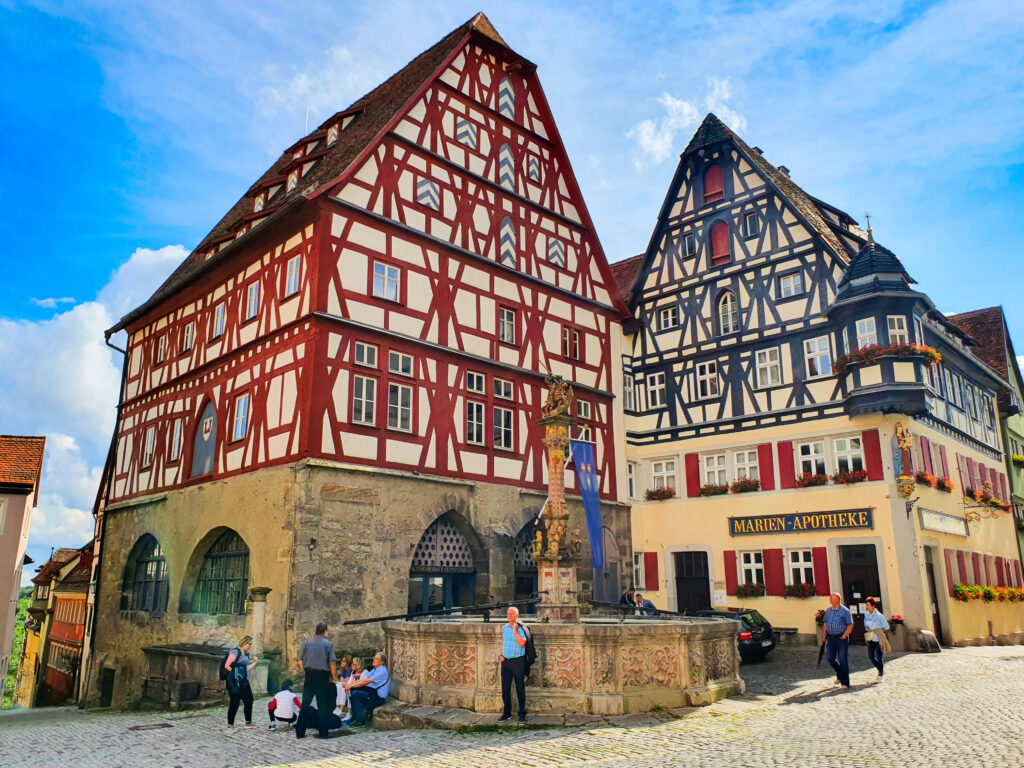
Rothenburg ob der Tauber, a charming medieval town in Germany, is known for its picturesque scenery and well-preserved architecture. But behind its idyllic façade lies a gruesome legend that has captured the imagination of locals and visitors alike for centuries – the story of the Hanging Gardens.
Historians and folklorists have long debated the veracity of this eerie tale. It is said that during Rothenburg’s heyday, a group of nobles fell from grace and were accused of high treason and heinous crimes. With their heads bowed, they were led to the city wall and faced two choices: a grim execution or a chance at redemption by throwing themselves from the heights to cultivate the gardens below. The twist? Survival was never guaranteed, and many met their demise on the jagged rocks – though, according to legend, some managed to create green patches of life amid the stone and shadows.
The origins of the legend of the Hanging Gardens are as mysterious as the story itself. Some believe it originated as a cautionary tale to remind residents of the consequences of betrayal and deceit. Others speculate that it may be linked to ancient sacrificial practices, in which offerings were made to appease both earthly and supernatural forces.
Adding to the horror, certain reports suggest that the gardens were not tended by ordinary plants, but by flora imbued with malevolent energies. Poisonous and carnivorous species thrived there, nourished by the blood and suffering of fallen souls. These details, for which there is no concrete evidence, are perpetuated by various public sources and academic articles dealing with the darker chapters of German history.
One particularly chilling reference comes from a 19th-century pamphlet discovered in the Rothenburg city archives. The anonymous author describes the gardens as ‘a realm where death and life are intertwined and nourished by the despair of the wrongfully condemned’. Although the brochure has little scientific basis, it has captured the imagination of readers worldwide and contributed significantly to the persistence of the tradition.
Today’s visitors to Rothenburg are often drawn to the presumed location of these gardens. Nestled within the imposing city walls, this place is shrouded in mystery. Some say they can still hear faint whispers carried by the wind – a mixture of lamentations and eerie murmurs – reminiscent of the tragic fate of those who dared to take the leap.
Interestingly, local historians have attempted to learn more about the Hanging Gardens through archaeological investigations. Although they have found artefacts and remains that indicate ancient cultivation, clear links to the legend remain elusive. This ambiguity only adds to the mystique of the garden, making it a focal point of Rothenburg’s ethereal charm.
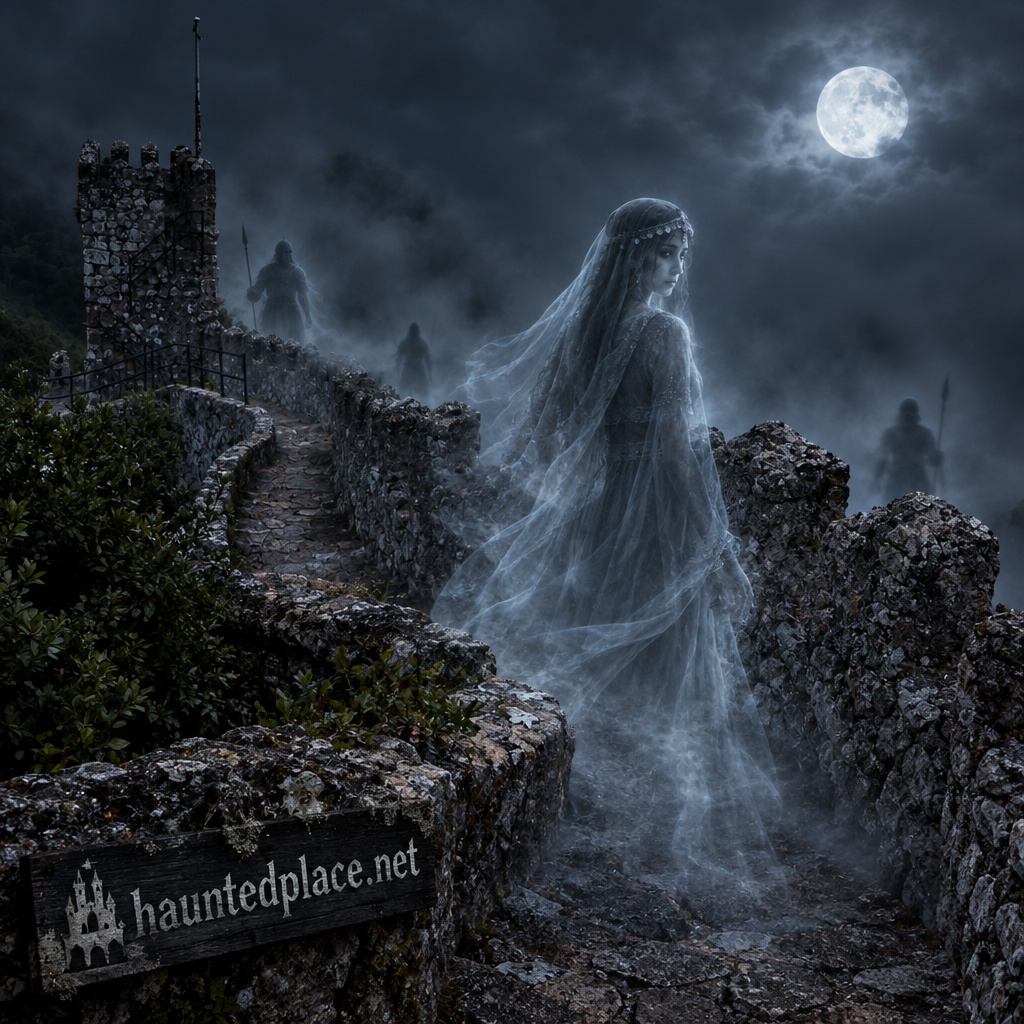
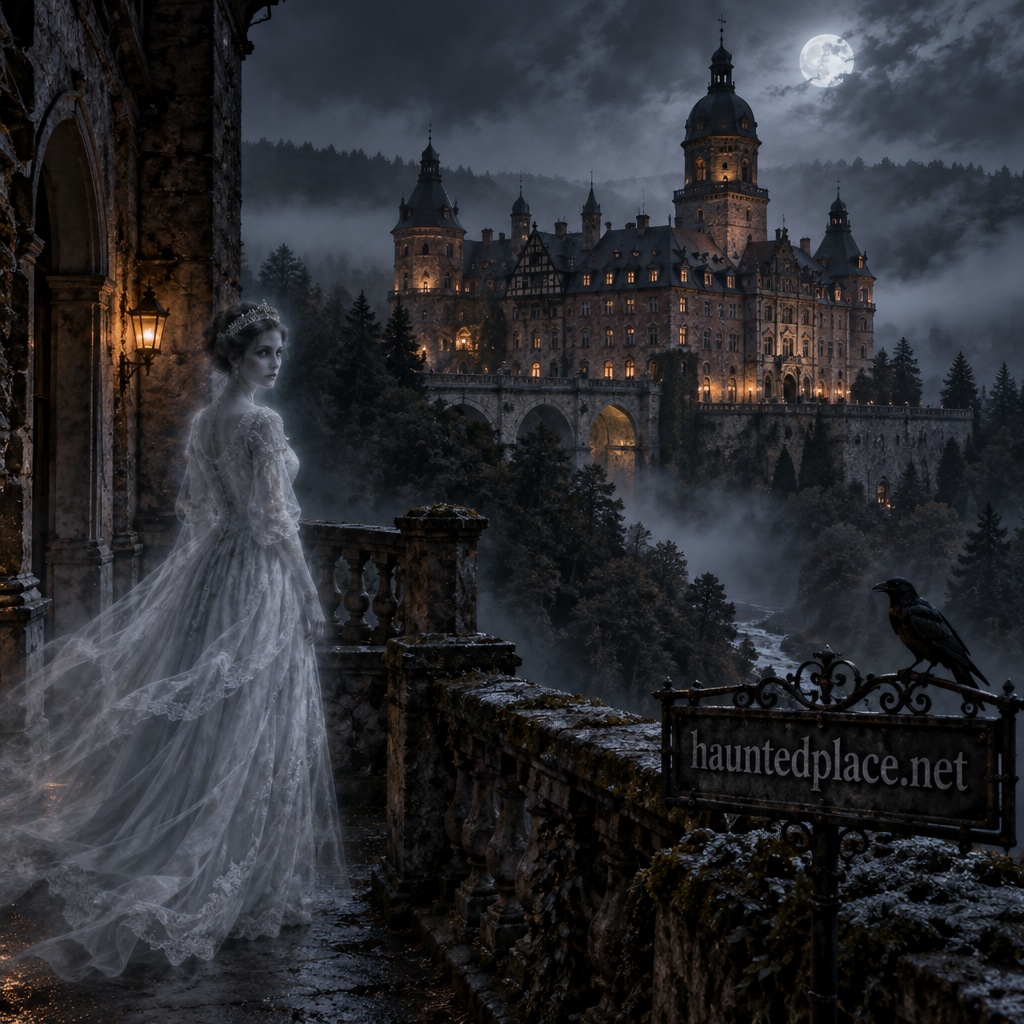
Witnesses claim that under the cover of night, the gardens transform into a ghostly refuge. Moonlight casts eerie shadows, and strange glows illuminate the plants in unnatural hues. Occasionally, visitors report seeing apparitions of the doomed nobles, whose ghostly forms tend the gardens in eternal penance. This phenomenon has been documented in various paranormal investigations, during which sensitive equipment has recorded inexplicable anomalies and ghostly activity.
Local lore suggests that the spirits trapped in the Hanging Gardens harbour a dark desire: to lure living souls into their realm. There are numerous stories of visitors who ventured too close and claim that invisible hands pushed them to the edge, compelling them to take the fatal leap.
These stories, whether real or imagined, underscore Rothenburg’s reputation as a town steeped in ghostly intrigue.
Given its rich history, Rothenburg is no stranger to paranormal tourism. The Hanging Gardens attract thrill-seekers and ghost hunters all year round, all hoping to catch a glimpse of the supernatural. Guided tours often recount spooky anecdotes that blend history with restless spirits, ensuring that the town’s macabre appeal remains ever-present.
Even beyond Germany’s borders, Rothenburg’s Hanging Gardens continue to fascinate horror fans worldwide. Recent publications by experts in Gothic literature are once again drawing attention to this captivating legend, while podcasts and documentaries explore possible connections to other European Gothic narratives.
As night falls on Rothenburg ob der Tauber, the Hanging Gardens continue to envelop the town in their ghostly veil, bearing witness to their haunting legacy. To those who dare to delve into their depths, the gardens offer not only a glimpse into a bygone era, but also an eerie reminder of how thin the veil between life and death truly is.