 Isabella Mueller Baroness of Stainton le Vale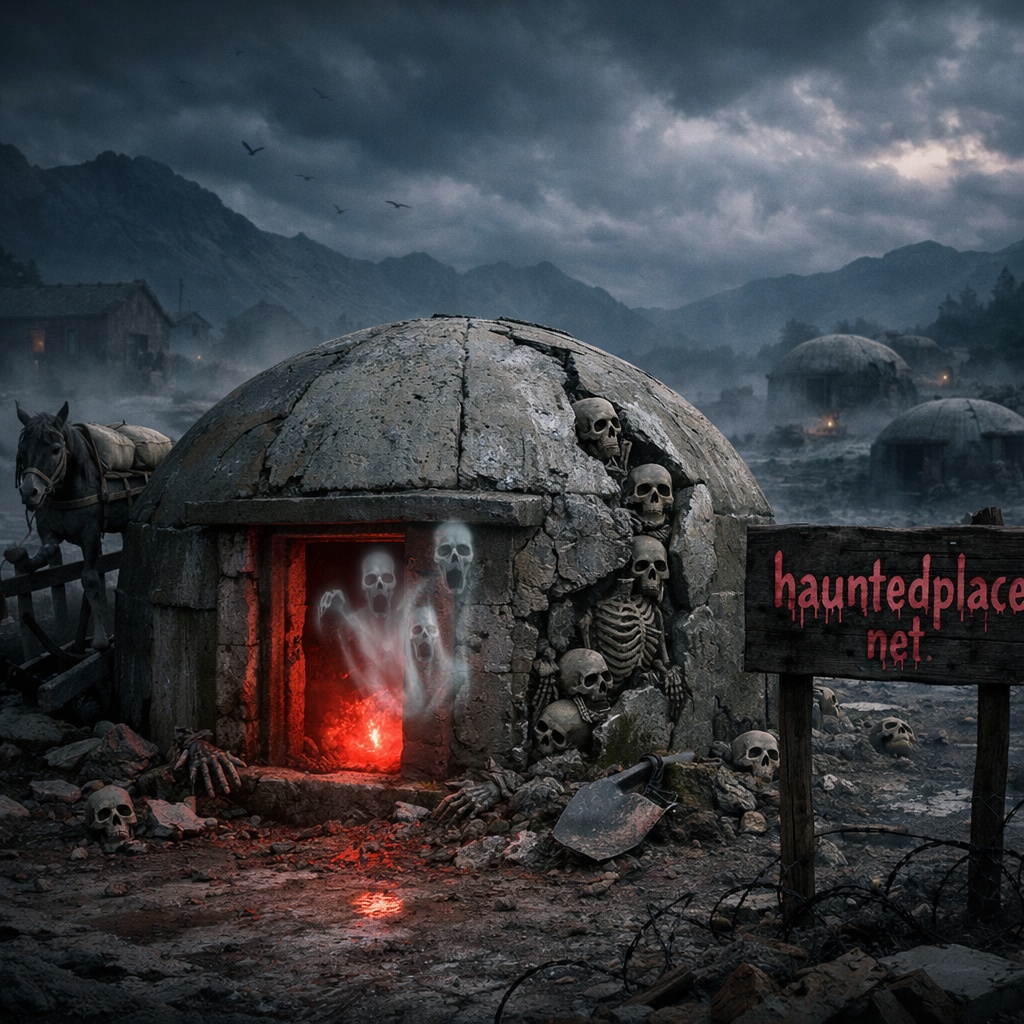
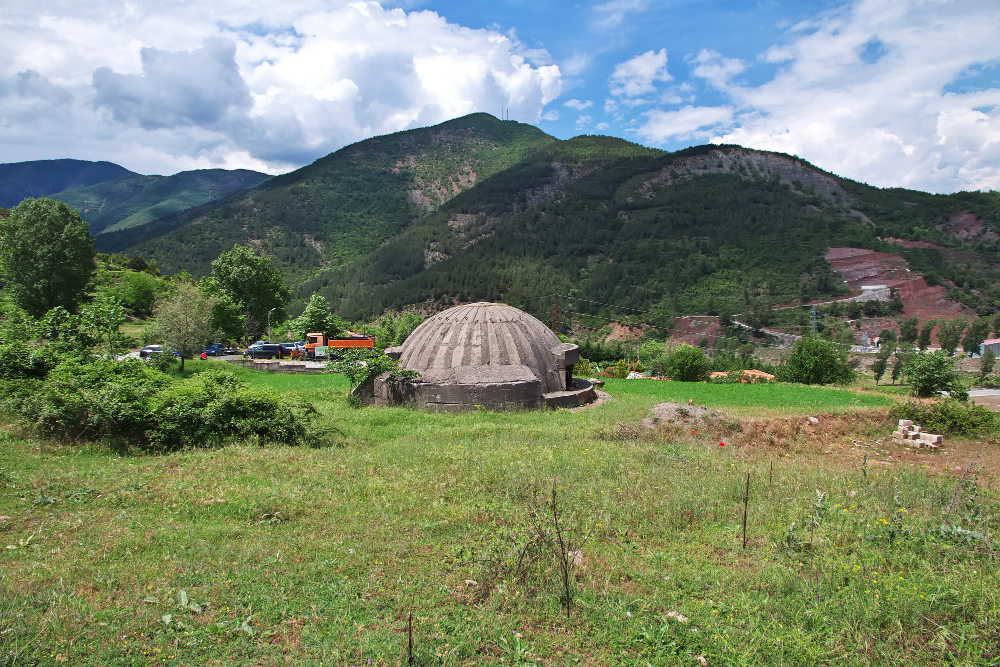
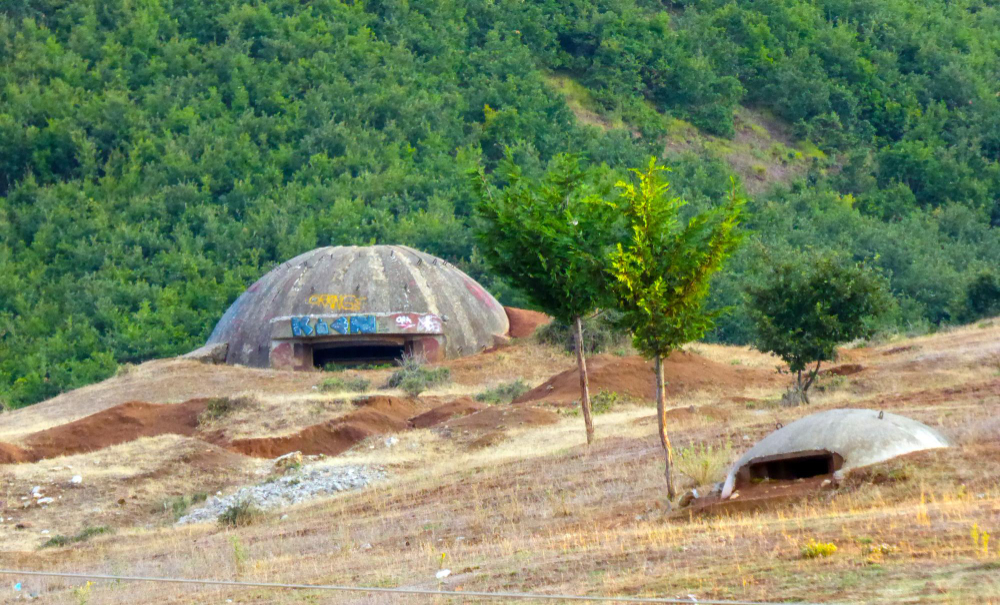
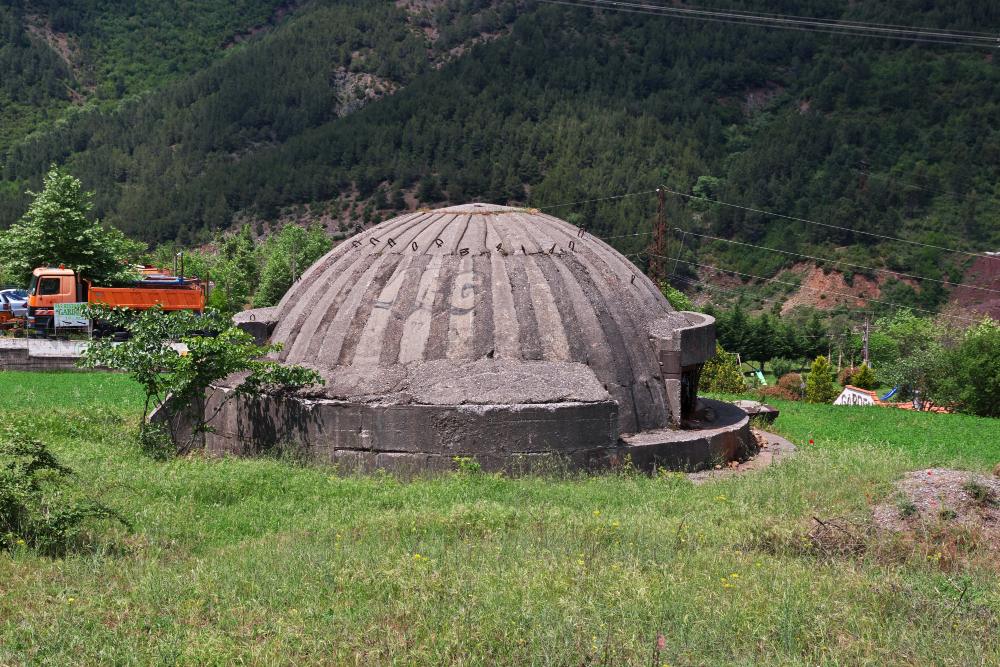
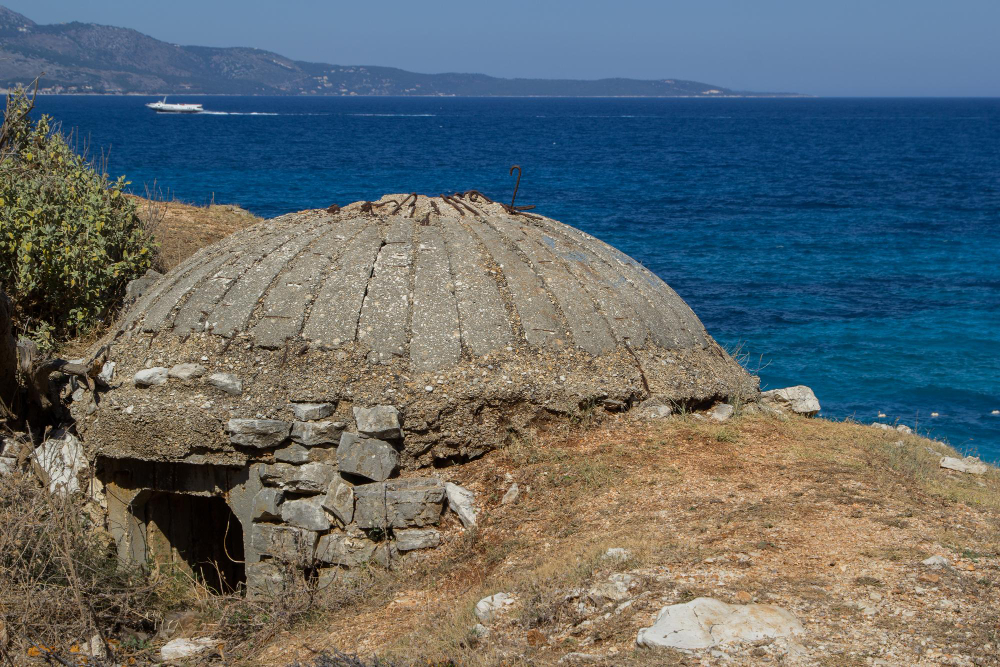
Anyone wandering through the valleys and hills of Albania will inevitably notice them: the countless mushroom-shaped bunkers scattered across the landscape like ancient ruins from a long-forgotten era. But what at first glance appears to be the harmless remnants of a paranoid dictatorship harbors a dark history—a story of madness, fear, and a failed attempt to protect the country from invisible enemies. And perhaps even more than that. There are rumors, eerie tales of things lurking in the depths of these concrete fortresses, stories that get under the skin of those who dare to look closer.
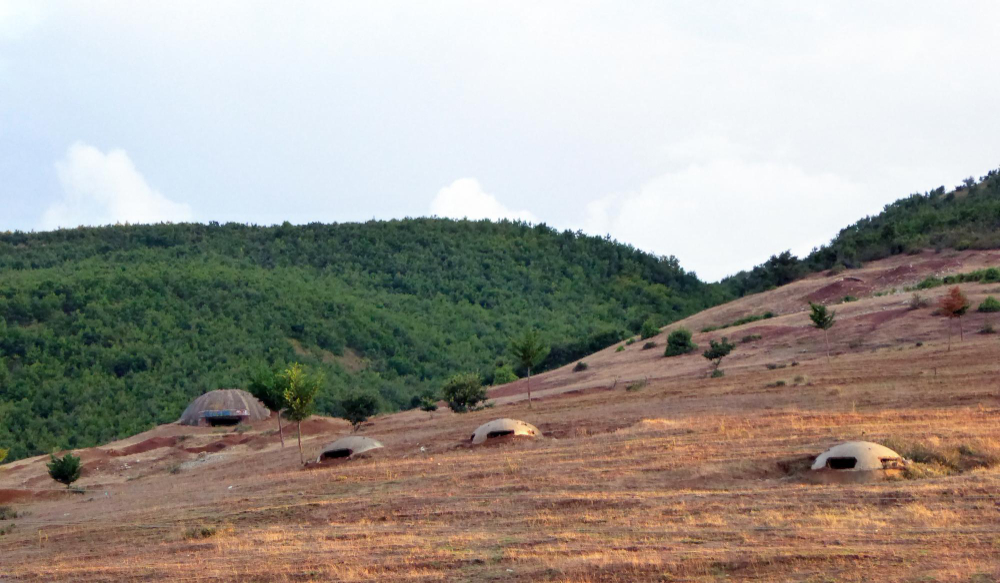
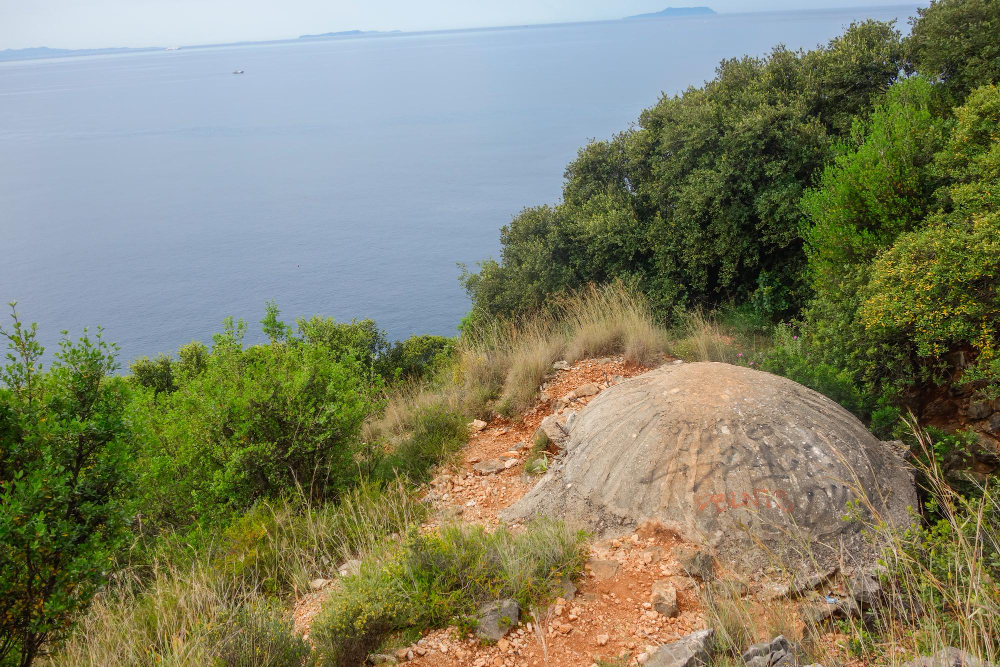
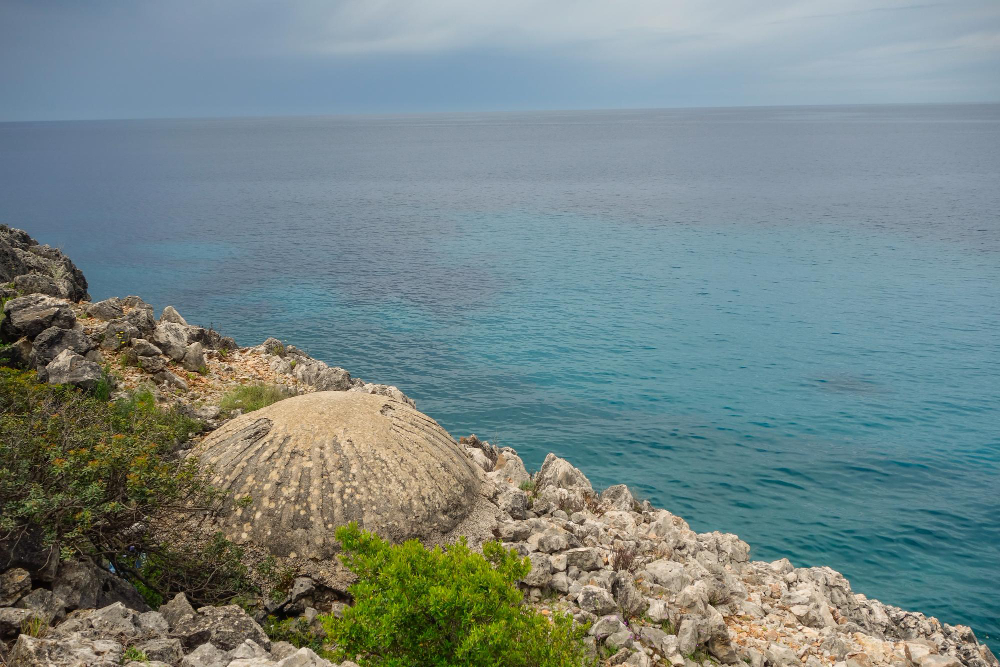
A Nation in the Grip of Madness – Albania’s bizarre architecture is the legacy of dictator Enver Hoxha, who between 1972 and 1984 invested hundreds of millions of drachmas—the Albanian currency at the time—in the construction of some 180,000 bunkers. The goal? Complete military isolation against an imaginary threat. Hoxha was firmly convinced that both NATO and the Warsaw Pact could be ready at any moment to attack his small country and wipe it off the map. This obsession led to a national construction project that not only devoured resources but also shaped the psyche of an entire people. Each bunker, it was promised, would offer protection, whether for a single soldier or a small group of up to five people. They were strategically positioned everywhere: in cities, villages, mountainous regions, and along the coasts. It is said they were placed so that their lines of sight overlapped—an impenetrable network of concrete eyes monitoring every corner of the country. The construction, however, was as brutal as it was absurd. Mules were used to transport materials, and workers often died under the harsh conditions. It is said that in some places, the bodies of the deceased were even poured into the foundations to stabilize the structure. Whether this is a macabre legend or the truth, no one knows for sure today—but the mere thought of it is enough to make one’s heart race.
No Enemies, Only Shadows – The irony of the Albanian bunkers is that they were never needed. By the late 1970s, Albania was so politically isolated that it no longer had a single external enemy. The bunkers, which devoured millions in valuable resources, offered protection against a phantom that had never existed. And yet they remained a tangible presence for the population—a stark reminder of the regime’s omnipotence. Concrete was everywhere you looked; it was clear to everyone that Hoxha had spared no village, no matter how insignificant. But over time, this omnipresent concrete developed a strange aura. Many of the bunkers became abandoned ruins. While some were used by locals—as storage spaces, chicken coops, or even cafés—others were left entirely to their own devices. Especially in remote areas, they became places of unease. Children dared to enter only in groups, and older people spoke of “strange noises” or “cold air” emanating from the openings. There are reports of hikers who disappeared after deciding to explore a bunker. Their bodies were found weeks later, mutilated and without any explanation. This may be mere folklore, but one thing is certain: the bunkers exert an eerie pull on people who venture into the unknown—and sometimes the unknown seems to stare back.
Dark Secrets of the Concrete Monuments – Countless stories swirl around the interior of the bunkers. Supposedly, many of them were not merely superficial shelters, but tunnel systems reaching deep underground that were eventually buried. Some locals speak of “lost rooms” where documents or weapons are said to have been discovered that were never officially registered. Others report chambers where experiments were conducted—whether on humans or animals, no one dares to say. Particularly unsettling are the rumors about the energy that is supposedly palpable in the bunkers. These places, once built to instill fear of external enemies, seem never to have let go of that fear. Paranormal investigators who have examined Albania have repeatedly detected strong magnetic disturbances near certain bunkers—an effect that allegedly causes compasses to go haywire and electronic devices to malfunction. Some believe that these places have been “charged” by the collective fear of the population, that the regime’s panic and the torment of the construction workers have become embedded in the concrete like a curse.
The Death Bunkers – Myth or Reality? – In particularly grim versions of the story, it is said that some of the bunkers were intentionally built to bury their occupants alive. The idea behind this was that no Albanian soldier would surrender without a fight—and that a bunker could, if necessary, lead its defenders to their deaths should they be overpowered. Modern archaeologists who examined some of these structures actually found evidence that certain bunkers were equipped with mechanisms that could have blocked their entrances—either intentionally or due to a design flaw. The term “death bunker” has been used for years in dark circles to describe those structures that have remained inaccessible forever. No one knows what lies hidden within these concrete fortresses. Are they empty rooms, filled with dust and memories? Or is there something there that is better left undiscovered? A question that Albania’s concrete landscape poses to us time and again—and one that may never be answered.
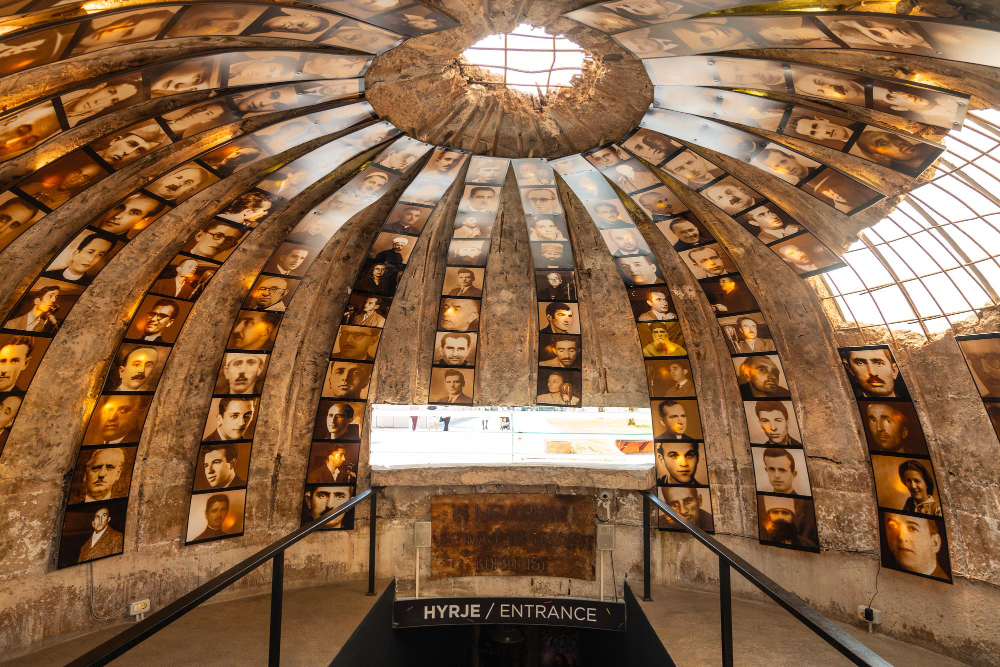
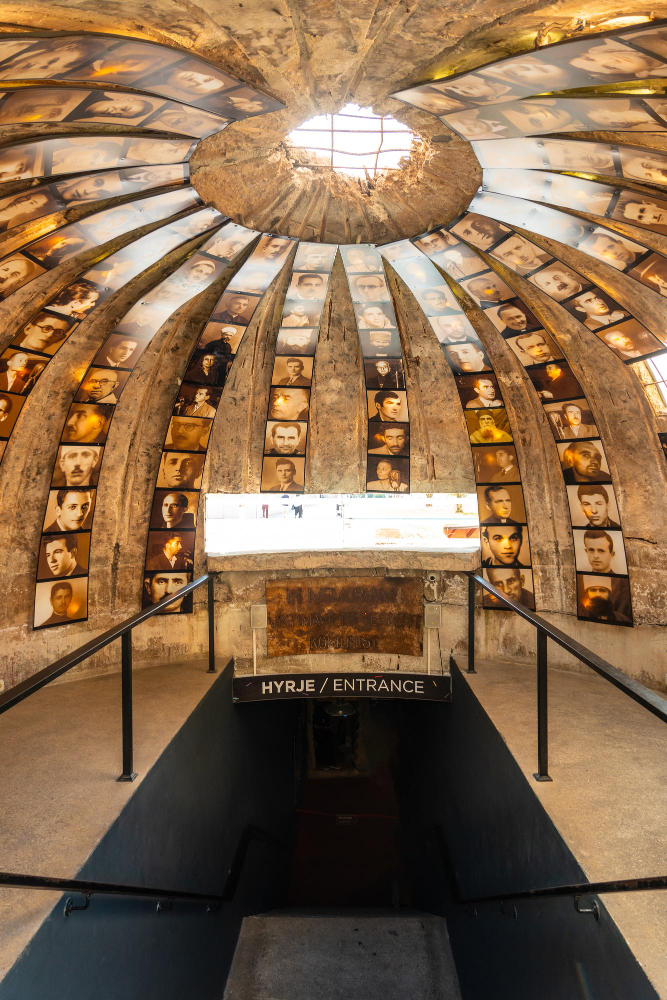
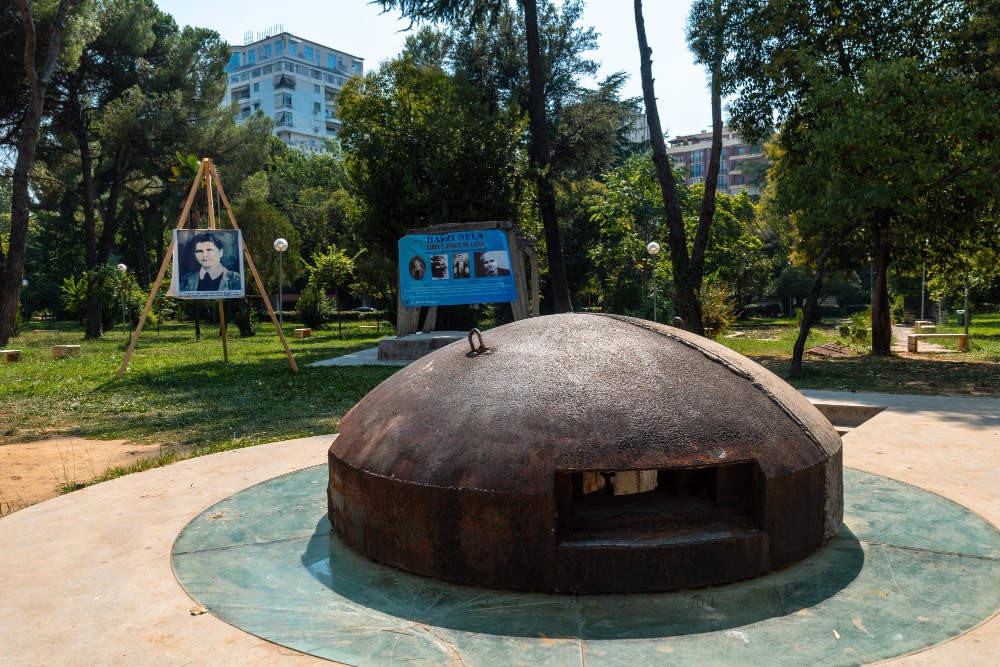
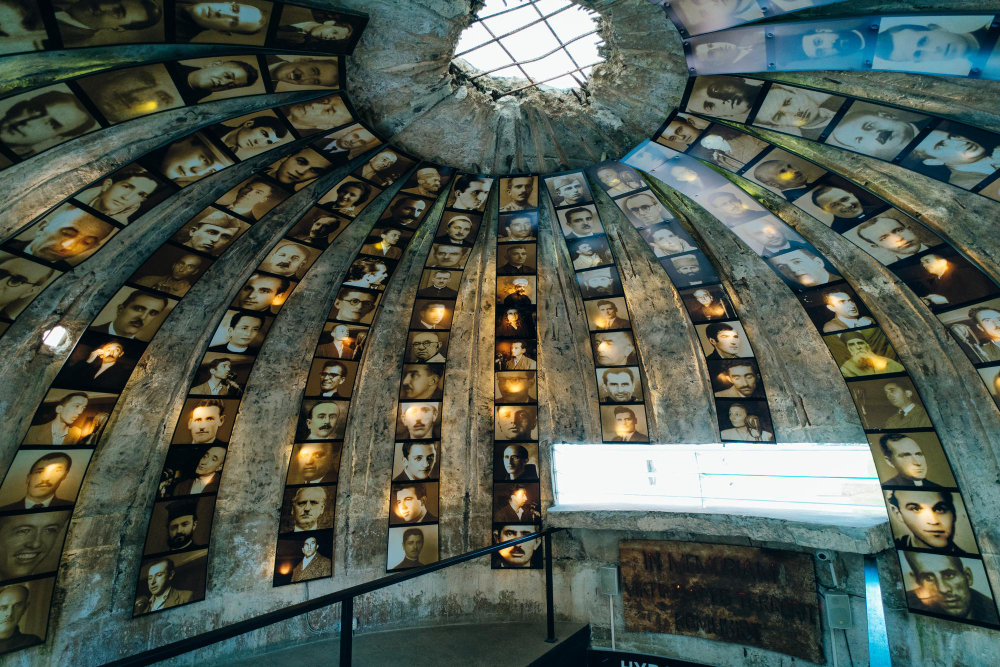
Today: Monuments of Horror – Even decades after Hoxha’s death, the bunkers stand like silent sentinels over Albania. Some have been demolished, others repurposed. But many remain untouched. While tourists today often view these relics with curiosity or amusement, many Albanians still have mixed feelings. For them, the bunkers are not just curious photo opportunities, but a symbol of oppression, of isolation—and perhaps also of the darkness that can spread from within a country. The bunkers are more than just concrete and steel. They are the legacy of an era that changed the country, and at the same time memorials to the depths of human nature. A walk through the Albanian mountains is not only a journey into an impressive landscape but also an encounter with the past—a past that neither can nor should be completely forgotten. And who knows? Perhaps hidden beneath all that concrete is indeed something that should never come to light. Something that is best left to rest.
Enter at Your Own Risk – The Albanian bunkers are more than mere structures of a paranoid dictatorship. They are symbols of a collective trauma that remains rooted in the souls of many Albanians to this day. At the same time, they are places that offer space for countless stories, myths, and speculations. What exactly lurks in the depths of these fortresses will likely never be fully clarified—and perhaps that is for the best. For some things only lose their power when we learn to look away.