 Isabella Mueller Baroness of Stainton le Vale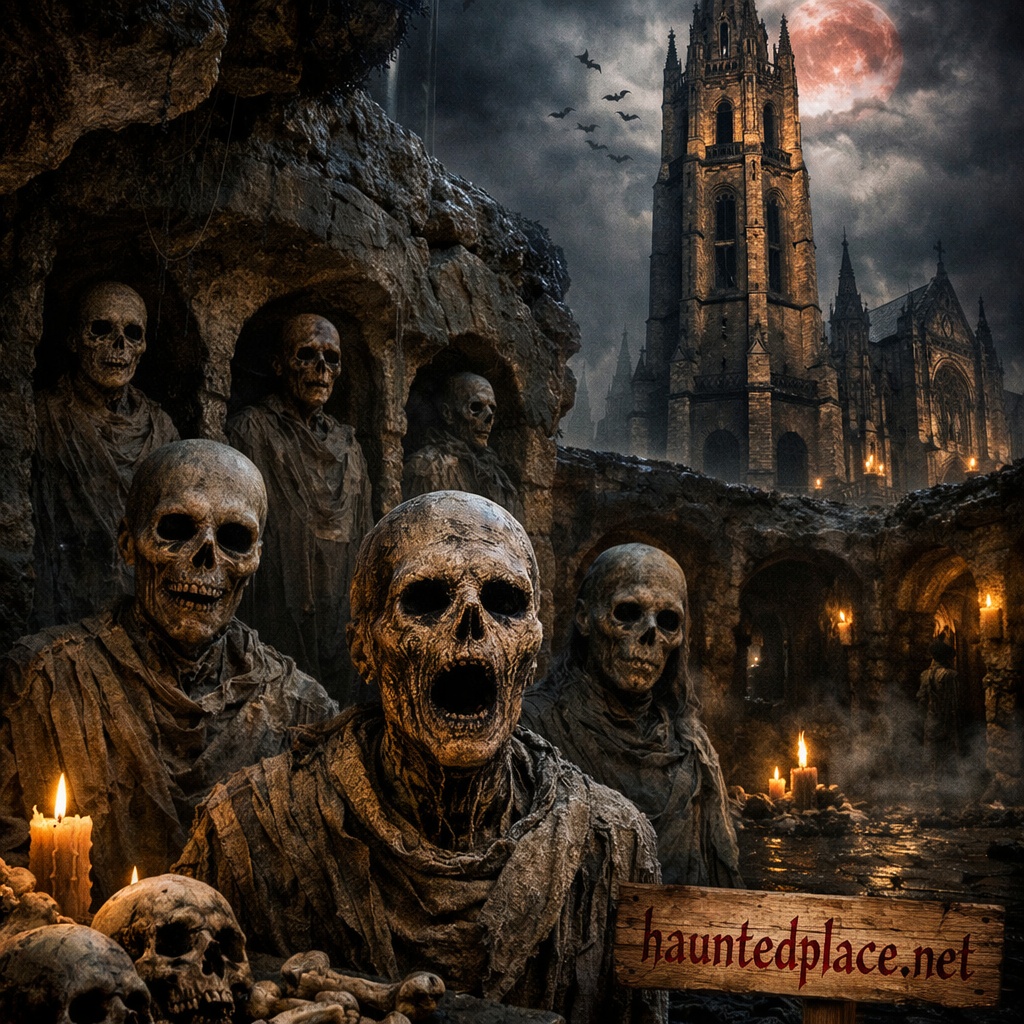
Bordeaux, the picturesque city in south-western France, is famous for its historic architecture, its excellent wines and its artistic treasures. Yet behind the magnificent façade of its Renaissance buildings and its bustling markets lies a dark secret. A legend surrounding the Basilica of Saint-Michel has for centuries attracted those who harbour a morbid fascination with the invisible and the eerie. Mummies were once discovered in the catacombs of this venerable church, the very existence of which still makes the blood run cold today. Join us on a journey into the depths of history and the myths that still surround the basilica today.
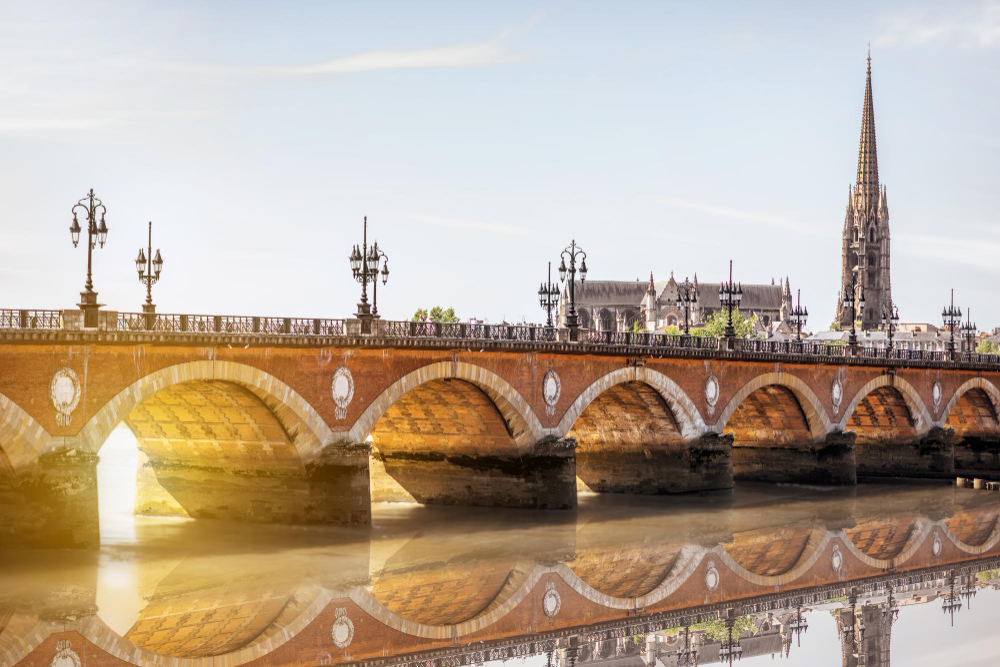
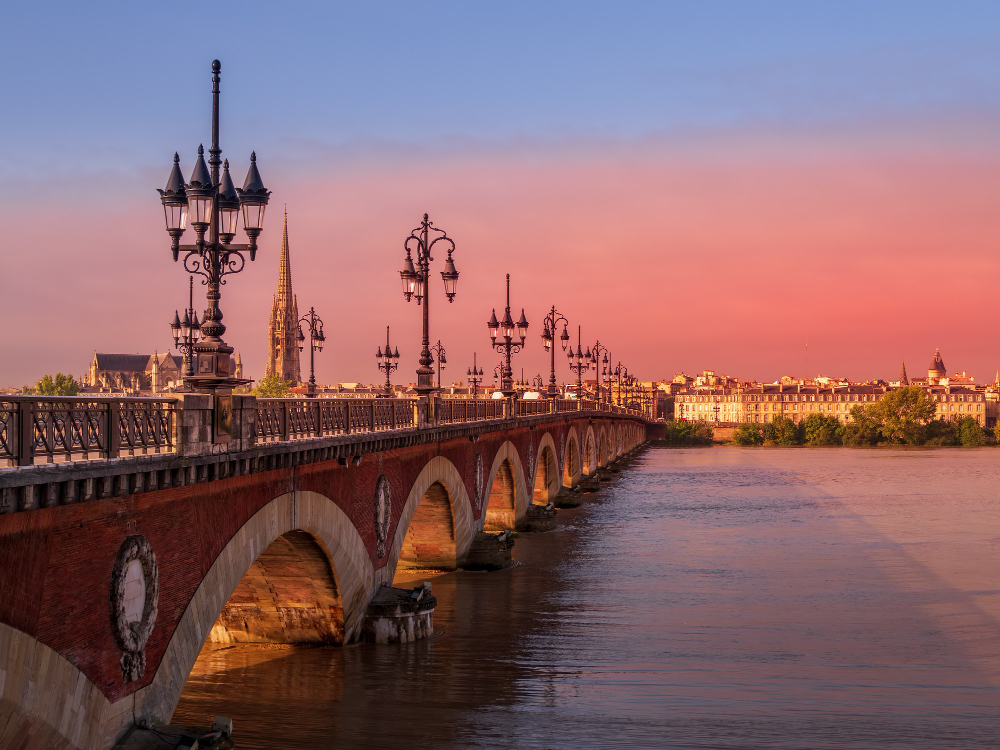
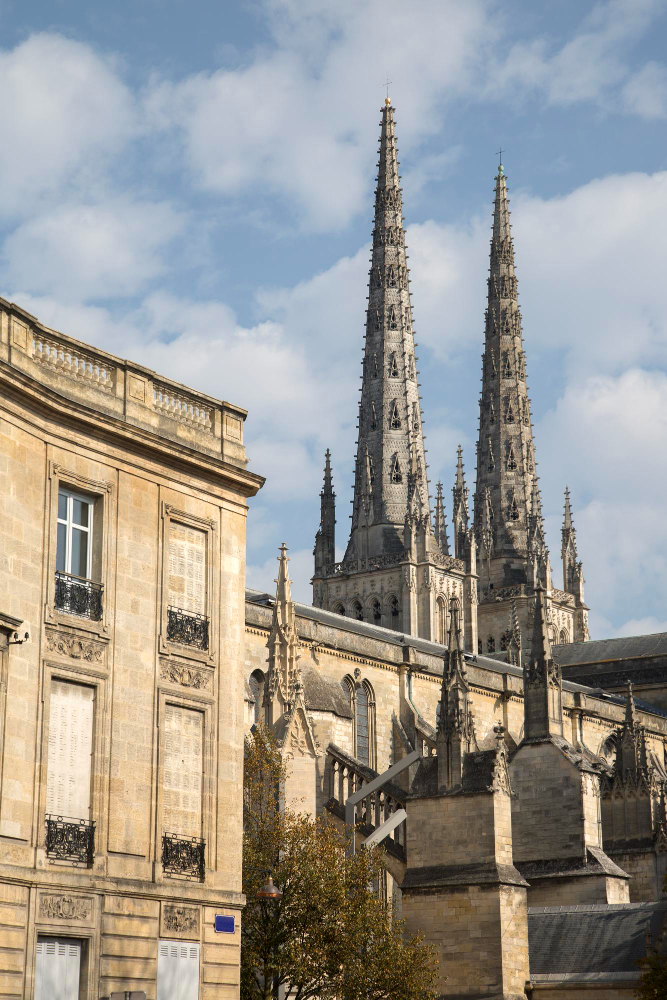
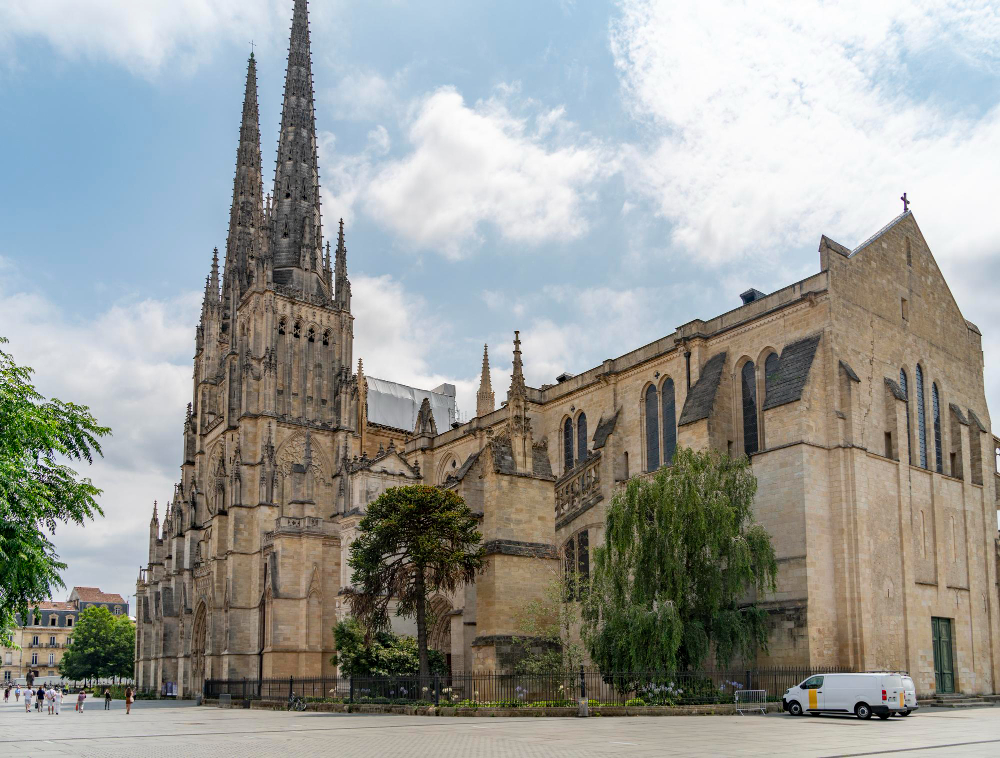
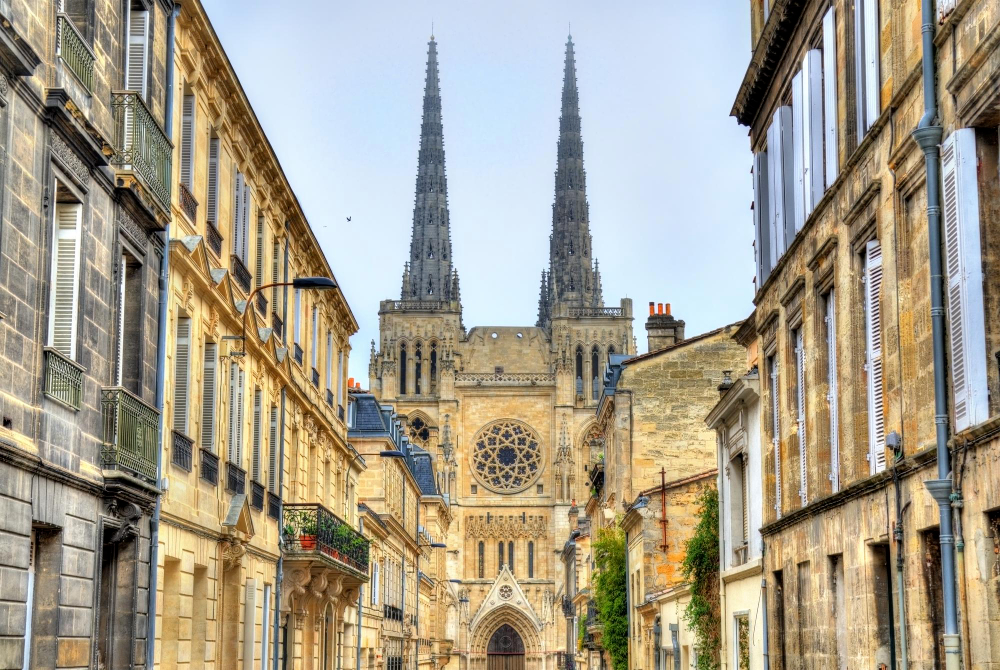
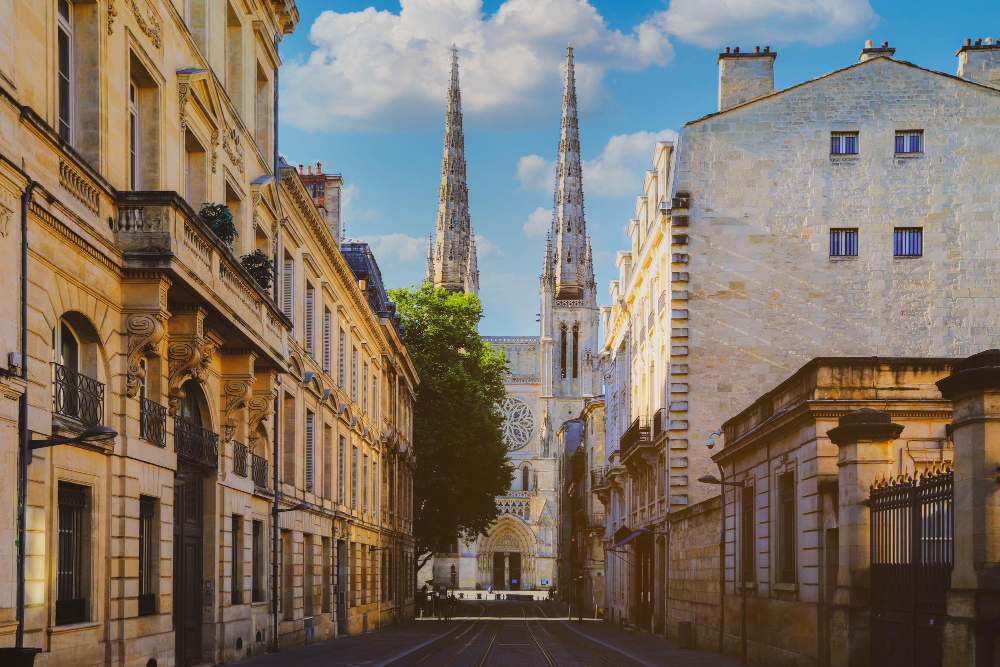
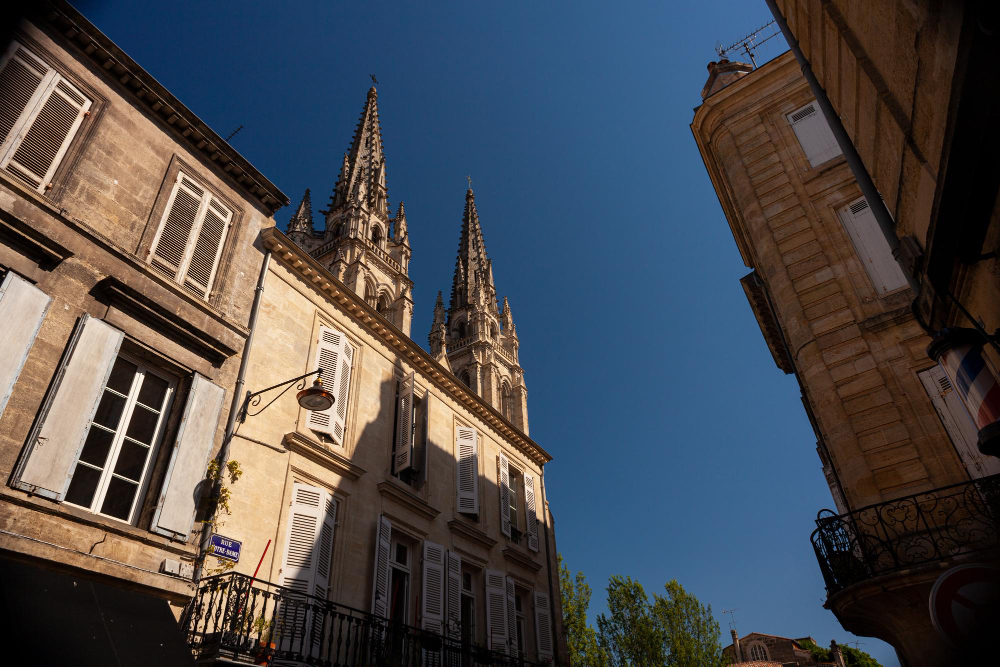
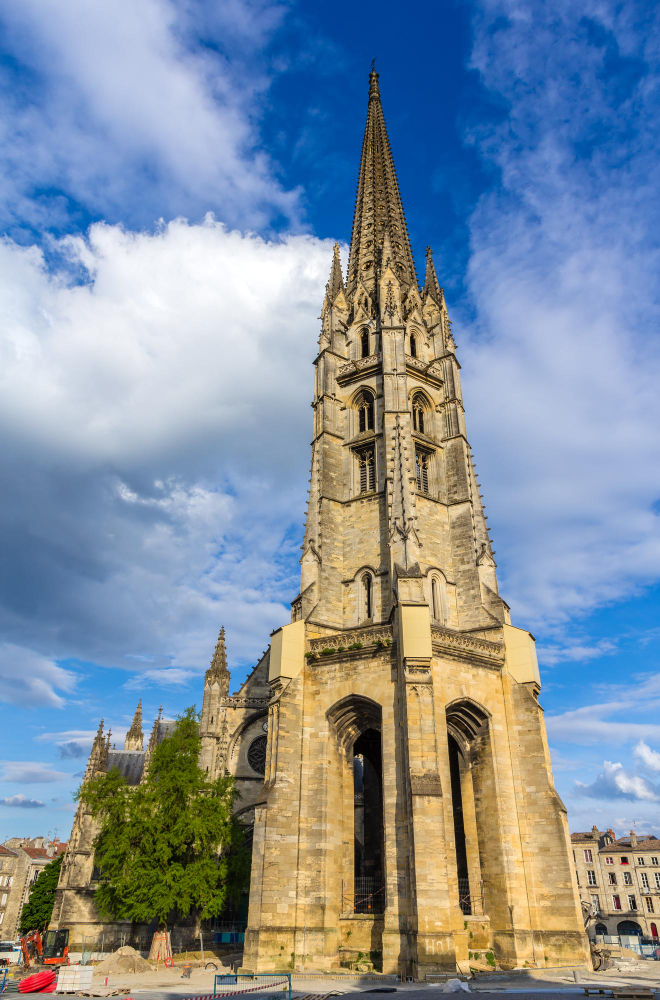
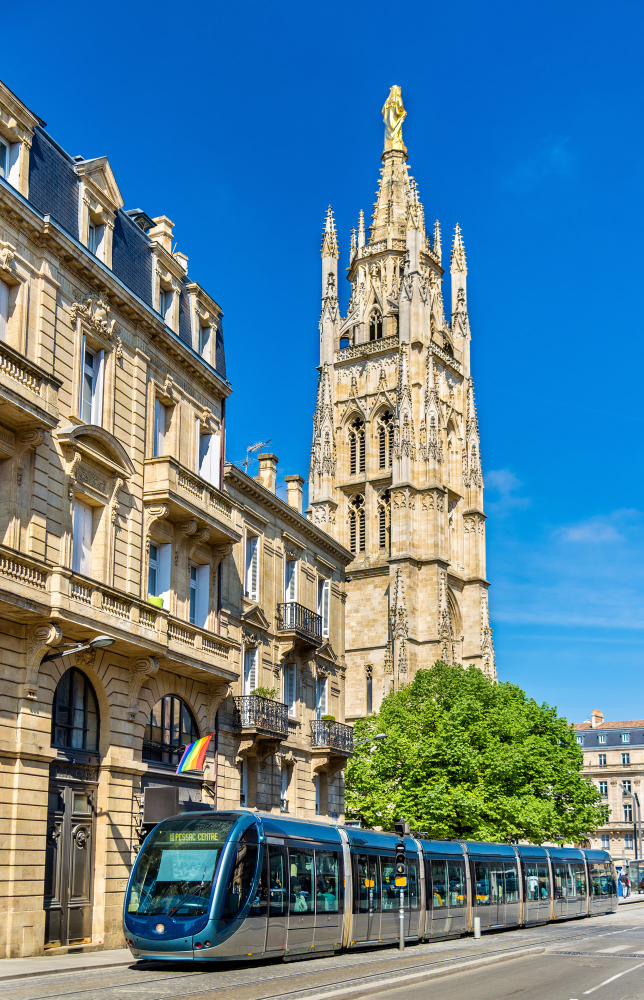
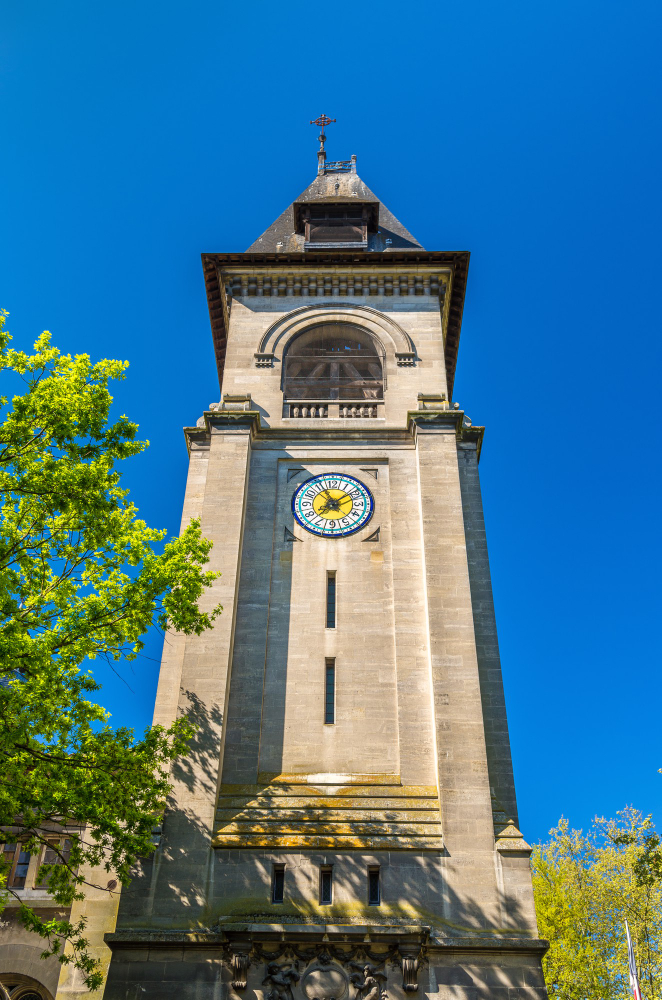
The Basilica of Saint-Michel and its mysterious catacombs – The imposing structure of the Basilica of Saint-Michel rises majestically in the heart of Bordeaux. Its Gothic style and freestanding bell tower are landmarks of the city, captivating tourists and locals alike. Yet few venture into the dark catacombs that lie beneath the building. These underground passages once served as burial sites for a multitude of bodies – a practice that was widespread in the Middle Ages. In the 18th century, when the catacombs were first systematically explored, an eerie discovery was made: mummies preserved in a manner that remains unexplained to this day. The bodies had not decayed haphazardly, but were remarkably well-preserved – with expressionless faces that seemed like silent witnesses to a bygone era. According to legend, these mysterious mummies are not merely the remains of the dead, but victims of an evil curse. The sombre aura surrounding the basilica is further heightened by reports of strange apparitions and inexplicable noises in the catacombs. Some believe that the souls of the mummies are trapped within the walls and can never find rest.
The mystery of the preserved corpses – The mummies of Saint-Michel present a mystery to historians and scientists alike. Unlike the carefully embalmed mummies familiar from Egypt, the remains preserved in Bordeaux appear to have been preserved without any deliberate human intervention. Although explanations such as an unusual chemical composition of the soil or climatic conditions have been suggested, the question remains as to how the remains were able to retain their form over the centuries. Studies suggest that the specific combination of humidity and air circulation in the catacombs may have played a role. Nevertheless, no one has yet found a definitive answer. The mummies appear as witnesses to time, frozen in a state between life and death, unable to decay completely, and equally unable to die entirely.
The Curse of Saint-Michel – Myth or Reality? – A central element of the legend is an alleged curse associated with the mummies of Saint-Michel. It is said that those who delve too deeply into the basilica’s secrets or enter the catacombs without respect may be haunted by an ominous fate. Some stories tell of researchers and adventurers who fell victim to sudden misfortune after touching or photographing the mummies. One particularly well-known story concerns an archaeologist who attempted to examine the mummies in the early 20th century. He took tissue samples home with him, but shortly afterwards fell seriously ill and died within a few weeks. The incident was described in the press as ‘the mummies’ revenge’ and helped to spread the legend further. Visitors to the basilica also occasionally report strange occurrences. Some claim to have heard footsteps behind them even though no one was nearby, or to have suddenly felt an icy breath on their skin whilst exploring the catacombs. Such reports may seem like figments of the imagination or exaggerations, but they help to maintain the eerie atmosphere surrounding Saint-Michel.
Historical Roots of the Mummy Legend – The mummies of Bordeaux are not only a source of ghost stories, but also a window into the past. Historical accounts suggest that the catacombs originally served as a cemetery before burial practices were moved to other locations. Whilst some of the mummies may have died of natural causes, there also appear to be indications of violent deaths, such as those caused by epidemics or wars. Interestingly, the mummies have fulfilled a different function over the centuries. In the 19th century, some of them were exhibited as curiosities to attract visitors and generate income for the basilica. This is likely to have given new impetus to the legends, as the eerie display inspired numerous stories that are still retold today.
The significance of the mummies today – Nowadays, the mummies of Saint-Michel are more than just relics of a bygone era – they are symbols of how we deal with death and mortality. Their presence prompts many people to reflect on life and its transience. They also serve as a reminder of the cultural significance and distinctive features of historical burial customs, which varied from region to region and were often shaped by religious beliefs. Tourists visiting the basilica have the opportunity to explore the catacombs – albeit with caution and under supervision. Yet despite all attempts at a scientific explanation, the eerie spell surrounding the mummies persists. They are more than just bones or organic matter – they are stories hidden behind lifeless eyes, and perhaps also curses that lurk eternally in the darkness.
The Fascination of the Eerie – Although the mummies of Saint-Michel remain a scientific mystery, they have nonetheless taken on a significance all of their own in the collective imagination. They provide material for horror films, literature and personal interpretations. Their existence reminds us of how little we actually know about death – and about what comes after. Perhaps it is precisely this blend of scientific mystery and eerie legend that makes the basilica and its catacombs so fascinating. For some, the mummies of Saint-Michel are merely a curiosity of the past; for others, a reminder to treat the unknown with respect. If you’re visiting Bordeaux, why not take a peek into the shadows of Saint-Michel? But be careful – who knows what secrets still lie hidden there? And never forget: some things are perhaps better left in the dark.