 Isabella Mueller Baroness of Stainton le Vale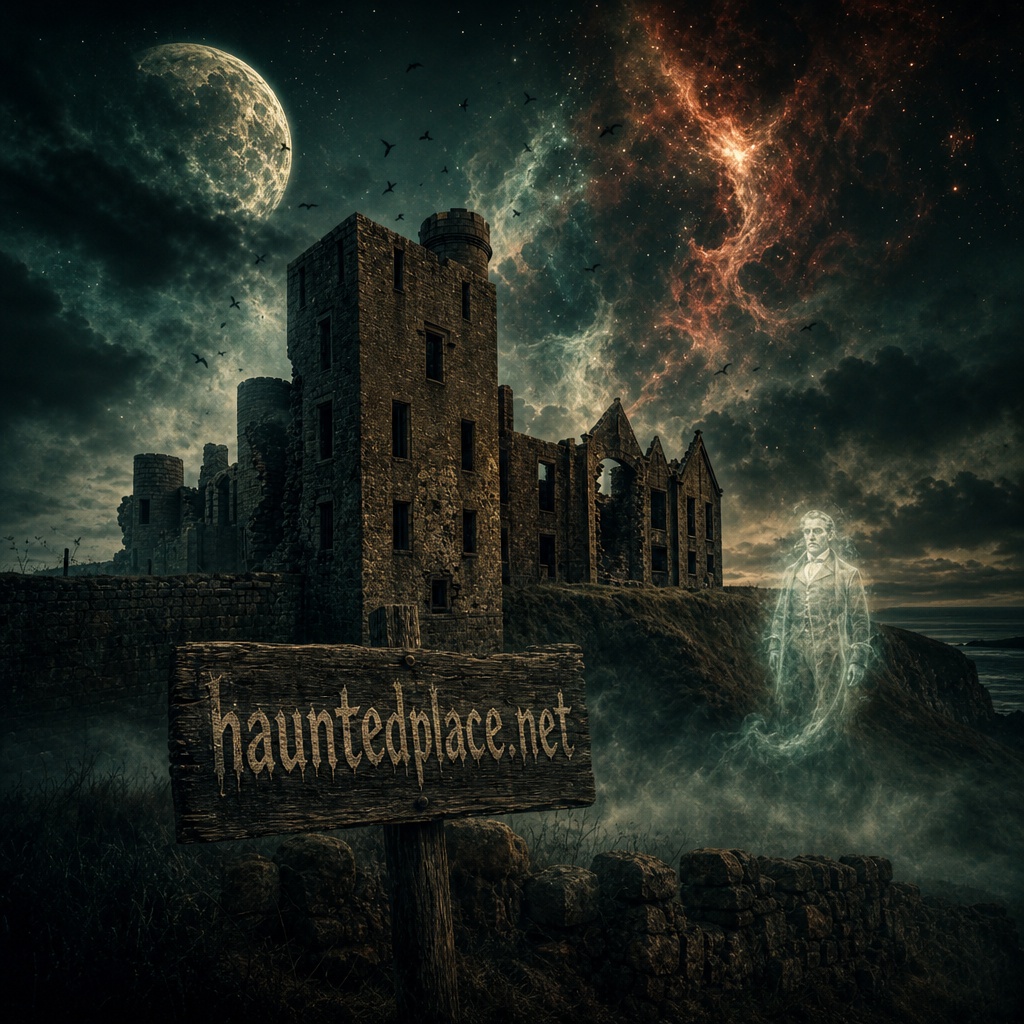
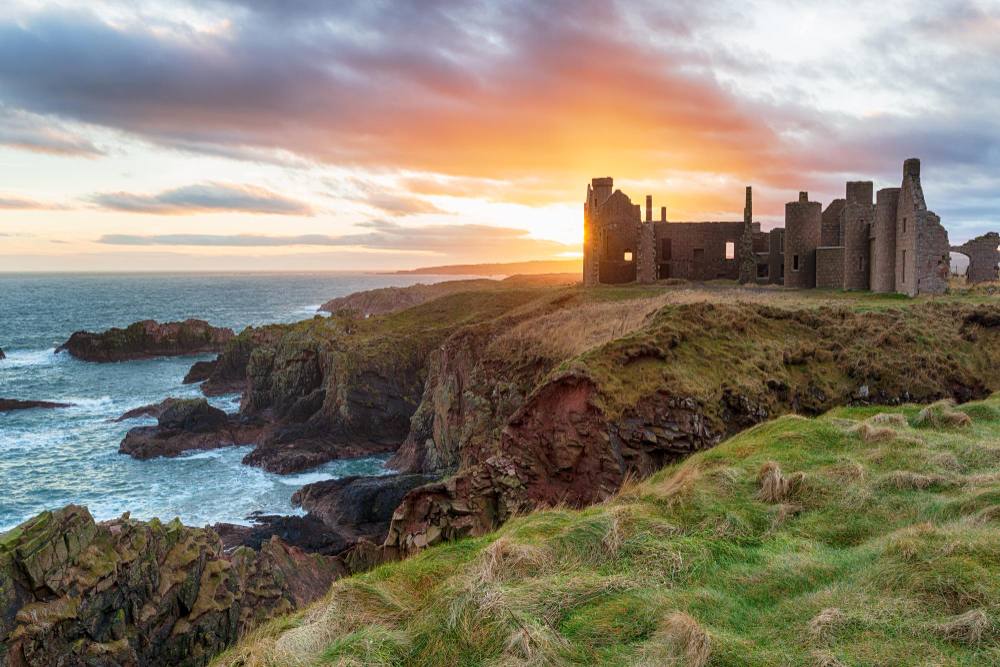
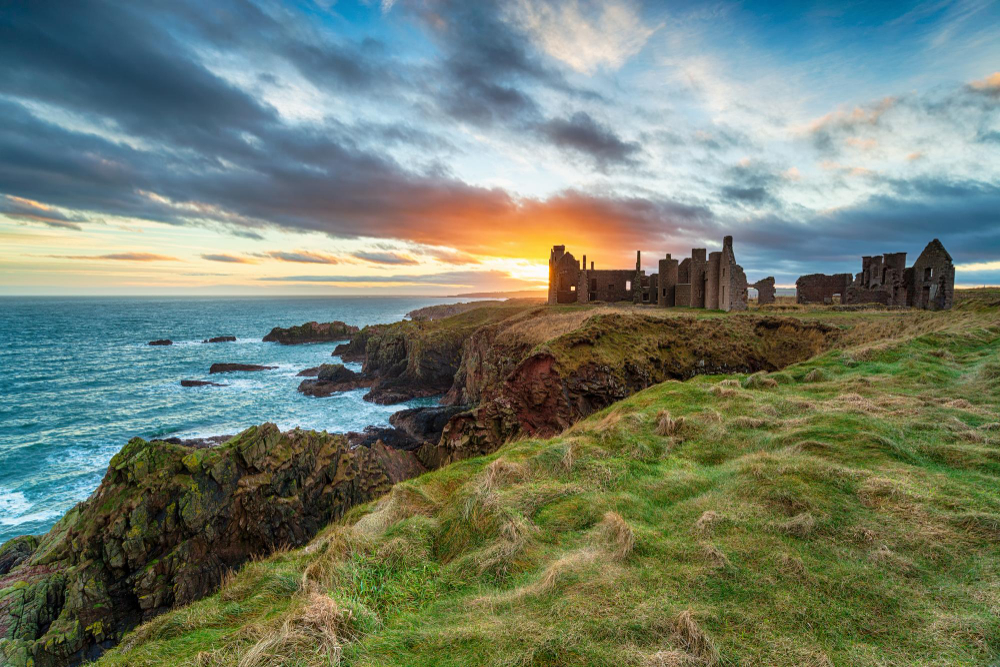
The Scottish coast is renowned for its rugged beauty and mysterious landscapes, which provide the perfect backdrop for sombre legends and eerie tales. One of the most talked-about structures in this region is New Slains Castle, a ruin perched high on the cliffs of Aberdeenshire, which, with its crumbling walls and the ceaseless roar of the sea, could have come straight out of a Gothic novel. Yet it is not just its outward appearance that evokes a sense of the uncanny; the castle is also the setting for a legend centred on the ghost of Victor Hay, the 21st Earl of Erroll. As fascinating as this story is, some interesting details shed a completely new light on the origins and credibility of this spine-chilling tale.
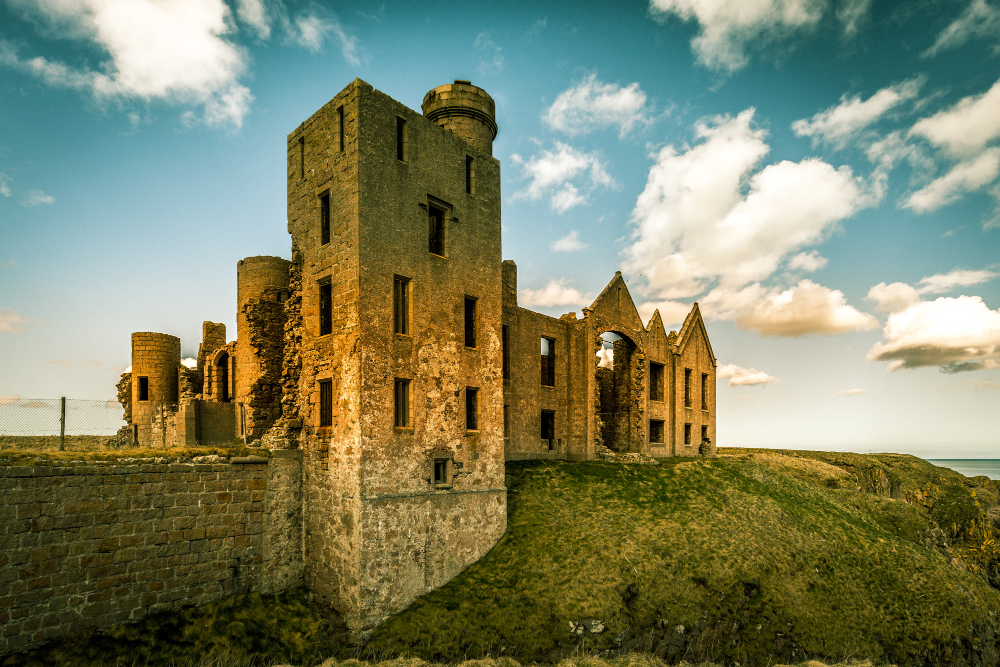
A Castle and Its Curse At first glance, New Slains Castle seems tailor-made for ghost stories: the ruin, whose origins date back to the 16th century, exudes an atmosphere with its weathered walls and dark vaults that inevitably sends a shiver down every visitor’s spine. The ceaseless roar of the North Sea below the cliffs provides an acoustic backdrop that is both soothing and terrifying – a place where one literally expects the past to have found no peace. One of the most famous legends surrounding the castle claims that the ghost of the 21st Earl of Erroll, Victor Hay, still wanders through the dilapidated halls. It is said that he has found no peace there since his death and appears at night as a lost shadow. Curious visitors who explore the ruins at night often report eerie whispers, cold draughts and a presence that makes their blood run cold. But who was this Victor Hay? During his lifetime, the 21st Earl of Erroll was known primarily as a writer. His works were characterised by a dark and mysterious atmosphere and often centred on the supernatural. Of particular note is his novel Ferelith, which is set in a fictional castle called ‘Gowrie Castle’ – a place where supernatural events and indescribable horrors unfold. This reveals an interesting connection between the literary world and the allegedly real haunting at New Slains Castle.
The confusion surrounding Victor Hay and his legend – The legend of Victor Hay and his ghost may sound fascinating, but historians and sceptical ghost hunters have taken a closer look at this story in recent years – and may have found a surprising explanation. In fact, the entire narrative appears to be based on a case of mistaken identity or a deliberate blurring of the lines between reality and fiction. It is suspected that the rumours about the ghost of the original Earl of Erroll are nothing more than an imaginative interpretation of his literary work. Victor Hay wrote Ferelith with the aim of creating a dark tale full of secrets and paranormal events. ‘Gowrie Castle’ – the novel’s central setting – bears many similarities to the real New Slains Castle. Both castles are imposing, ancient and shrouded in an eerie aura. Over time, these similarities apparently led readers and local residents to begin associating the fictional story with reality. Thus, a literary ghost became a supposedly real ghost said to haunt the ruins.
The Living Power of Legend-Making – This connection between literature and regional mythology is a fascinating example of how stories can take on a life of their own. The longer the legend of Victor Hay’s ghost was told, the more strongly it became associated with New Slains Castle. Old accounts of strange apparitions and supernatural phenomena, which may well have occurred before his time, were simply attributed to him. The castle’s own gloomy atmosphere – with its jagged walls and dramatic location on the edge of the cliffs – also helped to reinforce the legend’s authenticity. Nevertheless, the question remains: is the legend really entirely made up, or is there a grain of truth in it after all? Although there are no historical records confirming that Victor Hay was ever associated with a curse or supernatural events, there are numerous reports of strange occurrences around the castle. Tourists and locals speak of inexplicable noises, shifting shadows and an oppressive sense of presence that overtakes them when they enter the ruins.
A Journey into the Darkness – Regardless of how much truth there is to the story of Victor Hay, New Slains Castle remains a place where the boundaries between reality and fantasy blur. The legends make it a magnet for adventurers and ghost hunters seeking paranormal experiences. Some arrive with cameras and recording equipment, others with courage and torches – on the hunt for a fleeting shadow or an inexplicable movement in the darkness. Interestingly, the castle not only served as the backdrop for spooky tales but also inspired famous authors. It is believed that Bram Stoker, the author of the legendary vampire novel Dracula, visited New Slains Castle during a stay in Aberdeenshire and was deeply impressed by its atmosphere. Some believe that the castle even served as the inspiration for Dracula’s gloomy castle – yet another link between literature and the mythical shadows that hover over this place.
Truth or illusion? – The legend of Victor Hay’s ghost and New Slains Castle may be based on a literary mix-up, yet it has found its place in local folklore and popular culture. It demonstrates not only how powerful the human imagination can be, but also how easily reality and fiction can become intertwined. Whether the ghost of the 21st Earl of Erroll truly wanders through the ruins remains a mystery – one that will probably never be fully solved. For those who visit the castle, it offers – regardless of the actual truth – an encounter with a special kind of dread: the dread of the unknown, lurking within the cold walls and the menacing darkness. Perhaps it is precisely this blend of history, literature and myth that makes New Slains Castle one of Scotland’s most fascinating places – and the perfect setting for anyone seeking out the eerie shadows of the past. Either way, one thing remains certain: the dark legends surrounding New Slains Castle are sure to live on for many years to come – whether they are true or mere tales matters little, for the true horror often lies in the stories themselves.