 Isabella Mueller Baroness of Stainton le Vale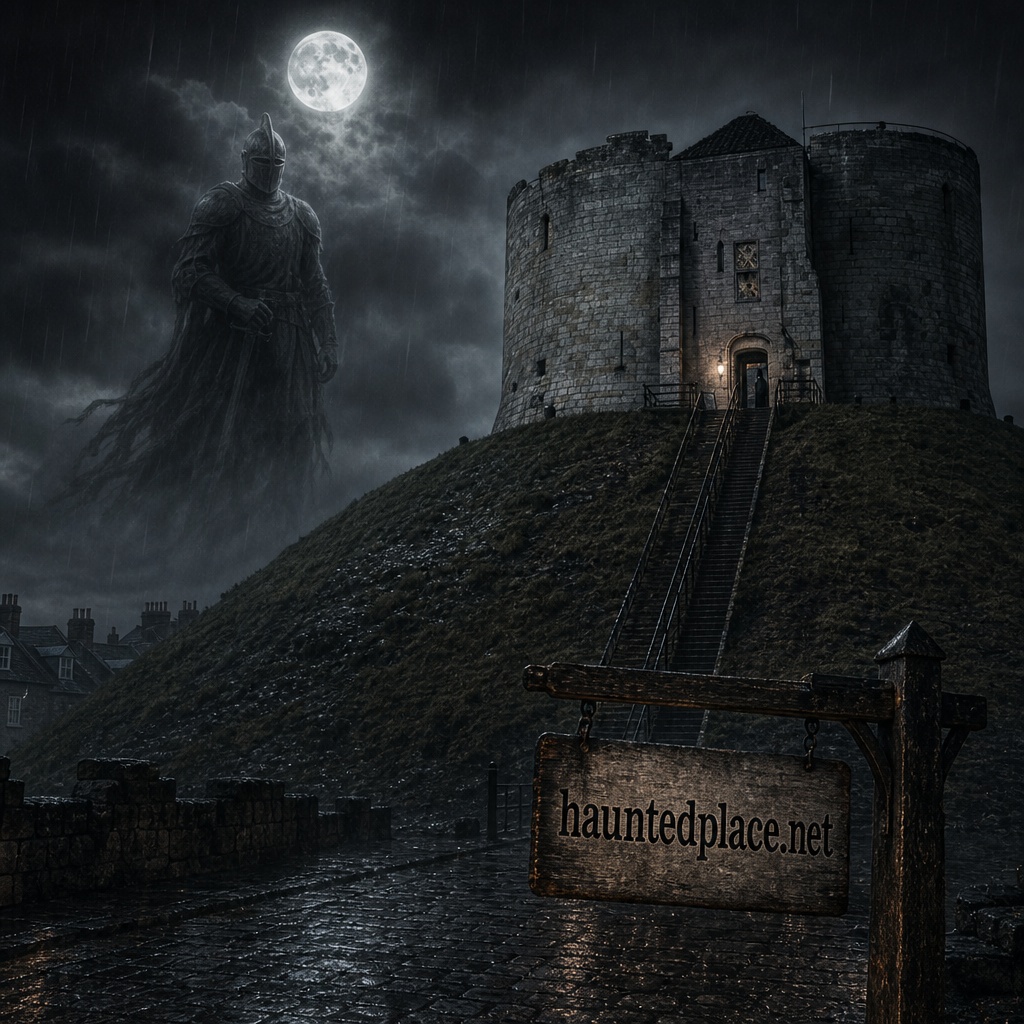
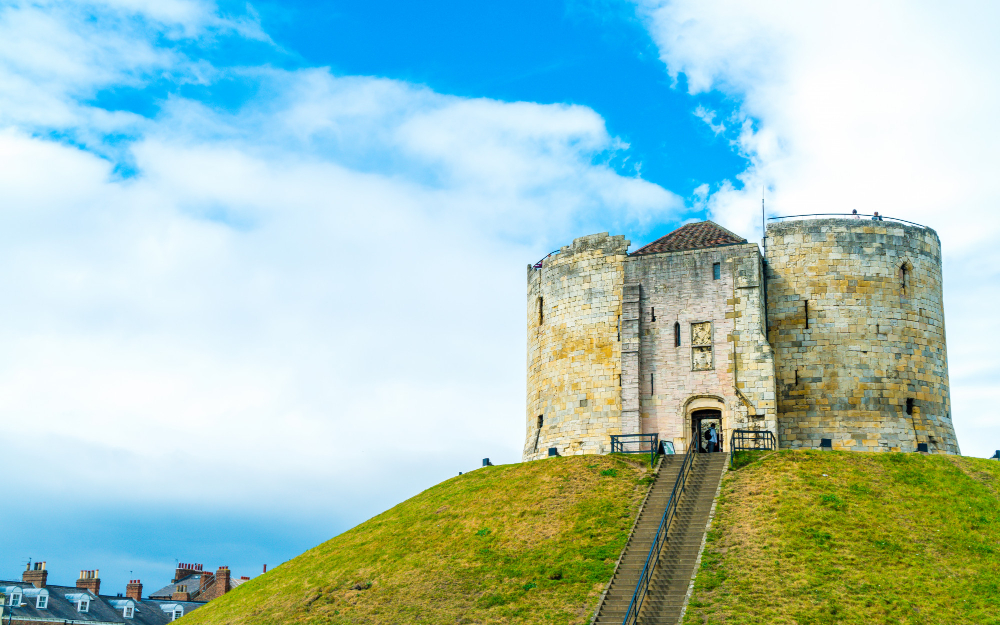
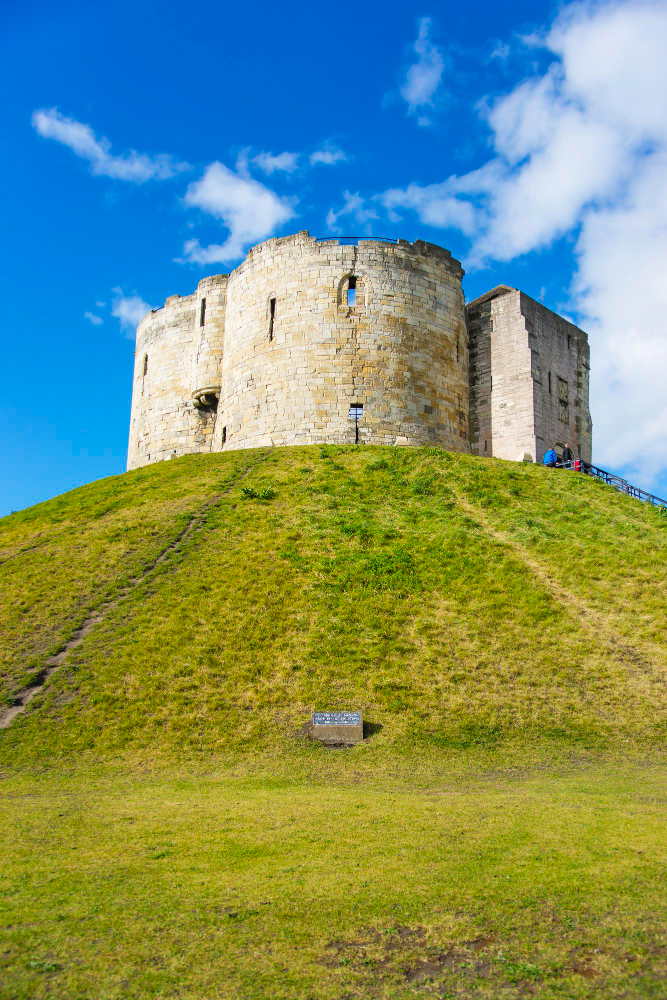
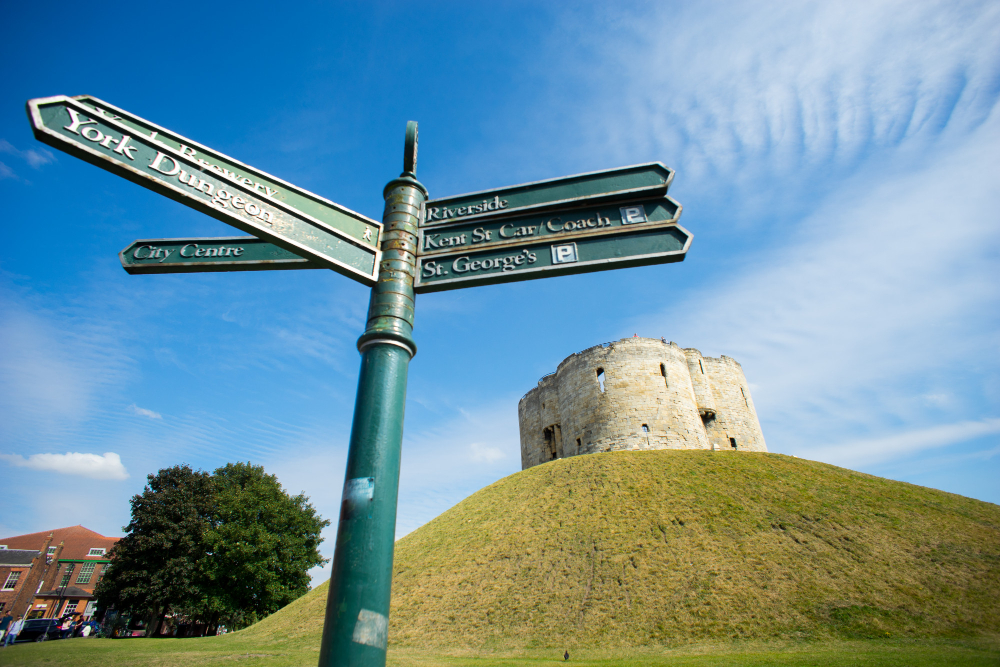
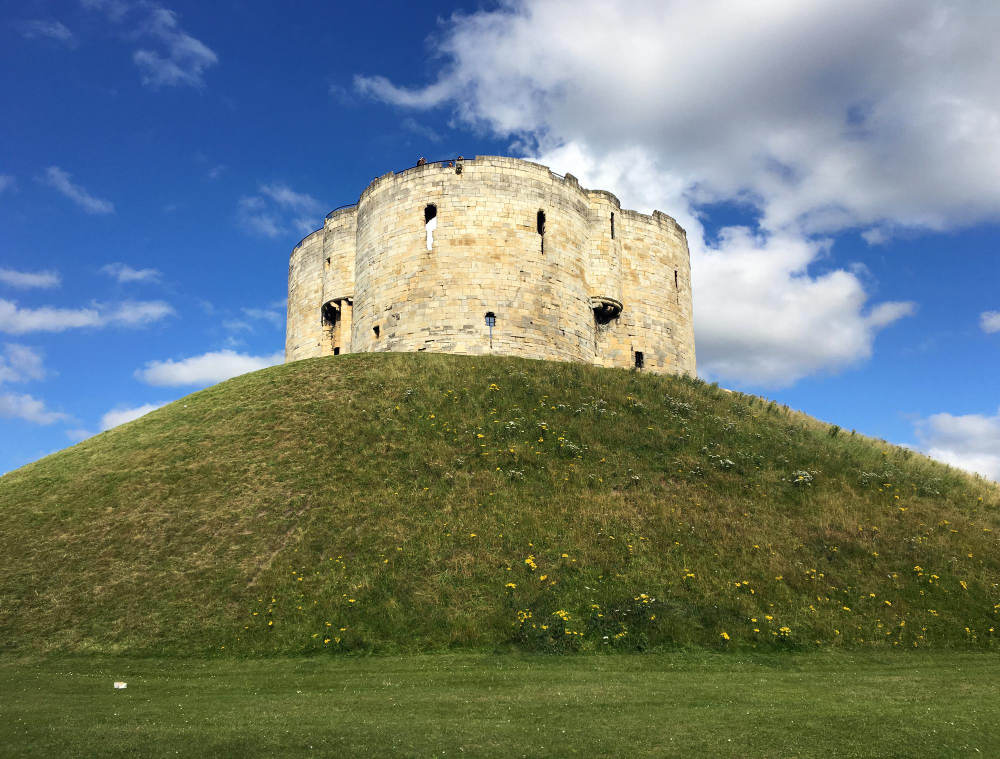
Clifford’s Tower, York’s imposing landmark, rises proudly and boldly above the city – a silent witness to England’s turbulent history. Yet behind its solid stone façade lies a darker side that has captured the imagination of historians and visitors alike for centuries. It is the story of the ghost of a knight who is said to haunt the tower’s walls. Many believe this to be Roger de Clifford, a man whose life and death are inextricably linked to betrayal, political turmoil and a gruesome execution.
The eventful history of Clifford’s Tower – Before we turn our attention to the mysterious ghost, it is worth taking a look at the historical significance of Clifford’s Tower. The tower forms part of York Castle, which was built following the Norman Conquest in 1068 under William the Conqueror. Originally, the castle was made of timber, but in the 13th century the structures were replaced by stone buildings. Clifford’s Tower, which once served as the royal treasury and a defensive stronghold, is now the only surviving structure within the former fortress. Over the centuries, the castle has been the scene of bloody conflicts, including the Jewish pogrom of 1190, during which hundreds of Jewish citizens sought refuge and tragically lost their lives. Yet, aside from these historic events, a legend surrounds the tower that still sends shivers down visitors’ spines to this day. It centres on Roger de Clifford, a 14th-century nobleman and knight whose life was marked by political intrigue and violent conflict.
Who was Roger de Clifford? – Roger de Clifford, born around 1333, came from a prominent noble family. He was a key figure in the political landscape of his time and took an active part in the battles of the Hundred Years’ War, as well as in the growing tensions between King Edward II and his opponents. Clifford joined the opposition to the king, led by Thomas, 2nd Earl of Lancaster. As one of Lancaster’s most important supporters, Clifford played a key role in the so-called Despenser War – a rebellion by the nobility against the dominance of the powerful Despenser family, who were closely associated with Edward II. However, this resistance against the king was to prove fatal for Clifford and his fellow rebels. In 1322, their rebellion was crushed, and Roger de Clifford fell into the king’s hands. His fate was sealed: he was convicted of high treason and executed in a gruesome manner. It is said that he was hanged on the walls of Clifford’s Tower, where his body was displayed as a warning to other rebels.
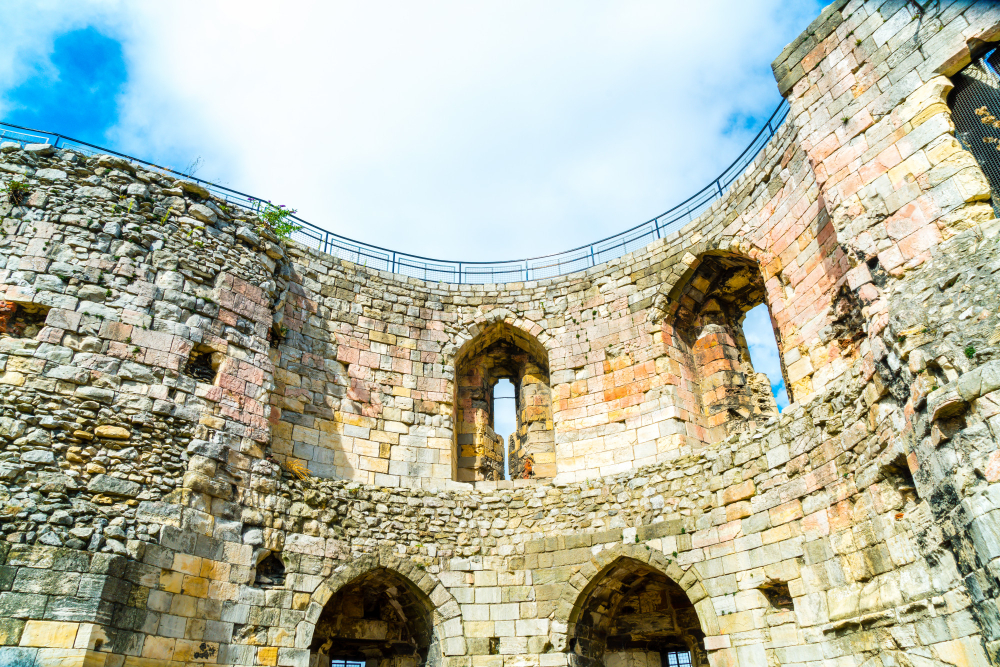
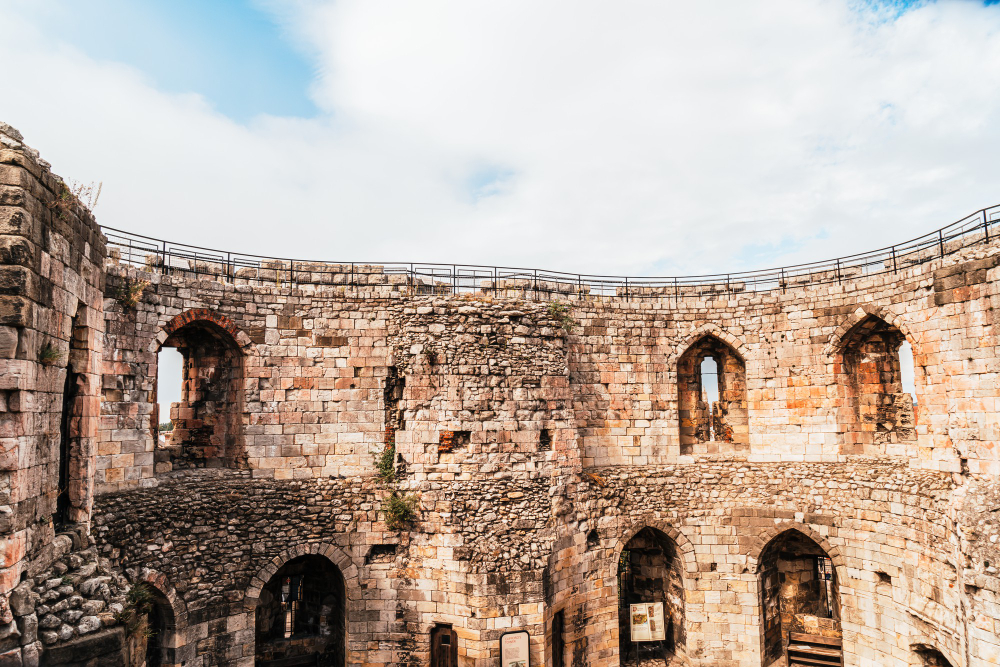
The Legend of the Ghost of Clifford’s Tower – Ever since this tragic end, rumours have circulated that Roger de Clifford has found no peace even in death. Visitors and historians report unexplained phenomena within the tower: strange noises, whispering voices and the feeling of being watched are common experiences. Some even claim to have seen the ghostly apparition of a knight – a shadowy figure looking down on the city from the top of the tower. The legend goes even further: it is said that Clifford’s Tower is permeated by an eerie atmosphere. Particularly at night, visitors are said to be overcome by an oppressive feeling, as if the walls themselves were speaking of the site’s tragic past. Some believe that Clifford cannot find peace, as his death was the result of betrayal and political intrigue – a fate that condemns him to be bound forever to the place of his suffering.
Historic Sites and Eerie Phenomena – The link between historic sites and paranormal phenomena is nothing new. Many ancient castles and palaces in Europe are regarded as ‘haunted places’, as they have often been the scenes of tragic events. Clifford’s Tower is no exception. According to reports from English Heritage, which manages the tower today, these stories attract thousands of visitors every year, drawn in by the sombre and mysterious atmosphere. Historians and archaeologists, however, remain sceptical of legends such as that of the ghost of Roger de Clifford. Yet some puzzling events remain difficult to explain, which only serves to fuel the speculation further. One interesting aspect is the psychological effect of such places. Studies show that people tend to be more receptive to paranormal phenomena when they find themselves in places with a tragic or violent history. The dark aura of Clifford’s Tower could therefore also be the result of the vivid imaginations of its visitors, who are influenced by the eerie tales.
Clifford’s Tower as cultural heritage – Whatever the truth behind the legend of Roger de Clifford may be, one thing is certain: Clifford’s Tower remains a fascinating part of York’s cultural heritage. The blend of historical significance and spine-chilling tales makes the tower a unique place that attracts both historians and adventure-seekers alike. Furthermore, stories such as that of Roger de Clifford serve as a reminder of England’s complex and often sombre past, which continues to resonate to this day. Numerous sources, including articles and archive materials from English Heritage as well as entries in historical databases, contribute to further research into the legend. The Wikipedia page on York Castle also provides valuable background information on the tower’s history and its role in major historical conflicts.
The boundaries between history and legend – The legend of the ghost of Roger de Clifford impressively demonstrates how history and myth are often intertwined. Whilst Clifford’s Tower is undoubtedly a site of enormous historical significance, the alleged paranormal activity lends the building an additional dimension. Whether these are real events or the product of the human imagination remains open to question. But one thing is certain: Clifford’s Tower will continue to inspire generations of visitors – as the setting for historical triumphs, tragic losses and eerie tales that are far from forgotten. For those who visit the tower, the question remains: will you sense the spirit of the knight as you step inside the stone walls? Or is Clifford’s Tower nothing more than a fading echo of a bygone era? Only the bravest among us dare to find out.