 Isabella Mueller Baroness of Stainton le Vale
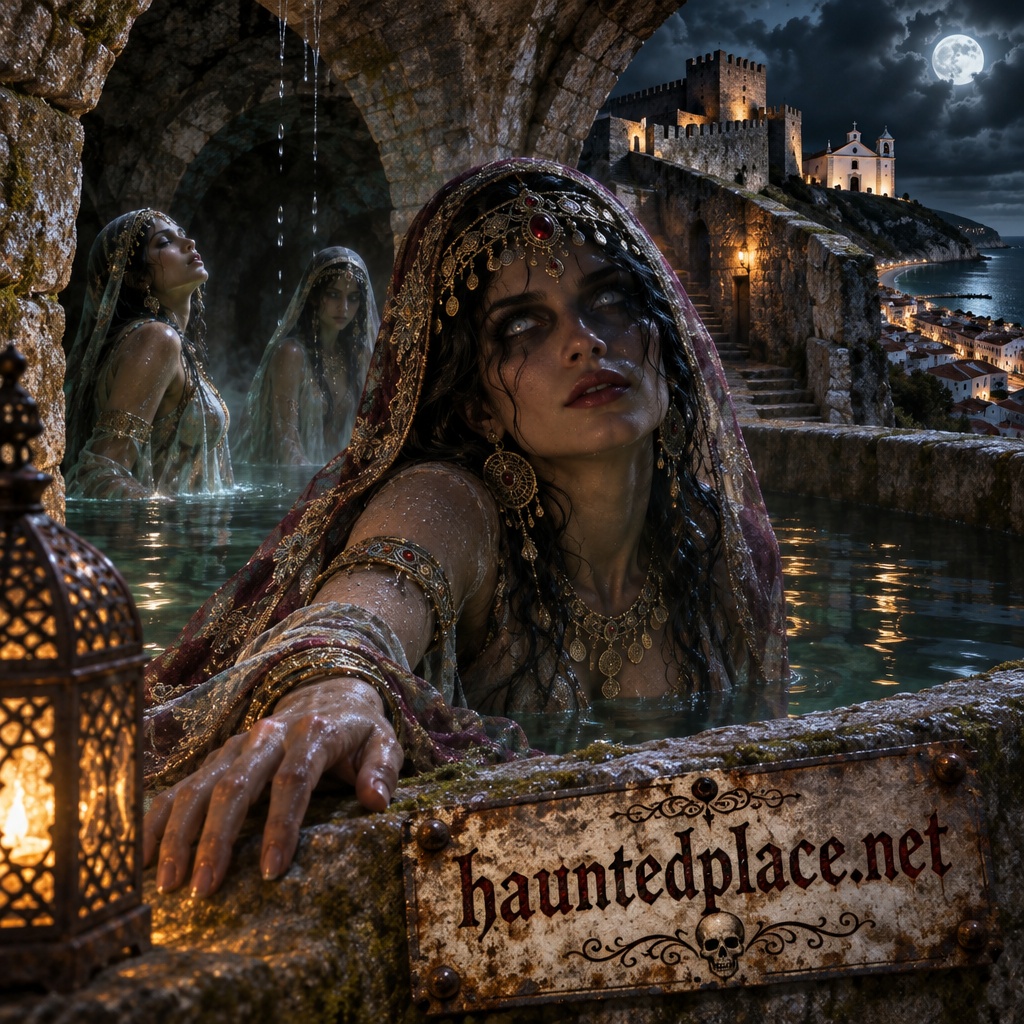
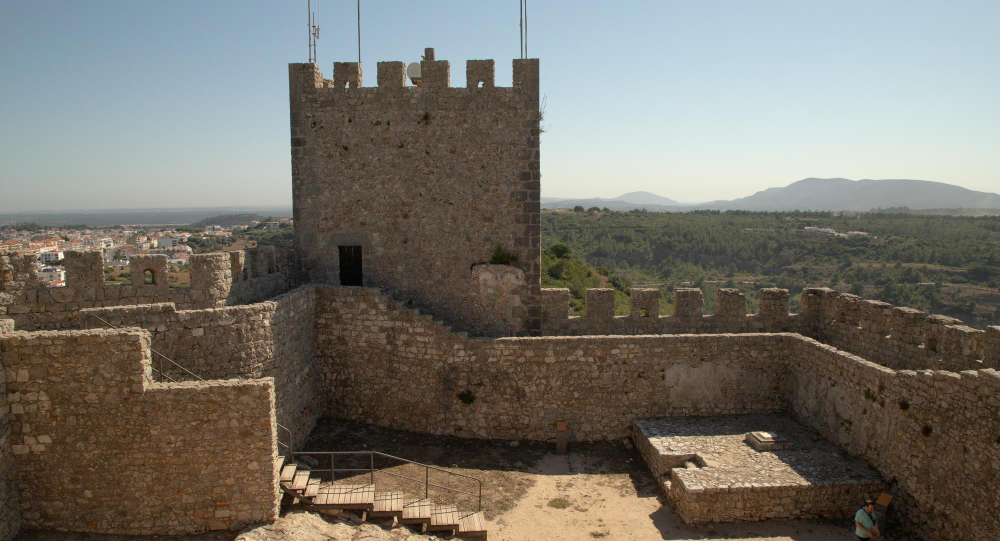
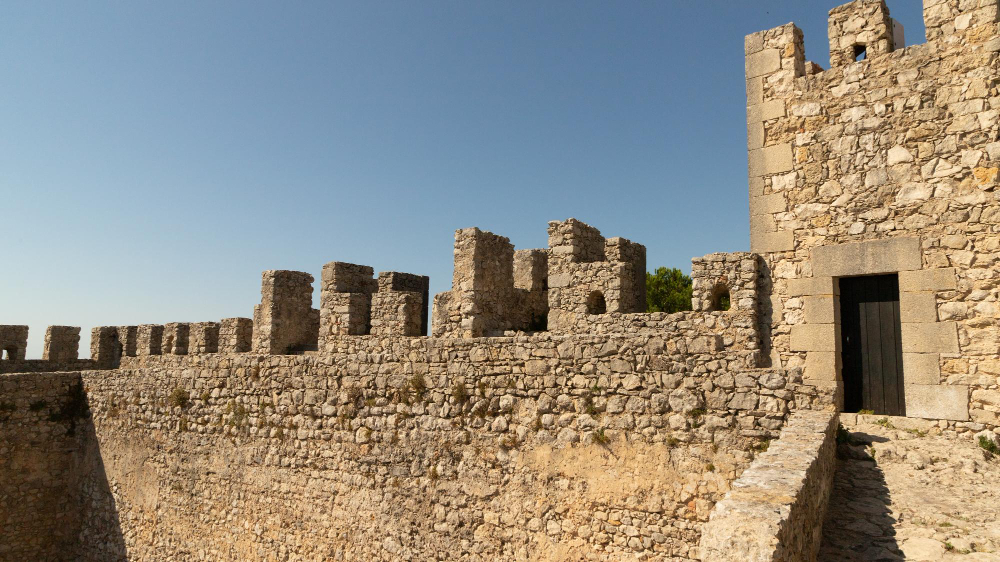
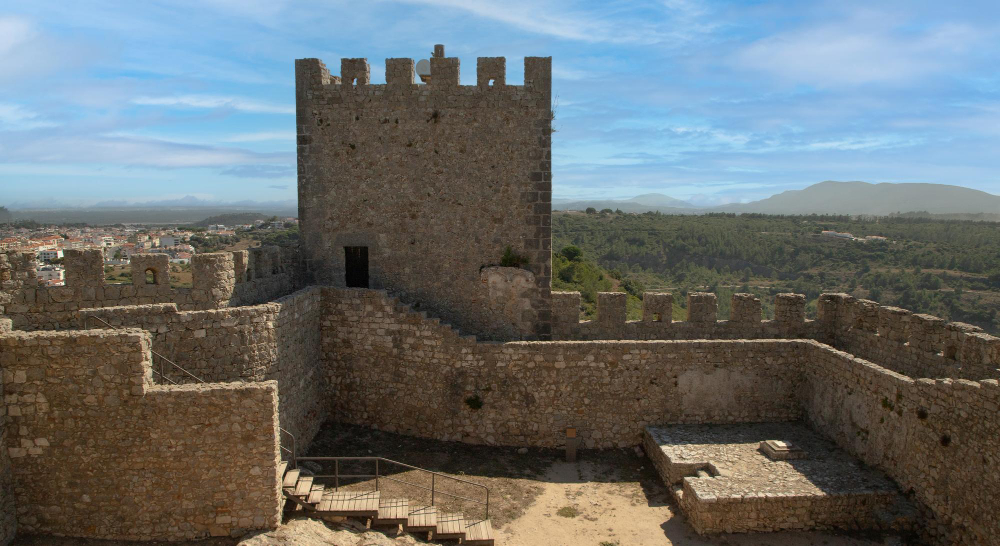
High above the Portuguese fishing village of Sesimbra stands a fortress whose walls bear witness to a long and eventful history. The Castelo de Sesimbra is situated on a slope of the Serra da Arrábida and commands a view over the town all the way down to the Atlantic Ocean. During the day, the site appears as a historic landmark: defensive walls, towers, narrow paths, and the small church of Santa Maria do Castelo serve as reminders of the complex’s medieval significance. But as soon as darkness falls, a different story comes to the fore—the legend of the “Mouras da Cisterna”, the enchanted Moorish women by the cistern. The tale is one of the best-known local legends surrounding the castle. It combines historical memories of the Moorish era on the Iberian Peninsula with a motif that is widespread in Portugal: the “Moura Encantada”, a mysterious, often beautiful, and supernatural woman who appears at water sources, caves, castle ruins, or hidden treasures. In Sesimbra, her dwelling place is the cistern—a dark, enclosed space that was once vital to the people within the fortress walls and which, in the imagination of the local population, has become a setting for the uncanny.
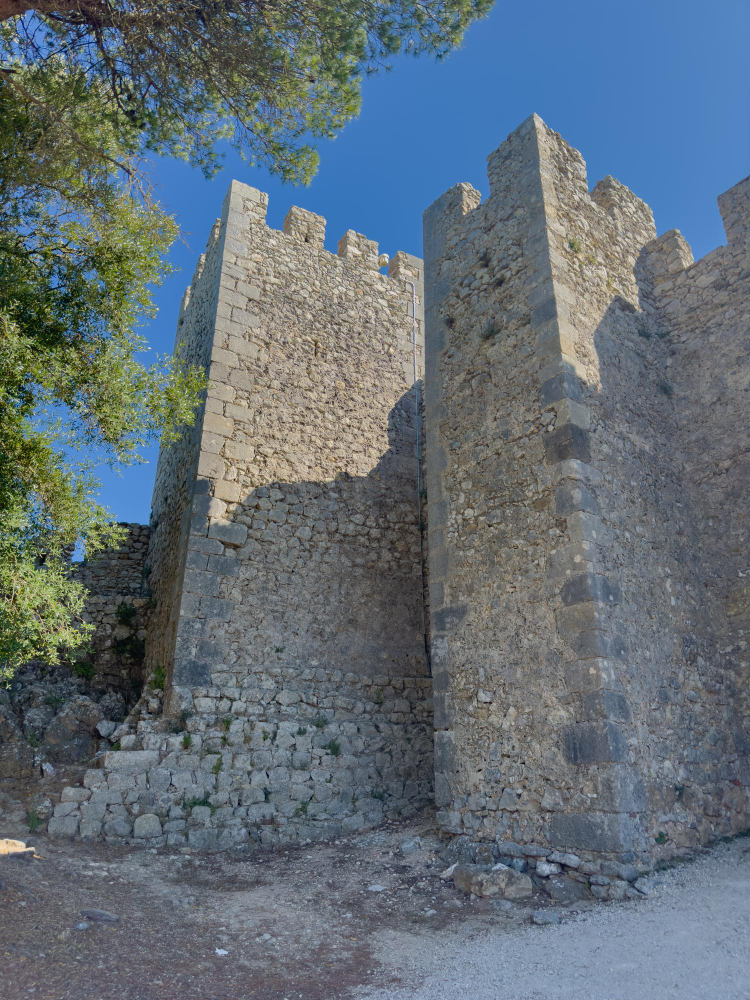
A Castle Overlooking the Sea – The Castelo de Sesimbra was built at a strategically important location. Its elevated position allowed for surveillance of the coast and the routes leading into the hinterland. Historical sources trace the fortification back to the region’s Islamic period; later, during the Christian reconquest of the Iberian Peninsula, it was conquered, modified, and expanded on multiple occasions. For centuries, Sesimbra served simultaneously as a border region, a coastal town, and a fortified settlement. As with many castles of this era, water was a matter of survival. A besieged fortress could not hold out for long if its inhabitants had no access to drinking water. Cisterns therefore collected rainwater and stored it in underground or sheltered chambers. The castle’s cistern was no romantic place, but an indispensable part of the defensive structure: cool, damp, dark, and mostly hidden from the daily lives of its inhabitants. It was precisely these characteristics that made it the ideal setting for a legend. Where no daylight penetrates, where water rests beneath stone walls, and where the past seems to be locked away, there is room for speculation, fears, and stories. The Mouras da Cisterna are said to be connected to the old castle precisely in this place.
The Enchanted Women of the Cistern – In folklore, the Mouras appear as enchanted women from the Moorish era. The term “Moura” literally means “Moorish woman” in Portuguese, but in folk culture it carries a much broader meaning. A Moura Encantada is no ordinary historical figure. She belongs to a world between memory and belief in spirits: she may appear as a young woman, as the guardian of a treasure, as an apparition at a spring, or as a being bound to a specific place. The Mouras of Sesimbra are said to guard the castle’s cistern. Their story is linked to the idea that when the fortress was lost, not everything that had once lived there disappeared. While rulers came and went, walls were damaged and rebuilt, and the town later expanded closer to the sea, something remained beneath the castle’s stones: women who are not free to leave the place. The core of the legend lies in their enchantment. The Mouras are not simply the dead or ghosts in the usual sense. They are considered bound beings, inhabitants of a liminal world. Their task is often to guard something—in many Portuguese tales, gold, jewelry, weapons, or other hidden riches. In Sesimbra, the cistern itself becomes the center of this mystery. The water and the depth of the space conceal not only what was once stored there, but also what is not meant to come to light. The image of a woman in an underground cistern possesses a special, almost oppressive visual power. Today, visitors see mainly old walls and historic architecture. The legend, however, invites them to imagine what might lie beneath the visible stones: still water, narrow vaults, dripping in the darkness—and the waiting Mouras.
When the Castle Falls Silent – In Portugal, stories about the Mouras Encantadas are often tied to specific times. Night, twilight, midnight, and major religious holidays, in particular, are considered moments when the boundary between the visible world and the hidden realm becomes more permeable. This atmosphere also plays a central role with the Mouras da Cisterna. Sesimbra Castle changes its character as soon as the sounds of the day fade away. The view over the city’s rooftops and out to the sea may seem peaceful, but within the old complex lie narrow passageways, remnants of walls, and shadowy areas. The cistern stands as the antithesis of the open coastal landscape. While outside the wind, seagulls, and the Atlantic Ocean define the surroundings, inside the castle stone, dampness, and darkness reign. The legend draws its terror from this contrast. The Mouras are not portrayed as noisy monsters that pursue every visitor. Their menace lies rather in their mere presence. They are there without needing to be seen. They belong to the place and know its hidden paths. According to popular belief, anyone approaching the cistern is not entering an empty space, but an area that is guarded. In this way, the legend differs from modern horror stories, in which horror often appears suddenly and violently. The Mouras da Cisterna represent a slower, more ancient kind of terror: the feeling that something lives on in historic ruins that cannot be fully explained. A drop falling from the ceiling, a draft in a vaulted chamber, or an echo beneath the walls can, according to the logic of the legend, become a sign.
Mouras Encantadas: A Portuguese Motif – The tale from Sesimbra is part of a vast network of similar legends in Portugal. Throughout the country, Mouras Encantadas are associated with ancient fortifications, springs, wells, dolmens, caves, and abandoned structures. A Moura often appears as an extraordinarily beautiful woman, sometimes with golden hair, precious jewelry, or a rich treasure. She may ask for redemption, set trials, or become visible only for a brief moment. Her connection to water is particularly common. Springs and wells have always been regarded as places of great significance: they gave life, but could also be dangerous. Deep or still water eluded the gaze; no one could readily say what lay at the bottom. A castle’s cistern combines this ancient water symbolism with the inaccessibility of a military structure. It is protected, hidden, and at the same time essential to life. The Mouras da Cisterna of Sesimbra therefore reflect two levels of regional memory. On the one hand, their name refers to the long Islamic presence in present-day Portugal and to the battles of the Reconquista. On the other hand, they are part of an even older European tradition of associating natural sites and ruins with mysterious, feminine figures. Historical reality and the fantasy of folk tradition merge here, though the legend must not be taken as historical fact. This is precisely where its power lies. It does not explain what actually happened in the cistern. Rather, it gives the place a second history—one that is not recorded in documents, blueprints, or chronicles, but lives on in stories.
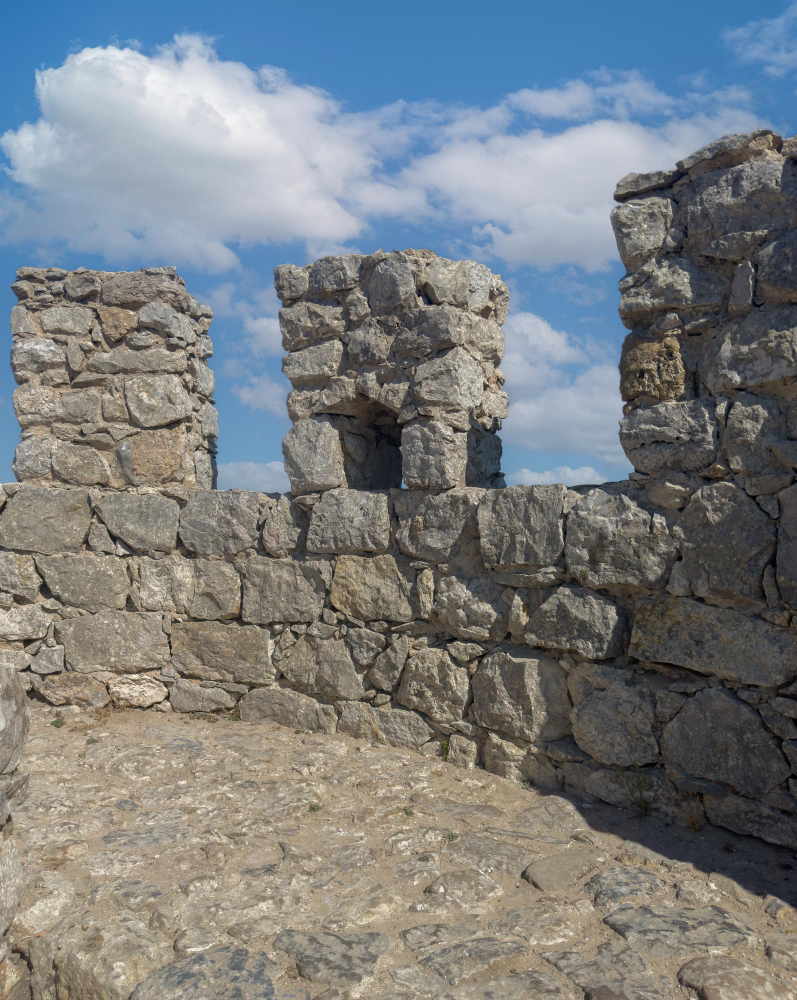
Between History and Shadow – Today, the Castelo de Sesimbra is above all a monument to the past. Its location and preserved structures reveal the role that fortified sites played in the Middle Ages. Yet for the region’s residents and for visitors interested in local lore, the castle is more than just a building. It is also a repository of stories. The Mouras da Cisterna demonstrate just how closely architecture and legend can be intertwined. Without the cistern, there would be no setting as evocative for this tale. Without the castle’s Moorish past, the figure of the Moura would not carry the same significance. And without the darkness of the underground water chamber, the horror of the story would be less tangible. The legend thrives on what remains unspoken. What do the Mouras guard? Is it treasure, memories, or just the cistern itself? Can they appear, or are they bound to the depths forever? Folklore offers no definitive answer. It leaves room for the imagination—and that is precisely what makes it so powerful. Anyone who visits the Castelo de Sesimbra sees walls that have withstood wind and weather for centuries. They see the sea, the town, and the landscape of the Arrábida. But the legend draws the gaze downward, beneath the stones. There, where rainwater was collected and where the daily life of a medieval fortress once depended on an unassuming structure, the Mouras are said to still keep watch. Perhaps that is the true horror of the tale: not the certainty that something supernatural lives down there, but the idea that an old castle is never truly empty. Some rooms hold more than just water, dust, and shadows. Some hold stories that, in the darkness, are more patient than the people who tell them.