 Isabella Mueller Baroness of Stainton le Vale
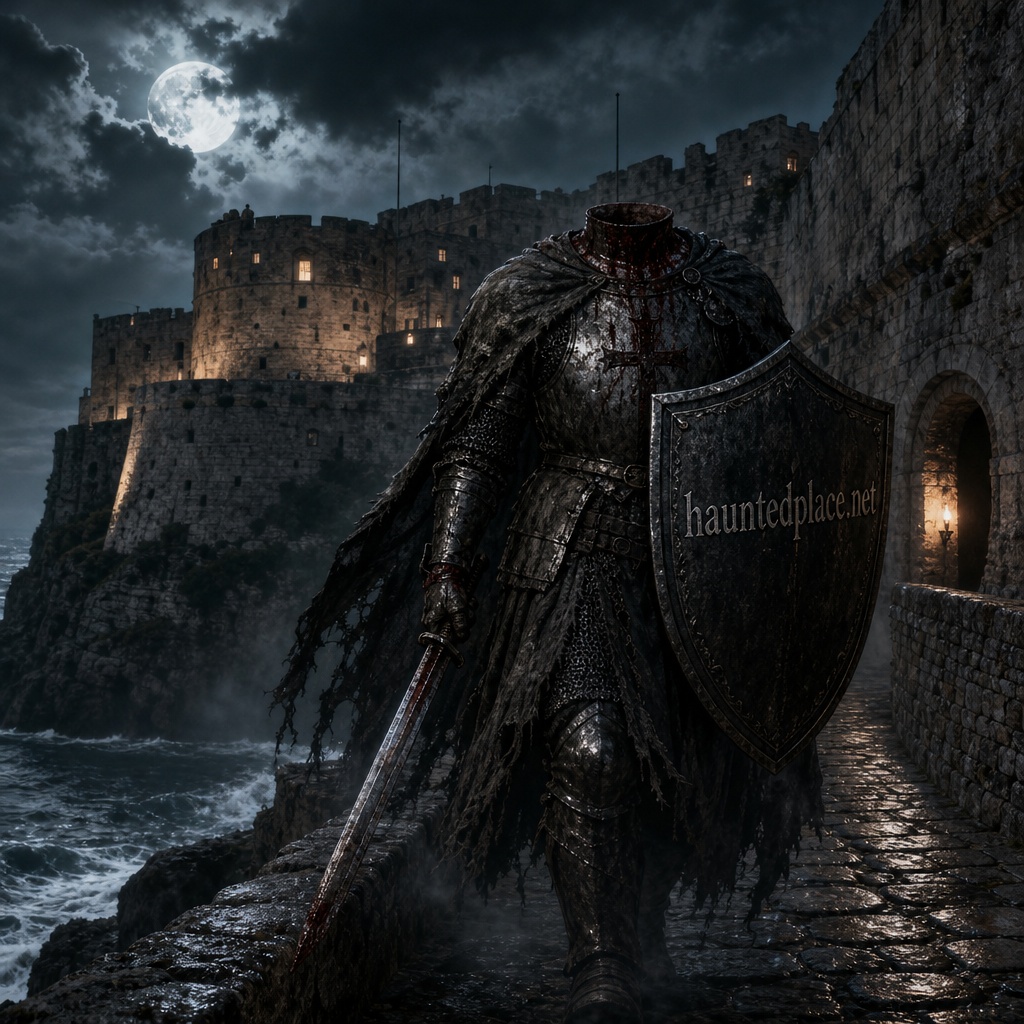
When night falls over the harbour of Otranto and the wind from the Adriatic Sea lashes against the mighty walls of the Castello Aragonese, the fortress seems like a shadow from another time. Its bastions, narrow passageways and underground chambers tell tales of war, siege and death. Among the many tales that surround this castle in Apulia, one is particularly eerie: the story of the Headless Knight. The ghost is said to appear in the dark tunnels of the complex, and sometimes on the Punta di Diamante, that striking bastion which juts out far beyond the walls. It is said that he is a headless man, shrouded in the memory of a battle long past. His name is linked to Giulio Antonio Acquaviva, the Count of Conversano. According to legend, he does not return to fight. He is searching for something that was once taken from him: his head. The knight’s story is linked to one of Otranto’s darkest chapters. In 1480, the town was attacked by Ottoman troops and captured following a siege. Otranto, then an important settlement on the coast of the Kingdom of Naples, found itself caught up in a conflict whose scars have been deeply etched into the town’s collective memory. The defences collapsed; the population endured violence, captivity and death. Even today, places and traditions in Otranto serve as reminders of the events of that summer.
A year later, an attempt was made to recapture the town. It is said that Giulio Antonio Acquaviva lost his life in these battles. The Count of Conversano was a member of the powerful Acquaviva d’Aragona family. His name has been handed down in historical accounts of the reconquest of Otranto. According to the widely told story, he fell into an Ottoman ambush in 1481. It is said that a scimitar ended his life there. The legend describes the moment with gruesome clarity: the Count falls in battle, beheaded by his opponent’s weapon. His head is not left beside his body. It is said that it was taken to Constantinople – then the centre of the Ottoman Empire – as a sign of victory. For those who recounted this story, it was more than just a trophy of war. It marked the final separation of a man from his homeland, his family and his grave. Yet death, so the tradition goes, did not end his journey. The knight’s headless body is said to have remained seated on his horse. The animal, loyal and driven by the din of battle, is said not to have realised that its rider was already dead. It is said to have continued galloping, away from the site of the ambush, along roads and stony paths, through the countryside around Otranto. The count’s corpse is said to have been carried for kilometres before the horse finally came to a halt.
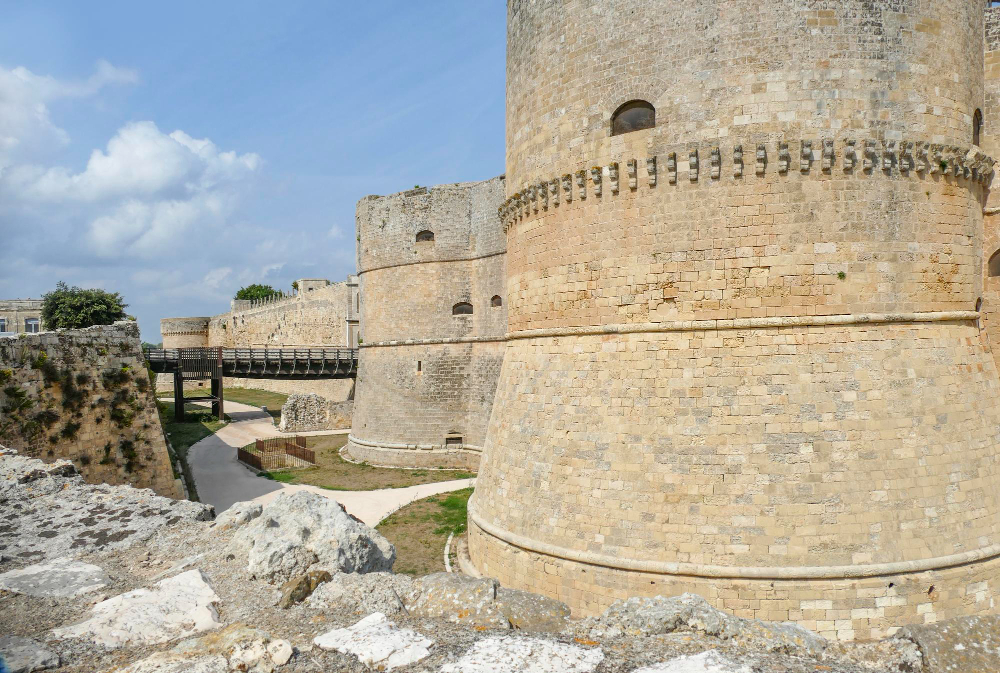
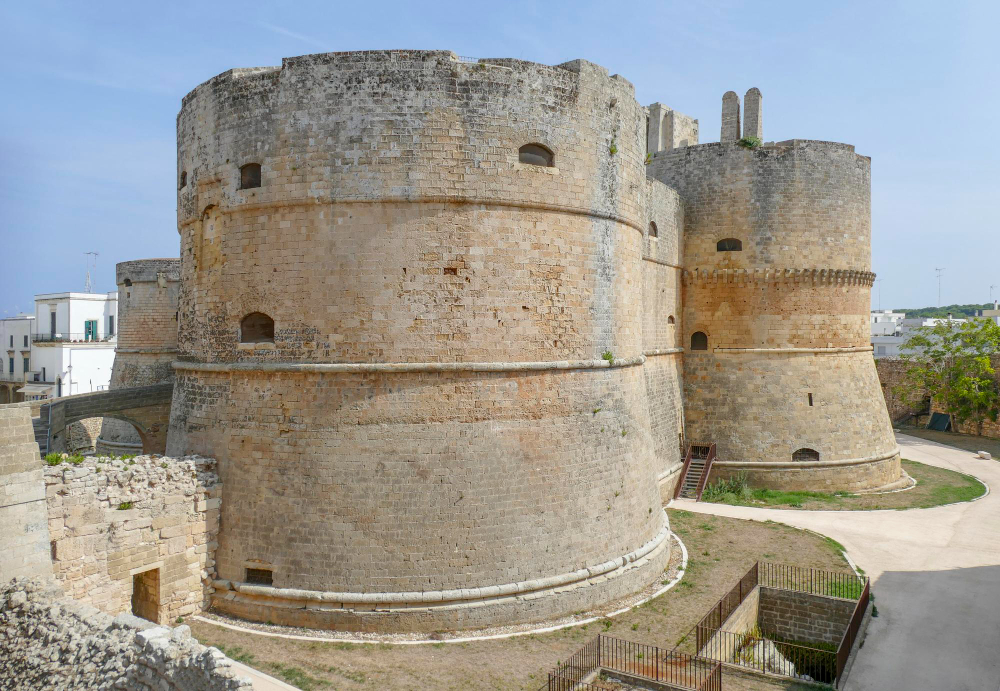
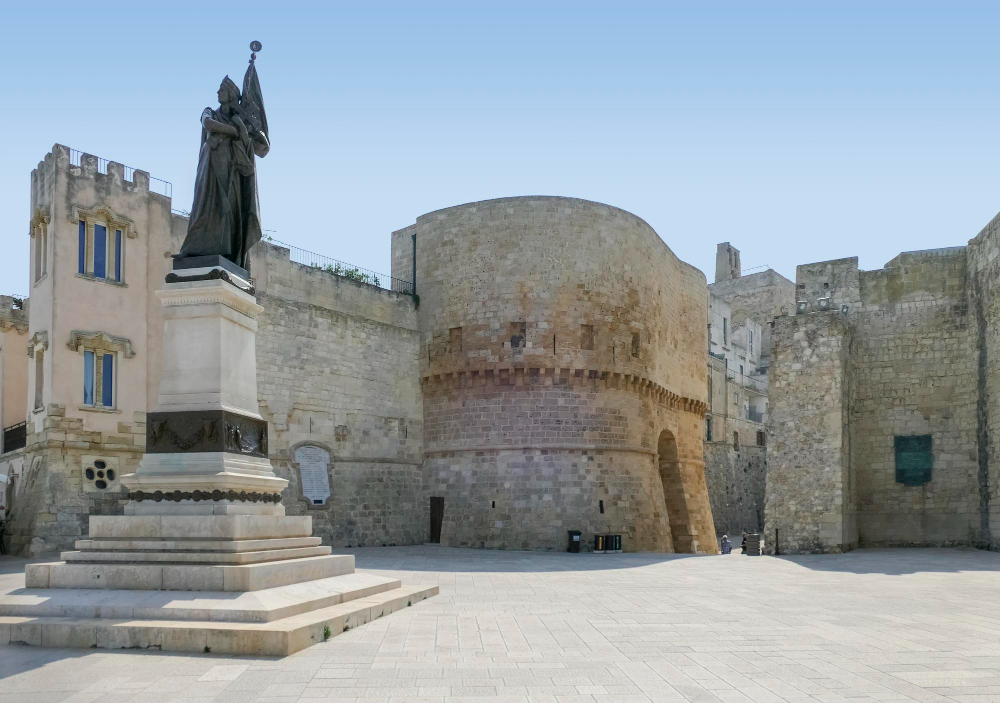
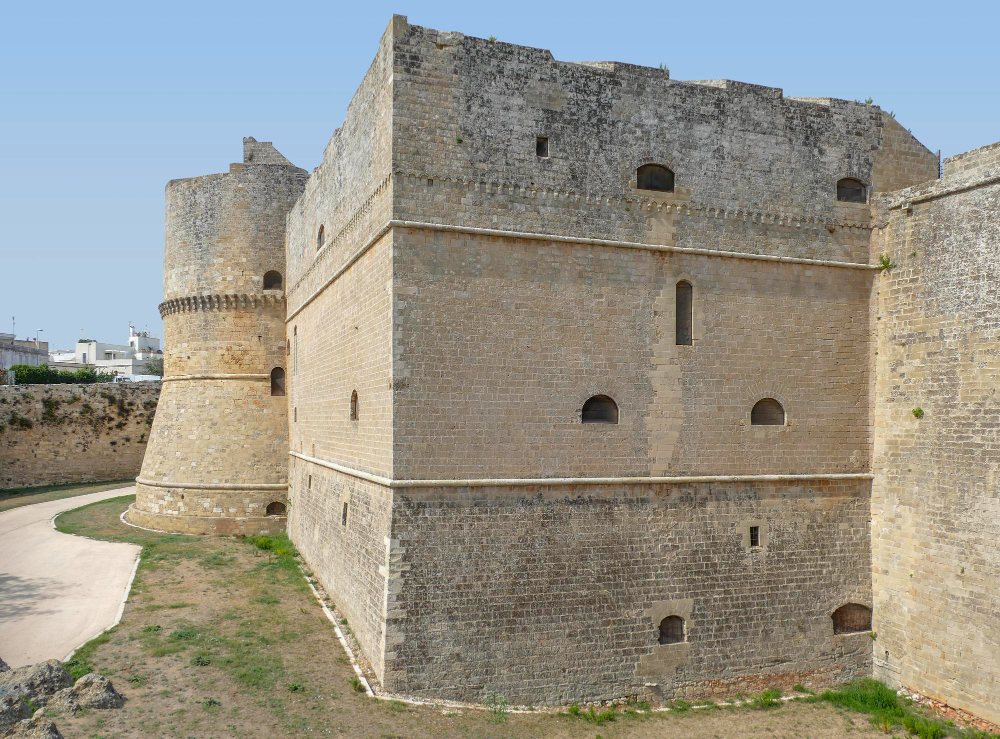
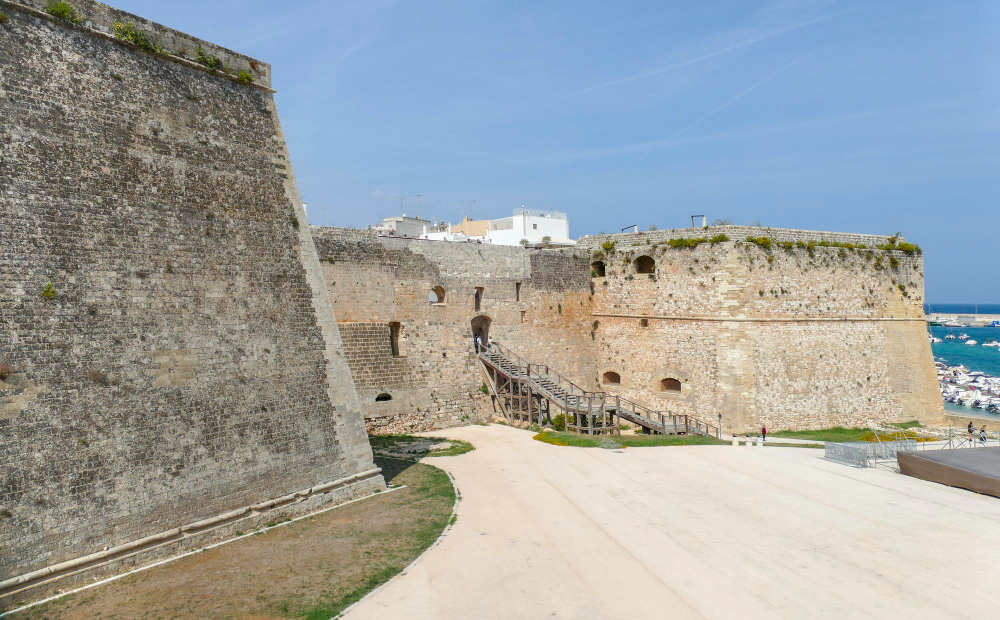
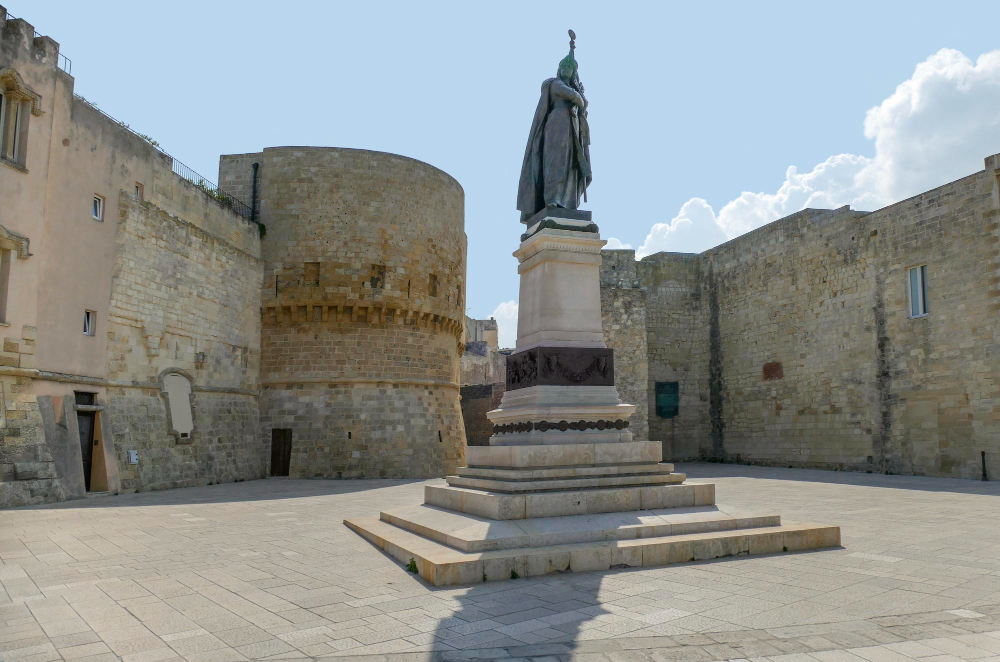
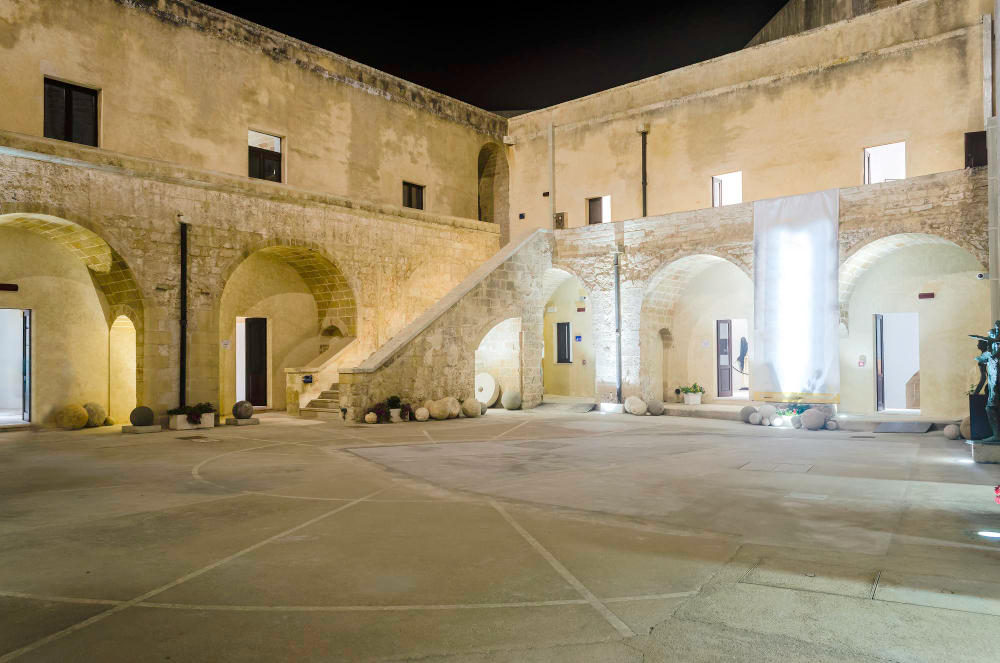
Whether these details can ever be proven beyond doubt is not the essence of the legend. It has remained alive because it captures the horror of war in an image that is not easily forgotten: a horse at twilight, an armoured horseman whose head is missing, and the silence after the battle. Over the centuries, the story shifted to the fortress itself. The Castello Aragonese, whose present appearance is heavily influenced by the military alterations made following the Ottoman conquest, became the setting for the apparition. The castle lies on the edge of the old town, high above the sea. Its massive walls and sweeping bastions still convey the impression of a structure built not for lavish celebrations, but for defence and siege. It was precisely this architecture that gave the legend new scope. Behind gates and thick stone walls, paths lead into areas where daylight barely plays a part. Beneath the castle and within its inner sections lie passageways, staircases and vaults. Anyone who descends there will find not a romantic world of knights, but cold stone, damp air and narrow passageways. The notion of a restless spirit seems less far-fetched in this environment than it does outside under the Apulian sun.
The Punta di Diamante is mentioned particularly often. The bastion is one of the most striking parts of the fortress. Its shape and location made it a strategically important defensive position. From there, the view stretches out over the sea and along the coast. Yet when darkness swallows up the view, the place is transformed in the tale into a place of waiting. There, according to local ghost stories, the headless knight appears. Not always as a clearly visible figure. Some accounts speak of footsteps on the stone, even though no one can be seen. Others tell of a shadow gliding past the parapet, without a face. Still others claim to have heard the snorting of a horse on windy nights, as if an animal were standing behind the walls, where there has long since been no stable. The knight is said neither to scream nor to attack visitors. His presence is described as silent. It is precisely this silence that makes the story so unsettling. He is said not to be a figure crying out for revenge, but a dead man who has not found peace. His journey does not end because a part of him remains lost far away. In some versions of the tale, the ghost roams the fortress’s underground passages. There, he wanders slowly along the damp walls, searching in alcoves, behind locked doors and in dark corners. He is not looking for an enemy, nor for treasure, nor for a way out. He is searching for his head.
This notion ties in with an ancient belief that a dead person who has not been properly buried cannot find peace. According to legend, the Count’s body and his severed head were never reunited. That is why his soul must wander on. It is bound to the place where war, loss and defeat have been etched into the city walls. Otranto does indeed have a history in which memory and trauma are closely intertwined. The siege of 1480 remains, to this day, part of the city’s historical identity. Otranto Cathedral houses the remains of the so-called Martyrs of Otranto, who were killed in connection with the Ottoman conquest. The fortress itself was reinforced and remodelled following the attacks. Its walls thus stand not only as a structure, but also as a silent testament to just how close the danger had been at that time. It was against this backdrop that the legend of the headless count arose. It transforms a fallen nobleman into a figure straddling history and the shadow realm. It links a documented period of conflict with a tale that has been passed down through the generations. Whilst historical sources recount wars, troop movements and power struggles, the legend preserves the image of a single man who was never able to complete his final journey. The Castello Aragonese is also a special setting for such stories because it has towered over the old town for centuries. It was a fortress, a refuge and a symbol of military strength. Its walls withstood the attacks of the late 15th century, as well as the alterations of subsequent eras. For visitors today, the castle stands as a testament to Otranto’s history. Yet after dark, the place takes on a different significance in the tales.
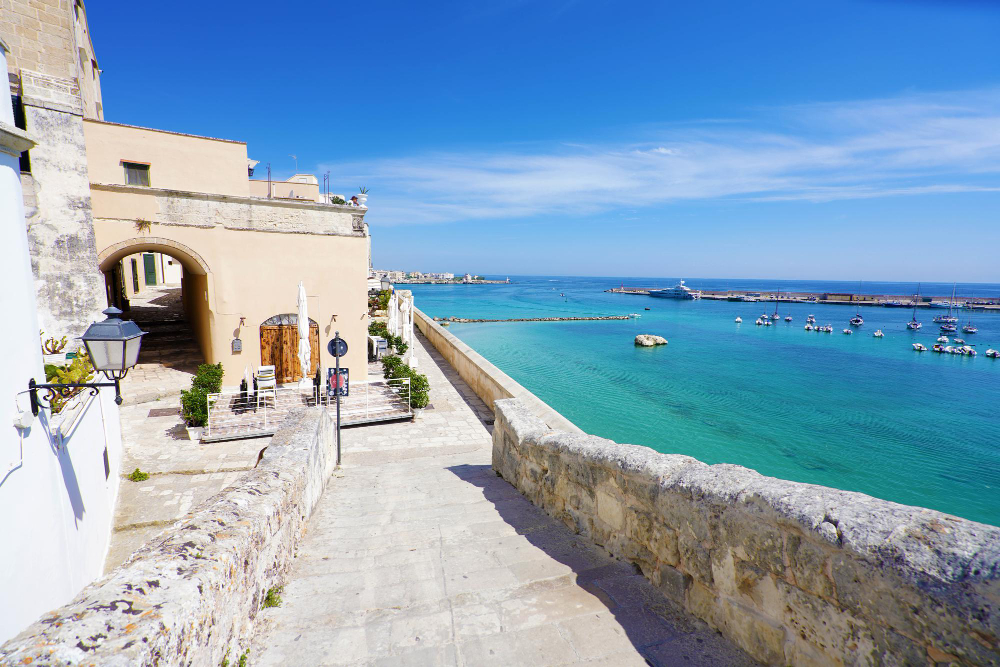
Then the bastions are no longer merely vantage points. The passageways are no longer merely parts of a historic complex. The heavy gates and low vaults become the possible paths of a man who does not realise that his time has long since passed. Anyone standing on the Punta di Diamante in the evening sees the dark sea stretching out before them. The wind sweeps up from the water, rushes through the gaps in the walls and sometimes creates a sound that resembles a distant clinking. Below lies the town, above it the sky, and behind you the old fortress. In moments like these, the story of the headless knight of Otranto does not seem like a mere horror tale. It feels like an echo from the year 1481: the echo of a count, a horse and a lost head, which still wanders through the cold stone corridors of the Castello Aragonese.