 Isabella Mueller Baroness of Stainton le Vale
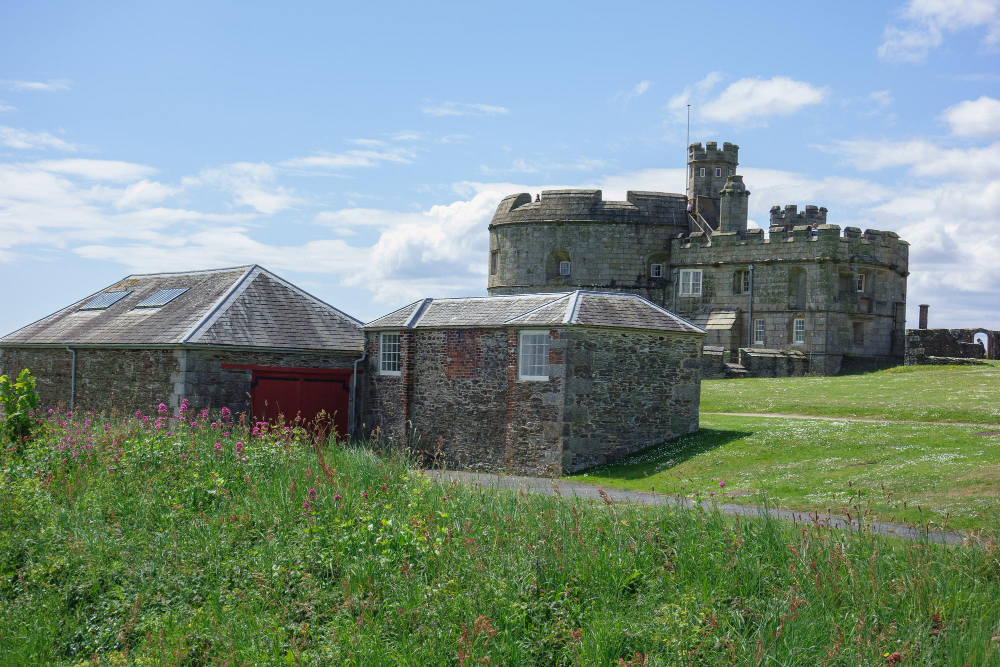
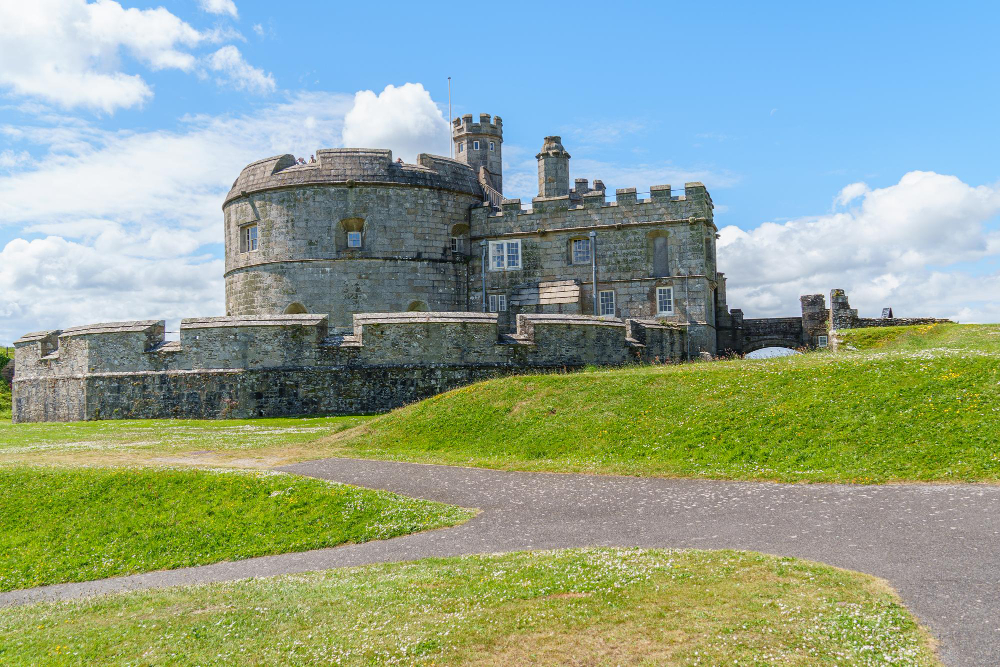
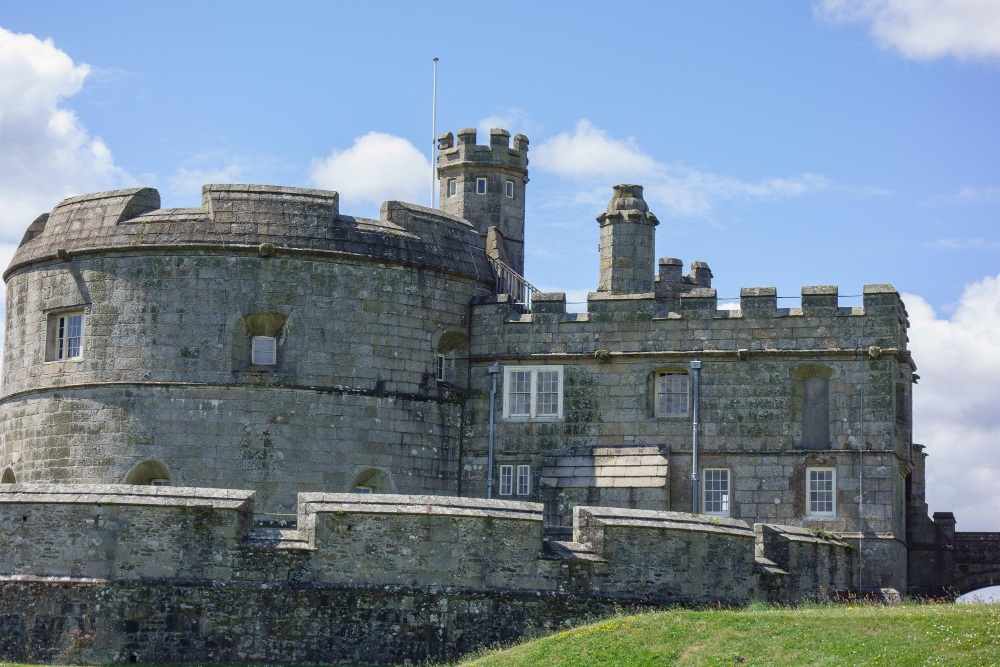
When the wind from the English Channel lashes against the walls of Pendennis Castle, the mighty fortress on the Falmouth headland seems like a silent witness from another era. High stone walls, narrow corridors, heavy doors and dark staircases characterise this place, which has watched over the Cornish coast for almost five centuries. Yet amongst the memories of cannons, sieges and soldiers, another, far more eerie story has survived: the legend of Maude the kitchen maid. Maude, sometimes also called Maud, is said to have worked in the kitchens of Pendennis Castle in the 17th century. Her ghost is considered the castle’s most famous apparition. To this day, visitors, staff and local lore associate her name with mournful sounds, shrill screams and an invisible weeping that seems to emanate from the ancient quarters of the fortress. The Tudor kitchens and the stone staircases, in particular, are said to be places where her presence has been felt. Pendennis Castle was built between 1540 and 1542 on the orders of King Henry VIII. The fortress was part of a major defence programme along the south coast of England. At that time, England feared attacks from France and the Holy Roman Empire, which is why Henry VIII had numerous coastal fortifications built. Pendennis Castle was given a strategically important location: from the hilltop, the entrance to Falmouth Harbour could be controlled.
The castle was not a sumptuous residence, but a military stronghold. Its original walls were designed to repel attackers. Gun emplacements faced the sea, soldiers lived behind thick stone walls, and supplies had to be stockpiled for times of crisis. Nevertheless, servants were also part of everyday life at the fortress. Meals were prepared for the garrison in the kitchens; water and fuel had to be fetched, food prepared and rooms cleaned. Maude is said to have been one of those people whose work scarcely featured in the chronicles, yet whose life was inextricably linked to that of the castle. The story of her final hours is intertwined with the dramatic events of the English Civil War. In 1646, Pendennis Castle was the scene of a long and gruelling siege. The fortress remained loyal to King Charles I, whilst Parliamentarian troops advanced against the Royalist defenders. Pendennis Castle was one of the last strongholds loyal to the King in England. The men within its walls were besieged for months on end. The siege began in the spring of 1646. Troops were positioned around the castle, access points were controlled and supplies were cut off. Inside Pendennis Castle, the situation deteriorated week by week. Food became scarce. The besieged soldiers and residents had to make do with ever-dwindling resources. Accounts speak of hunger, disease and exhaustion. What had once been a military structure promising protection became an oppressive stone prison.
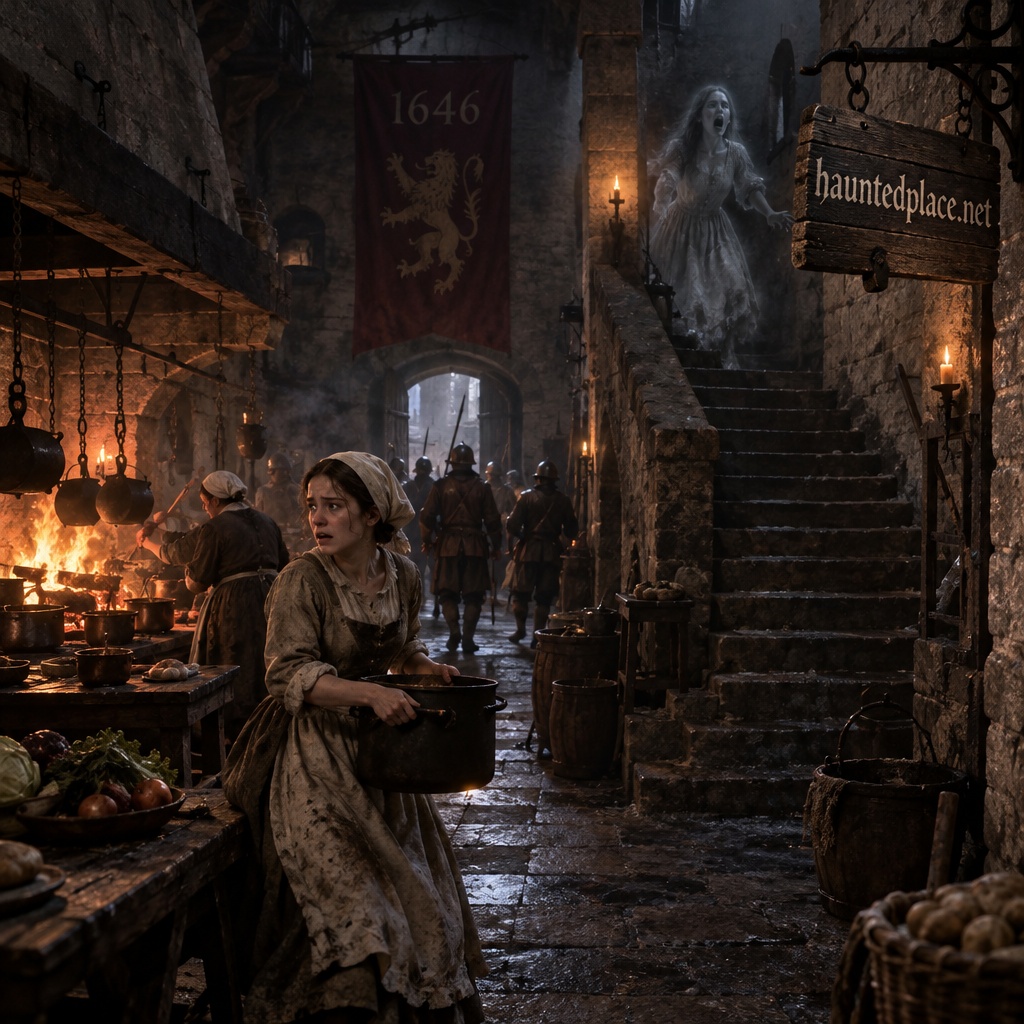
It is said that Maude worked in the kitchens during this time. The old kitchen areas lay deep within the fortress. Cooking took place there under difficult conditions: for officers, soldiers, the wounded and the people holding out in the castle. The fires in the hearths, the smoke, the cramped conditions and the sound of heavy footsteps on the floors must have dominated everyday life. Outside, the besiegers waited. Inside, fear grew. According to legend, Maude lost her life on a stone staircase during the siege. She is said to have fallen and sustained fatal injuries. Some accounts are limited to this brief description: a kitchen maid, a staircase, a fall and a death in a time of war. It is precisely these few details that have helped the story to endure across generations. To this day, the old steps remain a visible part of the world in which Maude is said to have lived. After her death, so the legend goes, the castle did not lose its voice. In the dark corridors and near the kitchens, sounds have repeatedly been heard that no one could explain. Particular mention is made of shrill screams and quiet, desperate weeping. It is said to sound as though a young woman is calling out from a room in which no one is present. Other accounts speak of a wailing that begins suddenly and falls silent just as abruptly.
The apparition is not always described as a visible figure. Maude is said to make her presence felt primarily through sounds. This makes her story particularly unsettling for visitors. A shadow in the semi-darkness can be explained away as an illusion; a creak as the movement of old beams. But a human voice, a sob or a scream touches upon a deeper fear. Anyone walking alone through a corridor in an old fortress who suddenly thinks they can hear a woman weeping is not merely faced with a strange observation. At that moment, the place seems to be revealing its past. Pendennis Castle has many rooms that give an impression of its long military history. The complex has been altered and extended over the centuries. The original Tudor fortress was succeeded by later defences, barracks and gun emplacements. During the Napoleonic Wars and the World Wars, the site remained of military significance. Nevertheless, Maude’s story does not focus on the later structures, but on the oldest and most imposing parts of the castle: the kitchens, the staircases and the winding passages from the Tudor era. It is precisely there that the essence of the eerie atmosphere lies. The walls are thick, the windows small, the passageways narrow. In some rooms, very little light enters. The air feels cool, even when the sun is shining over Falmouth Bay outside. Anyone entering these areas, which feel subterranean or secluded, can imagine what the castle must have looked like in the 17th century: full of people waiting for news, hoping for food, and hearing the sounds of an impending defeat.
The siege of Pendennis Castle ended in August 1646. The defenders surrendered after their supplies had run out. The prolonged resistance had made the castle a symbol of Royalist steadfastness. For those who had been inside the walls, however, the surrender must have been, above all, the end of an agonising ordeal. Hunger and disease had taken their toll. Maude’s story is set against this sombre backdrop: as a reminder of a young life that came to an end in the final months of the siege. Although Pendennis Castle is now preserved as a historic site, the legend has not faded from its walls. The place is often counted amongst the most haunted sites in Cornwall. The story of the kitchen maid is one of the castle’s best-known ghost stories. It is passed on by visitors, featured in local accounts and linked to the quiet kitchen rooms where Maude is said to have worked. Particularly eerie is the notion that her final moments might have taken place in a perfectly ordinary spot. No battle on the ramparts, no thunder of cannon fire in the open field, but a staircase between the service rooms. Perhaps she was carrying something in her hands. Perhaps she was running through the narrow corridors because she had been summoned. Perhaps panic reigned within the castle as the situation grew ever more desperate. The legend that has been handed down mentions only the fatal fall. Everything else remains hidden in the darkness of the fortress.
And yet it is precisely this silence that seems to give the screams their power. At Pendennis Castle, the stone bears witness to kings, wars and defensive strategies. Maude’s voice, on the other hand, belongs to a nameless servant from the world beyond the great events. She is said not to have appeared on the battlements, nor to have left a message. She weeps, screams and vanishes back into the corridors. When mist lies over the water in the evening and the castle walls stand out black against the sky, Pendennis Castle seems like a place where time has not entirely passed. The cannons have long since fallen silent. The besiegers have vanished. The kitchen fires have gone out. Yet, according to legend, Maude has remained – somewhere between the old stone steps and the dark Tudor kitchens, where her fall in 1646 is said to have ended her life.