 Isabella Mueller Baroness of Stainton le Vale
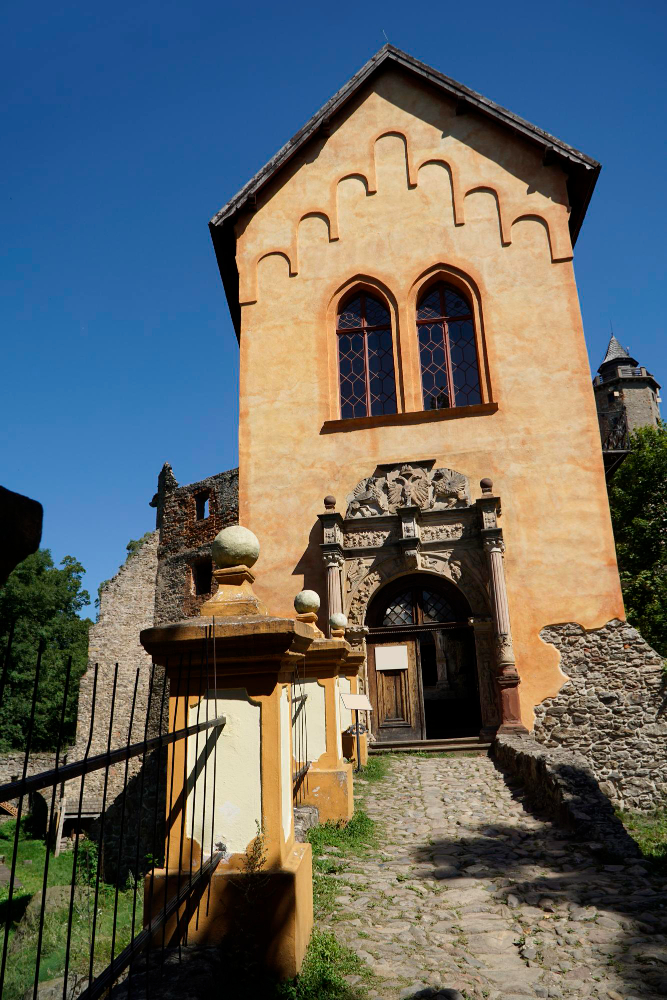
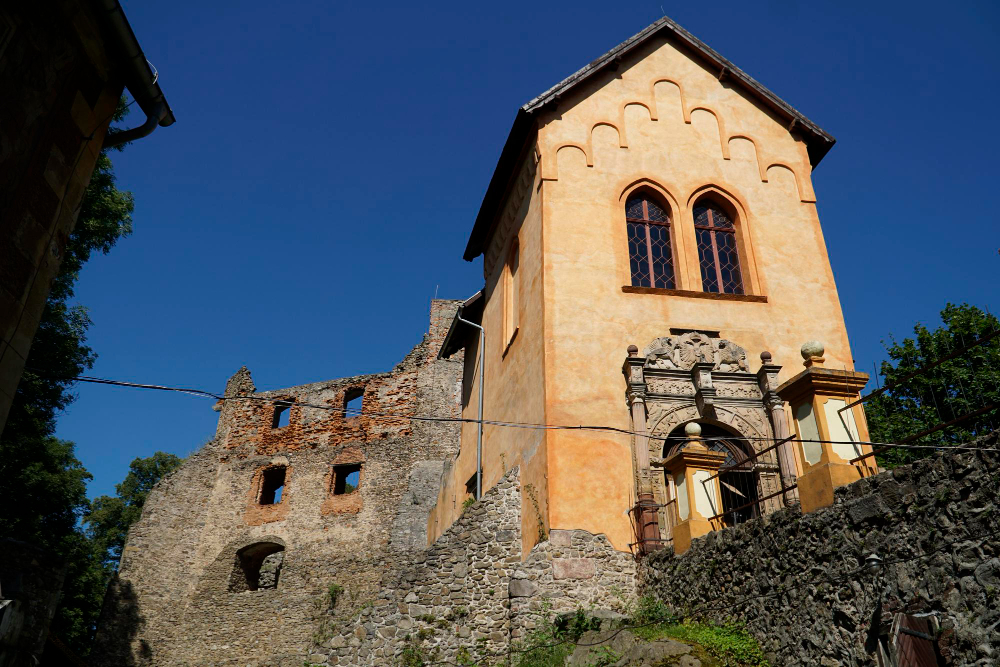
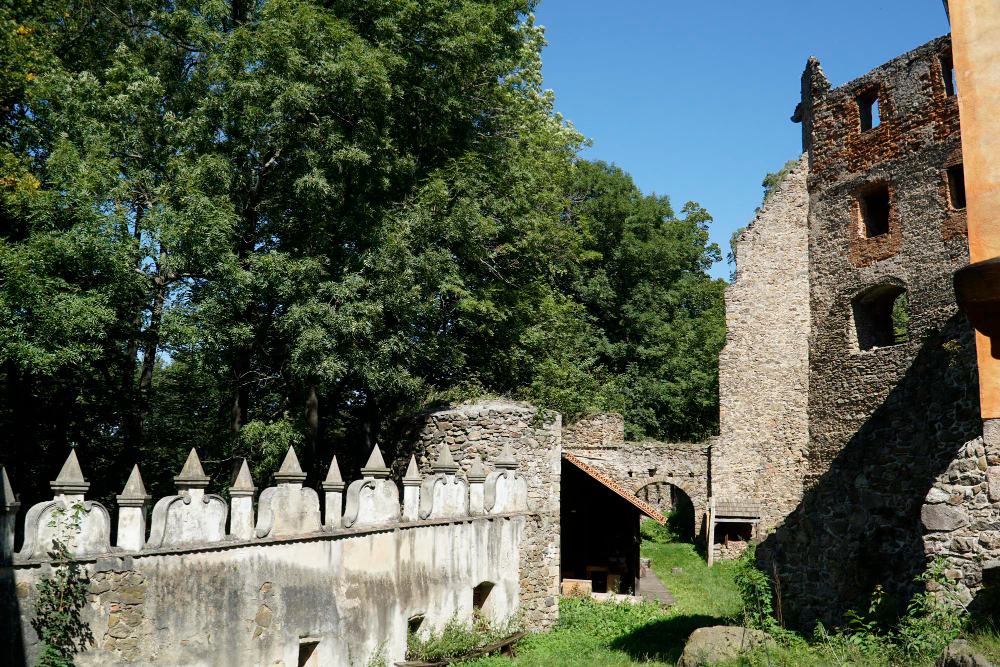
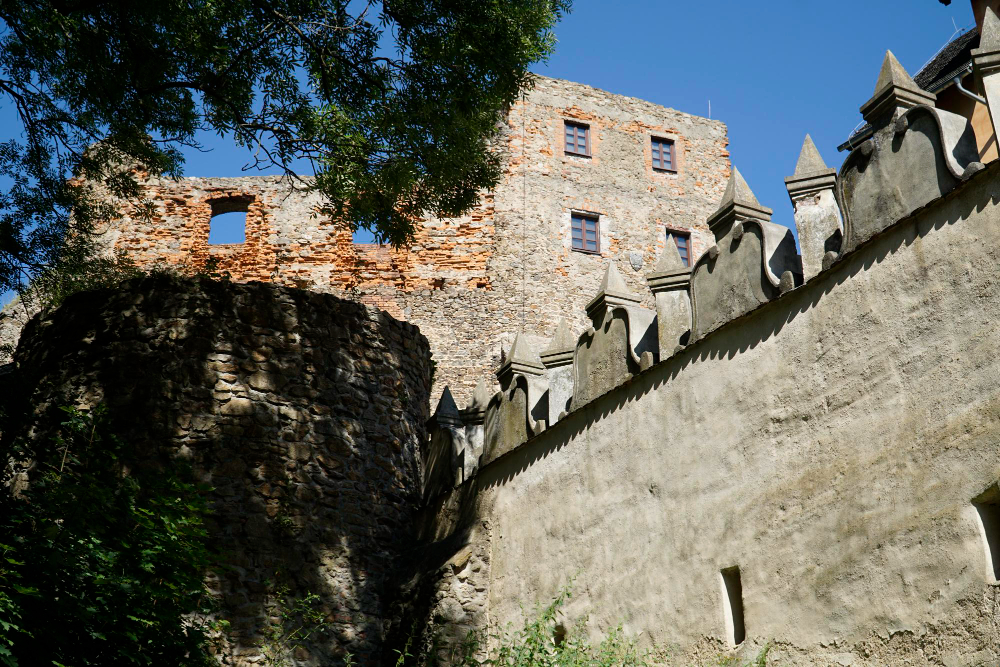
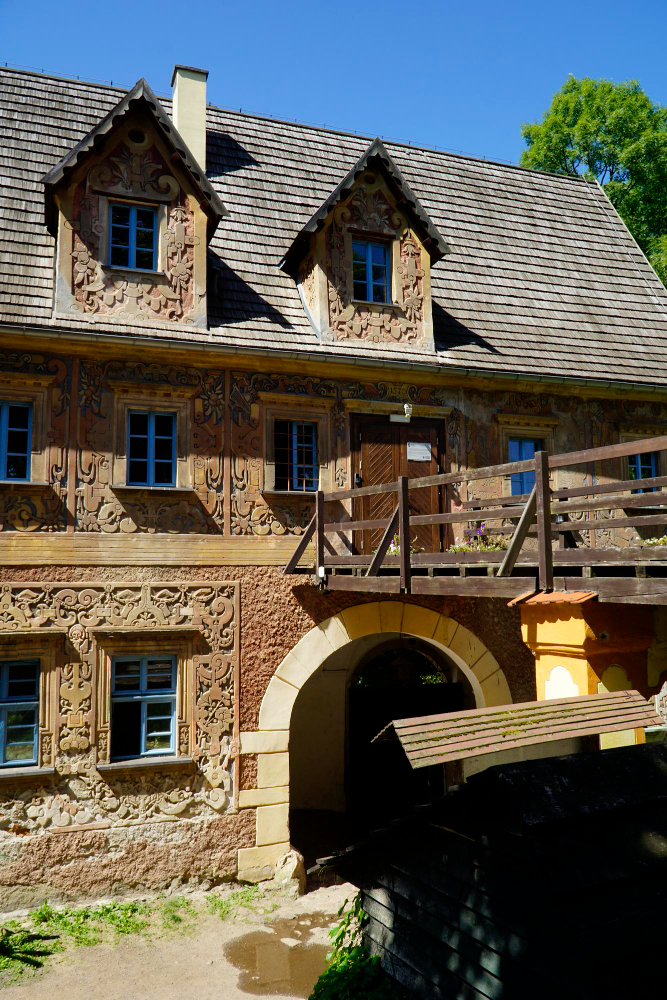
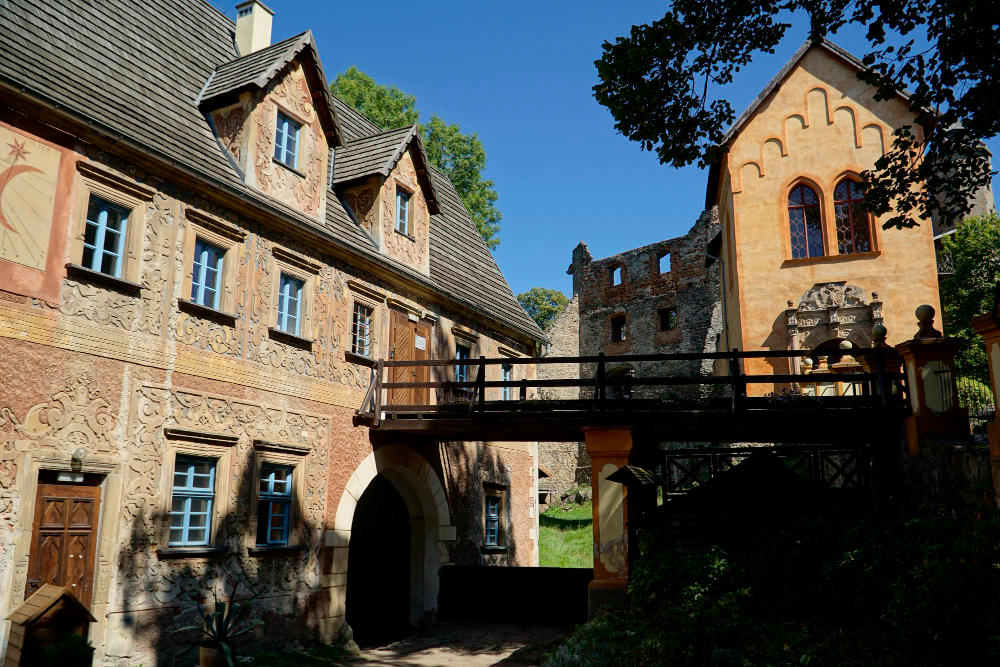
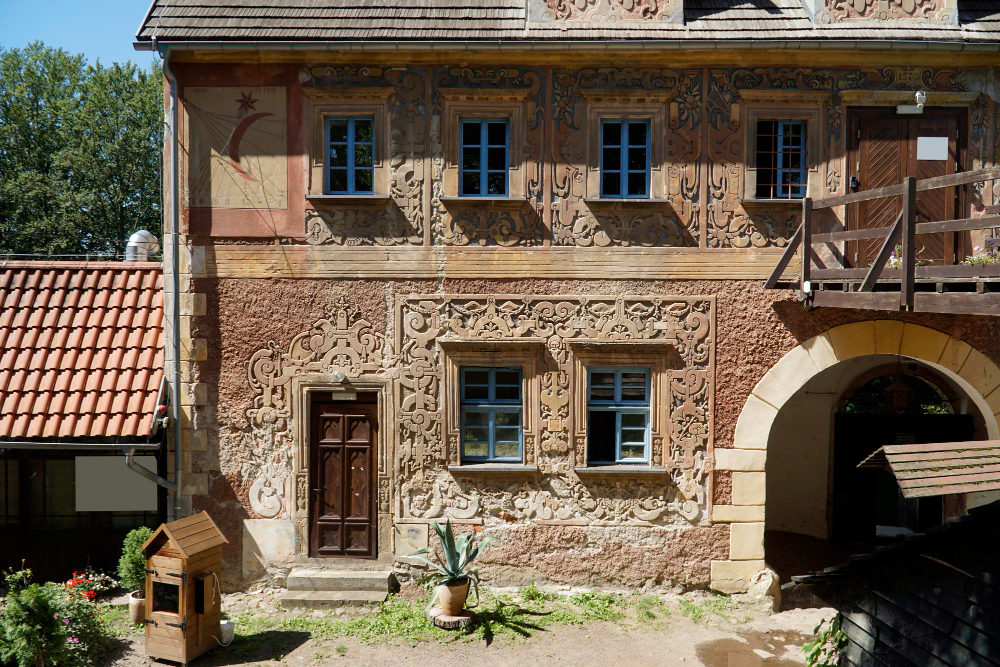
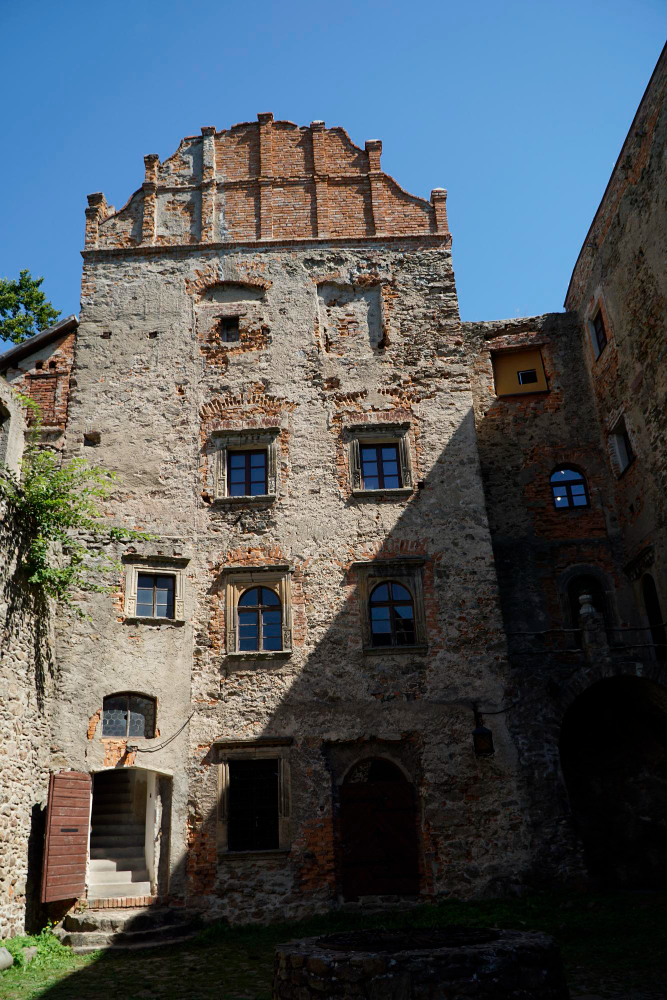
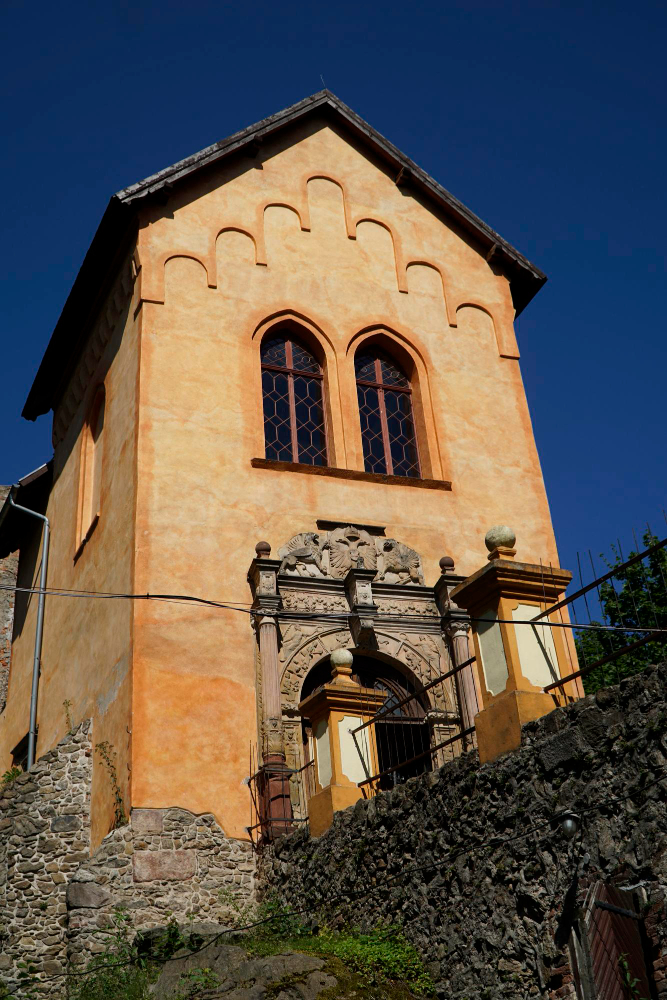
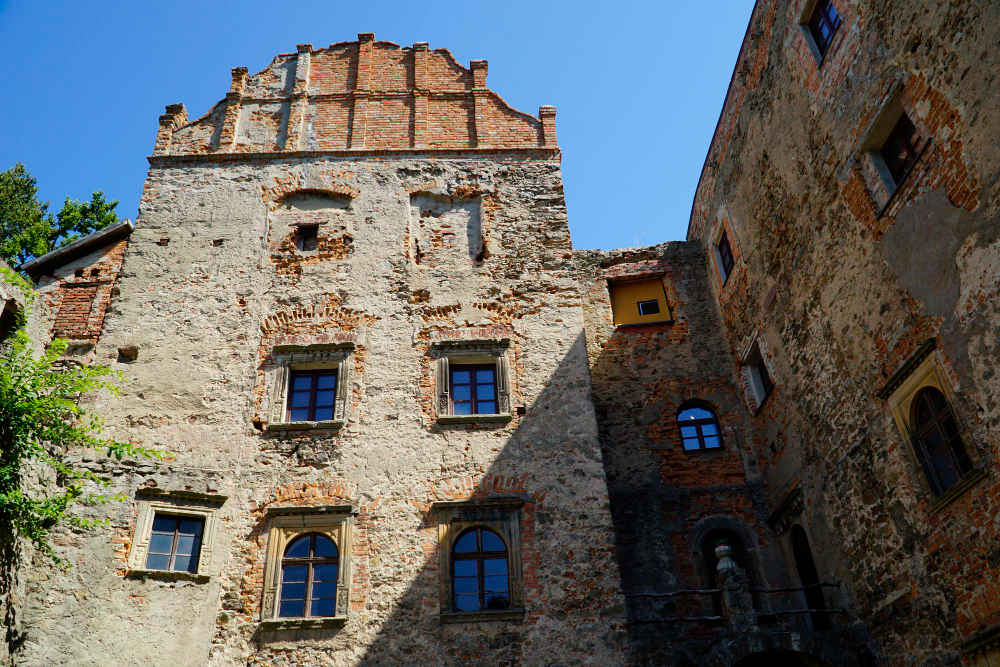
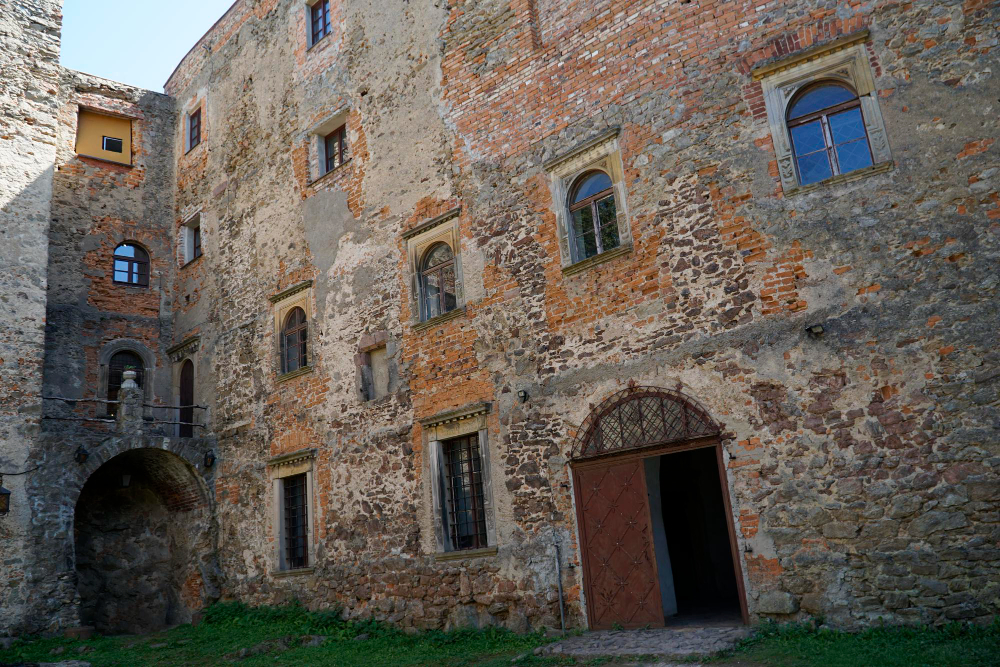
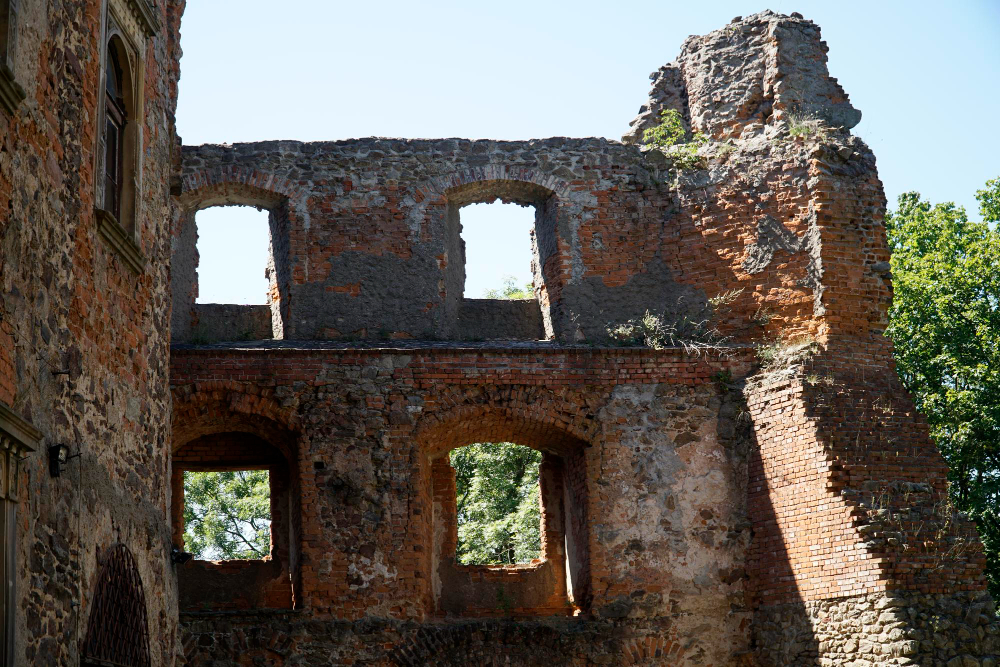
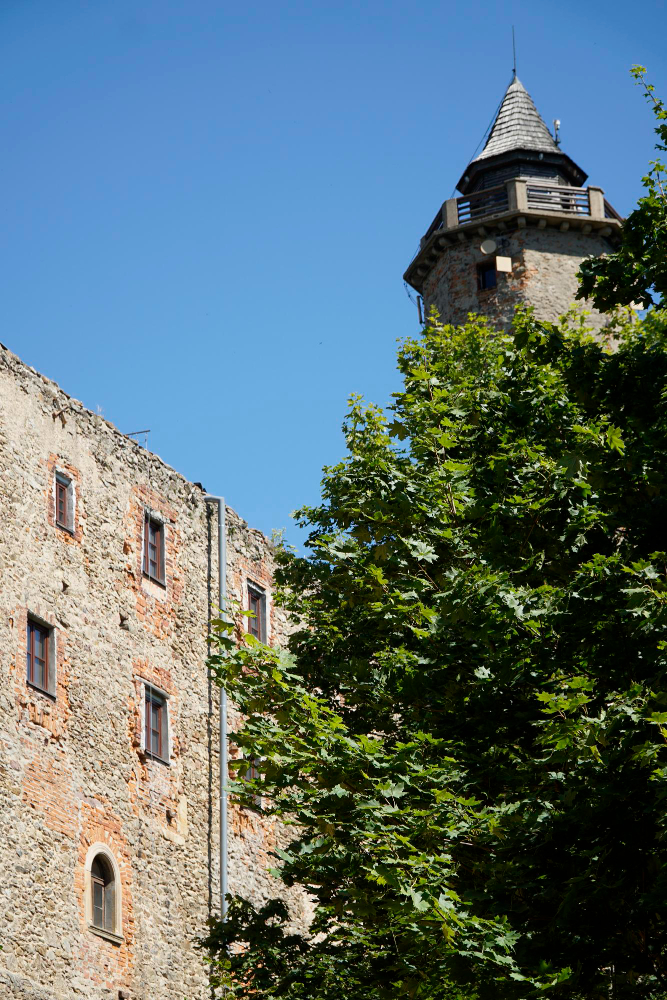
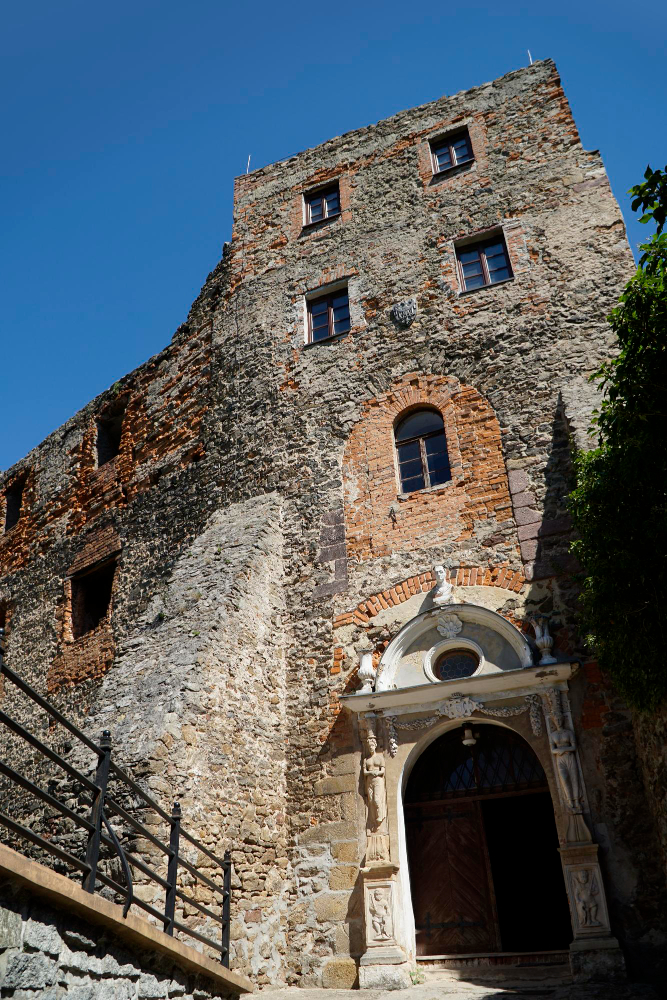
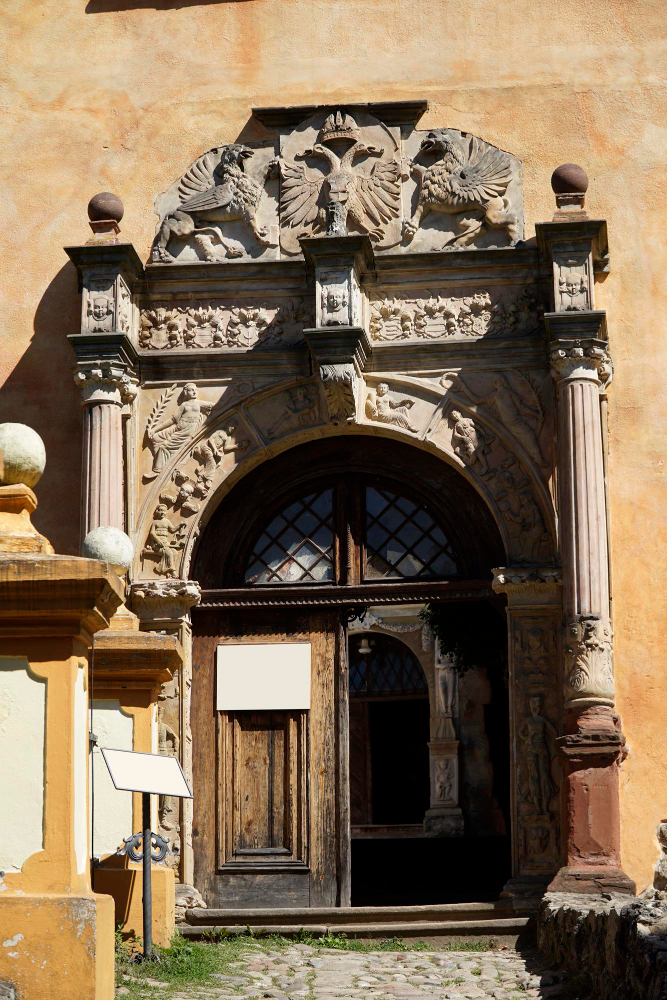
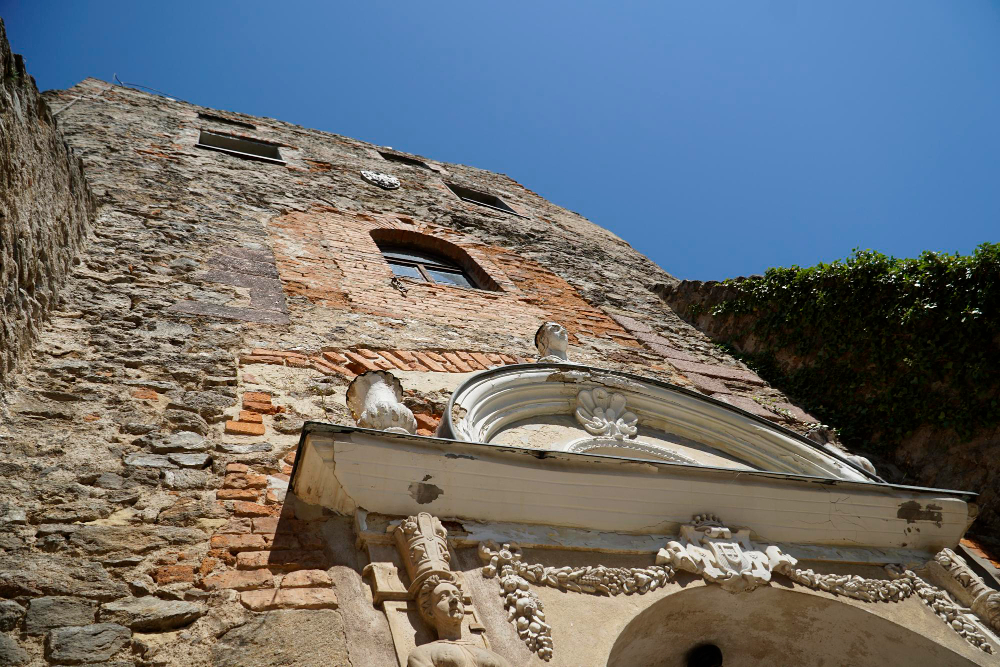
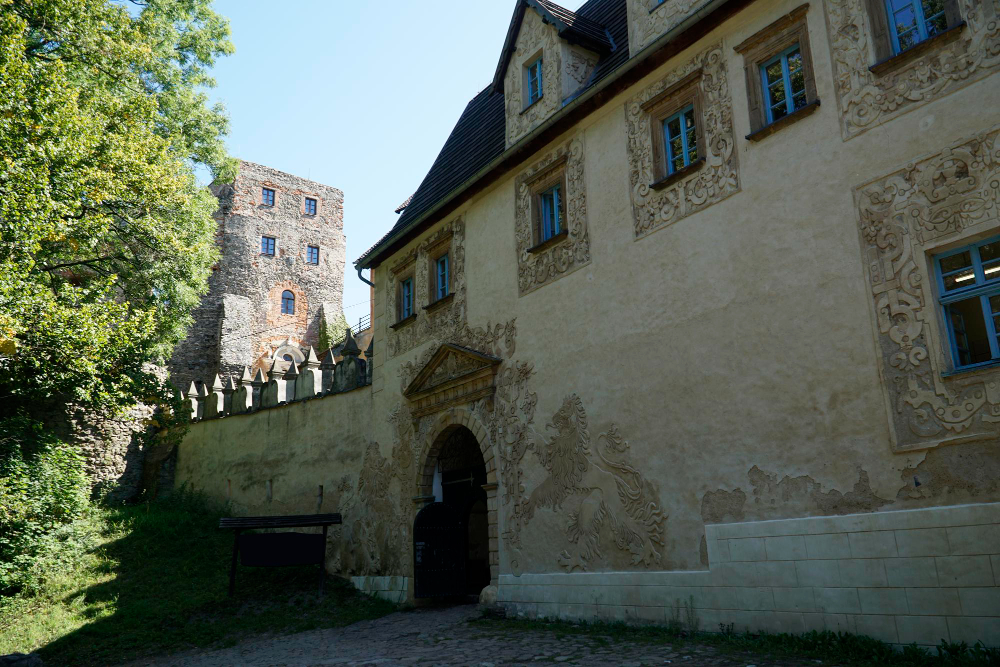
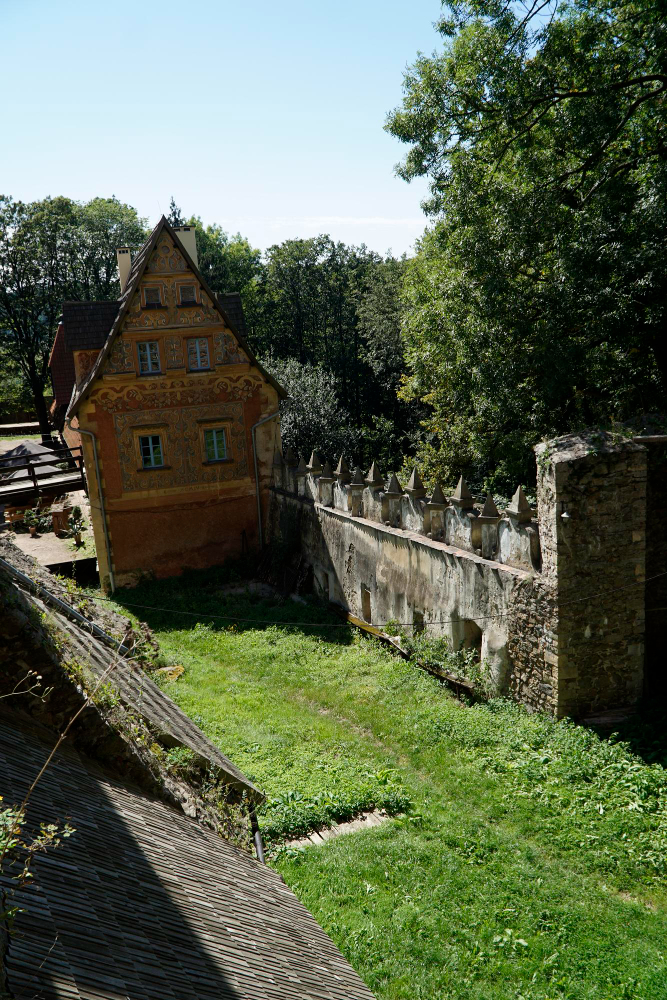
As dusk falls over Zagórze Śląskie in the Polish Owl Mountains, Grodno Castle looks like a fortress from another era. High above Lake Bystrzyca, the ancient walls rise on Mount Choina, surrounded by dark forests, steep cliffs and paths that quickly vanish into the shadows at night. Visitors come for the views, the medieval walls and the castle’s eventful history. Yet many know the place above all for a grim tale: the legend of Małgorzata, also known as Princess Margaret, who is said to have died in the Starvation Tower of Grodno Castle. Her story is one of coercion, wealth, betrayal and a punishment that could scarcely be more cruel. To this day, according to local lore, a wailing can be heard within the walls on quiet nights – the weeping of a young woman who never returned from her dungeon. Grodno Castle, formerly known in German as Kynsburg, is one of the most impressive castles in Lower Silesia. Its origins date back to the Middle Ages. The complex was built on a rocky hill and expanded over the centuries. Massive walls, narrow passageways, a castle gate and steep slopes made it a fortress that was difficult to capture. It was precisely this secluded location that offered the inhabitants protection – whilst at the same time making the castle a place from which escape was virtually impossible. In the tales about the castle, Małgorzata is described as an exceptionally beautiful young woman, the daughter of a castellan or lord of the castle. According to legend, her father was a harsh, money-grubbing man. It did not matter to him whom his daughter loved. The only thing that mattered was what benefits a marriage might bring to the family. Małgorzata was therefore to marry a wealthy, considerably older nobleman. The man possessed wealth and influence, but for the young woman, the planned union offered no future, only a sentence.
Her heart, so the story goes, belonged to another. Some versions of the tale mention a poor lover, whilst others speak of a young man named Giermek – a squire or a humble servant. In any case, this man was far below Małgorzata’s social standing. For her father, a union with him was unthinkable. His daughter’s love carried no weight against wealth, status and political interests. Małgorzata is said to have desperately resisted the marriage. Yet her father remained unyielding. Preparations for the wedding day were underway, guests were due to arrive, and the castle filled with the trappings of a celebration that was no such thing for the bride. In the rooms through which visitors would later walk as part of the museum tour, the fear of a young woman who knew she no longer had a choice is said to have grown at that time. Legend has it that Małgorzata and her future husband were out together on the day of the wedding, or shortly before it. Some accounts place the scene during a walk in the rocky surroundings of the castle, to the so-called Krucza Skała, the Raven Rock. There, the cliffs drop steeply. Between the trees, the view opens out into the depths, and the wind sweeps through the gorges. The older groom is said to have had no inkling of the hatred his young fiancée harboured towards him. Perhaps he spoke of the future; perhaps he believed the wedding was merely a matter of a few hours’ time. Małgorzata, however, saw in him not her husband, but the man who would take her life without actually killing her. Then came the moment that has shaped the legend to this day.
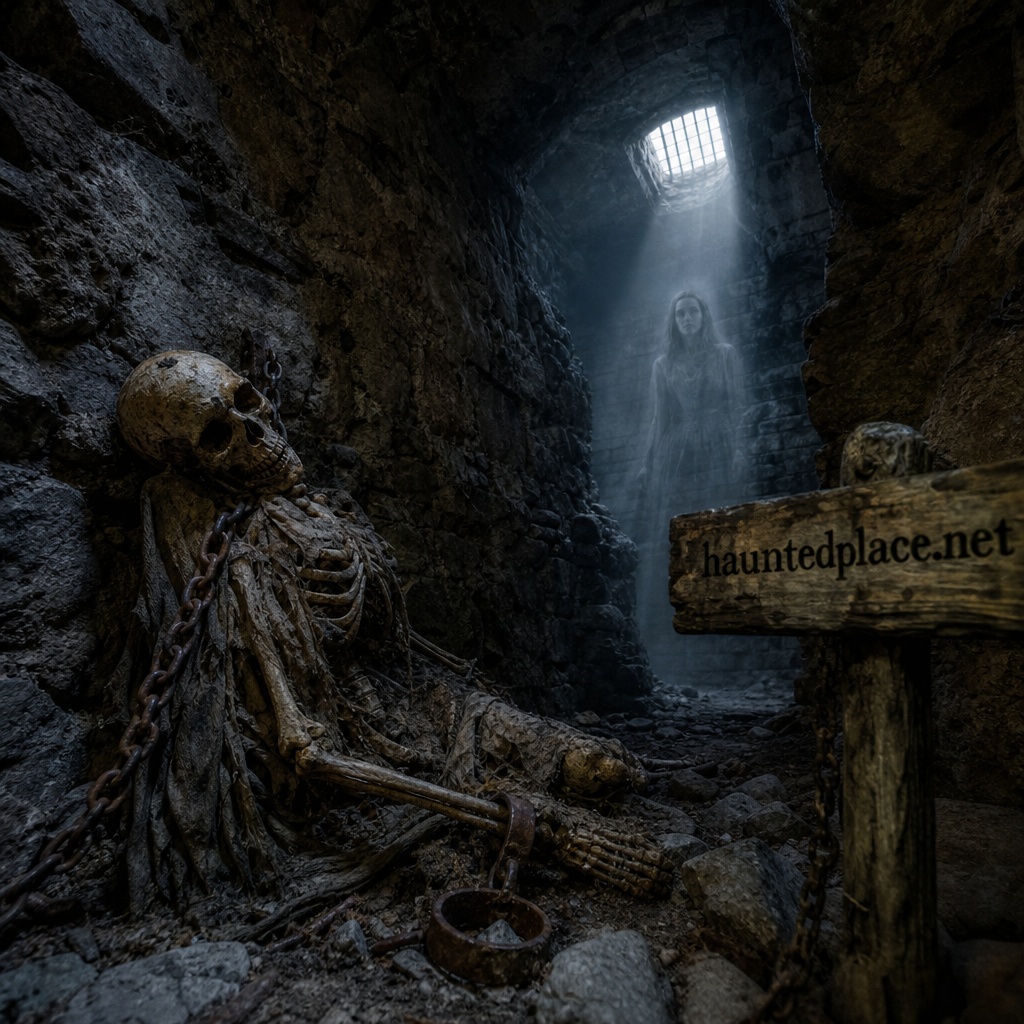
It is said that, at the edge of the cliff, Małgorzata suddenly pushed her unloved fiancé into the abyss. The fall proved fatal. Amidst the rocks and trees below the castle, there was no chance of rescue. When people realised the nobleman was dead, Małgorzata, according to tradition, claimed it had been an accident. Her fiancé had lost his balance and fallen to his death. But her father did not believe her. Whether he was aware of his daughter’s despair, whether witnesses had seen anything, or whether he was guided solely by his own mistrust remains part of the grim legend. The only certainty is that the tale knows no mercy. The castellan is said to have been convinced that Małgorzata had killed the man deliberately. Instead of putting her on trial or sending her away, he opted for a punishment that was to be slow and cruel. He had his own daughter locked away in a tower or a deep castle dungeon – the ‘hunger hole’, which later became known as the Hunger Tower. The name alone gives a hint of what the punishment entailed: Małgorzata was not to die by the sword, nor was she to meet a swift end. She was to perish in the darkness, without food, without light and without hope.
The image of this dungeon is one of the most oppressive in the castle’s legend. Małgorzata is said to have been imprisoned within the fortress’s thick walls, far from the light of day. Above her lay the castle with its courtyards, halls and guard galleries. All around her were stone, damp and darkness. Every sound from the world outside her prison must have seemed out of reach: footsteps on the walls, the creaking of a gate, the voices of the guards, the wind against the windows. Yet Małgorzata was not entirely forgotten. A loyal squire, so the story goes, is said to have taken pity on her. He secretly brought her food. Perhaps he was her lover, perhaps a servant who believed in her innocence, perhaps simply a man who could not bear the thought of a young woman’s agonising death. Night after night, or whenever the opportunity arose, he tried to keep the prisoner alive with bread and water. His actions did not remain hidden for long. Małgorzata’s father learnt that someone was defying his orders. For him, this secret aid was not merely an act of mercy, but an act of defiance against his authority. The squire was caught. Legend has it that he was beheaded. With his death, Małgorzata lost the last person who could stand by her in the depths of the dungeon.
After that, there was no further hope of rescue for her. Locked away in the starvation cell, Małgorzata is said to have died a slow death. The legend depicts her death not as a heroic redemption, but as the end of a long period of despair. She had rebelled against the forced marriage, had committed an act that sealed her fate, and had ultimately been condemned by the man who was her father. However, according to local tradition, the story did not end with her death. Ever since, the ghost of the young castellan’s wife is said to have found no rest at Grodno Castle. Visitors and local residents have passed down the story through the generations, claiming that at night a faint sobbing can be heard coming from the area around the tower or from the lower, dark parts of the castle. Others claim to have heard weeping that suddenly falls silent the moment one stops and listens. Still others speak of a female figure who appears for just a moment within the walls before vanishing again. The legend seems particularly eerie because of a discovery linked to it. An old skeleton was found in one of the castle’s dungeons. For those who passed on the story, this was more than just a silent discovery from a bygone era. The skeleton seemed to confirm the legend: had Małgorzata’s remains been found? Had she really been locked away in a dungeon until she died?
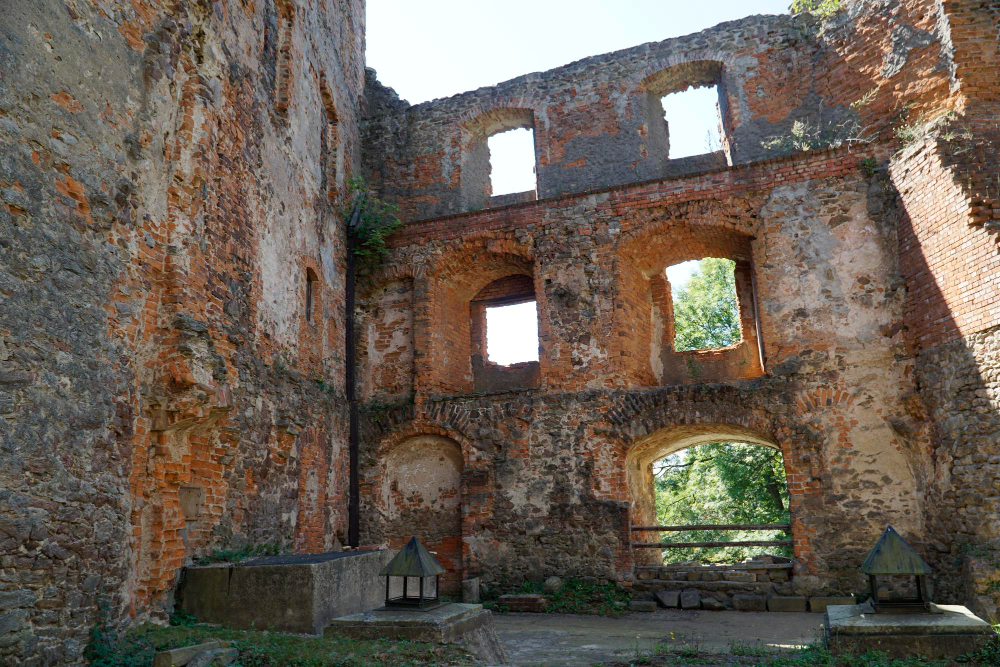
Tradition offers no clear answer. It is precisely this silence that keeps the story alive. Caught between historic walls and folk tales, Małgorzata remains a figure who is not entirely tangible. Her name is linked to the castle, her fate to the tower, her lamentations to the night. Grodno Castle bears many traces of the past. Its walls tell of nobles, wars, renovations and centuries of changing rule. Yet no story lingers so strongly in visitors’ memories as that of the young woman in the Hunger Tower. For she transforms the castle from a medieval ruin into a scene of human fear. Anyone walking through the grounds today sees stone walls, staircases, gates and views across the Lower Silesian countryside. In daylight, much of it seems peaceful. But as soon as the wind sweeps through the walls and the shadows in the corridors grow longer, the old tale returns. Then the Hunger Tower no longer seems to be merely a part of the architecture. Then it feels as though someone is still waiting in the darkness. And perhaps, as the legend of Grodno Castle whispers, you can sometimes hear Małgorzata’s quiet weeping up there.