 Isabella Mueller Baroness of Stainton le Vale
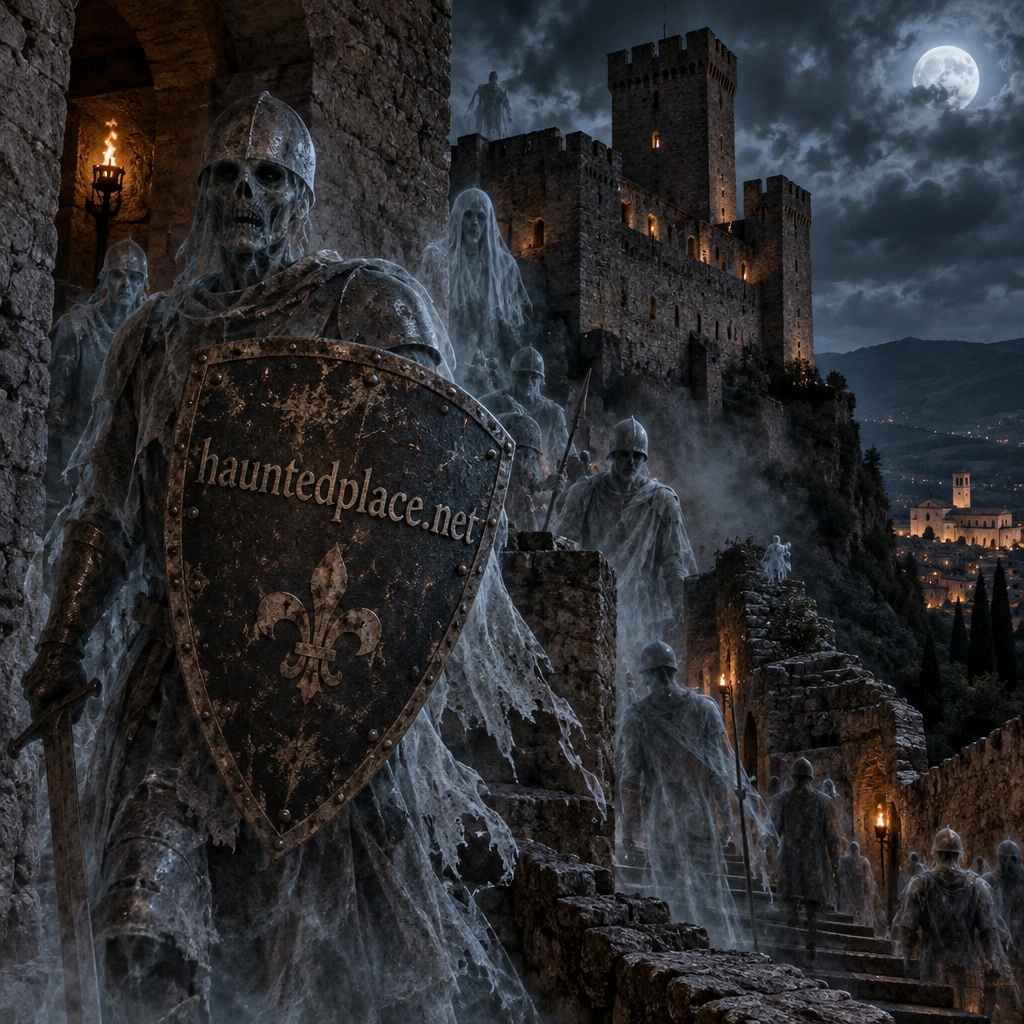
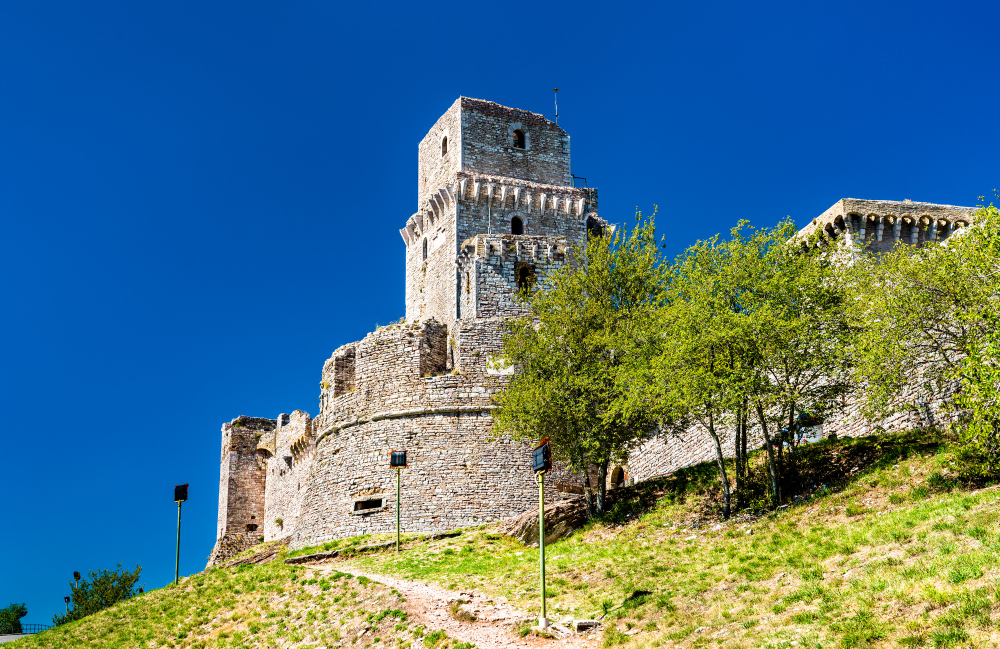
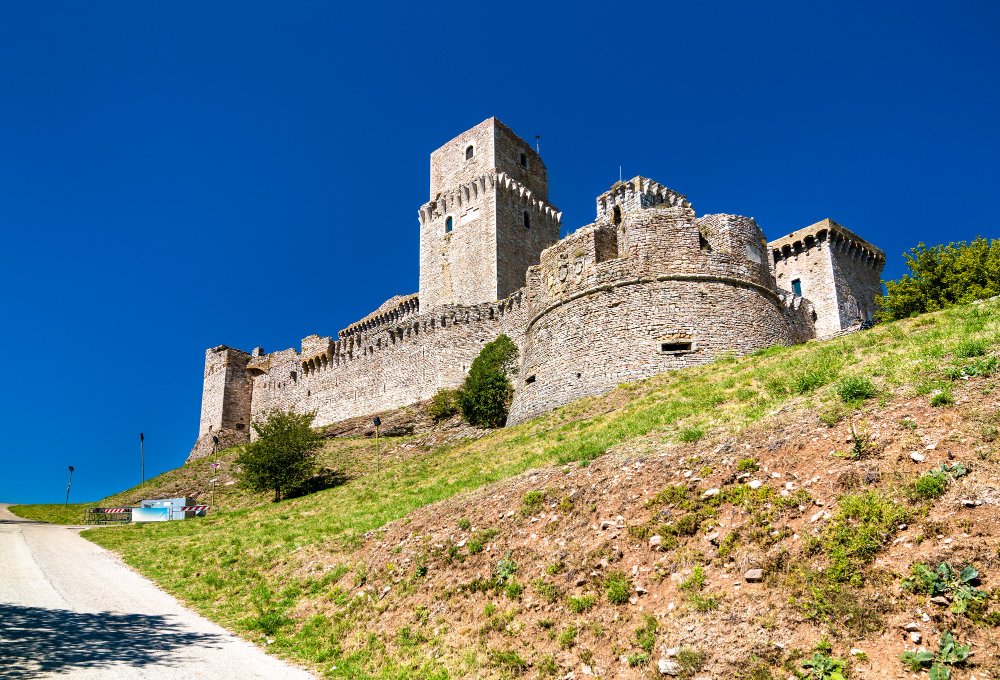
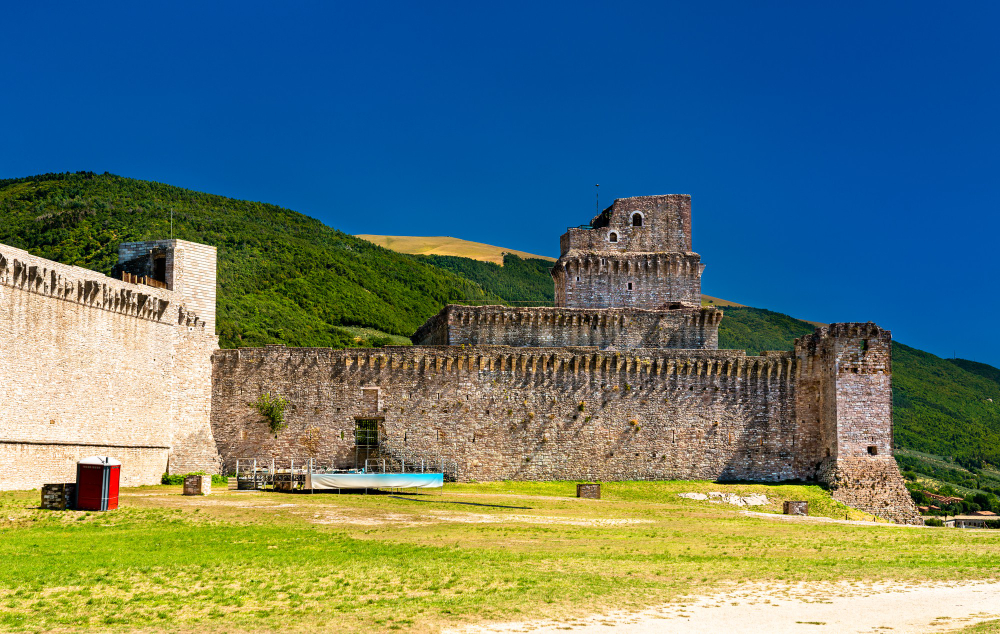
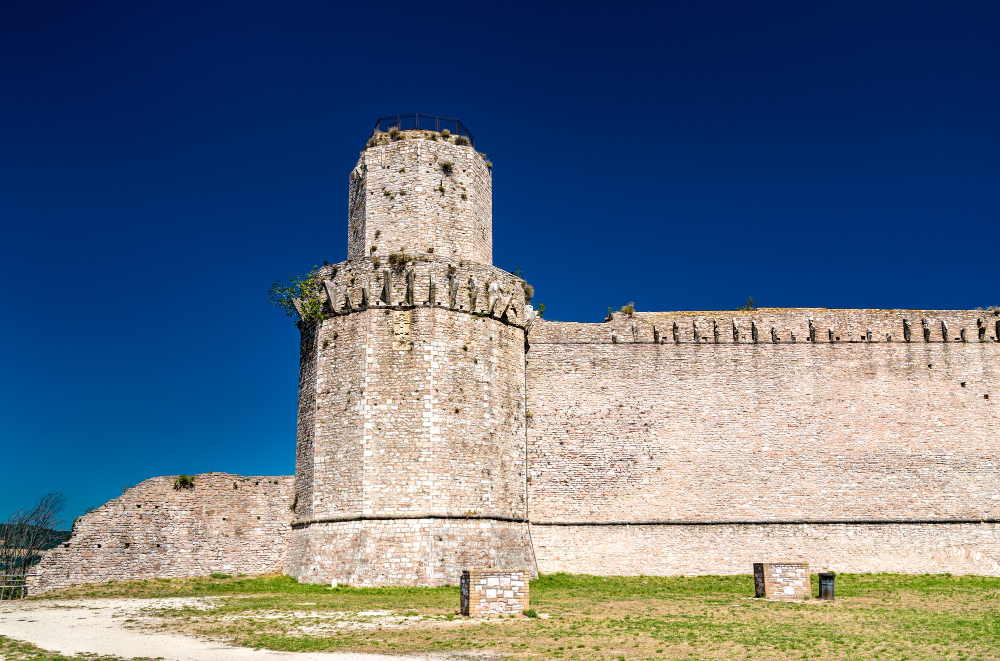
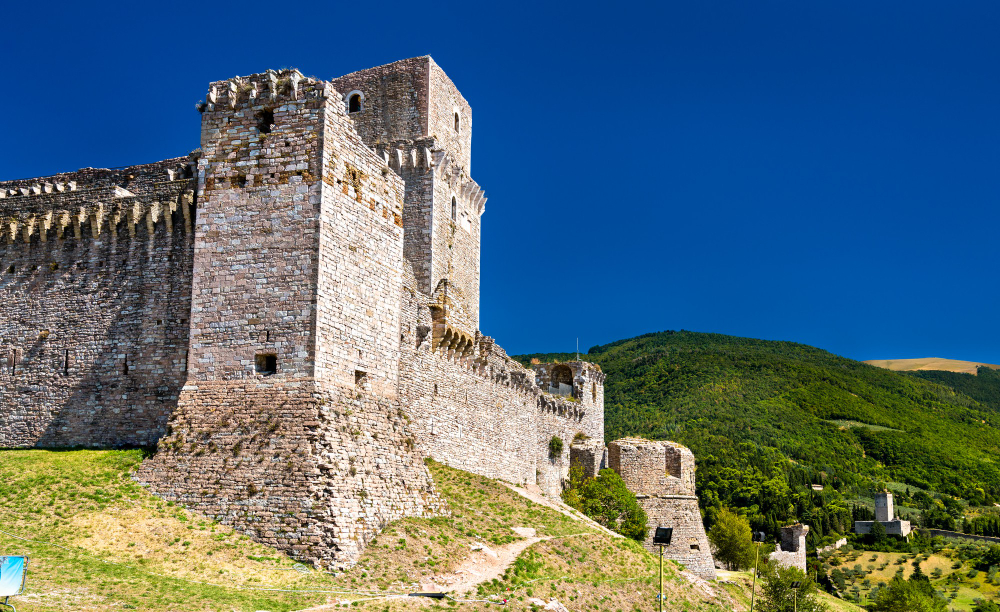
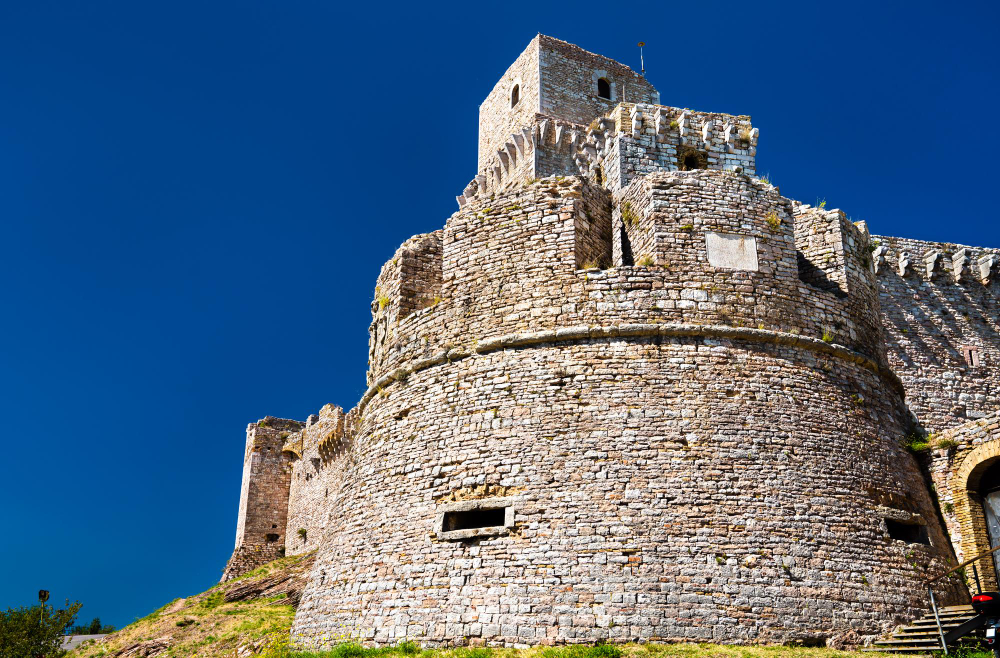
High above Assisi, the Rocca Maggiore rises like a stone sentinel above the rooftops of the Umbrian town. At first glance, its walls, towers and battlements appear to be an impressive relic of medieval power. Yet the fortress is also associated with a grim legend. In particular, the bloody clashes between the rival noble families of Fiumi and Nepis towards the end of the 15th century have become deeply ingrained in local memory. Folklore has it that the victims of these battles never left the castle. Their ghosts, so the tales go, have yet to find peace. The history of Rocca Maggiore is marked by changes of rule, political conflicts and military violence. The fortress stands on Colle Asio, a strategically important hill north of the historic centre of Assisi. From there, it was possible to control the town, as well as the routes through the Umbrian hills. Whoever held the Rocca possessed not only a fortress, but a visible symbol of power over Assisi. As early as the Middle Ages, the castle was closely linked to the struggles for influence between the Papacy, local nobles and shifting political factions. The complex visible today dates largely from the 14th-century reconstruction. Cardinal Gil Álvarez Carrillo de Albornoz, who was tasked by the Papacy with restoring control over numerous towns in central Italy, had the fortress expanded from 1367 onwards. The Rocca thus became a bulwark of papal rule – and, at the same time, a place where Assisi’s conflicts came to a dramatic head.
Towards the end of the 15th century, Assisi once again entered a period of severe internal strife. Several families and power groups vied for influence in the town. Among the adversaries were the Fiumi and Nepis families, two rival noble houses from Assisi. Their feud was part of the violence that shook many Italian towns of that era: alliances shifted, personal vendettas and political interests became intertwined, and fortified towns became the scenes of bitter sieges. The Rocca Maggiore was a crucial stronghold in these conflicts. Whoever could entrench themselves behind its thick walls held a considerable advantage. The fortress was difficult to capture: its position on the hill afforded a sweeping view of the surrounding countryside; attackers had to approach the walls under unfavourable conditions. Nevertheless, even a castle offered no protection from fear, hunger and violence during a siege. According to accounts of that turbulent period, particularly gruesome scenes unfolded precisely within the walls. According to local memory, the enmity between Fiumi and Nepis left a trail of blood in its wake. Soldiers and armed supporters of the opposing factions fought not only on open roads or outside the city gates, but also in the shadow of the castle walls. In the late Middle Ages and the Renaissance, sieges meant far more than the exchange of projectiles. They were often protracted ordeals for those trapped inside. Food became scarce, the wounded could only be inadequately cared for, and the prospect of a violent end was ever-present.
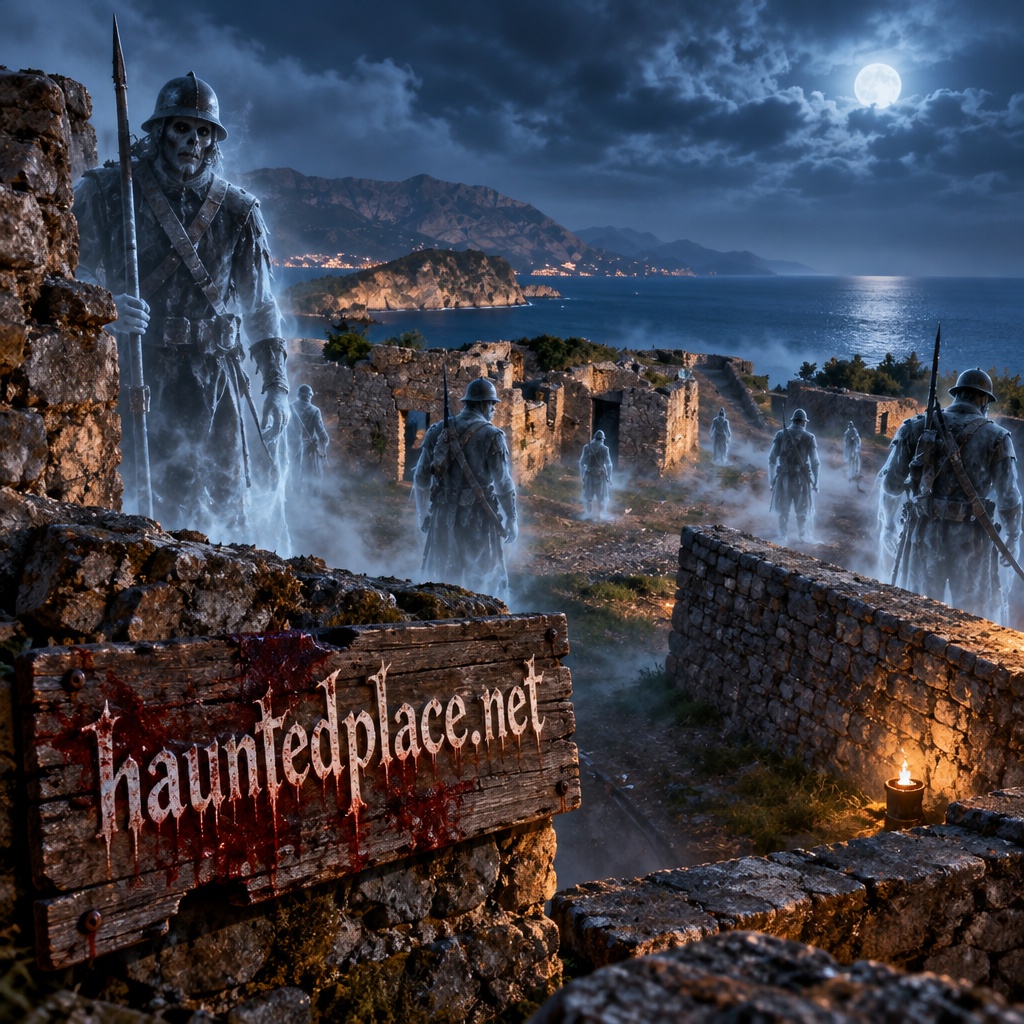
The cruel reality of such battles left a lasting mark on the image of the Rocca Maggiore. In popular tradition, historical violence and later imaginings merged into a tale of haunting. The souls of those killed in the castle during the feud – soldiers, prisoners and, presumably, people who were drawn into the conflict – are said never to have found rest. The fortress, once a place of refuge and a centre of power, became, in these tales, a place of the unredeemed dead. Particularly at night, when Assisi below the castle falls silent and the wind sweeps across Colle Asio, this legend takes on a haunting power. The walls of Rocca Maggiore are ancient, marked by the weather and the passage of centuries. Narrow passageways, dark staircases and locked rooms serve as a reminder that the castle was not intended as a residential palace. It was a military structure: built to defend, to observe and to hold out in an emergency. Anyone who delves into its history, focusing on the struggles between the Fiumi and Nepis, sees in these stones not merely architecture, but traces of an era in which violence was part of everyday political conflict. The legend of the restless spirits ties in directly with this past. It is not the story of a single, clearly identified ghost, but the sombre image of many victims. According to local tradition, the fallen warriors are bound to the place of their death. Their fate is said to echo within the ancient walls because the battles were so merciless. The image of the castle as a haunted place is therefore directly linked to the memory of the feud.
Such stories have been part of the perception of old castles in Italy for centuries. Yet in the case of Rocca Maggiore, the narrative takes on particular gravity due to its documented role as a fortress in a town marked by power struggles. Assisi is known throughout the world as the city of St Francis, a destination for pilgrims, and a centre of religious art and spiritual tradition. Yet towering above this seemingly peaceful city is a castle whose history is a reminder of political unrest and armed conflict. This contrast heightens the impact of the sombre legend. The castle had been a contested site long before the feud between the Fiumi and Nepis families. According to one account, the future Emperor Frederick II was born in the Rocca in 1194, when Assisi was under the rule of his father, Henry VI. A few years later, in 1198, the fortress was destroyed during an uprising by the inhabitants of Assisi. Its reconstruction in the 14th century once again made it a symbol of external control over the town. Thus, for generations, the Rocca stood for power, subjugation and resistance – themes that also characterised the conflict between the rival families. In the 15th century, Italy was a mosaic of city-states, papal territories, principalities and family interests. Major political developments had an impact even on towns such as Assisi. Local nobles were not mere spectators to these events. They had followers, weapons and networks at their disposal; their disputes could engulf entire neighbourhoods and the population of the surrounding countryside. The feud between the Fiumi and Nepis families must be viewed against this backdrop: as part of a system in which personal rivalries and political claims to power were frequently enforced by violence.
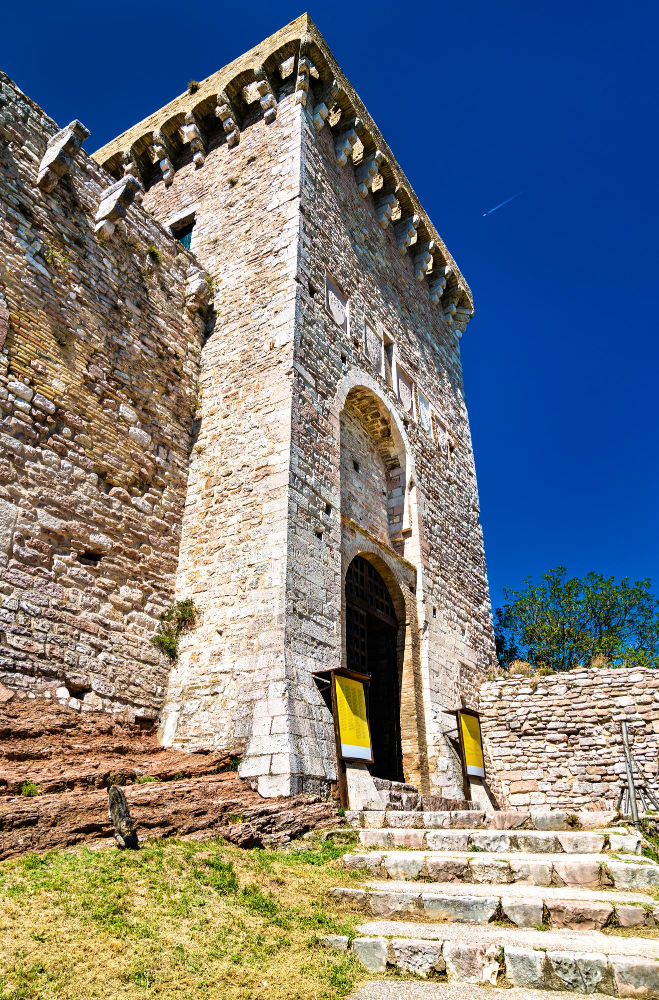
The Rocca Maggiore was more than just a backdrop in all this. Its walls could mean the difference between life and death. Whoever controlled the gates controlled access. Whoever occupied the towers dominated the surrounding area. During a siege, every courtyard, every staircase and every passageway became a potential battlefield or place of refuge. The idea that men in armour, armed servants and desperate defenders clashed there is not far-fetched historically. The legend, however, goes further: it tells of how the violence was so great that it transformed the place itself. From this memory arose the Rocca’s reputation as the castle of restless shadows. Whether visitors walk along the battlements at dusk or stand beneath the stone arches, the legend draws their gaze to what is not visible: to the nameless souls who perished in the conflicts of the powerful; to the fear of those trapped within; and to the echo of battles which, according to tradition, has never quite fallen silent.
The ghostly apparitions of the Rocca Maggiore thus do not belong to a romantic fairy-tale world, but to a sombre local narrative rooted in real historical violence. At its heart lies the feud between the Fiumi and Nepis families. Their conflicts turned the fortress, towards the end of the 15th century, into a place of siege, bloodshed and terror. Later, what remained above all was the belief that the dead had not been forgotten – and that some of them had never left the castle. When the sun disappears behind the Umbrian hills, the Rocca Maggiore stands out darkly against the sky. Seen from Assisi, it then seems less like a monument and more like a silent reminder of a turbulent past. This past lives on in the legends: in the voices of the fallen soldiers, in the invisible footsteps on the battlements, and in the ancient fear said to linger within the castle’s walls.