 Isabella Mueller Baroness of Stainton le Vale
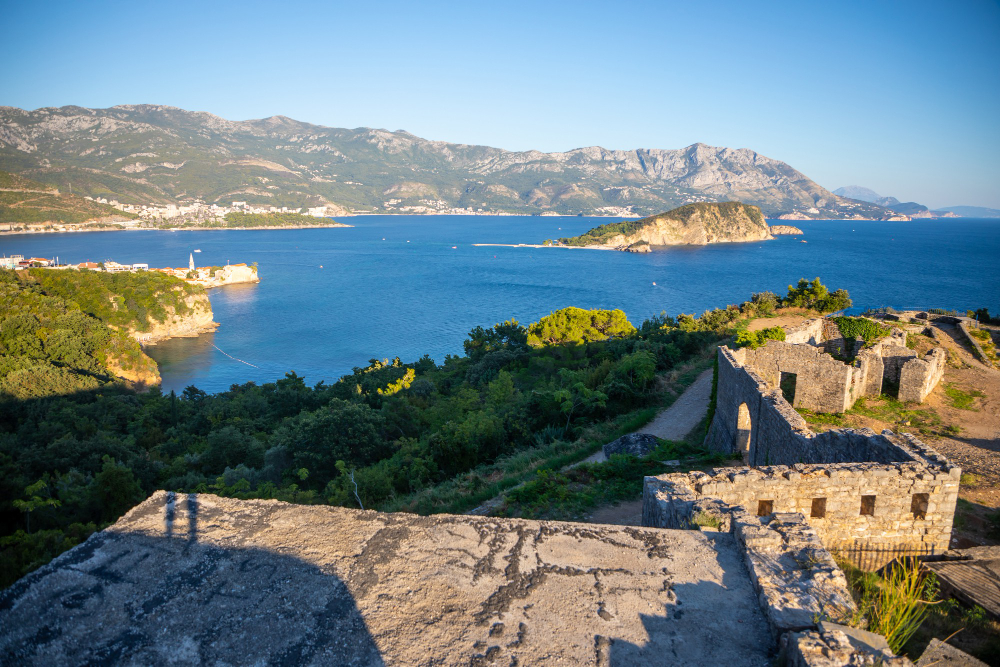
High above the Montenegrin coastal town of Budva lie the ruins of Mogren Fortress. Amidst dense Mediterranean vegetation, crumbling walls and views of the Adriatic Sea, the site initially appears to be a forgotten relic from a bygone era. Yet the complex is not merely a historical vantage point. In local tales, it is also a place of unrest: a ruin where the ghosts of fallen soldiers are said to stand guard to this day. The stories about Mogren are part of those sombre legends that often surround former military installations. Fortresses were places of defence, of fear and of waiting for an attack. People lived there under harsh conditions, cut off from the world outside the walls and constantly on guard against potential enemies. According to local lore, the souls of those men who once defended the position and died in the process have not moved on from Mogren. Instead, they remained within the ancient walls – symbolically serving their homeland as soldiers in eternal duty.
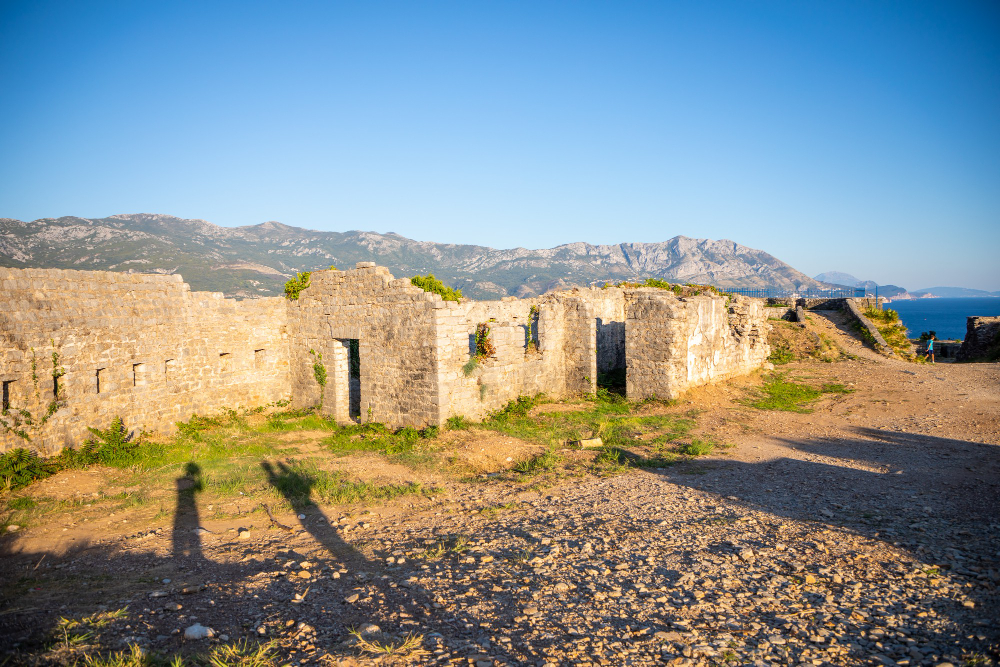
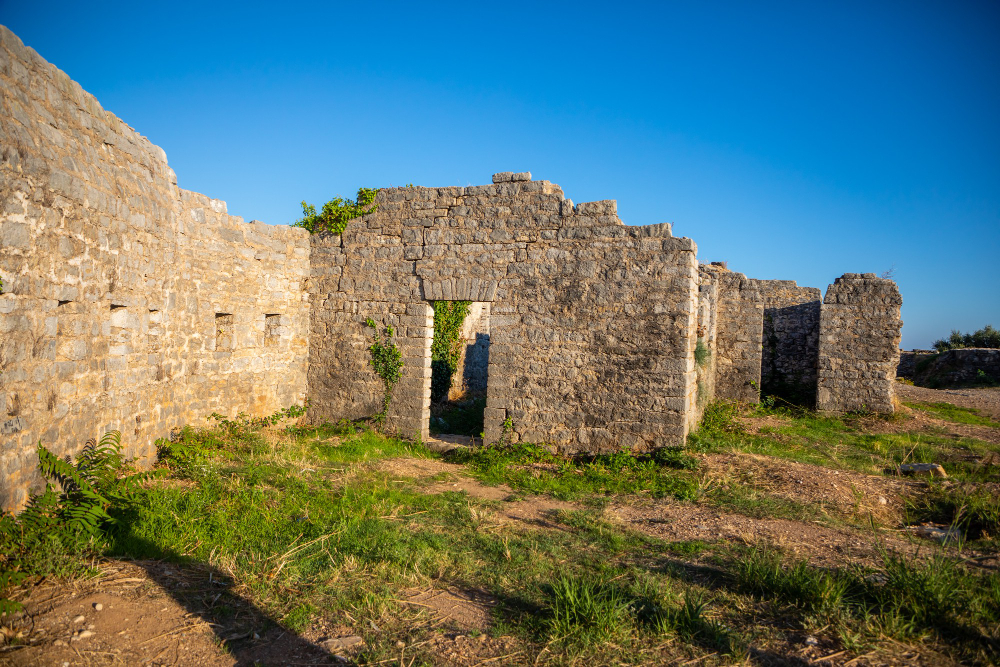
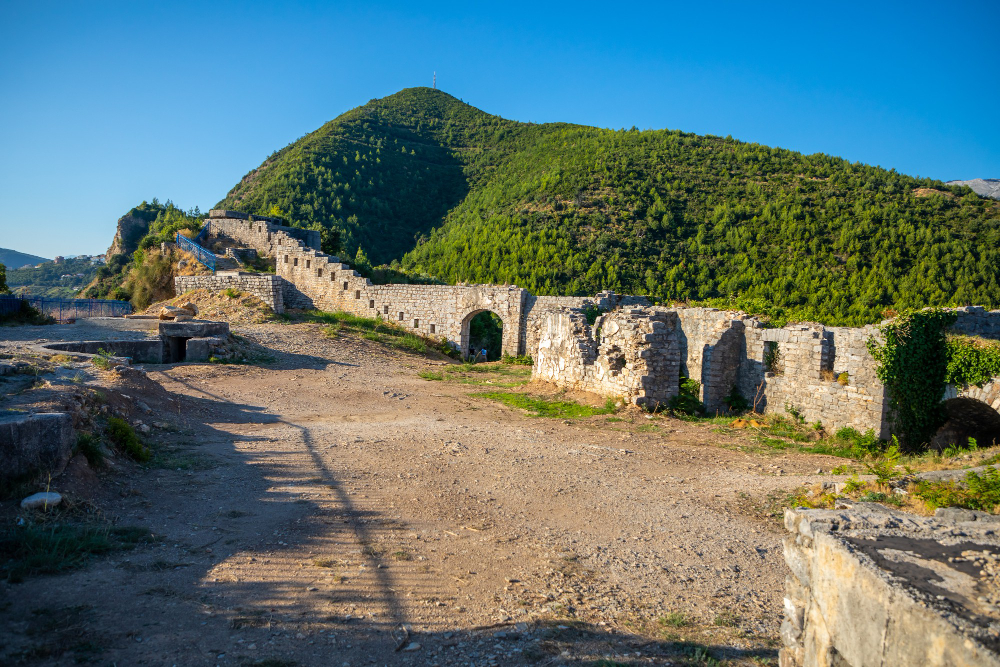
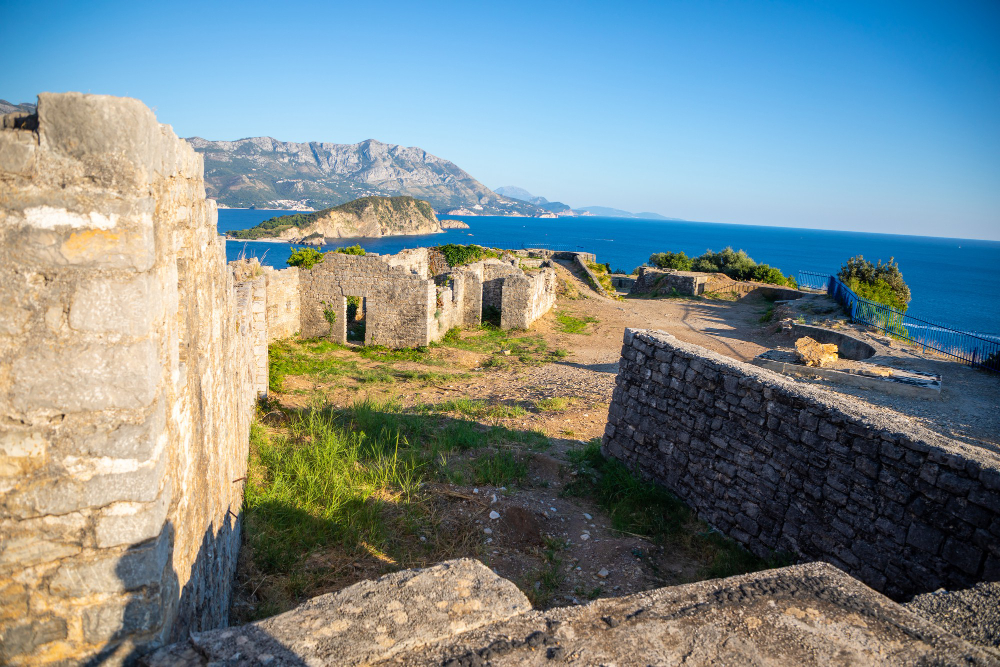
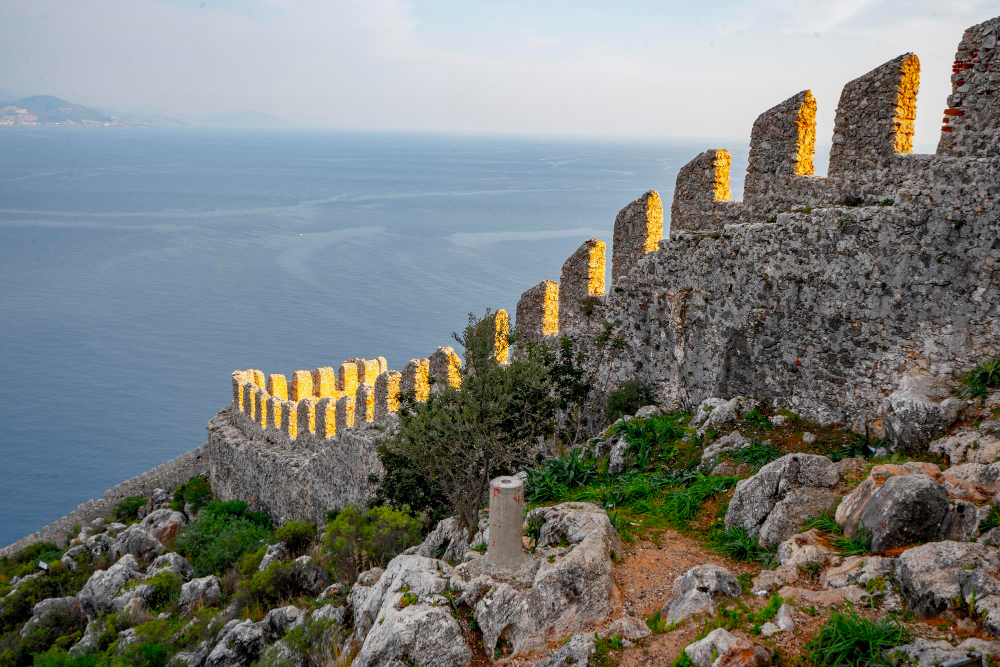
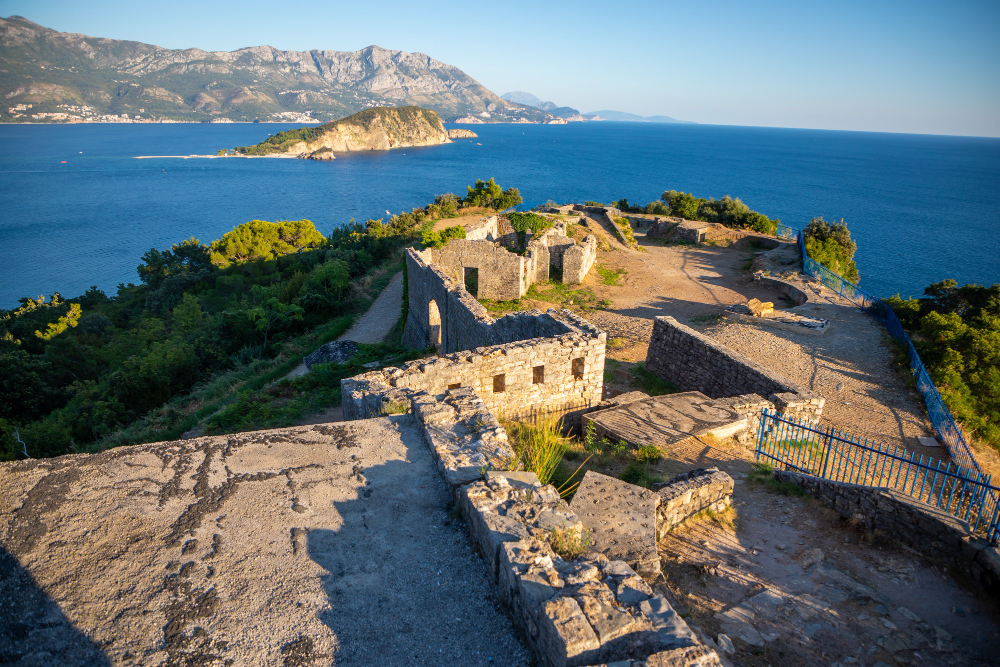
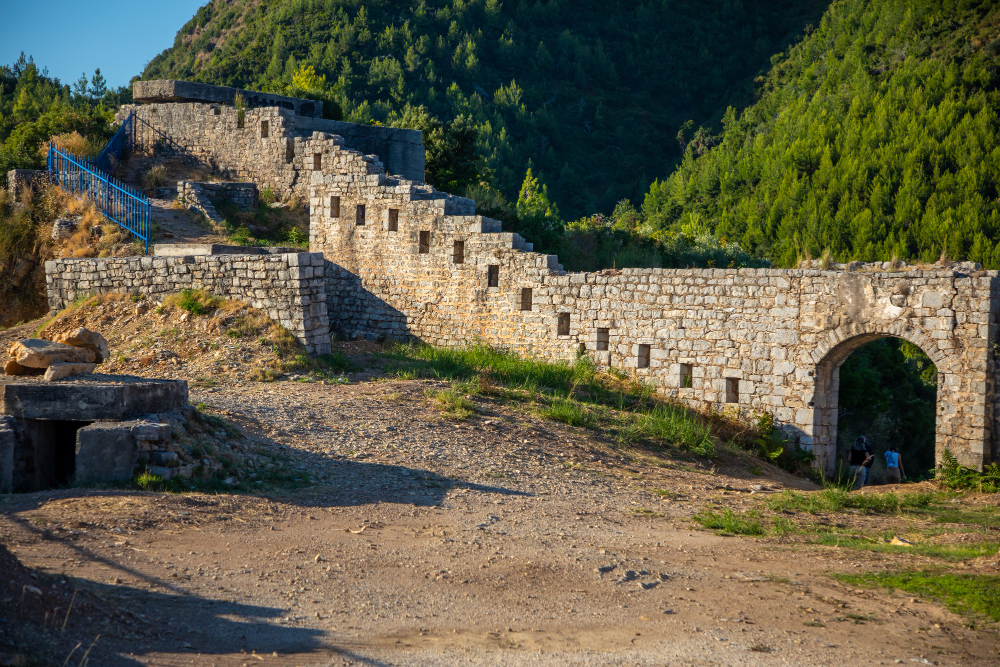
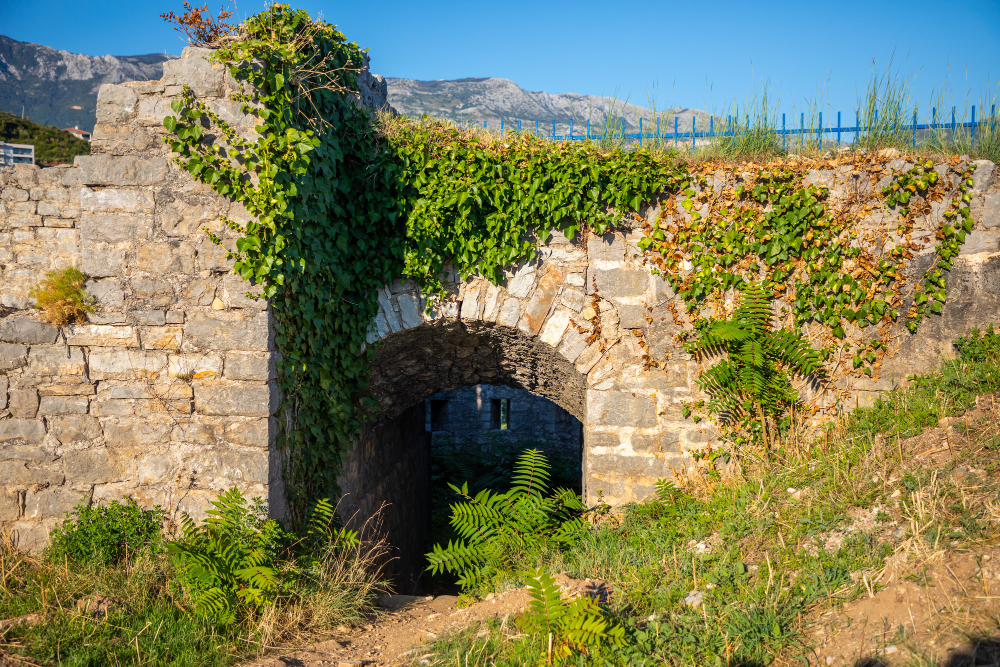
A fortress overlooking Budva Bay – Mogren Fortress, is situated on a ridge to the west of Budva. Its location was strategically chosen: from there, it was possible to monitor the coastline, as well as the access routes and paths around the town. The ruins lie above the beaches and bays of Mogren, a scenically stunning stretch of the Montenegrin Adriatic coast. The fortress was built during the Austro-Hungarian rule in the 19th century. Following the Congress of Vienna in 1815, the Habsburg Monarchy controlled large parts of what was then the Dalmatian coast. The Bay of Kotor and the surrounding areas were of great military importance. They lay on a politically sensitive border between different spheres of influence in the Balkans and the eastern Mediterranean. Over the course of the 19th century, the Austro-Hungarian authorities established an extensive network of fortifications, barracks and coastal defences. Mogren formed part of this defence system. Unlike medieval castles, the complex was designed to meet the demands of modern warfare: it was intended to control the terrain, protect troops and, in the event of an emergency, secure military movements along the coast. Today, the only real remnant of its former defensive character is the layout. Parts of the walls, passageways and fortified areas still reveal how cohesive and functional the complex was once designed to be. Yet nature has reclaimed large parts of the site. Shrubs grow through cracks in the masonry, paths wind past overgrown ruins, and some areas appear deserted and difficult to access. It is precisely this contrast between its military past and its present state of disrepair that characterises the atmosphere of Mogren.
From defensive structure to ruin – The history of the fortress is closely linked to the political upheavals of the 20th century. Following the end of the First World War, the Habsburg Monarchy collapsed. The area around Budva became part of the newly formed South Slavic state, from which Yugoslavia later emerged. As a result, the fortress lost its original function within the Austro-Hungarian coastal defence system. Like numerous historic military structures in the Balkans, Mogren was not permanently retained as an active installation. Over the decades, the fortress fell into increasing disrepair. Although the walls withstood wind, rain and the salty sea air, the lack of maintenance took its toll. Subsequent seismic activity and natural disasters exacerbated the damage. In particular, the severe earthquake of 1979, which struck large parts of the Montenegrin coast and the Bay of Kotor, is frequently cited in connection with damaged structures in the region. Consequently, the ruin today does not present a smooth, museum-like portrayal of the past. It is a place where different layers of time lie visibly side by side: Habsburg military planning, the political changes following the First World War, decades of decay and the ongoing impact of nature. This incompleteness provides fertile ground for legends. Where historical documents leave gaps and where once strictly controlled spaces now stand empty, narratives emerge. They give the walls a voice – not in a scientific sense, but in a cultural one.
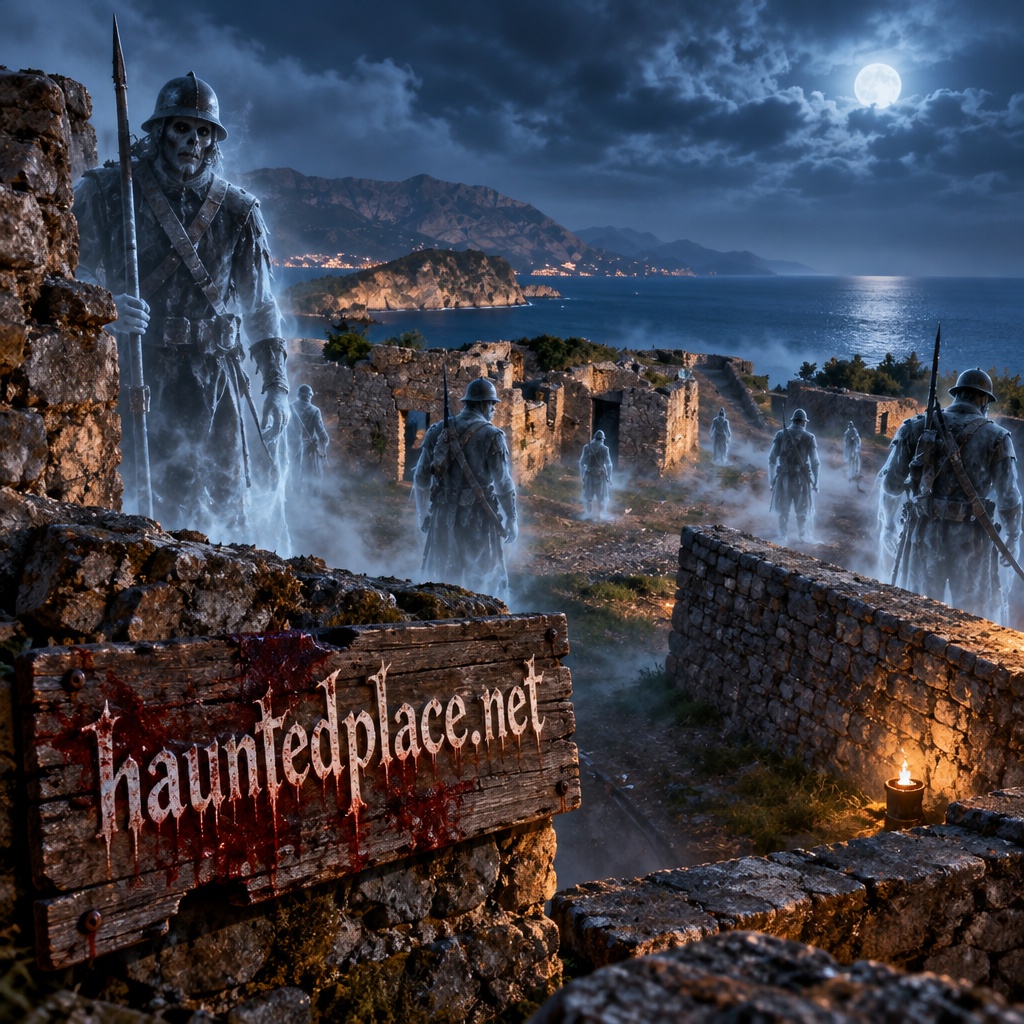
The legend of the soldiers who could not leave – The best-known sombre legend surrounding Mogren tells of fallen soldiers. According to local tales, the men who defended the fortress and lost their lives there are said to remain present within the complex. Their ghosts are said to be bound to the place, as if they had not relinquished their military duty even after death. The image is haunting: invisible sentries in deserted corridors, footsteps on ancient stones, shadows behind walls that no one has guarded for a long time. In some versions of the tale, the soldiers are said to patrol at night. Other interpretations are more cautious, viewing the ‘ghosts’ as a reminder of those who served in the fortress during times of conflict and occupation. It is important to distinguish between legend and documented history. There is no scientific evidence for supernatural apparitions. Nor can every specific account of individual deaths within the complex be unequivocally verified historically. The notion of haunting soldiers therefore belongs to the realm of local folklore and modern ghost stories, not to established military history. Nevertheless, the legend is not without significance. It points to a real historical experience: military border areas were stressful places for the people stationed there. Soldiers often spent long periods away from their families. They lived in barracks or fortresses, were subject to strict discipline and lived under the shadow of potential violence. Remote coastal fortifications in particular could create a sense of isolation. The notion of eternal sentry duty is thus a symbolic distillation of this past. The soldier ghosts of Mogren do not necessarily embody a single verifiable battle. Rather, they represent the memory of war, foreign rule, duty and loss – themes that recur in the stories of many old fortresses.
Why ruins are so often regarded as haunted places – Mogren is not an isolated case. Throughout the Balkans, but also in Central Europe, Great Britain and France, castles, bunkers and fortresses are associated with ghost stories. There are several reasons for this. For one thing, military installations are inherently associated with threat. They were built because people anticipated attacks. Thick walls, embrasures, underground chambers and narrow passageways still convey a sense of isolation to this day. Anyone moving through a ruin can often still sense its original function: protection from enemies, control over routes, surveillance of the surrounding area. Secondly, acoustic and visual impressions heighten the effect. Wind sweeping through empty openings can sound like a whisper. Loose stones or animals produce sounds that are difficult to identify in the darkness. Shadows fall differently in winding corridors than they do in open terrain. The brain attempts to interpret unclear stimuli – and in doing so often falls back on familiar patterns. In a former fortress, the image of a soldier in the shadows feels more plausible than in a modern setting. Added to this is the power of oral tradition. A story that is repeated changes the way a place is perceived. Visitors then enter the ruins not merely as a historical site, but as the setting for a well-known legend. The same dark passageway suddenly seems more menacing because one has previously heard of a night watchman.
Between tourism, remembrance and respect – Budva is one of Montenegro’s best-known holiday resorts. The old town, the beaches and the coastal landscape attract numerous travellers every year. The Mogren Fortress lies away from the main tourist areas and is, for that very reason, particularly appealing to many people. It combines nature, history and an atmosphere that is markedly different from the city’s bustling promenades. However, visiting a ruin requires caution. Historic fortifications are not always fully secured. Uneven ground, loose stones, missing railings and overgrown access points can be dangerous. Anyone visiting the site should follow the official on-site instructions, avoid entering restricted areas and ensure they are wearing sturdy footwear. A visit after dark is not a good idea, if only because of the rough terrain – regardless of whether you believe in ghosts or not. At the same time, the site deserves respect. The walls of Mogren are not merely a backdrop for spooky photos. They are the remains of a time when the Adriatic coast was a hotbed of military conflict and heavily fortified. The legend of the soldiers can inspire visitors to reflect on this past: on the people who served in such places, on shifts in political power, and on the traces that conflicts leave behind in the landscape.
A place where history echoes on – Whether ghosts actually roam the Mogren Fortress remains a matter of belief and imagination. Historically documented, however, are the Austro-Hungarian roots of the complex, its strategic location above Budva and its subsequent decline. The tale of the fallen soldiers straddles the line between memory, local folklore and the romance of horror. It is precisely this that gives it its power. Mogren tells not only of stones and walls, but also of what people wish to see in ruins: traces of the past, unresolved fates and the feeling that some places do not fully reveal their history. When, in the evening, the sounds of Budva fade into the distance and the wind sweeps across the deserted walls, the notion of an eternal watch seems at least plausible. Not as a proven phenomenon – but as a powerful image for a fortress whose military past lives on in legends.