 Isabella Mueller Baroness of Stainton le Vale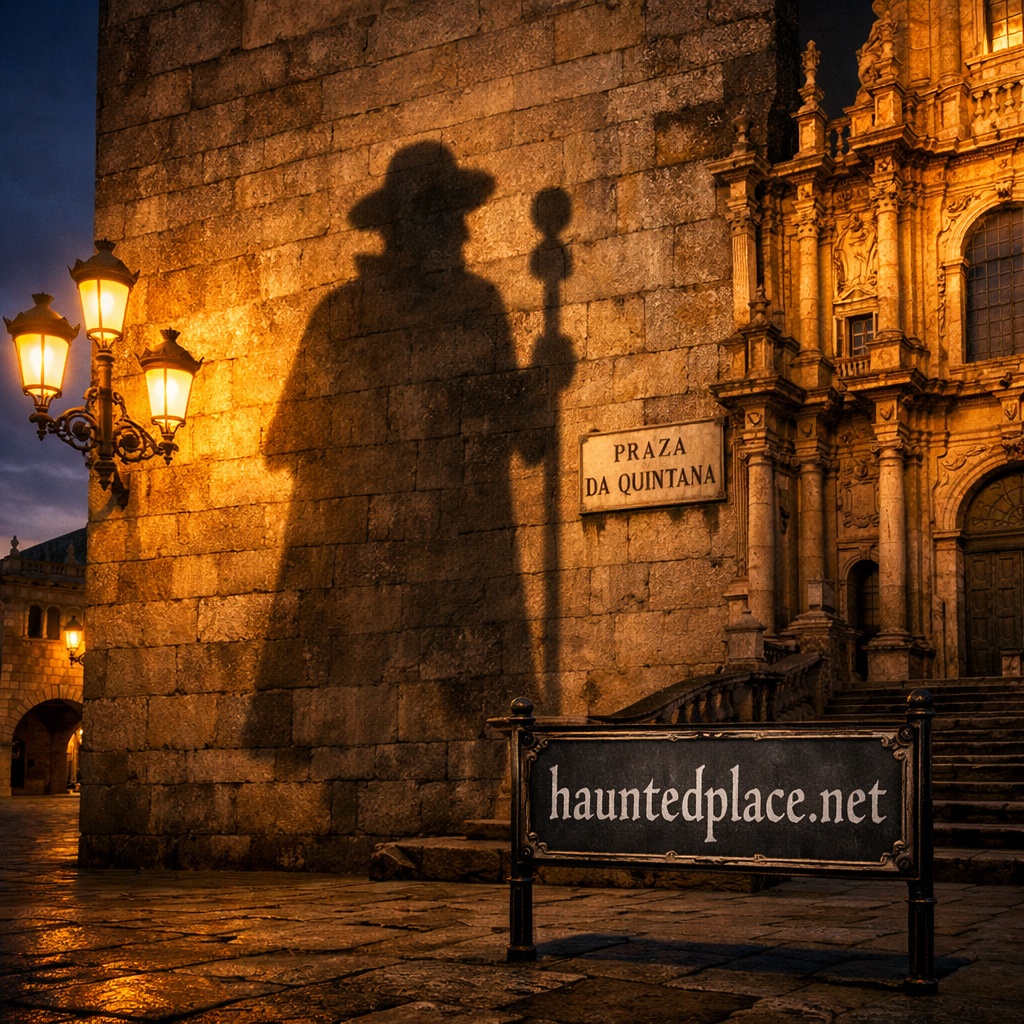
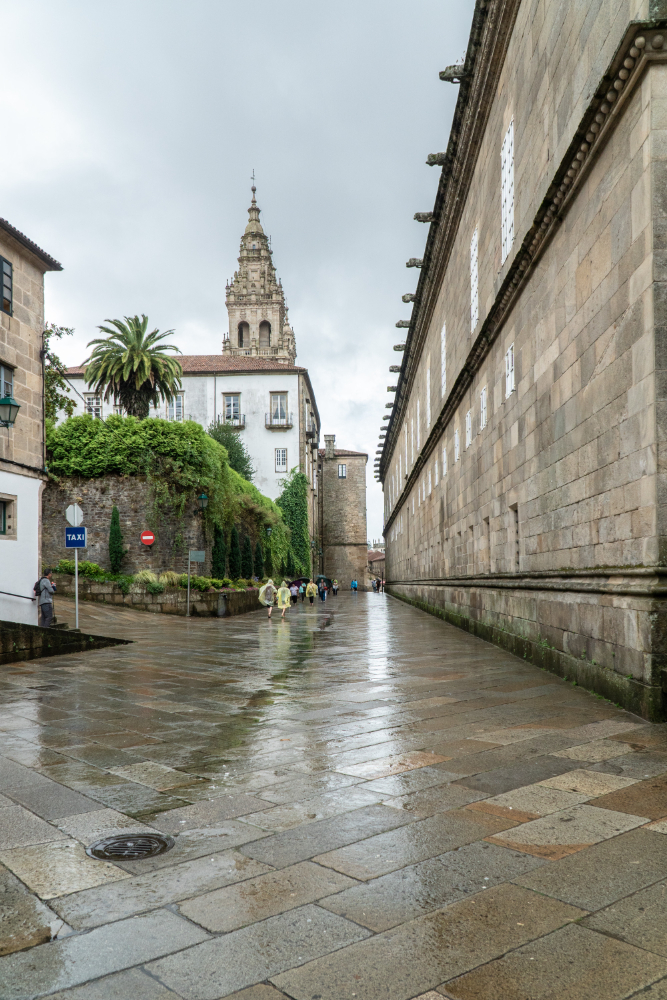
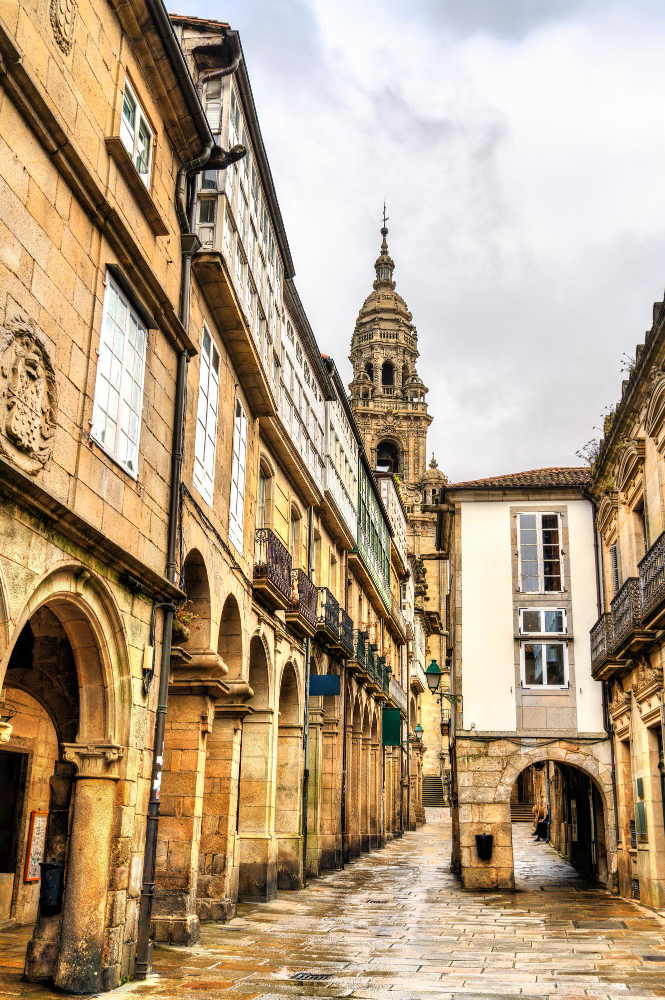
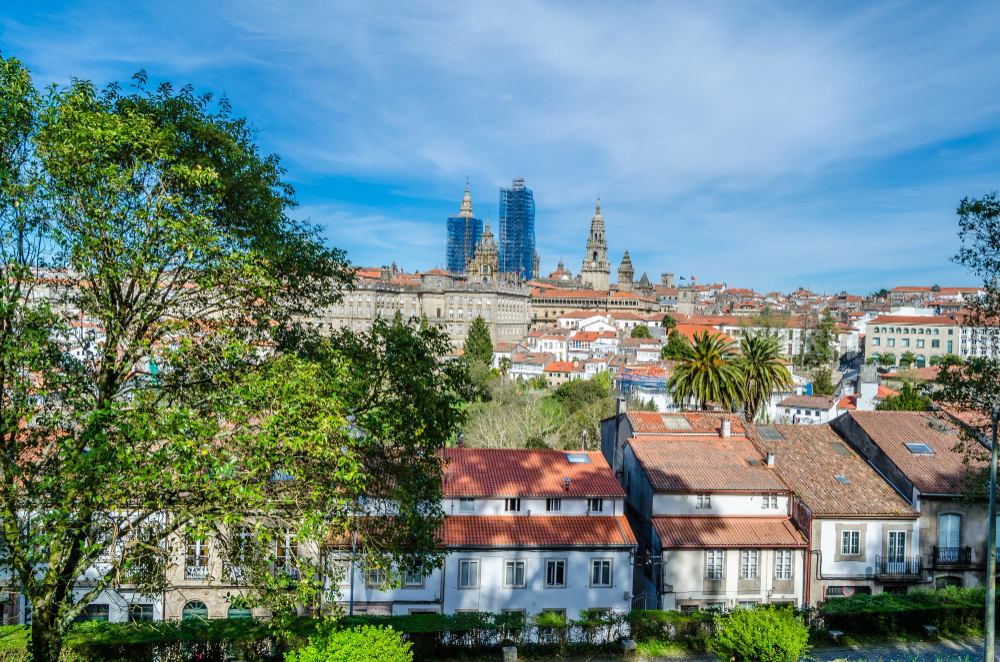
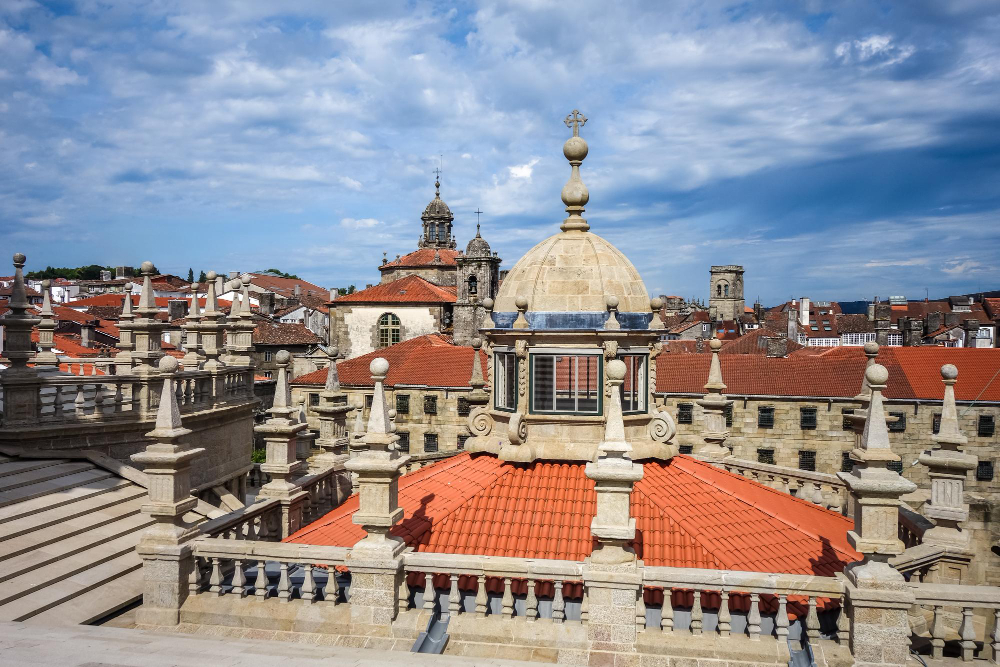
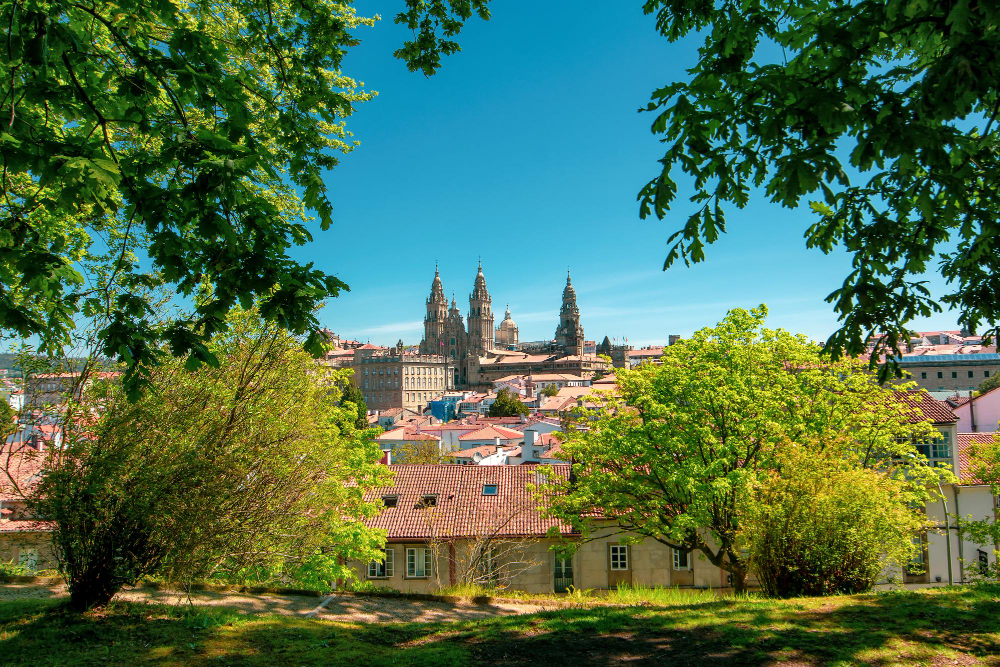
Santiago de Compostela, the famous city at the end of the Way of St James, is not only a place of spiritual reflection and deep religious significance, but also the setting for numerous legends and supernatural phenomena. Especially at night, when the streets are deserted and the shadows grow ever longer, the city seems to be filled with a mysterious atmosphere. One such story tells of an apparition that has been sending shivers down people’s spines for generations: the so-called ‘Shadow of the Pilgrim’, which appears every evening in the Praza da Quintana. Yet this legend is just one of many dark tales that lend Santiago a ghostly atmosphere.
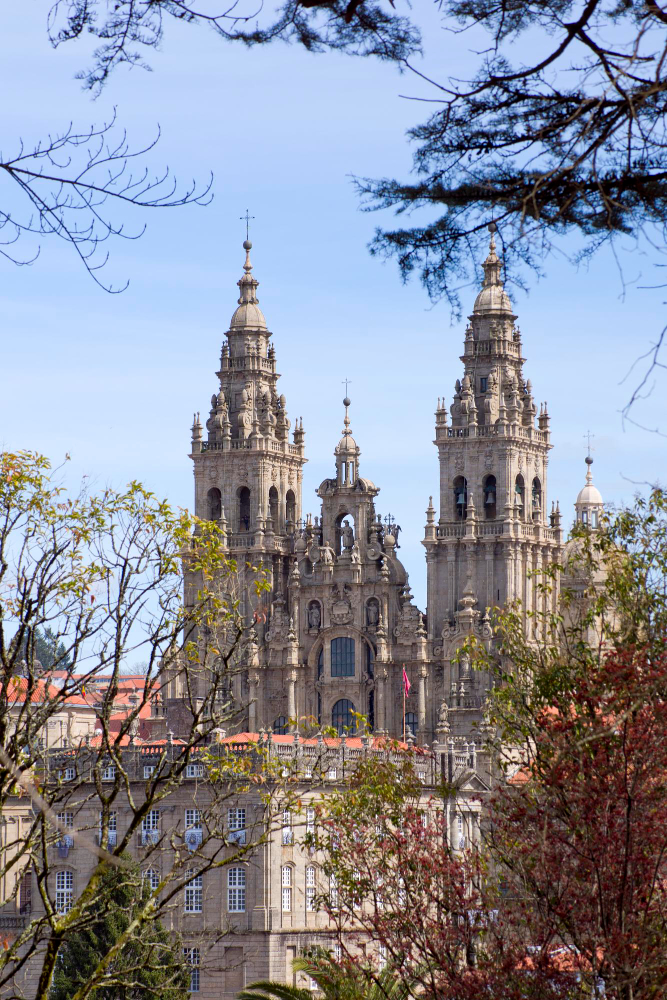
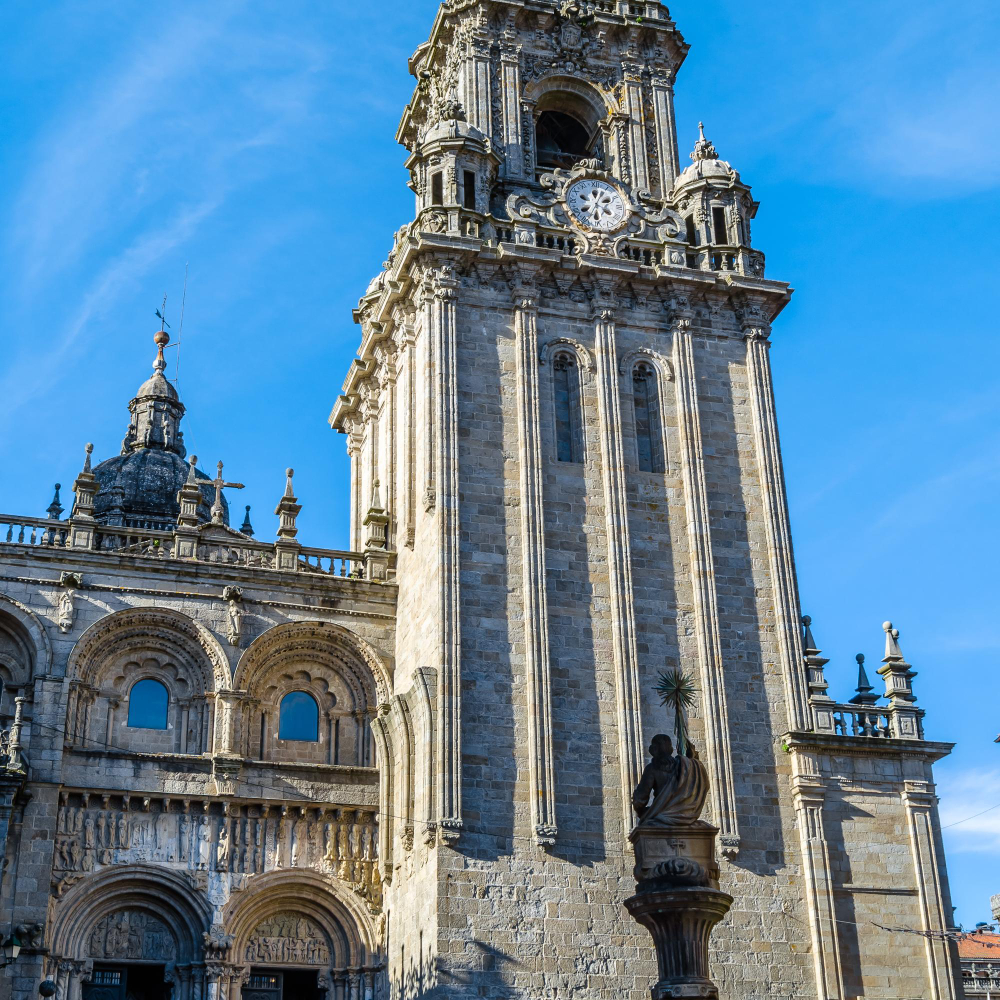
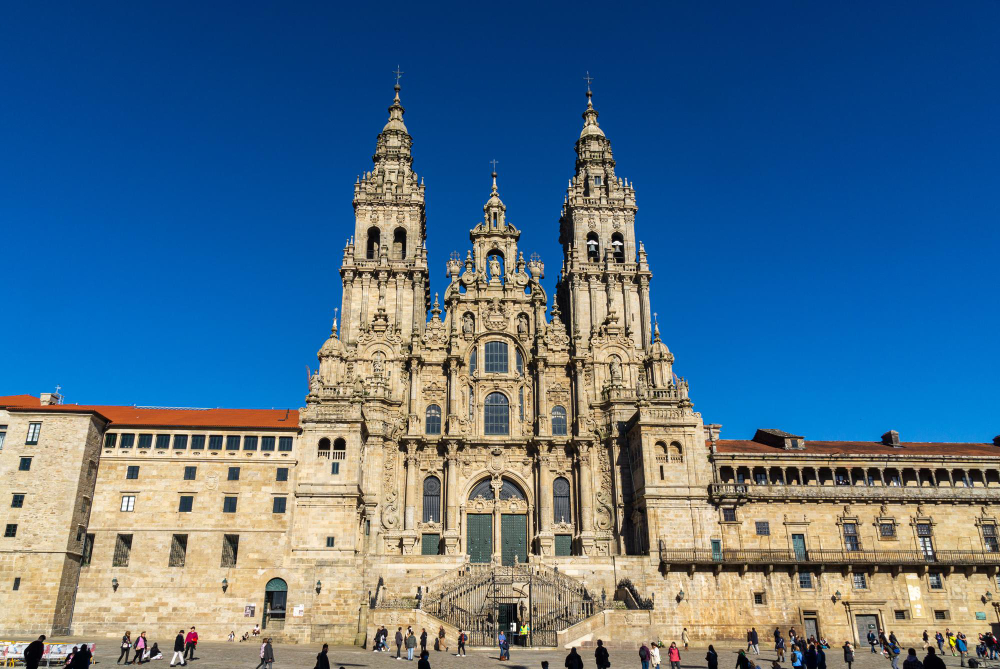
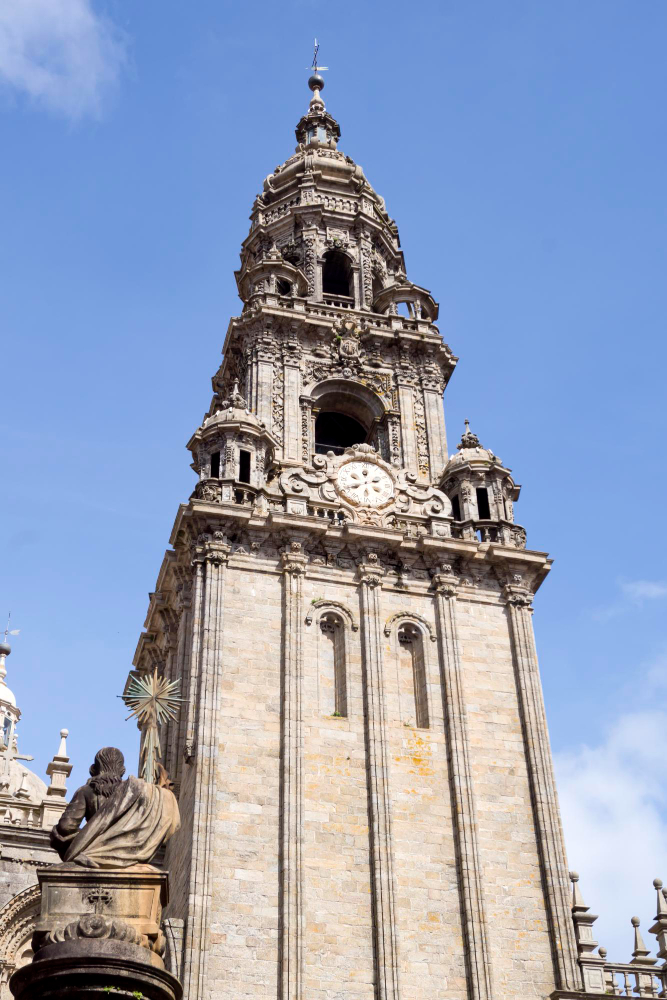
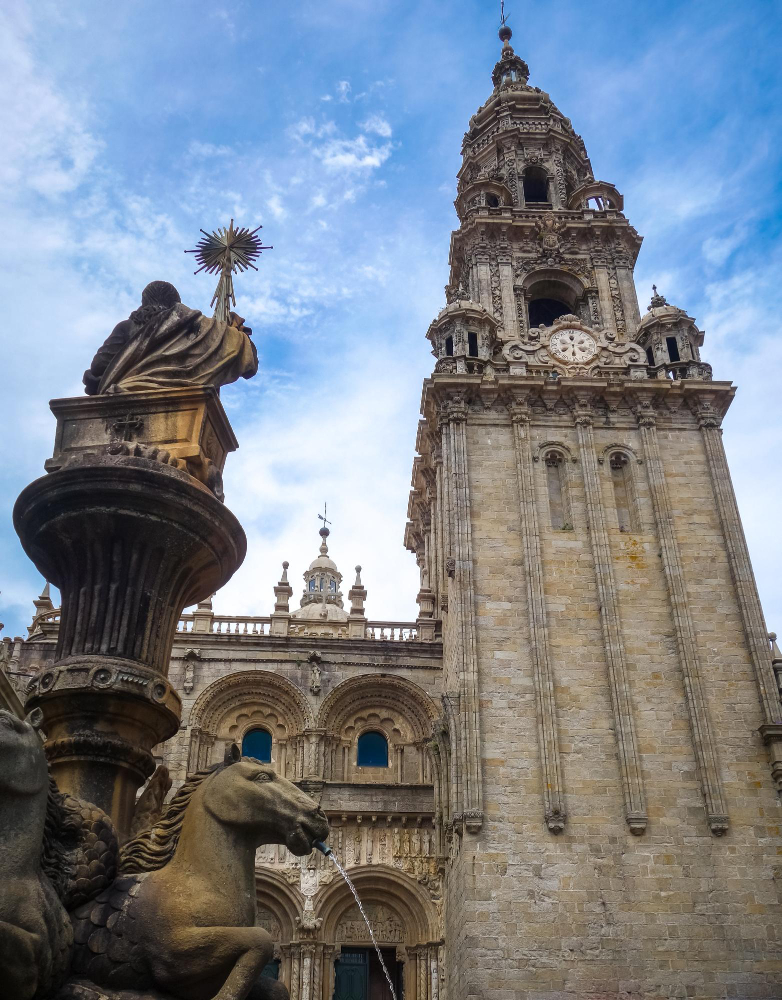
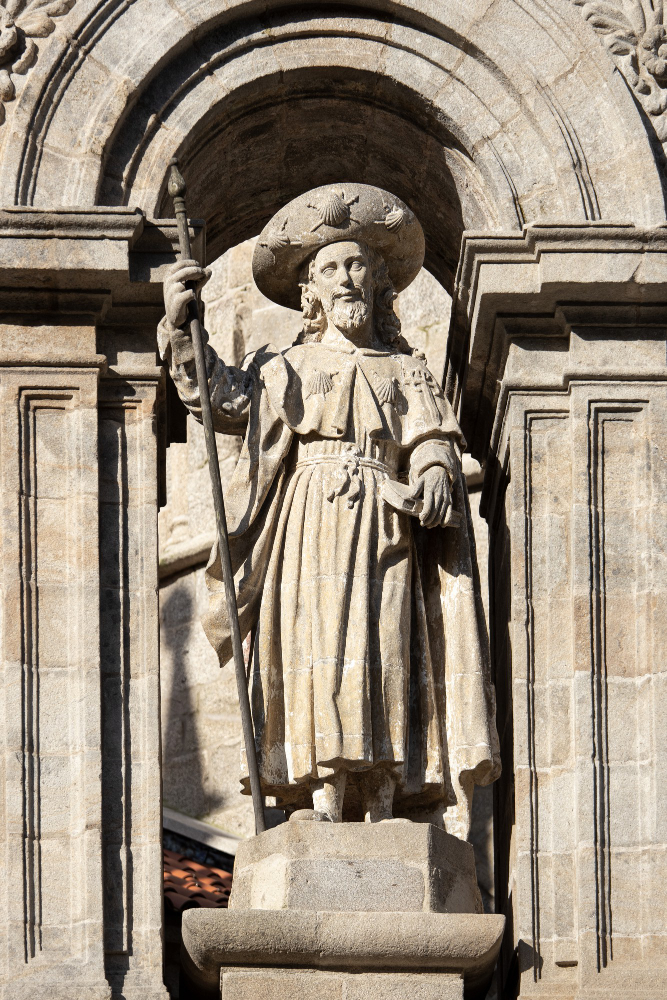
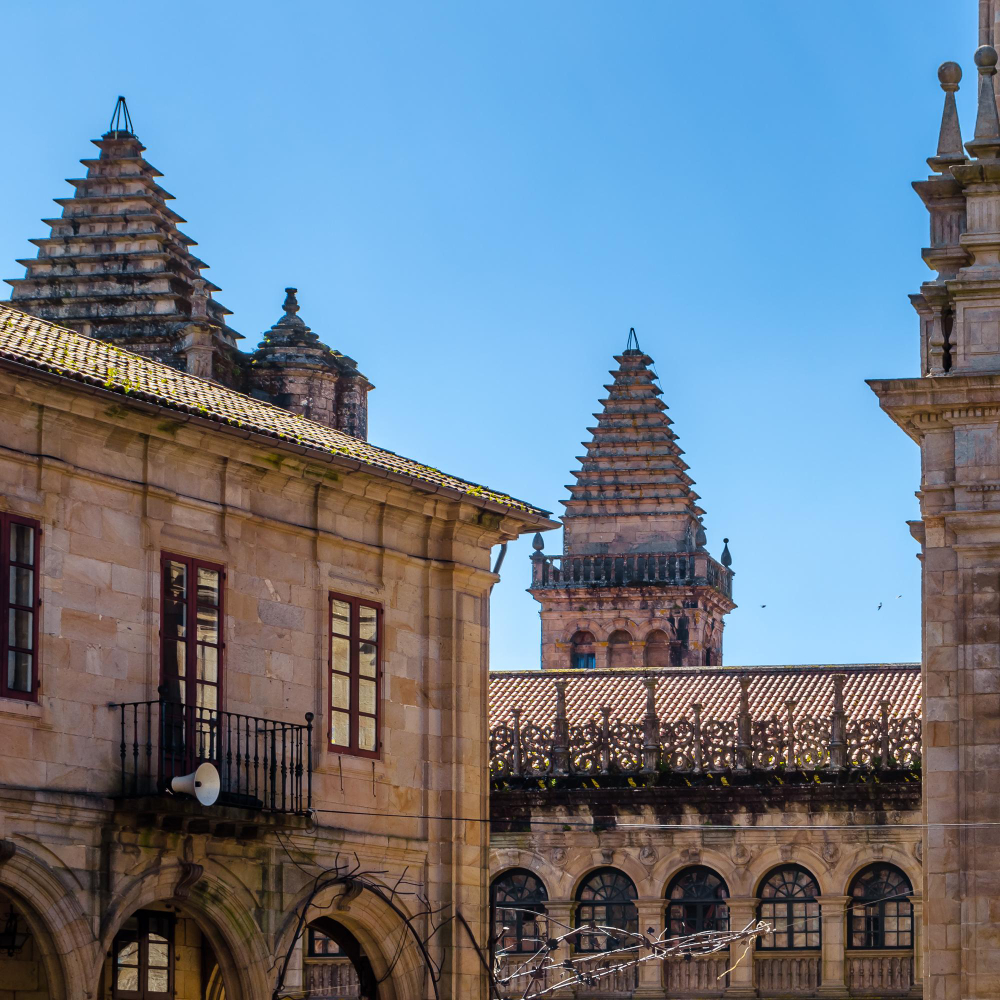
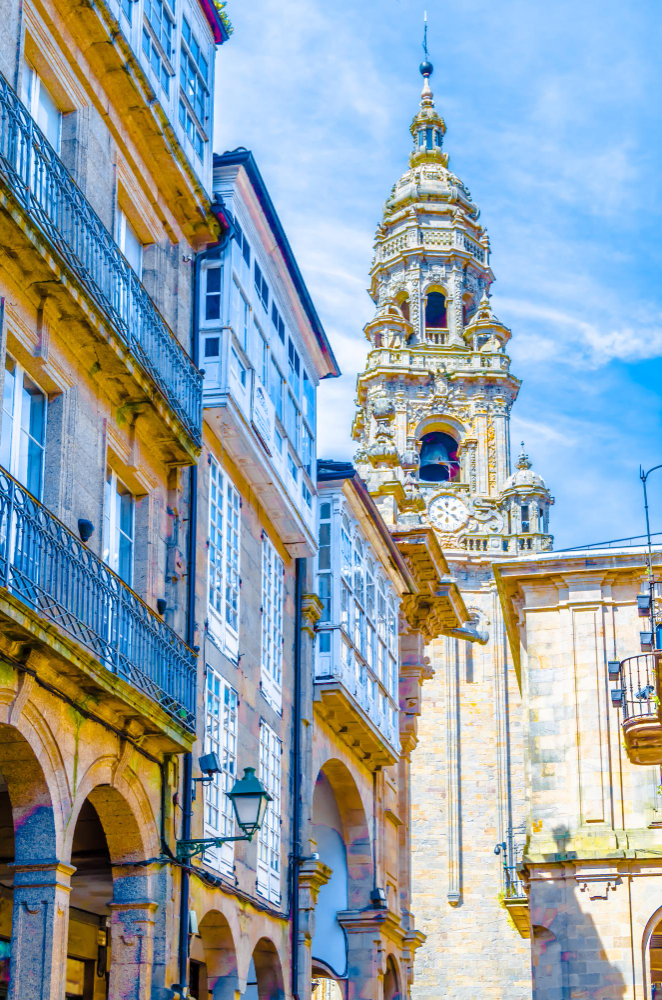
The Shadow of the Pilgrim: An Unexplained Phenomenon – As dusk falls over Santiago de Compostela and the light from the streetlamps bathes the magnificent cathedral in a golden glow, something eerie happens. On the cathedral’s façade, right on the Praza da Quintana, a dark outline takes shape – the silhouette of a pilgrim wearing a hat and a cloak and holding a staff. Yet this is neither a photographer passing by by chance nor a passer-by whose shadow is cast by the lighting. No, this shadow is different. It appears every night, always in the same spot, as if it had become part of the stone wall. The town’s residents say that neither a gust of wind nor rain nor a change in the lighting can make the shadow disappear. Even when the streets are deserted and no one is standing in front of the wall, the mysterious figure remains visible. Many visitors report feeling uneasy when they look at the phenomenon up close – as if the shadow were watching them, even though it has no eyes. But what lies behind this eerie spectacle? Is it an optical illusion, an architectural feature, or something supernatural after all?
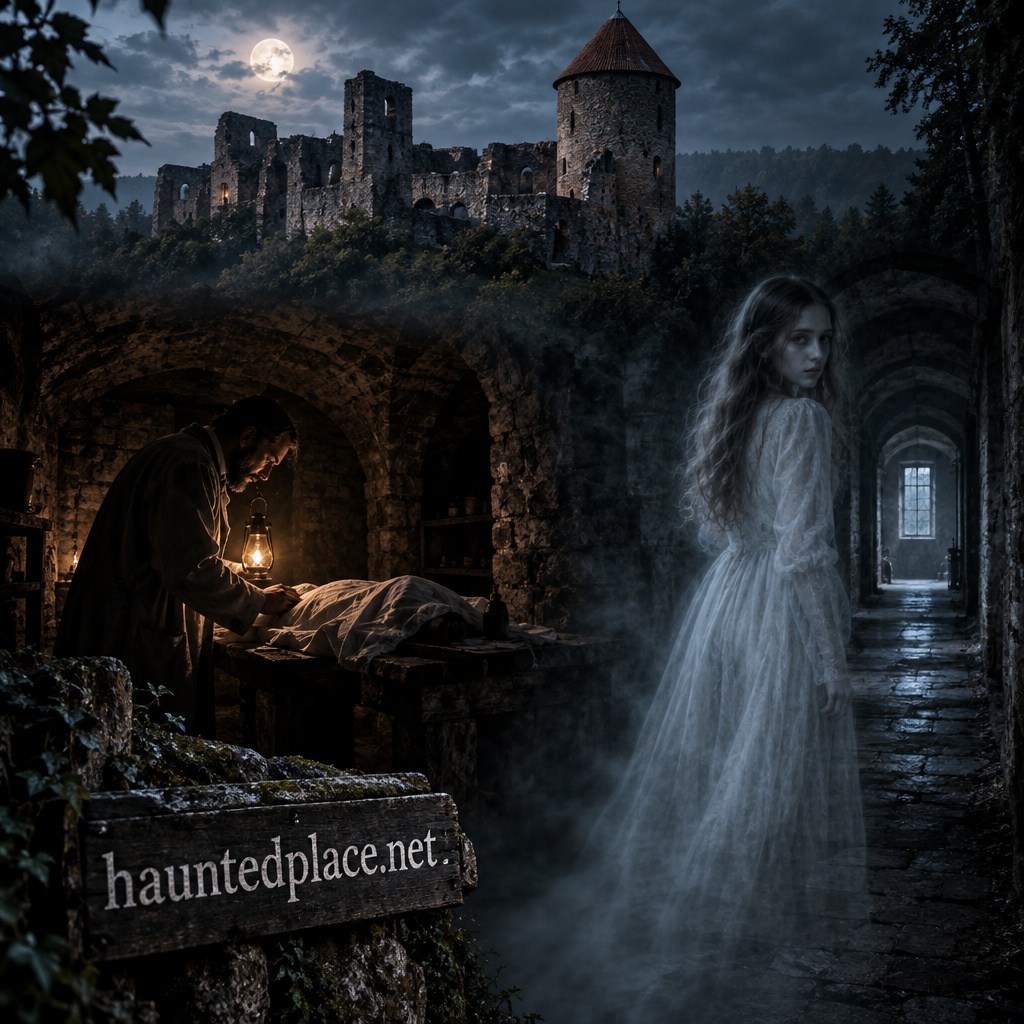
The tragic story behind the apparition – Yet the legend of the shadow goes far beyond the purely visual. It is said that the pilgrim’s shadow is the restless spirit of a priest who once developed a fateful love for a nun, thereby plunging not only himself but also his soul into ruin. Centuries ago, a young priest lived in Santiago who had earned a good reputation for his wisdom and piety. Yet behind his pious façade lay a heart full of longing. The priest fell madly in love with a nun from the nearby convent. Their love was forbidden, for both he, as a servant of the Church, and she, as the bride of Christ, regarded worldly affection as a sin. Nevertheless, they could not suppress their feelings for one another and decided to give in to their secret passion. To escape their strict surroundings, they planned their escape. The priest suggested they meet in the darkness of night at Praça da Quintana, disguised as pilgrims so as not to attract attention. The nun agreed and promised to come and set off with him into an uncertain future. But when the priest waited in the square at the agreed time, she did not appear. Hour after hour passed, and eventually it dawned on him that she would never come. Overwhelmed by grief and despair, he was left alone – and is said to have died of a broken heart shortly afterwards. It is said that his soul has found no peace. Driven by the endless hope that the nun might still appear, his shadow is said to appear every night at the cathedral to this day. Those who look closely are said to recognise the longing and pain in the posture of this ghostly silhouette.
Between myth and reality – The story of the pilgrim’s shadow evokes both fascination and a shudder in locals and tourists alike. Some regard the legend as nothing more than a romanticised tale intended to emphasise the city’s mystical aura. Others swear they have seen the shadow themselves and that its presence was palpable – an indescribable mixture of melancholy and fear. Scientists and historians have also attempted to unravel the mystery behind this phenomenon. Some suspect that the shadow is an optical illusion created by the cathedral’s distinctive architecture and the arrangement of the street lamps. Others believe it could be an ancient tradition or a work of art deliberately created to fuel the legend. To this day, however, there is no definitive explanation that has fully solved the mystery. The Pilgrim’s Shadow thus remains a symbol of Santiago de Compostela’s close connection with the uncanny and the inexplicable.
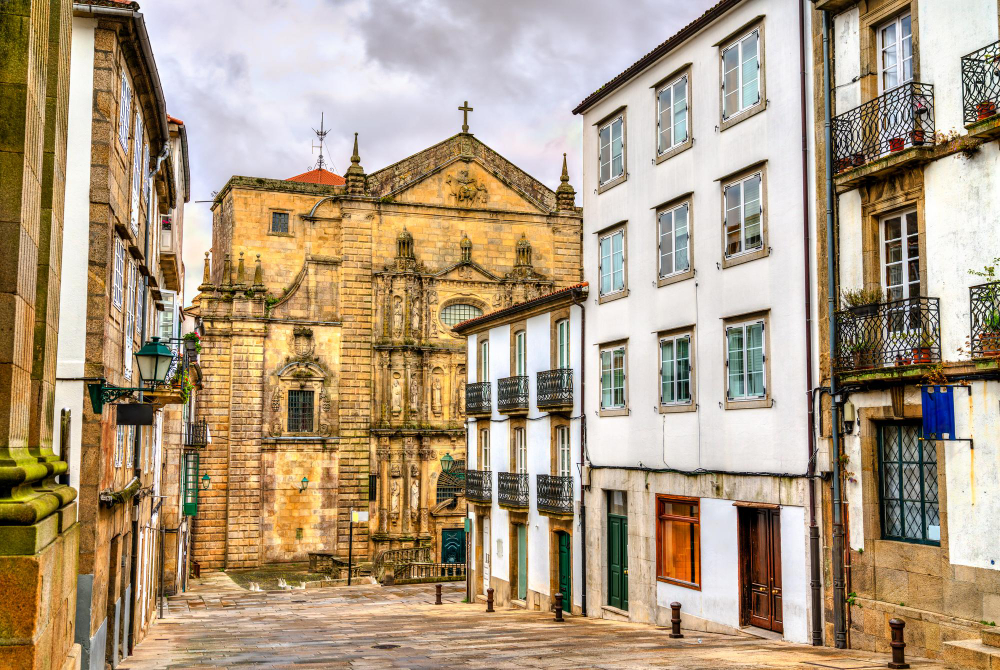
More ghost stories from the Praza da Quintana – The pilgrim’s shadow is not the only eerie element surrounding Praza da Quintana. The square, which is now used by tourists as a photo spot and meeting place, was once a cemetery where countless people were buried. Many of the graves were later relocated, yet the place’s sombre energy is said to linger. Visitors report strange noises and an oppressive atmosphere, particularly at night. Some even claim to have heard whispering voices that seemed to come from the ground. This eerie atmosphere fits with the numerous stories of ghosts and restless souls that are said to haunt the Praza da Quintana. Perhaps the cries of those who were once buried here have not yet fallen completely silent.
Witches, Curses and Meigas: The Dark Side of Folklore – Santiago de Compostela is also closely linked to Galician witch folklore, the so-called ‘Meigas’. These witch figures are an integral part of the region’s myths and stories. Whilst they are often described as wise women well-versed in medicinal herbs and magical practices, they are equally regarded as bringers of curses and misfortune. The influence of the meigas can still be seen today in local culture and in old proverbs that warn against evil forces. It is said that some Meigas performed rituals in the town’s squares that attracted dark energies. The Praza da Quintana, in particular, is said to have been a place where such ceremonies took place. Many a tourist reports feeling a cold draught and a sense of unease when entering this square at night. Whether supernatural forces are actually at work there, however, remains a mystery.
A place full of mysteries – Santiago de Compostela is undoubtedly a place that impresses every visitor – be it through its religious significance, its historic architecture or its dark secrets. The Shadow of the Pilgrim is considered one of the city’s best-known and most eerie legends, attracting thousands of curious travellers every year. It remains unclear whether the phenomenon can be explained by scientific factors or whether it is, in fact, a sign of a restless soul that has been waiting for salvation for centuries. Anyone visiting Santiago should not only explore the spiritual sights but also discover the city’s mysterious places. Perhaps you’ll encounter the Pilgrim’s Shadow yourself – and sense the echo of a tragedy that has never been forgotten. But be warned: in Santiago de Compostela, the line between myth and reality is sometimes unnervingly thin.