 Isabella Mueller Baroness of Stainton le Vale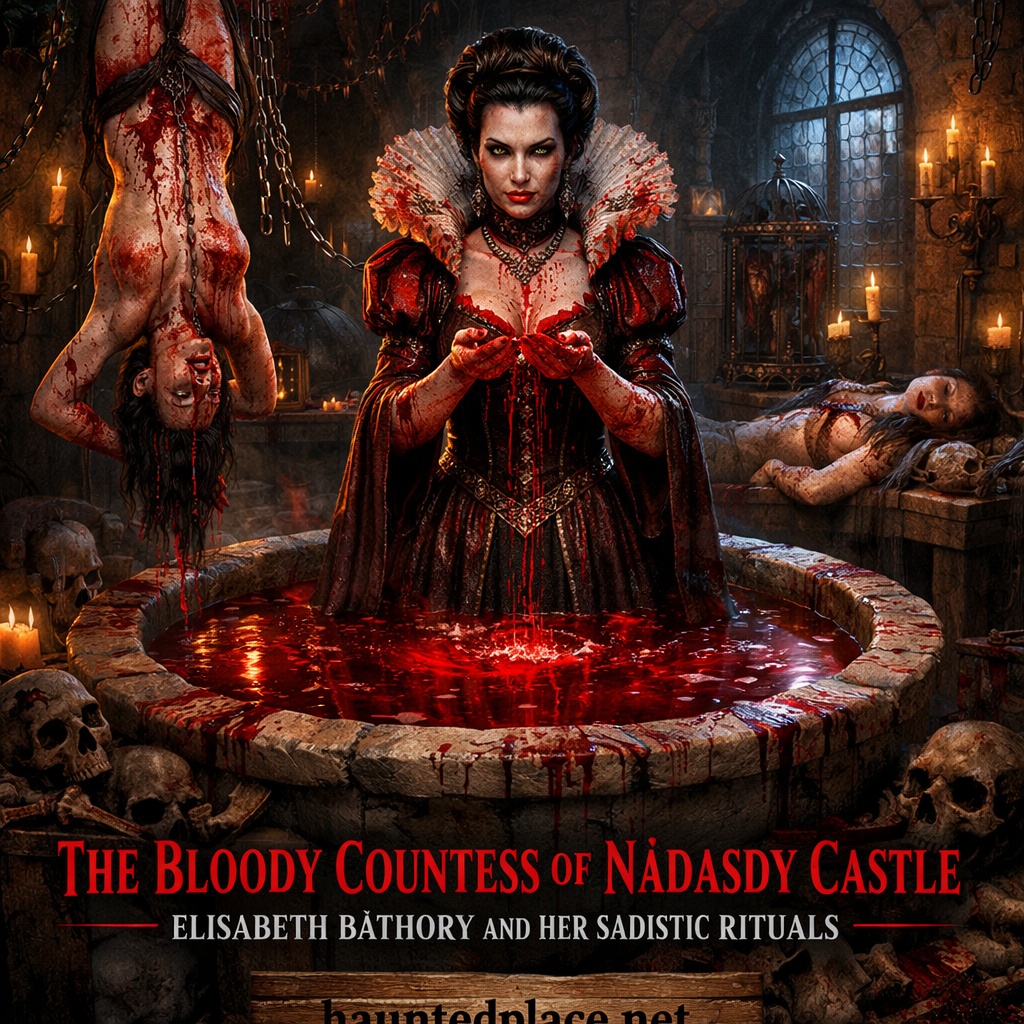
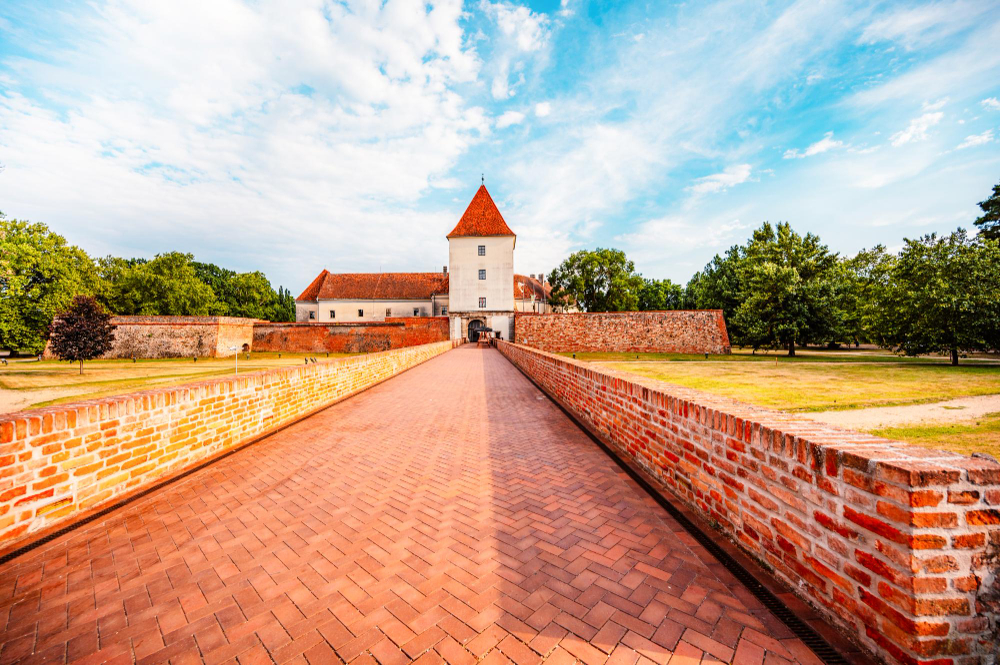
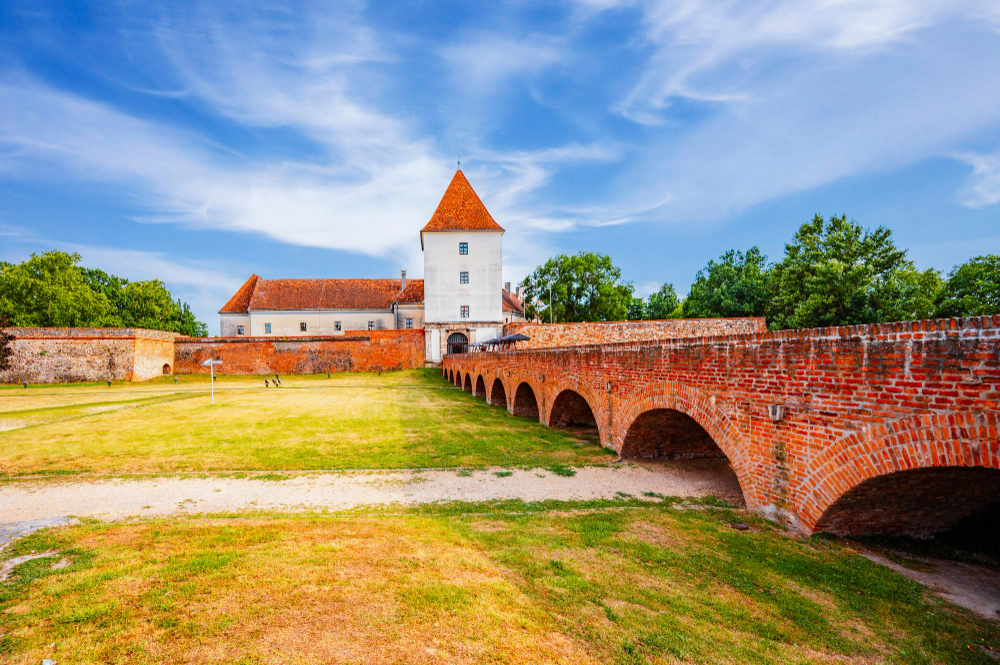
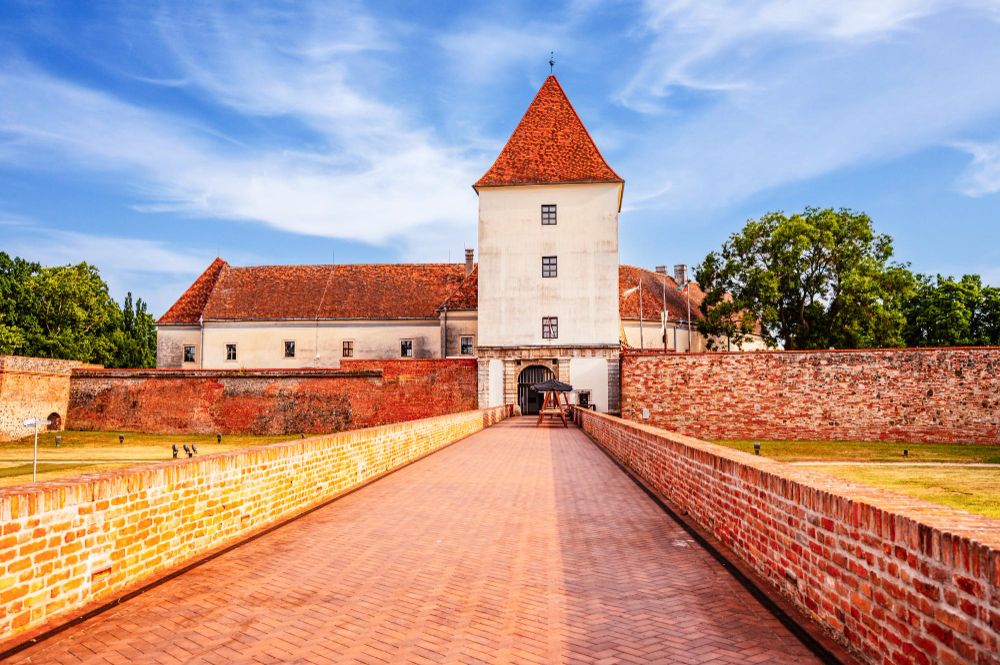
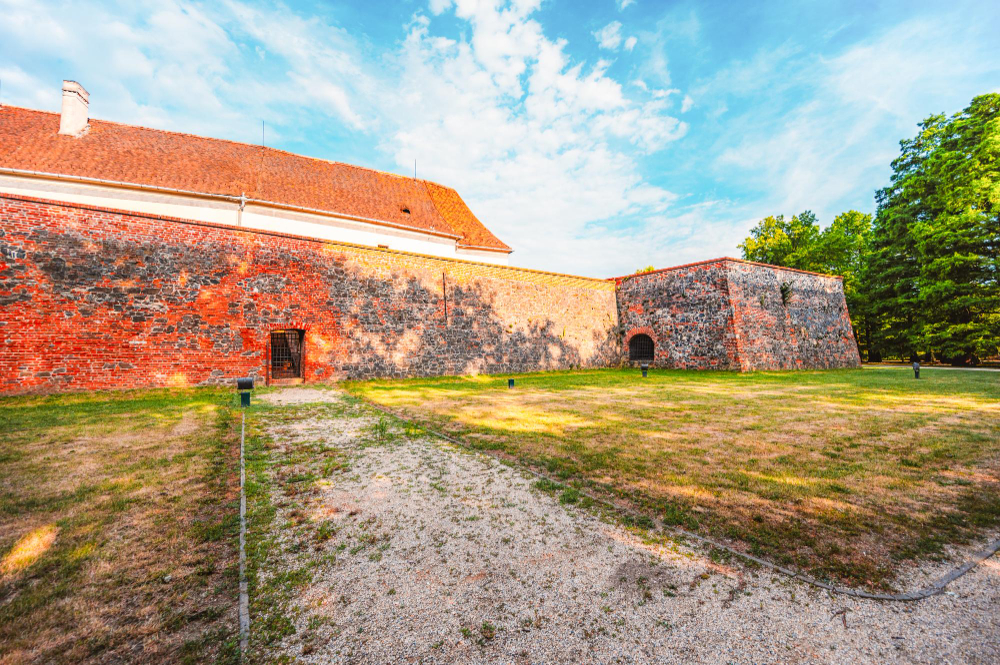
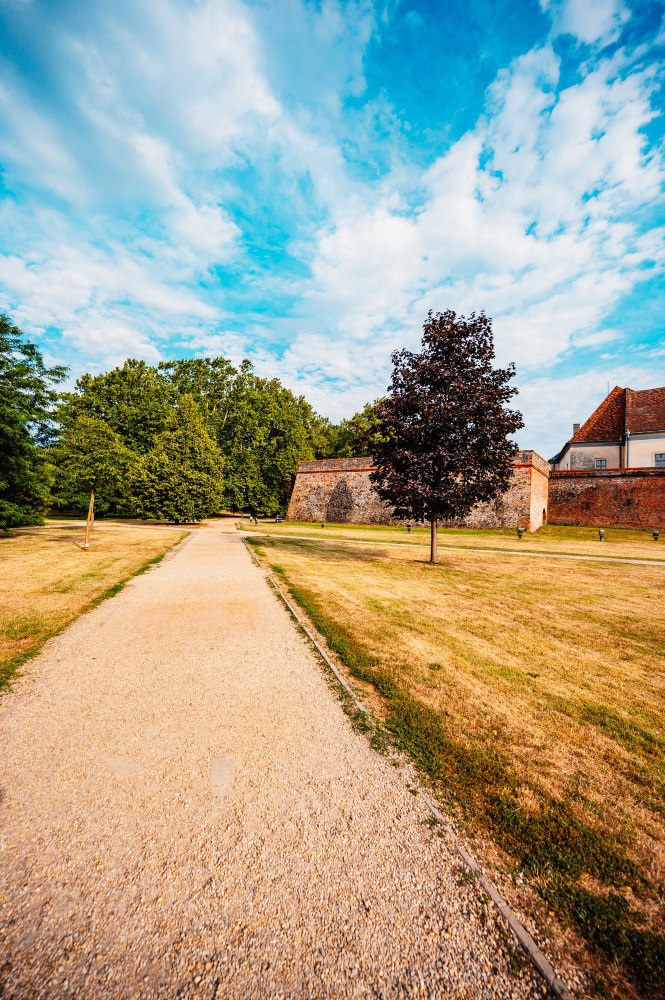
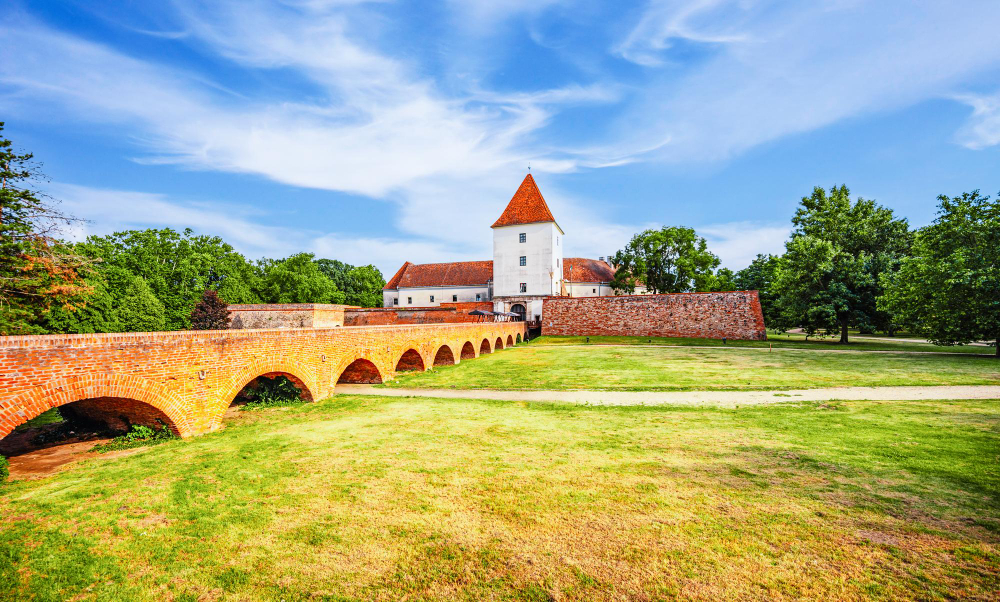
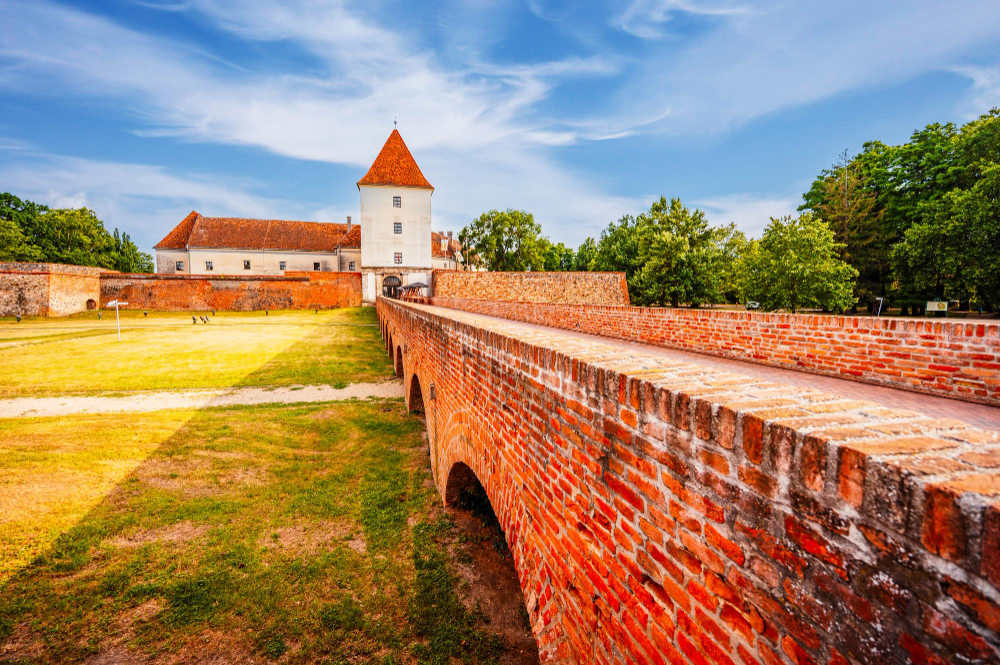
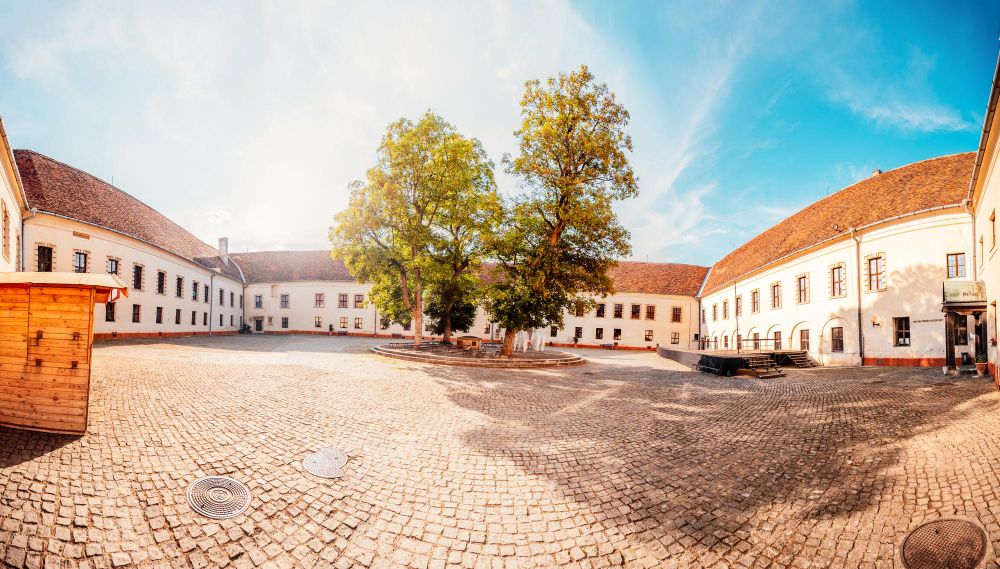
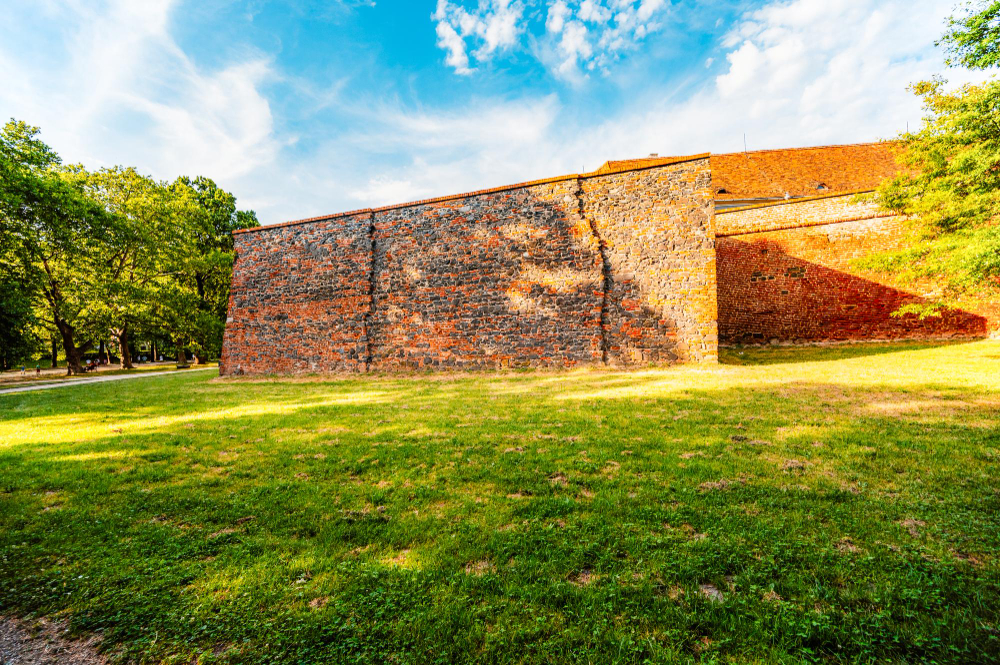
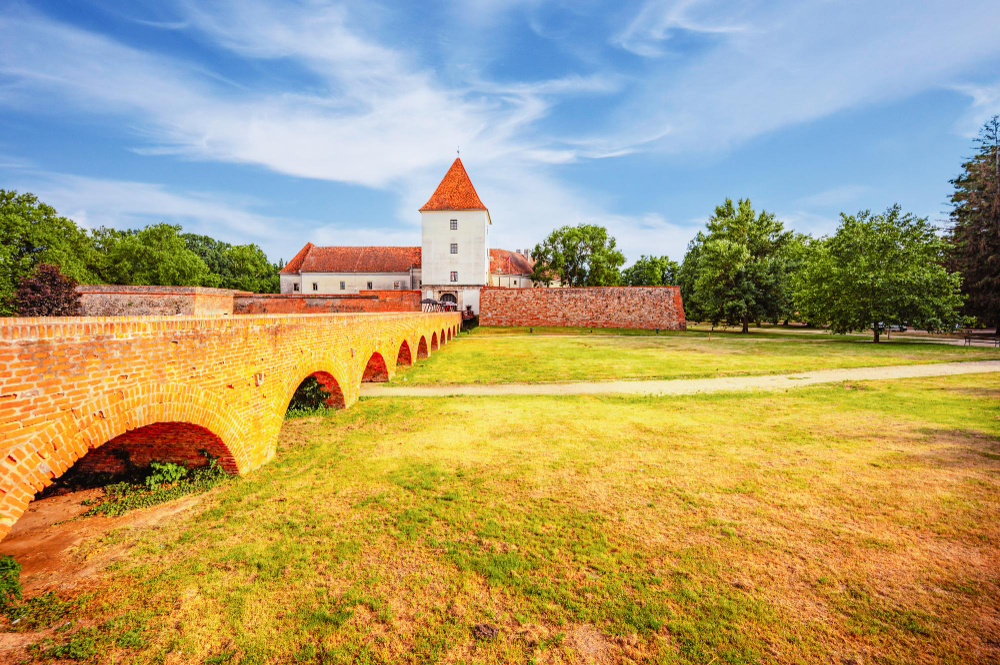
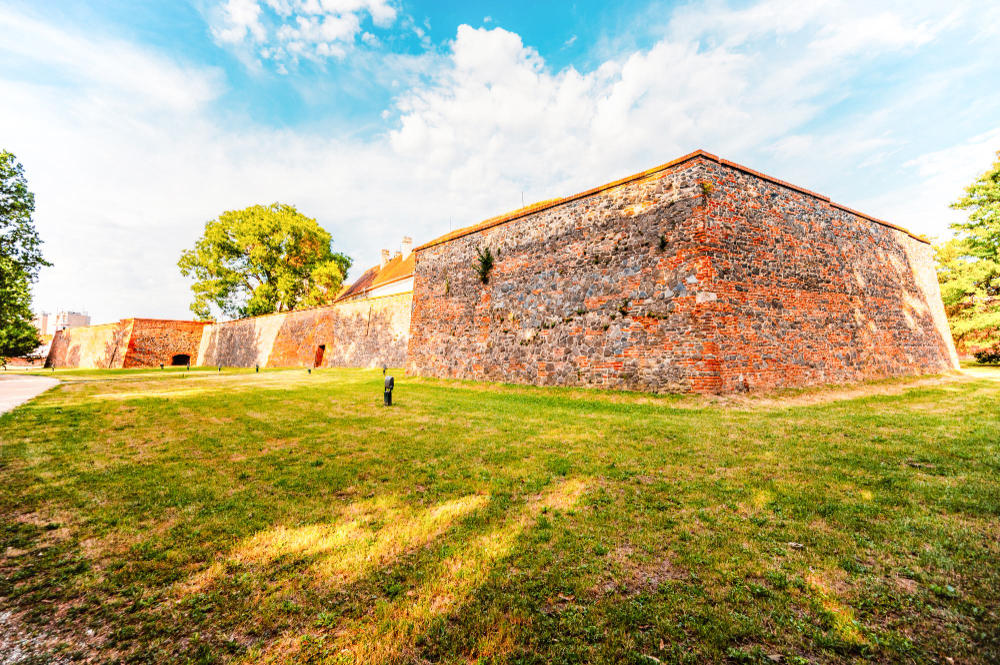
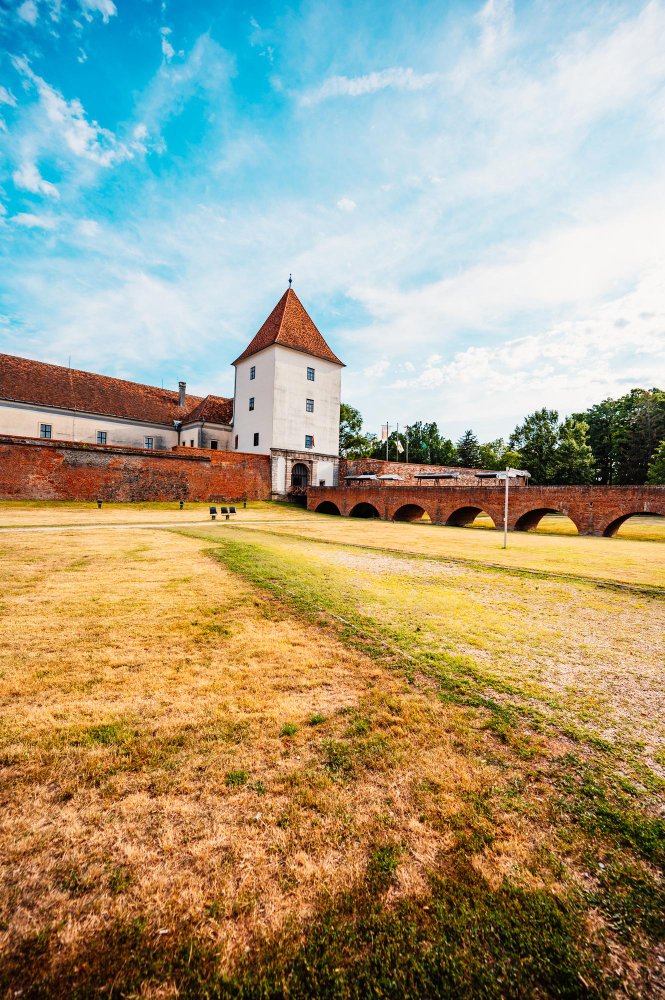
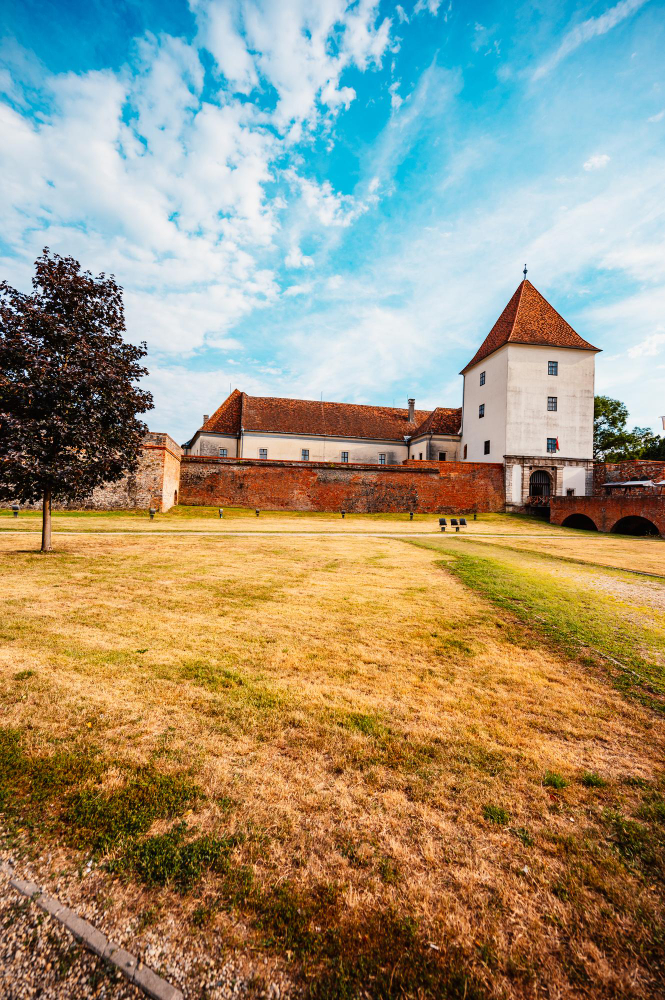
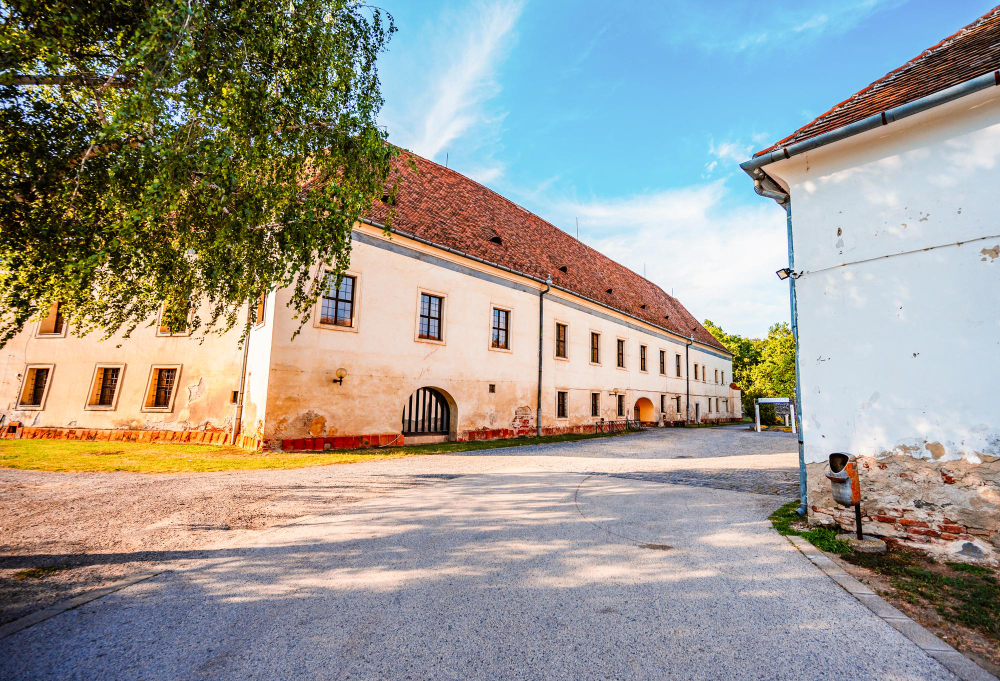
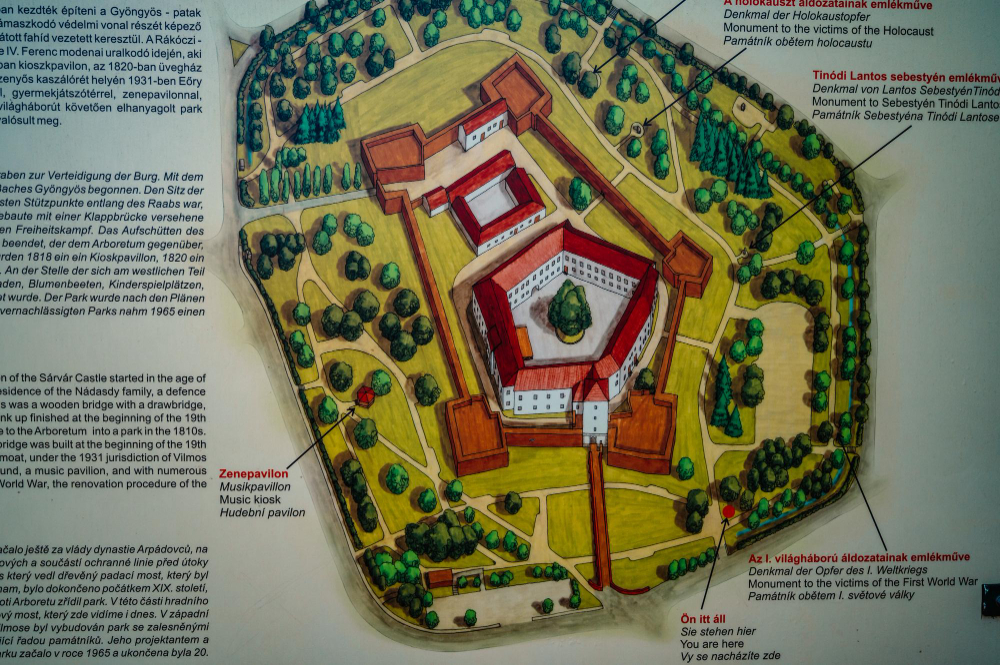
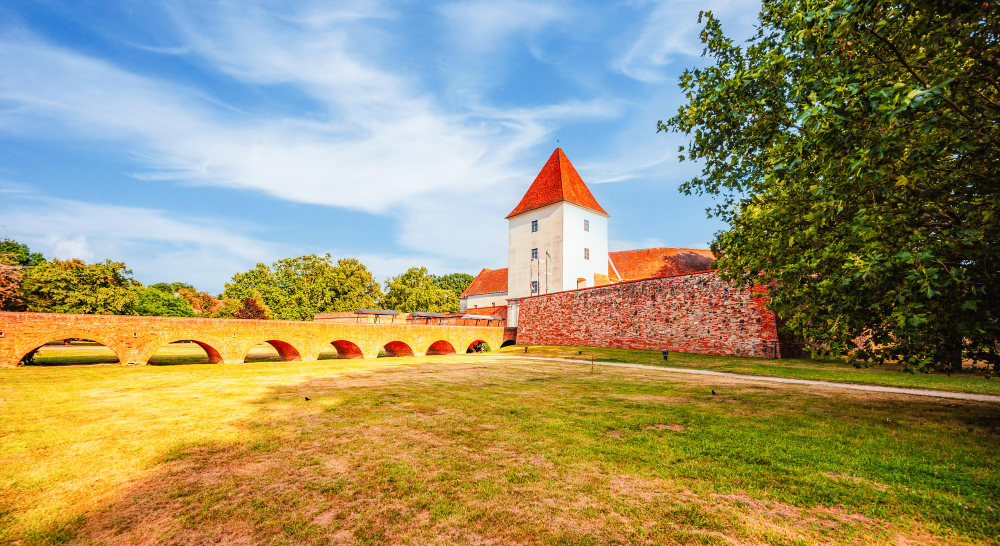
In western Hungary, in the small town of Sárvár, stands an imposing building which, at first glance, shows no sign of anything eerie. Surrounded by a wide moat and nestled in a tranquil landscape, Nádasdy Castle appears almost peaceful. Yet behind its thick walls lies a dark history that has captured the imagination of history buffs and horror fans for centuries. It is the story of a woman whose name still strikes fear into people’s hearts today: Elisabeth Báthory – the ‘Blood Countess’.
The historical background of the castle – Built in the 16th century, Nádasdy Castle originally served as a fortress and later as the stately home of the noble Nádasdy family. With its magnificent Renaissance architecture and artistically designed interiors, it bears witness to a glorious past. Yet every castle has its dark corners, and at Nádasdy, opulent wealth mingles with the oppressive aura of past atrocities. Elisabeth Báthory, who lived at the castle in the early 17th century, was a woman of immense power and influence. As a member of one of Hungary’s wealthiest and most prestigious families, she led a privileged life. Yet her name was soon to become known far beyond the circles of the court – and for the darkest of reasons.
The Legend of the Blood Countess – Arguably the best-known and, at the same time, most harrowing legend surrounding Nádasdy Castle is that of the alleged deeds of Elisabeth Báthory. According to historical records, the countess is said to have tortured and murdered hundreds of young women over many years. Rumour has it that she carried out sadistic rituals in which she subjected her victims to cruel torture before allegedly bathing in their blood. This macabre ritual, so the legend goes, was supposed to grant her eternal youth and beauty. The symbolism behind these acts seems particularly gruesome: the idea that someone would sacrifice the innocent lives of young women for the sake of personal vanity still sends a shiver down one’s spine today. It is hardly surprising that, since at least the 18th century, Elizabeth Báthory has repeatedly appeared as a bloodthirsty monster in countless horror stories, plays and novels. Modern films and television series also draw on this figure, turning her into a symbol of female cruelty. But how much truth actually lies behind this gruesome legend? Historians remain divided to this day as to whether Elizabeth Báthory really did commit all the crimes attributed to her, or whether she was the victim of a large-scale conspiracy.
Political intrigue or genuine cruelty? – Charges were brought against Elizabeth Báthory in 1610, after numerous witness statements regarding her alleged offences had been gathered. These consisted mainly of testimonies from servants and residents of the surrounding villages. Eventually, the countess was arrested and placed under house arrest in her own castle. Her trial took place in 1611, with the evidence appearing overwhelming: Dozens of witnesses described gruesome scenes, and even body parts were presented as evidence. However, there is also a theory that the accusations against Elizabeth Báthory were politically motivated. She belonged to one of the most powerful families in the Kingdom of Hungary, and her wealth and influence may have aroused envy and resentment. Some historians believe that the trial was deliberately staged to weaken the Báthory family and divide their lands amongst rival nobles. This theory is supported by the fact that much of the ‘evidence’ against Elizabeth may have been extracted under torture – a common method at the time for obtaining confessions. Whatever the truth may be, one thing is certain: the myth of the ‘Blood Countess’ has irrevocably transformed Nádasdy Castle into a place of horror. To this day, it remains unclear whether Elizabeth Báthory was in fact the bloodthirsty murderer she is portrayed as, or whether she was merely a victim of her enemies.
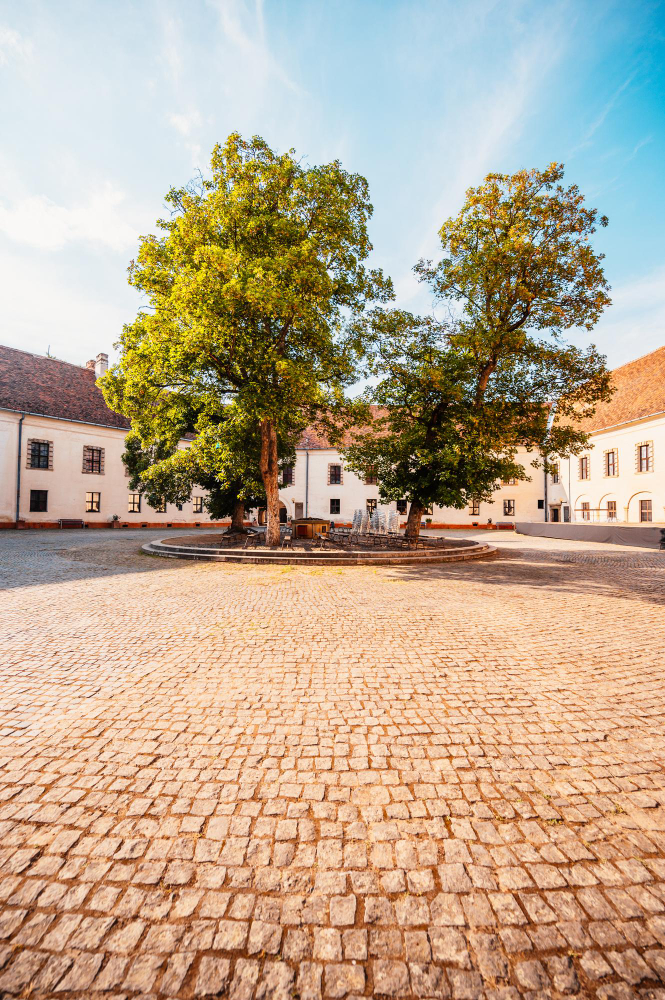
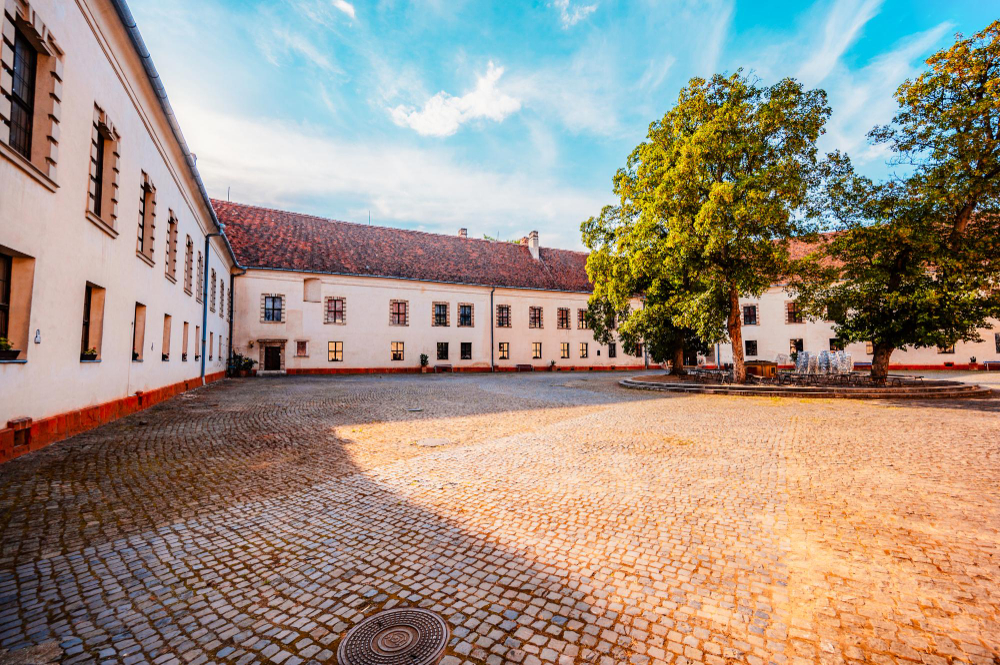
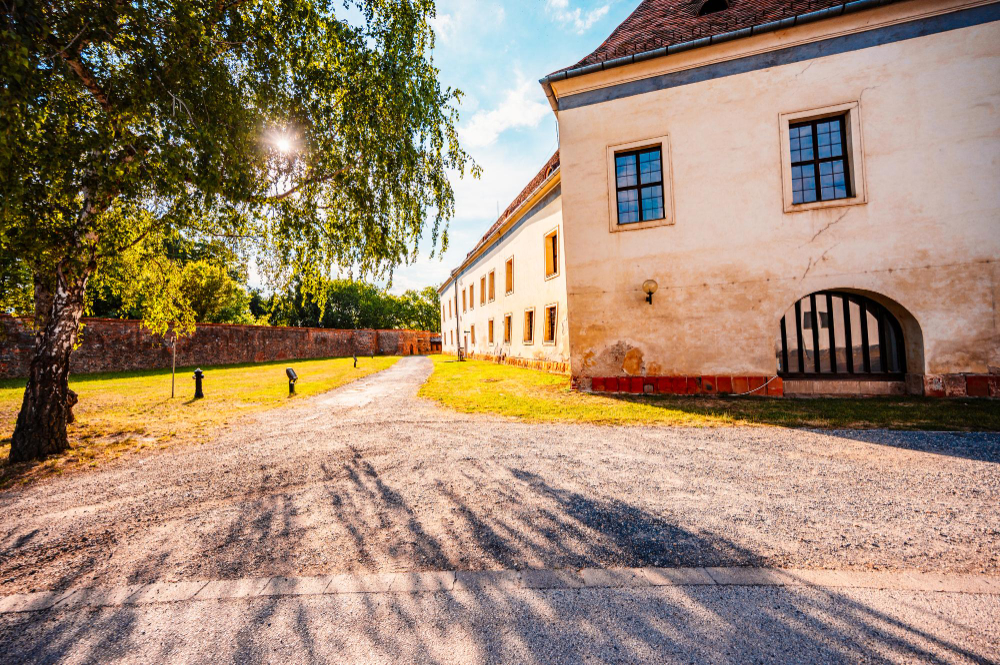
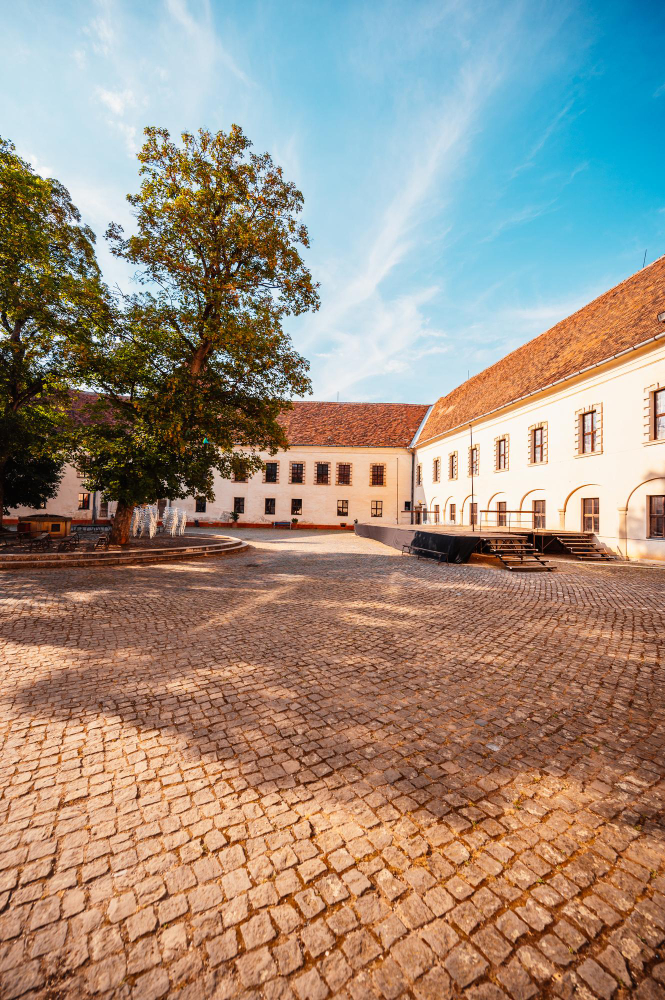
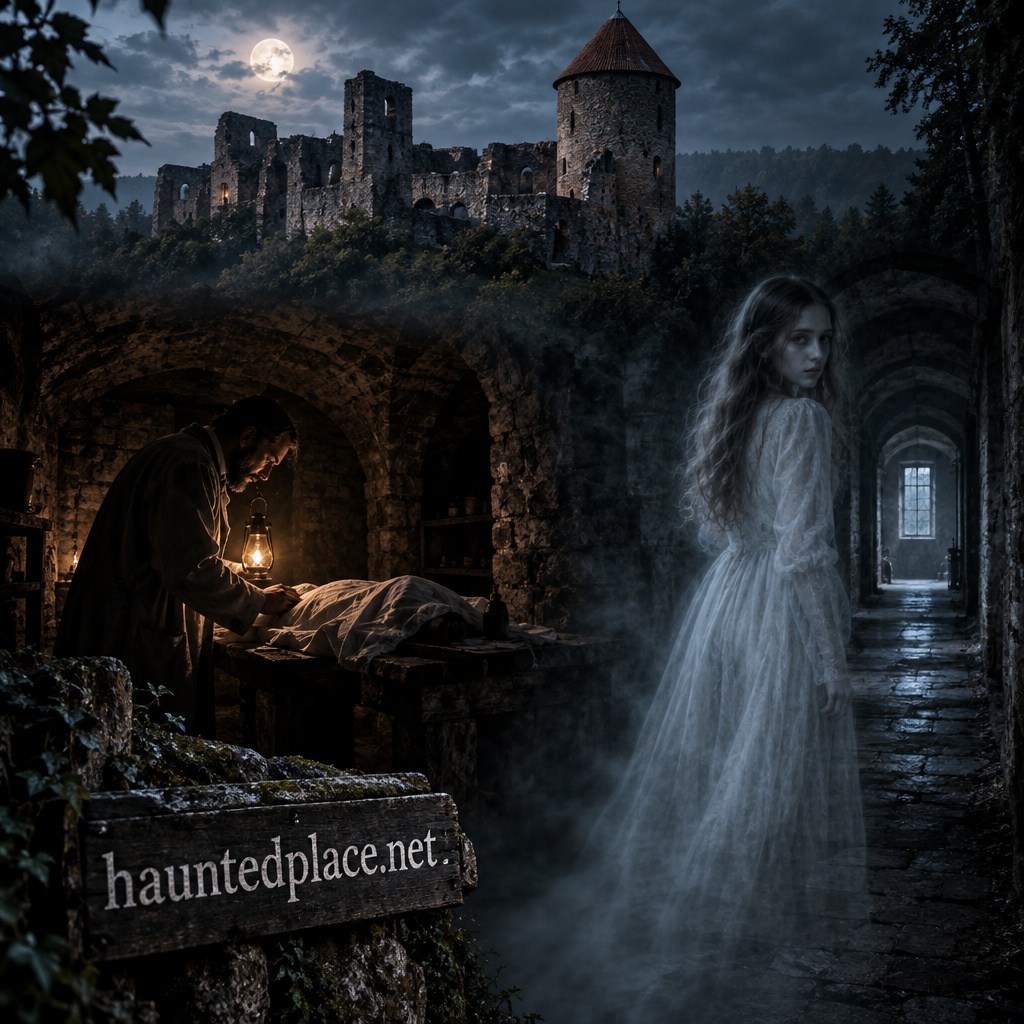
Hauntings and eeriness at the castle today – Today, Nádasdy Castle is a popular tourist destination and part of Hungary’s cultural heritage. Visitors can stroll through the well-preserved halls and admire the richly decorated chapel, the valuable paintings and the magnificent furniture. Yet despite the picturesque atmosphere, the site’s dark past remains palpable. Reports from visitors and staff contribute to the eerie atmosphere: there are repeated accounts of whispers in empty rooms, unexplained footsteps in the corridors, or shadowy figures appearing out of nowhere. Especially at night – when the last rays of sunlight have left the castle’s towers and the ancient walls are shrouded in darkness – the spirit of the past seems to come to life. Some are convinced that the soul of Elisabeth Báthory cannot find peace and continues to wander through the castle’s halls. Others believe that the energy of the victims who allegedly lost their lives here haunts the castle. Whether this is mere superstition or genuine paranormal phenomena is for each person to decide for themselves – yet the mere thought of it is enough to leave a lasting impression.
A legend that never fades – The story of Elisabeth Báthory consists not only of historical facts, but also of mythical elements. She embodies the tension between power, beauty and cruelty – themes that continue to fascinate and terrify us to this day. Whilst historians attempt to reconstruct the true nature of this woman, to the general public she remains, above all, one thing: a chilling legend. Nádasdy Castle owes its reputation both to this legend and to the fact that it has apparently withstood the test of time. Its walls bear the weight of the stories that originated here, serving as a stark reminder of just how fine the line between true history and fiction can often be. For visitors, it remains a place where the past and the supernatural merge – and where goosebumps are guaranteed.