 Isabella Mueller Baroness of Stainton le Vale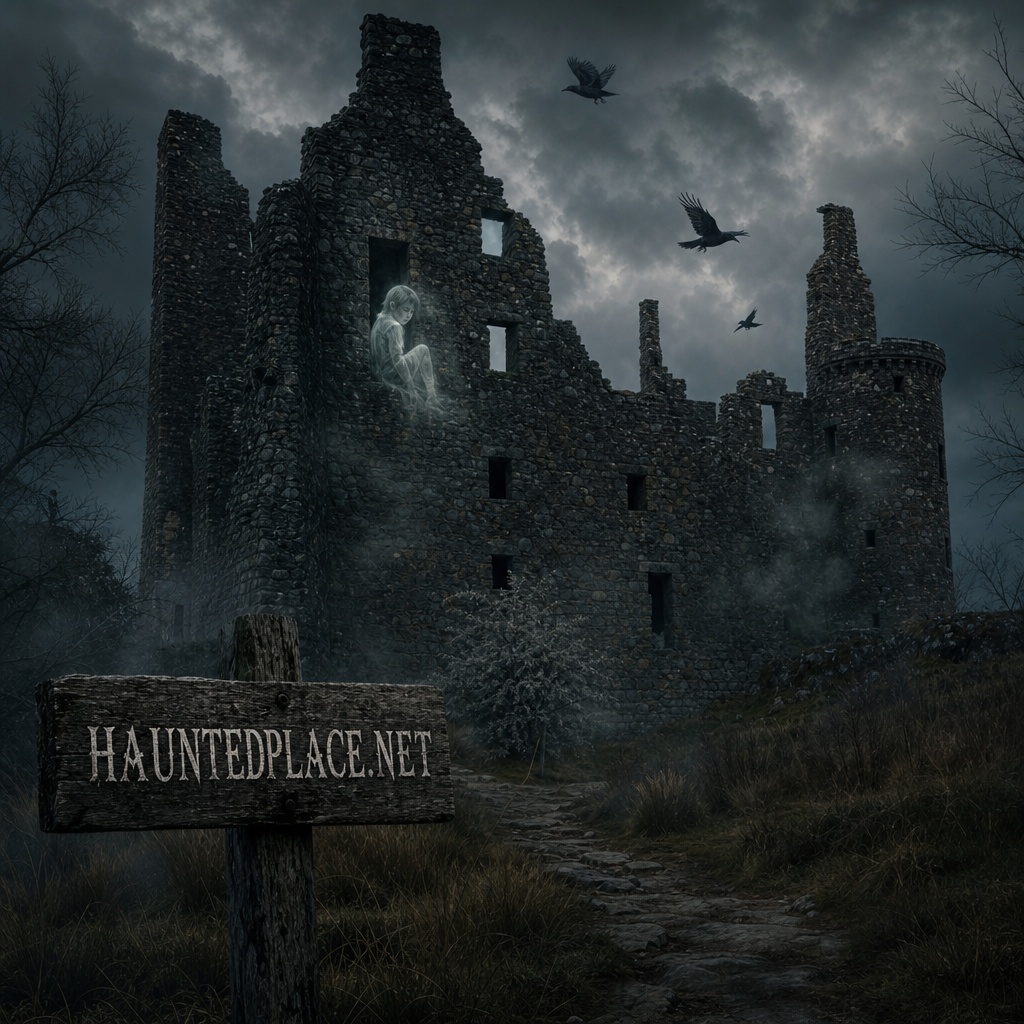
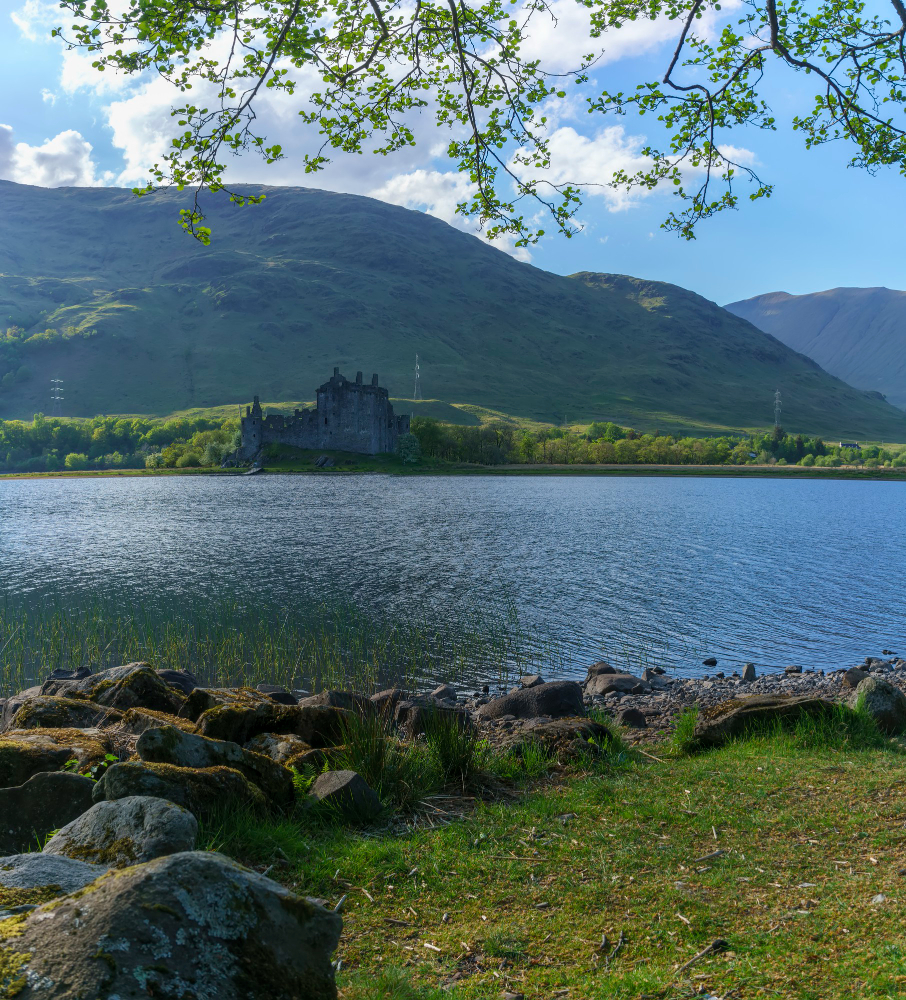
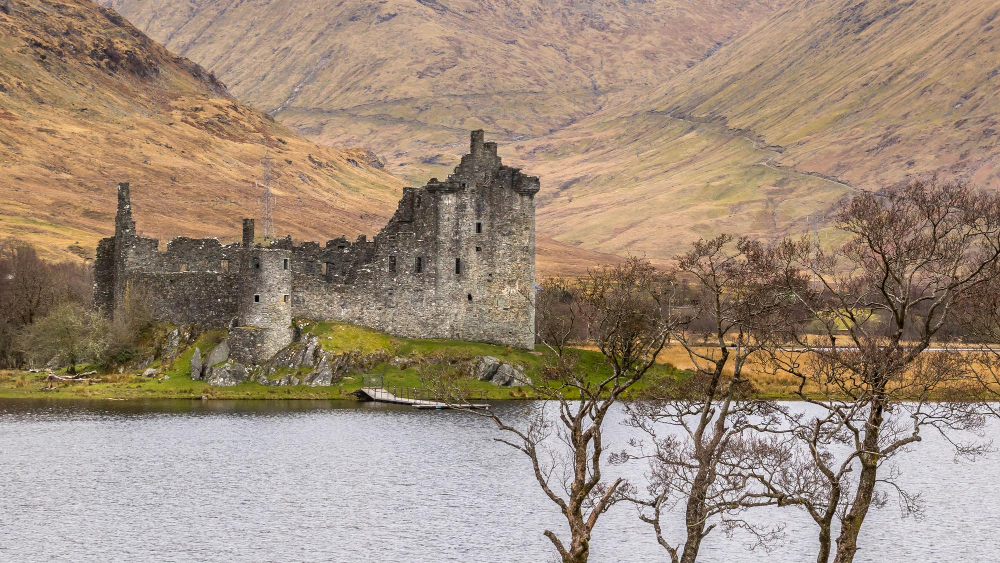
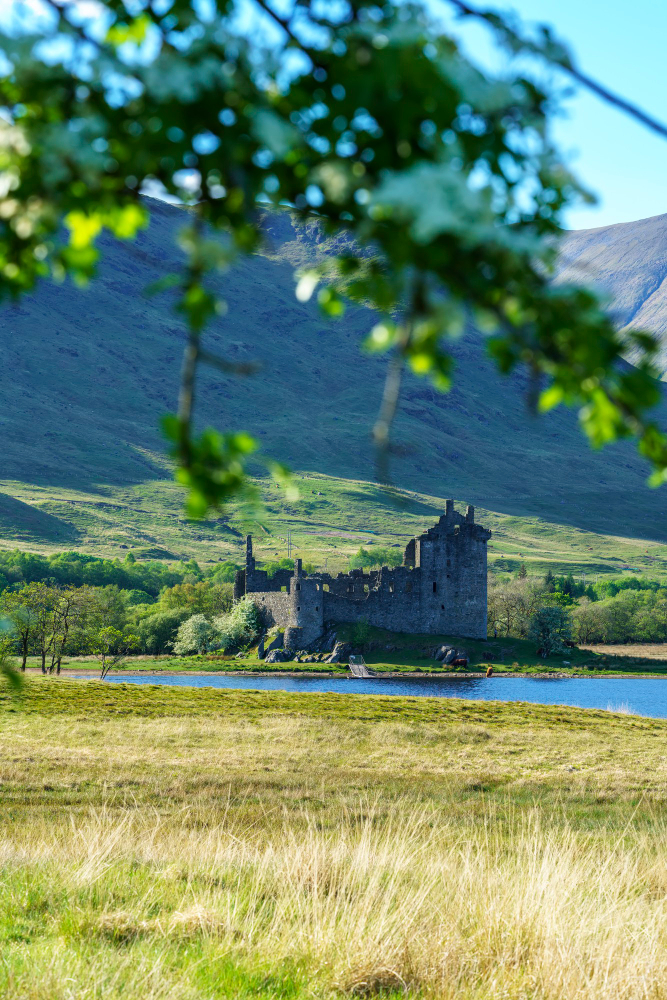
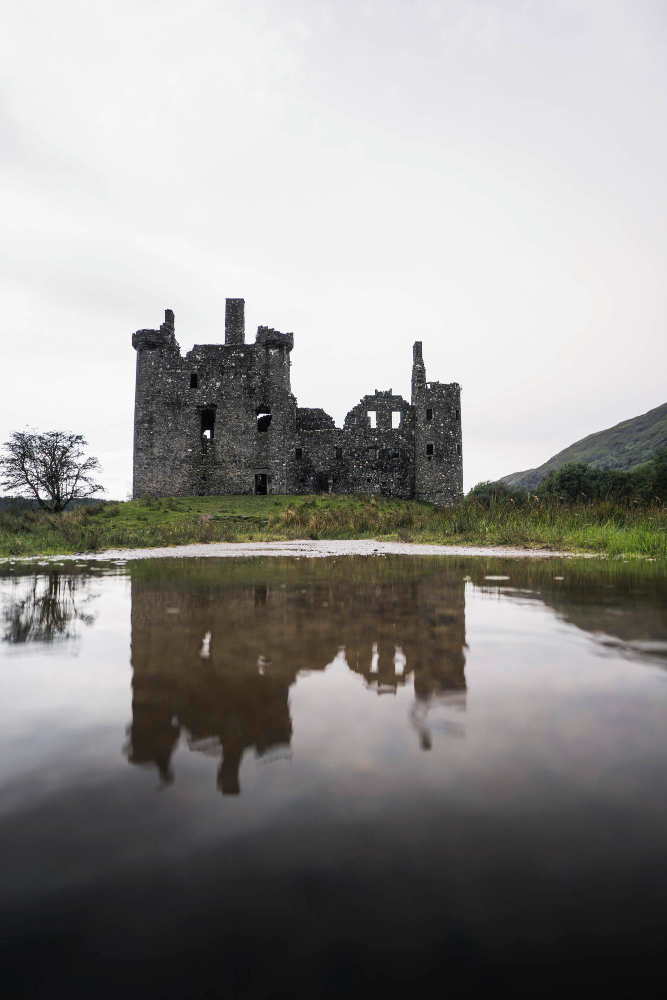
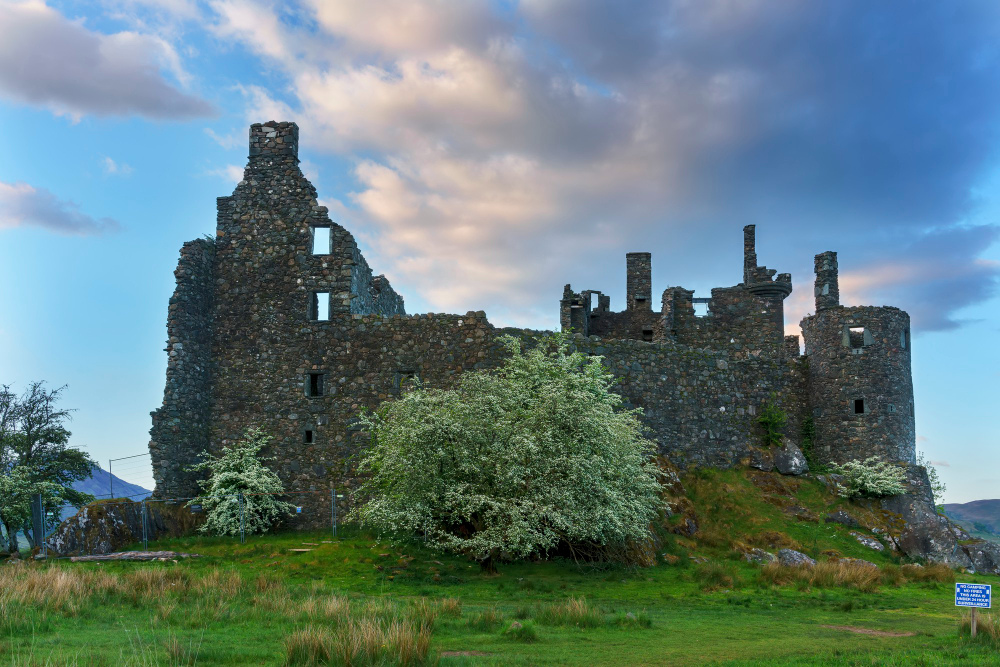
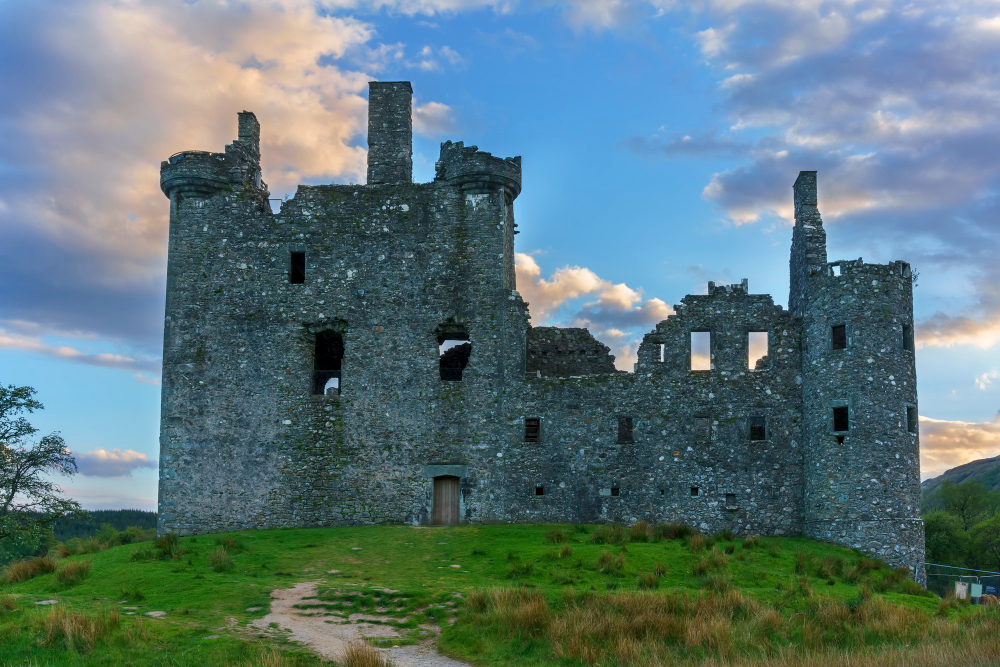
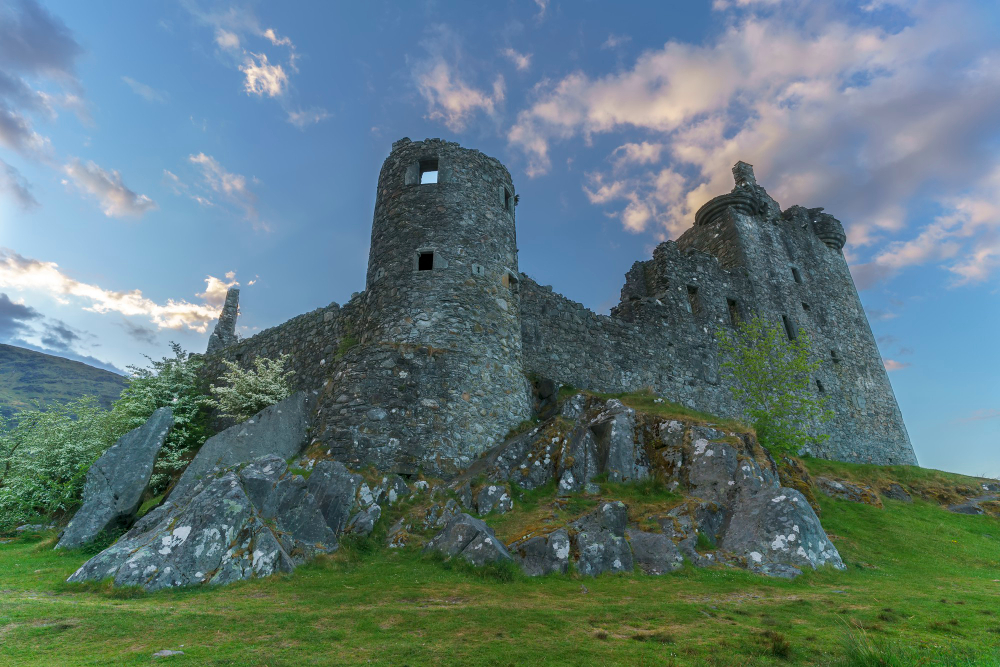
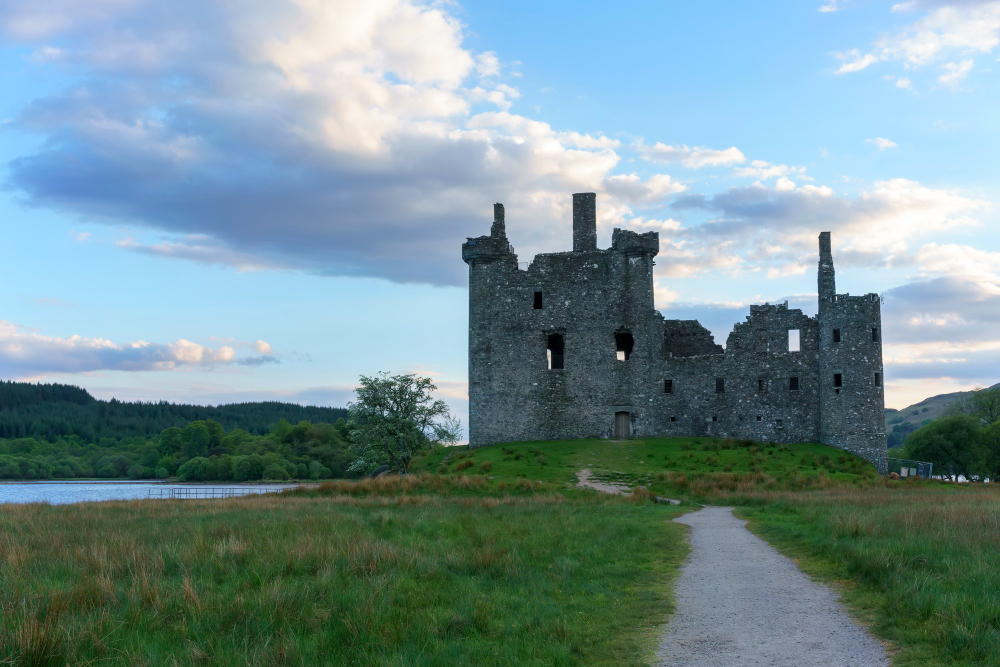
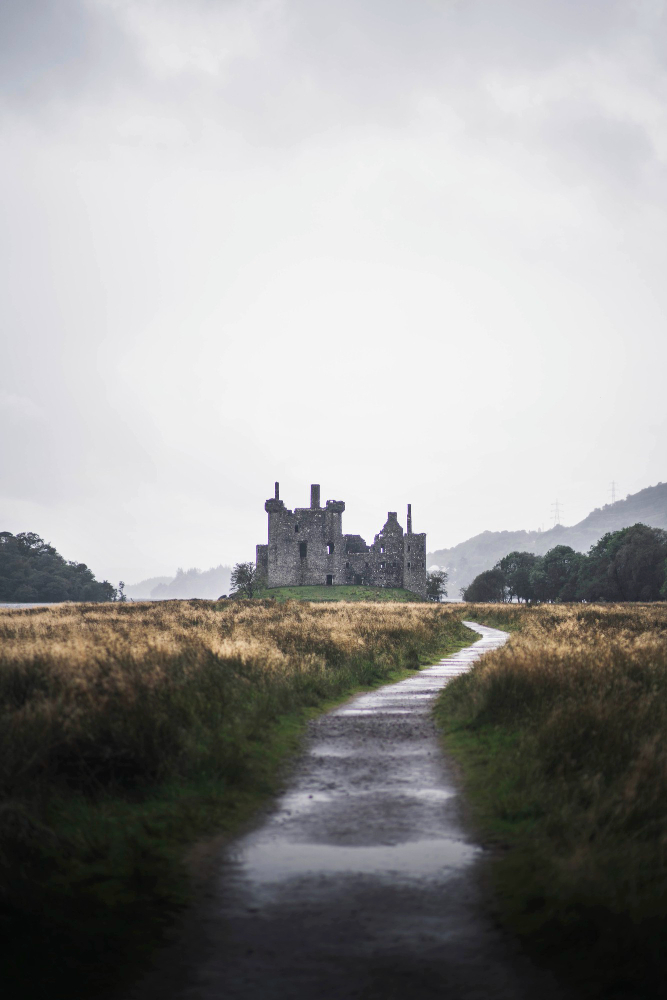
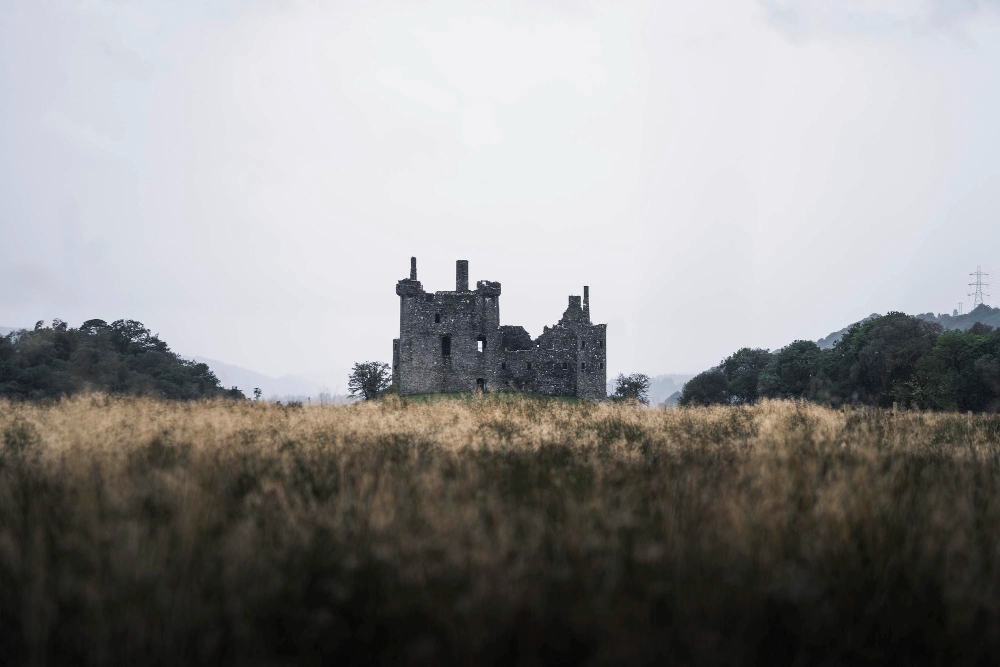
Kilchurn Castle, one of Scotland’s most impressive castle ruins, is picturesquely situated at the northern end of Loch Awe in the Argyll and Bute region. Its crumbling walls and tranquil surroundings exude an atmosphere of times long past. Yet behind this rugged beauty lies a legend that is anything but romantic. It tells of a cruel fate said to have unfolded within these stone walls centuries ago – that of the ‘imprisoned child’. This legend, which sends a cold shiver down the spines of many visitors, has its origins in the dark tales that surround Kilchurn Castle.
Kilchurn Castle: A place steeped in history and horror – Built in the early 15th century by Sir Colin Campbell, the first Lord of Glenorchy, Kilchurn Castle originally served as a fortified manor house and later as a garrison. Its strategic location on the shores of Loch Awe and its imposing architecture made the castle a symbol of the Campbell family’s power and influence for several centuries. Yet, like many historic sites in Scotland, Kilchurn Castle harbours secrets and stories that have not yet been fully unravelled. Alongside the well-known historical facts, it is above all the legends and myths that attract visitors – and often send them away unsettled. One such legend tells of a child who was once locked away in one of the highest rooms of the tower and died there in agonising circumstances. This eerie tale is bolstered by reports of strange noises and apparitions.
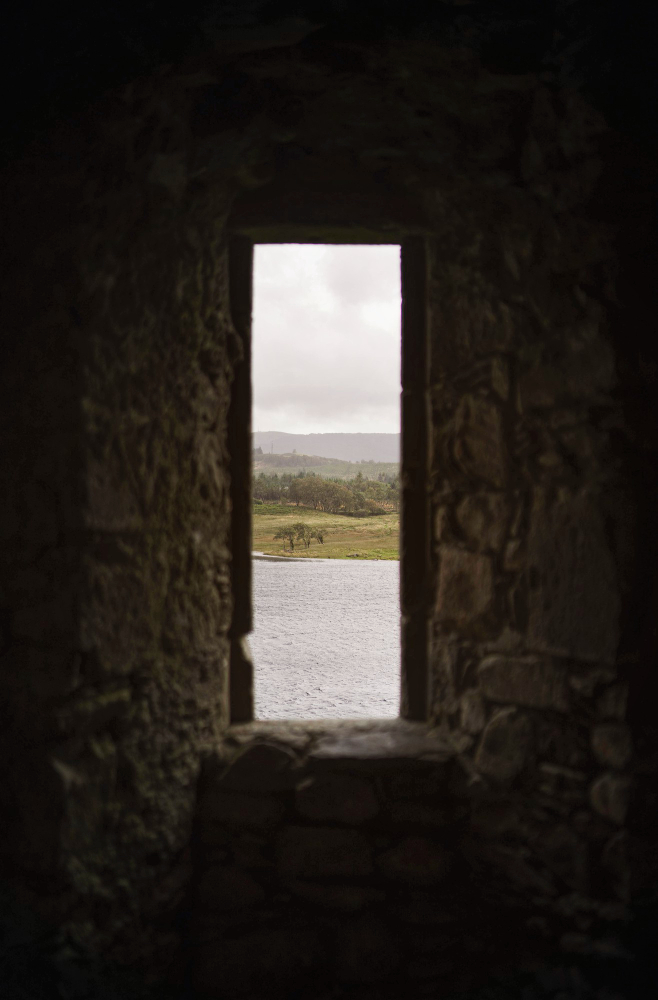
The Imprisoned Child: The Origin of the Legend – The legend of the ‘imprisoned child’ is one of the darkest stories associated with Kilchurn Castle. There are no historical records of the exact circumstances, yet the tale has been preserved over generations as local lore and part of Scottish folklore. Long ago, it is said, a child was locked away in one of the upper rooms of the tower – for what reason remains unclear. It may have been a cruel punishment or a deliberate act of abandonment by the child’s own parents. It is said that no one came to free the child or bring it food. Left alone and with no hope of rescue, it is said to have eventually starved to death in agony. Ever since this terrible event, visitors and local residents have repeatedly reported eerie encounters within the ruins. A sinister presence seems to linger particularly on the upper floors of the tower. Some believe that the child’s tormented soul has never found peace and still wanders through the walls.
Haunting Accounts: The Weeping from the Tower – A central element of the legend is the heart-rending weeping and sobbing that is said to be heard from the upper rooms of the tower. Numerous visitors have repeatedly reported these eerie sounds – including those who consider themselves sceptical of paranormal phenomena. In the late evening hours, when the area around Kilchurn Castle is quiet and deserted, some brave explorers are said to have suddenly heard the desperate sobbing of a child. These are no ordinary sounds, but ones that penetrate deep into the soul and leave one with an oppressive feeling. Others report feeling as though they were being watched whilst walking through the ruins – as if invisible eyes were fixed upon them from the darkness. What is particularly striking is that these reports are not limited to specific seasons or weather conditions. The legend seems to remain alive regardless of external factors, and the mysterious phenomenon continues to send shivers down visitors’ spines time and again.
The scientific view and sceptical voices – As with any legend, there are sceptical voices regarding the story of the imprisoned child. Some historians and paranormal investigators argue that the sounds people hear at Kilchurn Castle may well be due to natural causes. The wind whistling through the abandoned walls can certainly produce sounds reminiscent of sobbing or weeping. The acoustics of an old castle – particularly in ruined towers – can further amplify such impressions. Others point out that the human psyche often tends to perceive sounds and apparitions in eerie and isolated places that do not actually exist. According to psychologists, expectations and fear could play a major role in how people experience their surroundings. Yet despite these rational explanations, many still cling to the legend. The emotional power of the story and the repeated accounts from eyewitnesses have led to Kilchurn Castle establishing itself as one of Scotland’s spookiest places.
Kilchurn Castle today: A destination for the brave – Today, Kilchurn Castle attracts not only history and architecture enthusiasts, but also those drawn to its eerie legends. The ruins are freely accessible and offer a fascinating view of the surrounding countryside. However, anyone visiting should be aware that the silence and seclusion of the place can have a strange effect – particularly on those who reflect on the story of the imprisoned child. At night, the castle can seem even more eerie. The shadows of the crumbling walls seem to come to life; every step echoes through the deserted rooms, and the darkness seems almost tangible. Many visitors report that they have never really felt alone at Kilchurn Castle – as if something invisible were with them, watching over them.
Myth and Reality – The grim legend of the imprisoned child lends Kilchurn Castle an additional, unsettling dimension. Whether the noises actually come from a tormented ghost or are merely a figment of the imagination remains unclear. But one thing is certain: the story has helped to make the ruin famous far beyond Scotland’s borders. Whilst the legend continues to fascinate and frighten people, Kilchurn Castle remains a testament to the past – a place steeped in history, beauty and horror in equal measure. Perhaps it is precisely this contrast that gives the place its allure and makes it so interesting to both historians and ghost hunters alike. The truth behind the legend may have been lost in the mists of time. But if you ever have the chance to visit Kilchurn Castle, you should let the silence of the tower wash over you – and listen. Perhaps you, too, will hear the heart-rending cries of a child who never found peace.