 Isabella Mueller Baroness of Stainton le Vale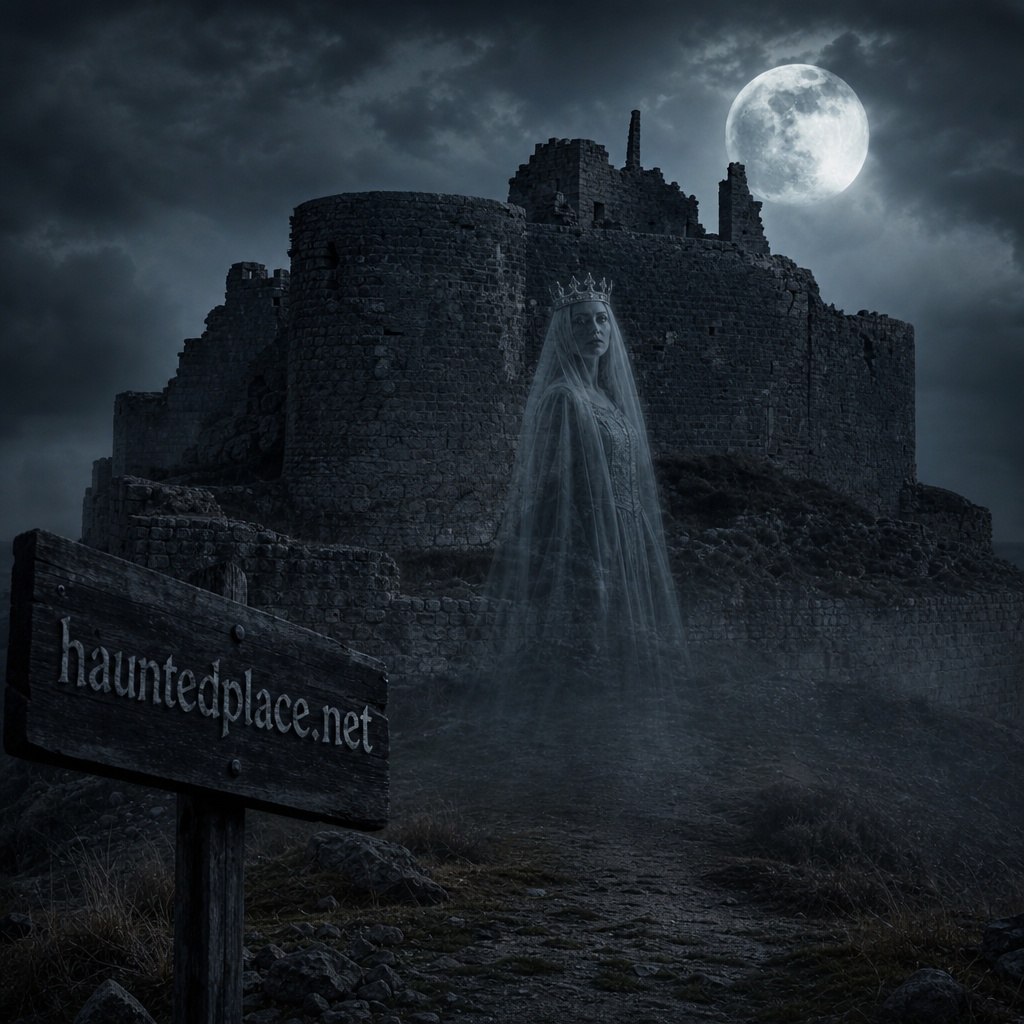
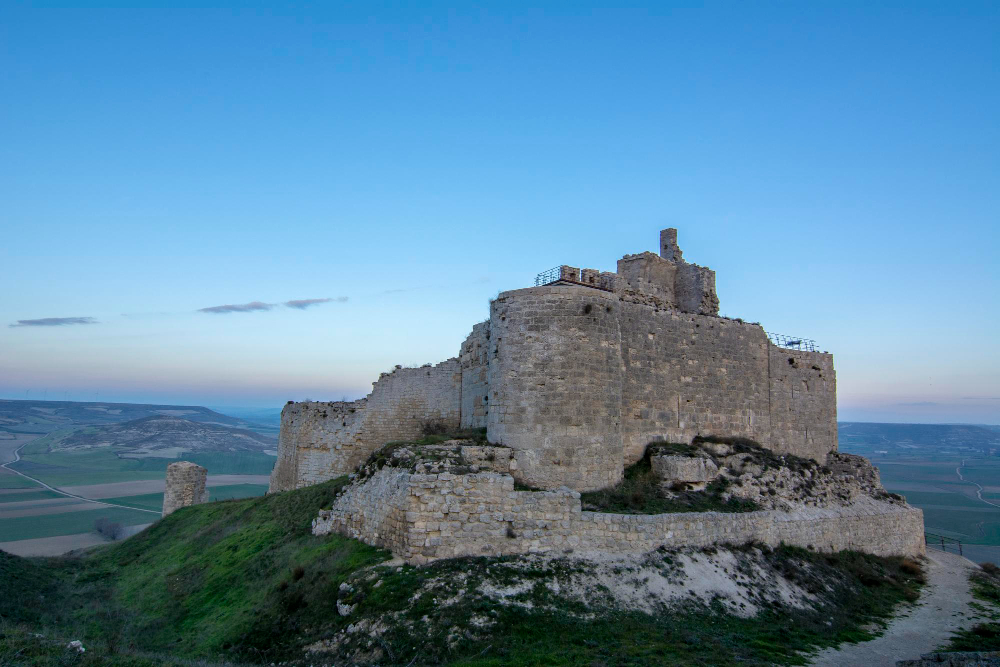
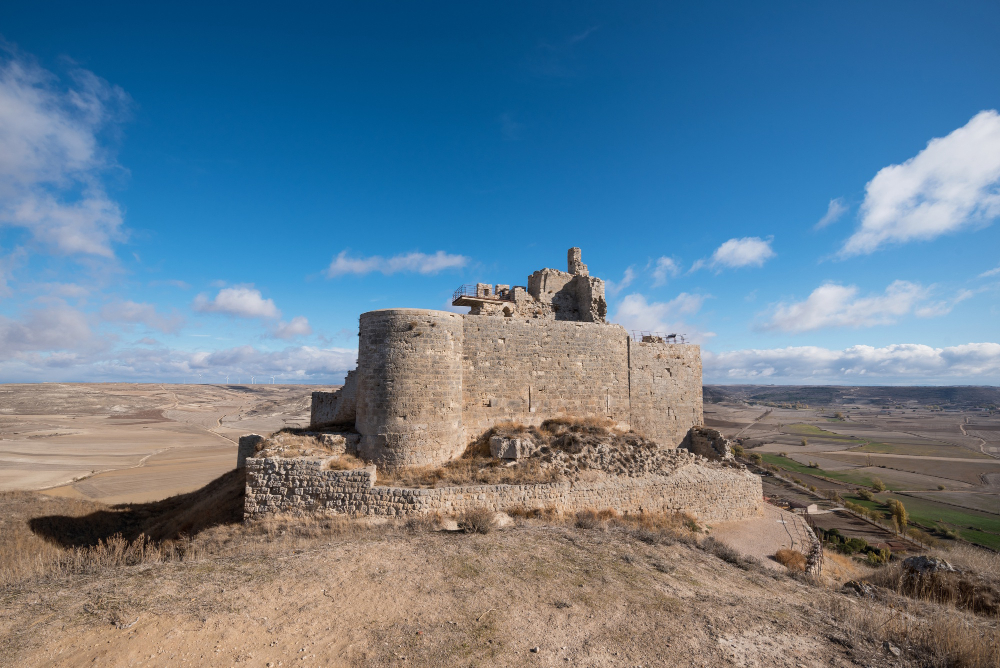
Amidst the gloomy ruins of the Castillo de Castrojeriz, a medieval fortress in the Spanish province of Burgos, there is a legend that has lost none of its fascination over the centuries. It is the story of Queen Leonor of Castile, whose tragic fate and brutal end have transformed this place into a setting for dark ghost stories. Her ghost is said to still wander through the fortress’s abandoned halls – a shadowy apparition that makes visitors’ blood run cold. But how did this eerie legend come about, and what historical facts support it?
The Queen’s Tragic Fate – Leonor of Castile, born around 1311, was an influential noblewoman and aunt of the notorious King Pedro I, who later went down in history as ‘el Cruel’ – the Cruel – due to his brutality. In 1359, Pedro I had her imprisoned. The reasons for her imprisonment remain unclear to this day, but are likely linked to the political intrigues and power struggles within the Castilian monarchy. Pedro I was known for stopping at nothing – not even sparing members of his own family – when it came to securing his claim to power. The fortress of Castrojeriz became the setting for Leonor’s final chapter. Locked away in the cold, damp chambers of the castle, she awaited her cruel fate. Pedro I had her executed – reportedly by beheading – without regard for family ties or the dignity to which the queen was entitled. This brutal act shocked her contemporaries and soon became a dark chapter in the history of Castile.
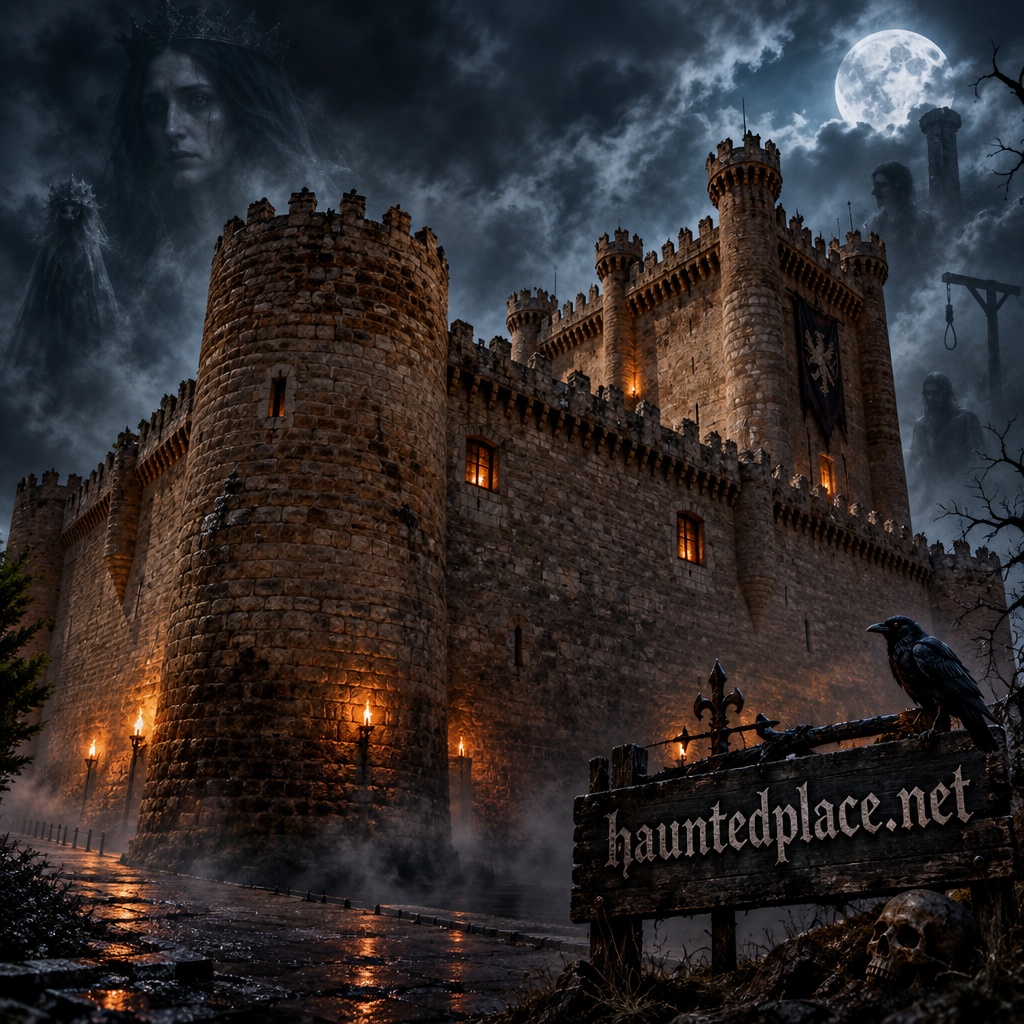
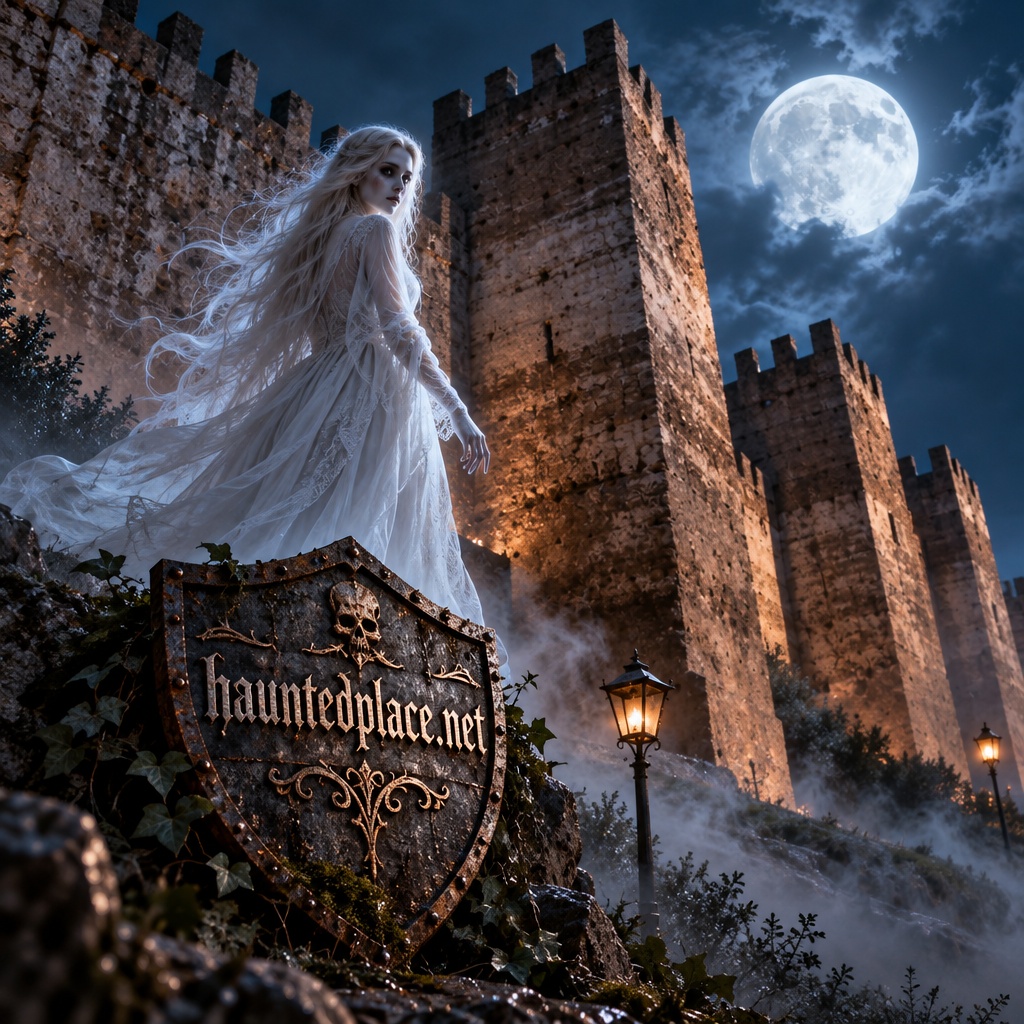
The Legend of the Restless Spirit – Ever since her execution, stories have circulated about the ghost of Leonor. Residents of the surrounding villages report having seen a female figure in the ruins of the fortress at night. Silent and shadowy, she roams about – always hidden in the veil of darkness. She is often described as wearing a long dress, as if from a bygone era, and her face is said to be pale and marked by grief. Her presence is accompanied by a sense of foreboding that takes the breath away from anyone who encounters her. Some local legends claim that Leonor’s ghost not only appears, but also weeps from time to time. Her wailing, according to eyewitnesses, echoes through the walls of the abandoned fortress at night, causing even the bravest of walkers to freeze in their tracks. Some believe that in this way she gives voice to her unredeemed soul, which remains trapped – not only within the ruins of Castrojeriz, but above all between life and death.
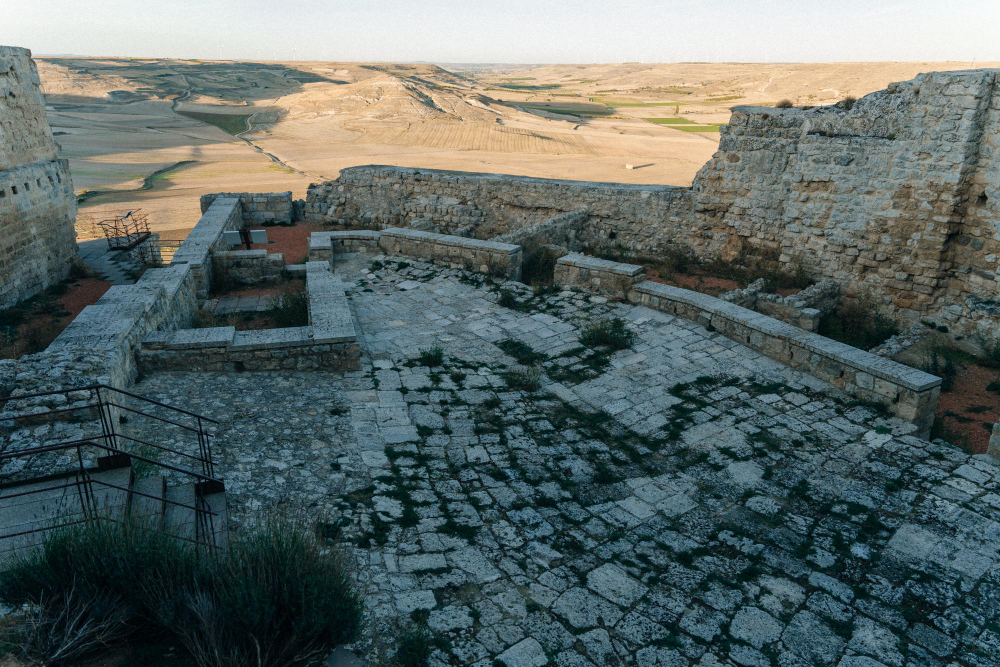
The historical significance of the Castillo de Castrojeriz – Castrojeriz Castle looks back on a long history. Strategically situated on the hill above the village of the same name, it was an important military and political stronghold. The Romans had already made use of this site, but the fortress reached its heyday in the Middle Ages, when it played a central role in the Castilian wars against the Moors. Over the centuries, the walls fell into disrepair, and the once magnificent seat of power became a ruin. Nevertheless, this historic site continues to attract visitors to this day, who are fascinated by the eerie atmosphere of the ruins and the stories about the ghost of Queen Leonor. The fortress itself is a listed building and forms a significant part of the region’s cultural heritage.
Scientific investigations and recent reports – Even today, the legend has lost none of its power. Parapsychologists and ghost hunters have made several trips to Castrojeriz to uncover the truth behind the reports. Various technologies were used, including thermal imaging cameras and sensitive audio recording equipment. Some of them claim to have made recordings containing eerie sounds such as footsteps or faint sobbing. Nevertheless, there is as yet no scientifically recognised evidence for the existence of paranormal phenomena at the Castillo de Castrojeriz. Sceptics point out that many of the reports could be attributed to psychological factors: the oppressive atmosphere of the ruins, combined with knowledge of the site’s gruesome history, could fuel visitors’ imaginations and lead to hallucinations.
Similar legends in a historical context – The story of Leonor is not the only one of its kind. Throughout Europe, there are numerous similar accounts of restless female ghosts who met a violent death and whose souls are said to be unable to find peace. A well-known example is the ‘White Lady’ of Hohenzollern Castle in Germany, who is also said to wander the castle’s walls as a shadowy figure. Such legends often have a real historical background, but are embellished over time through oral tradition and literary adaptations. Cultural historians argue that these stories are often an expression of collective guilt. Particularly in cases where the victims were of noble birth and were stripped of their dignity, their story remains present in the collective memory of the population and transforms into a legend that is passed down through the generations.
An Encounter with the Inexplicable – For those who visit the castle, the question remains: is Leonor’s ghost real, or merely a figment of our imagination? Many tourists venture into the ruins after dark, hoping to experience an encounter with the supernatural. For some, the trip ends with nothing more than a spooky experience in the abandoned corridors, whilst others report having actually seen or heard something. The legends surrounding Leonor are a striking example of the power of stories – particularly those based on true events that spark people’s imagination. Whether the ghost exists or not, one thing is certain: the ruins of the Castillo de Castrojeriz are a place where history and myth intertwine, offering visitors an almost tangible atmosphere of mystery and eeriness.
The sombre legend of Queen Leonor of Castile remains, to this day, a fascinating chapter in Spain’s historical and mystical tradition. Her ghost may be real or fictional, but the story of a woman who met a tragic end due to her family’s betrayal and power struggles serves not only as a reminder of the cruelty of times gone by, but also of the timeless power of human memory and our fascination with the unknown. Anyone interested in the history and legends surrounding the Castillo de Castrojeriz should definitely visit the fortress – preferably at night, when the shadows of the past seem to come to life.