 Isabella Mueller Baroness of Stainton le Vale
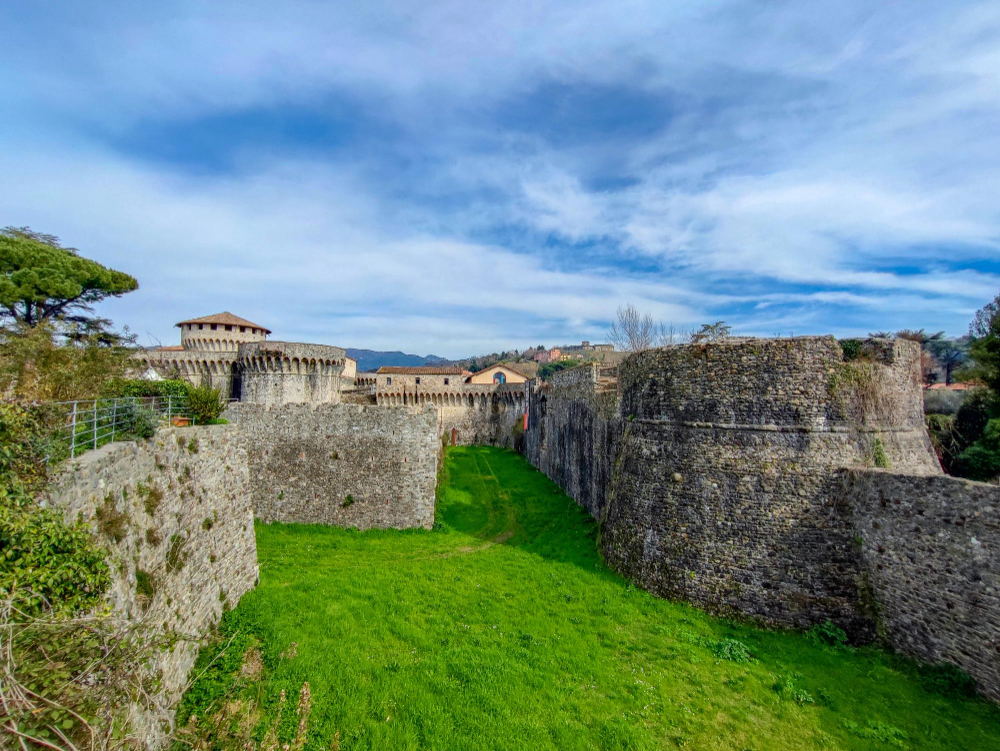
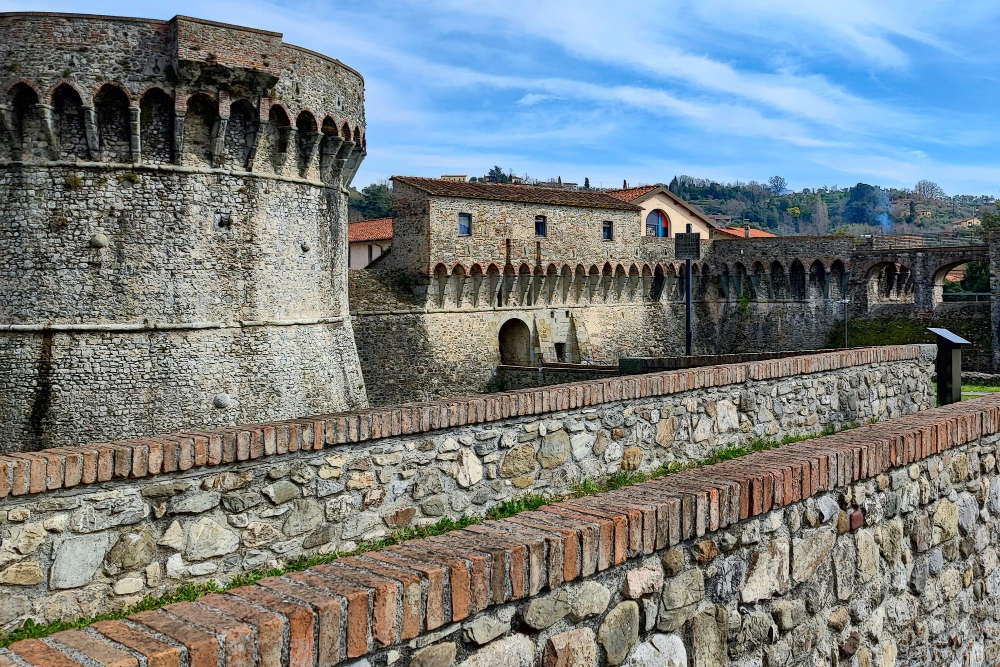
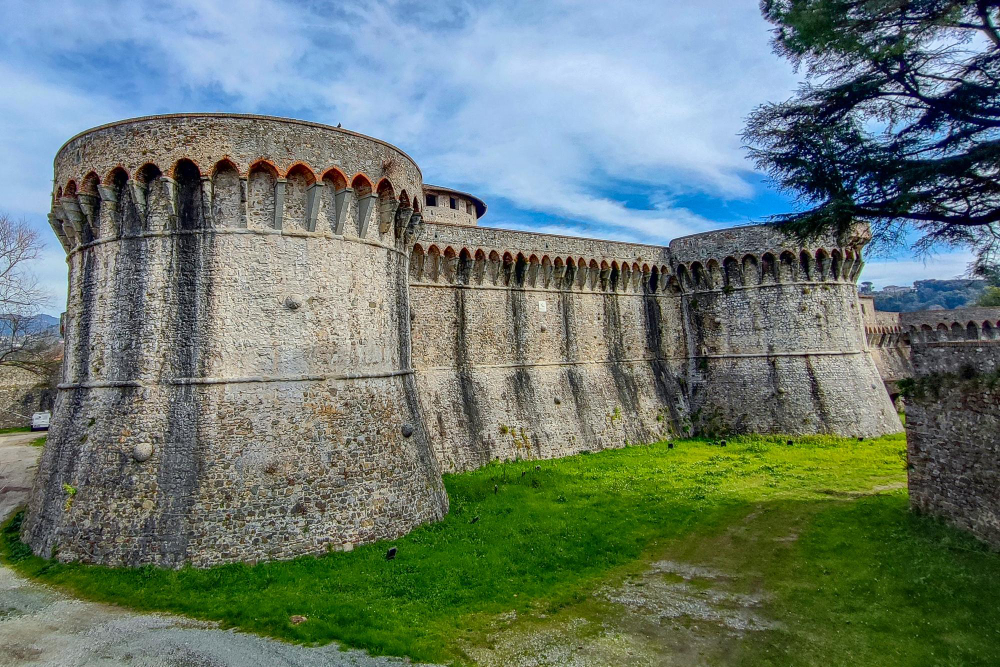
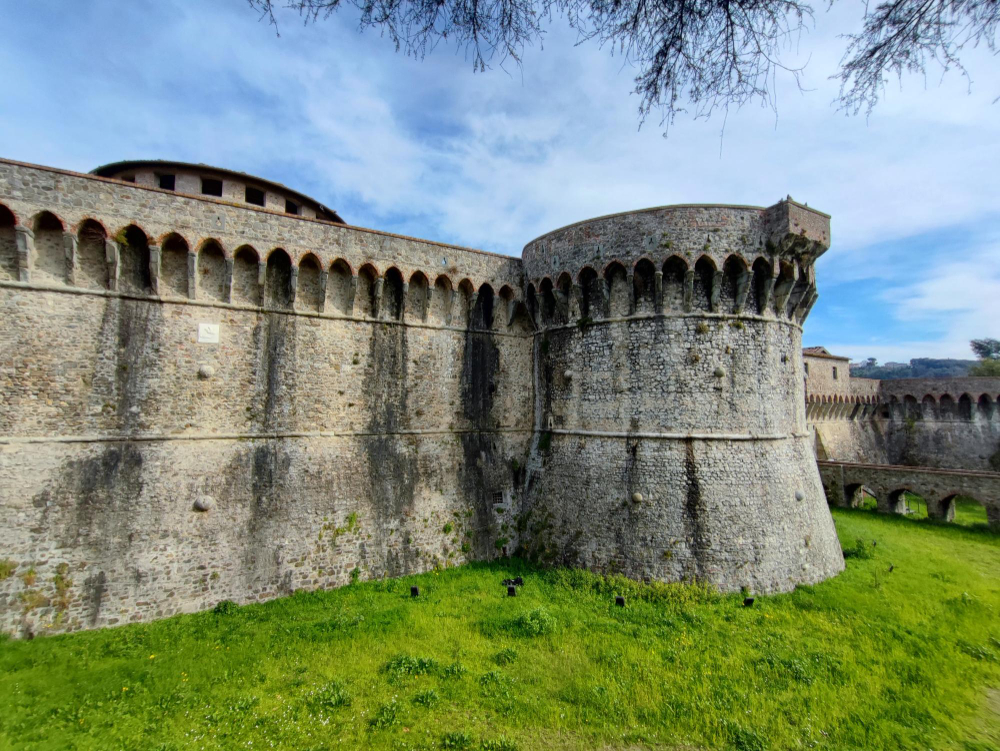
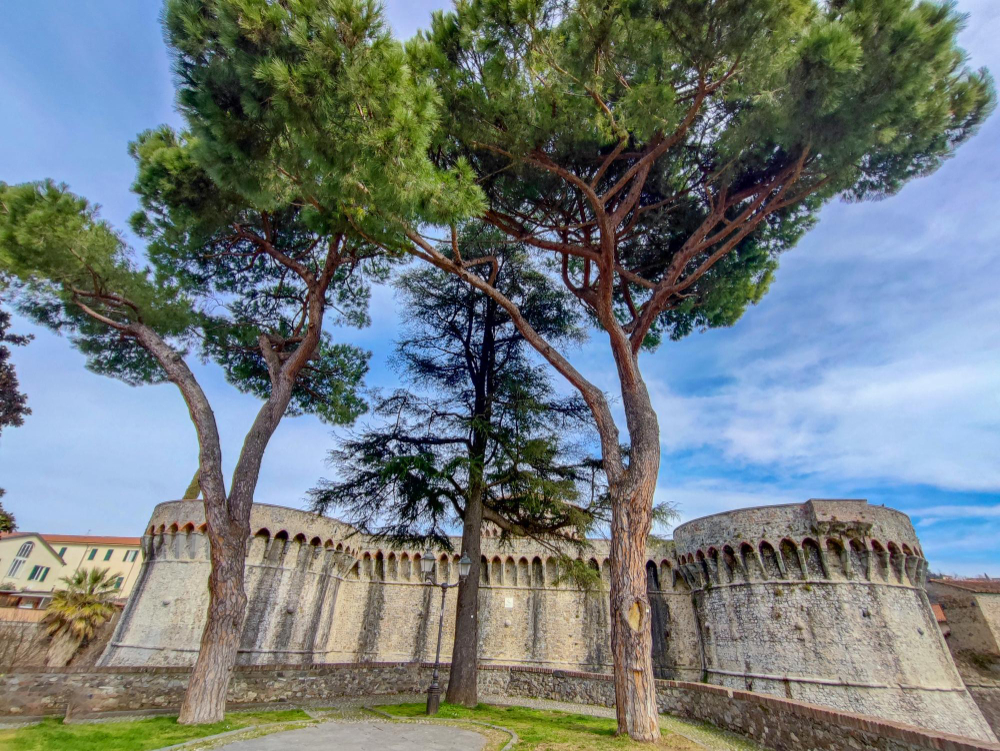
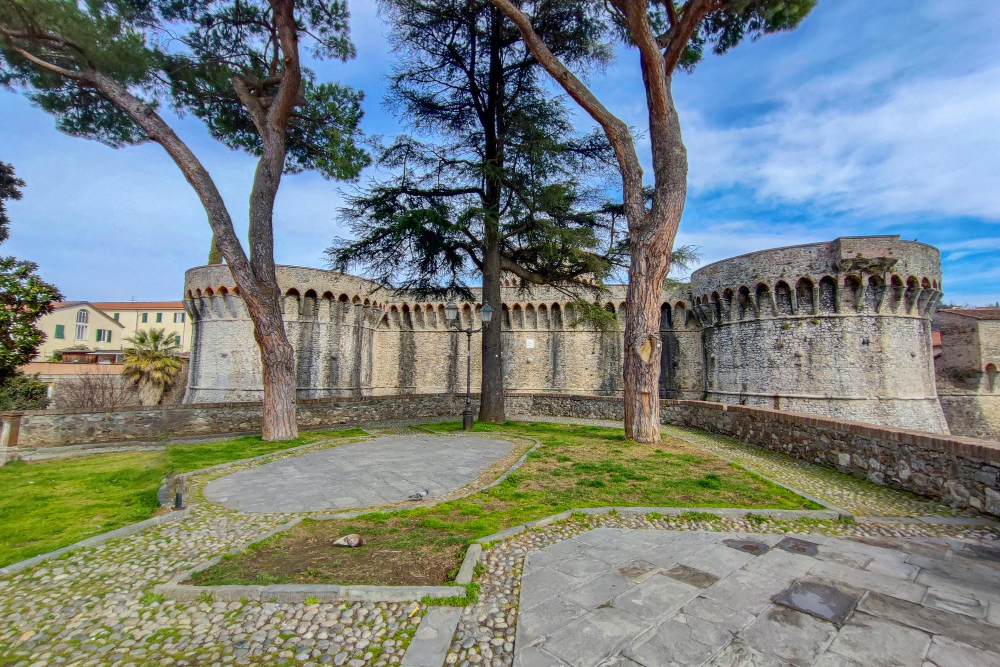
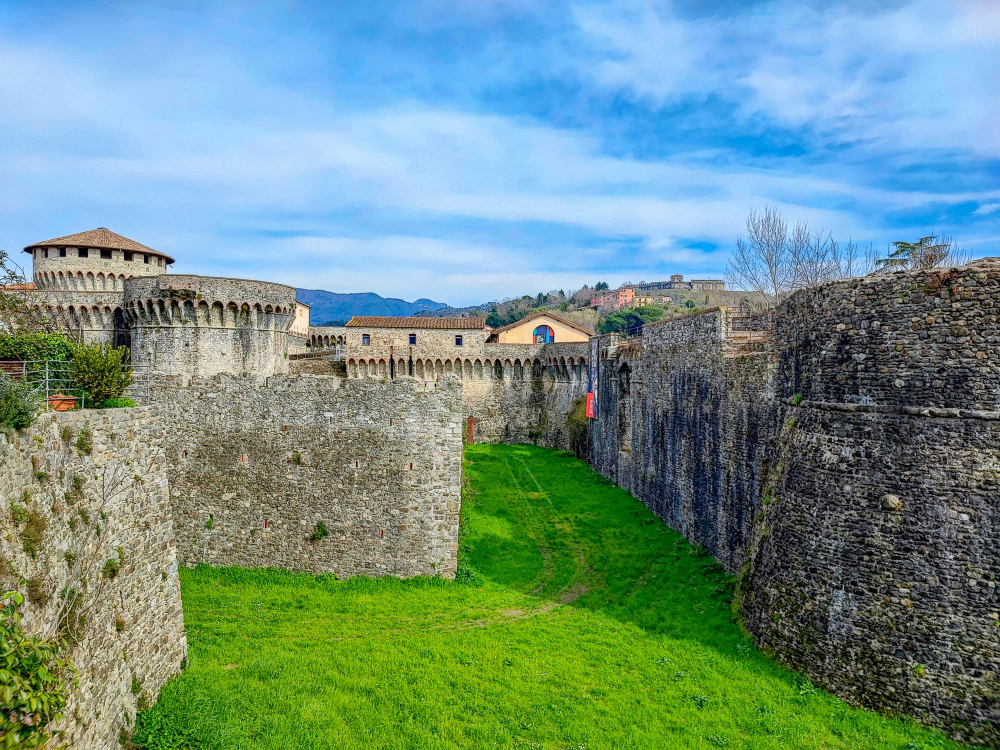
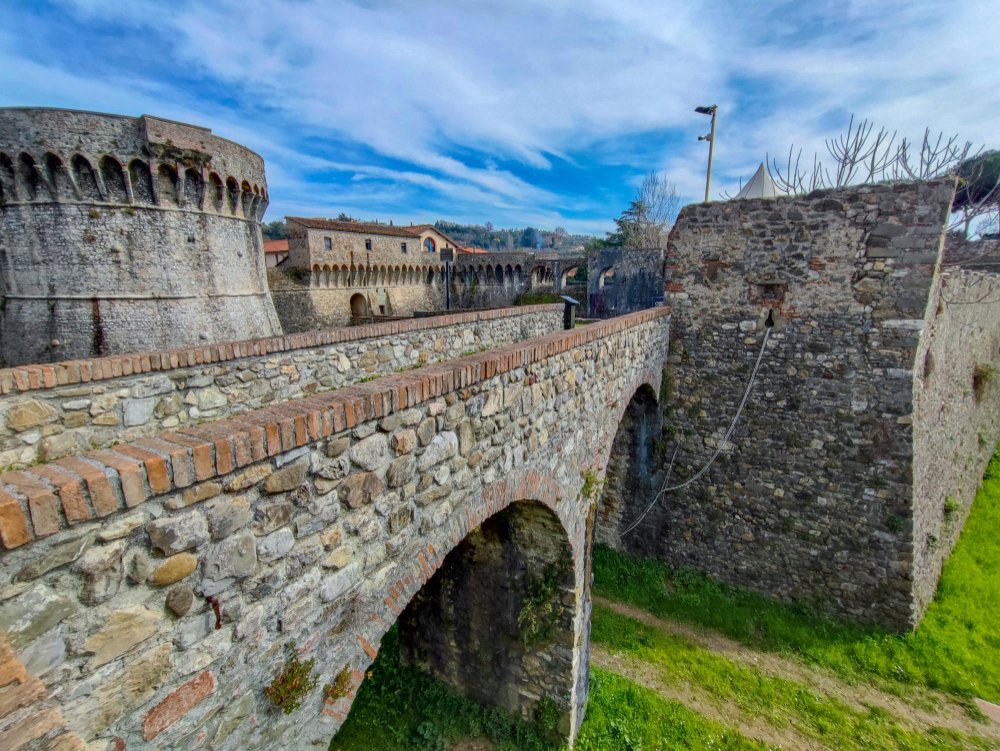
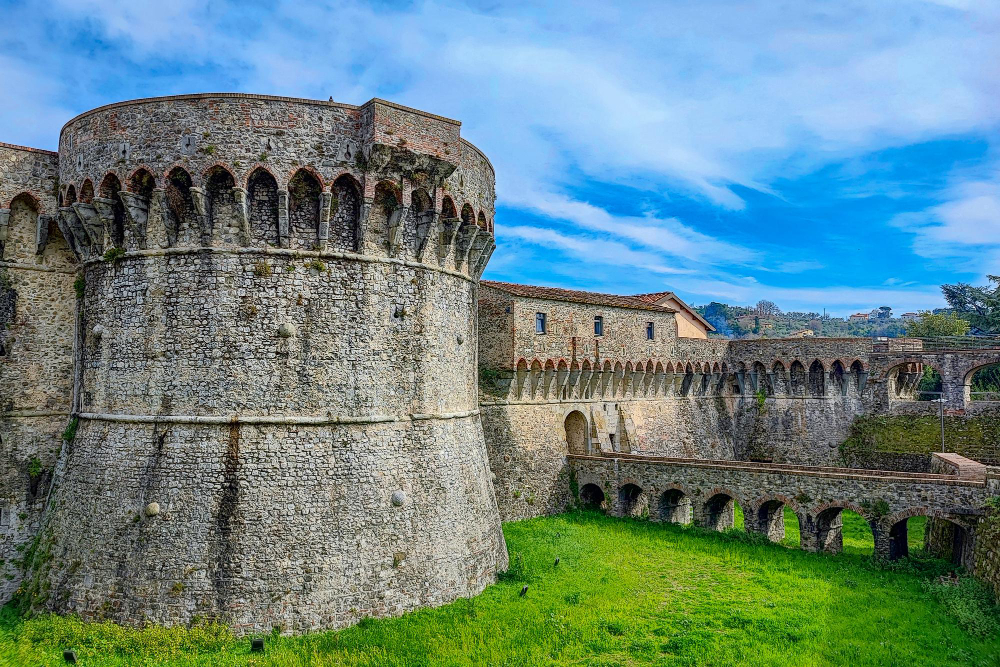
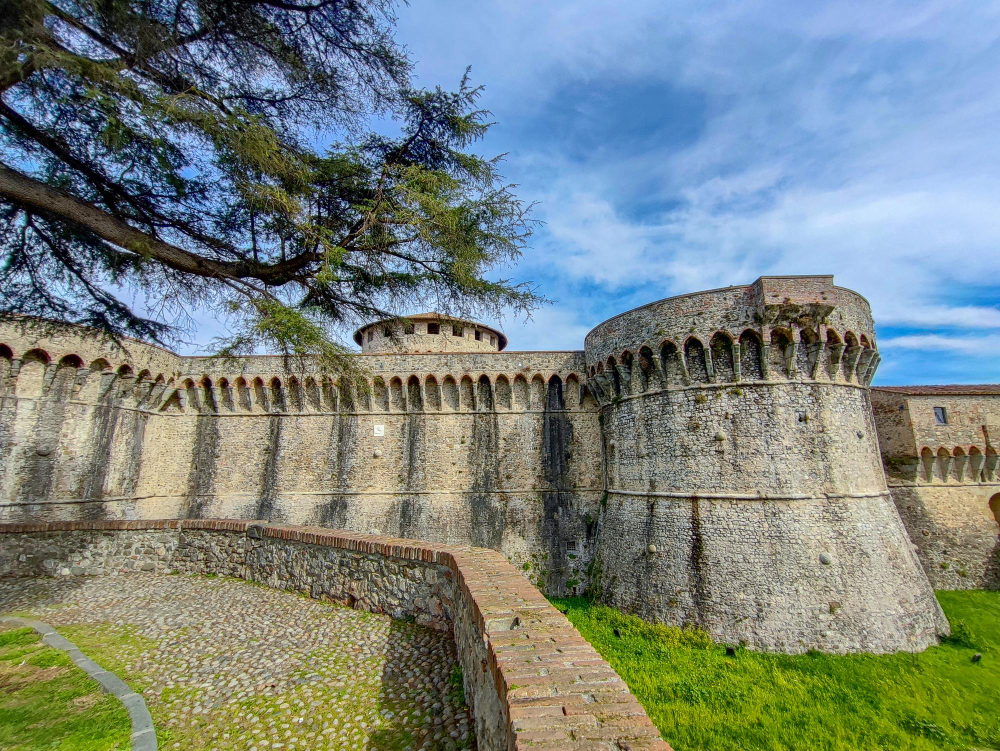
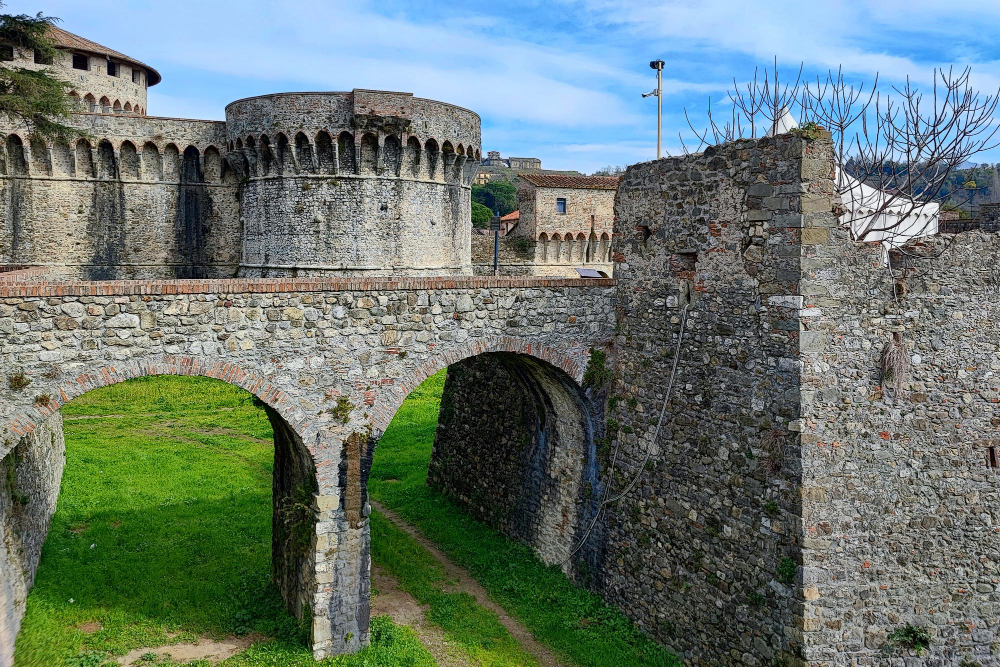
The mighty walls of Sarzanello Fortress (Fortezza di Sarzanello) tower imposingly over the Ligurian countryside, their silhouette a silent witness to times gone by. Yet anyone who approaches this fortress beneath the starry sky and listens to the stories circulating in the surrounding villages will soon realise that it is more than just an architectural masterpiece or a historical landmark. The fortress harbours a secret that has endured for centuries: the ghostly guardian of Castruccio Castracani.
Castruccio Castracani – The Warlord Who Never Left – Castruccio Castracani was a man whose name is spoken in Italian history with equal parts admiration and fear. Born in Lucca in 1281, he rose to become one of the most brilliant, if brutal, warlords of the Middle Ages. His life was marked by intrigue, wars and political manoeuvring – a wild dance between genius and cruelty. He was not only Duke of Lucca, but also a skilful tactician whose strategic acumen made him the terror of his enemies. The Sarzanello fortress was massively expanded under his rule. It was not only a military stronghold but also a symbol of his power and his iron will to dominate the region. Not a single stone was moved without his knowledge; not a single line of defence was erected without his strict supervision. Thus it came to pass that the fortress’s walls became inextricably linked with Castracani’s personality. Niccolò Machiavelli himself saw him as a source of inspiration for his famous work The Prince, in which political ruthlessness is portrayed as a virtue. Yet despite his successes, his reign was shrouded in an eerie aura. Even during his lifetime, people whispered of a cold calculation that went far beyond the ordinary – as if he were driven by an invisible force that never allowed him any rest. When Castracani finally died in 1328, many believed that his spirit could find no peace. Some local legends even go so far as to claim that he never truly left this world.
The Myth of the Ghostly Guardian – The legend of the ghostly guardian stems precisely from this historical context. To this day, residents of the surrounding villages and visitors to the fortress claim to have seen a shadow flitting across the battlements – the shadowy figure of a man who seems to be watching over the valleys below. Others report eerie sounds, such as the echo of footsteps in the empty corridors or the metallic clang of an invisible weapon. Particularly unsettling is the notion that Castraccani’s ghost not only guards the fortress but also watches over the region that once lay under his influence – a shadowy leader who never sleeps and never forgets. The legend takes on a greater intensity on gloomy autumn days, when mist creeps over the fortress and envelops the landscape in a ghostly silence. It is said that those who incur the spirit’s wrath are punished with misfortune or inexplicable illnesses.
Historical Accounts and Eyewitnesses – Whilst many aspects of the legend have been passed down orally, there are also historical accounts that lend credence to the myth. A 15th-century document describes how soldiers reported an ‘inexplicable incident’ in which their weapons vanished during the night and someone with an icy stare watched them from the darkness. Researchers such as the Italian historian Giovanni Allegretti have collected these accounts over decades and attempted to trace the origins of the legend. More recently, several reports from tourists have come to light, also recounting strange occurrences. One visitor claimed to have heard a voice shouting “Intrusi!” (intruders) in the empty halls. Others suddenly felt an intense chill for which no climatic explanation could be found. These accounts have meant that Sarzanello Fortress has now become a popular destination for paranormal investigators and ghost hunters. Organised night-time guided tours are particularly popular, even though many participants return with trembling hands and pounding hearts.
The Fortress’s Architecture – A Labyrinth of Shadows – A key part of the fortress’s eerie character is undoubtedly its architecture. The massive stone structure is characterised by narrow, winding corridors and gloomy rooms into which hardly any light penetrates. The fortress was strategically designed so that enemies could easily lose their bearings – yet today, these winding paths contribute to making every step feel like an encounter with the unknown. In particular, the so-called ‘death chambers’ – small rooms where prisoners were once held – are regarded as hotspots for paranormal activity. Visitors report feeling heavy, oppressive energies in these rooms, as if the walls had absorbed the screams of the past. Indeed, some areas of the fortress are so remote and dark that it is easy to imagine how the shadows have continued to linger there for centuries.
Scientific Approaches and Sceptics – Of course, there are also those who doubt the supernatural aspect of the legend. Psychologists and historians argue that many of the reports are based on a combination of suggestion and self-fulfilling prophecy. The fortress exudes an atmosphere of danger and mystery that can evoke strong emotional reactions in visitors. These reactions are then often mistaken for paranormal phenomena. Furthermore, the nature of the fortress – its ancient stone walls and underground tunnels – possesses acoustic properties that can amplify and distort sounds. As a result, naturally occurring noises often seem eerie and supernatural. The chill that visitors feel could also be explained by draughts passing through the fortress’s structure.
A place of history and the unknown – Whether one believes in the ghostly guardian Castruccio Castracani or regards him as a manifestation of the collective imagination – Sarzanello Fortress remains a fascinating place. Here, history and myth merge into a whole that both captivates and terrifies visitors alike. The legend of the warlord may be vague, but it lends the fortress a dimension that extends far beyond the visible and tangible. For those brave enough to venture into the darkness of the fortress, a unique experience awaits: the attempt to encounter a past that may still lurk in the shadows of these stone walls. The question remains: does Castruccio Castracani still watch over the fortress? Or is the ghostly guardian merely a figment of our own imagination? The answer lies – as is so often the case with such legends – deeply hidden between fact and fiction.