 Isabella Mueller Baroness of Stainton le Vale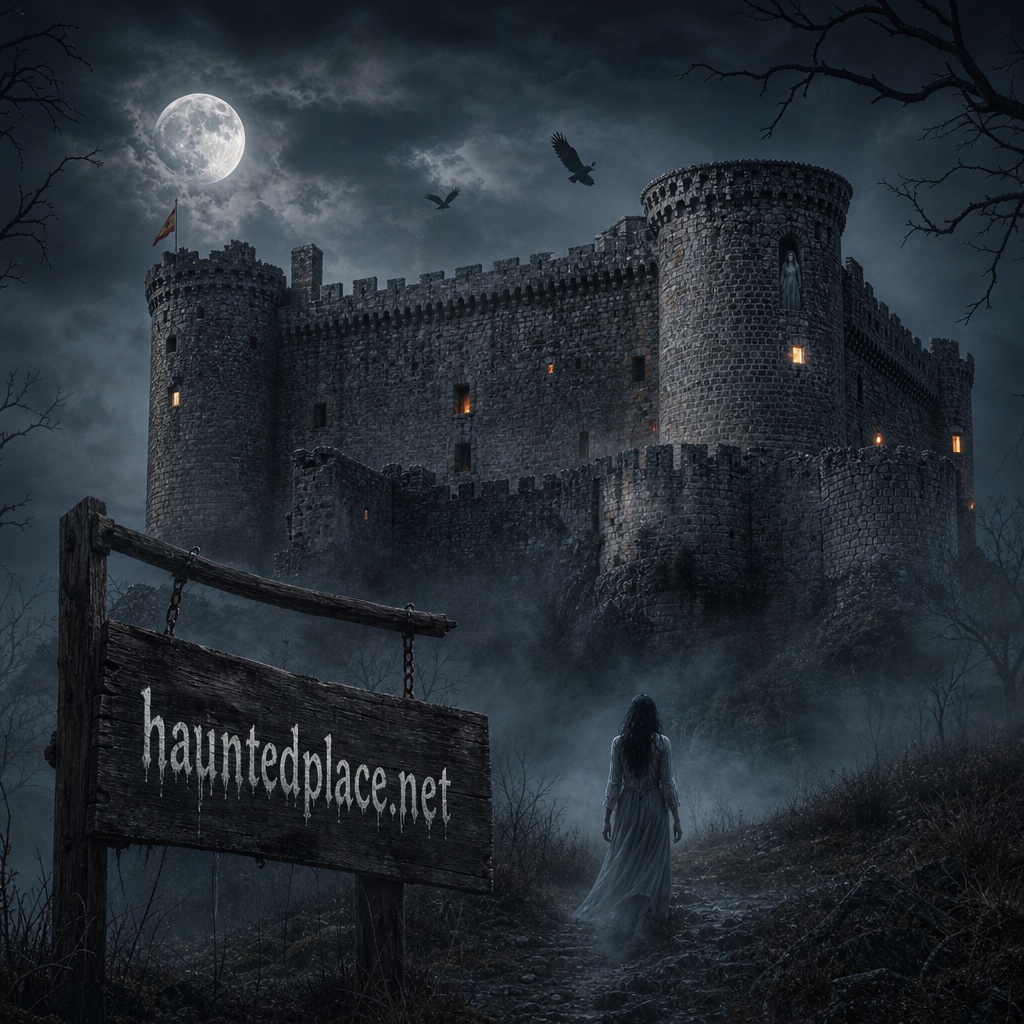
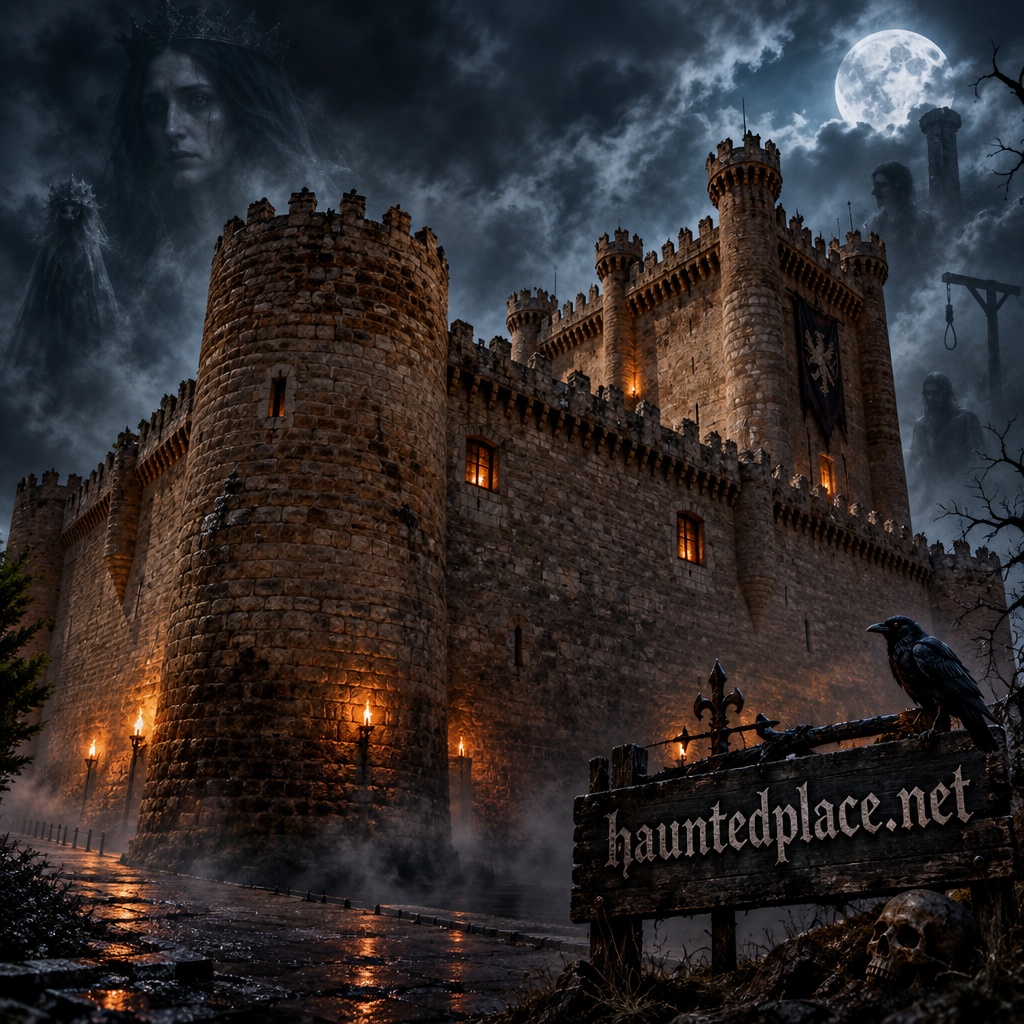
Surrounded by the somber silence of the Sierra de Gredos, the Castillo de Mombeltrán rises like a silent witness to times past. Yet amid its crumbling walls, which bear the scars of wars, power, and suffering, the cry of a tormented soul is said to still echo. It is the tragic story of Joanna of Castile, better known as Juana la Loca, that shrouds this castle in a eerie aura. Anyone familiar with the legend will certainly view the cold shadows of these walls with new eyes.
Juana la Loca: A Queen in the Grip of Madness – Johanna of Castile, born on November 6, 1479, was the daughter of the Catholic Monarchs, Isabella I of Castile and Ferdinand II of Aragon. Her life began amid the splendor and grandeur of court life, but her story took a dark turn that continues to shroud her name in an aura of tragedy and mystery to this day. Historians still debate the causes of her “madness,” which ultimately made her a pawn in political intrigues and led to her life ending in isolation. Perhaps the best-known episode of her life concerns her passionate, almost obsessive love for her husband, Philip the Handsome. Their marriage was originally driven by political interests, but over time, Joanna developed an unbridled passion for Philip. This love, however, was to become the seed of her misfortune. For when Philip died unexpectedly of a fever in 1506, Johanna fell into a state of deepest despair, which contemporaries interpreted as madness. Historical accounts describe how she isolated herself, had her husband’s body preserved, and, according to rumors, even visited his remains at night. These events served to portray Joanna as unstable and unfit to rule—which enabled her father Ferdinand and later her son Charles V to gradually oust her from power through political maneuvering.
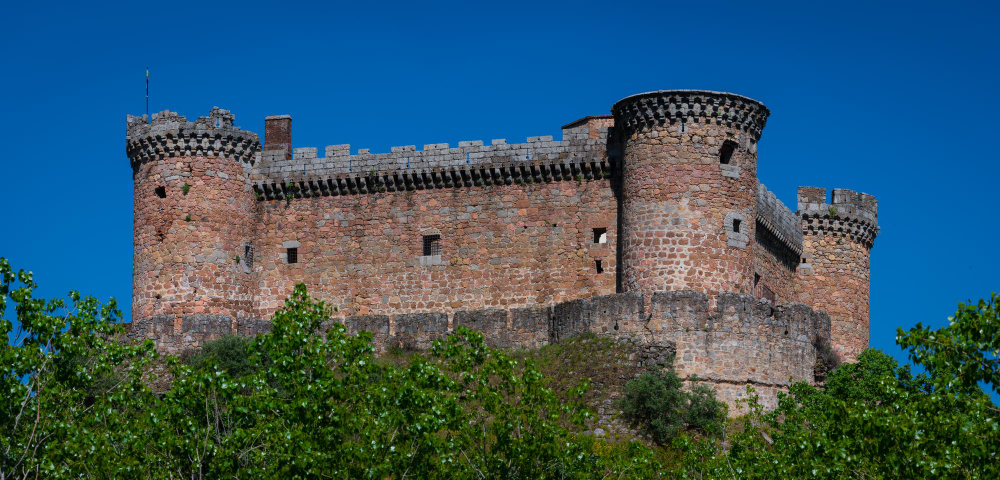
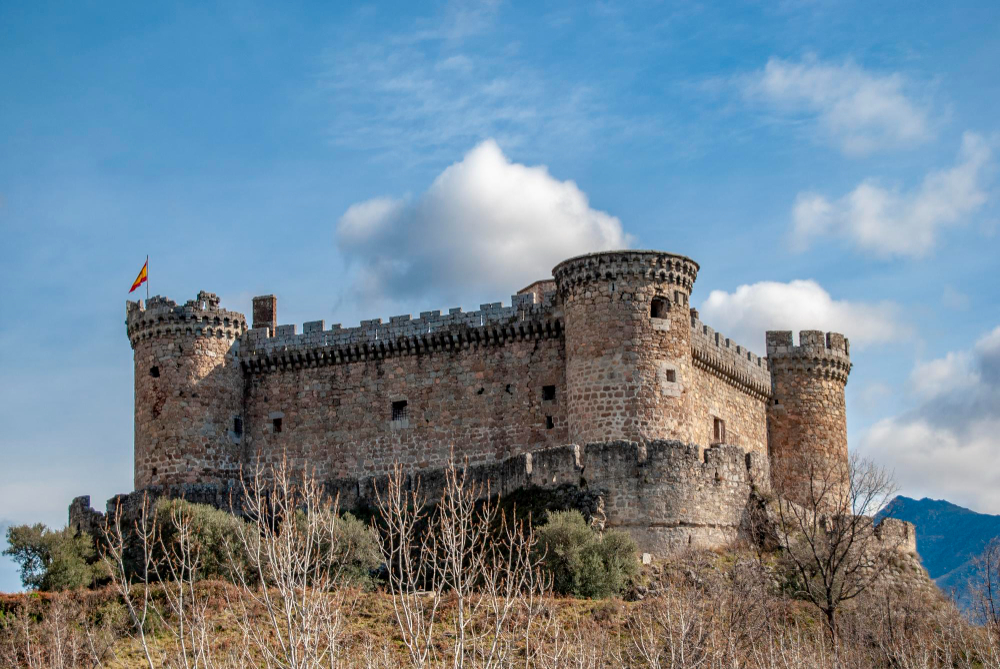
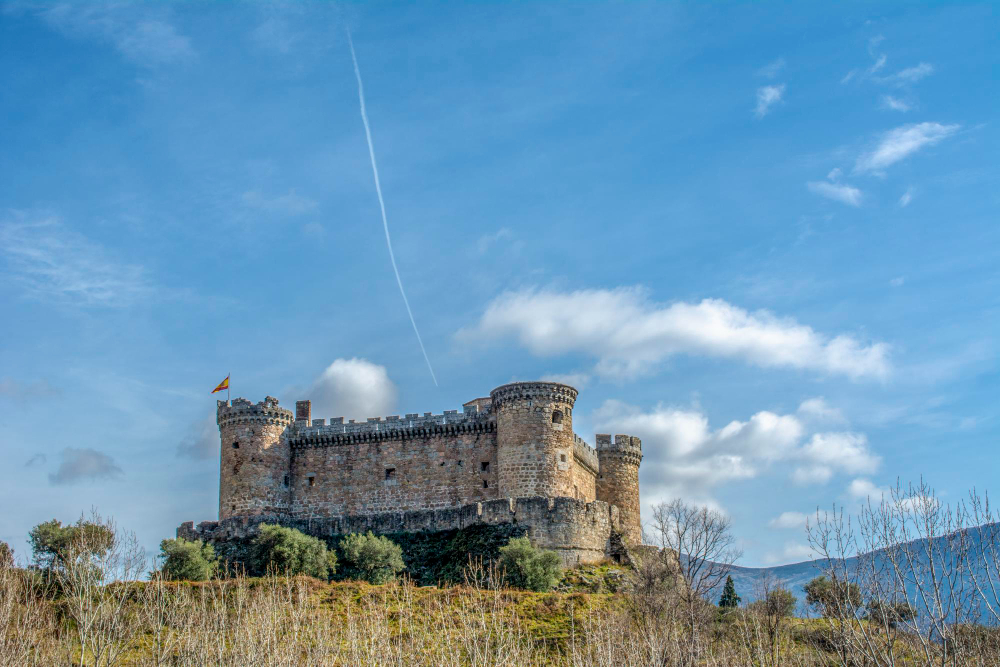
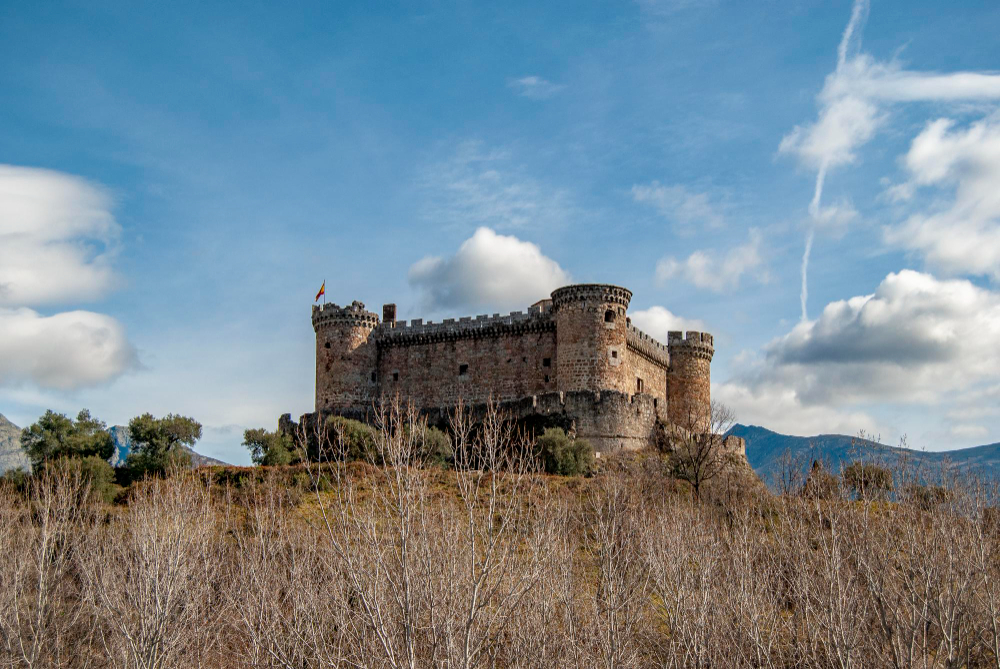
The Castillo de Mombeltrán: Refuge or Prison? – Juana la Loca spent most of her isolated life at the Santa Clara Convent in Tordesillas. However, some local legends claim that she occasionally sought refuge at the Castillo de Mombeltrán. This imposing structure, built in the late 15th century at the behest of the Count of Alburquerque, is strategically situated on a hilltop. From here, one could see far across the surrounding valley, and the mighty stone walls were a symbol of protection and power. For Juana, however, this place would have offered little protection—rather, it would have been yet another chapter in her long history of imprisonment. Legend has it that within the castle’s dark walls, Juana fought not only against external demons but also against her own inner ones. Voices are said to have echoed through the long corridors, accompanied by a chill in the air. Was it Philip’s ghost that followed her? Or were these apparitions a manifestation of the delusions that tormented her? Locals say that Johanna’s tormented soul still lingers in the Castillo de Mombeltrán. After dark, footsteps are said to be heard in the abandoned halls, even though not a soul is present. Some even report seeing a shadowy figure in royal attire wandering through the rooms by candlelight. Whether truth or figment of the imagination—the castle has earned a reputation as one of the most eerie places in Spain.
The Curse of Unfulfilled Love – But why would Johanna’s ghost haunt this very place, so far from Tordesillas, where she was actually imprisoned for most of her life? To answer this question, chroniclers and mythologists have offered a possible explanation: Perhaps Johanna’s soul sought in this remote retreat what she never found in life—peace. Her love for Philip was obsessive and unhealthy, yet at the same time tragically pure. Some believe that her soul remains restless because she was never able to accept the loss of her husband. According to this interpretation, the hauntings at Castillo de Mombeltrán are a manifestation of her unresolved grief. Another theory posits that the castle symbolizes the political isolation that Joanna was forced to endure—an eerie place that reflects the confinement and darkness of the captivity that shaped her existence for years.
From Mombeltrán to Tordesillas: A Life in Isolation – The Castillo de Mombeltrán is not the only site associated with Joanna’s suffering. As mentioned, after her husband’s death, she was confined to the Santa Clara convent. There she spent nearly fifty years in seclusion, surrounded by nuns who were unable to alleviate her mental anguish. According to reports, Juana remained in this state until her death in 1555, a shadow of her once-vibrant personality. The stories surrounding her madness and alleged possession have been widely questioned by historians. Recent research suggests that her symptoms were exacerbated by depression, which may have been a consequence of the constant abuse of power in her environment. Yet for the legend of Juana la Loca, this historical context is hardly relevant. Rather, it is the dark tales that have burned themselves into people’s memories—and the traces she is said to have left behind in places like the Castillo de Mombeltrán.
Spooky Traces in the Ruins – Today, the Castillo de Mombeltrán attracts tourists and adventure seekers alike who have heard the stories about Juana la Loca. At night, visitors report, the castle seems to take on an atmosphere all its own. An oppressive feeling hangs in the air, as if time has stood still. Some claim to have heard the mournful voices of a woman echoing through the ancient corridors, while others swear they’ve seen fleeting shadows. The castle’s inner courtyard in particular—from which the dungeons can be accessed—is said to radiate an eerie energy—as if the pain of the past still lingers here.
Between Fact and Fiction – As with many historical figures, the lines between reality and myth blur when it comes to Juana la Loca. What is certain is that she was a woman far ahead of her time and yet a victim of her circumstances. Her story has inspired artists, authors, and filmmakers, including films like Mad Love (2001), which trace Juana’s life in a style that is part fiction, part documentary. Yet the exact role that the Castillo de Mombeltrán actually played in her life cannot be conclusively proven historically. What remains is the power of the legend. The image of the mad queen, consumed by grief and jealousy, continues to captivate people to this day. And the Castillo de Mombeltrán, a silent monument to centuries-old secrets, remains a place where the past and the supernatural collide and irrevocably blend in the minds of visitors.
A Castle Full of Shadows – The Castillo de Mombeltrán is more than a historical site—it is a place full of stories, emotions, and ghostly presences. Whether the legend of Juana la Loca is true or not ultimately doesn’t matter. It is the human longing for mystery that keeps such places alive. Those brave enough to venture into the castle’s gloomy corridors and among its cold stones by moonlight may discover for themselves that the past is sometimes as enduring as the legends we tell.
Something might indeed be lurking behind the castle’s imposing walls. But who is brave enough to find out?