 Isabella Mueller Baroness of Stainton le Vale
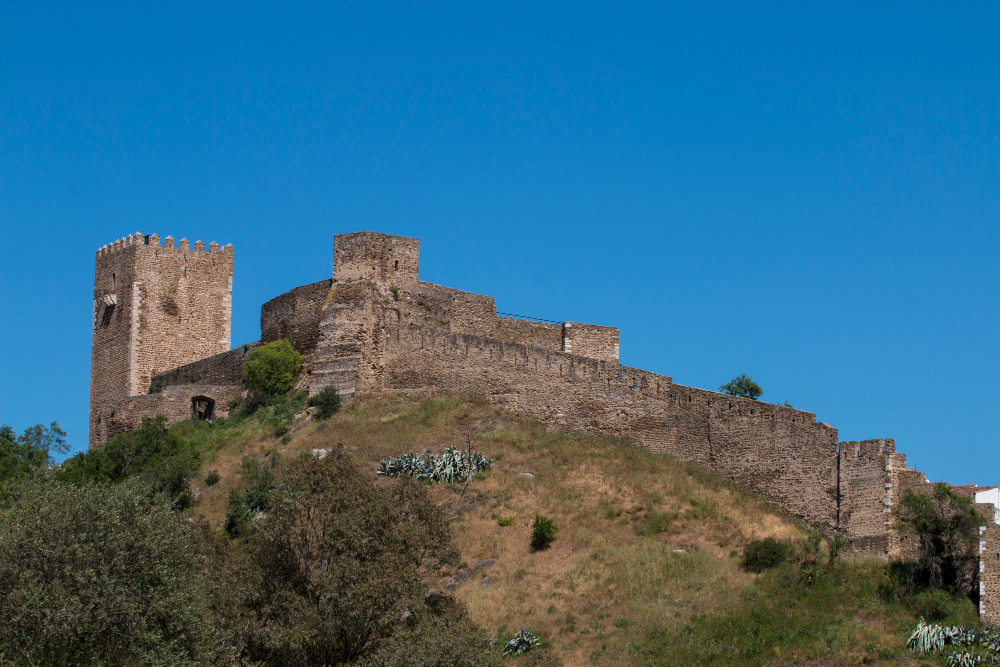
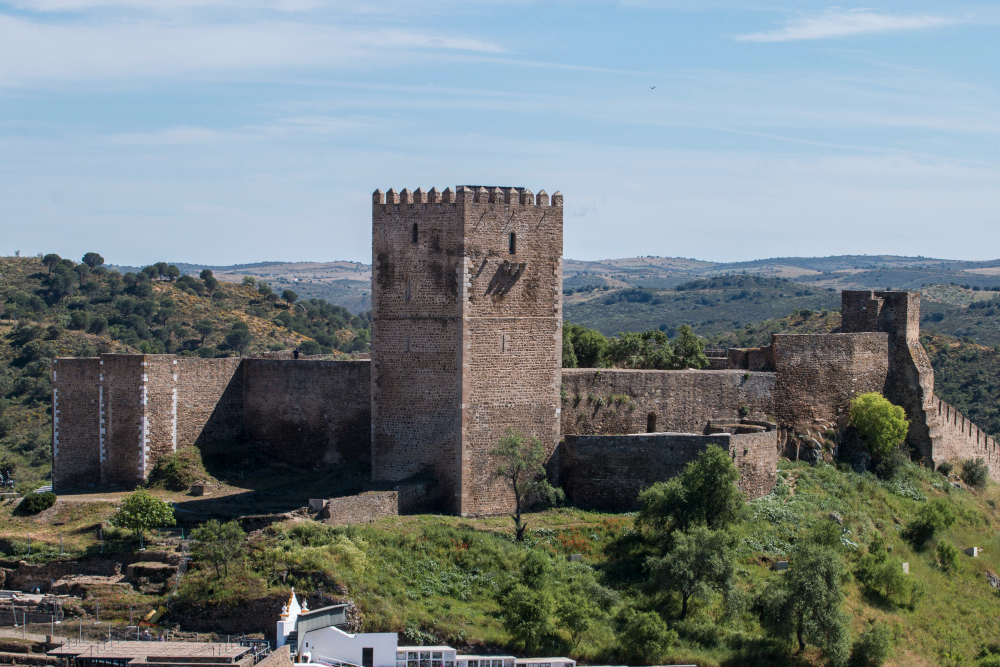
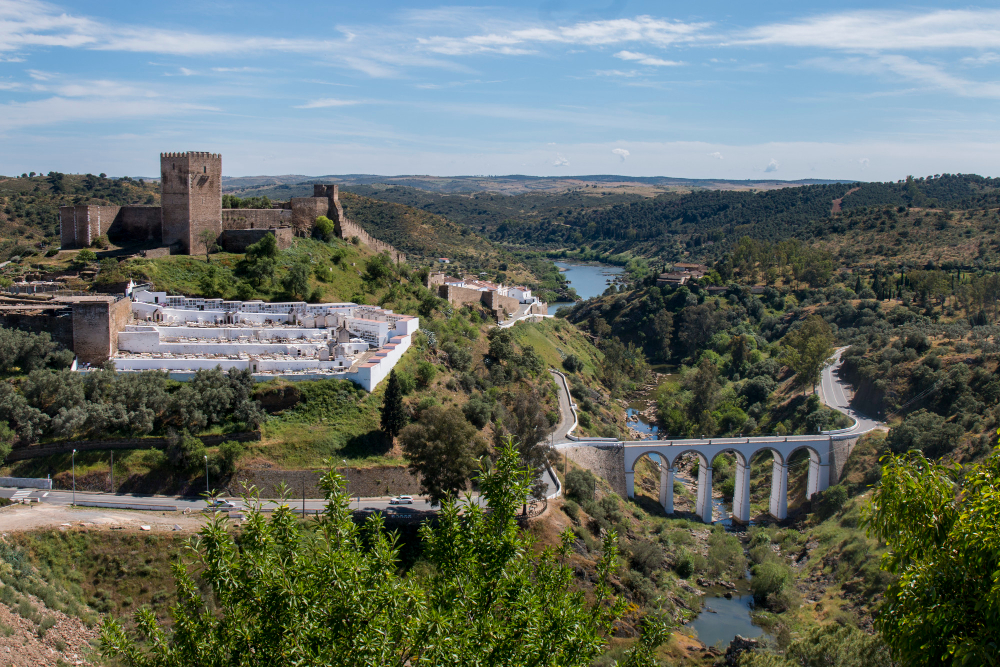
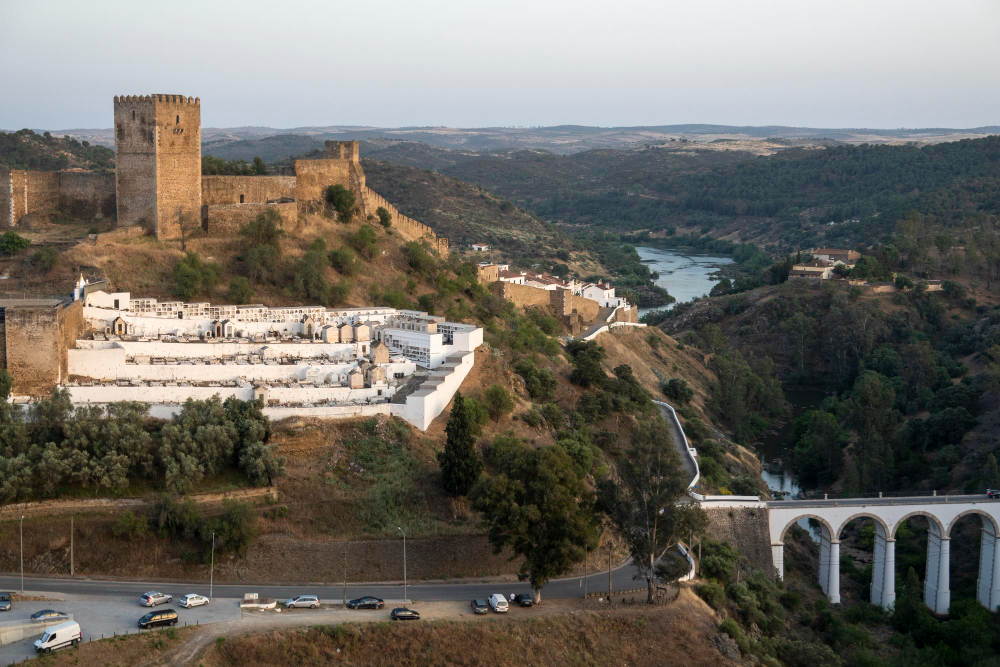
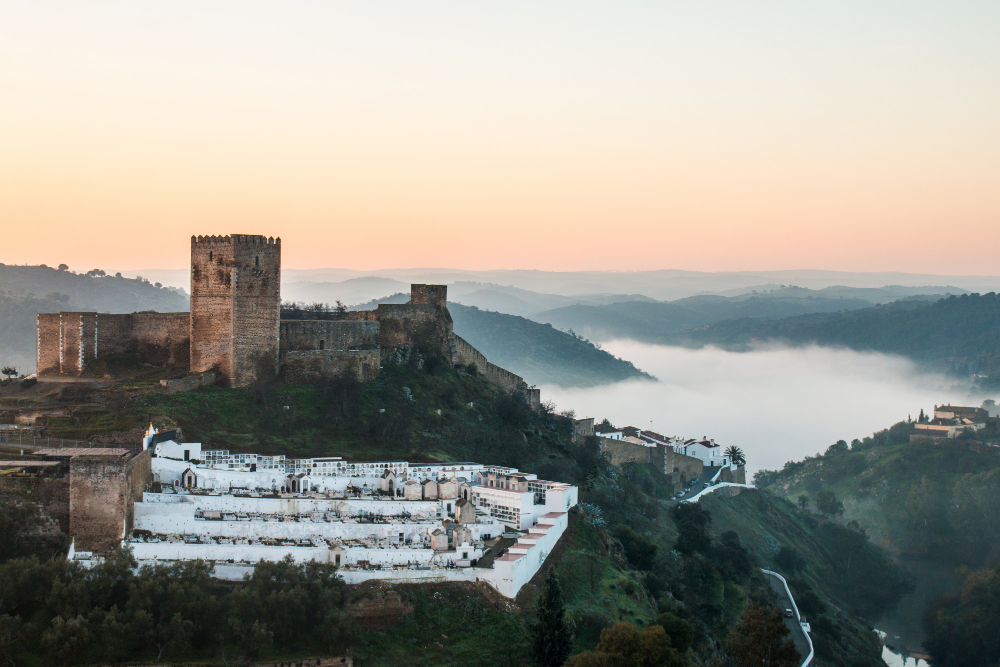
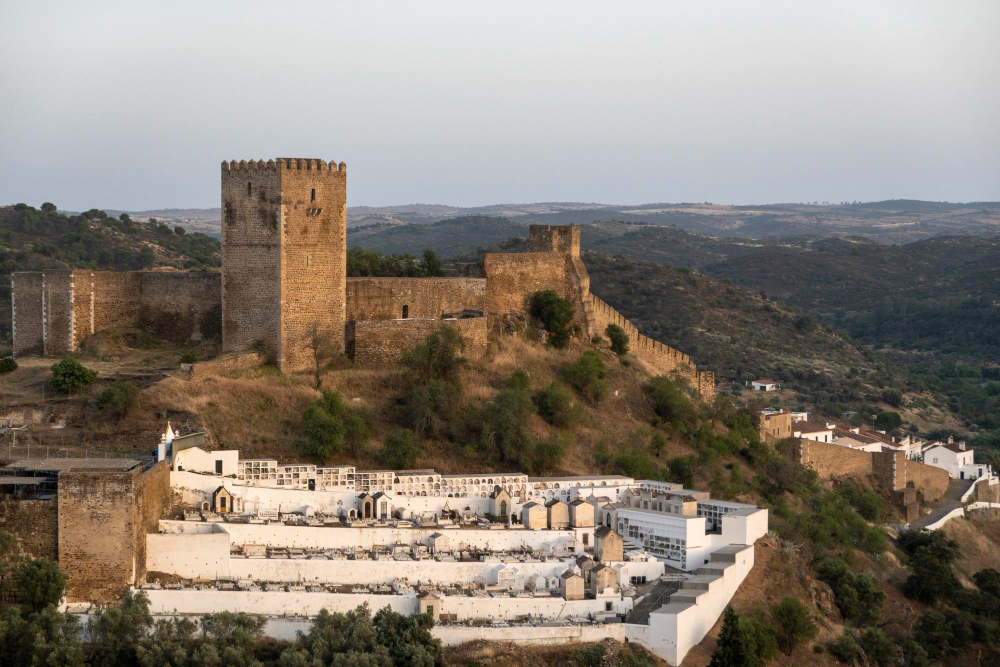
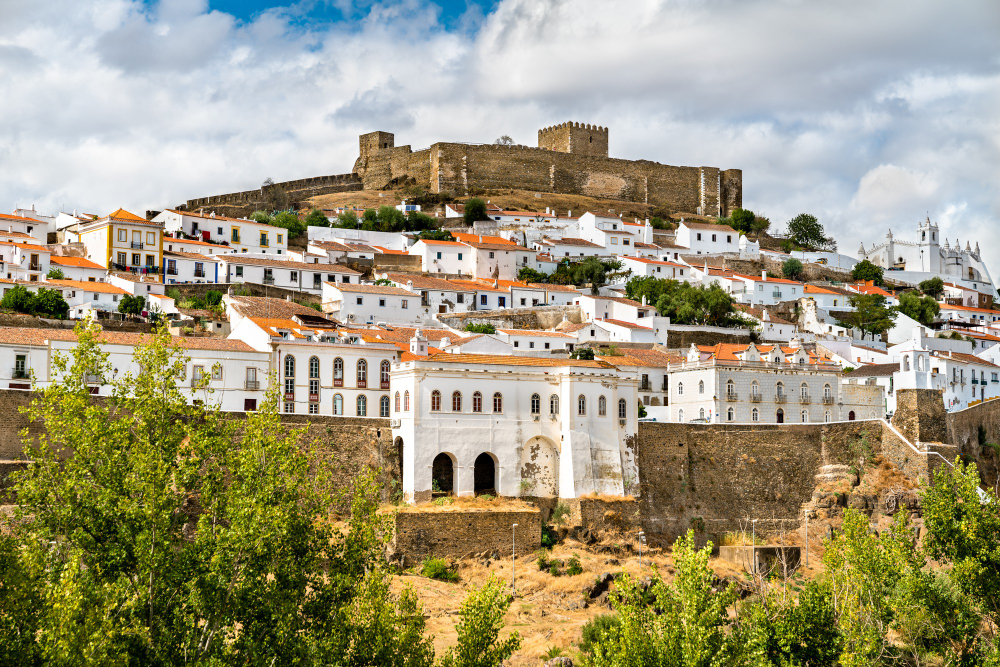
Mértola Castle, majestically perched above the Guadiana River in southern Portugal, is not only an impressive testament to medieval architecture but also the setting for a centuries-old legend deeply embedded in the shadows of Moorish history. The tale of the “Moura Encantada”—the enchanted Moorish princess—has fascinated locals and visitors alike for generations, immersing them in an atmosphere of awe and reverence.
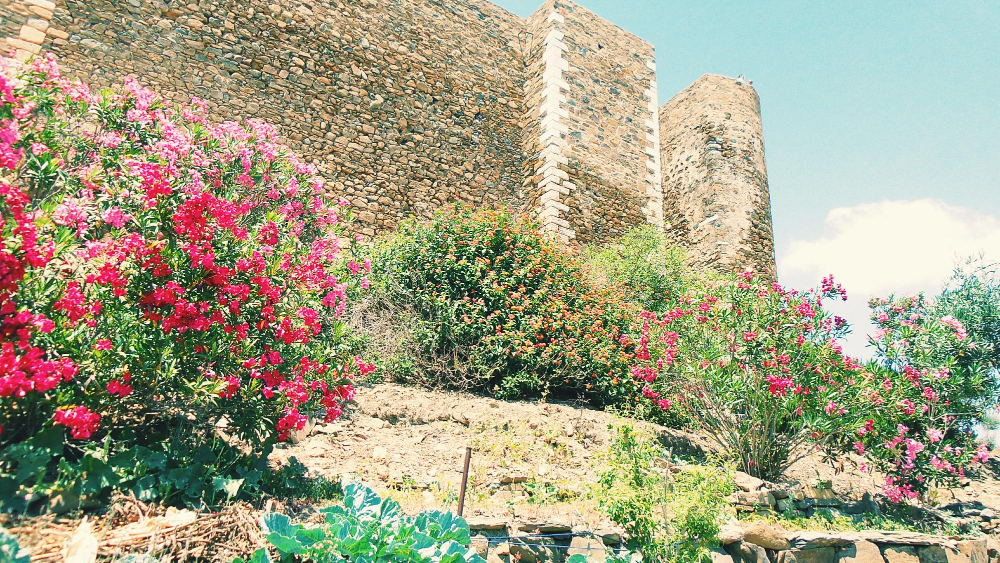
Historical Background and Setting – Mértola was a strategically important fortress during Moorish rule in the Alentejo. The castle was besieged several times and, in the course of the Reconquista, alternated between Moorish and Christian control. In 1238, King Sancho II succeeded in recapturing the castle, an event that not only changed the political landscape of the region but also laid the groundwork for one of Portugal’s most famous legends. The ruins of Mértola Castle bear numerous traces of this past: thick walls, cisterns, and dark wells whose cool depths still hold stories within them today. One cistern in particular—an underground water reservoir—stands at the center of the tale of the Moorish princess.
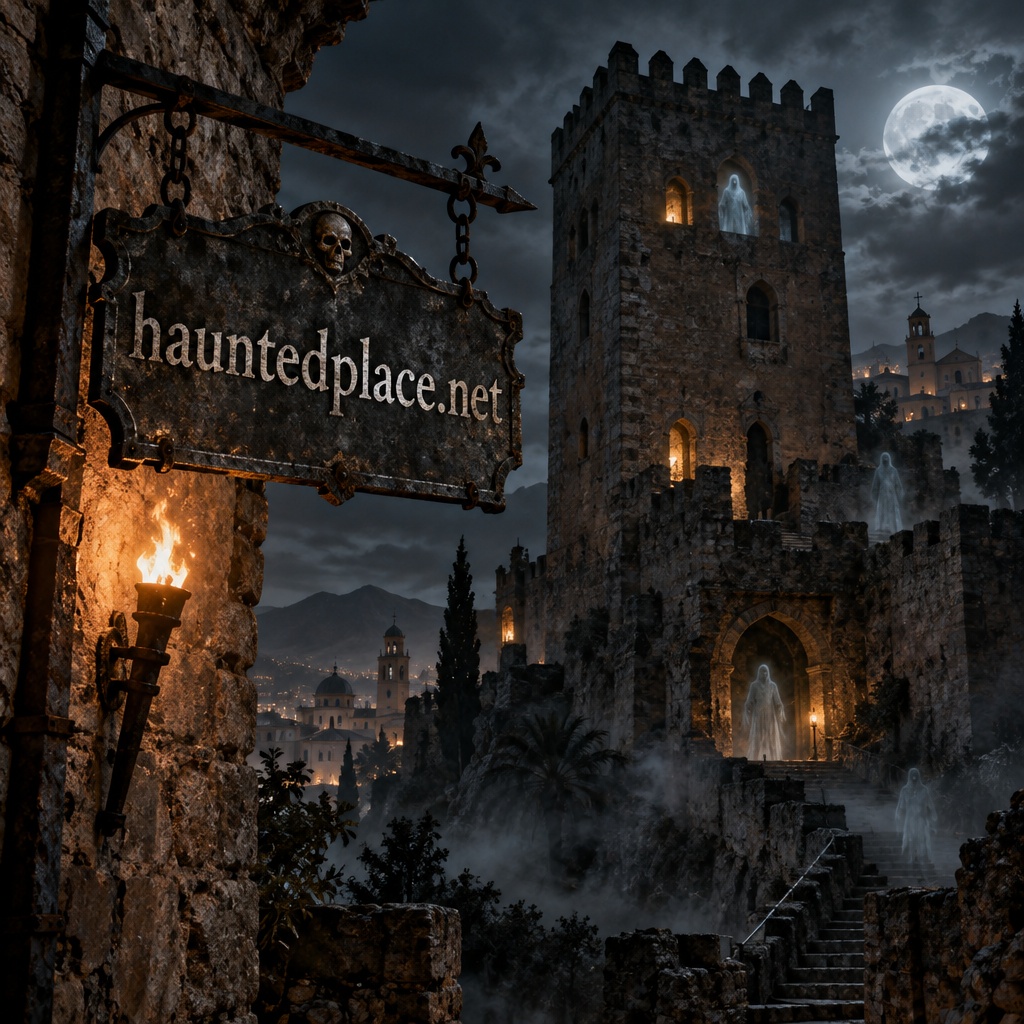
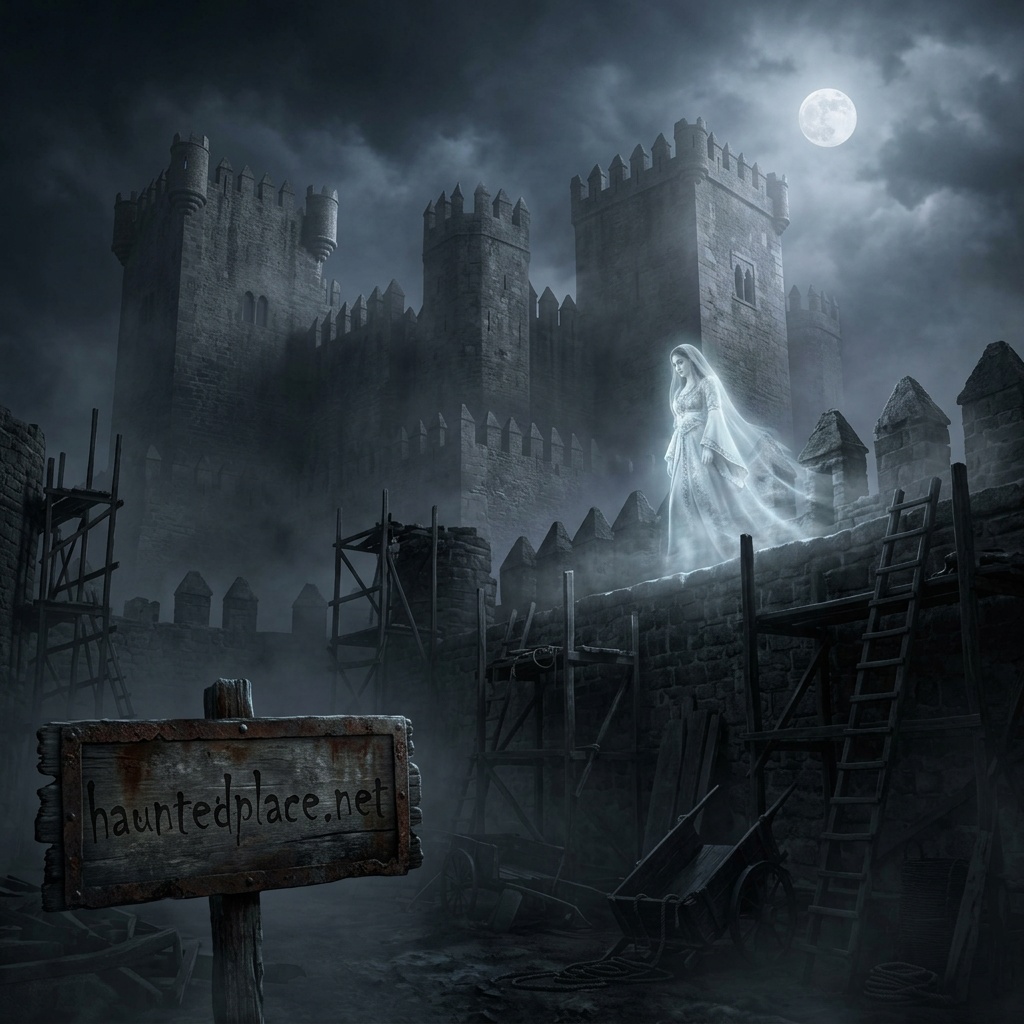
The Legend of the Moura Encantada – The story tells of a young, beautiful Moorish princess who sought refuge in the castle during the siege by Christian troops. When the conquerors stormed the walls, she decided to flee into the deep, damp well of the cistern—a place that gives life, yet can also mean danger and death. To escape capture and avoid the shame of defeat, she cast a protective spell upon herself—a magical charm intended to shield her from the touch of mortals. Yet this spell turned out to be a double-edged fate: while she escaped physical death, her soul became bound to the well. Since then—so the story goes—the princess appears on full moon nights on the banks of the Guadiana or near the castle walls. Her appearance is both beautiful and eerie: a white gown that seems almost translucent in the soft moonlight, and her voice, which sings sad, almost ghostly songs of loss, homesickness, and love. These songs are said to fill those who come too close to the well with a feeling of inexplicable foreboding.
Atmospheric Description of the Well and Its Surroundings – The well itself lies hidden below the castle, concealed in the shadow of massive stones and entwined with wild plants. A damp chill rises from within it, and a soft, barely audible sound of dripping water accompanies the silence of the night. The steep walls surrounding it are marked by age and time, overgrown with moss, and offer a deceptive sense of security—a labyrinth of darkness leading into the depths. On a full moon, the water in the well reflects the pale light in a ghostly manner, as if it were a portal to another world. Visitors often report a cold draft emanating from the well, and some feel instinctively repelled by it, without being able to find a rational reason for it.
The Symbolic Meaning of the Moura Encantada – In Portuguese folklore, the Moura Encantada often represents enchanted female figures who are under a curse and bound to specific places, usually wells, caves, or old castles. These figures embody the memory of the Moorish past and its tragic end at the hands of the Reconquista. The princess’s protective spell symbolizes despair, but also the hope for liberation—an eternal dilemma between life and death, freedom and captivity. The legend of Mértola also illustrates the cultural fusion and conflict between the Christian and Moorish worlds that prevailed in the region for centuries. The princess stands as a symbol of the lost kingdom and the spiritual connection to her homeland, which lives on despite the shifts in power.
Parallels and Additional Sources on the Legend – Other Portuguese regions tell similar stories of “Mouras Encantadas,” in which wells or rivers frequently serve as places of transition. These tales are deeply rooted in folk literature and differ in details, yet they consistently retain the motif of the enchanted woman awaiting redemption. An academic study of these myths can be found, for example, in the work of ethnologist Maria Helena da Cruz Coelho, who, in her book *Mitos e Lendas Portuguesas*, analyzes the significance of female water spirits. She explains that such legends often served to convey rules of conduct in the society of the time—such as avoiding dangerous bodies of water at night—while simultaneously preserving cultural identities. Furthermore, historical research confirms that many Moorish women during the Reconquista did indeed seek refuge in desperate situations, which links the core of the legend to realistic elements, even though magical aspects were added.
Contemporary Reception and Tourist Significance – Today, the legend of the Moorish princess of Mértola attracts many visitors who wish to experience the castle’s historic atmosphere and be captivated by the story’s mystical aura. Local guided tours bring the story to life, shedding light not only on the castle’s architectural features but also on its cultural and mythical facets. On some full-moon nights, special events are even held, featuring evening walks to the well accompanied by storytelling and folk music. These events are deliberately designed to capture the mysterious and slightly eerie atmosphere of the legend.
A Spooky Treasure of Portuguese Folklore – The story of the Moorish princess and her well in Mértola is more than just an old legend. It reflects the turbulent history of a region shaped by cultural exchange, conflict, and change. At the same time, it lives on as a compelling ghost story that exerts a timeless fascination through its atmospheric descriptions and emotional depth. Anyone who visits the castle of Mértola and follows in the footsteps of the Moura Encantada not only experiences a piece of history but also immerses themselves in a world shrouded in melancholic magic, mysterious forces, and incomparable horror. It is an experience that lingers long after the visit and, perhaps, in the moonlight, even allows one to hear the whispering sounds of a lost princess.