 Isabella Mueller Baroness of Stainton le Vale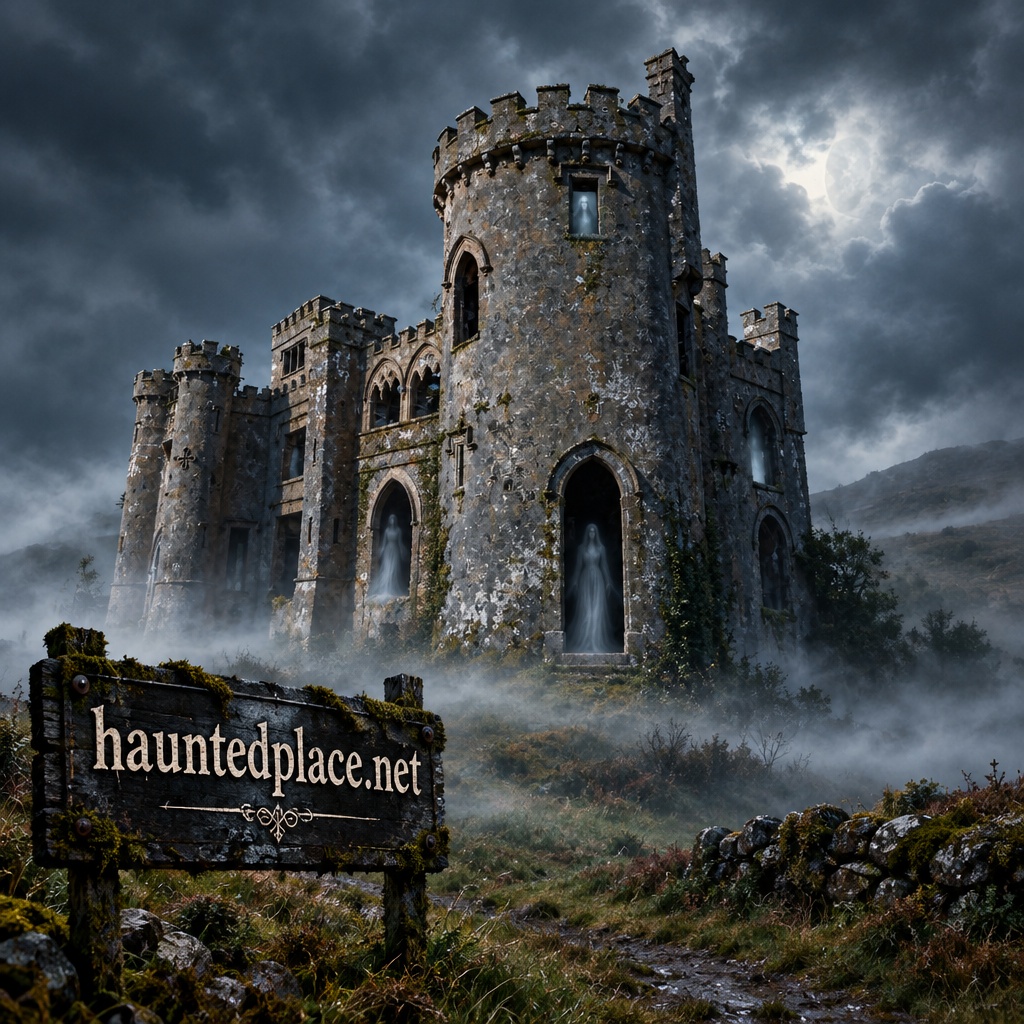
In the misty expanses of the wild Connemara region, on the west coast of Ireland, the ruins of Clifden Castle stand as a stark reminder of a dark past. This abandoned estate, once a magnificent manor house, has weathered not only the wind and rain over the centuries, but also the calamities and tragedies of human history. Today, Clifden Castle is regarded as one of Ireland’s most famous haunted castles – a place where the ghosts of a devastating era in the country’s history continue to whisper their laments into the wind.
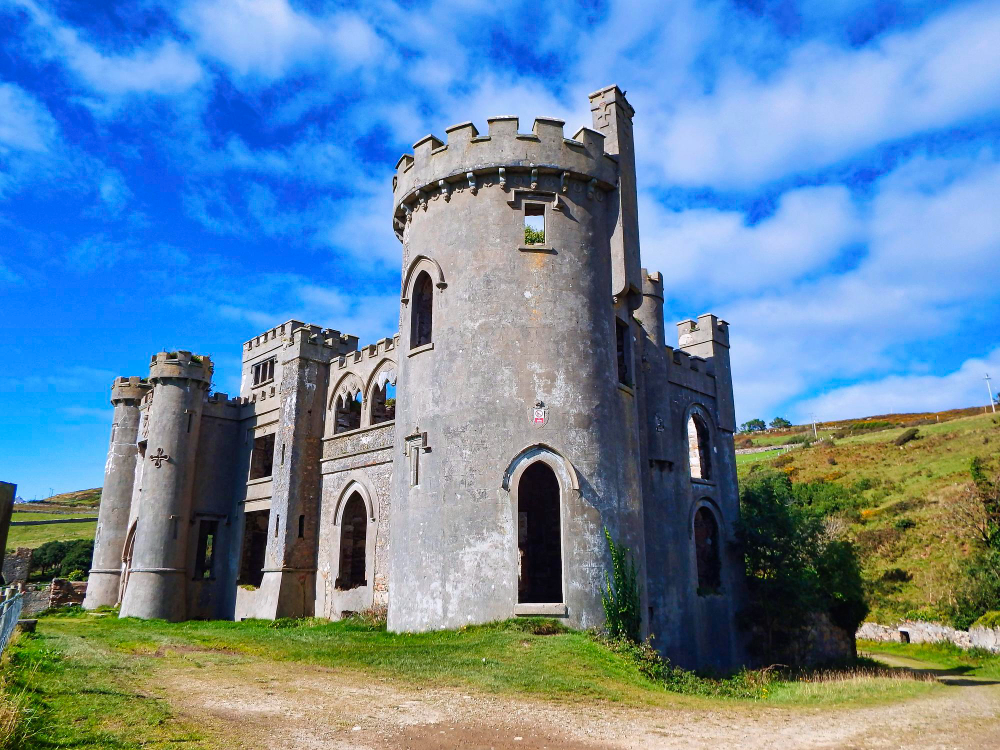
The History of a Proud Estate – Clifden Castle was built between 1815 and 1818, when John D’Arcy, a wealthy landowner and founder of the nearby town of Clifden, decided to erect an imposing manor house to symbolise his status and influence. With its massive, tower-like design, the estate blended perfectly into the rugged landscape of Connemara – a combination of red sandstone and sturdy walls built to withstand the harsh winds of the Atlantic. However, the castle was more than just a residence: it served as a symbol of hope and progress at a time when the region was marked by poverty and social inequality. The surrounding lands were used for agriculture, and many people found work and shelter there.
The shadow of disaster looms: The Great Famine – Yet from the mid-1840s onwards, the fortunes of Clifden Castle changed dramatically. The Great Irish Famine, triggered by the potato blight, paralysed the country and caused unimaginable suffering amongst the population. Dependence on the potato as the staple food made rural regions particularly vulnerable. Entire swathes of the countryside were depopulated, and the wave of poverty hit the people around Clifden hard. Legend has it that during these bleak years, countless desperate people flocked to the grounds of Clifden Castle. Many sought refuge here from hunger, cold and death – in the hope of finding help, work or at least a piece of bread. Yet the estate itself was falling increasingly into disrepair, and there was scarcely any food or support to offer. Instead, the grounds became a silent witness to countless deaths as men, women and children perished one by one in the bitter cold.
The Spirit of Despair: Legends and Ghost Stories – Since then, numerous stories have grown up around the ruins of Clifden Castle. It is said that the ‘souls of the starving’ still linger there – trapped between life and death, driven by their suffering and hardship. In the evening hours and during the misty twilight, visitors and locals are said to often hear the weeping or wailing of invisible apparitions. Dark figures glide silently through the crumbling halls and the surrounding fields, as if expressing an unfulfilled longing for redemption and peace. These legends speak of an atmosphere steeped in melancholy and dread. Anyone approaching the castle at night is said to feel a piercingly cold draught and an oppressive sense of grief – as if the past were coming to life with every whisper and every shadow.
Between history and myth – the significance of the haunting – Whilst the ruins are losing their centuries-old structure, the symbolic power of this place is growing at the same time. Clifden Castle stands as a memorial to the tragedy of the Great Famine, which claimed the lives of more than a million people and left a lasting mark on Irish history. The haunting is less a mere ghost story; rather, it embodies the unforgettable pain and the memory of the suffering of those days. The intertwining of real historical events with mystical tales creates an aura that makes Clifden Castle a special place – not only for lovers of spooky stories, but also for those wishing to explore Irish history and culture.
The architectural remains – witnesses to times gone by – Today, Clifden Castle stands as a picturesque ruin, its crumbling walls and vast window cavities bearing witness to the years that have passed. The foundation walls of the former manor house are still visible, whilst the towers rise skywards like skeletal remains. The castle grounds are surrounded by dilapidated outbuildings – stables, barns and servants’ cottages, which are likewise abandoned and overgrown. In the surrounding area, the rugged wilderness, with its dense heathland and moss-covered rocks, is relentlessly encroaching upon the estate. This scene of desolation reinforces the eerie impression the castle makes on visitors.
Historical Sources and Traditions – Most of the information about Clifden Castle and its eerie reputation comes from historical chronicles, 19th-century eyewitness accounts and oral traditions passed down from generation to generation. References in local books of legends and folk tales demonstrate how deeply the tragic story of the Hungry People is etched into the region’s collective memory. As early as the early 20th century, the first literary works were written describing the castle as a symbol of suffering and transience – yet without any concrete modern-day observations. The legend therefore lives on in its original form, thus preserving the authenticity of older traditions.
An unforgettable place full of sombre tales – Clifden Castle is far more than just a ruined castle in the heart of the Irish wilderness. It is a place where history becomes tangible – full of tragedy, loss and mysterious apparitions. The legends about the tormented souls of the starving still bear witness today to the human suffering during the Great Famine. Anyone who sets foot on the grounds is immersed in an atmosphere that blurs the boundaries between reality and myth. The whisper of the wind seems to carry the echo of the past, and the shadows of the unfortunate continue to wander through the ruins, forever trapped in their lamentable fate. Thus, Clifden Castle remains a fascinating site that illustrates the dark side of Irish history and captivates visitors alike with its eerie beauty and gripping legend. A haunted castle in the truest sense of the word – a memorial to the countless souls who never found their final rest here.