 Isabella Mueller Baroness of Stainton le Vale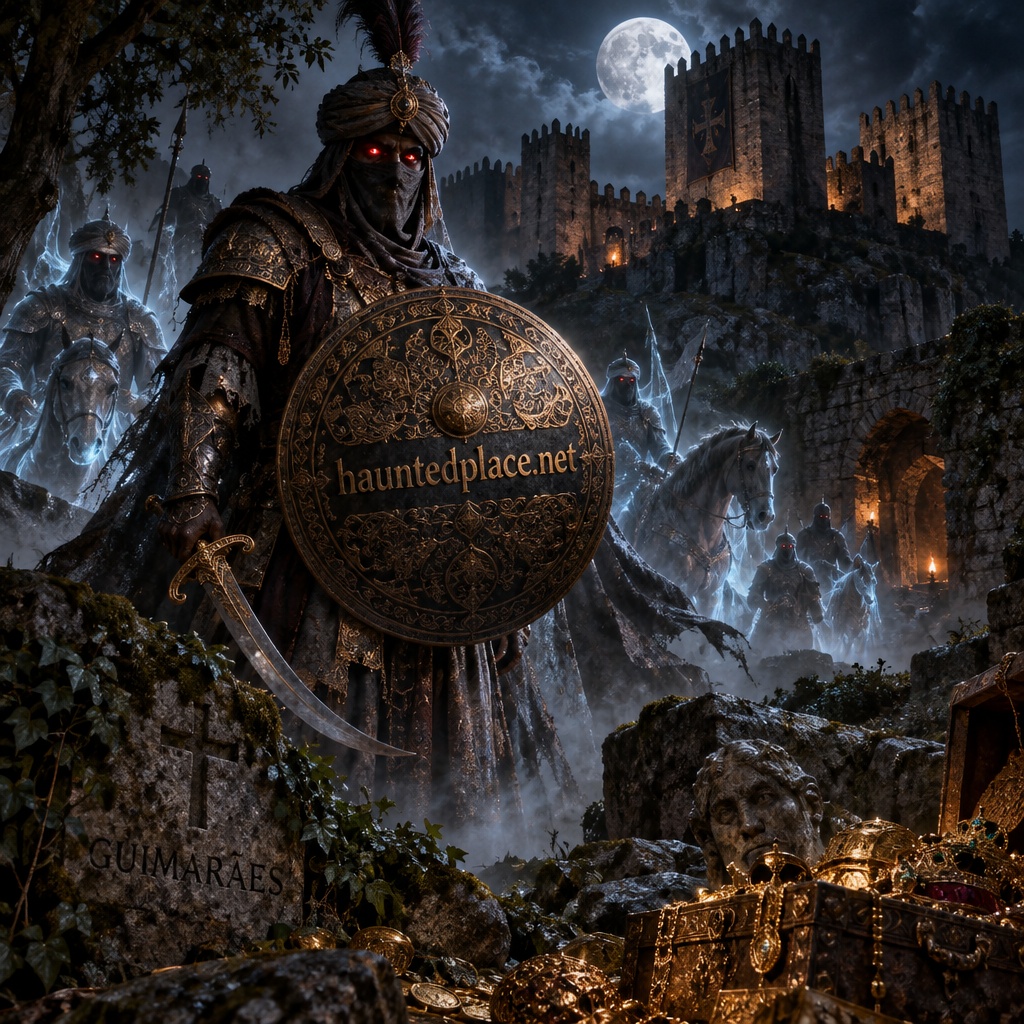
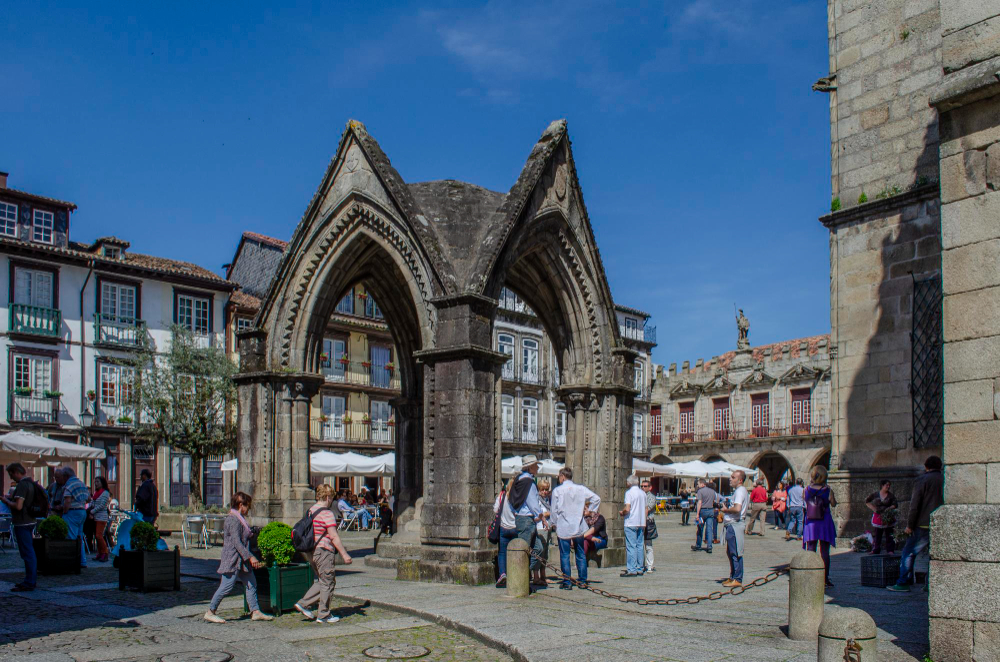
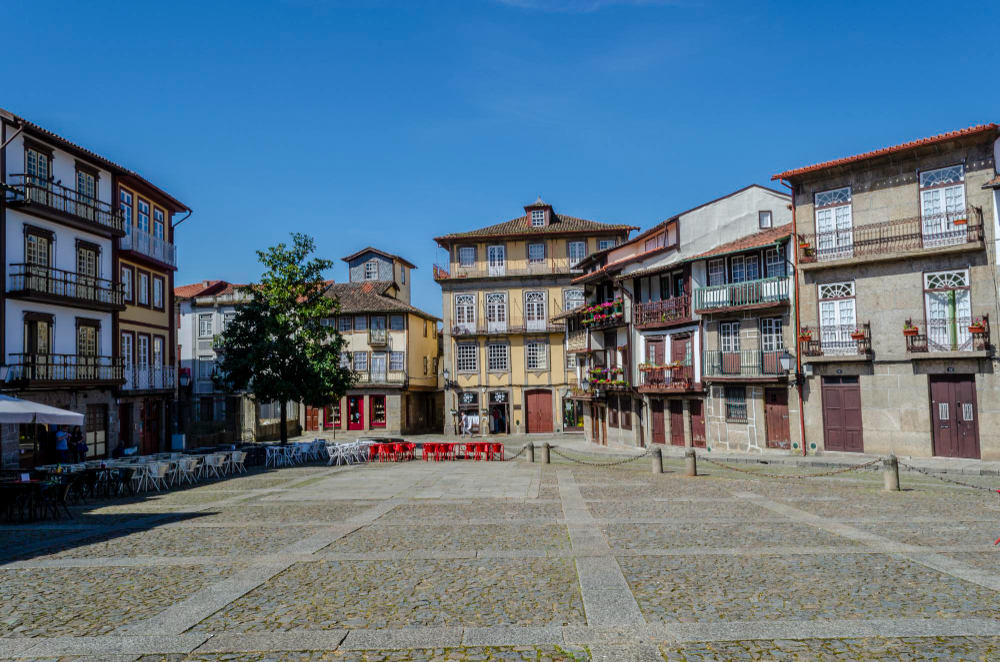
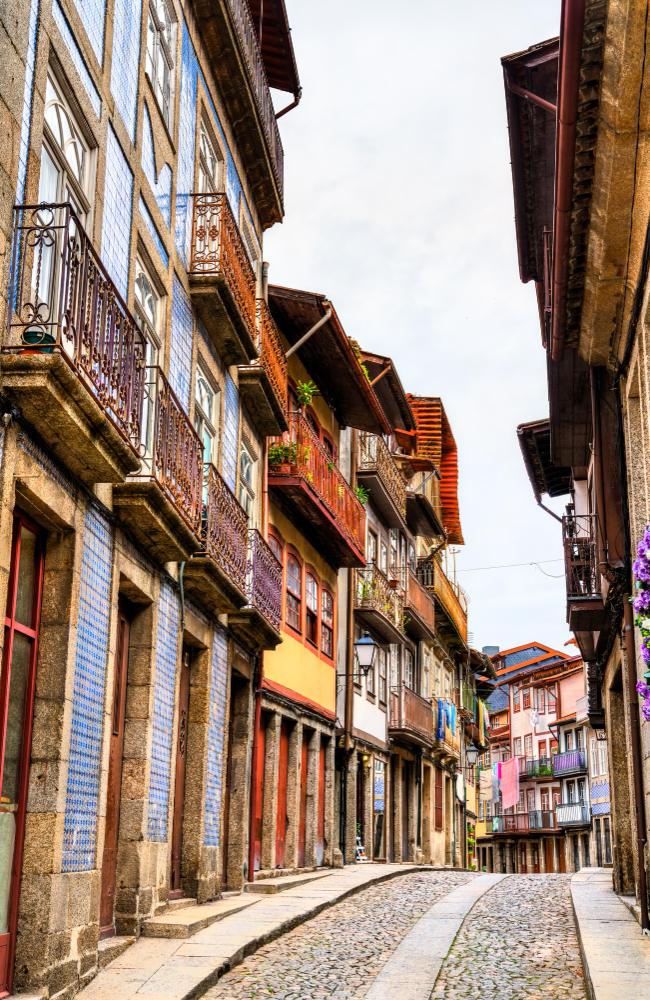
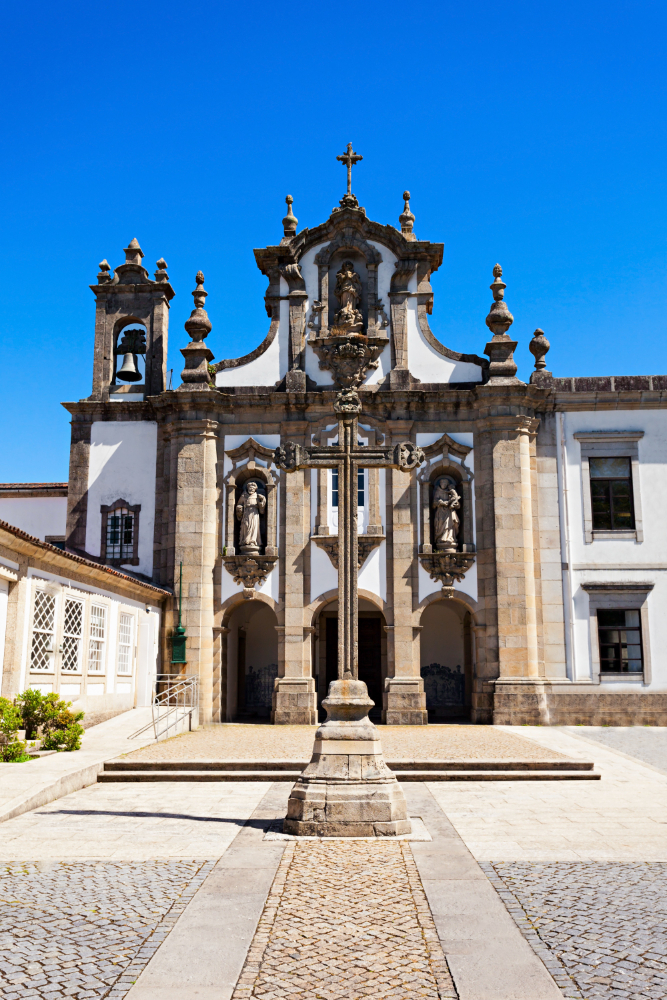
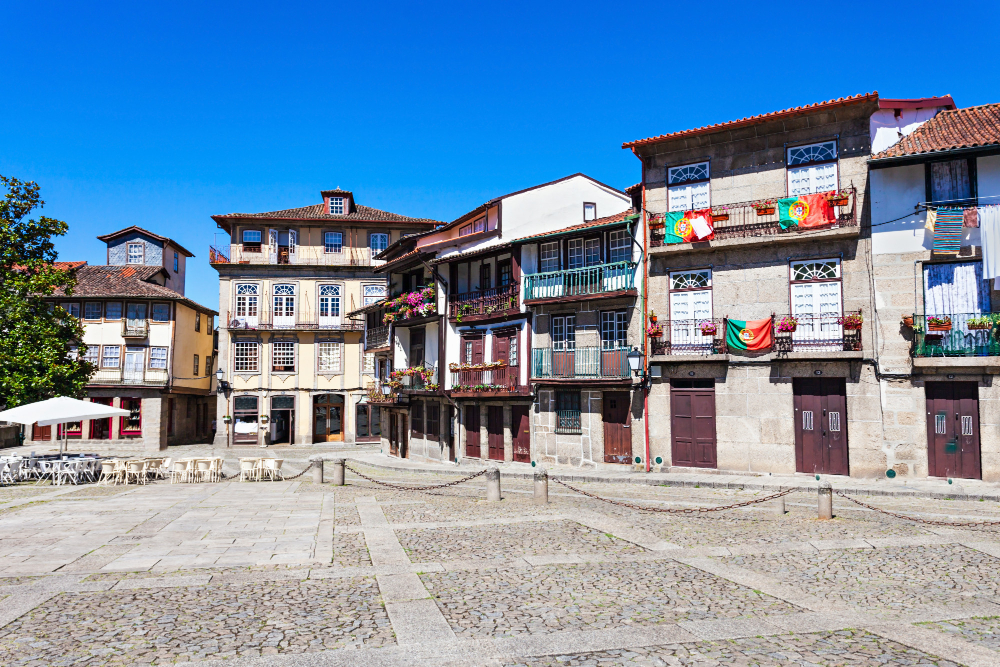
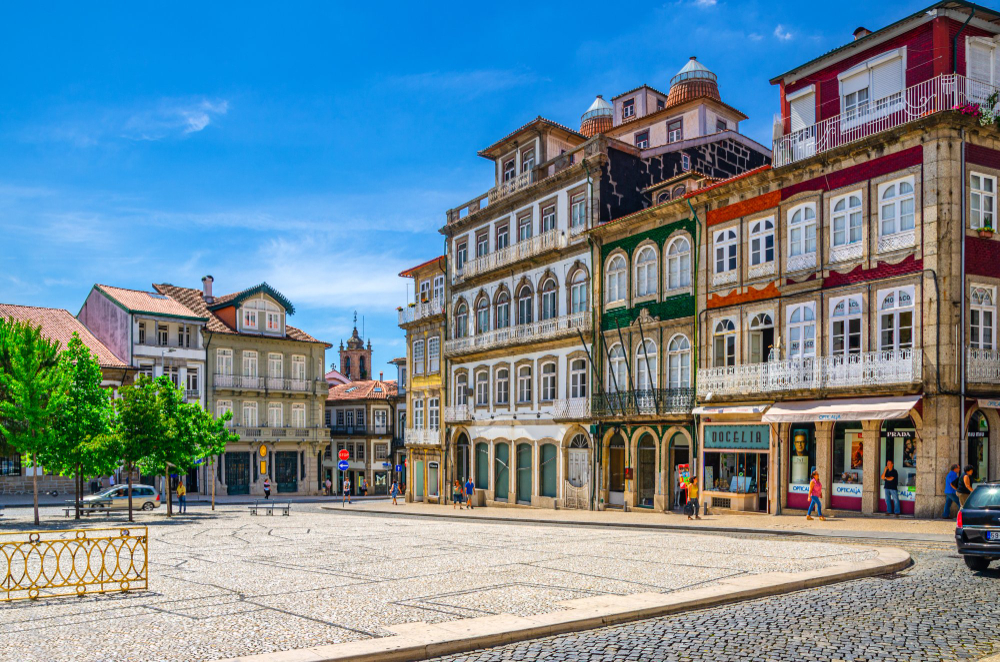
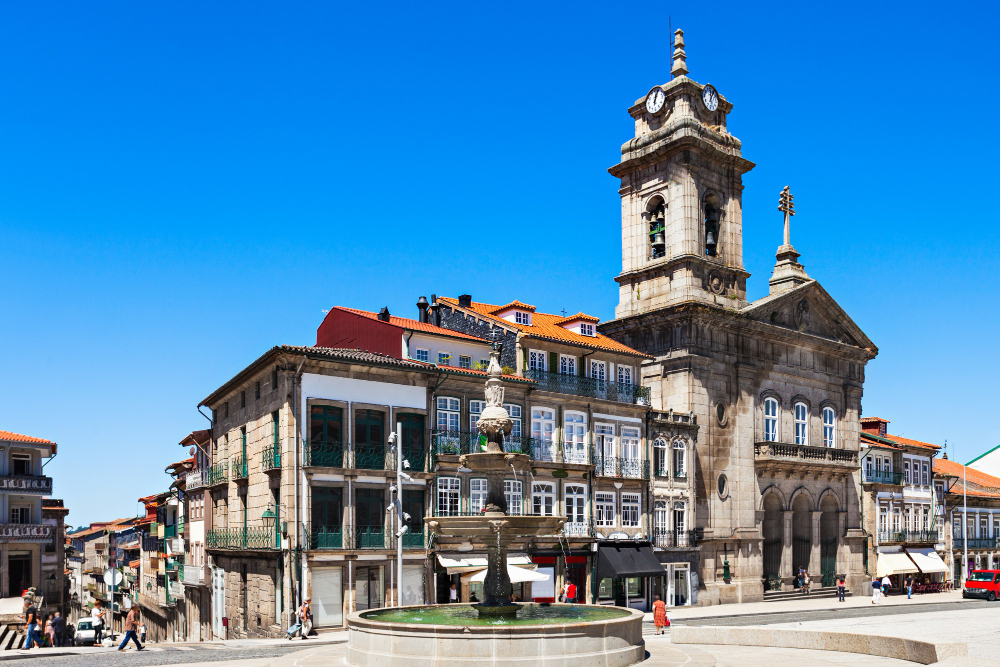
The historic old town of Guimarães, often referred to as the ‘cradle of Portugal’, is not only an important cultural heritage site with impressive medieval buildings, but also a sombre realm of numerous mystical legends. Among these tales, the stories surrounding the so-called ‘Mouros encantados’ – enchanted Moors – stand out in particular; their ghostly apparitions are deeply rooted in the region’s collective memory. These sinister figures, it is said, guard ancient, cursed treasures on St John’s Eve, lending the cobbled streets of Guimarães a mysterious yet eerie aura.
Historical Background: The Moors and Their Legacy – To understand the significance of the ‘Moorish ghosts’, it is essential to shed light on the historical context of the Moors in Portugal. The Moors, originally a collective term for North African Muslims, exerted a major influence on the Iberian Peninsula between the 8th and 13th centuries. Their culture, architecture and science had a decisive influence on the region’s development. However, their rule was brought to an end by the Christian Reconquista, during which many Moorish fortresses were abandoned or destroyed. It is precisely these ruins and mysterious places that formed the breeding ground for numerous folk tales centred on enchanted beings and forgotten treasures. In Guimarães, one of Portugal’s oldest cities and of historical significance as the birthplace of the Portuguese state, history and myth intertwine to form a unique cultural tapestry. The ‘Mouros encantados’ symbolise the mysterious legacy of the Moors, which, despite the passage of time, still lives on in the darkness of the night.
The Legend of the Mouros encantados – The legends tell of ghostly figures who, as invisible or glowing shadows, haunt the ancient walls and forests around Guimarães on St John’s Night, which falls on the night of 23 to 24 June. This night, traditionally associated with rituals marking the summer solstice, is considered particularly magical. At this hour, the Mouros are said to emerge from their hiding places to guard their hidden treasures. These treasures, it is said, have been cursed for centuries and can only be recovered by the brave who dare to overcome the spirits’ trials. However, anyone who dares to seize the treasure for themselves will be struck by the curse – folklore often tells of sudden misfortune, madness or even death. The Maure, as they are popularly known, often appear as magnificent warriors in gleaming armour or as shadowy apparitions with glowing red eyes. Sometimes witnesses speak of a kind of song or mystical chant that heralds their arrival, or of a sudden cold breeze that sweeps through the summer night’s scene.
Parallels in Portuguese folklore – The phenomenon of the enchanted Moors is by no means confined to Guimarães. Similar tales exist throughout Portugal. In rural regions in particular, ‘Mouros encantados’ are common figures, often associated with underground caves, ancient castle ruins and secret treasure hoards. The legends reflect an ambivalent attitude towards the Moorish past: fascination and fear, admiration and rejection.
St John’s Night – A Moment of Magic and Danger – The time at which the Moorish spirits are said to appear is not chosen at random. St John’s Night, also known as the summer solstice festival, is a time of transition and of crossing the boundaries between worlds. In European culture, such nights are considered particularly conducive to encounters with supernatural beings.
In Guimarães, traditional celebrations still take place today, marking the arrival of summer with fire, dance and rituals. Although the modern festivities are generally harmless, the stories of the ‘Mouros encantados’ keep the mystery of the dark hours alive and give the inhabitants a sense of being connected to their historical heritage in a special way.
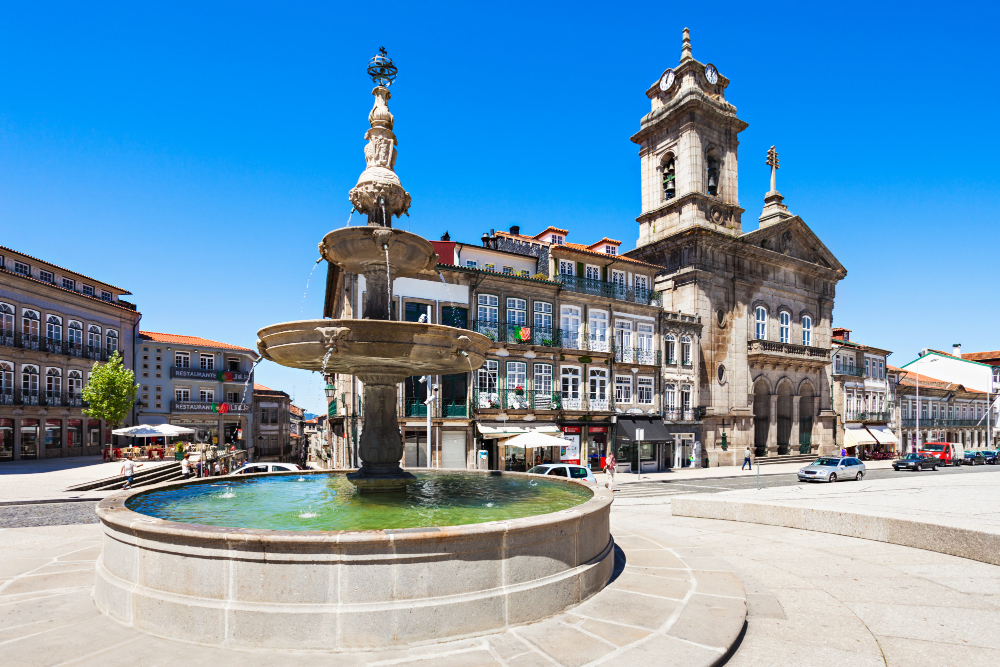
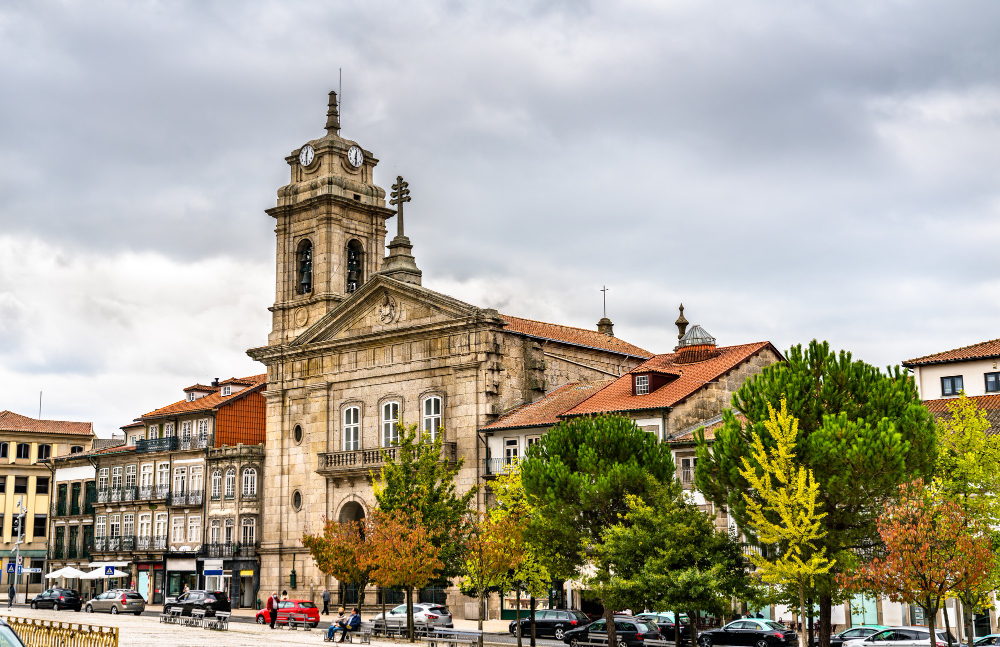
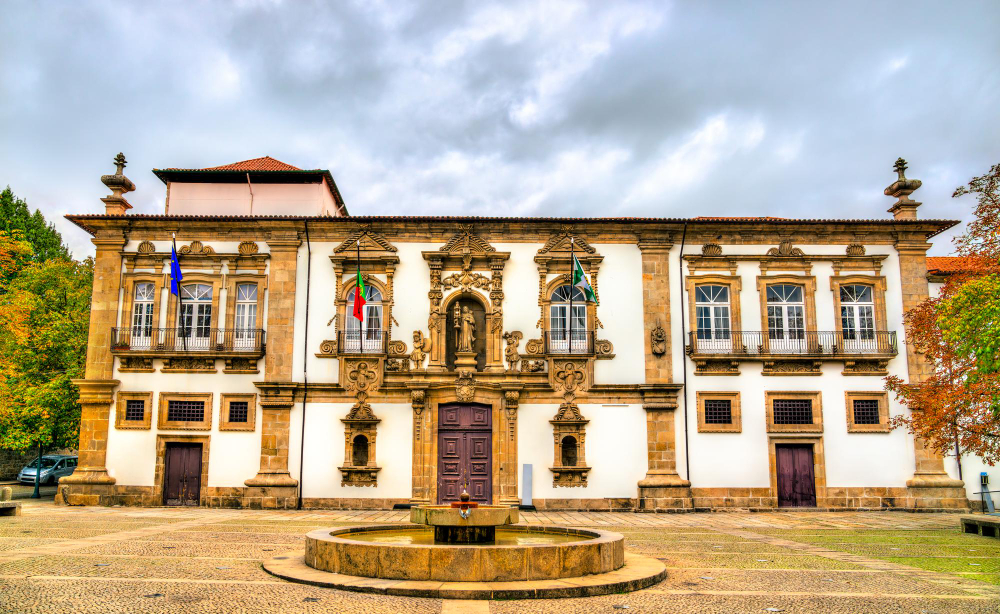
Traces of the Moorish spirits in Guimarães today – Today, the old town of Guimarães is a UNESCO World Heritage Site and attracts numerous tourists and history enthusiasts. Alongside the impressive castles, churches and medieval squares, the legends surrounding the Moorish spirits enrich the cultural offering and open up fascinating perspectives on the connection between history and myth. Various local guided tours and events explore these legends, enabling visitors to immerse themselves in the mysterious world of the enchanted Moors. It becomes clear that these stories are more than mere fairy tales: they form part of Guimarães’ identity, reflecting historical conflicts and cultural fusions, and offering an insight into the country’s intangible cultural heritage.
A dark legacy that lights up the night – The Moorish ghosts of Guimarães are more than just ghostly figures from a distant past. They are living witnesses to history who still capture the imagination today and imbue the atmosphere of the old town with a mysterious tension. The interweaving of real historical events with profound folklore creates a multi-layered picture that fascinates – and sometimes frightens – visitors and locals alike. At a time when urban legends and ghost stories are regaining popularity, the story of the ‘Mouros encantados’ offers an authentic and fascinating insight into the cultural soul of Portugal. Anyone wandering through the cobbled streets on St John’s Eve and listening to the stories may perhaps feel the cold breath of the past – and catch a glimpse of the fleeting shadows of the Moorish ghosts guarding their hidden treasures.