 Isabella Mueller Baroness of Stainton le Vale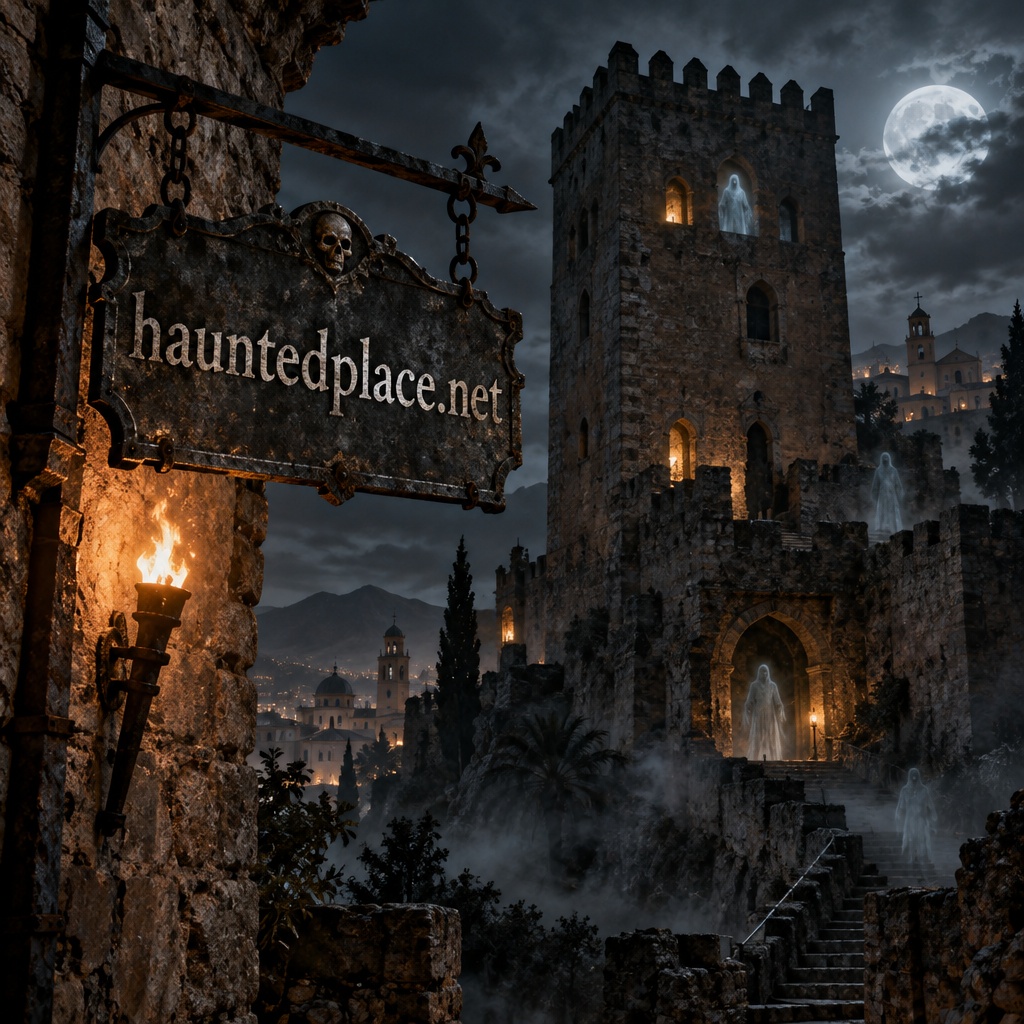
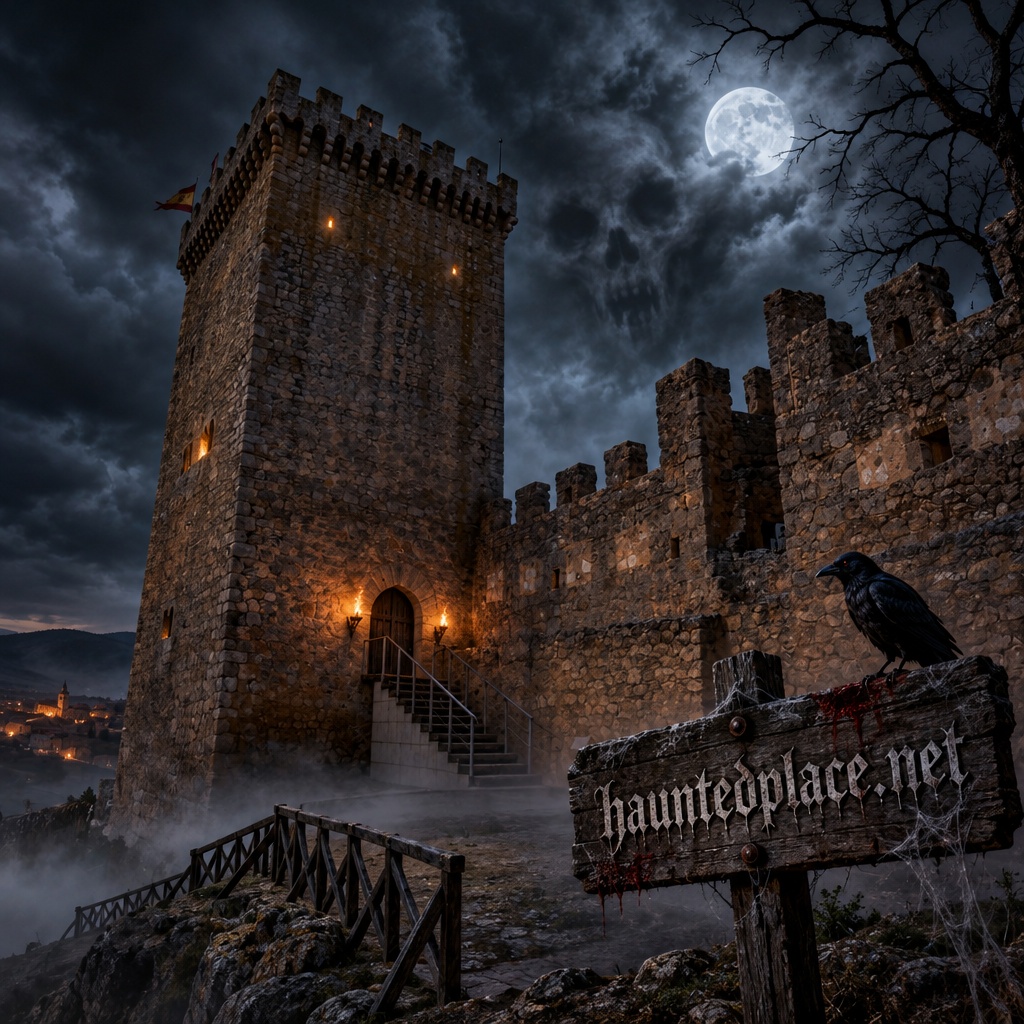
Málaga, a city steeped in history and cultural richness, harbours more than just the visible legacy of bygone eras within its ancient walls. Nestled within the imposing fortifications of the Alcazaba lies a legend that continues to captivate residents and visitors alike to this day: ‘La Torre Maldita del Homenaje’ – the Cursed Homage Tower. This sombre legend, steeped in centuries of history, is rife with mysterious apparitions, eerie sounds and inexplicable lights that seem to emanate from the depths of this mighty citadel.
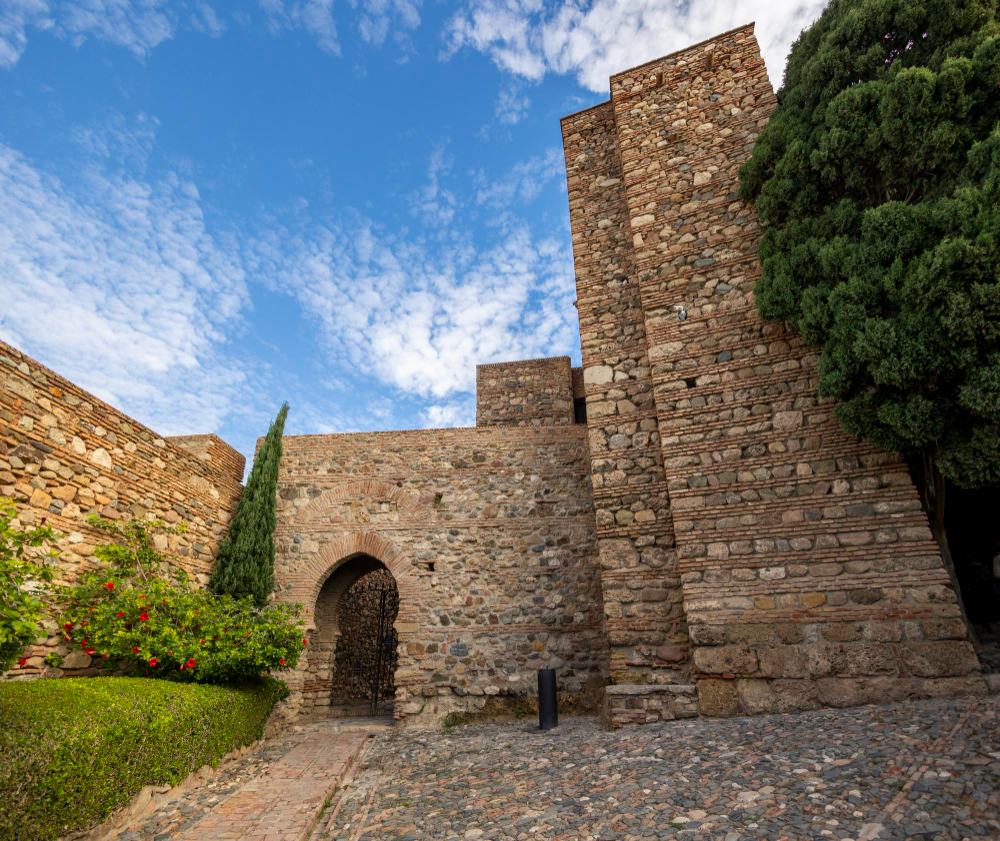
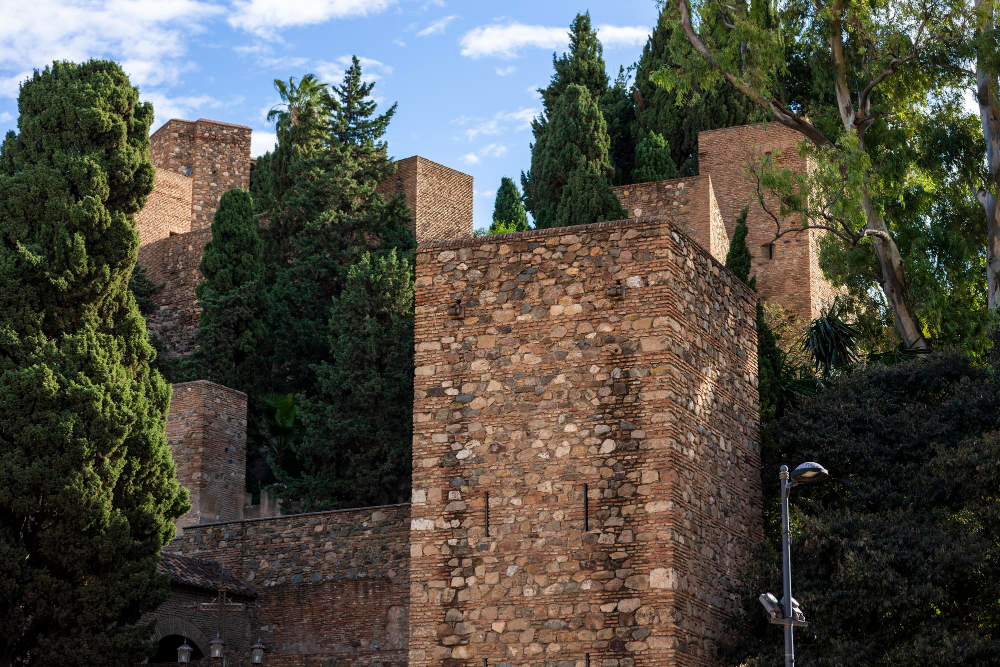
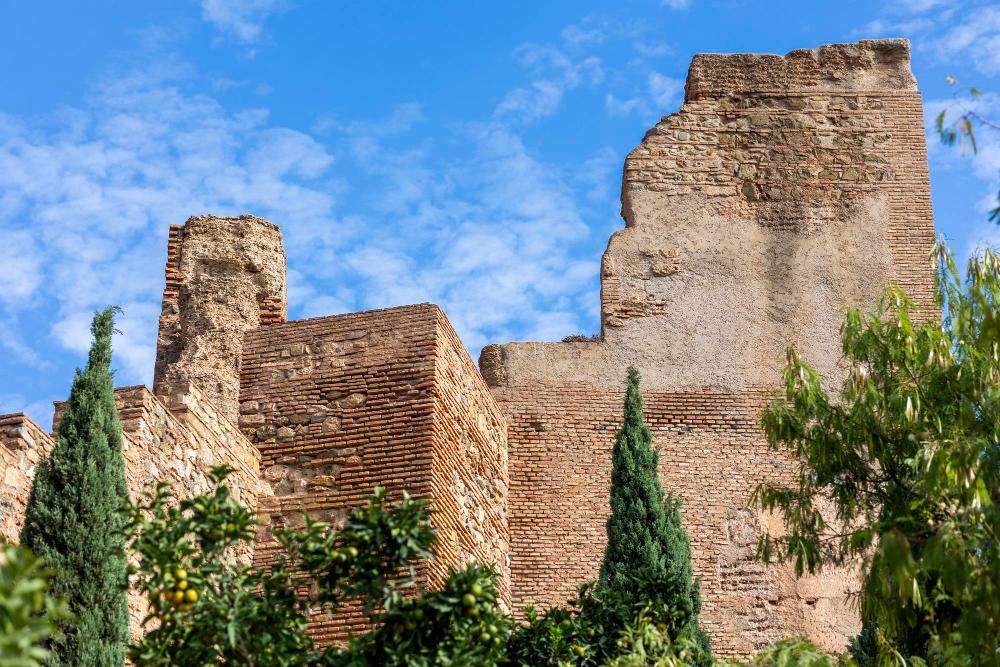
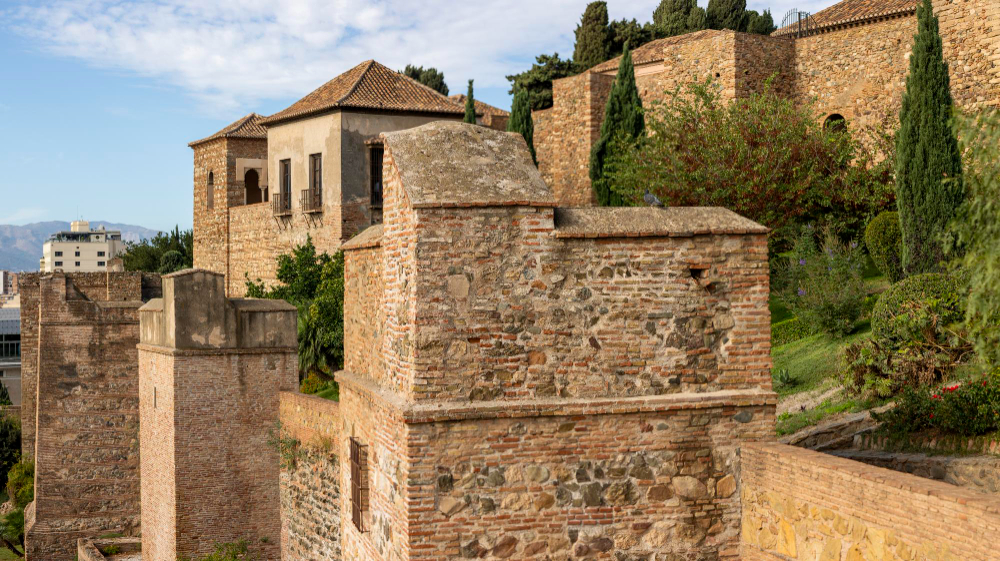
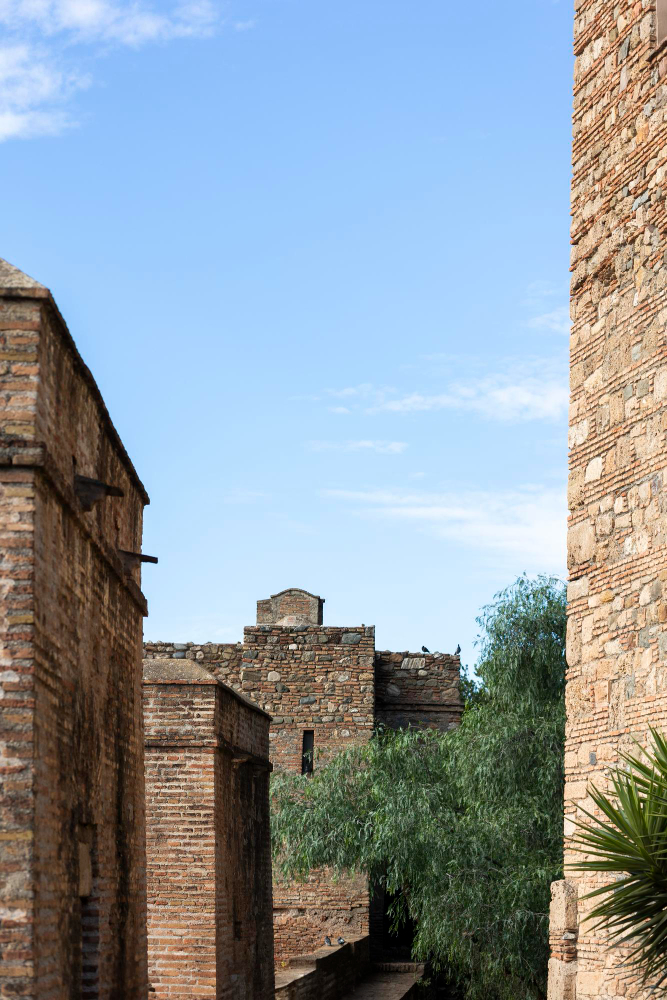
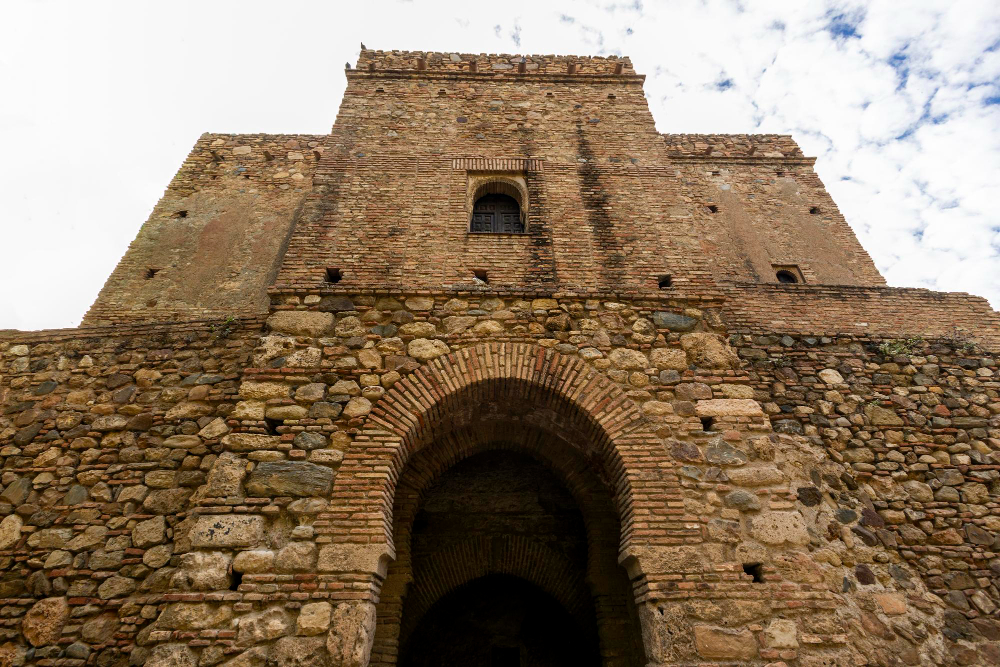
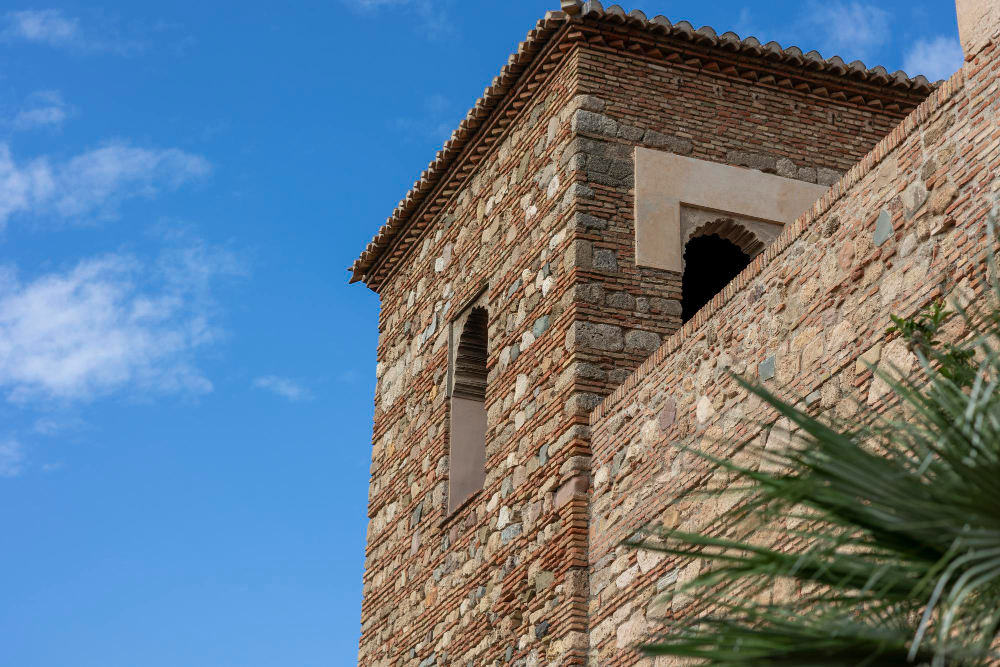
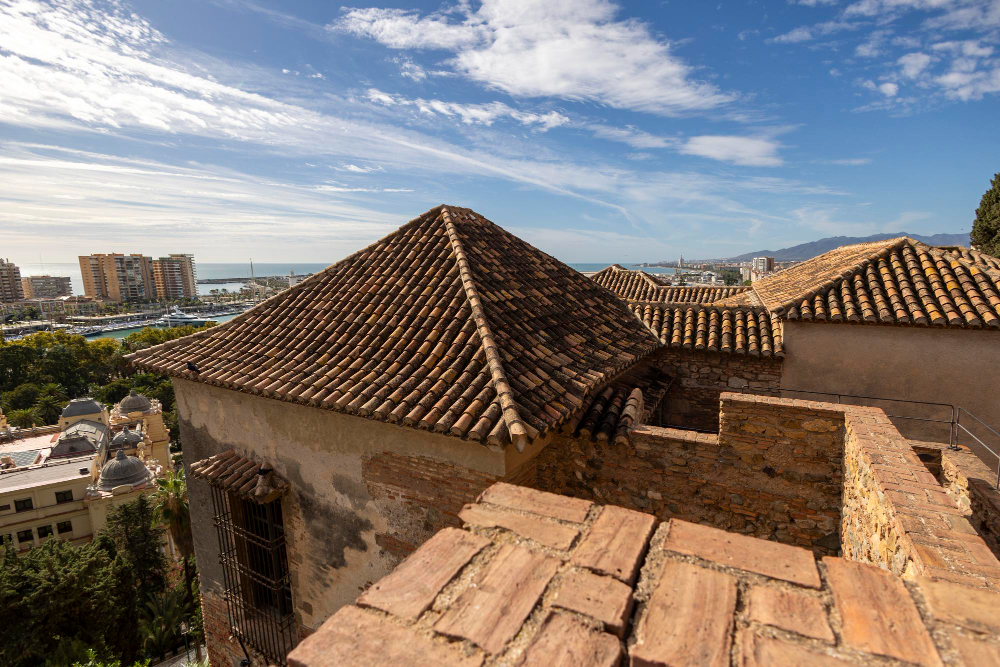
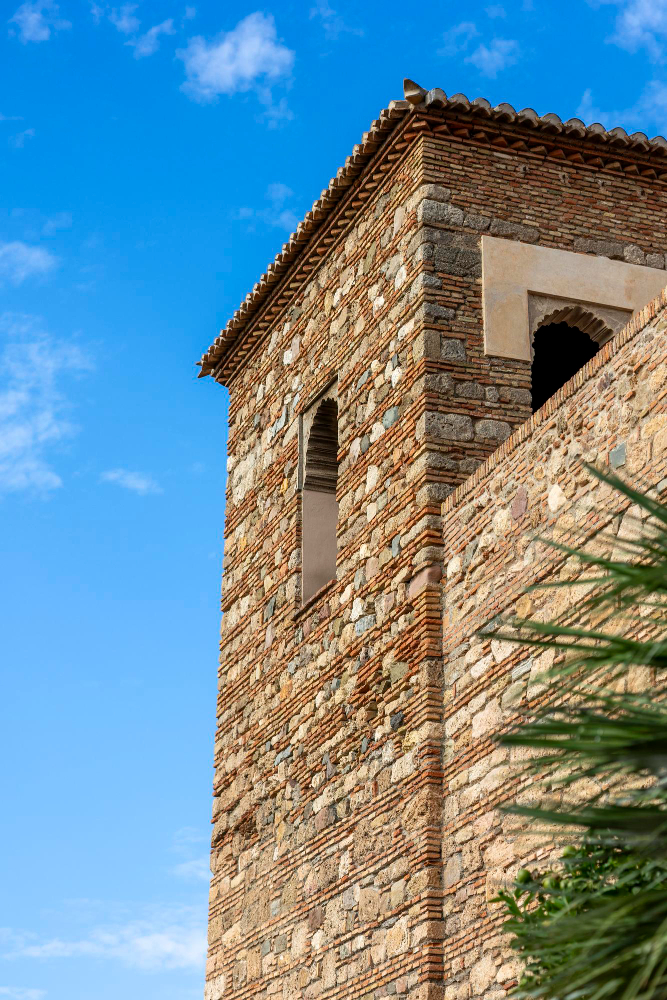
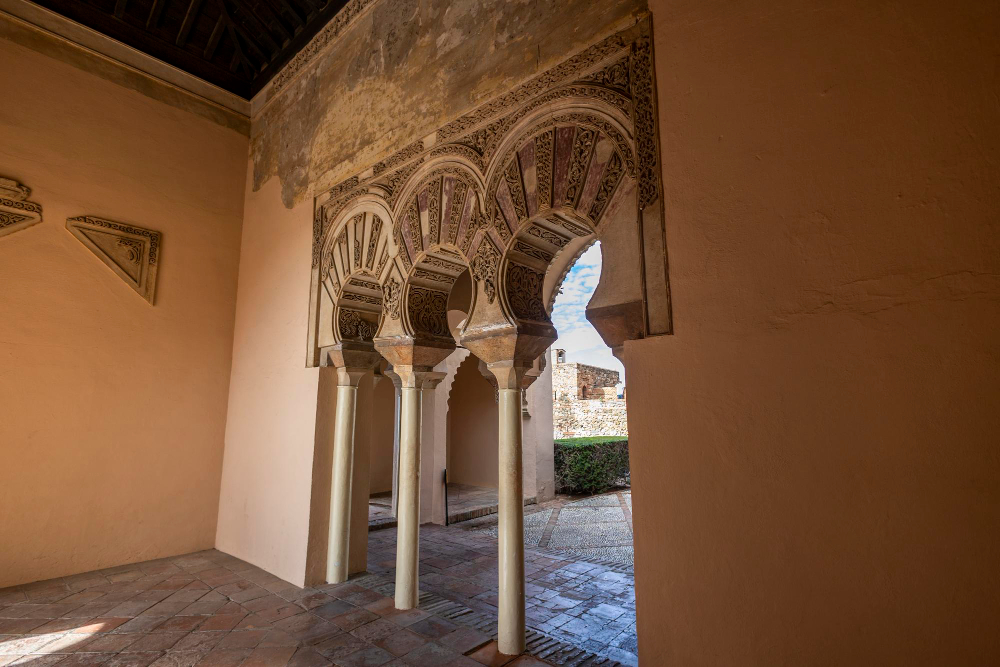
A historic site with dark secrets -The Alcazaba of Málaga is regarded as one of Spain’s most significant Moorish fortresses and was originally built in the 11th century. It towers majestically over the city and, together with the Roman theatre and Gibralfaro Castle, stands as an impressive testament to the region’s eventful history. Yet hardly anyone realises that the so-called Homage Tower – in fact the centrepiece of the defensive complex and a symbol of the lord of the castle’s power – has a sinister past. Historical sources confirm that, over the centuries, the area around the Homage Tower served purposes other than purely military ones. Particularly in times of social unrest and penal confinement, this part of the Alcazaba became a refuge for social outcasts, criminals and marginalised groups. In the shadow of the thick, bulging walls, these people eked out an existence, cut off from the rest of the castle and the outside world.
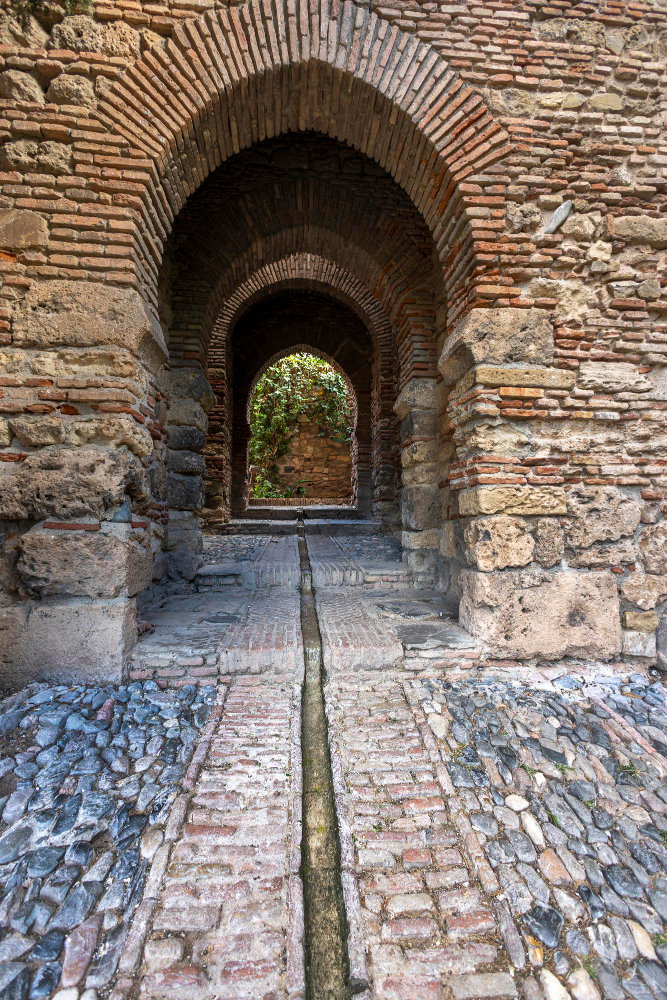
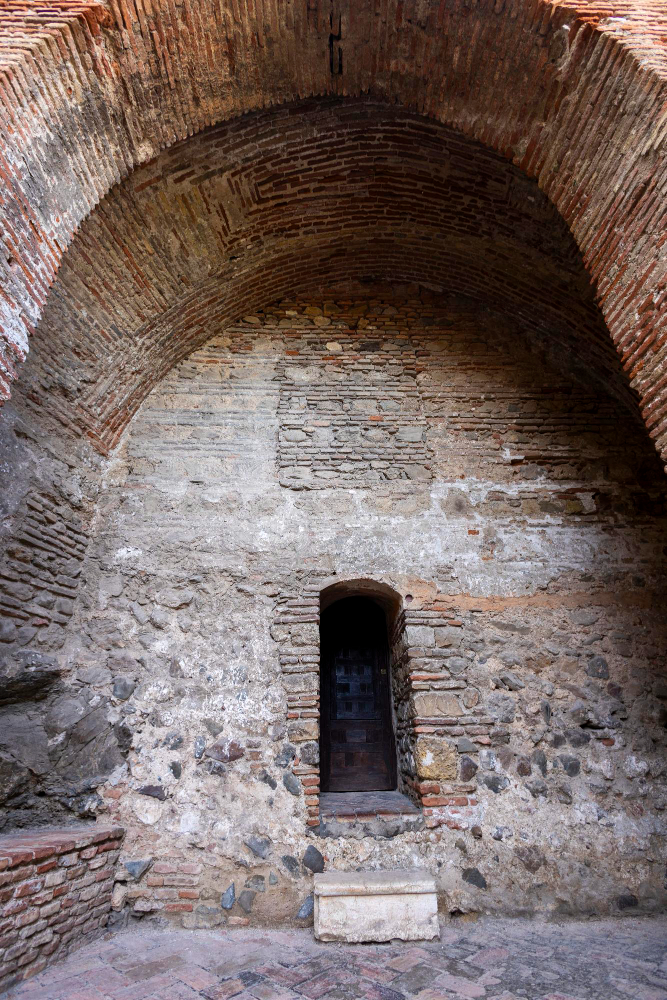
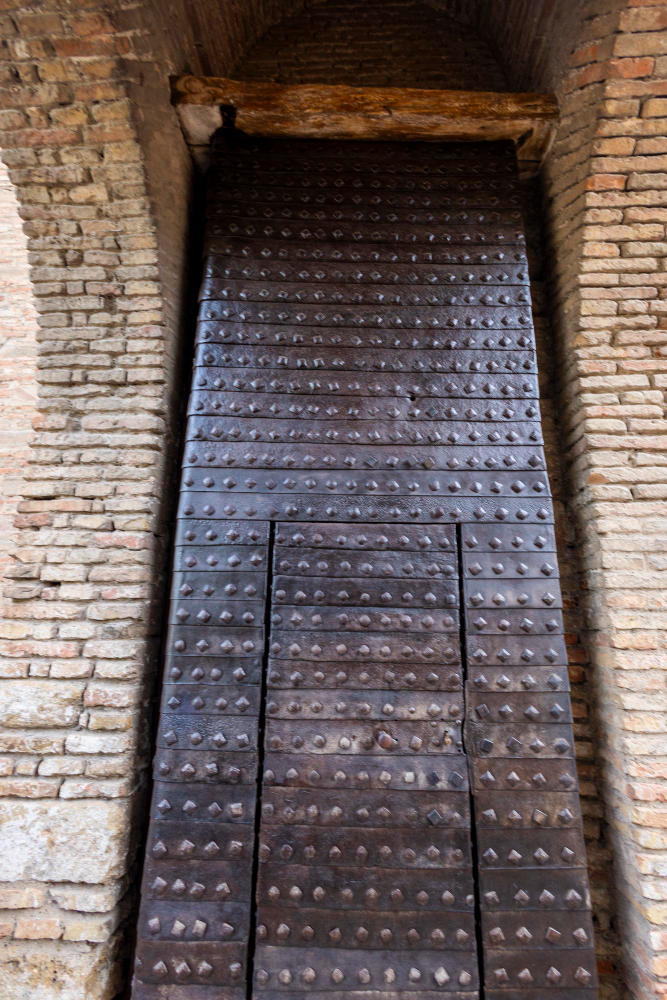
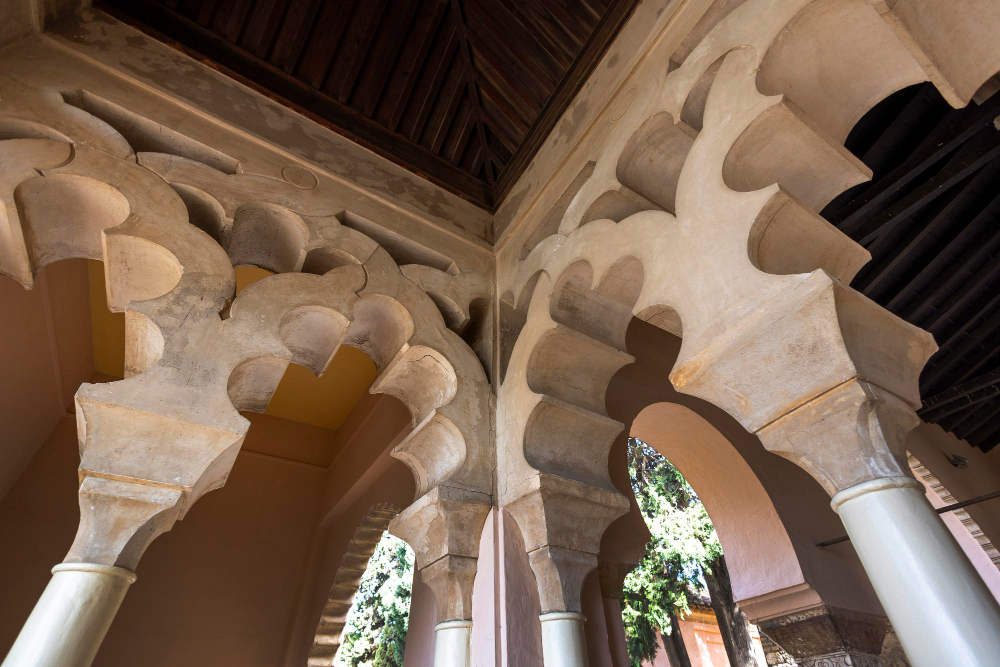
The Origin of the Legend – Against this historical backdrop, a legend took shape in the collective consciousness of the inhabitants, portraying the Hommage Tower as a cursed place. Accounts from older generations and reports from hikers tell of nocturnal lights flickering in the vaults with no discernible source, and of mysterious sounds – clinking, whispering, the creaking of heavy wooden doors – echoing through the deserted corridors. Some even report ghostly figures that appear in the twilight, only to vanish back into the shadows at once. These phenomena are popularly interpreted as hauntings, said to stem from the tragic fate of the tower’s former inhabitants. It is said that tormented souls are trapped here, unable to find peace – victims of violence, betrayal and despair during a dark period in the city’s history. The Alcazaba’s cross-cultural background – shaped by Romans, Moors and Christians – reinforces the mystical character of these tales and sheds a multifaceted light on the occult dimensions of the legend.
Academic Perspectives and Historical Facts – The Alcazaba itself is now a listed monument that has been thoroughly investigated by archaeologists and historians, yet, naturally, there is a lack of directly verifiable evidence of supernatural occurrences. Nevertheless, first-hand accounts – particularly from local guides and residents – are numerous enough to justify a serious interest in researching the phenomenon. The combination of the fortress’s complex architecture, its numerous hidden rooms, cellars and underground passages, and its dramatic history means that acoustic and optical illusions can easily arise. For example, draughts and the echo of footsteps in deserted corridors can produce eerie sounds, which are amplified by fear and superstition. Similarly, experts explain that reflections from light sources, such as torches or moonlight, can create the sensation of a ‘haunting light’ in the damp vaults. Nevertheless, fascination with the cursed Hommage Tower legend remains undiminished. Historians see it as an expression of how ancient places preserve their stories – sometimes in the form of monumental stones, sometimes as shadows in people’s imaginations.
The psychological impact of the legend – The psychological component of such stories should not be underestimated. The tower has stood empty for centuries, isolated and rarely visited by the public. This sense of isolation and decay triggers primal human fears of the unknown and turns the place into a canvas for unconscious fears. Furthermore, the legend touches on aspects of collective memory and trauma: the notion that the souls of former prisoners still linger there serves as a reminder of past injustices, suffering and exclusion. The legend thus links the historical with the emotional, creating a profound symbolism. Modern media and tourism also contribute to the continuation of the narrative. Guided tours of the Alcazaba often highlight the mystical stories to captivate visitors. Documentaries and feature reports complement the picture and keep it alive. However, the boundary between fact and fiction is never completely blurred; rather, it is used to make the experience more exciting.
Similar legends in the region – The legend of the Hommage Tower is not a unique phenomenon. In Andalusia and other parts of Spain, there are numerous similar tales about abandoned towers, castles and ruins that speak of paranormal activity. For example, there are stories of hauntings at the castle in Almodóvar del Río or of ghostly apparitions at the Castillo de Santa Catalina. These parallels suggest that such stories are often an expression of regional culture and history, sustained by oral tradition, superstition and the need to process unclear or traumatic events through storytelling.
A place between history and myth – The legend of the ‘cursed homage tower’ at the Alcazaba in Málaga is more than just a spooky tale. It is a living example of how history, architecture and popular belief intertwine. The tower stands as a symbol of power, despair and isolation all at once. Its dark aura captures the imagination and invites us to grapple with the darker sides of the past. Whilst many sceptics point to rational explanations, the fascination with the unknown and the inexplicable cannot simply be dismissed. The Alcazaba, and particularly its Hommage Tower, thus embody a mysterious intersection between reality and legend – a place where the shadows of time remain alive.