 Isabella Mueller Baroness of Stainton le Vale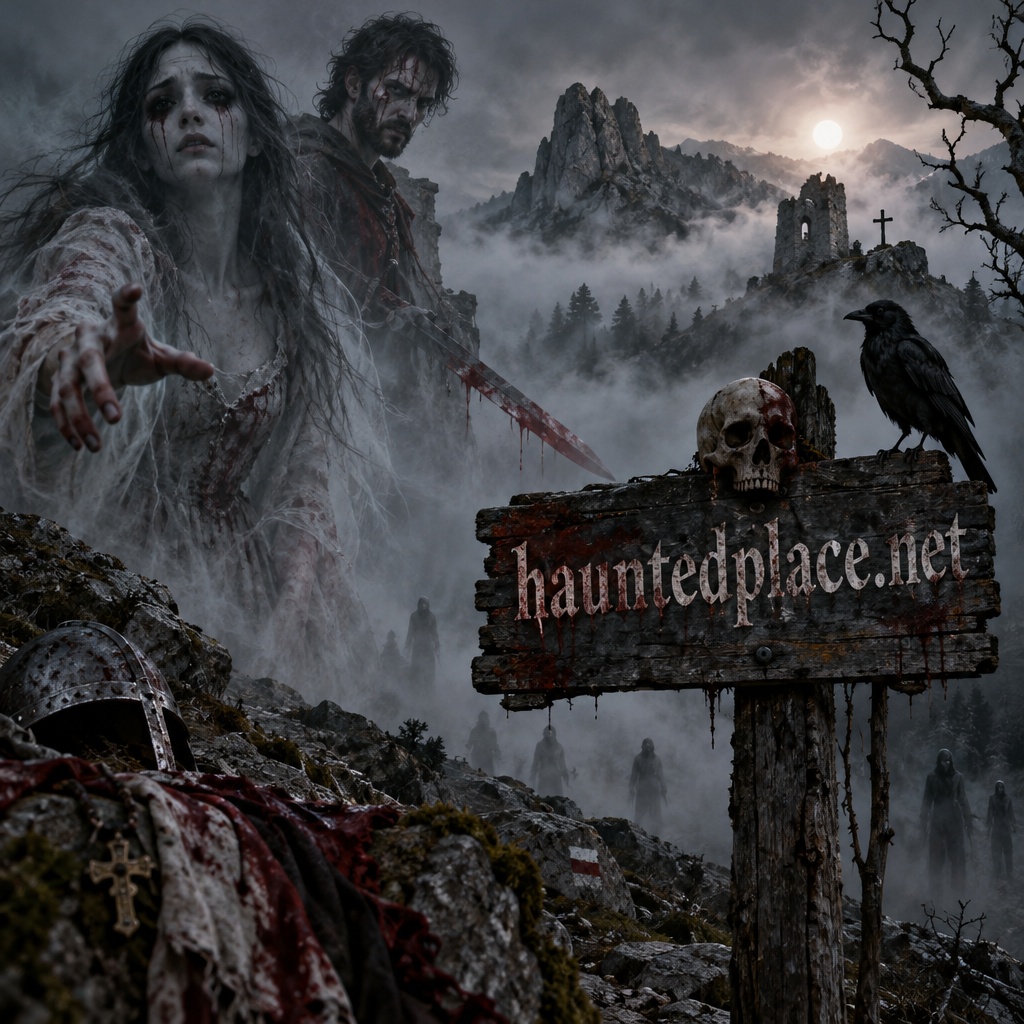
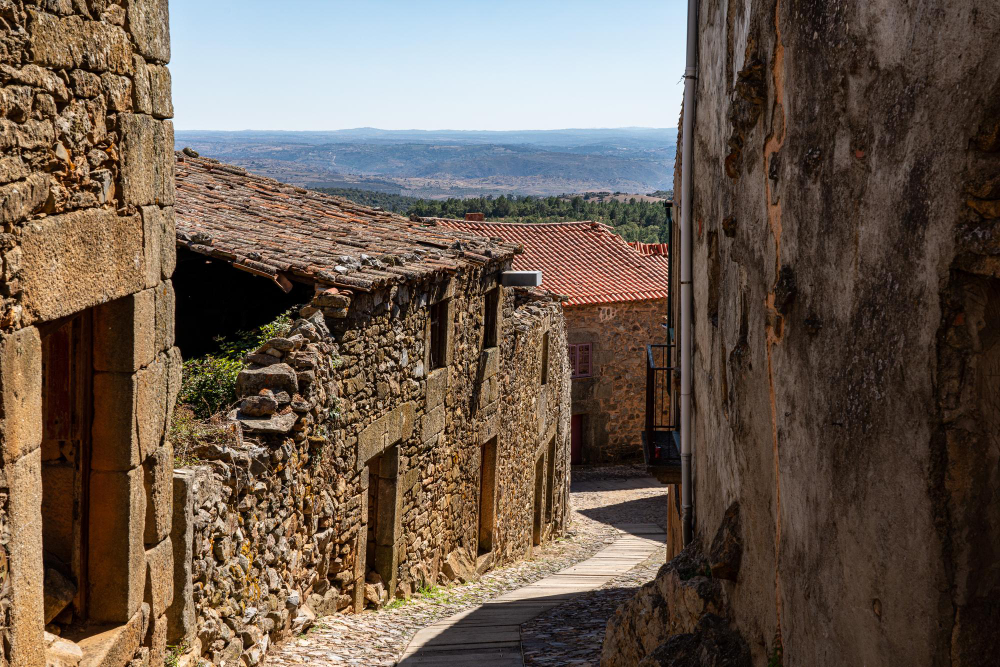
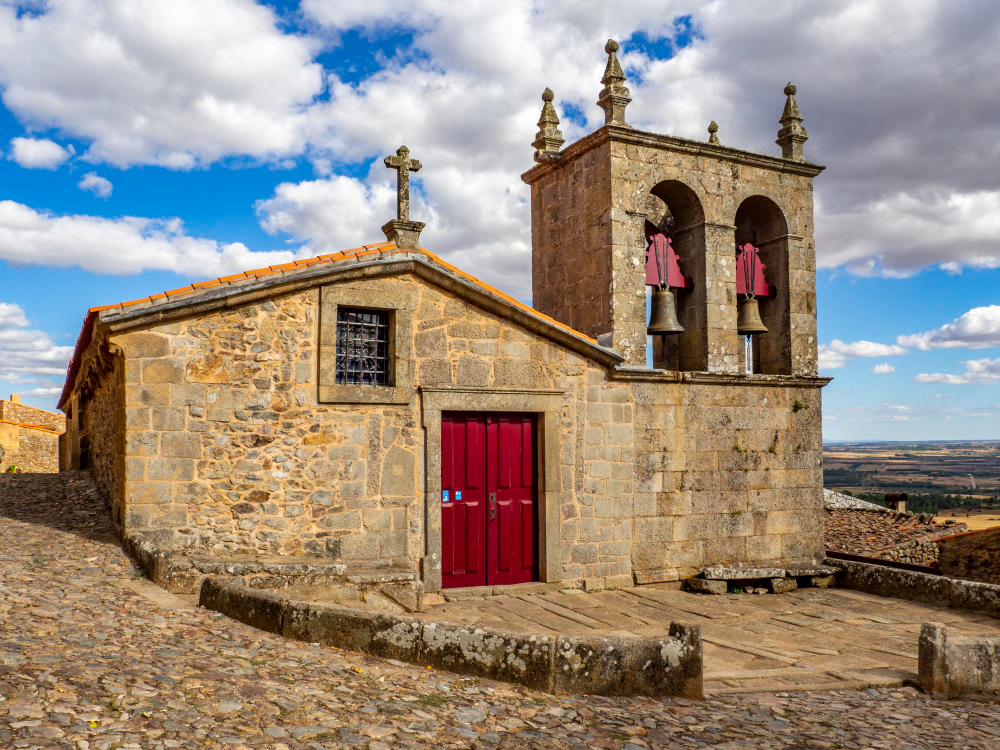
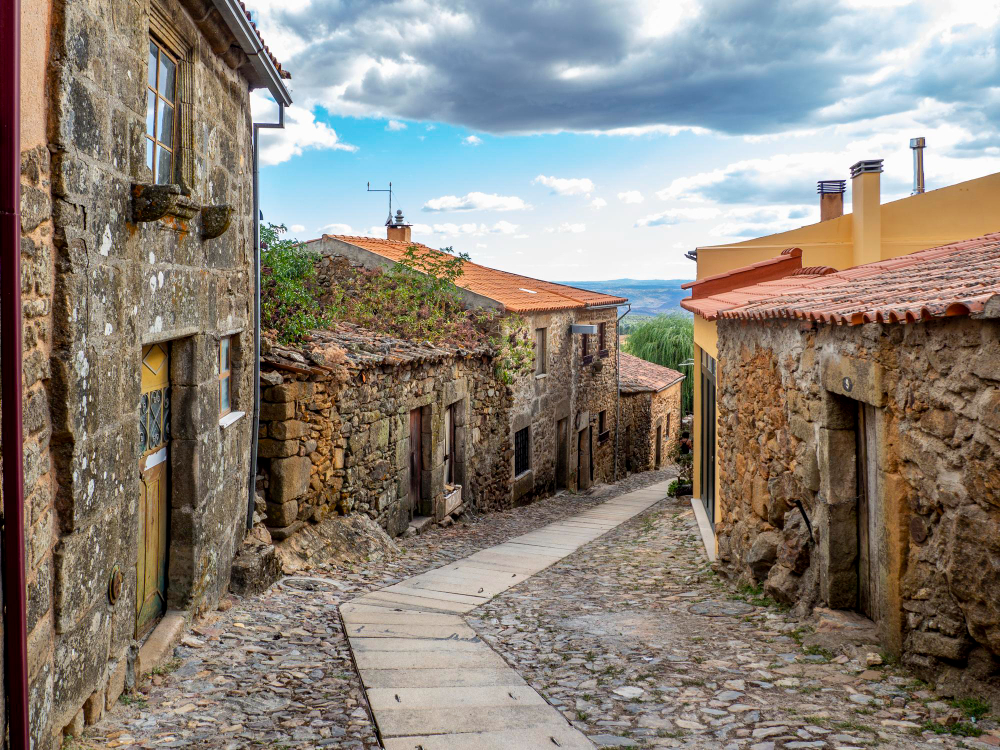
Deep within the mist-shrouded mountains of the Serra da Marofa, not far from the historic village of Castelo Rodrigo in Portugal, there is a tale that is both romantic and eerie. The legend of Marofa – or ‘Lenda da Marofa’ – tells of a tragic love affair between the Christian knight Luís and the beautiful Jewish woman Ofa. Yet behind the seemingly sweet origin of the name lies a dark chapter full of secrets, betrayal and unfulfilled longing. What exactly lies behind this tale, what historical background can be verified – and why does a hint of the uncanny still hang in the air in this remote mountainous region to this day?
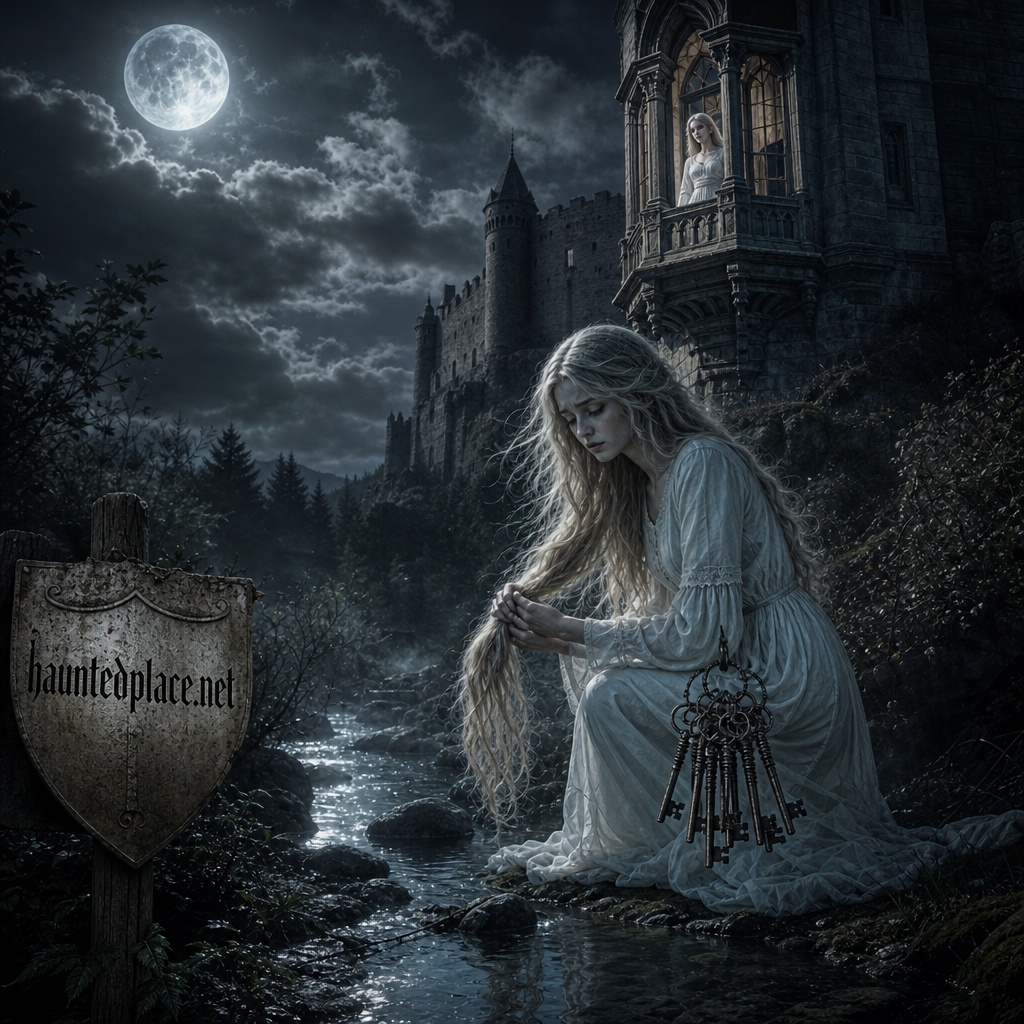
A name, a love – or more? – The best-known version of the legend holds that the name ‘Marofa’ originated in popular parlance when people heard the knight Luís cry out: ‘Amar Ofa!’ – meaning ‘love Ofa’ in Portuguese. This expression is said to have evolved over time into ‘Marofa’, thus giving the neighbouring mountain its name. But what lies behind the shortcuts and the supposed love story? Luís, a Christian soldier from the area, had fallen madly in love with Ofa, a young Jewish woman who lived nearby. Their love was forbidden – in a time of religious tensions and persecution, fate seemed to be against them. Nevertheless, they met secretly in the forests of the Serra to give free rein to their passion. Tragically, their union ended in betrayal and bloodshed when their relationship was exposed.
Historical Context: Religious Conflicts and Persecution in Portugal – To better understand the tragedy of this story, it is worth taking a look at the political and social situation of that time. Portugal was marked by religious conflicts during the Middle Ages and the early modern period. The Jewish population was frequently subjected to discrimination and violent attacks, particularly during the Inquisition from the 16th century onwards. Many Jewish men and women were forced to convert or lived in hiding to escape persecution. Castelo Rodrigo itself was a border town of strategic importance in the fight against Moorish and Castilian troops, as documented in historical records. It is conceivable that, in this turbulent region, people of different origins and faiths came into contact with one another, creating the conditions for love stories such as that of Luís and Ofa – but also for conflicts and tragedies.
The dark veil of legend: horror rather than a romantic fairy tale – Whilst the romantic version focuses on love, local folklore also contains a darker variant that emphasises the horror aspect. Some chroniclers and oral accounts tell of a gruesome twist: when their relationship was discovered, Ofa is said to have been brutally punished – some speak of an execution – whilst Luís, driven by revenge and despair, is said to have gone on a bloody rampage. It is said that the souls of the two lovers remain trapped in the mists of the Serra to this day. Where Mount Marofa pushes its silvery peak through the morning mist, inexplicable phenomena are said to occur time and again: whispers in the wind, inscrutable shadows, sudden cold snaps and the feeling of being watched. Hikers report unsettling encounters reminiscent of ghosts and restlessness.
The scientific perspective: myths as a mirror of societal fears – Myths such as that of Marofa are not merely entertaining stories – they act as a mirror of the society in which they arise. In times of religious intolerance and social tensions, such narratives offer a way to express complex emotions: fear of the unknown, a longing for reconciliation, grief over lost love and the confrontation with death. The horror elements of the legend also reflect archetypal human fears: loss, betrayal and the eerie power of nature. The Serra da Marofa, with its thick mist, steep cliffs and ancient forests, provides the perfect backdrop, fuelling both imagination and fear in equal measure.
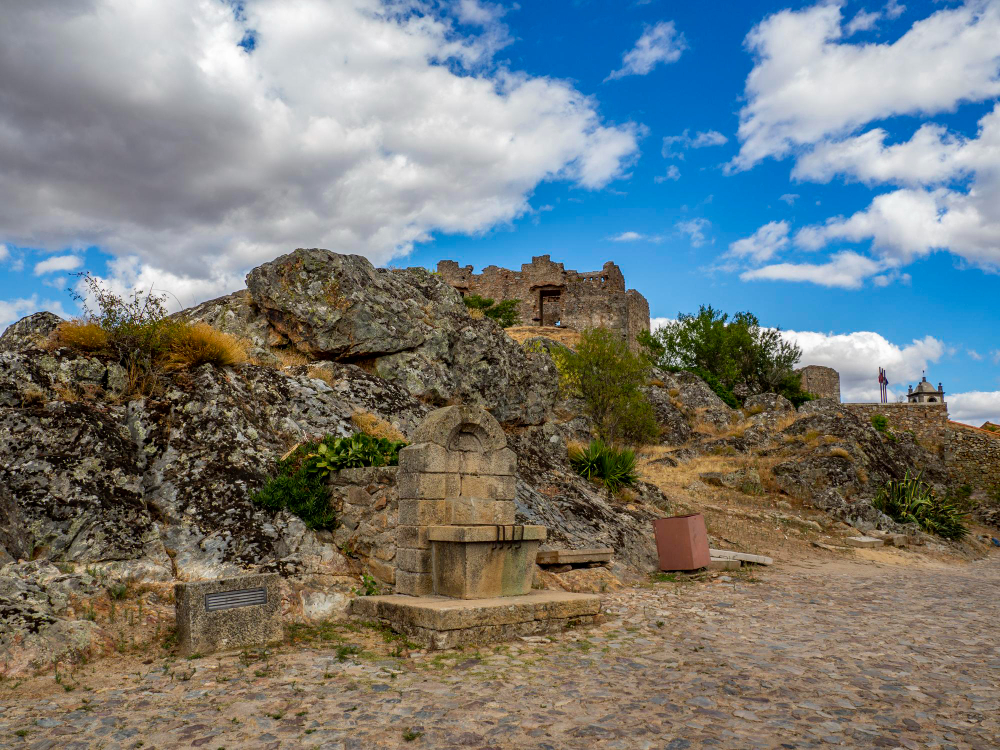
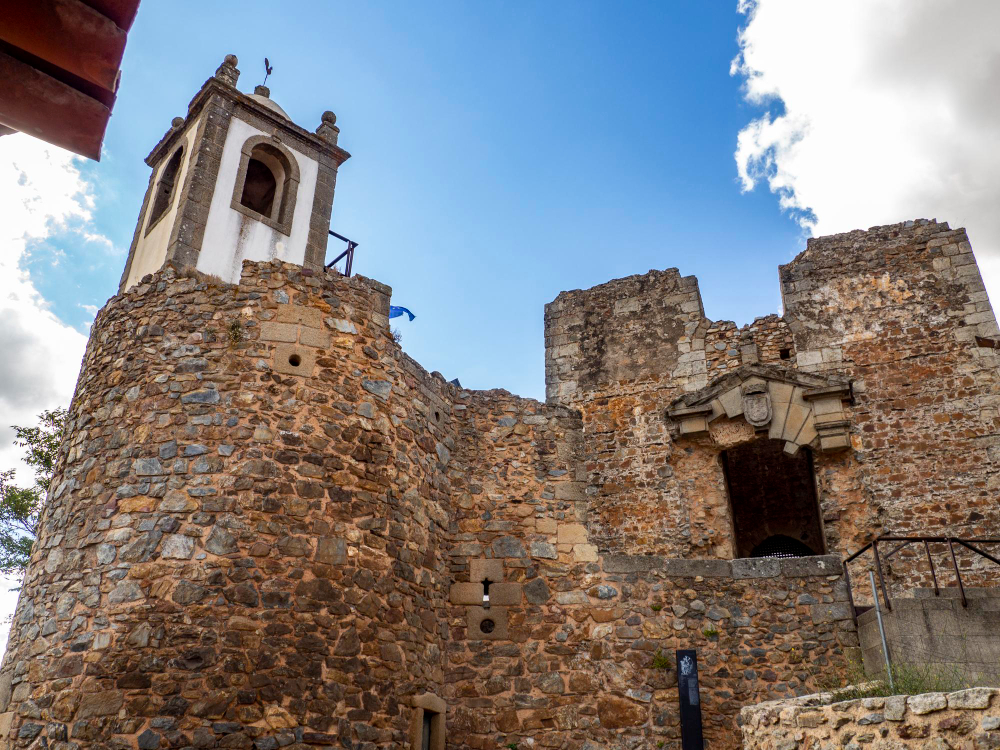
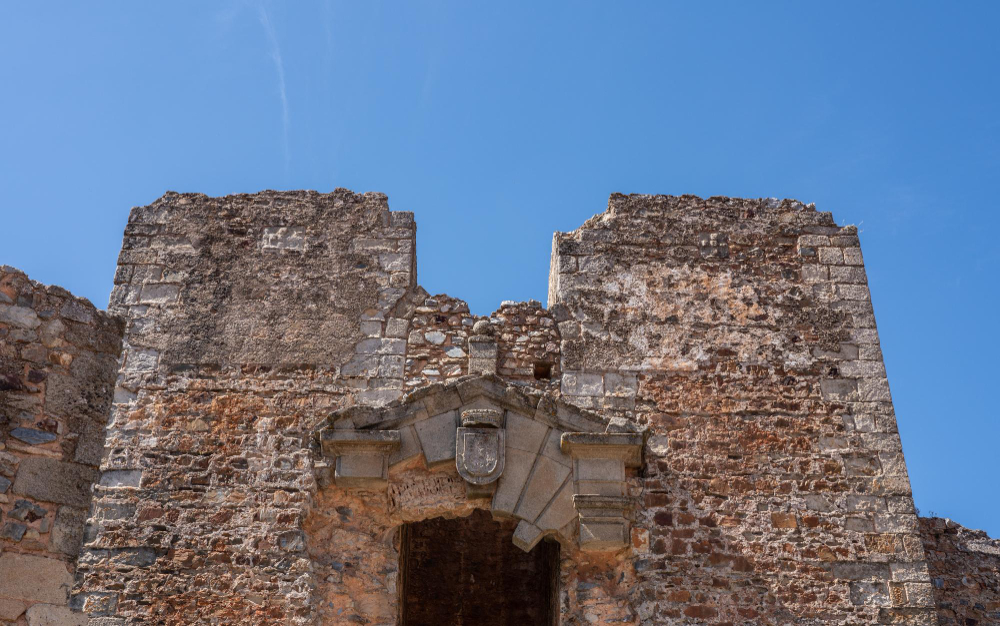
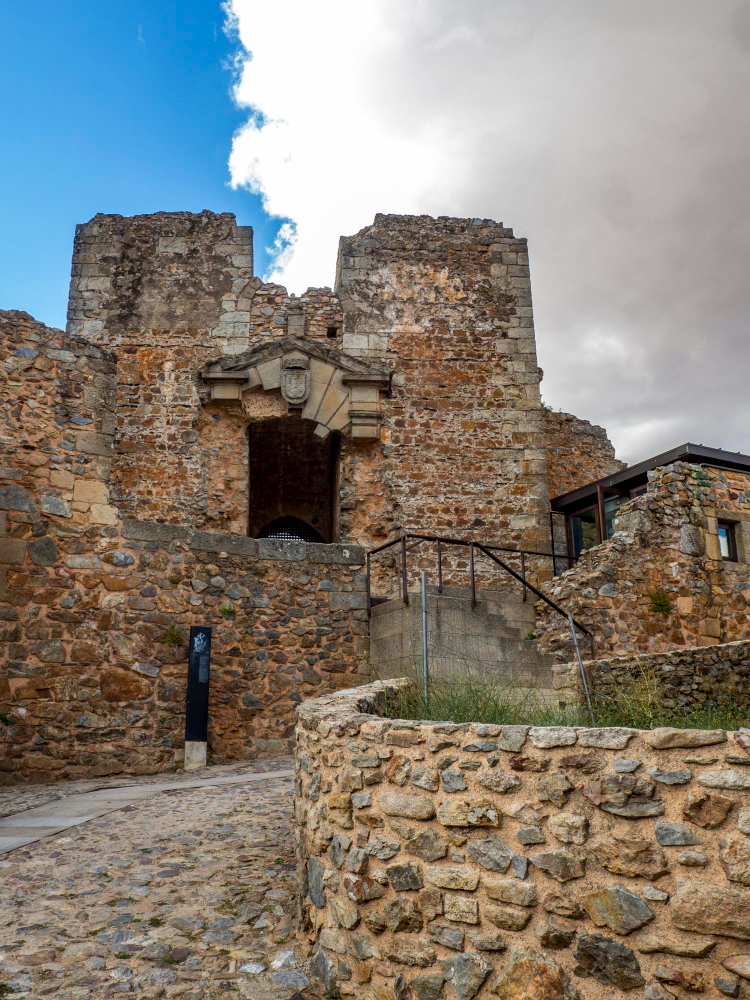
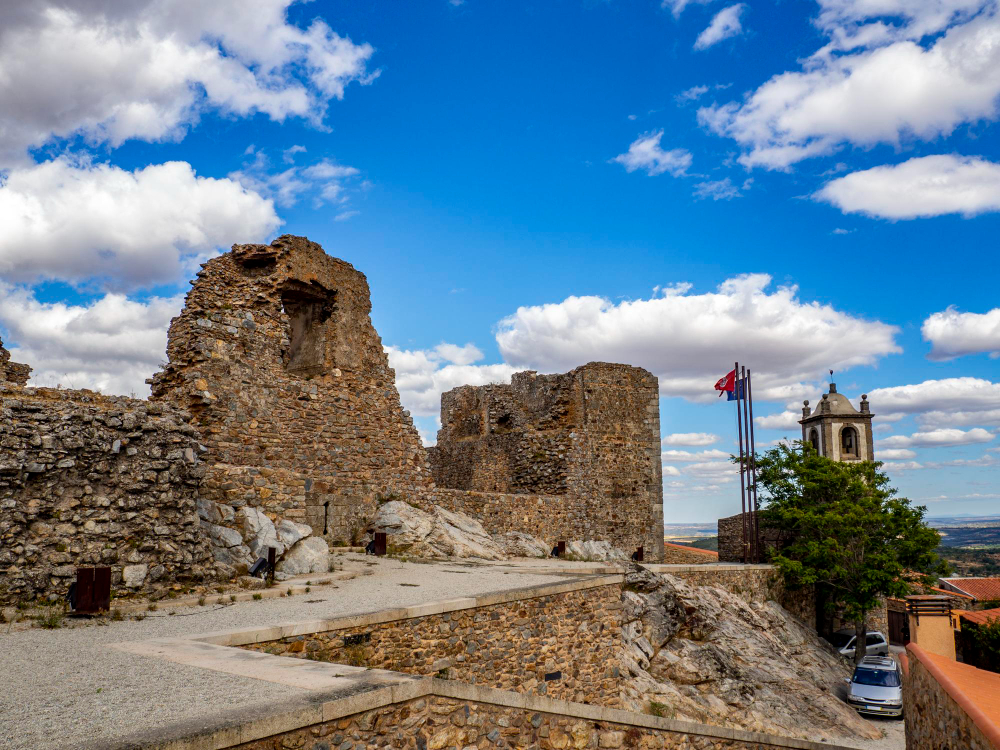
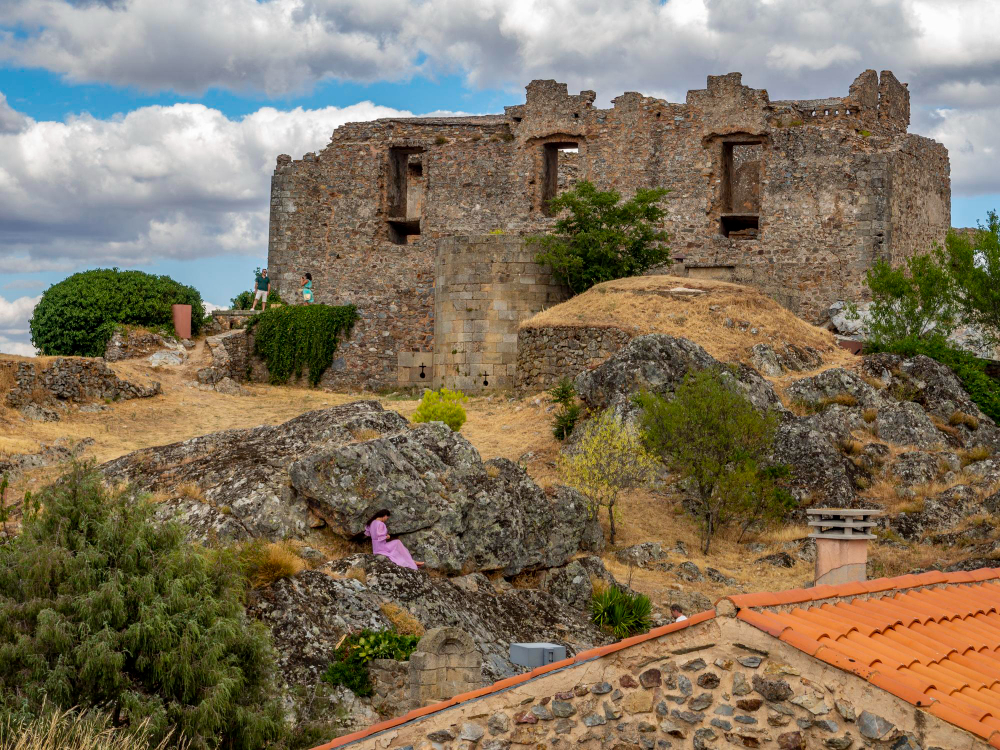
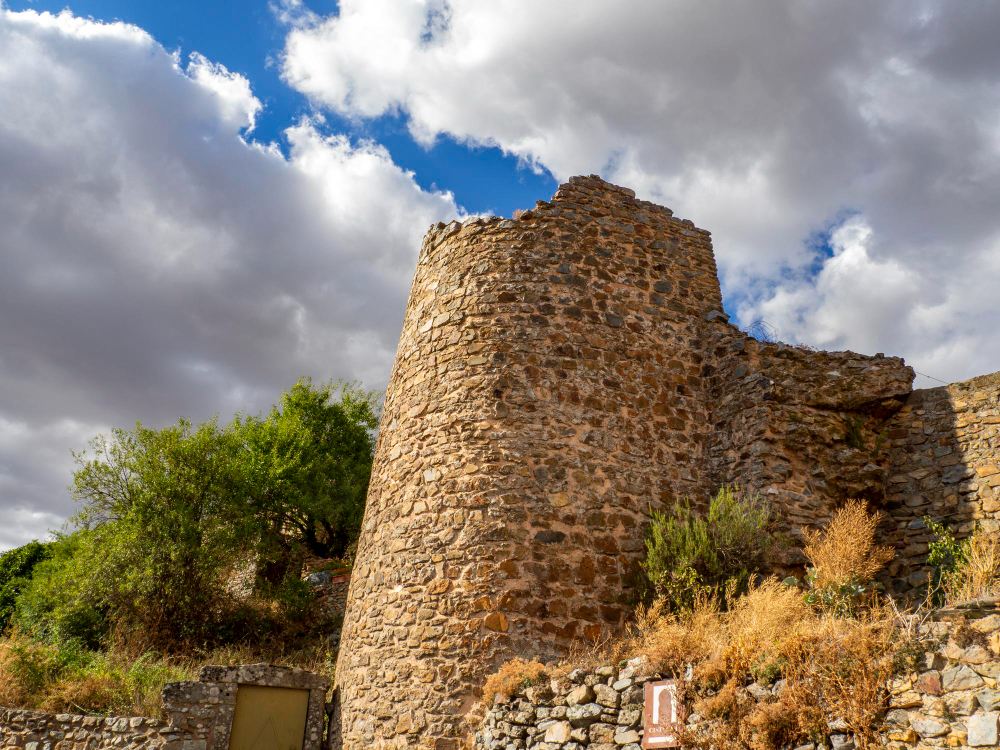
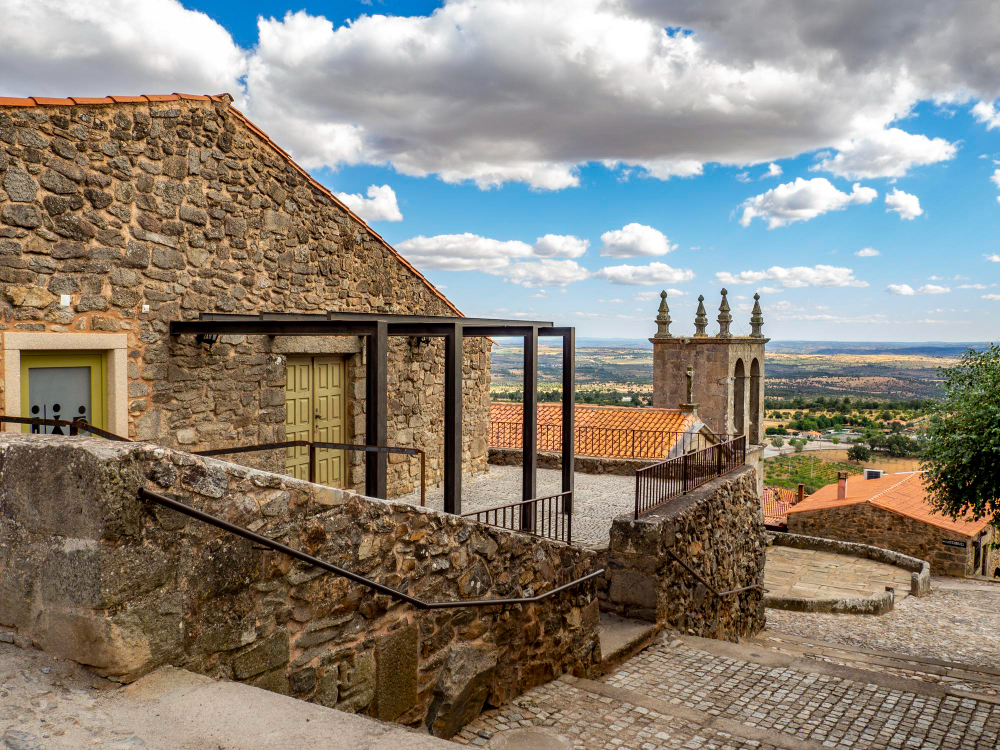
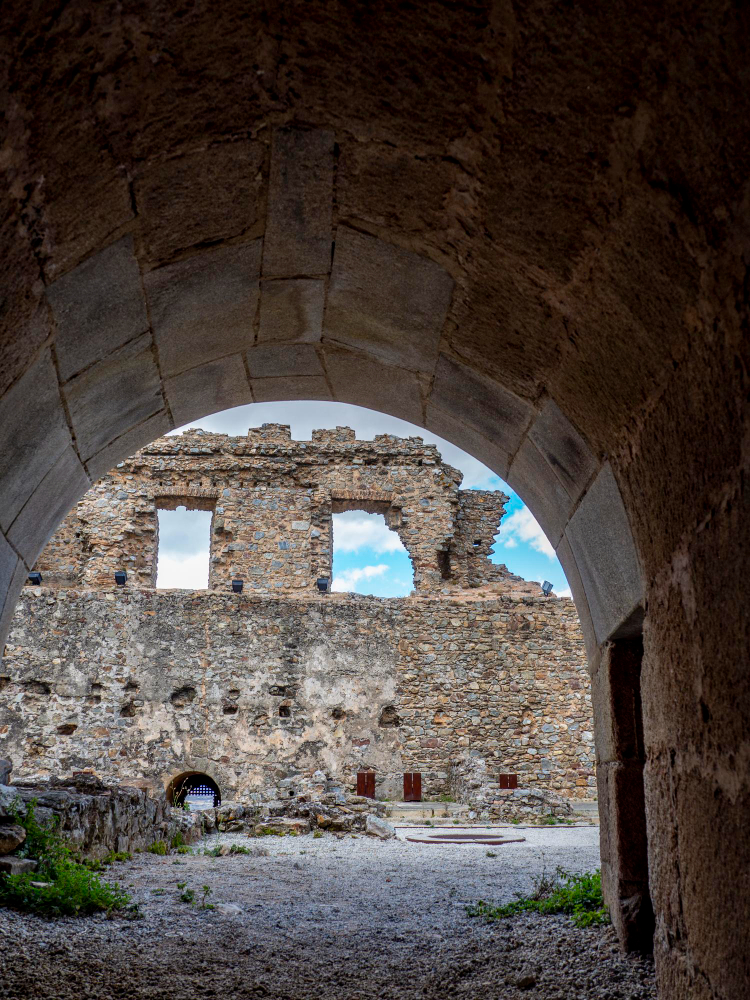
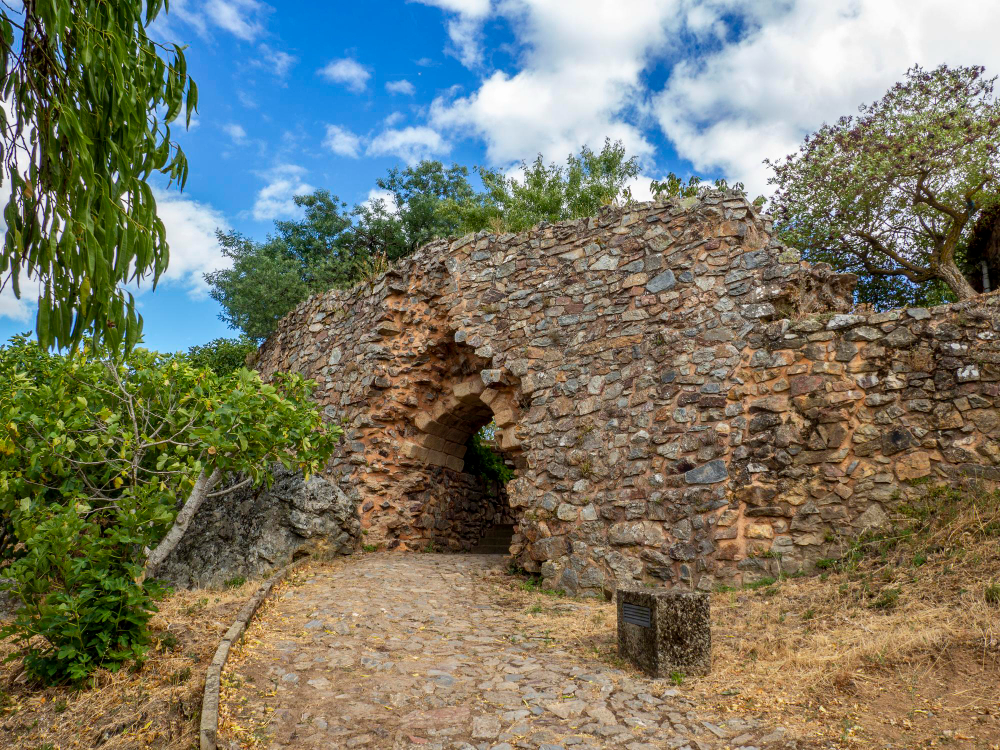
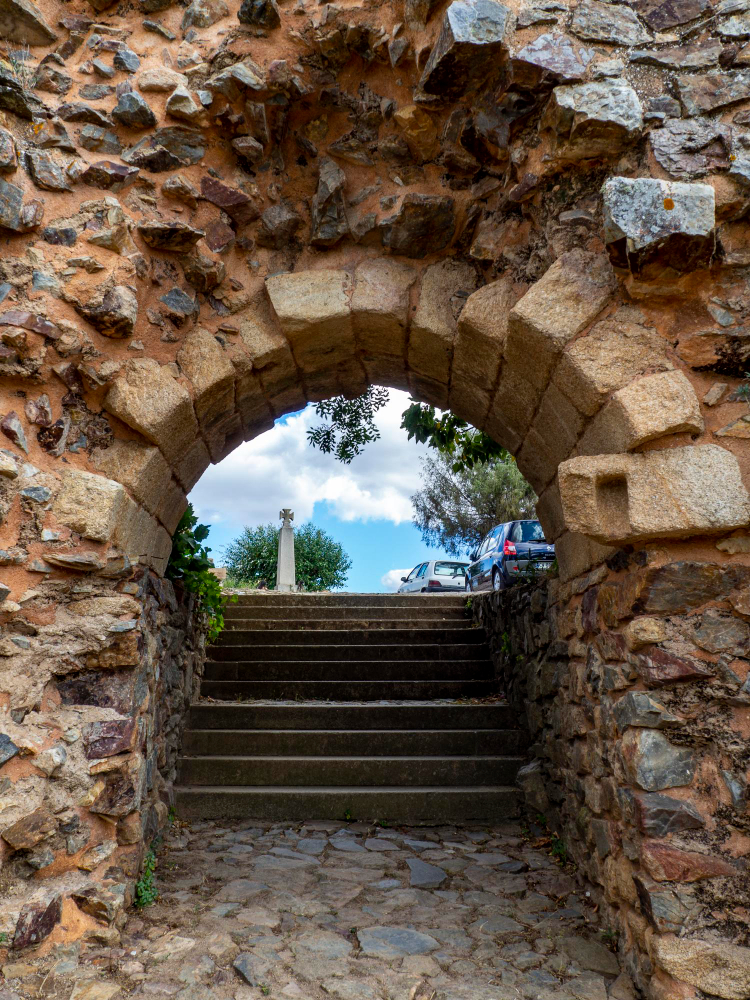
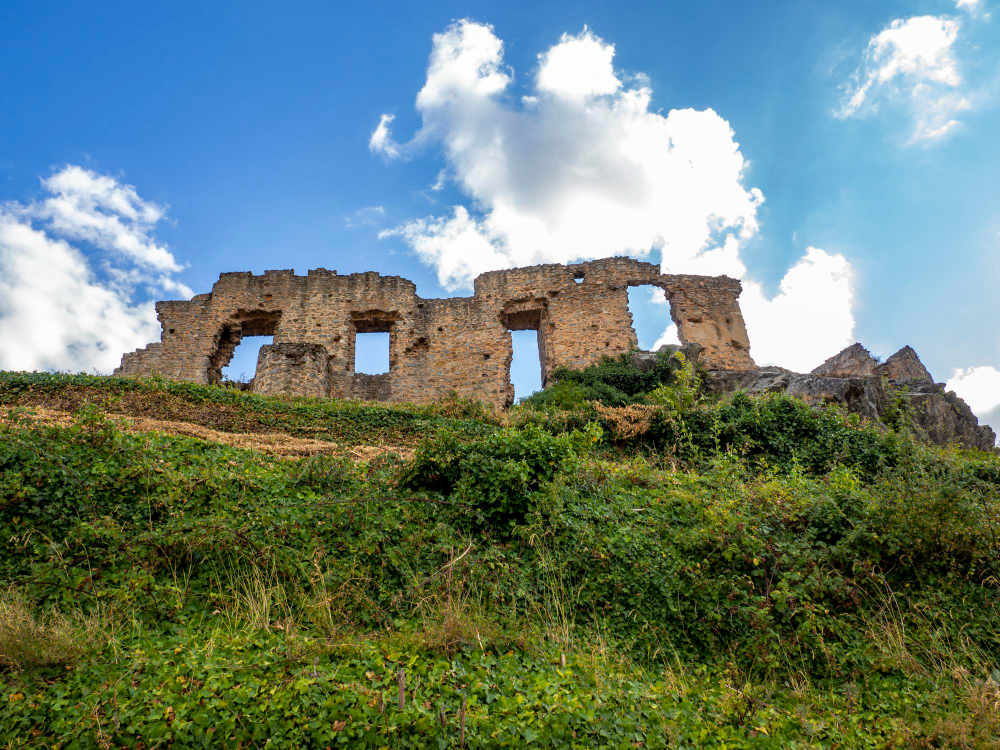
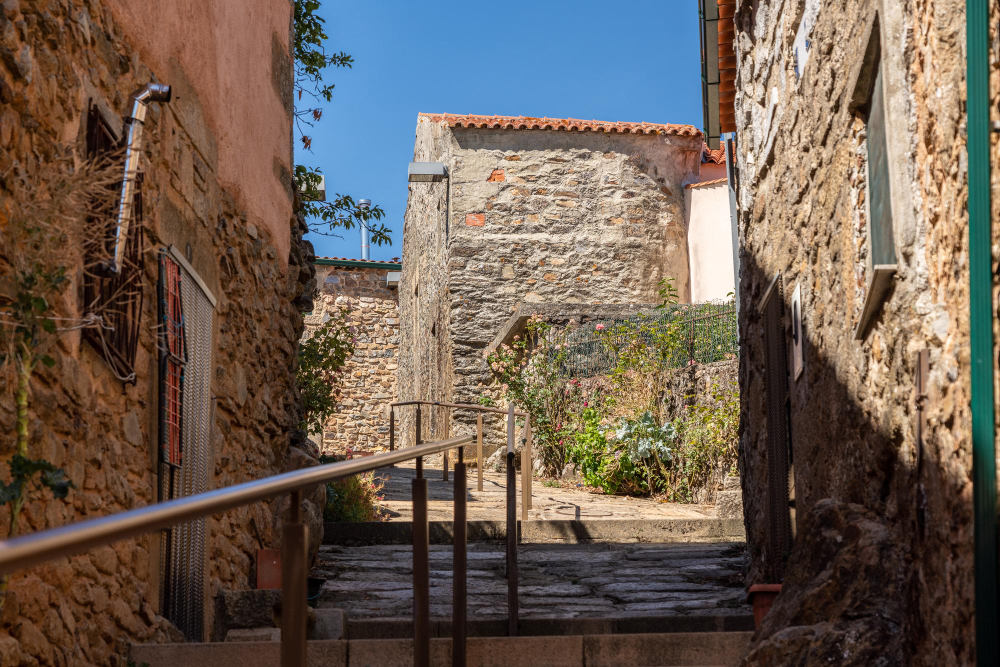
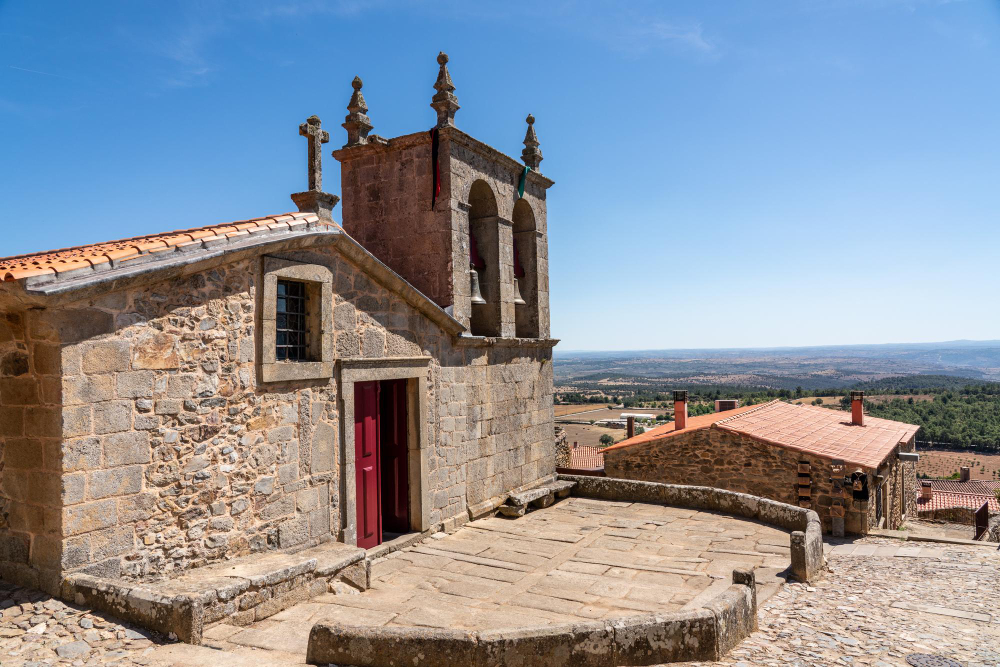
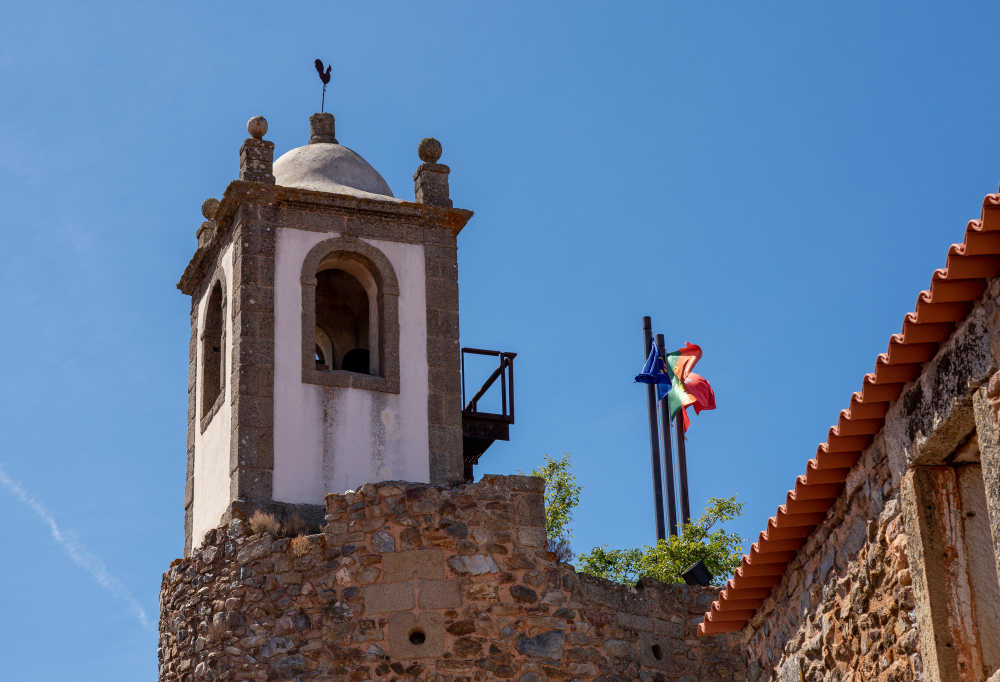
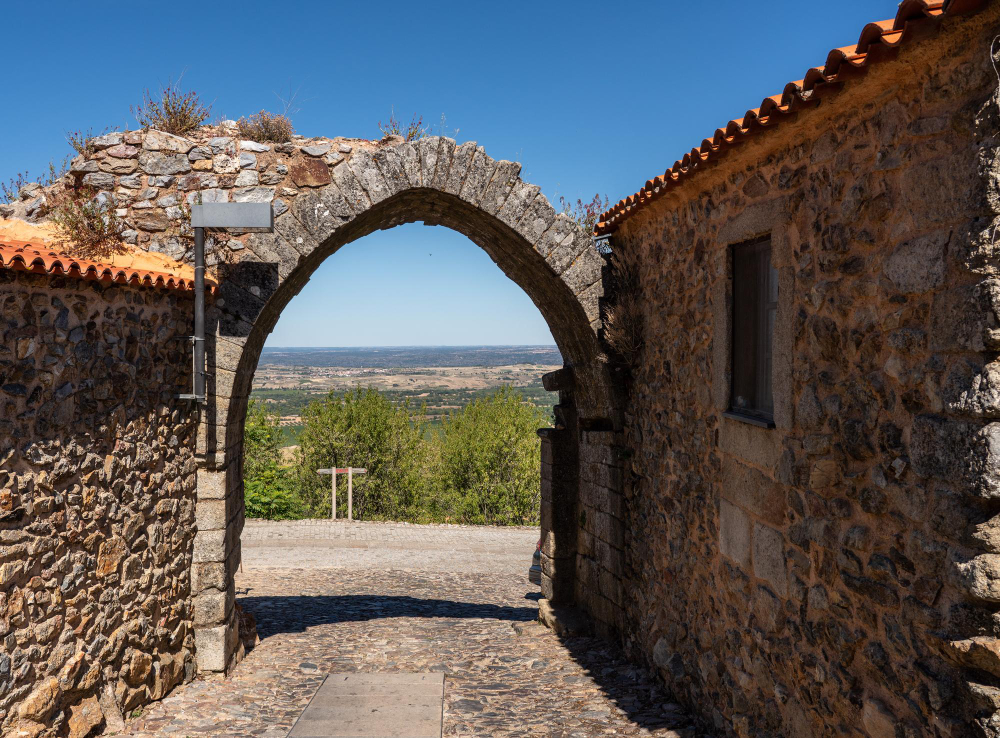
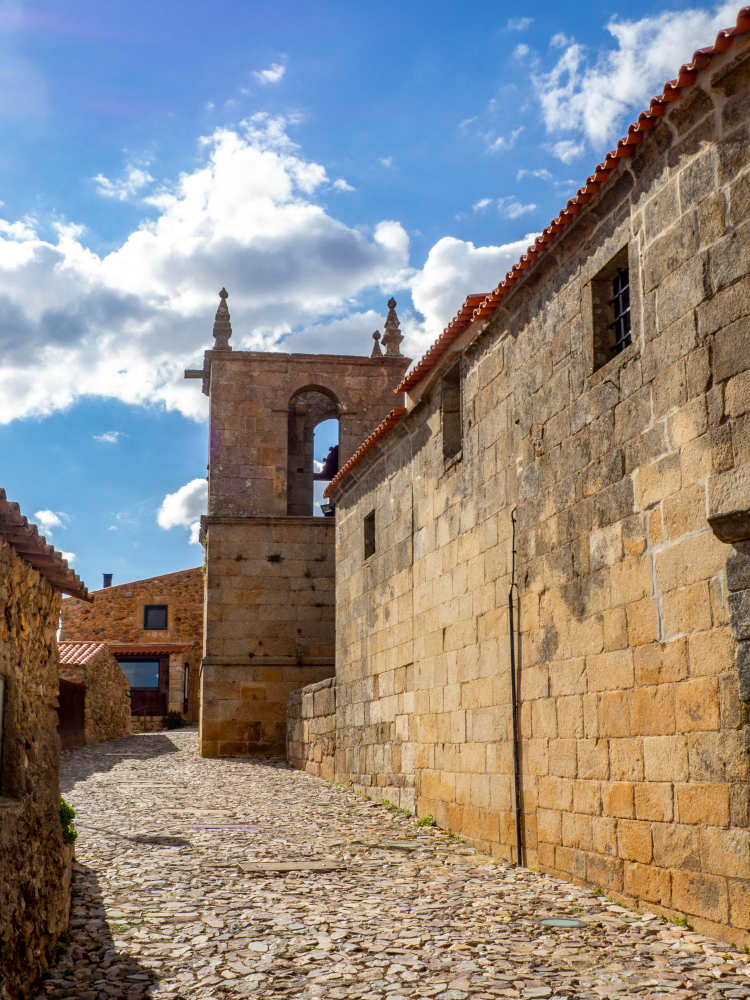
Marofa today: tourism, culture and remembrance – Today, the legend’s mystical aura attracts numerous visitors. Walkers and history enthusiasts explore the Serra, trek along paths leading to the rocky peaks and visit nearby Castelo Rodrigo with its medieval castle complex to immerse themselves in history. Local guides are happy to recount the legend, whether in a charming or a spooky manner. For many residents, the story of Luis and Ofa is part of their cultural identity. Small traditional festivals and re-enactments in the region commemorate the centuries-old tale and keep the memory alive.
Between myth and reality – the legend of Marofa lives on – The legend of Marofa is more than just a romantic tale that offers a wonderful explanation for the mountain’s name. It reflects deep-rooted historical conflicts, contains elements of horror and tragedy, and has been passed down orally for generations. Whether there was actually a romantic relationship between a knight and a Jewish woman cannot be proven beyond doubt. Yet the legend impressively demonstrates how closely myth, history and regional identity are intertwined. On gloomy nights, when the mist hangs thick over the peaks and the wind whistles through the woods, one can almost sense the presence of Luís and Ofa – caught between love and a curse, life and death. An immortal spectre of the Serra da Marofa, whose story is far from over.