 Isabella Mueller Baroness of Stainton le Vale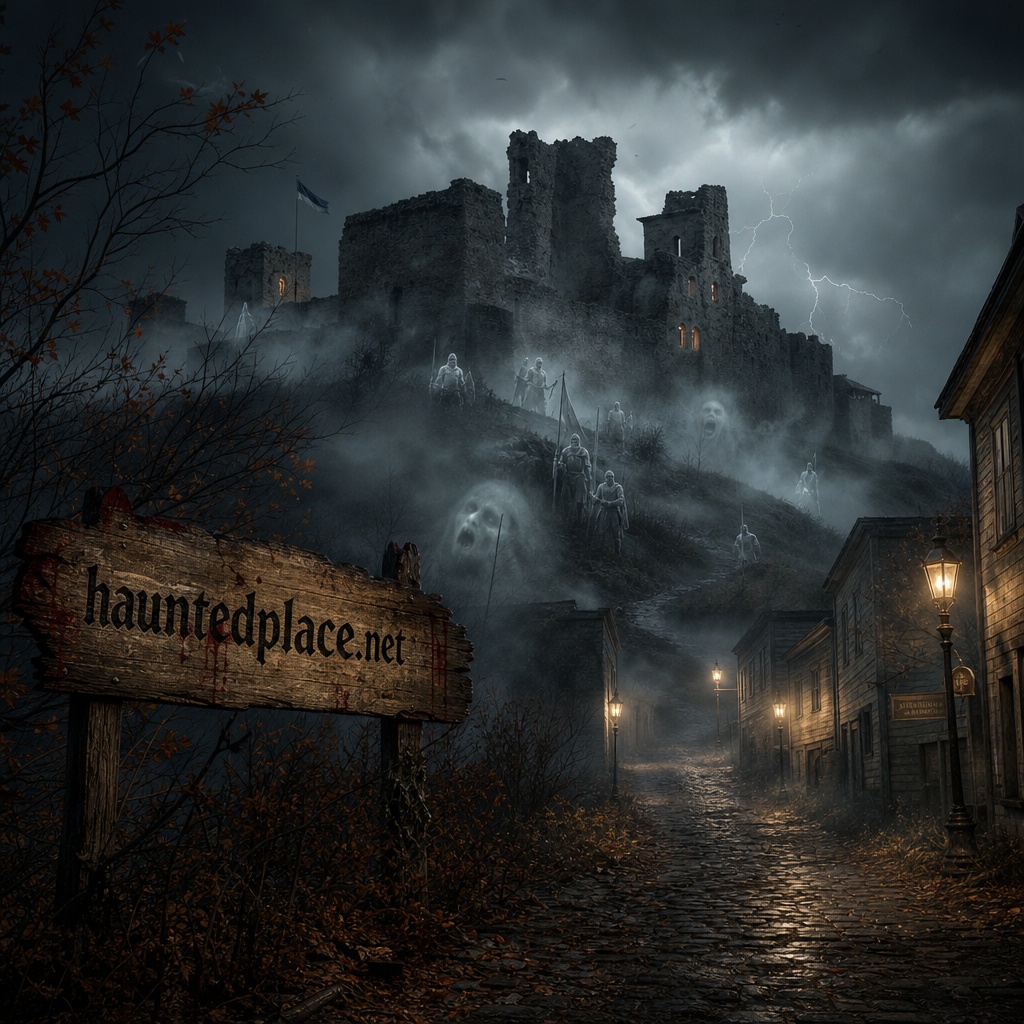
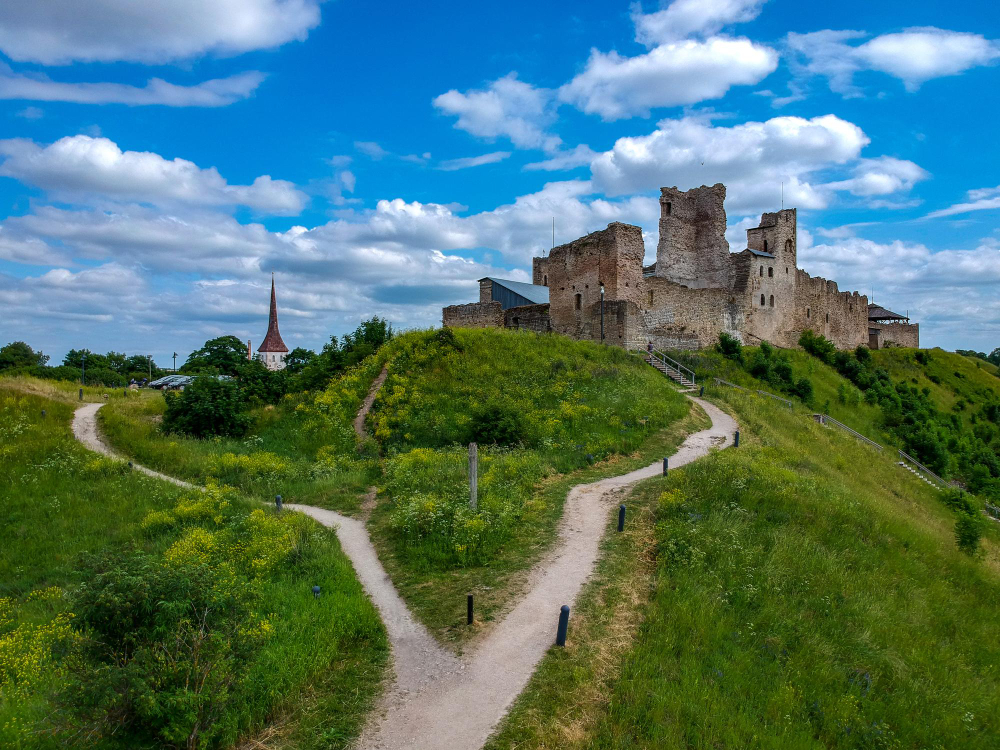
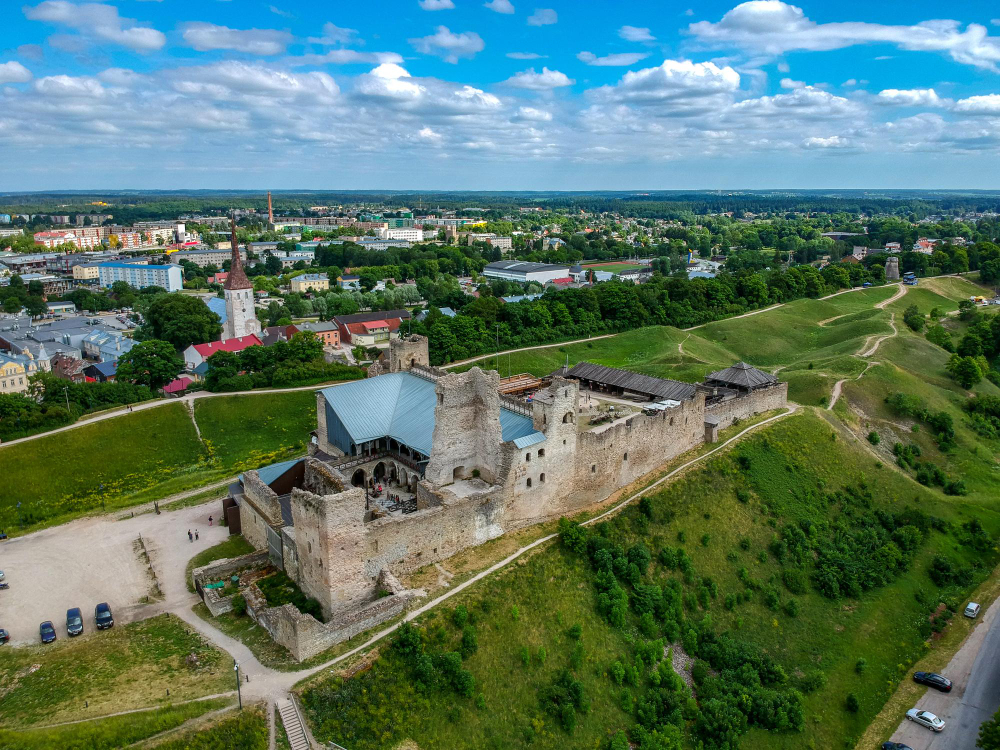
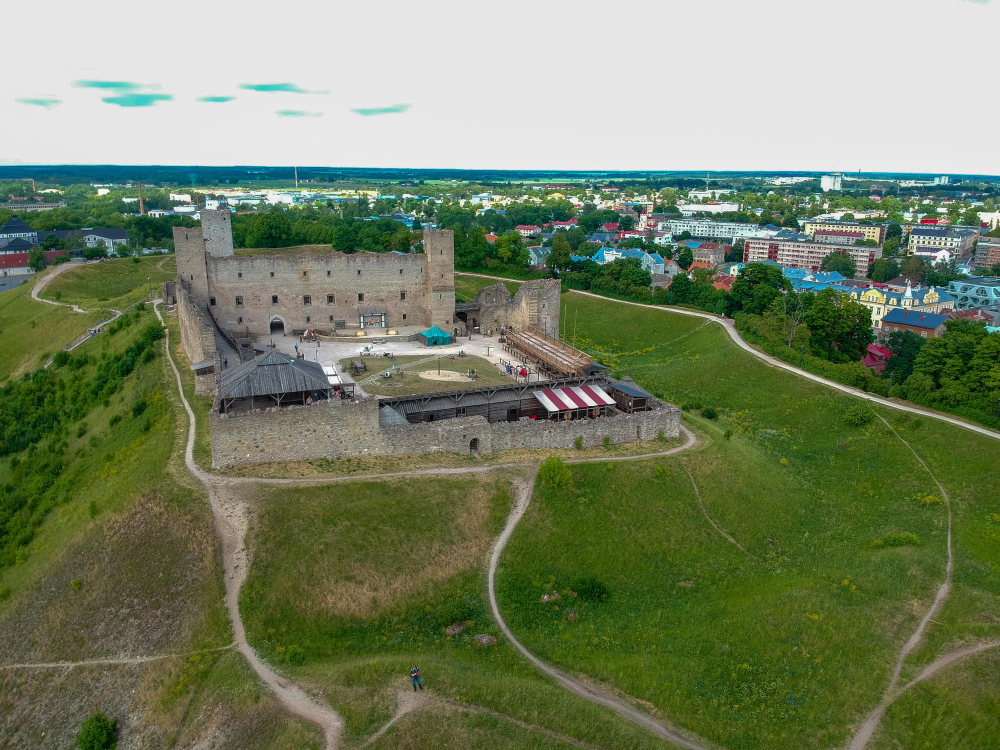
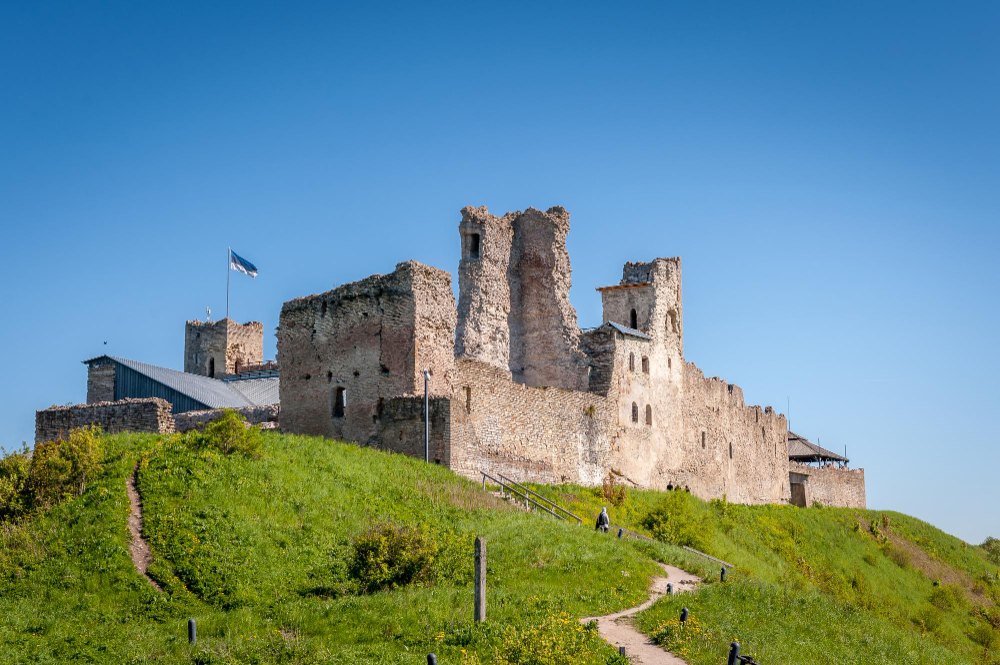
On cold, windy evenings in Rakvere, in northern Estonia, the old streets below the castle hill seem almost as if they belong to another century. Fog settles over the medieval ruins, the shadows between the historic buildings grow deeper, and the stone walls of Rakvere Castle tower over the town like the remains of a long-forgotten fortress. For generations, local tales have claimed that it is not entirely quiet on the hill once darkness falls. Residents and visitors report strange sounds drifting down towards Pikk Street – often referred to in historical German as the ‘Long Street’ – one of Rakvere’s oldest thoroughfares. In local folklore, people describe distant voices, the metallic clang of armour, footsteps where no one can be seen, and sounds that seem to emanate from the castle ruins themselves. These tales are not evidence of paranormal activity. They form part of the town’s oral tradition, shaped by the real violence, wars and fear that characterised the castle’s long history. Rakvere Castle, historically known in German as ‘Wesenberg’, stands atop Vallimägi, the castle hill that dominates the surrounding landscape. Today, it is a cultural attraction and tourist destination, famous for its medieval atmosphere and reconstructed historical exhibitions. Yet its dramatic appearance has its roots in a turbulent past. Over several centuries, the fortress changed hands repeatedly and became caught between rival military powers vying for control of the Baltic region. This bloody history has made the castle a natural setting for ghost stories.
A fortress on a battlefield – The site of Rakvere Castle was already of strategic importance in the early Middle Ages. According to historical accounts, summarised by the Estonian Heritage Board and in local museum records, amongst others, a wooden fortress already stood on the hill before the stone castle was built. In the 13th century, following the conquest of northern Estonia by Danish troops, the site developed into a more significant fortification. The medieval castle, of which only ruins remain today, was extended and rebuilt by several rulers. Danish, Livonian, Swedish, Polish and Russian interests all played a part in the wider struggle for Estonia. The fortress was not merely an isolated structure. It stood on a major transport route linking the coast, the hinterland and the eastern border. Whoever controlled Rakvere controlled a vital part of the region’s military landscape. During the Livonian War in the 16th century, the castle was drawn into some of the most devastating conflicts of that era. The war, which was fought from 1558 to 1583, involved Moscow under Tsar Ivan IV – better known as Ivan the Terrible – as well as Sweden, Denmark, Poland–Lithuania and the weakened Livonian Order. Estonia became one of the most important theatres of war. During this period, Rakvere was attacked, occupied and fought over. Historical records link the fortress to the campaigns of Ivan IV’s troops, whose invasion of Livonia began in 1558. The name Ivan the Terrible still carries strong emotional significance in the regional collective memory, even though modern historians emphasise that the suffering of that period was not caused by a single ruler alone, but by a protracted struggle involving numerous armies and political powers. For local folklore, however, this distinction is less important than the image: soldiers advancing through smoke, gates under attack, prisoners within the walls, and a town living under the constant threat of violence.
The Sounds Beneath the Castle Hill – Pikk Street runs close to the Castle Hill and thus lies, both physically and symbolically, in the shadow of the old fortress. The street forms part of Rakvere’s historic townscape, where older buildings, narrow vistas and shifting light can easily capture the imagination. In autumn and winter, when it gets dark early and the wind blows through the trees on Vallimägi, the castle ruins appear particularly dramatic. Stories circulate in the town about inexplicable noises coming from the direction of the hill: a clanging reminiscent of weapons or armour, muffled screams, echoing footsteps and voices carried by the wind. Some versions of the legend claim that the noises are most clearly heard in fog. Others maintain that storms reawaken memories of ancient battles. There is no conclusive evidence that these sounds have a supernatural origin. The castle ruins, their open stone structures and the elevated hill create conditions in which the wind can blow unpredictably. Sounds from roads, visitors, nearby streets or events can be distorted by the terrain and appear to come from a different direction. Old masonry, metal parts, branches and loose surfaces can also produce sounds that seem mysterious after dark. Yet rational explanations have never stopped such stories from living on. In fact, they often make them even more captivating. A faint sound may have a perfectly ordinary cause, but when it echoes amongst the ruins of a fortress associated with sieges and war, it is easy to imagine something else: soldiers who never left their posts, prisoners whose suffering has never been forgotten, or sentries who still stand guard from the crumbling walls. Ghost stories are therefore inextricably linked to the landscape. Without the hill, the ruins and the historical memory of conflicts, Pikk Street would be just another old street. With them, it becomes a place where the past seems close enough to hear.
Torture, Memory and the Medieval Imagination – Like many medieval castles that are open to the public today, Rakvere Castle is also associated with stories of punishment, imprisonment and torture. Such themes frequently feature in depictions of medieval life, as castles were not only noble residences and military fortifications but could also serve as centres of power, justice and detention. However, caution is required when examining claims about torture. Popular depictions of medieval castles often blur the lines between documented history and later narratives, tourist traditions and dramatic re-enactments. Not every instrument exhibited in a historical context can be directly linked to a specific event at a particular castle. Researchers have repeatedly pointed out that many so-called ‘medieval instruments of torture’ are inadequately documented or have been exaggerated by later writers. This does not, however, mean that Rakvere’s violent past is a fabrication. The Livonian War and subsequent military conflicts brought genuine devastation to the region. Armies required food, shelter and supplies; the civilian population suffered from raids, displacement, disease and destruction. Prisoners and suspected enemies faced harsh treatment. The historical reality was brutal enough without the need to add unconfirmed details. This tension between fact and legend is central to the castle’s reputation as a haunted site. Folklore does not function like an archive. It preserves emotional truth rather than evidence of a legal nature. A story about screams from a dungeon may not name a specific prisoner or cite a documented date, but it reflects the deep-seated belief that places marked by violence retain a memory of it. In Rakvere, this memory has become intertwined with the castle hill.
The ‘White Lady’ and the universal language of castle ghosts – Throughout Estonia and the wider Baltic region, castles are often associated with ghostly female figures, restless soldiers and tragic lovers. One of the best-known Estonian examples is the legend of the White Lady of Haapsalu Castle, where, on certain summer nights, a ghostly woman is said to appear at a window. The haunting traditions of Rakvere are less tied to a single, widely recognised ghostly figure than to the atmosphere of the ruins themselves. The spirit of Rakvere Castle is often portrayed as collective rather than individual: the echo of war, the presence of nameless dead, the imaginary patrols of vanished guards. This makes the legends particularly adaptable. One visitor might hear of a soldier in armour; another might be told of prisoners; yet another might simply be warned that things are not peaceful on the hill after midnight. Such stories are widespread wherever imposing ruins dominate an old town. They help communities explain why a place feels unsettling, and they transform history into something immediate. The castle is no longer a distant relic of the 13th or 16th century. It becomes an active witness, towering over everyday life. Rakvere itself does not shy away from this theatrical quality. The castle has long been committed to historical interpretation and offers visitors the opportunity to discover aspects of medieval life through exhibitions, activities and recreated environments. This approach does not mean that every legend is to be taken literally. Rather, it recognises that history is often experienced as much through atmosphere as through dates. At Rakvere Castle, this atmosphere is impossible to overlook.
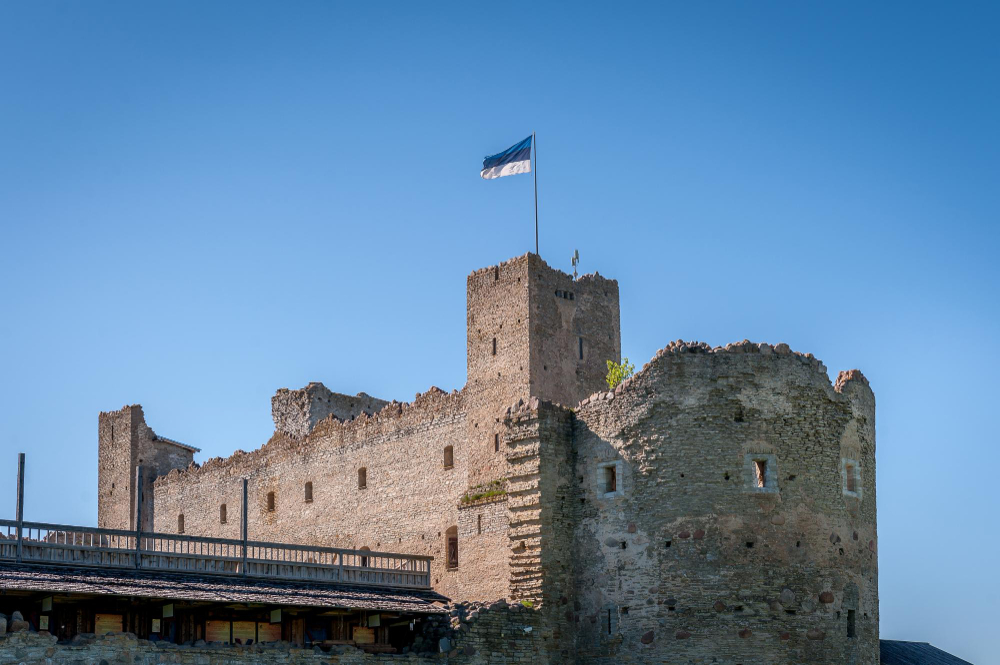
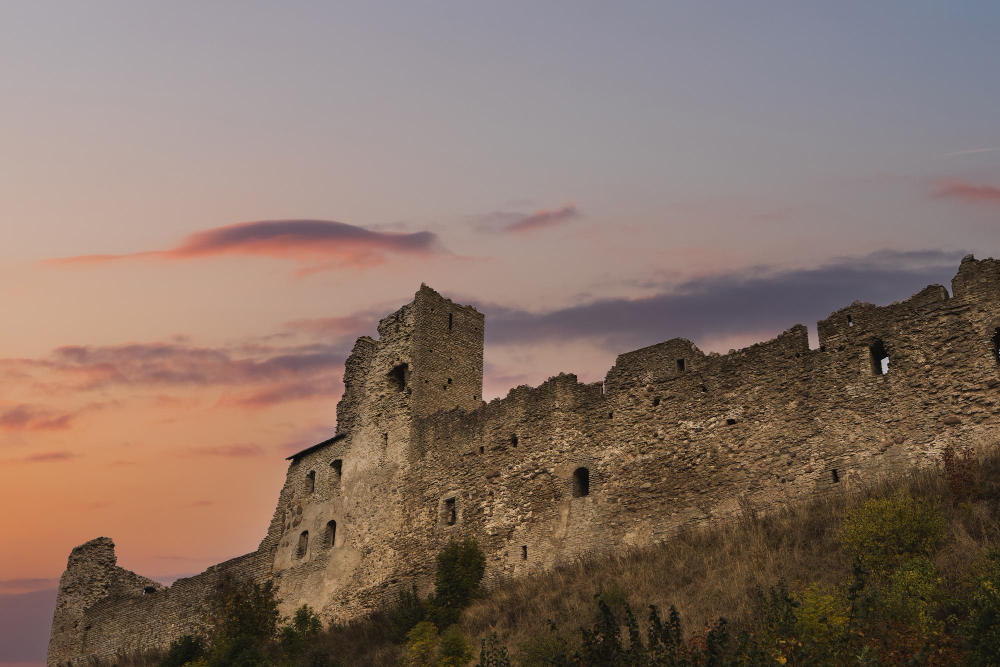
A ruin that refuses to be silent – The castle’s military significance declined following repeated destruction during the conflicts of the 16th and 17th centuries. It was severely damaged and never fully restored as an active fortress. What remains today is a ruin: mighty walls, the remains of towers, courtyards and defensive structures that hint at the complex’s grandeur without fully revealing it. Ruins invite speculation. A complete modern building tells people exactly what it is; a ruin leaves gaps open. It is within these gaps that history, imagination and local tradition converge. Standing at the foot of the castle hill on Pikk Street, it is easy to understand why the locals attach significance to the sounds carried over by the wind. The hill rises like a huge dark silhouette above the town. In daylight, it is a magnet for tourists, school groups and history buffs. At night, especially in the rain or fog, those same stones can seem almost theatrical – less like a museum, and more like a fragment of a world that has not yet entirely vanished. The supposed clang of armour could be the wind striking metal. The voices could come from passers-by, birds or echoes from the town. A sudden crash could be nothing more than a branch snapping in the darkness. Yet folklore rarely asks whether a story can be proven beyond doubt. It asks whether a place deserves its mystery. Rakvere Castle deserves it.
Its walls have witnessed armies marching in, rulers changing, borders shifting, and ordinary people having to live with the consequences. The legends of Pikk Street need not be presented as fact to be significant. They serve as a reminder that historical violence leaves traces that go beyond official documents. Sometimes these traces endure as ruins. Sometimes they endure as stories. And sometimes, on a wet and stormy night at the foot of the castle hill, they endure as a sound that no one can quite explain.