 Isabella Mueller Baroness of Stainton le Vale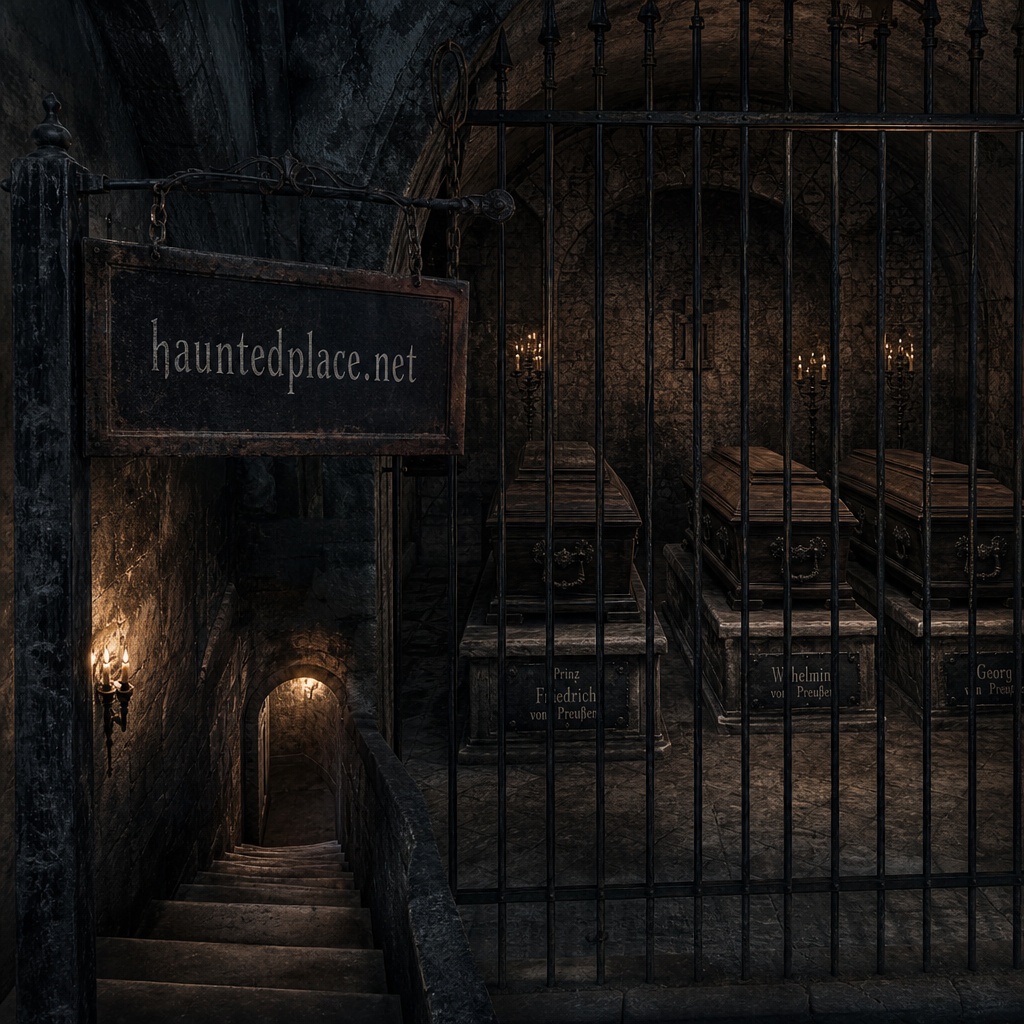
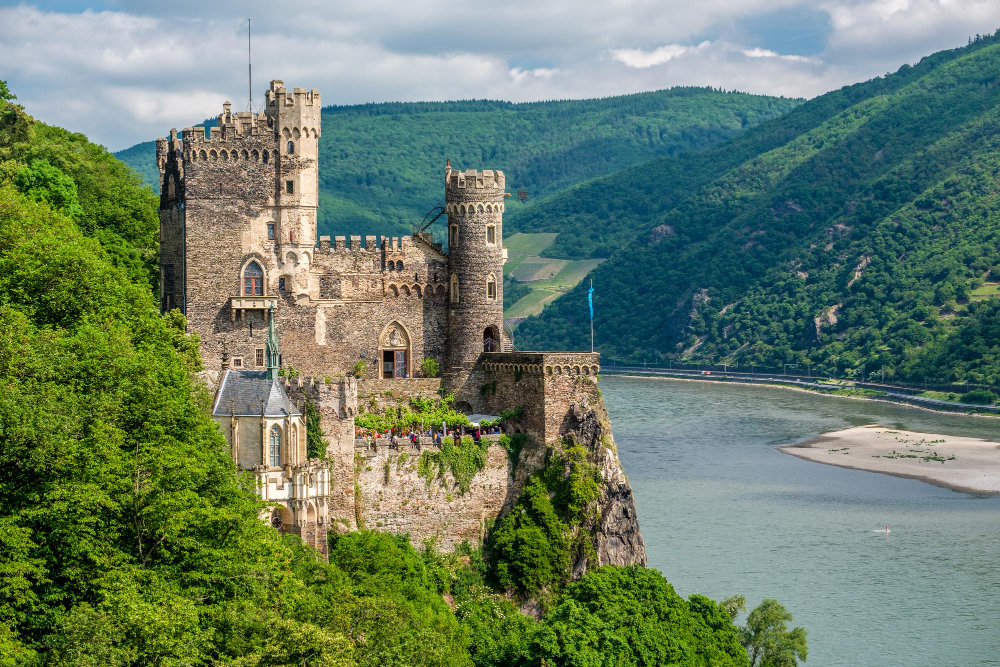
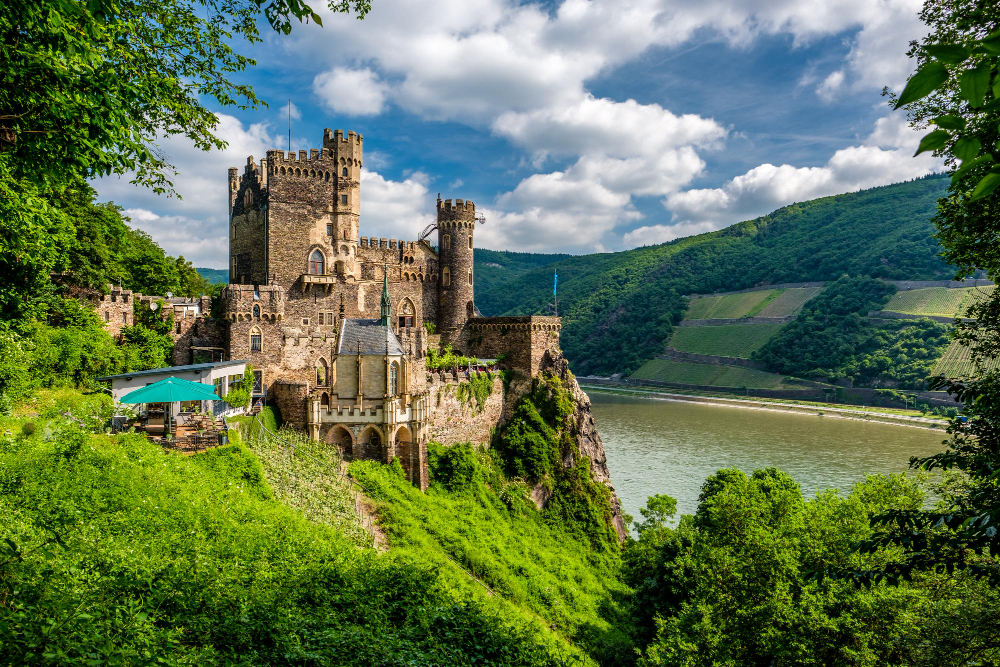
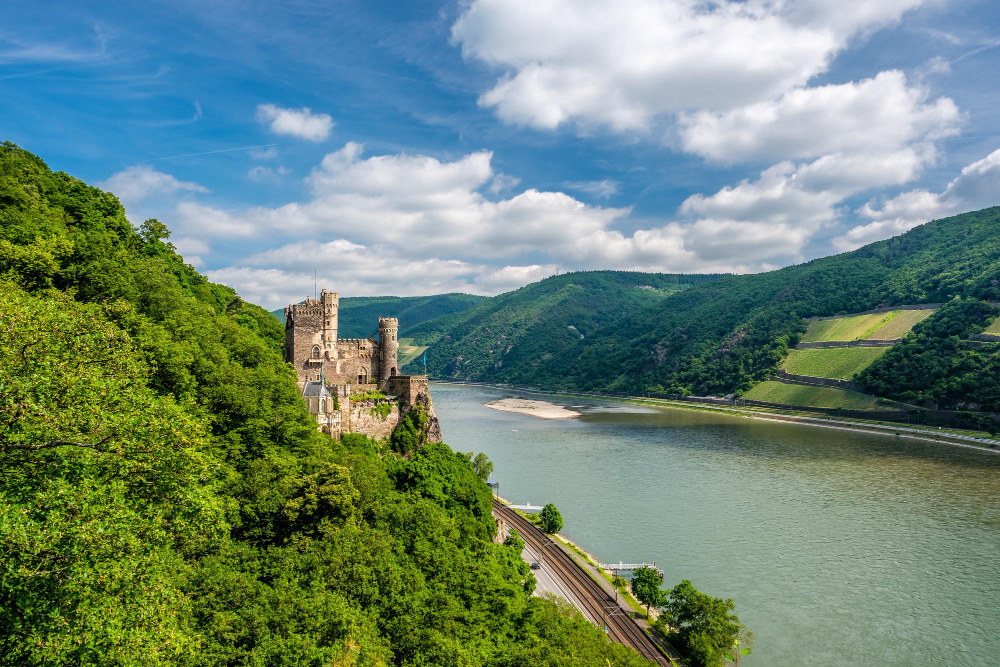
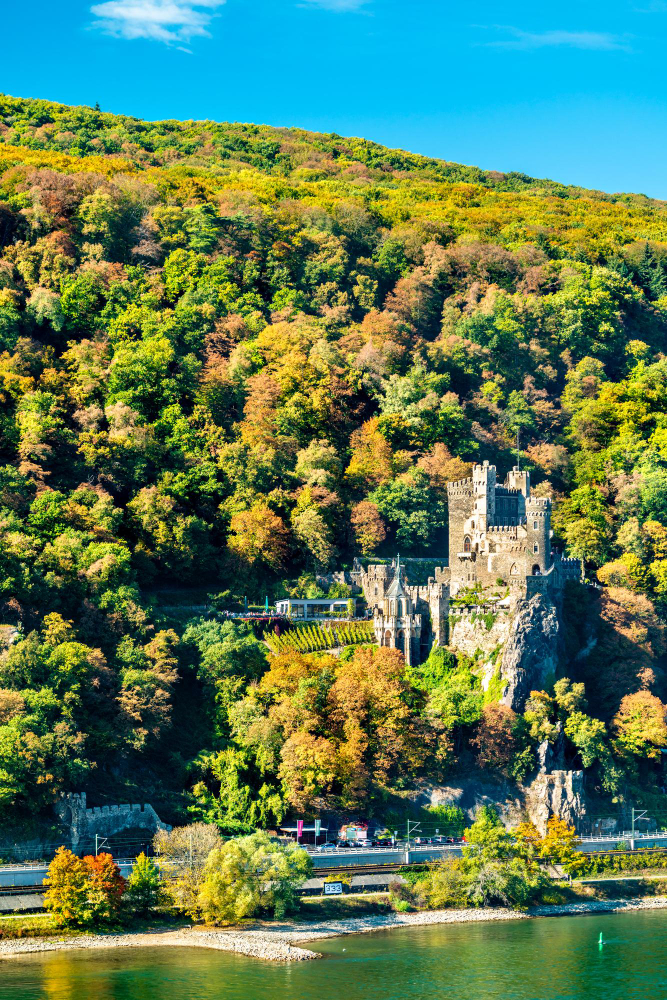
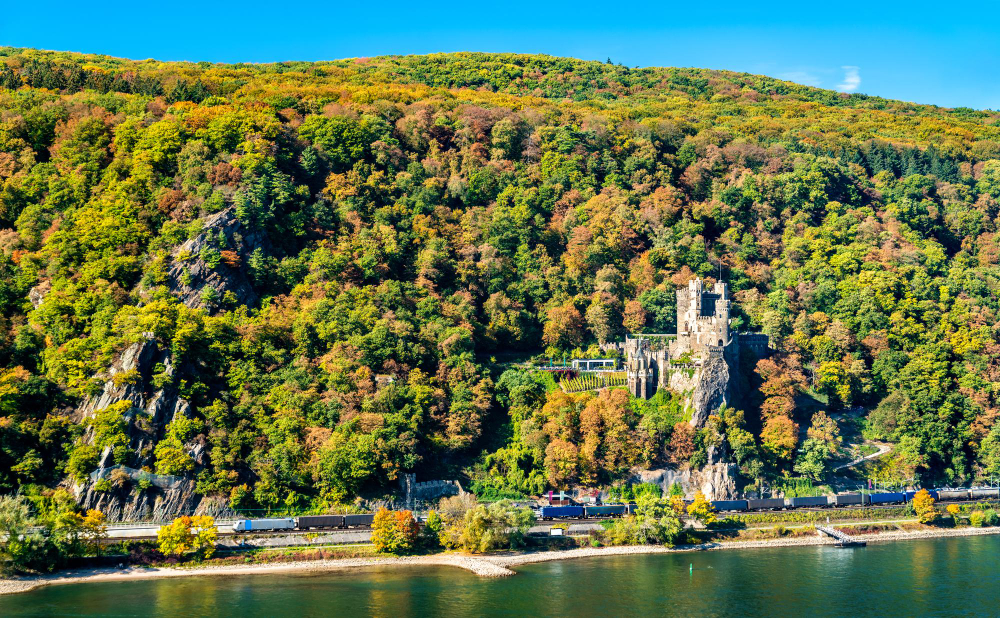
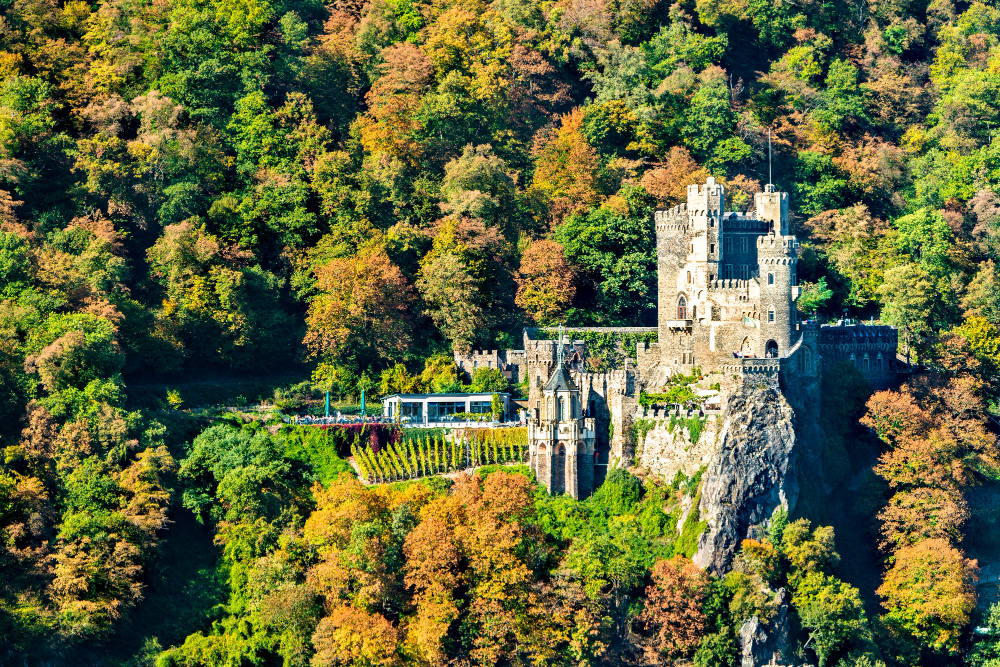
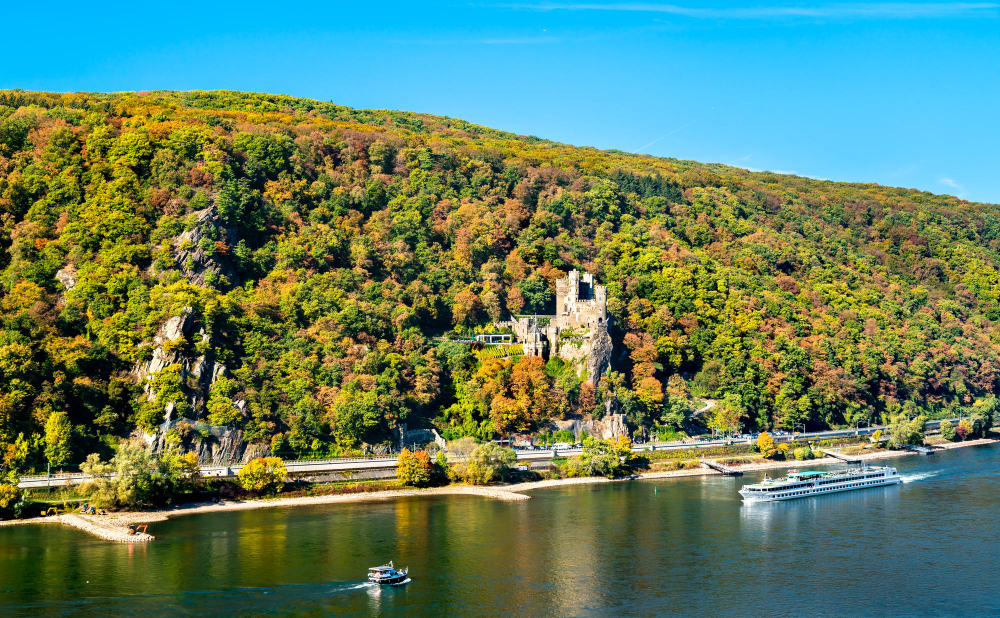
Rheinstein Castle stands majestically in the heart of the picturesque Rhine Valley, an impressive 14th-century structure that captivates visitors with its medieval architecture and breathtaking views across the Rhine. Yet beyond the sun-drenched castle courtyards and blooming gardens lies a place with an oppressive atmosphere – the legendary Prussian Crypt. This dark chamber beneath the castle chapel, where the remains of the Prussian noble family rest, instils a sense of unease in many visitors and causes even sceptics to pause for a moment and whisper.
The mysterious entrance: Down into the castle’s world of shadows – Visitors to Rheinstein Castle first walk along imposing walls and through narrow corridors, past magnificent halls, until an inconspicuous detail draws their gaze to a steep staircase leading down to the hidden heart of the building. This narrow staircase, often illuminated only by a dim light, leads to the castle chapel – a sacred place separated from the crypt below by a massive iron grille. Behind this grille lies a pitch-black void, in whose darkness three heavy oak coffins stand. The scene seems otherworldly: Cool stone walls, shifting shadows and the oppressive silence create an almost palpable tension.
The inhabitants of the crypt: history carved in wood – The Prussian Crypt is no ordinary burial place. Here lie buried prominent figures from the Prussian nobility, whose fates are closely intertwined with the history of the castle. At the centre is Prince Friedrich of Prussia, the key figure behind the castle’s restoration and reconstruction in the 19th century. Beside him rest his wife Wilhelmine and his son Georg, whose names appear time and again in regional chronicles. The three oak coffins, resting on solid stone plinths within the crypt, are meticulously crafted and, despite their simple design, appear dignified and impressive. Their interiors remain hidden, yet the aura of transience and the historical weight they embody is almost palpable. It is as though time stands still here, frozen in a moment between life and death.
Architecture and Atmosphere of the Crypt: A Place of Devotion and Dread – The crypt itself is an architectural gem. Its construction follows the classical forms of 19th-century sacred crypts, with sturdy stone walls that withstand the damp climate of the Rhine region. Despite its function as a burial site, it is designed with restraint; any ostentation has been deliberately avoided to lend the memory of the deceased the solemnity it deserves. Yet the dim light, the cool air and the creaking iron grille often give visitors goosebumps. Some even speak of a feeling of overwhelming loneliness and a faint whisper said to echo between the walls. Overall, the impression is that the crypt serves not only as a final resting place, but also as a window into another, quieter world.
Historical Context: Why the Prussian Crypt at Rheinstein Castle was built – The history of the Prussian Crypt is inextricably linked to the rise and restoration of Rheinstein Castle. After the medieval castle fell into disrepair in the 17th and 18th centuries, Prince Frederick of Prussia purchased it in the early 19th century and had it rebuilt in the Neo-Gothic style. This was part of a wider National Romantic movement that idealised medieval architecture and preserved it as a symbol of German identity. It was in this context that the crypt was also established, to manifest family ties and the Prussian heritage at this symbolic site. Thus, the crypt came into being both as a private burial place and as an expression of patriotic and dynastic commemorative culture.
Visitors’ accounts: goosebumps and inexplicable sensations – Numerous eyewitness accounts attest to the special effect the Prussian Crypt has on people. Whilst some visitors speak only of the oppressive atmosphere, others report strange sensations. Some speak of a sudden drop in temperature when looking through the iron grille, others of fleeting shadows perceived out of the corner of their eye. Local guided tours also consistently emphasise that one should only enter the crypt if one is mindful of one’s responsibility towards history. For conservation reasons, it is usually not possible to enter the crypt; however, a glimpse through the grille is enough to establish an immediate connection to the past – a connection that takes the breath away from many a visitor.
Myth or reality? The Prussian Crypt in the modern perception – Some sources emphasise that the eerie atmosphere is created primarily by the architecture and the physical conditions. The cold air, the lack of sunlight and the dark shadows play into the human imagination. Nevertheless, it cannot be denied that the historical significance of the crypt and the reverence associated with it intensify the experience.
The Prussian dynasty and its legacy on the Rhine – For centuries, the Prussians played a central role in German history. Their connection to the Rhineland is still evident today in numerous places, of which Rheinstein Castle, with its gloomy crypt, stands as a particularly striking testament. Here, family ties, political ambitions and cultural traditions converge in a unique monument. Prince Frederick’s decision to have his family buried in the castle was ultimately a deliberate interweaving of life, death and remembrance – embedded in the castle’s stone, which has endured for centuries.
Between history and goosebumps – the Prussian Crypt as a fascinating legacy – The Prussian Crypt at Rheinstein Castle is more than just a burial site. It is a place where history becomes tangible and where the past, the present and an awareness of transience converge. The dimly lit atmosphere, the historic coffins and the imposing walls create a setting that leaves a lasting impression and gives many visitors a pleasant shiver. All visitors to the castle are advised to pause during their tour, cast their gaze through the rusty grille into the darkness of the crypt and, for a moment, let the silence speak for itself – an experience that lingers long afterwards and simultaneously fuels a fascination with history and the unknown.