 Isabella Mueller Baroness of Stainton le Vale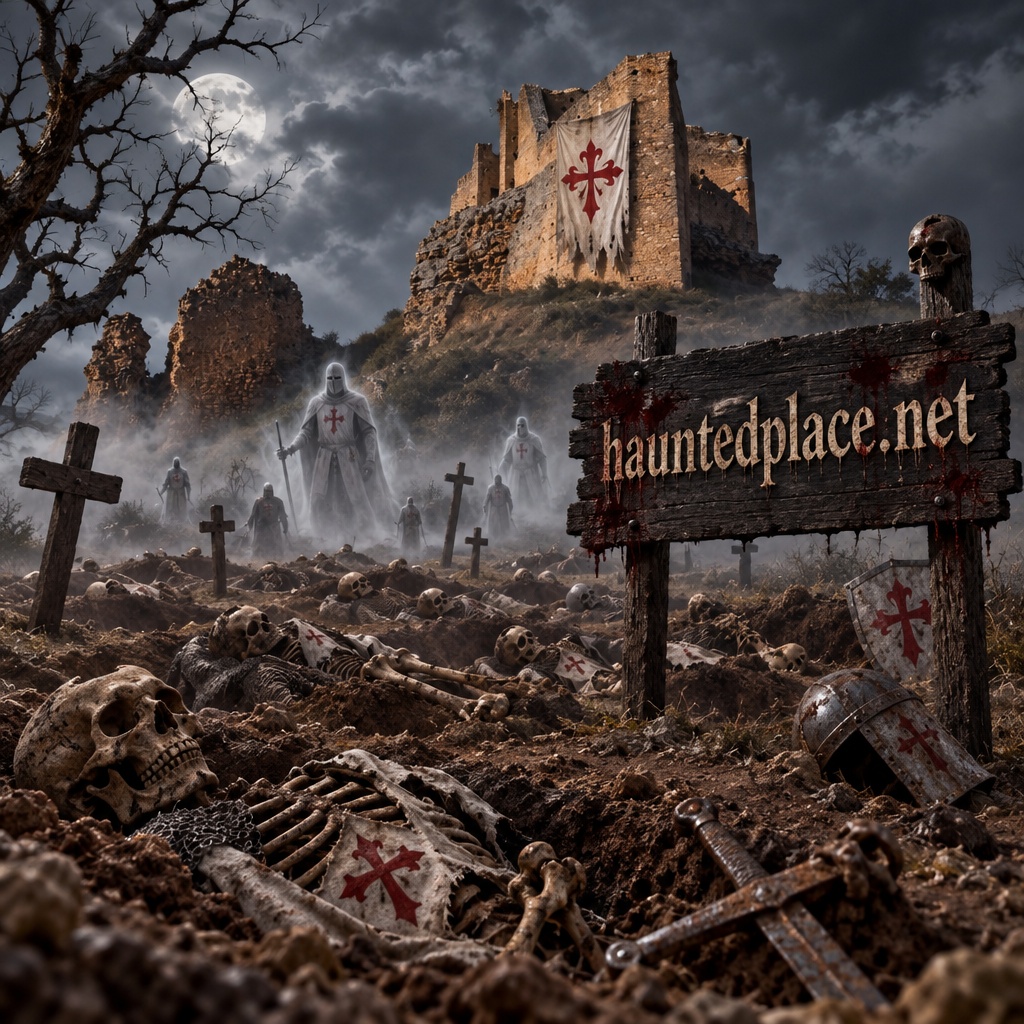
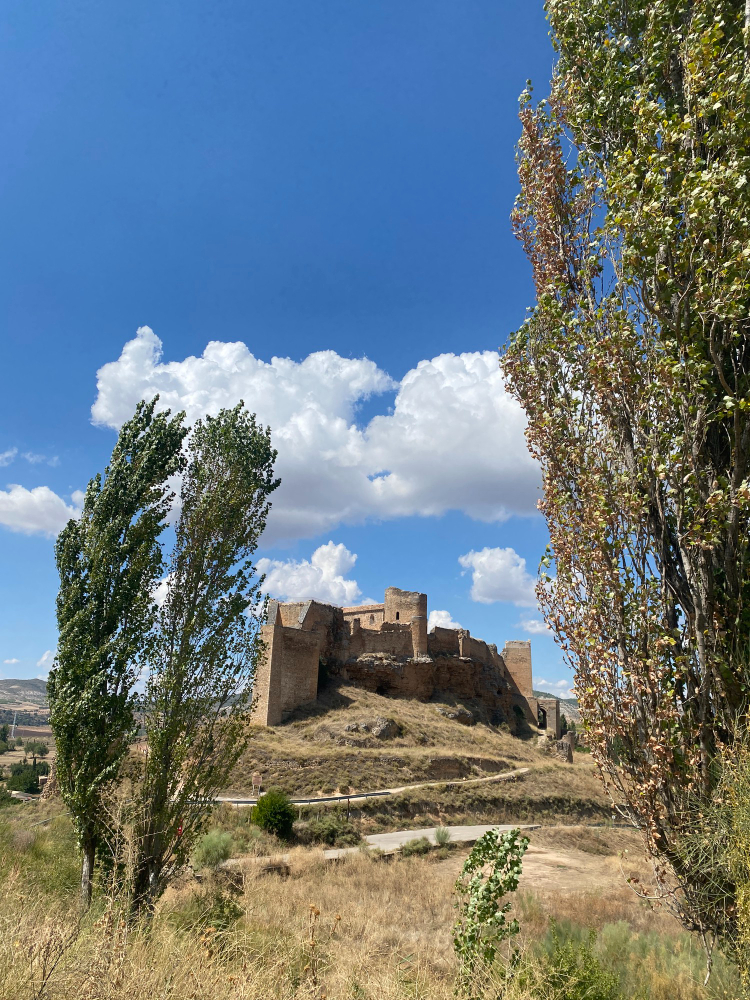
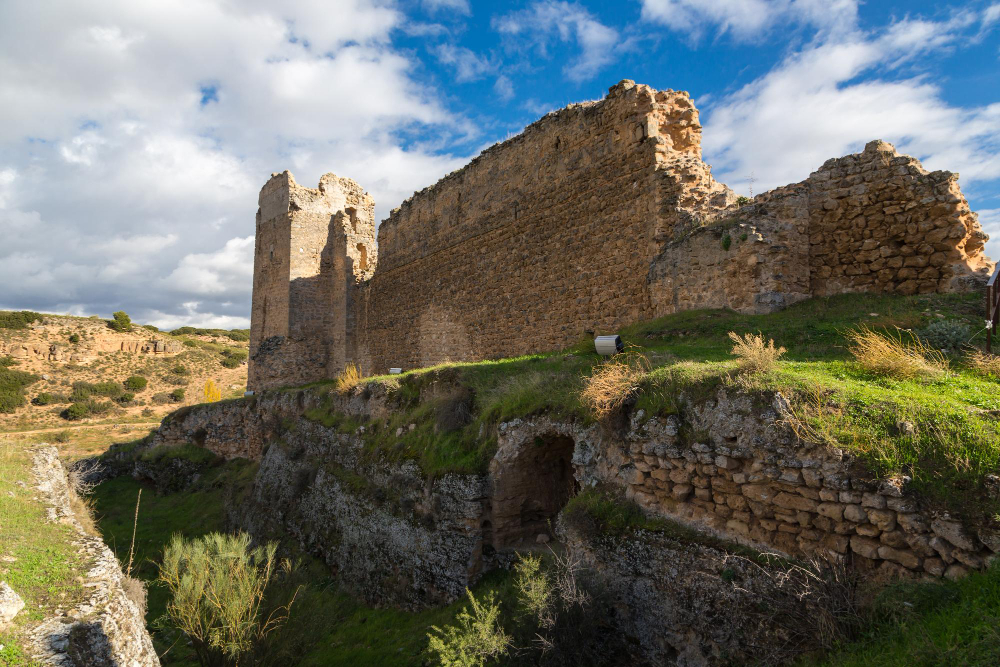
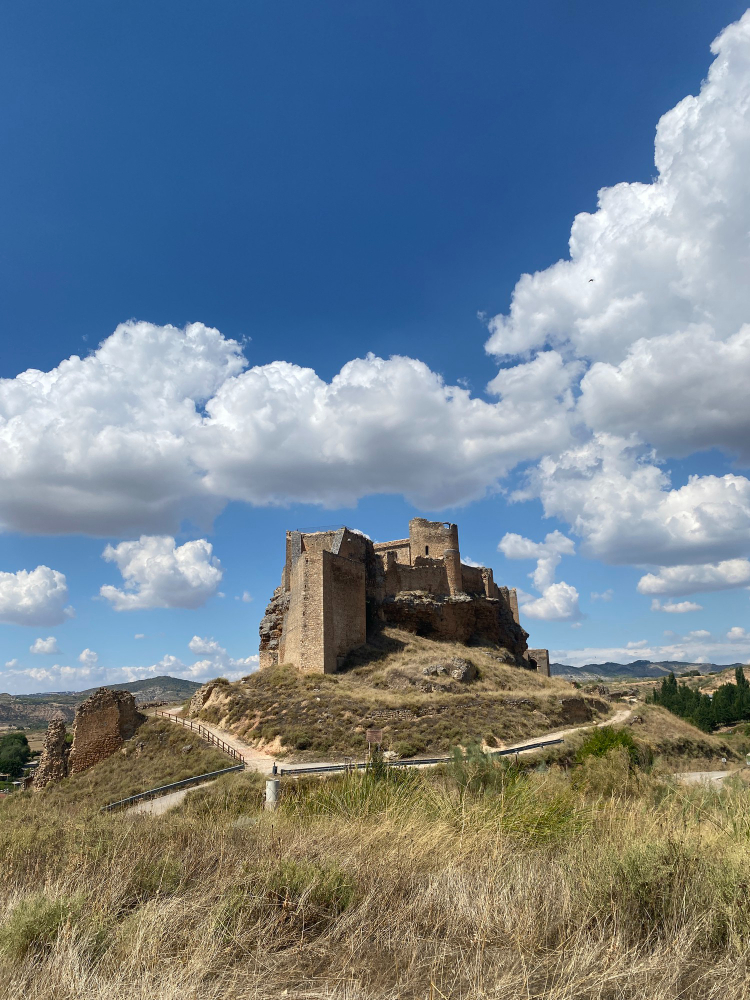
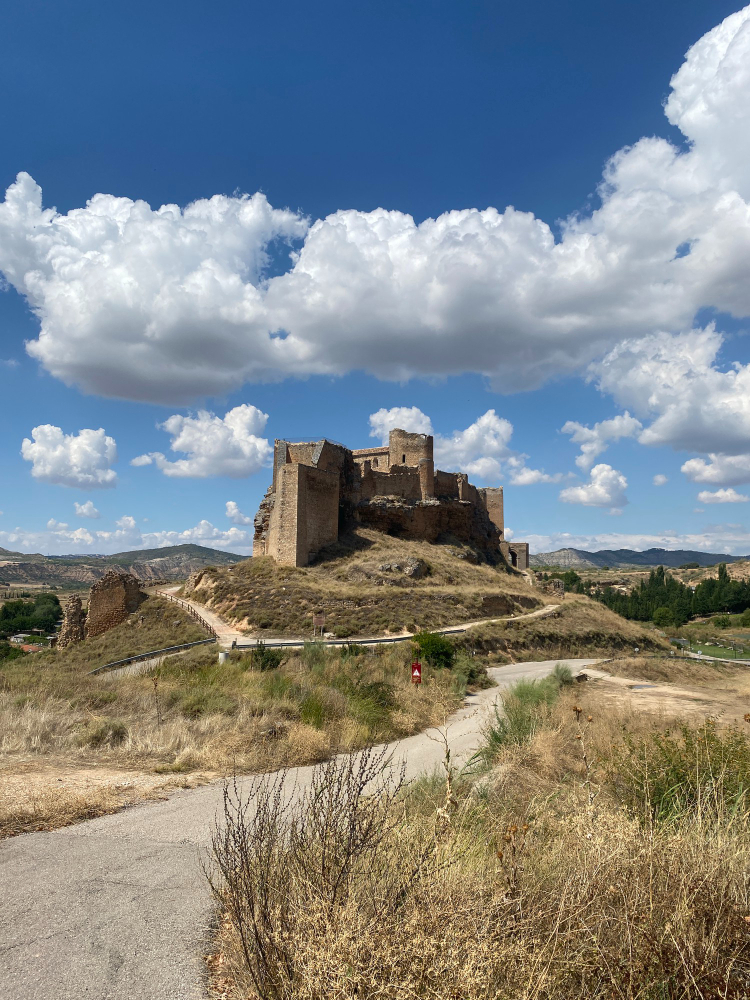
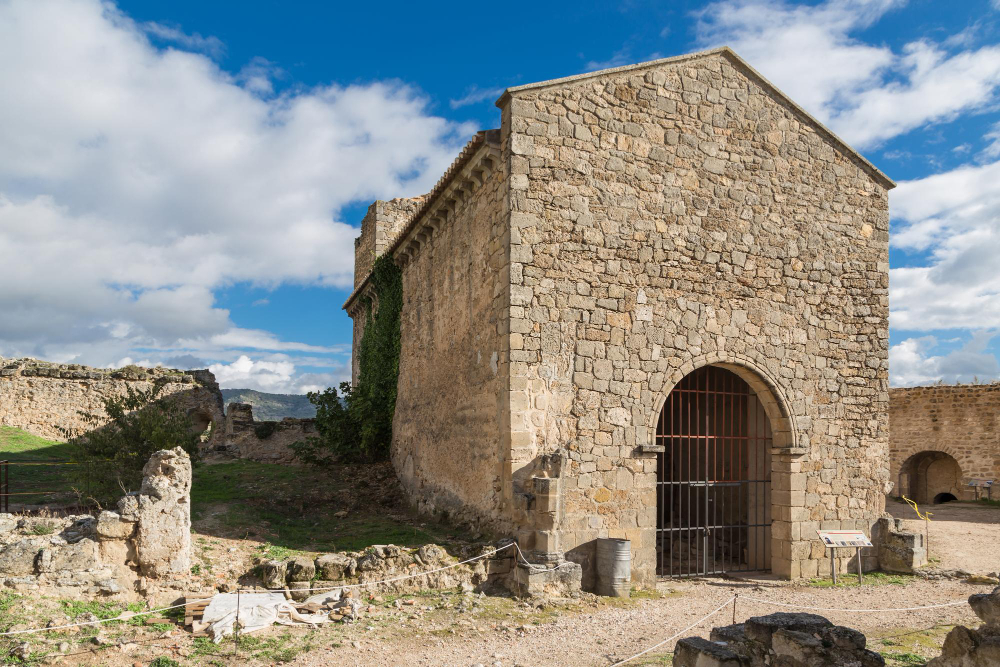
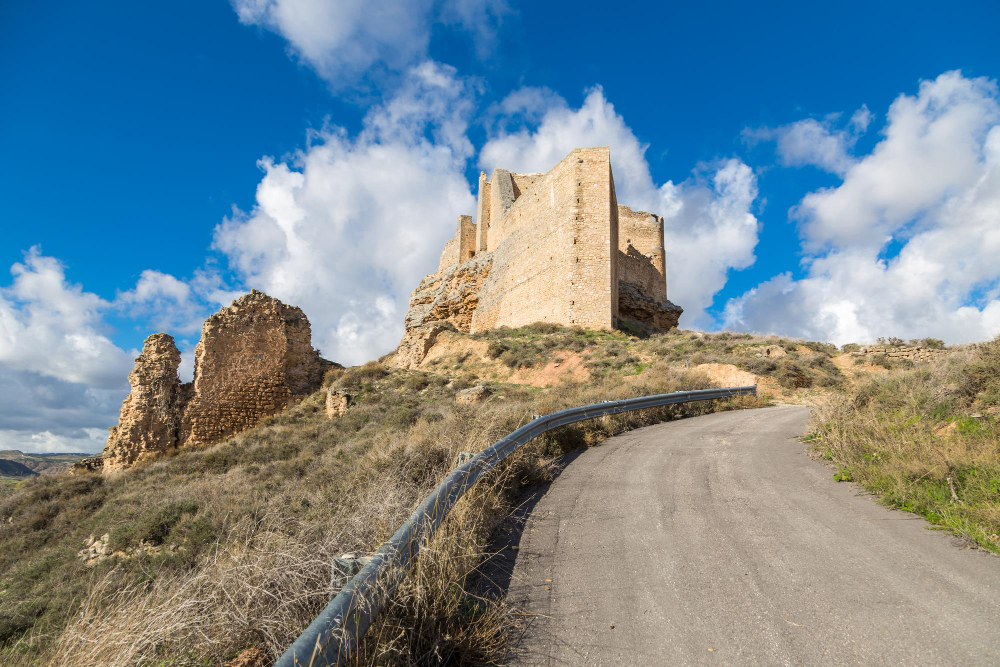
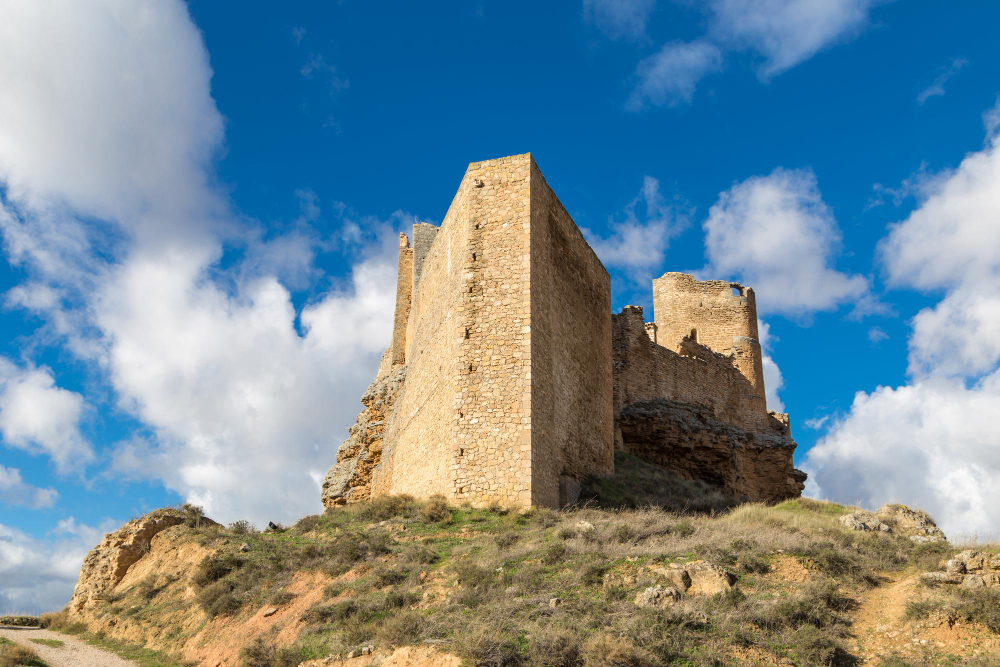
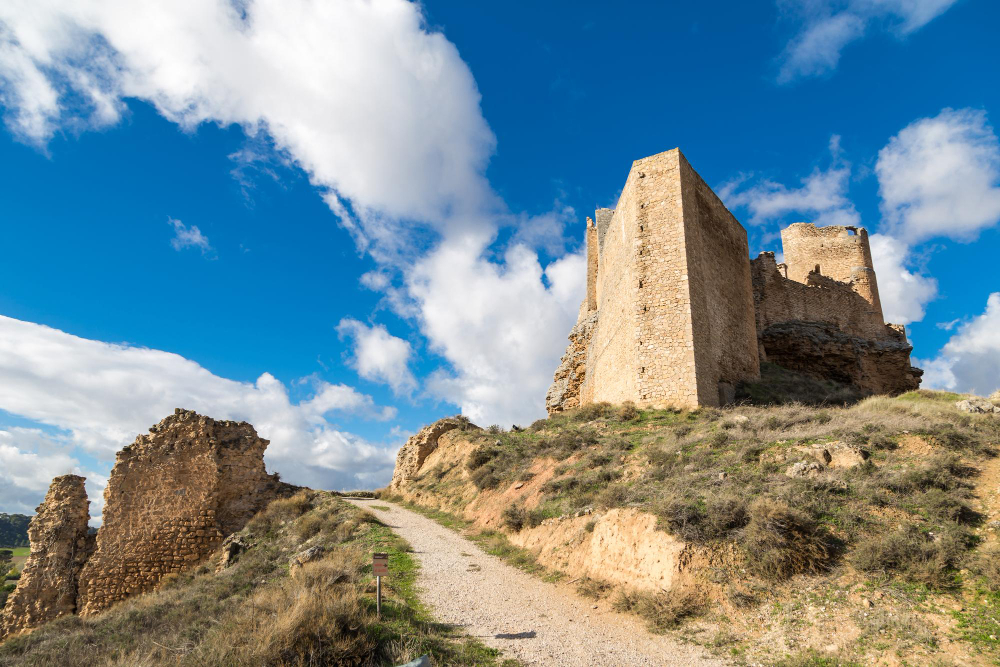
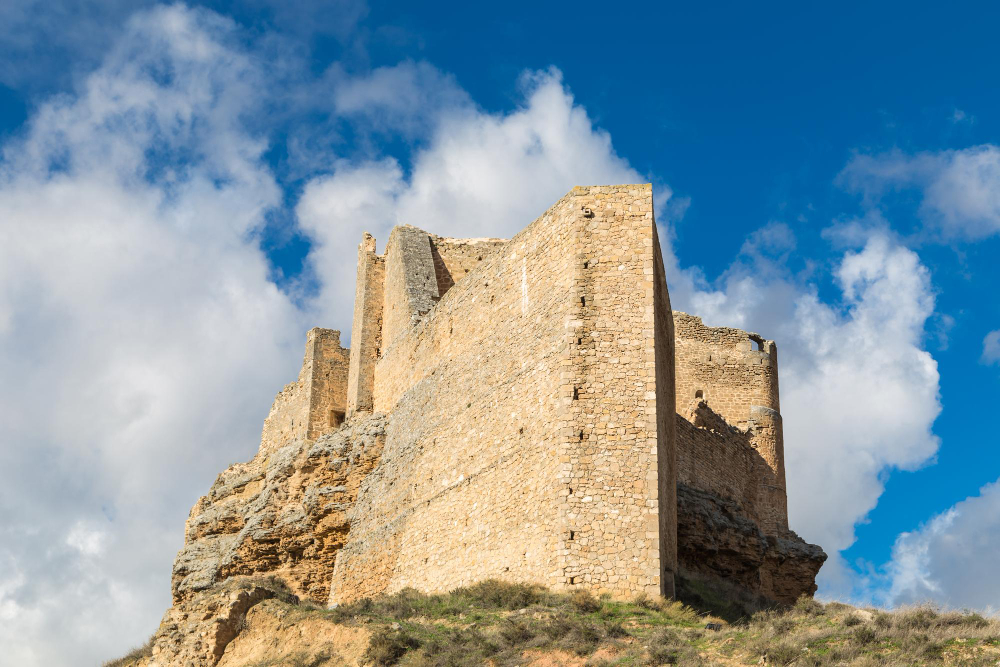
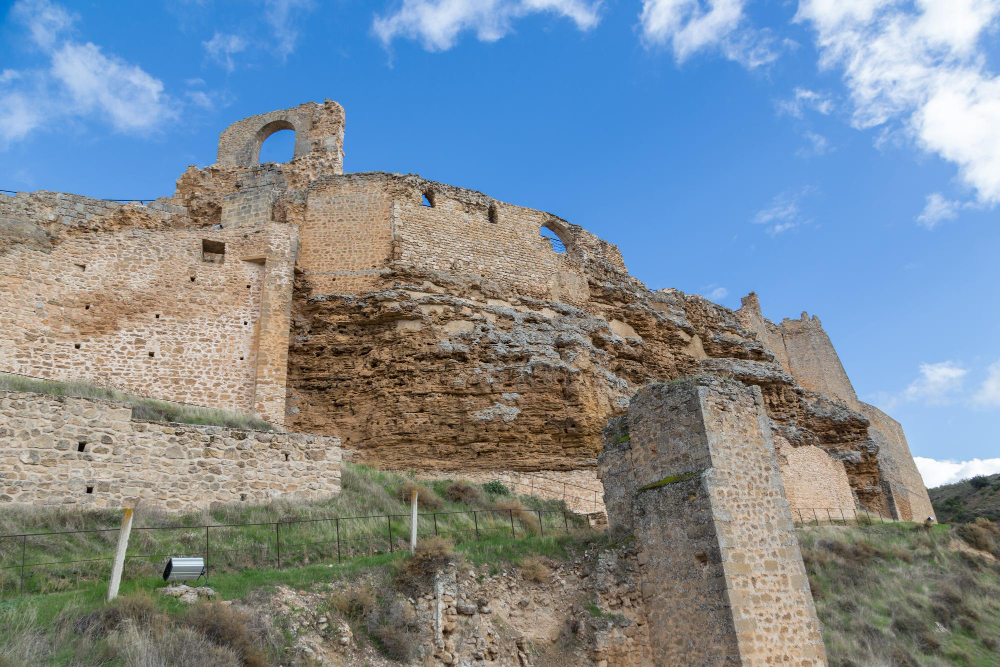
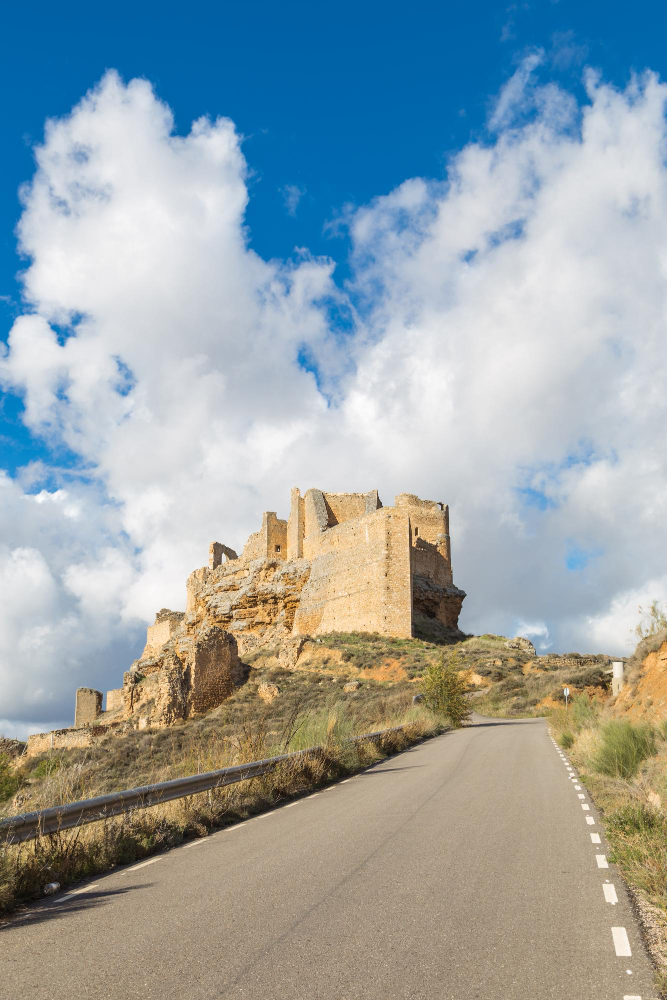
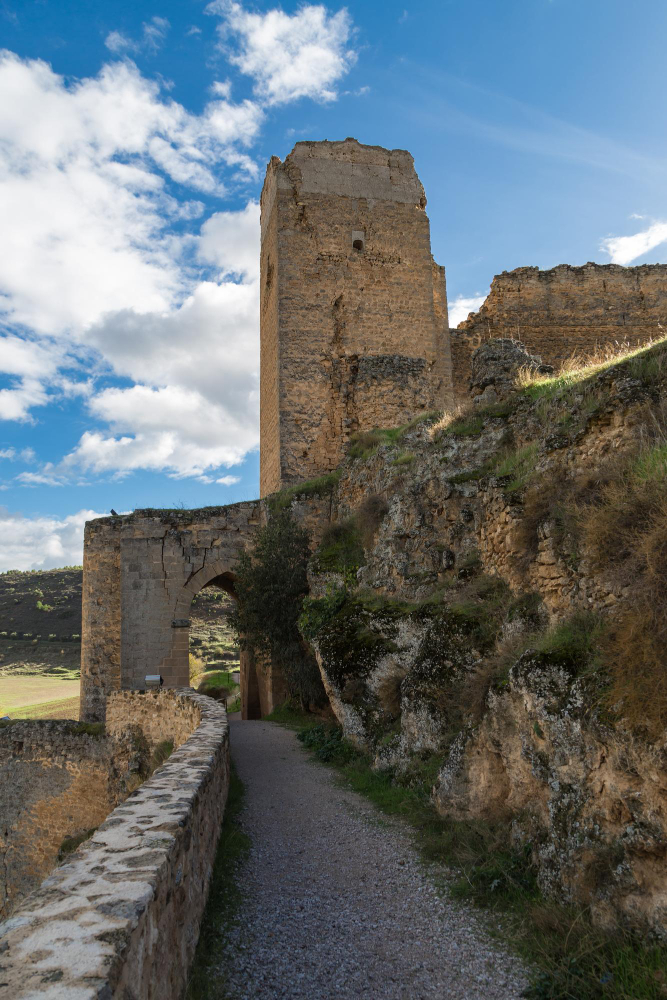
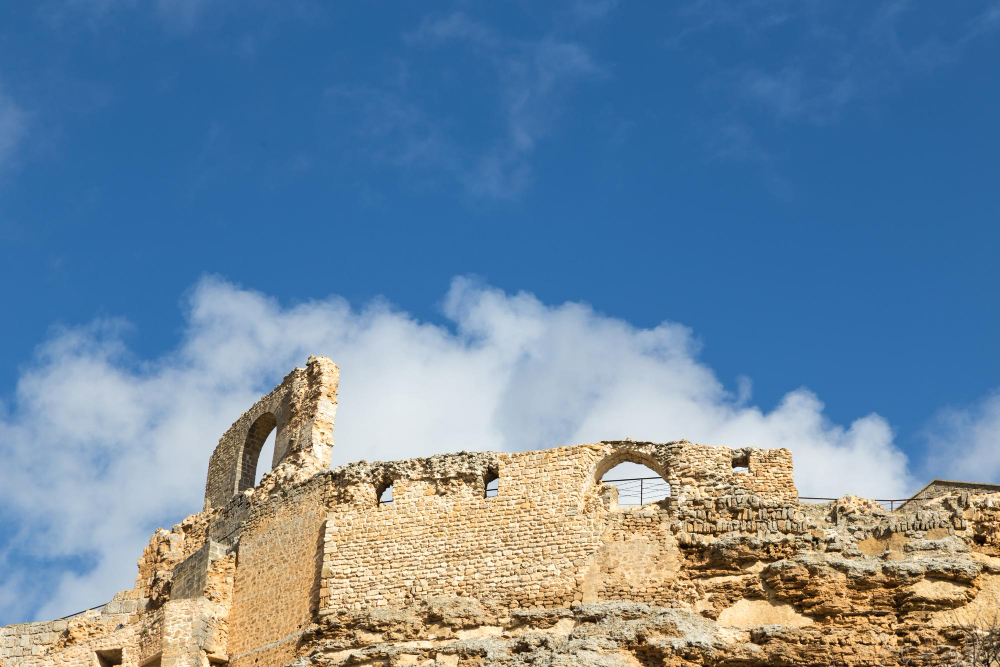
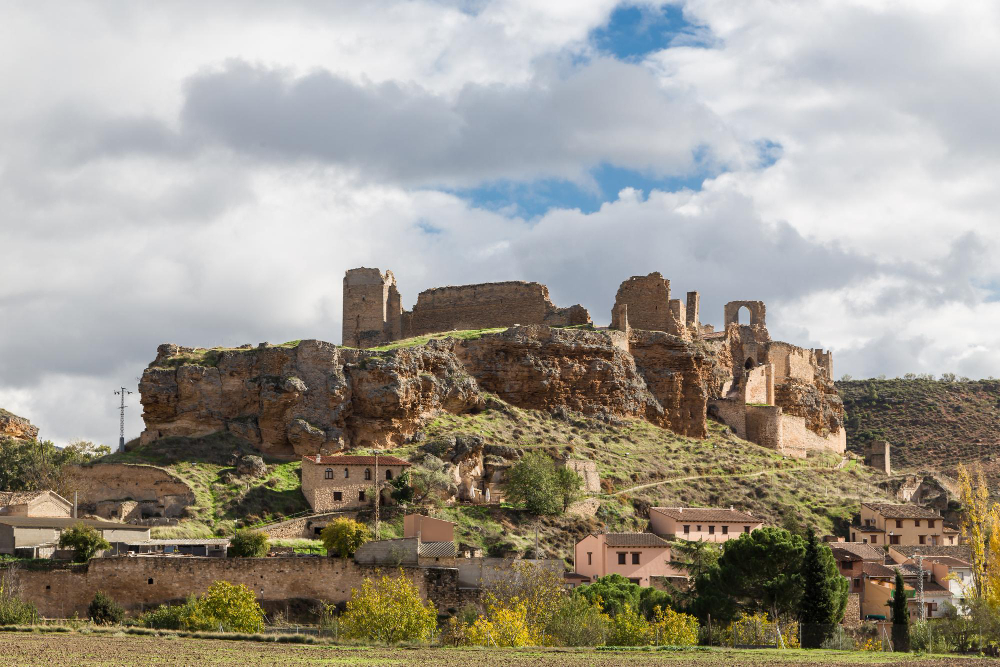
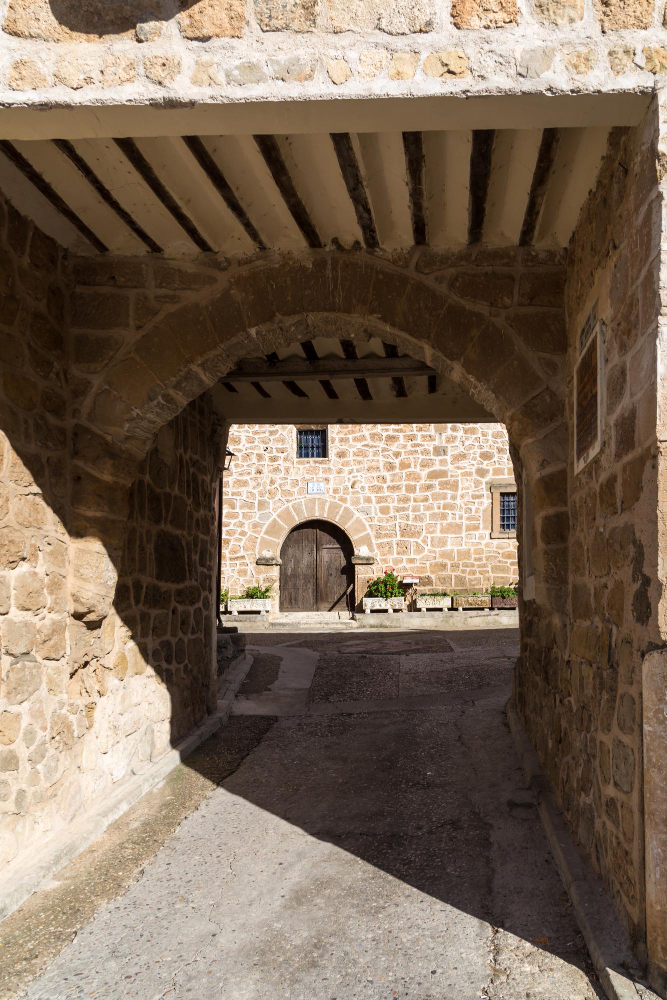
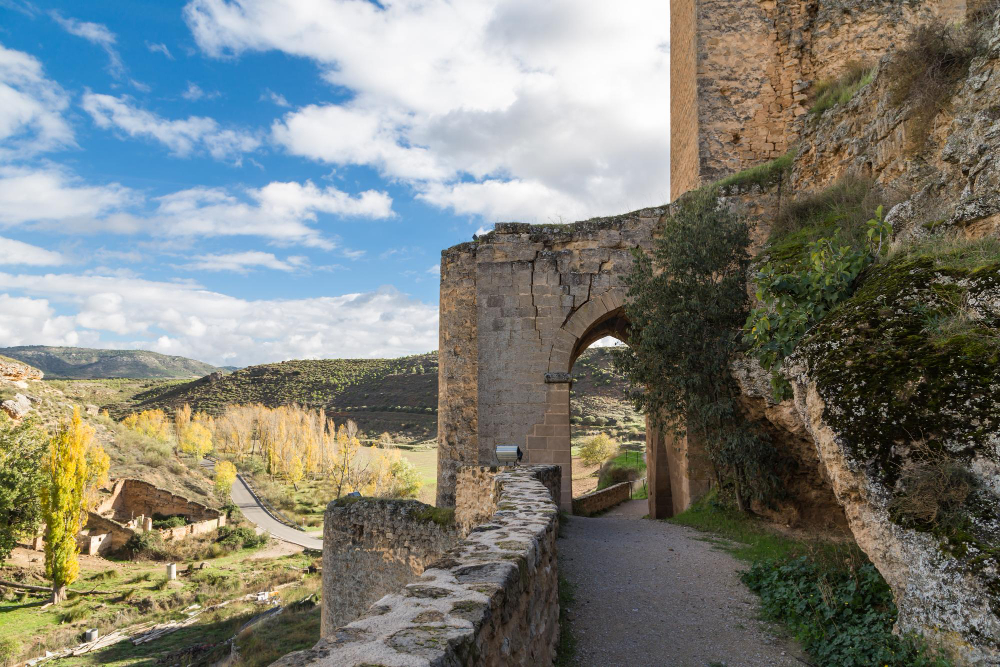
Almost 100 skeletons, signs of severe injuries and a cemetery next to a medieval fortress: the archaeological finds at Zorita de los Canes in central Spain offer a rare glimpse into the harsh lives and deaths of the knight-monks of the Order of Calatrava. The story is true – and that is precisely why it is so unsettling. Anyone visiting the ruins of Zorita de los Canes Castle in the Spanish province of Guadalajara will initially see what one would expect of a medieval border fortress: weathered walls, stone towers, narrow passageways and a view across the valley of the River Tagus. Yet beneath and alongside this site, another testament to the past lay hidden for centuries – a cemetery containing the skeletons of men who had apparently served in one of the most significant Iberian orders of knights.
Archaeological investigations have unearthed the remains of nearly 100 people there. It is a military cemetery associated with the Order of Calatrava, the chivalric order founded in the 12th century that played a central role during the so-called Reconquista in the struggle of Christian rulers against Muslim empires on the Iberian Peninsula. The bones do not tell a romantic tale of gleaming armour and heroic horsemen. Rather, they bear witness to violence, disease, hard labour and a life on a dangerous frontier. The site is situated near Zorita Fortress, which was strategically built overlooking a bend in the River Tagus. Its location was of great military importance: Whoever controlled the castle dominated the transport routes and could secure a region that, in the Middle Ages, was repeatedly contested between various powers. Following the Christian conquest of the site in the 12th century, it was entrusted to the Order of Calatrava. For the Order, Zorita was not only a fortified stronghold but also, for a long period, an important administrative and centre of power.
The Order of Calatrava was organised along the lines of other religious orders of knights. Its members combined religious obligations with military duties. They took vows, lived according to the Order’s rule and were also expected to defend the border regions. Unlike the often idealised figures from later legends, these men lived in a world in which faith, rule and war were virtually inseparable. The Order’s fortresses were not merely monasteries or barracks. They served simultaneously as administrative centres, camps, places of refuge and bases for military operations. It was precisely within this context that the cemetery came into being. The archaeological evidence makes it clear that those buried there most likely belonged to a community with a strong military character. Not everyone buried there must necessarily have been a fully professed knight-monk. It is also conceivable that other members of the Order’s milieu were buried there, such as armed servants or members of the castle garrison. However, the composition of the graves and their location directly on the Order’s site clearly point to a connection with the Order of Calatrava.
The traces preserved on some of the skeletons are particularly striking. Bones reveal injuries, illnesses and physical strain that are no longer visible in the living. Cut or slash wounds may indicate violent confrontations. Healed fractures show that some men survived serious injuries. Changes to joints and the spine suggest physical strain – for example, from riding, carrying equipment, hard labour or long marches over rough terrain. However, such findings do not permit hasty or dramatic conclusions. Not every wound was necessarily sustained on a battlefield, and not every fracture is evidence of an attack. Medieval living conditions were generally hazardous. Falls, accidents at work, infections and a lack of medical care could be just as devastating as combat. It is precisely this scientific restraint that makes the finds so striking: the bones provide clues, but not complete biographies. They give us a sense of just how vulnerable even armed and well-protected men must have been.
The cemetery therefore appears today as a quiet counterpoint to the heroic rhetoric of the Middle Ages. In chronicles and documents, orders of knights often feature as political and military actors: they were granted castles, land and privileges, formed alliances or took part in military campaigns. At the Zorita burial ground, this grand history is brought back down to a human level. Buried there are not abstract ‘warriors of the faith’, but individual bodies that suffered, grew old, were injured and died. The scientific investigation of medieval cemeteries follows clear rules. Archaeologists first document the location, orientation and construction of the graves. Grave goods, grave markers and later disturbances are also important. Anthropologists then analyse the skeletons. Biological sex can often be determined on the basis of the pelvis, skull features and other bone structures; teeth, joint changes and growth characteristics help to estimate the age at death. Injuries are examined to determine whether they had healed during the person’s lifetime or whether they might have occurred shortly before or at the time of death.
Modern methods can further refine the picture. Isotope analyses of teeth and bones can provide clues as to where a person grew up and the composition of their diet. DNA analysis can investigate kinship relationships or specific biological characteristics, provided the condition of the material allows it. Such methods have become increasingly important in European medieval archaeology in recent years. For Zorita, however, the following still applies: every claim must be assessed against the actually published research data. The existence of a large, military-style burial ground is well documented; individual life stories, by contrast, often remain recognisable only in broad outlines. The historical background explains why so many of the dead were buried here in particular. The Order of Calatrava was founded in 1158, when the defence of the fortress of Calatrava la Vieja on the River Guadiana had to be organised. King Sancho III of Castile entrusted the task to a community led by Abbot Raimundo of Fitero. This developed into an independent order, which later maintained close ties with the Cistercian Order. Its members wore the distinctive red cross of Calatrava, which remains to this day one of the best-known symbols in the history of Spanish religious orders.
During the 12th and 13th centuries, the border between Christian and Muslim-ruled territories shifted several times. Castles such as Zorita were not isolated monuments during this period, but places of constant tension. News of troop movements, raids or sieges could arrive at any moment. The people within the walls lived with provisions, weapons, livestock, crafts and their daily religious life – but also with the certainty that the next outbreak of violence might not be far off. Zorita gained additional significance for the Order after its original centre on the Guadiana lost its strategic importance in the early 13th century.
The Order later relocated its headquarters to Calatrava la Nueva, a mighty castle complex near Aldea del Rey in what is now the province of Ciudad Real. Yet Zorita remained a significant possession and a visible testament to that period when military orders administered vast territories and established their own infrastructure comprising castles, churches, villages and estates. The discovery of the cemetery also serves as a reminder of how closely the religious conception of death was linked to the medieval order. A burial in the immediate vicinity of a castle and an Order centre was not merely practical; it symbolically anchored the dead within their community. For monastic knights who lived according to a religious rule, the cemetery could form part of the same spiritual landscape as the church, chapel and monastery. Death brought an end to their military role – but not to their membership of the Order, whose symbols and obligations had shaped their lives.
The ‘horror’ of the site therefore lies not in supernatural legends, but in its stark reality. Almost a hundred people were buried there. Behind every grave lay a death; behind every bone, a body that once walked through the courtyards of the fortress, bore weapons, prayed, ate, shivered or recovered from injuries. Some may have died as a result of violence, others from illness or the consequences of a life of hardship. For the most part, their names have not been handed down. Their skeletons are the last direct evidence of their existence. The cemetery is therefore of exceptional value to research. Written sources mostly recount tales of kings, Grand Masters, battles and property rights. Archaeological burial grounds complement this perspective by revealing the stories of those people who often remain nameless in the documents. They show the cost of military organisation on the medieval frontier – not in figures from a chronicle, but in bones, traces of injury and carefully laid graves.
The ruins of Zorita de los Canes are now a historic monument. The former military outpost has fallen silent. Yet the cemetery makes it clear that beneath this silence lies a story far more unsettling than any fictional horror tale: the story of real men who lived in a world shaped by war and faith, and whose final traces came to light again centuries later.