 Isabella Mueller Baroness of Stainton le Vale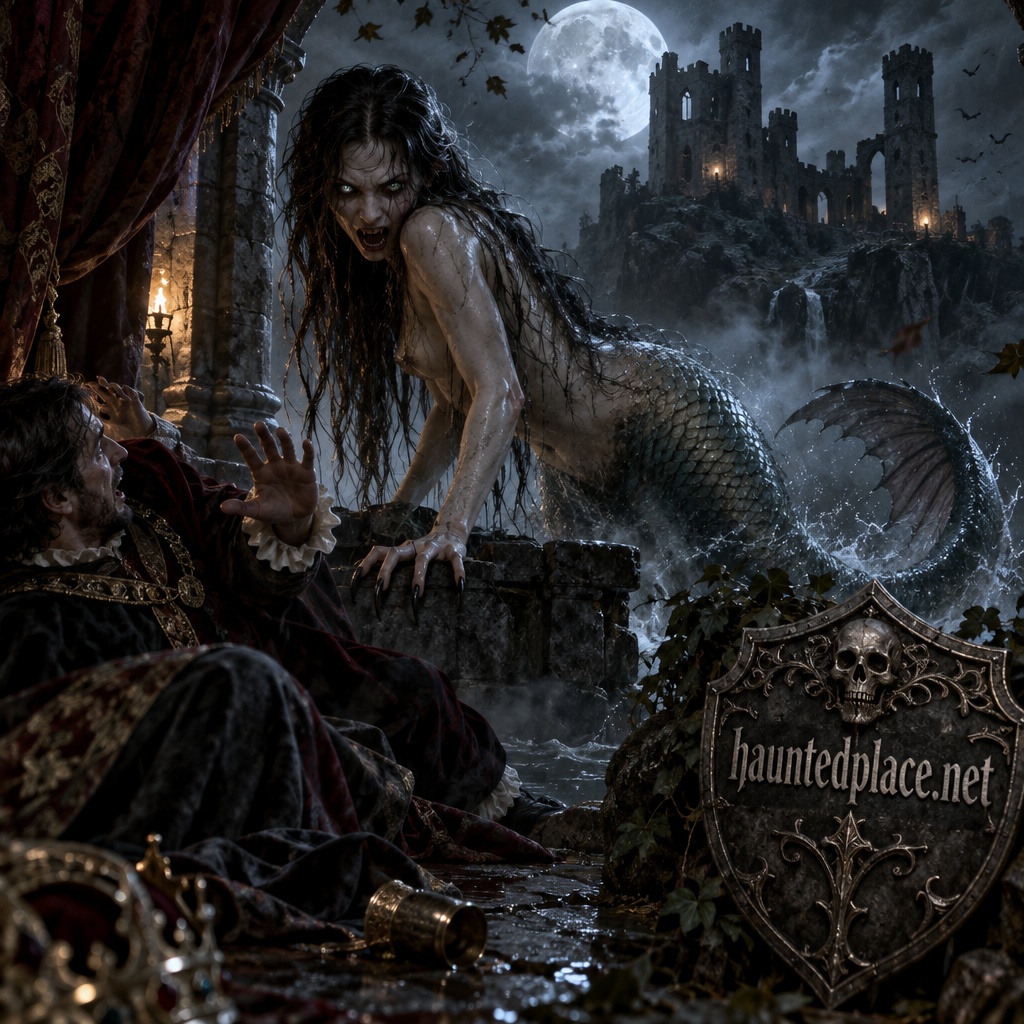
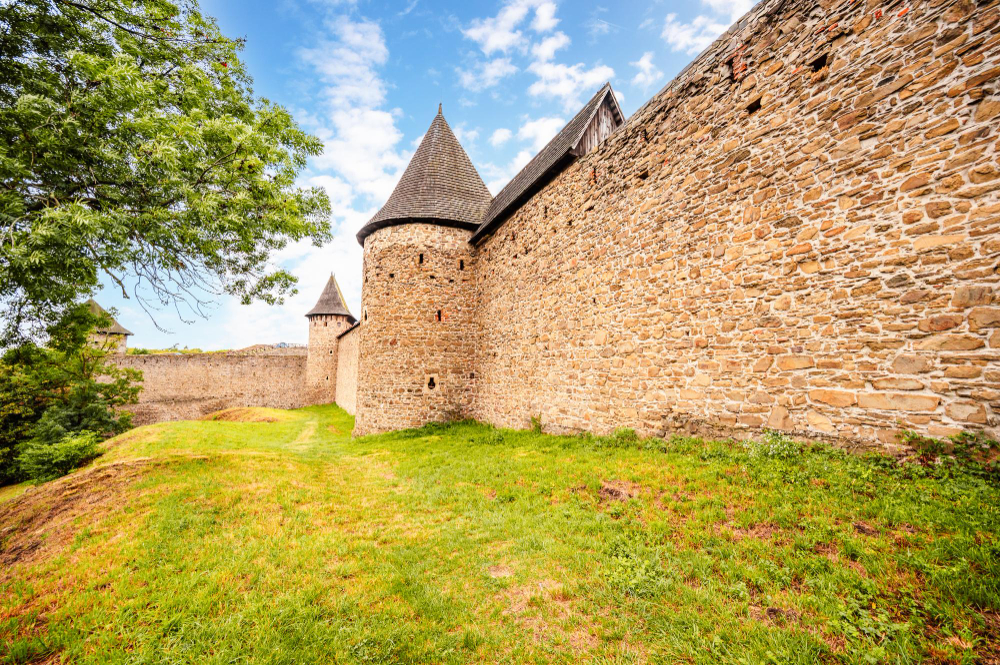
Deeply nestled in the mist-shrouded valleys of Moravia, where the forests are dense and the shadows long, stands the venerable Helfštýn Castle. For centuries, a sombre legend has been whispered here, sweeping through the walls like a cold gust of wind: the story of Melusine, the mysterious Wind Bride – a figure who hovers between human form and supernatural being. Yet behind her alluring name lies not merely a romantic nymph, but a shadowy creature that inspires both terror and fascination.
The Origins and Myth of Melusine – The tale of Melusine has its roots in medieval legends widespread throughout Europe, particularly in France, Germany and Bohemia. It tells of a female water spirit or wind creature that is half-human, half-demonic. In Slavic folklore, which also shapes the region around Helfštýn, Melusine is often depicted as a mermaid or water nymph, whose appearance is closely linked to natural elements such as water and wind. The name ‘Melusine’ probably derives from the Celtic ‘mel’, meaning honey, or could be linked to the Latin ‘melusina’, a term for shaggy, wild women. In the old tales, Melusine usually has a tail – whether scaly like a fish or dragon-like – and can only move freely in the seclusion of the forest or along dark river courses.
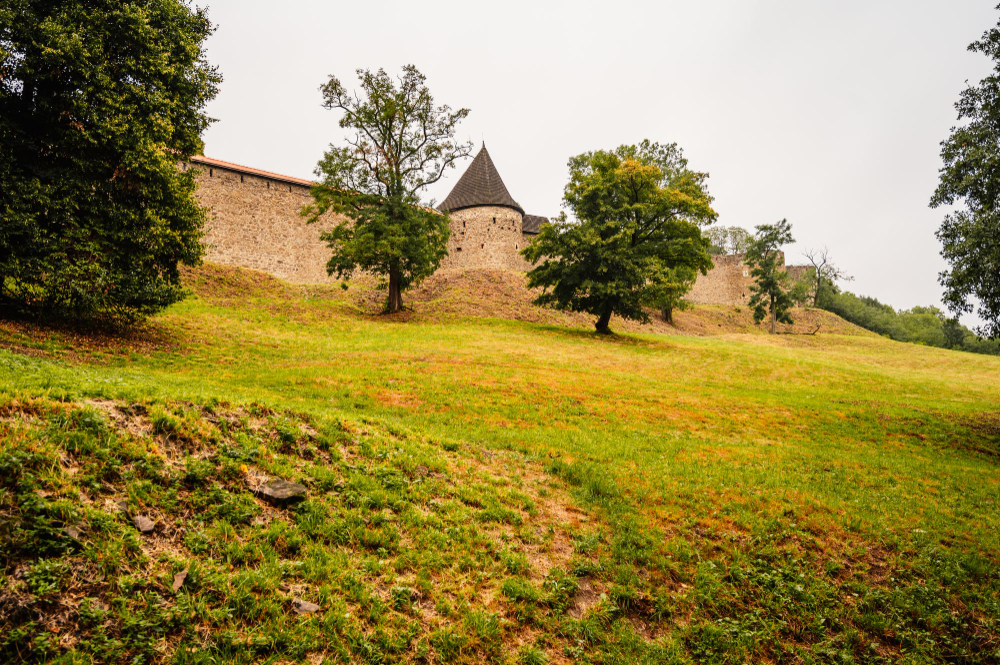
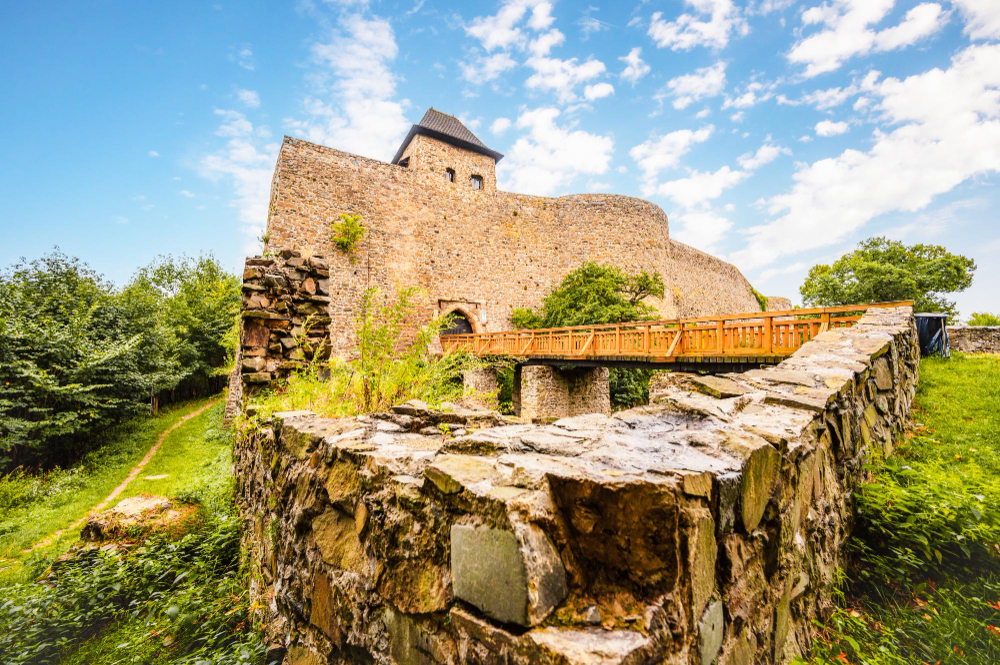
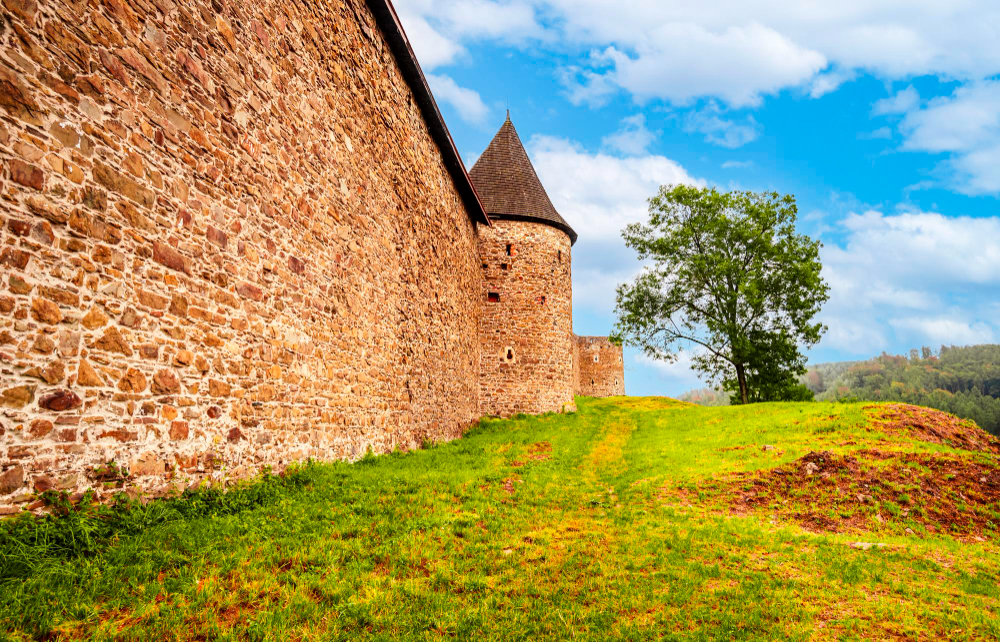
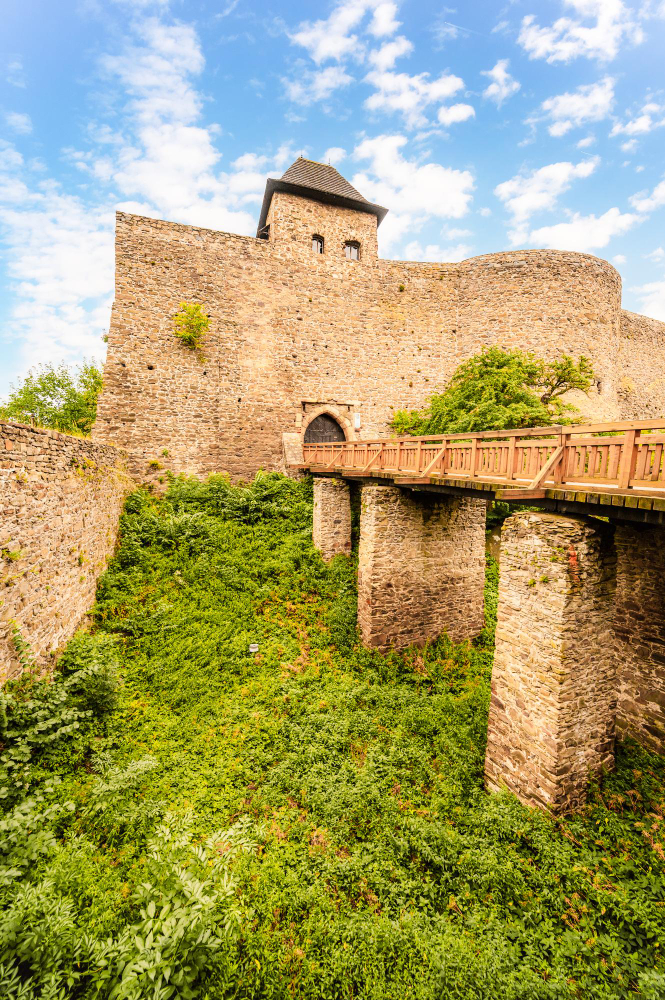
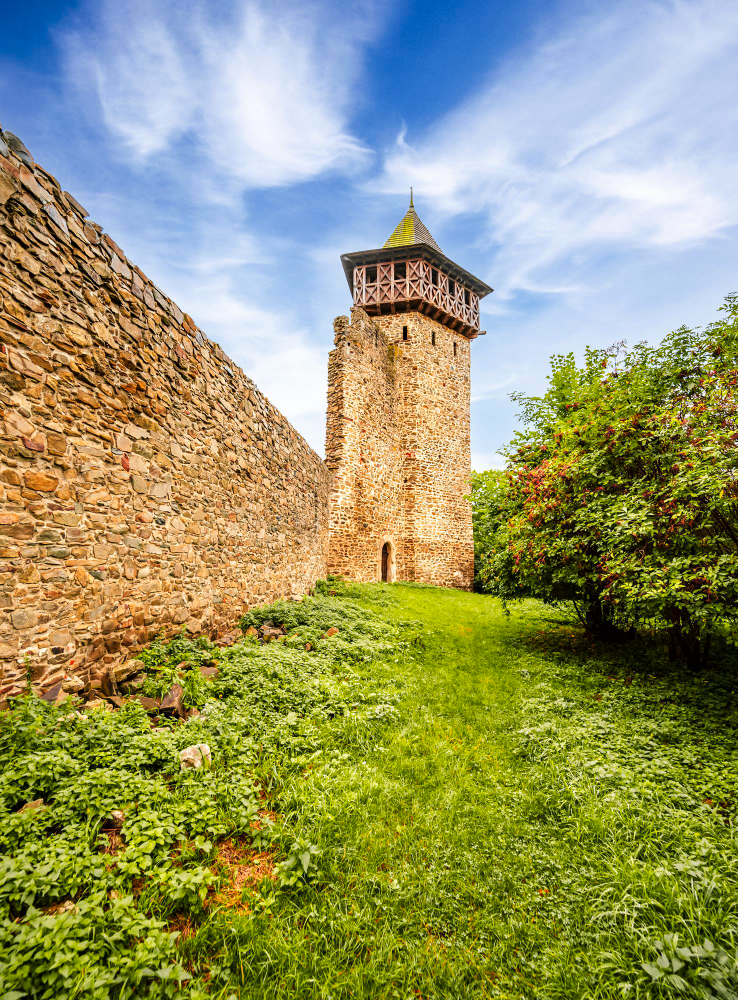
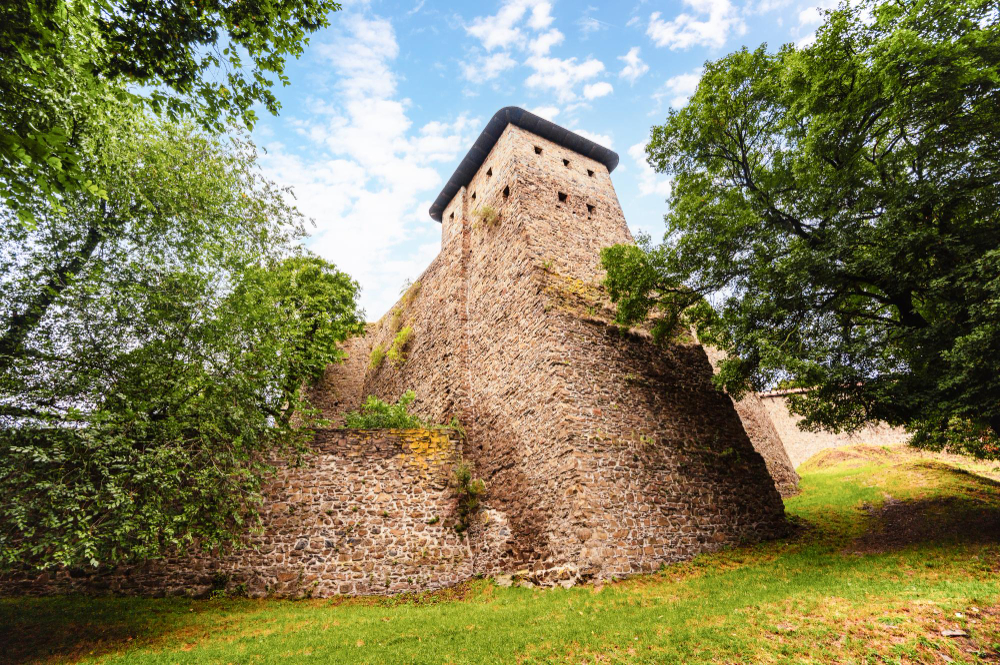
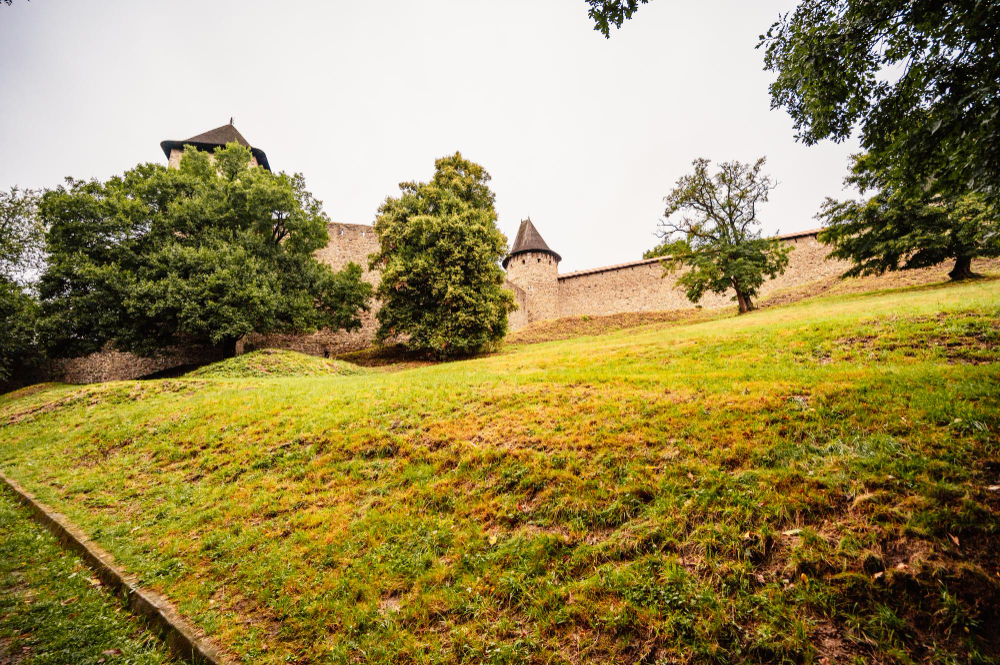
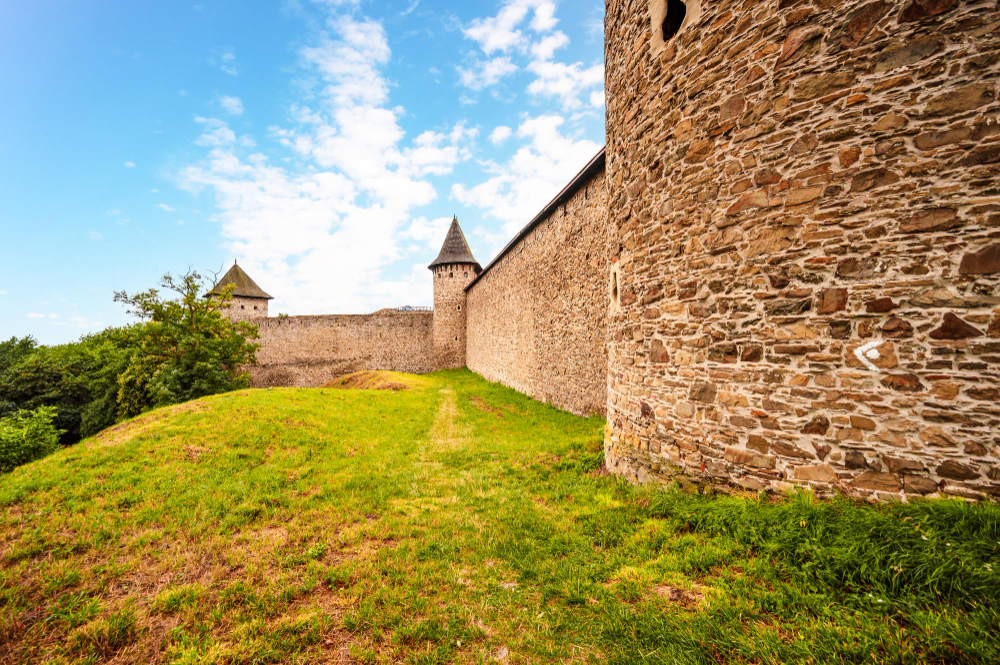
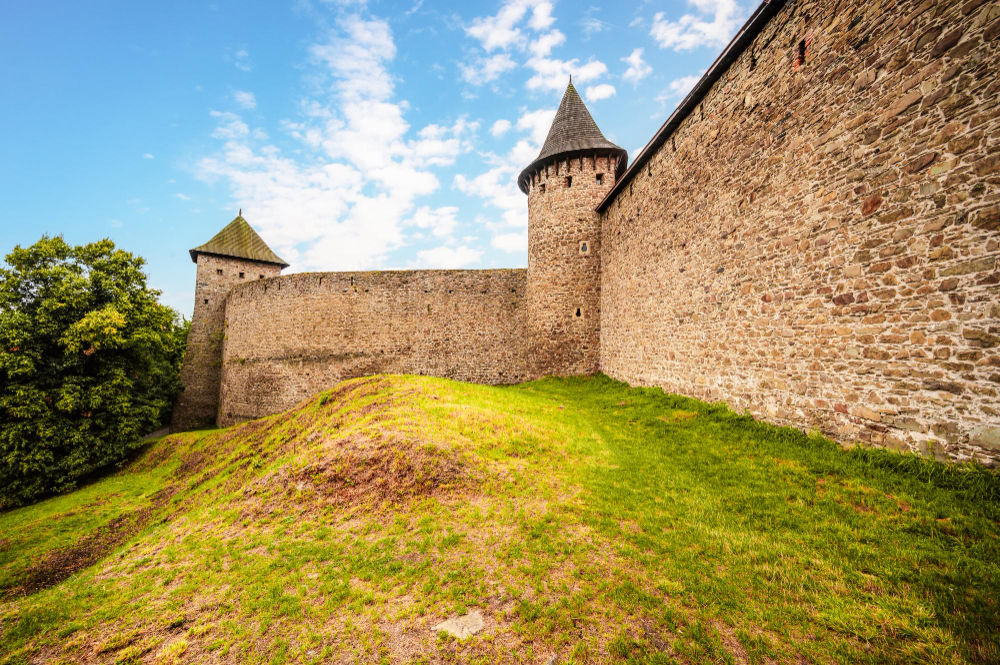
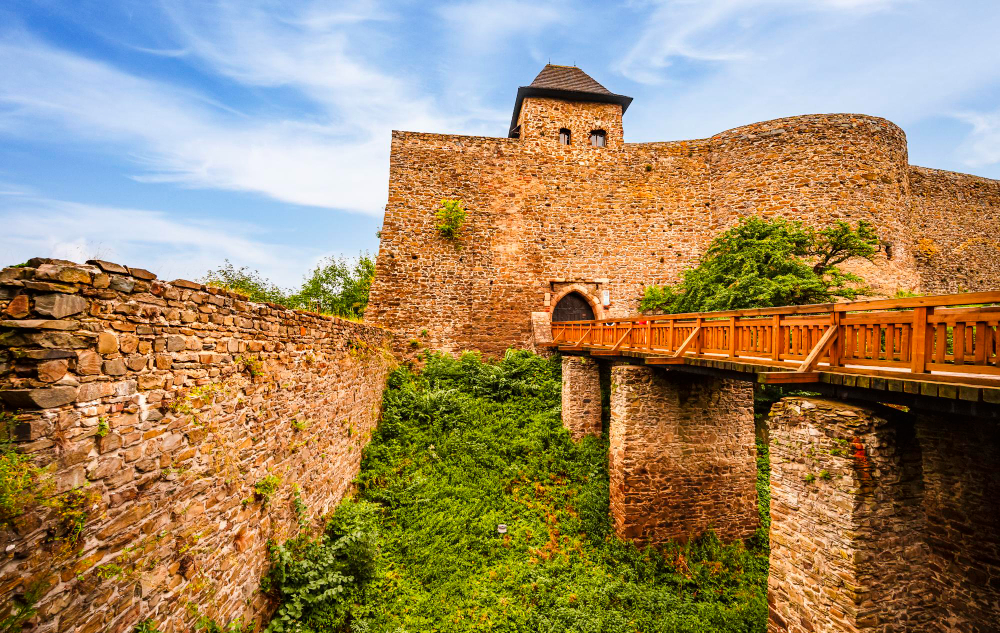
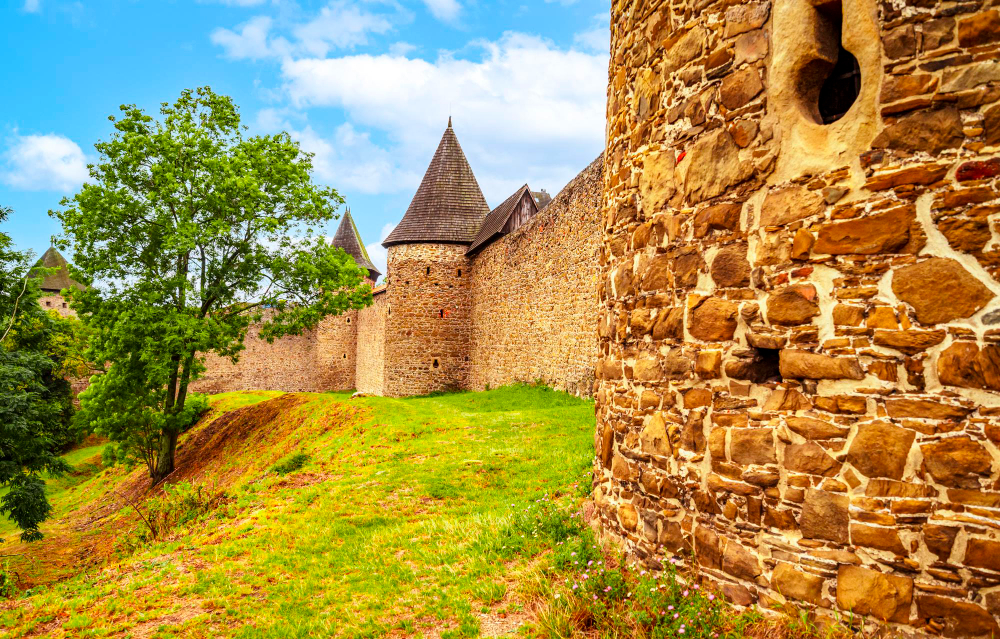
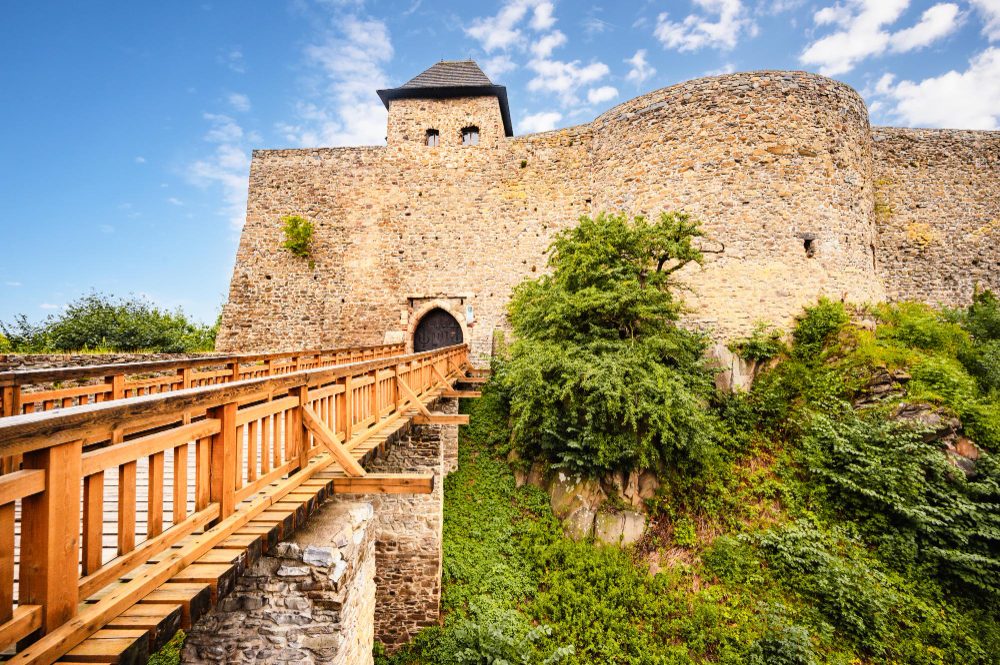
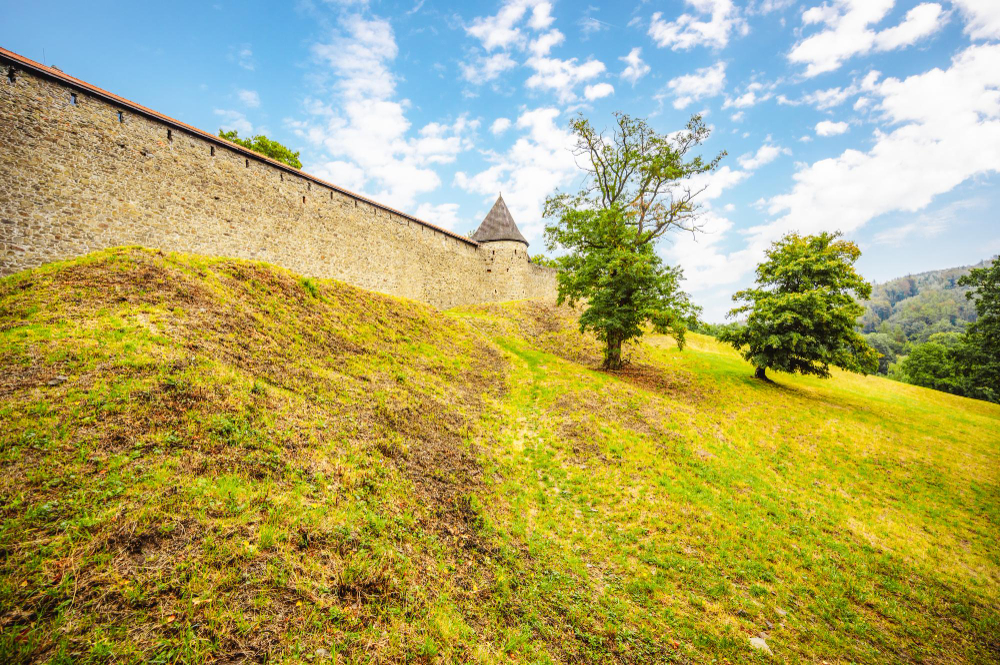
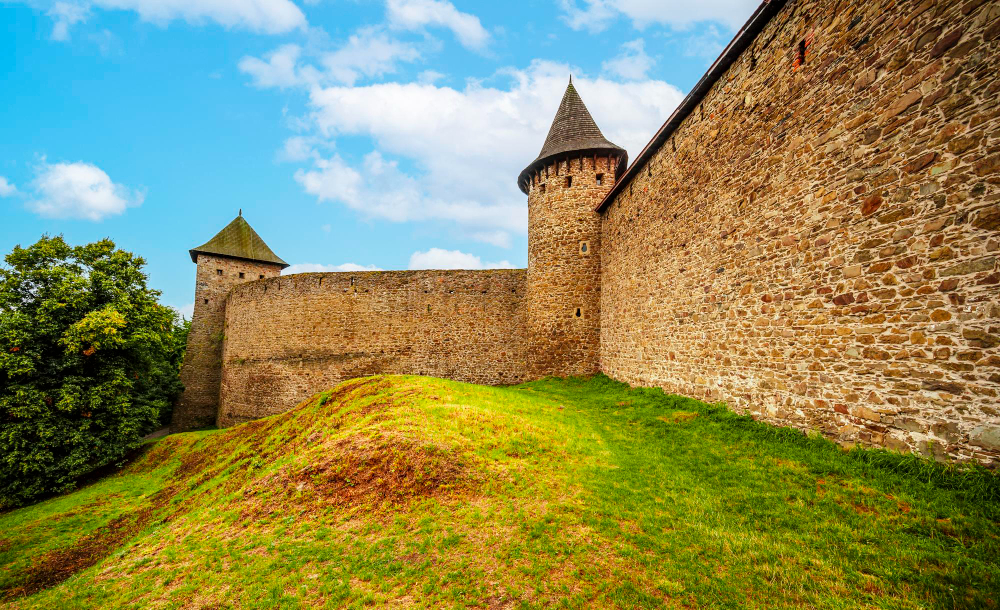
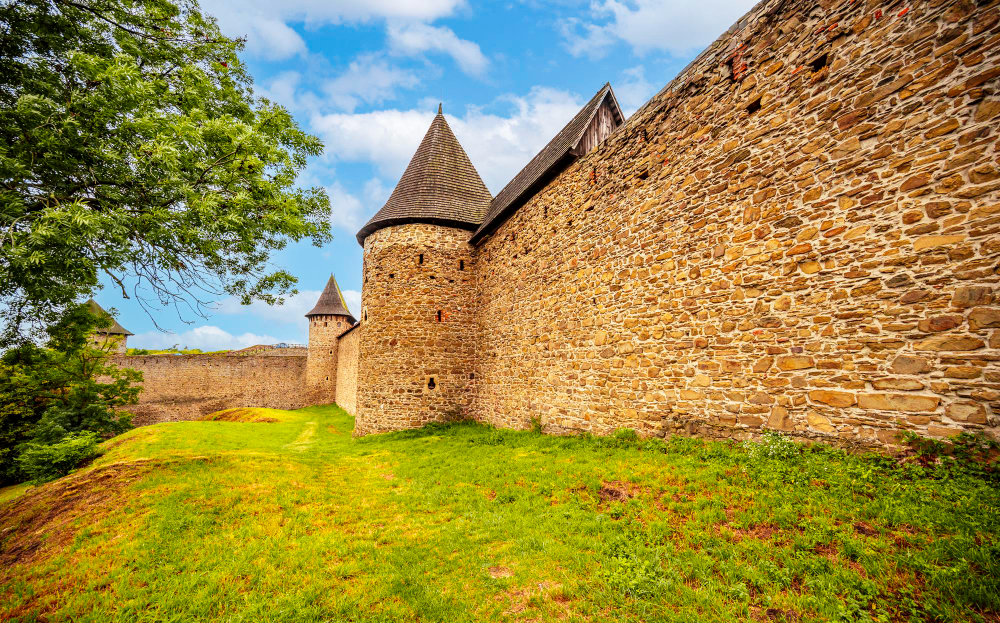
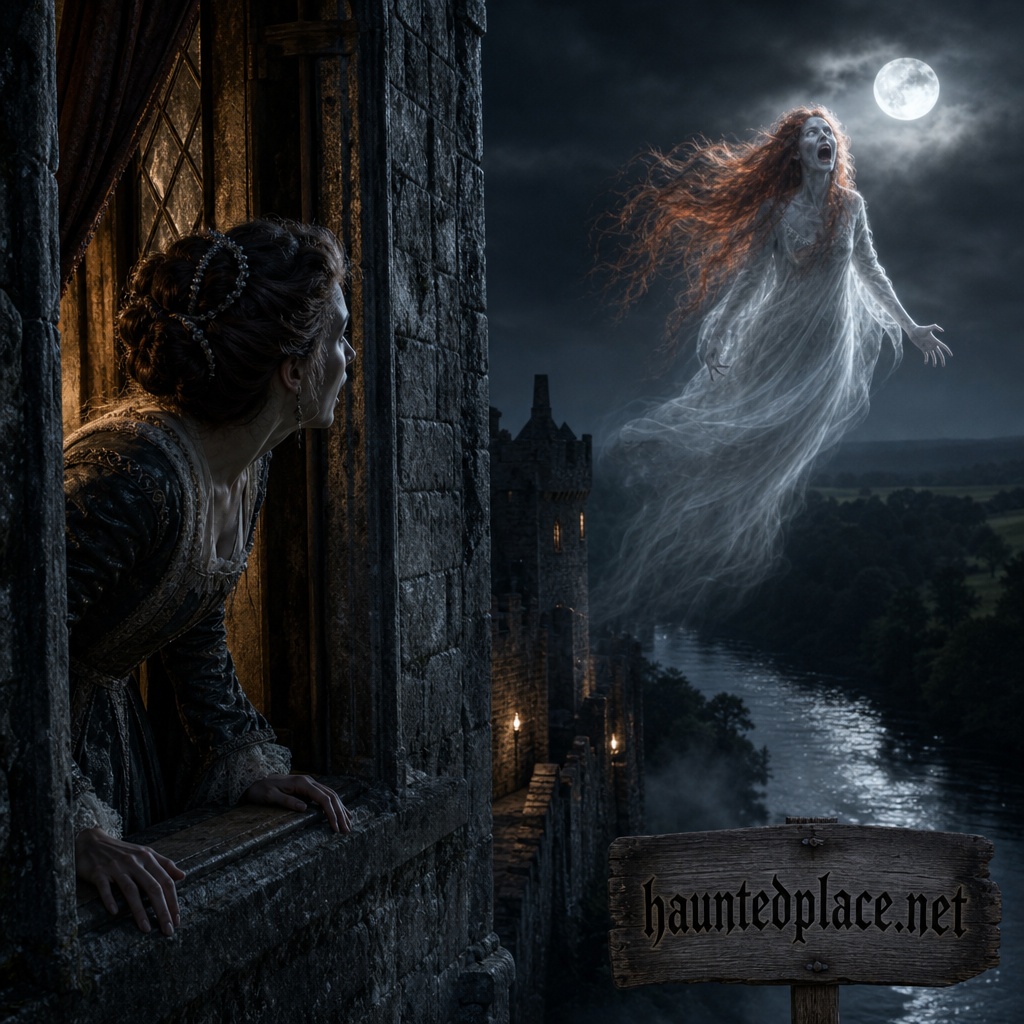
The connection to Helfštýn Castle – Helfštýn Castle, built in the 14th century high above the river valley, has always been associated with Melusine by the villagers. Particularly when the autumn wind whistles through the deep moats and the empty window arches look like silent mouths, local residents hear Melusine’s distorted lament. This ominous howl sounds like a mixture of wailing female choirs and the screech of the wind – a sound that sends a shiver down the spine of even the bravest of walkers. Historians suspect that this legend forms part of an older belief system in which the forces of nature were personified to explain the incomprehensible – from unexpected changes in the weather to tragic events in the castle’s history. Melusine represents the power of the unknown, which can be both a guardian spirit and a curse.
A Gruelling Legend – The Pact of Melusine – The best-known version of the legend tells of a nobleman who once encountered the mysterious woman in the forest. Fascinatingly beautiful, yet always concealed by a long, scaly tail, she offered him love and wealth – on the condition that he must never attempt to discover her true form under the full moon. The nobleman agreed, but his curiosity and jealousy drove him to break the ban one night. As he watched her in the full moonlight, Melusine revealed her terrifying form: half-woman, half-water creature, with glowing eyes and sharp claws. In his fear, the nobleman cast her out, whereupon Melusine placed a curse upon the castle: from then on, every autumn storm would be accompanied by her eerie howling, which would bring misfortune upon those who entered the castle or lingered there. From then on, she haunts the place, especially on long nights, when the wind races through the castle ruins and the shadows grow thick.
Melusine as a symbol – between the forces of nature and horror – The figure of Melusine in folklore represents the duality of beauty and terror, humanity and monstrosity. In European literature and art, her image has been a symbol of the unconscious, the hidden and the uncontrollable. Particularly in the vicinity of castles, such as Helfštýn, which historically served as both refuges and prisons, these ambivalences are reflected in the myth. The ‘Wind Bride’ thus became an emblem of a force of nature that can be neither tamed nor ignored. Her howling heralds impending doom, storm and death, whilst her seductive appearance holds both allure and danger. The element of wind is not merely an accompaniment, but part of her very essence – invisible, unstoppable, pervasive.
An academic perspective and psychological interpretation – From a modern perspective, the legend of Melusine illustrates humanity’s grappling with the unknown. In an era when natural phenomena were still inexplicable, such stories served to personify and control natural dangers such as storms, floods or diseases – at least in the imagination. Melusine’s curse can be interpreted as a metaphorical explanation for the recurring misfortune that plagued the inhabitants of Helfštýn. From a psychological perspective, Melusine symbolises the hidden aspects of the self: the alien within oneself, the uncontrollable in one’s own nature. Her conflict between beauty and terror makes her a perfect projection for inner psychological conflicts. This myth takes on particular significance, especially in the atmosphere of an ancient castle, which combines isolation, power and transience.
Contemporary Reception and Tourism – Nowadays, the legend of Melusine attracts many visitors to Helfštýn who wish to experience the mystery of the ‘Ghost of the Wind’ at first hand. Night-time tours and themed events capture the horror and fascination of the ‘Wind Bride’, creating a thrilling experience that blends history and horror. The castle remains not merely a monument to times gone by, but a living setting for a legend that lives on in the darkness. For some visitors, Melusine’s lament is still more than just a figment of the imagination. Especially when the wind whistles harshly and piercingly through the ruins, reports multiply of a cold breath on the nape of the neck, inexplicable noises and the feeling of being watched by invisible eyes. Whether you’re sceptical or a believer – one thing is certain: the legend of Melusine unfolds its special magic in that mysterious twilight realm where reality and myth blur.
Between fascination and fear – The legend of Melusine, the wind bride of Helfštýn Castle, is far more than a simple ghost story. It is a reflection of humanity’s fear of the unknown and our admiration for the forces of nature that we can neither grasp nor conquer. The myth weaves together local history, cultural identity and primal psychological fears into a sombre whole that lingers in the visitor’s mind long after they have left the castle. Anyone seeking Melusine today should brace themselves for unpredictable winds – and for the possibility that her icy lament may be closer than one might think…