 Isabella Mueller Baroness of Stainton le Vale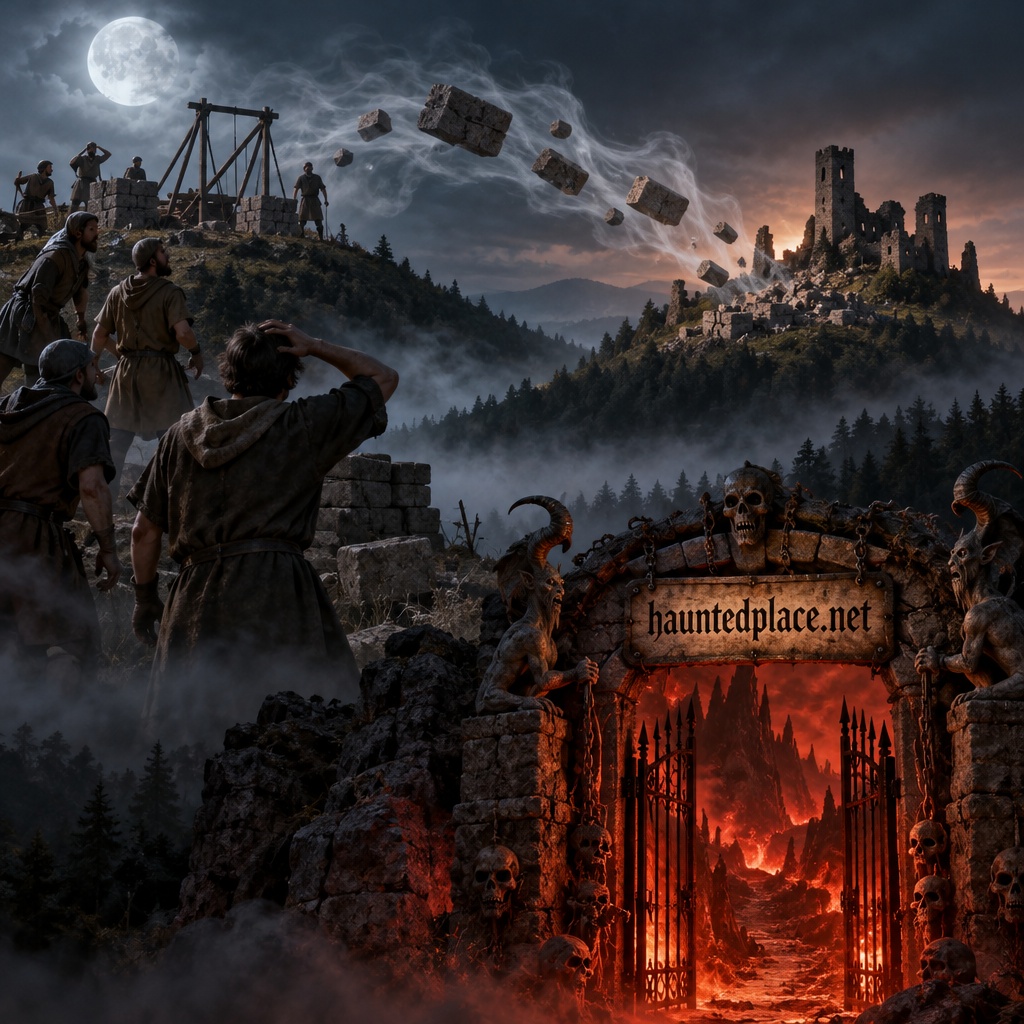
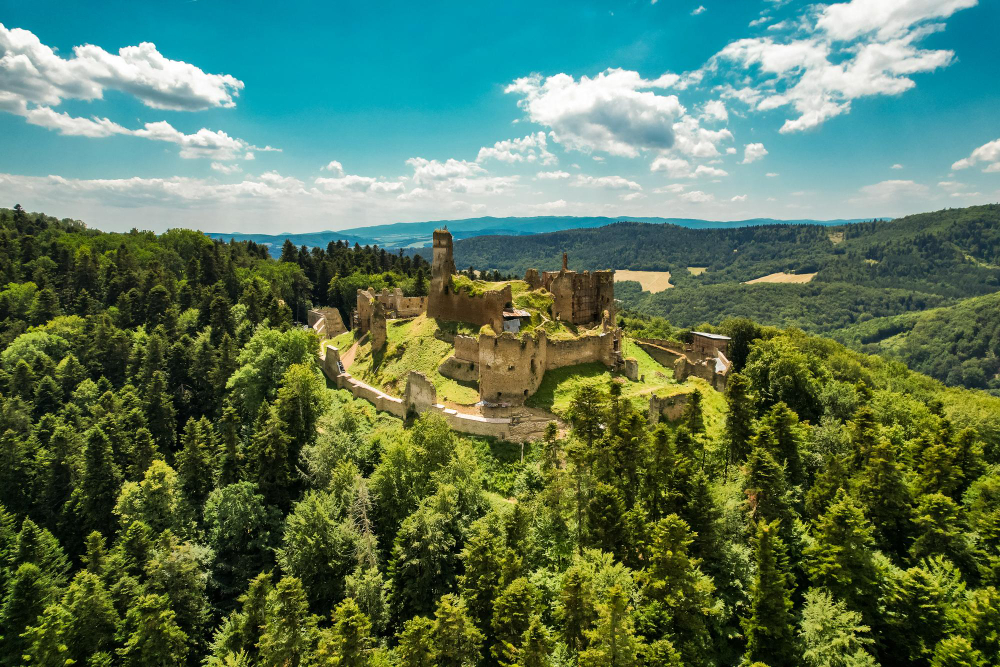
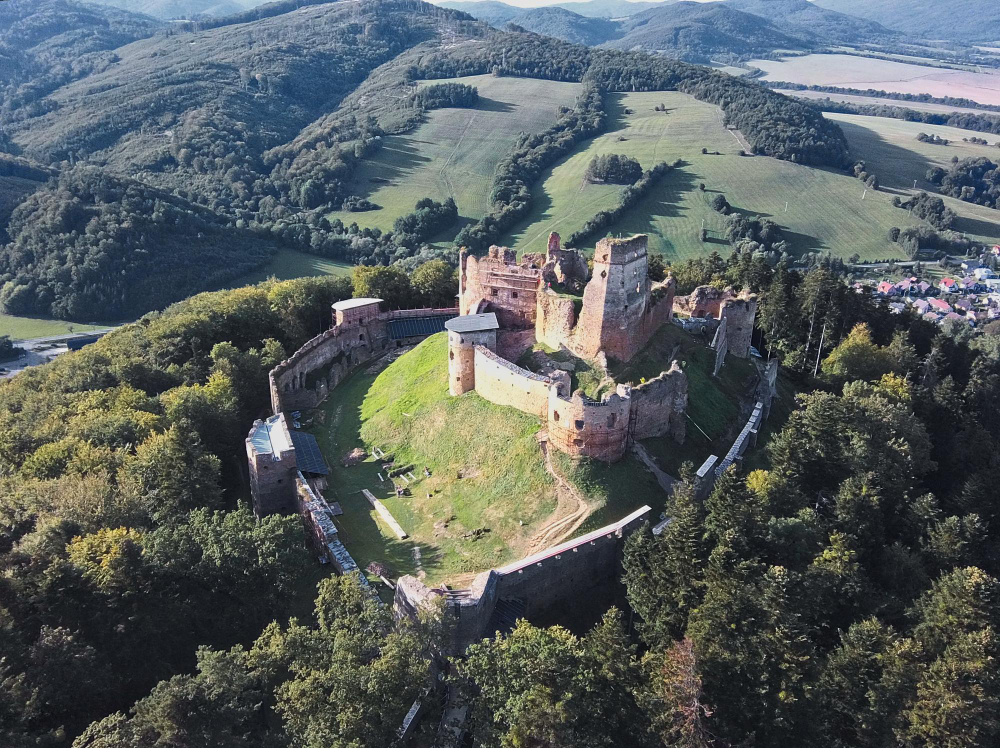
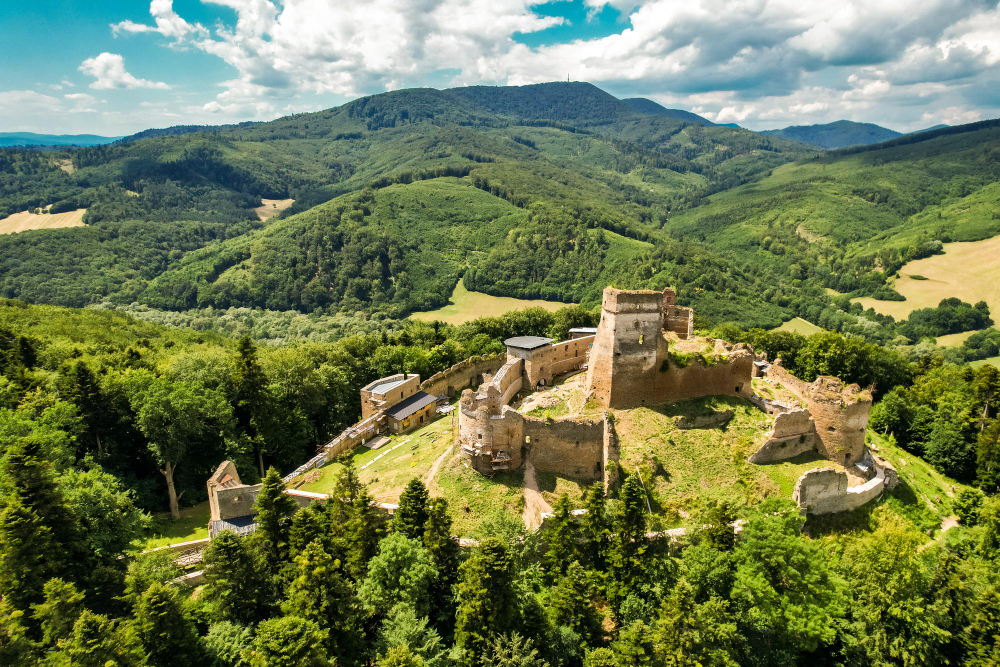
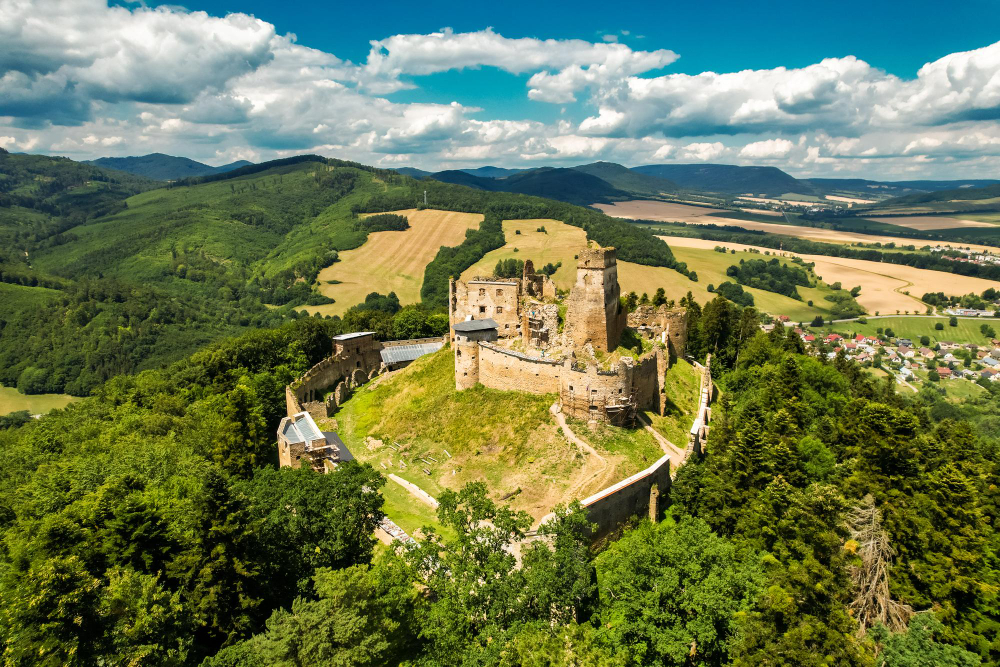
High above the eastern Slovakian village of Zborov stand ruins which, at first glance, resemble many medieval castles in the Carpathians: crumbling walls, overgrown slopes, the remains of a tower and a view across wooded hills. Yet Zborov Castle – known in Slovak as Zborovský hrad and also as Makovicza Castle – harbours a history that extends far beyond the documented events of the Middle Ages. For generations, people have told tales of stones that moved of their own accord at night, of a hidden entrance to the underworld, and of a devil who is said to have ultimately been trapped within the castle’s walls. The legend should not be taken as historical fact. It forms part of the region’s oral tradition, in which the real landscape, medieval structures and religious beliefs have become intertwined. It is precisely this connection that makes Zborov a place where history and ghost stories seem almost inseparable.
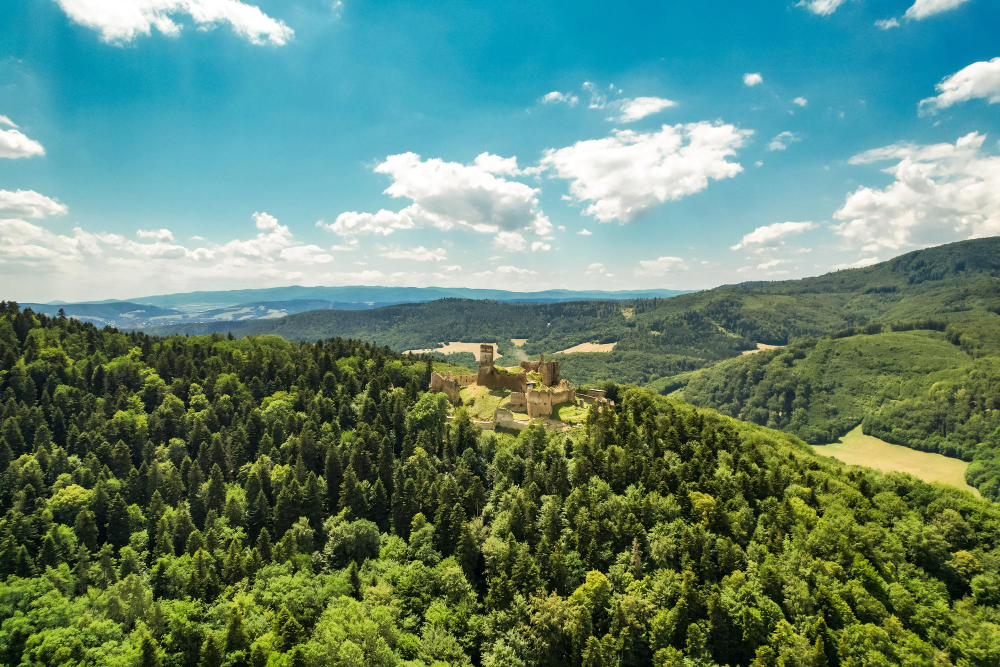
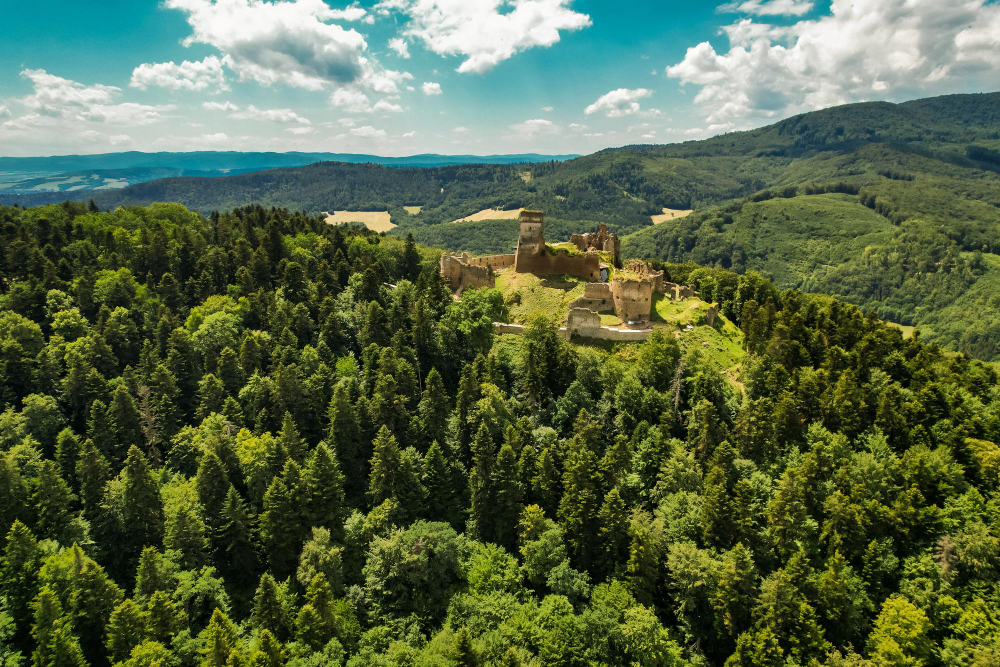
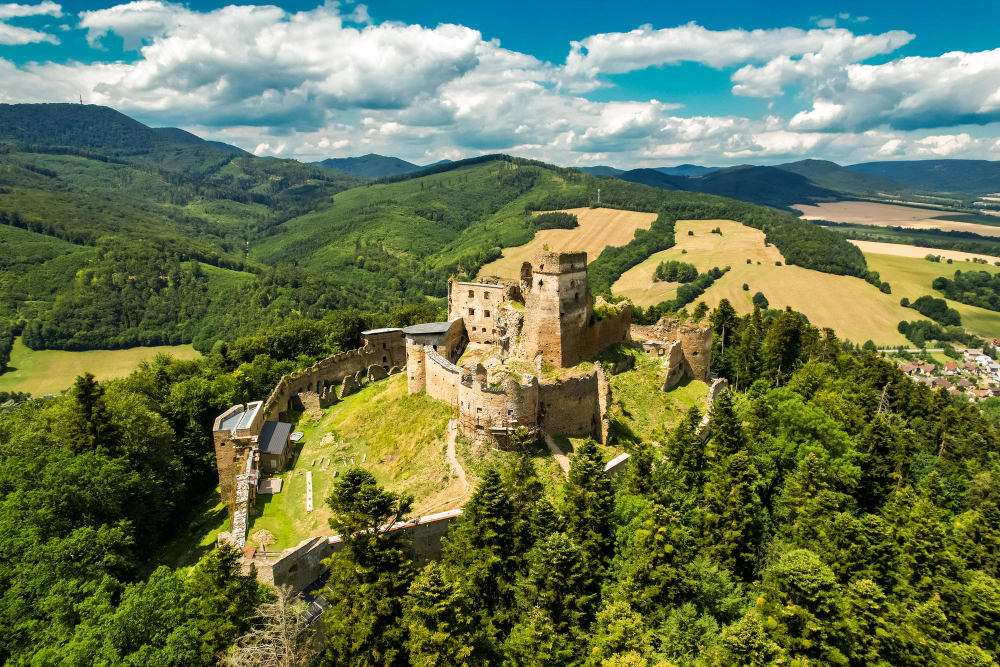
A castle between history and the borderlands – The castle lies north-east of Bardejov in the historic Šariš region, near the present-day border with Poland. Its location was of strategic importance: from the heights, it was possible to control the routes through the Carpathians. The complex was probably built in the 14th century, at a time when castles were not only residences for the nobility but also military strongholds, administrative centres and symbols of territorial power. The castle is mentioned in written records in connection with the Kingdom of Hungary, to which the area belonged at that time. Over the centuries, it changed hands several times. Its history is particularly closely linked to the Rákóczi family, a prominent Hungarian noble family that played a central role in politics and in the uprisings of the 17th and early 18th centuries. Like numerous fortifications in the region, Zborov was also rebuilt, extended and used for military purposes on several occasions. Its final destruction is linked to the unrest surrounding the Hungarian uprising led by Franz II Rákóczi. After the rebellion was quelled, many castles that could have served as potential strongholds were deliberately damaged or razed to the ground. Zborov subsequently fell into increasing disrepair. Today it lies in ruins – yet it is precisely this state that fuels the sombre notion that its walls still preserve something of the events and tales of centuries past.
The hill that was never meant to be built on – At the heart of Zborov’s best-known legend lies not the ruin itself, but another, higher hill nearby: Hradské. According to tradition, the first builders originally intended to erect the castle there. The choice seemed sensible. A higher location meant better visibility, greater military control and more natural protection against attackers. During the day, the labourers laboriously hauled stones, timber and other building materials up the slope. Every block had to be moved by human strength. After sunset, the building site was left behind: an unfinished foundation, stacked ashlars and the hope of being able to continue work the following morning. But then, allegedly, the impossible happened. When the builders returned to the hill at daybreak, the stones had vanished. They were not scattered, had not tumbled down, and had not been stolen. They are said to have been lying on the neighbouring, lower-lying hill – exactly where the ruins of Zborov Castle stand today. The men carried the materials back up once more. The following morning, the event repeated itself. Once again, the stones were no longer on Hradské, but on the other hill. Night after night, so the legend goes, an invisible force thwarted the men’s plans. For medieval people, such an explanation was by no means merely entertainment. Unusual rock formations, ruins, mist, sounds from the forest and hard-to-reach heights could be interpreted as signs of a supernatural presence. Where human reason and practical experience came to an end, the realm of spirits, demons and religious powers began in the imagination of many people.
The Gateway to Hell – An explanation for the wandering stones was soon found – at least within the legend: on Hradské Hill, it was said, there was a gateway to hell. There, beneath the earth or in a hidden crevice in the hill, the devils were said to have access to the human world. The planned castle hill was supposedly situated directly above this ominous entrance. Had the builders erected a mighty fortress there, the gate would have been sealed by walls, foundations and heavy stone blocks. The demons were therefore said to have been at work every night. Whilst the people slept, they carried the building stones away and deposited them on the neighbouring hill below. Not out of a spirit of helpfulness, but to keep their path to the underworld clear. The repeated relocation of the material thus became a message: Do not build here. Leave the hill untouched. Eventually, according to the tale, the builders gave in. They built the castle on the very spot that the nocturnal forces had, as it were, forced upon them. This gave the present-day location of the ruins an eerie explanation: it was not strategic considerations, the topography or the availability of materials that had determined the choice, but a silent struggle between humans and the inhabitants of hell. Historically, of course, such an event cannot be proven. The actual choice of site for a castle usually depended on military, economic and topographical factors. Nevertheless, the legend points to a fundamental experience of earlier societies: the landscape did not appear neutral. Hills, gorges, springs and ruins could be regarded as places of power in their own right – as spaces in which the visible world was not the only reality.
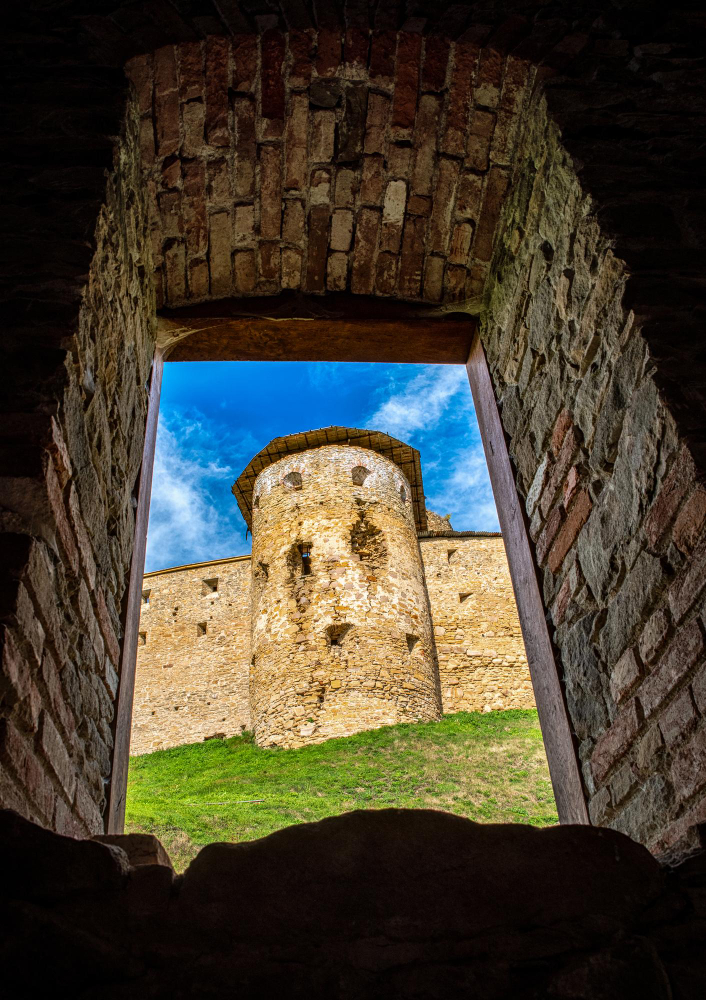
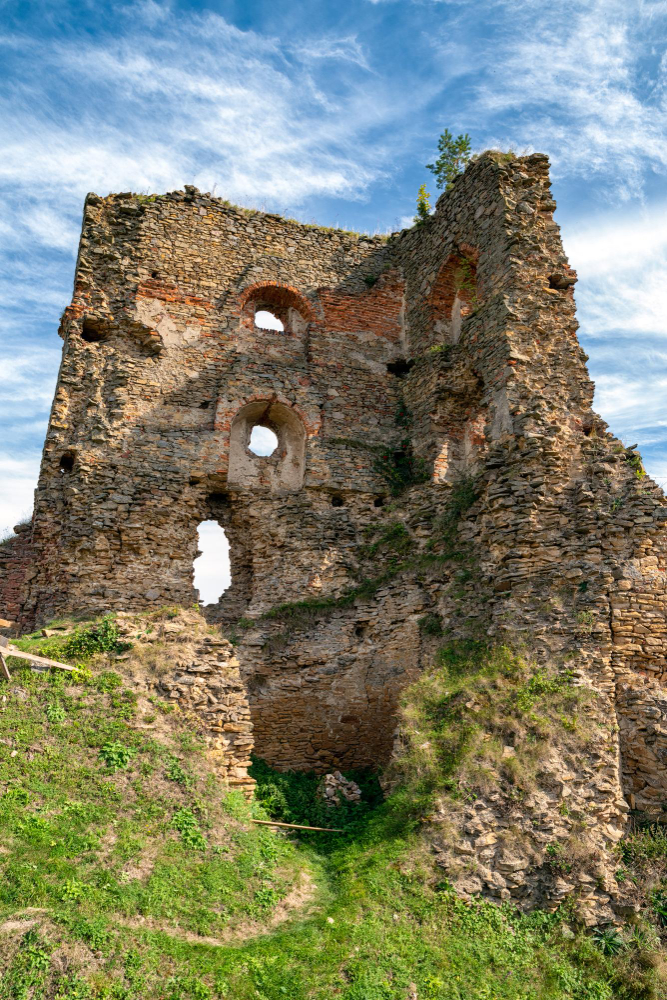
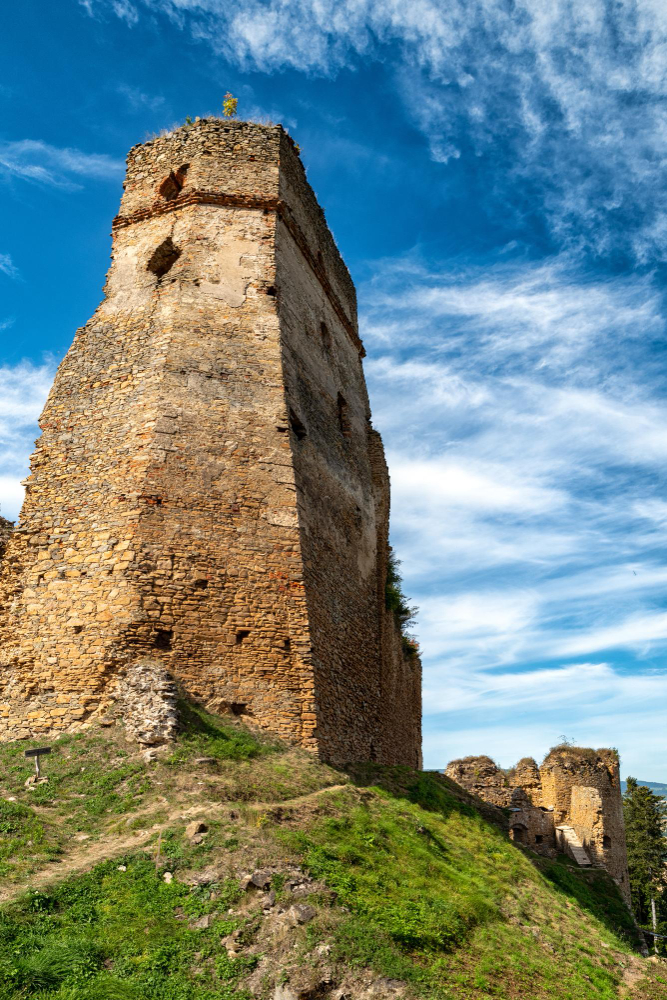
The Devil in the Tower – A particularly grim continuation of the tale centres on the Devil, who is said to have led the stone-carrying procession. According to one version of the legend, this demon was eventually captured. Exactly how this was achieved remains unclear, depending on the version of the tale. Some versions suggest that people outwitted him; others offer no explanation and simply assume that evil had to be defeated at some point. The punishment, however, was severe: the devil is said to have been walled up alive in the castle’s highest tower. It is said that anyone who looks closely at the walls can still see traces of this today. Some people claim to recognise shapes in the stones that look like horns – as if the demon had not escaped, but had become frozen within the masonry itself. Such motifs are found in numerous European castle legends: irregular stones, repairs or dark discolouration become signs of an enclosed figure. The structure thus becomes not merely a ruin, but a prison. At Zborov in particular, this image is especially striking. The complex bears the marks of centuries of decay. Walls crumble, window openings lead into the void, and the forest is encroaching ever closer on the former defences. In such surroundings, even an ordinary stone structure can, in oblique light, appear like a face, an animal’s head or a deformed body. Legend gives these chance formations a name: the imprisoned devil.
A less supernatural explanation – Alongside the demonic interpretation, there is a far more earthly, almost mocking version. According to this, it was not devils who were responsible for the ‘wandering stones’, but exhausted or simply work-shy builders. The path up the higher Hradské Hill is said to have been inconvenient and strenuous. The men therefore secretly carried the loads to the more easily accessible neighbouring hill – and subsequently invented a ghost story to justify their decision. This version illustrates just how malleable folk traditions are. A legend can simultaneously instil fear and contain humour. In it, the devils are portrayed not only as the embodiment of evil, but almost as an excuse for human laziness. Perhaps it was precisely this ambivalence that contributed to the story’s longevity: it explains the castle’s unusual location in several ways and leaves it open to the listener to choose which explanation they prefer.
From a dispute to the name Zborov? – The origin of the place name is also linked to the legend. According to tradition, the repeatedly repositioned stones are said to have caused a dispute amongst the builders. This is said to have given rise to an earlier name such as Sporov, derived from the Slovak word spor, meaning ‘dispute’. Over time, this name is said to have evolved into Zborov. From a linguistic perspective, such folk-etymological interpretations should be treated with caution. Place names often arise from older linguistic forms, personal names, geographical designations or historical administrative terms. A later legend may subsequently link a name to a memorable story. Regardless of whether the etymology is scientifically sound, it demonstrates how deeply the narrative has become embedded in the local identity: according to this view, even the name itself seems to preserve the memory of the conflict between people, stones and demons.
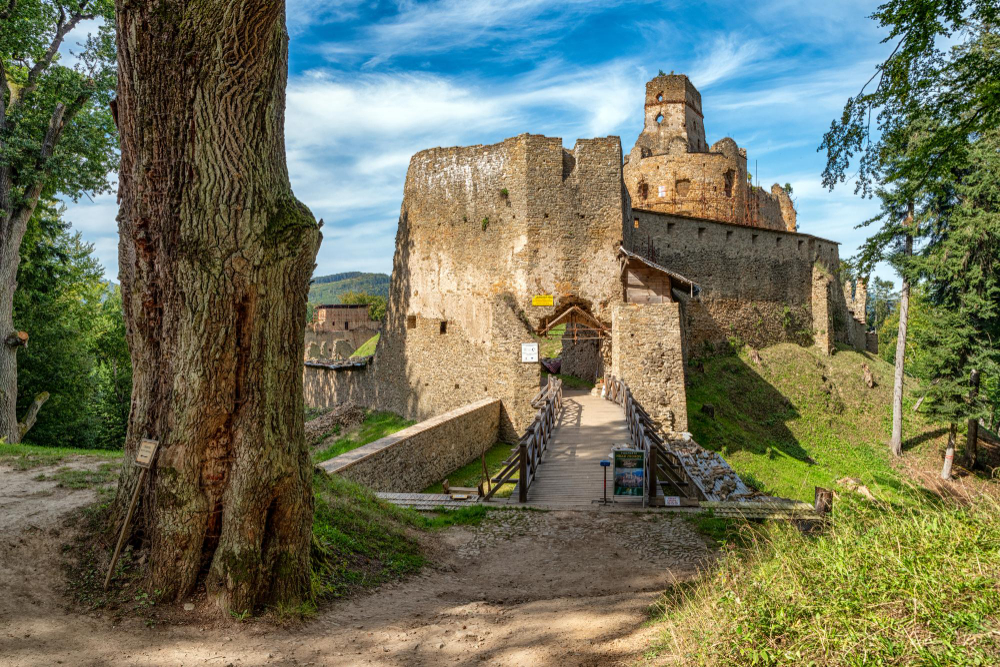
Ruins, Memory and an Eerie Landscape – Today, Zborov Castle is primarily a historical monument and a destination for walkers. Its significance lies in the preserved remains of its walls, in its role within regional history, and in the efforts to secure and preserve the site. Yet a ruin is more than a structure made of stone. It is a place where gaps emerge: missing roofs, destroyed rooms, unknown fates and events that cannot be fully reconstructed. It is precisely into these gaps that legends step. The story of the wandering stones and the gateway to hell does not explain the castle’s actual origins. Rather, it tells of how people sought to interpret a mysterious place. It turns the challenging topography into a drama, building stones into characters, and a mountain into a boundary between this world and the next. Anyone walking through the ruins of Zborov today will find no evidence of the devil. Yet the legend alters the way one views every wall. A dark passageway can suddenly seem like a locked entrance, an irregular stone like a horn, a gust of wind within the walls like the echo of a story that has never quite fallen silent.