 Isabella Mueller Baroness of Stainton le Vale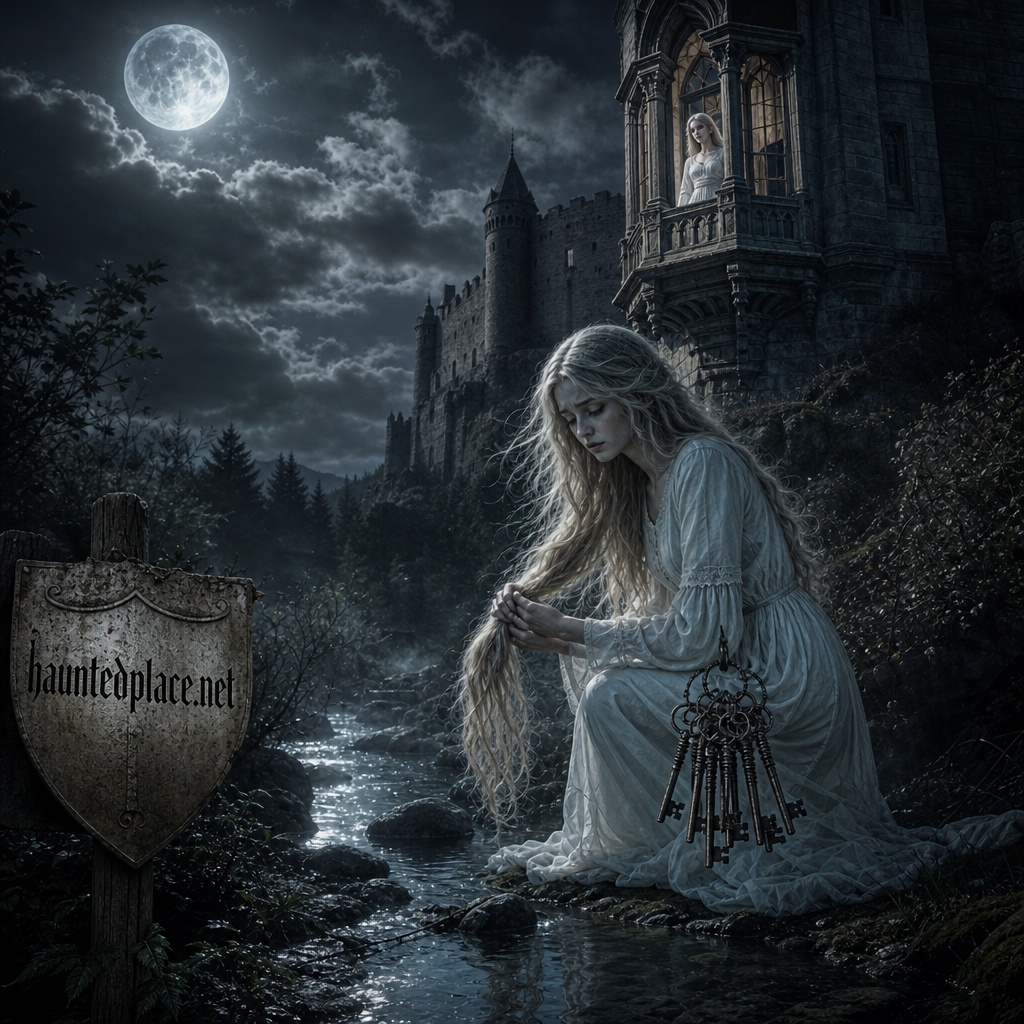
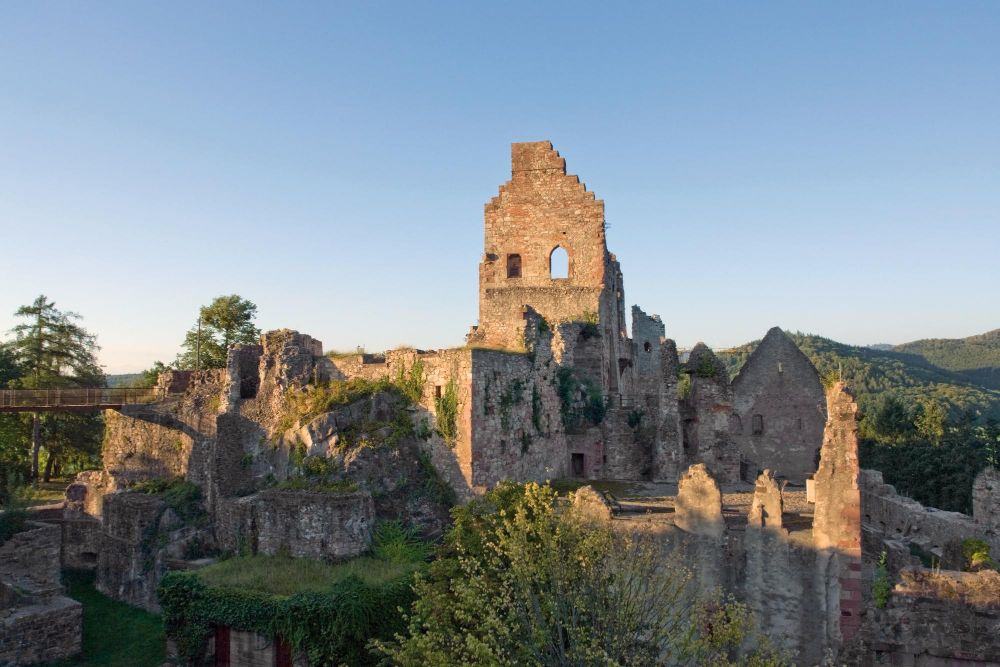
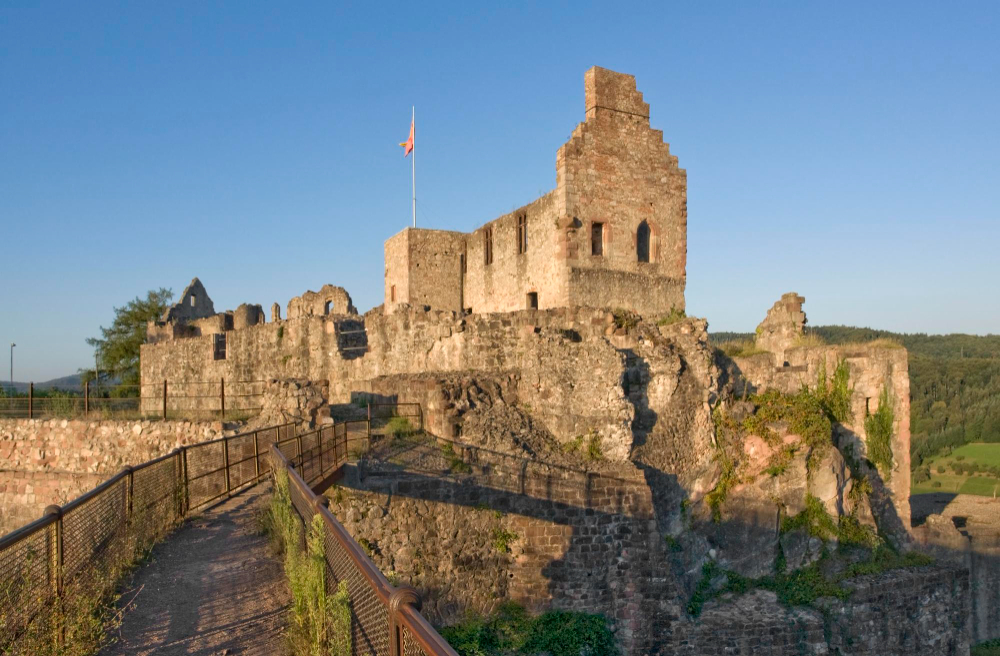
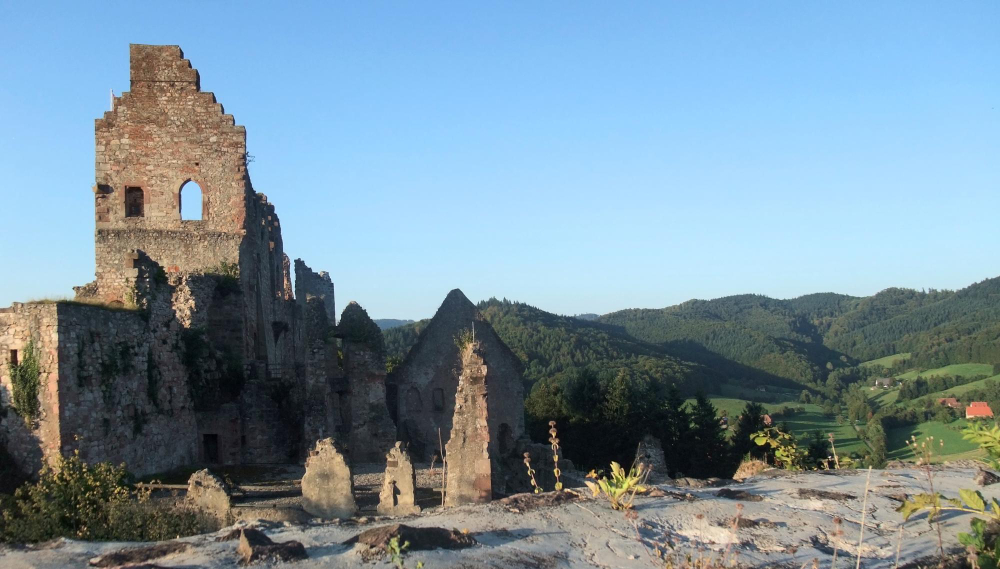
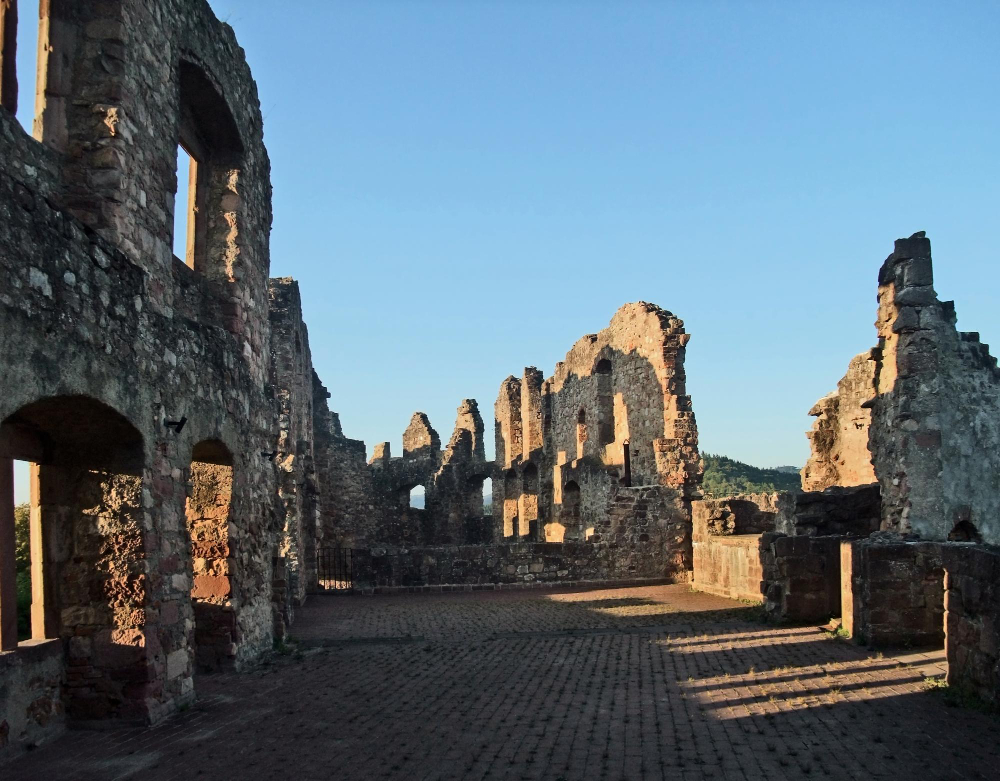
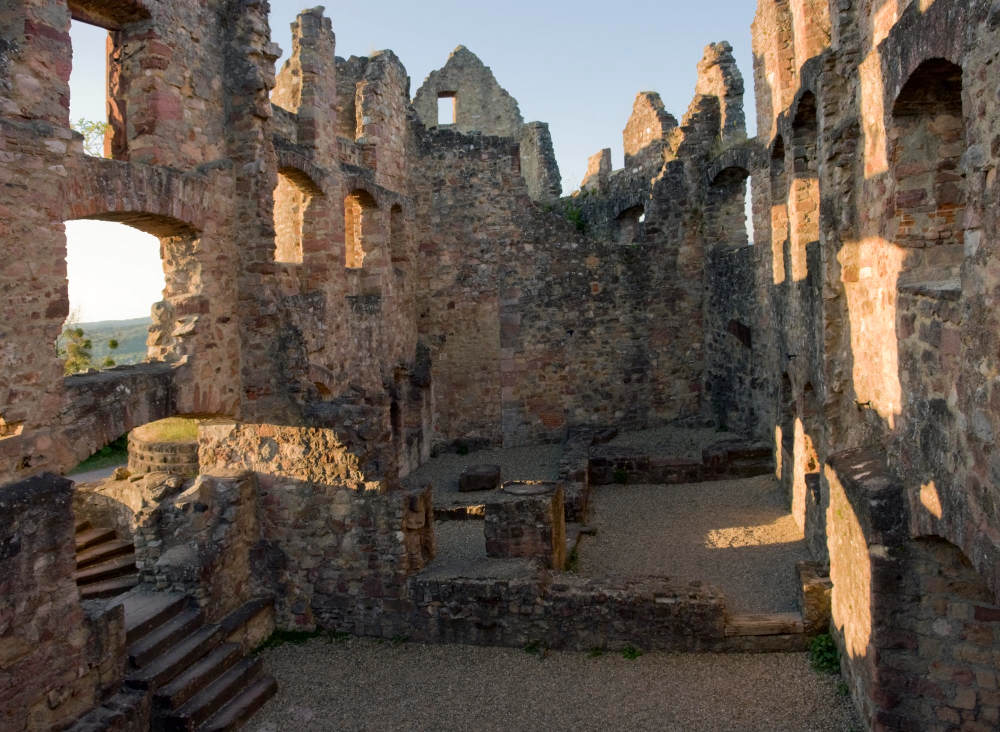
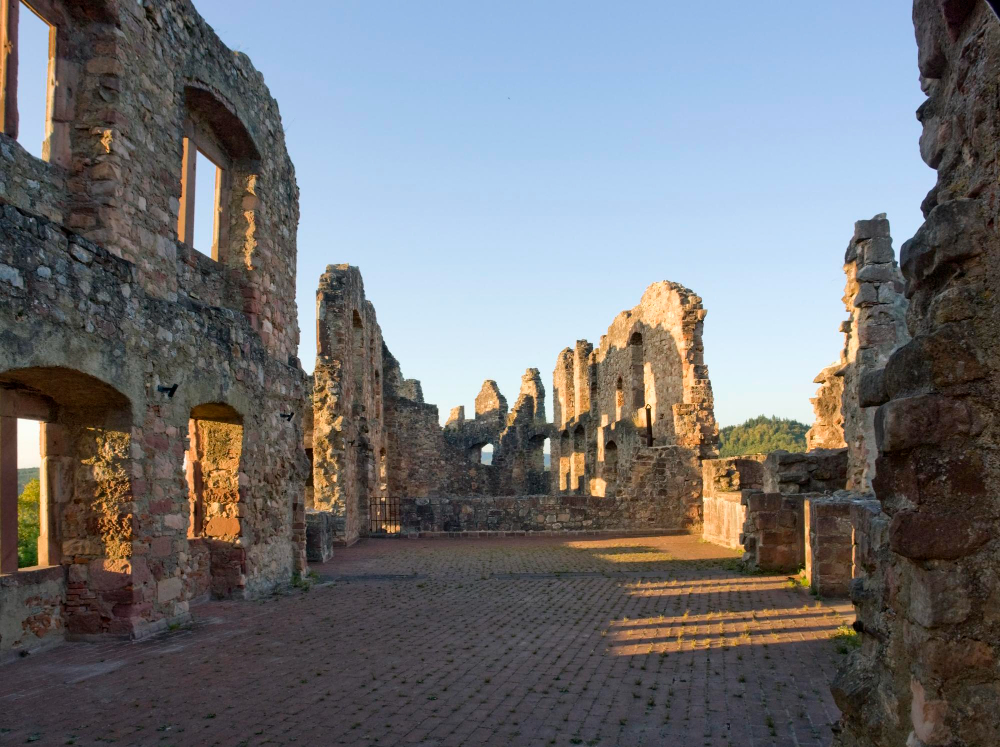
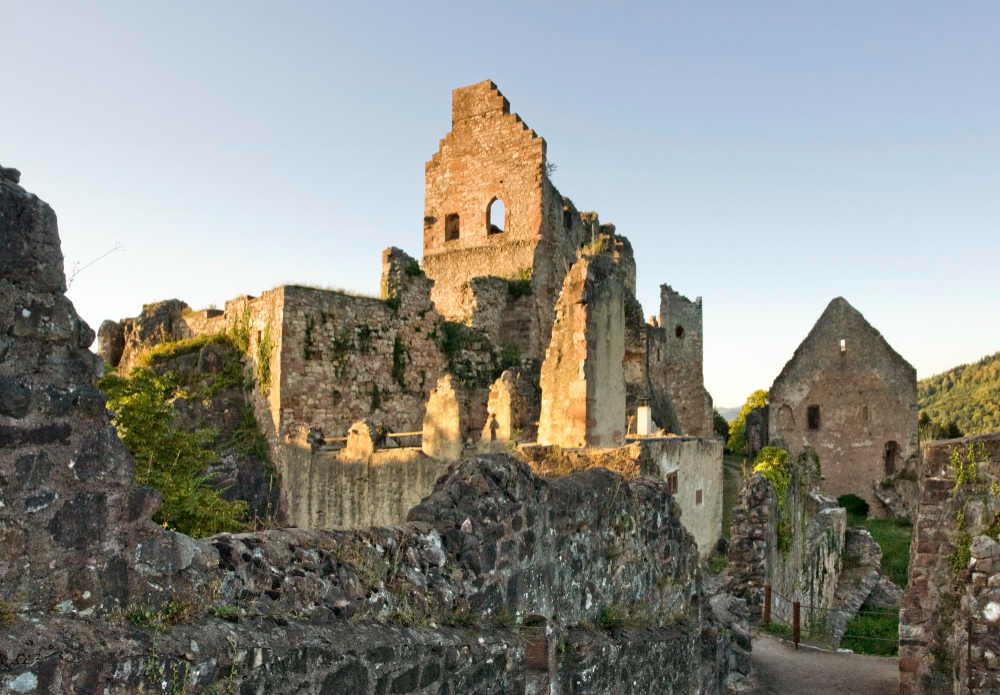
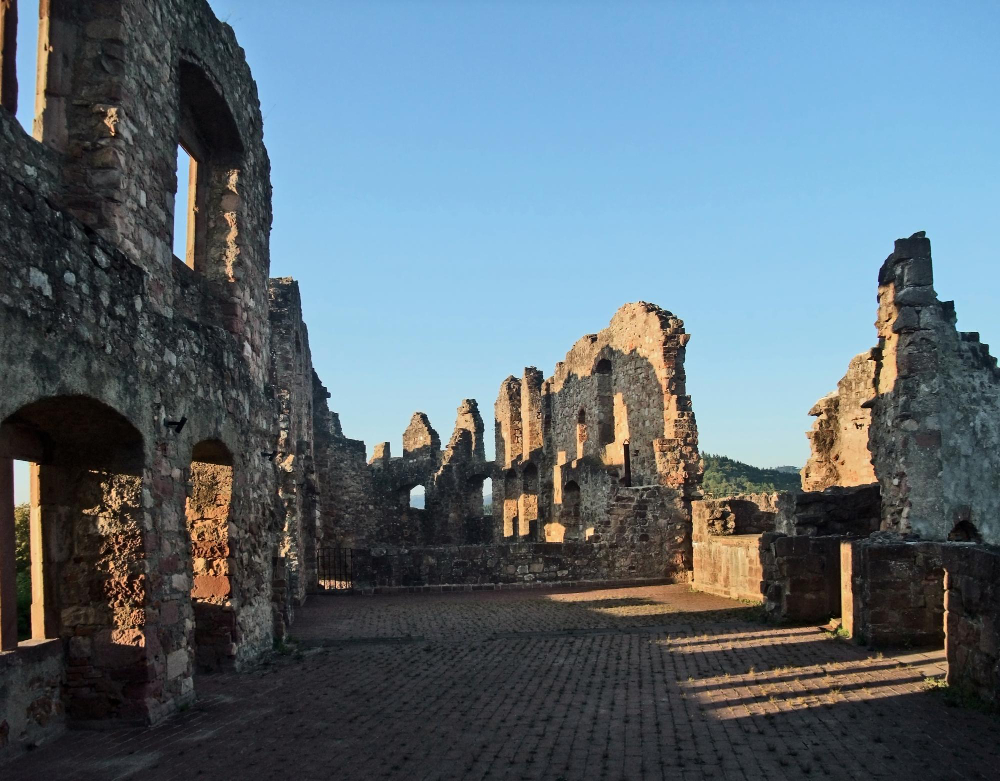
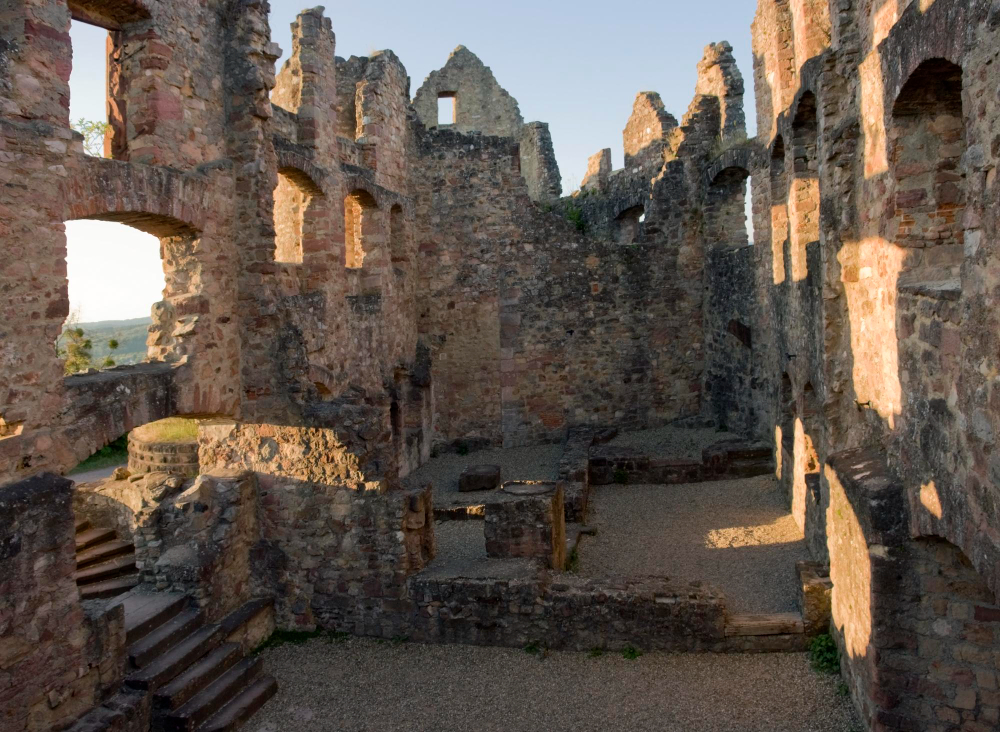
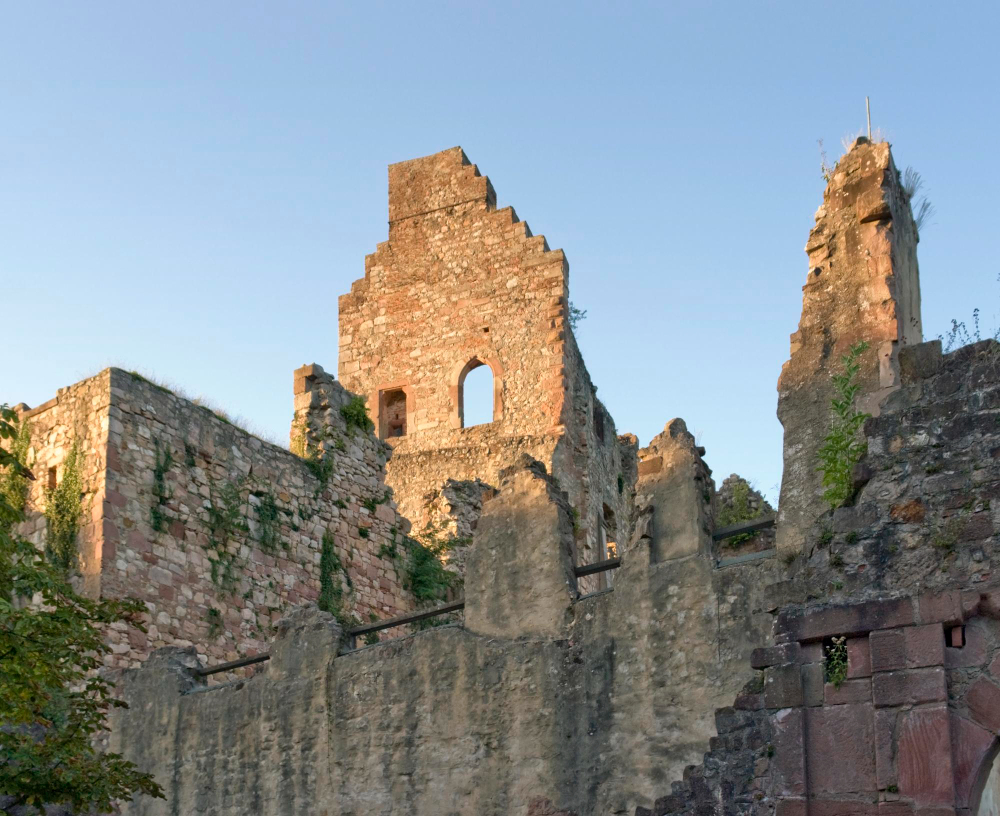
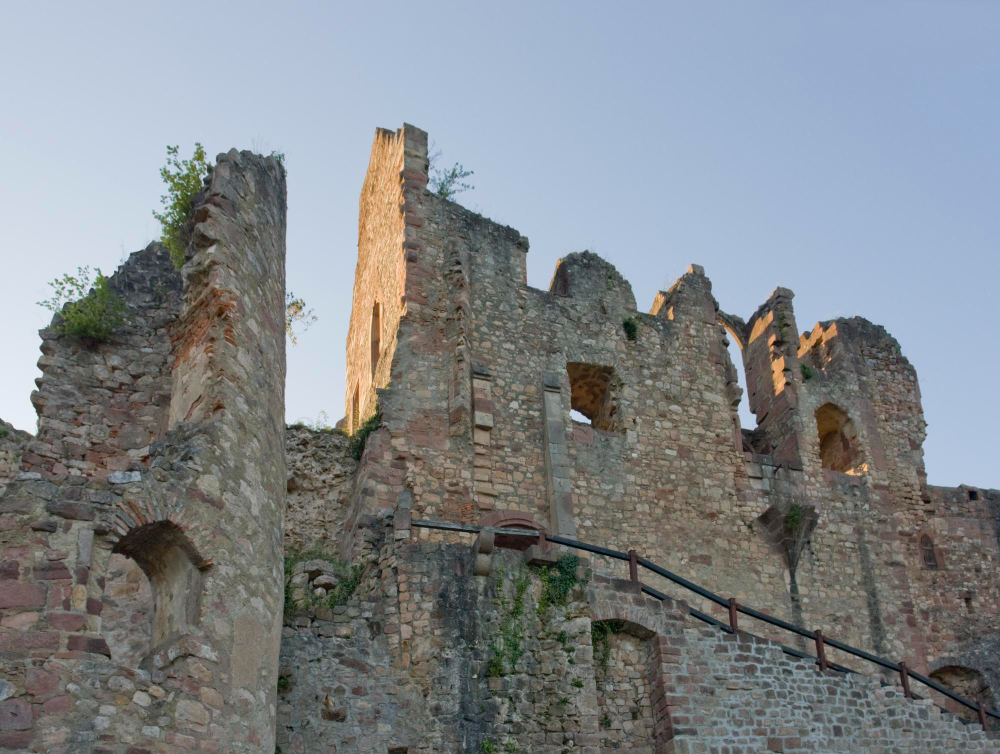
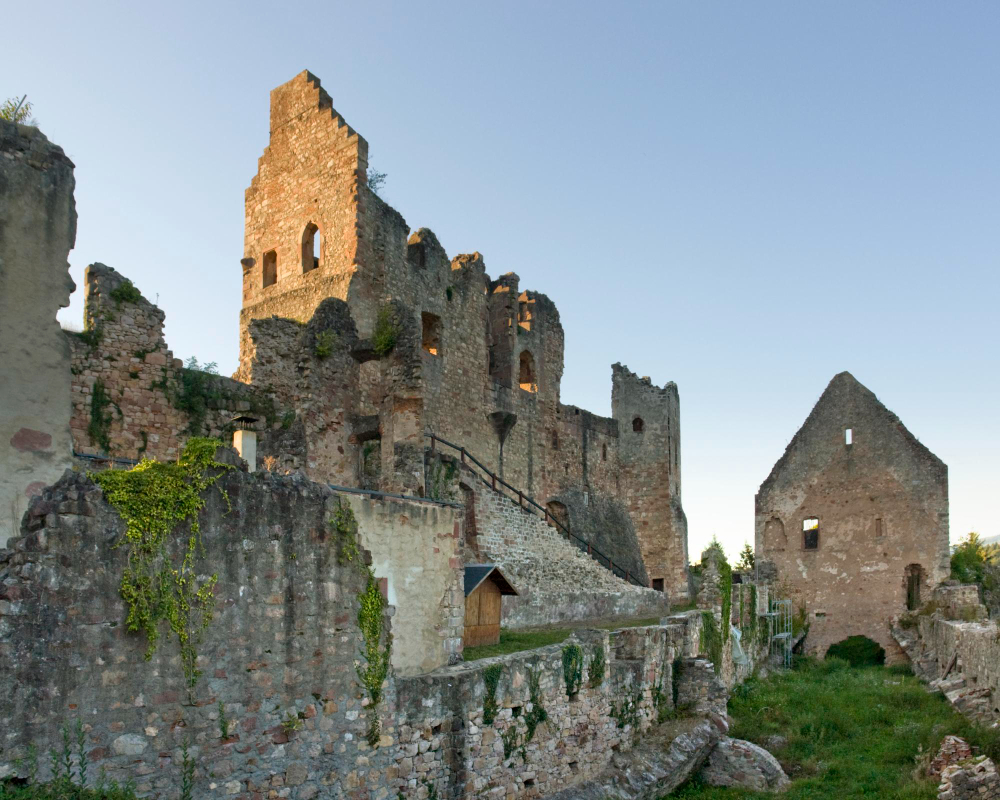
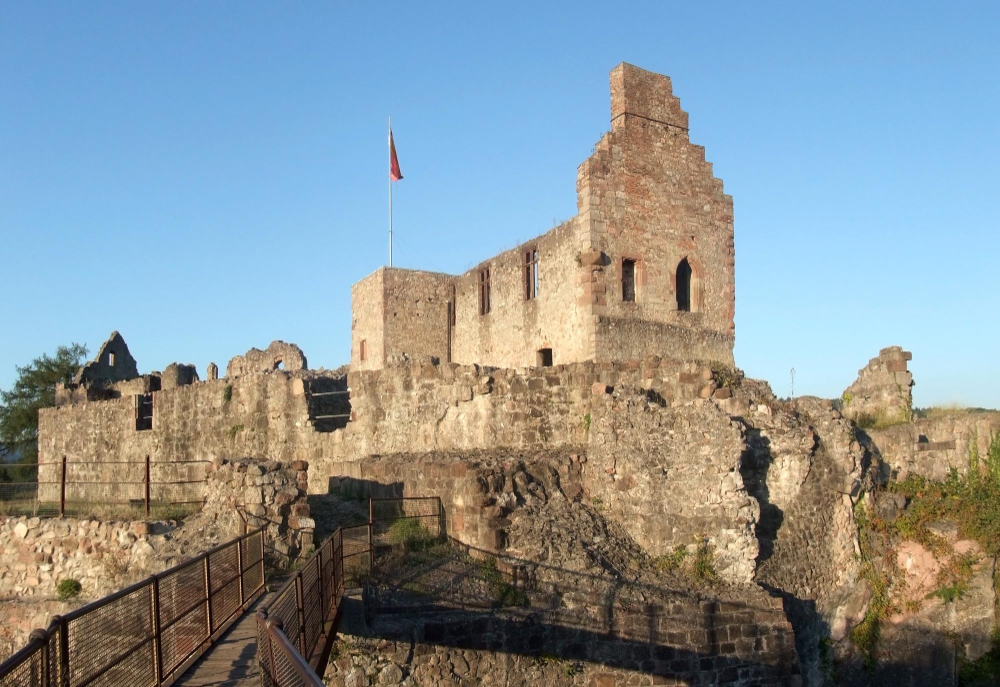
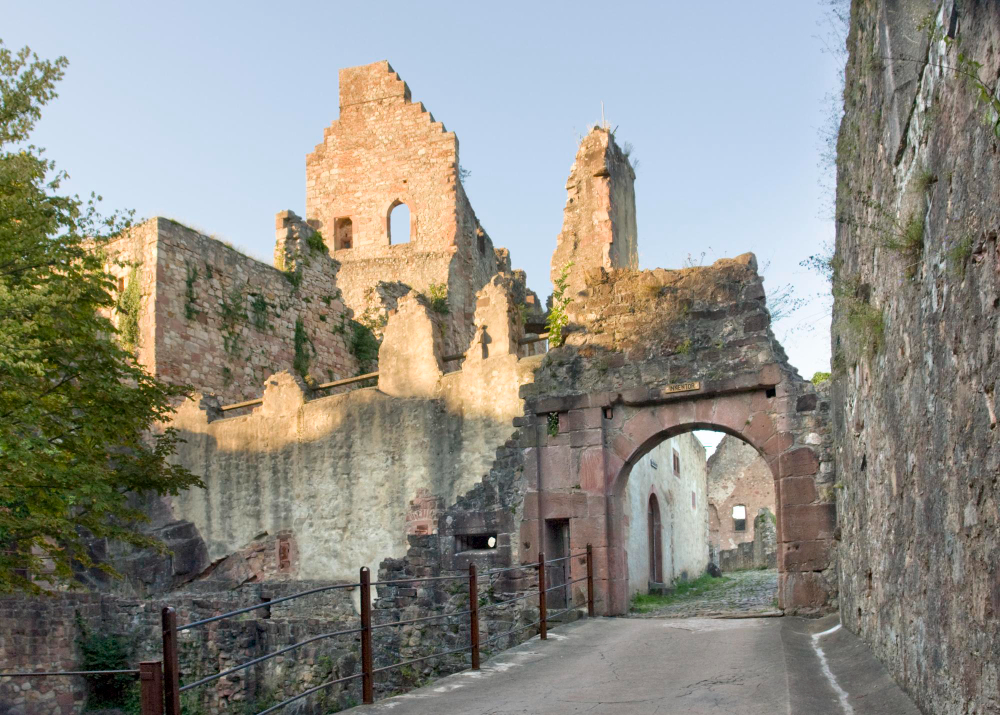
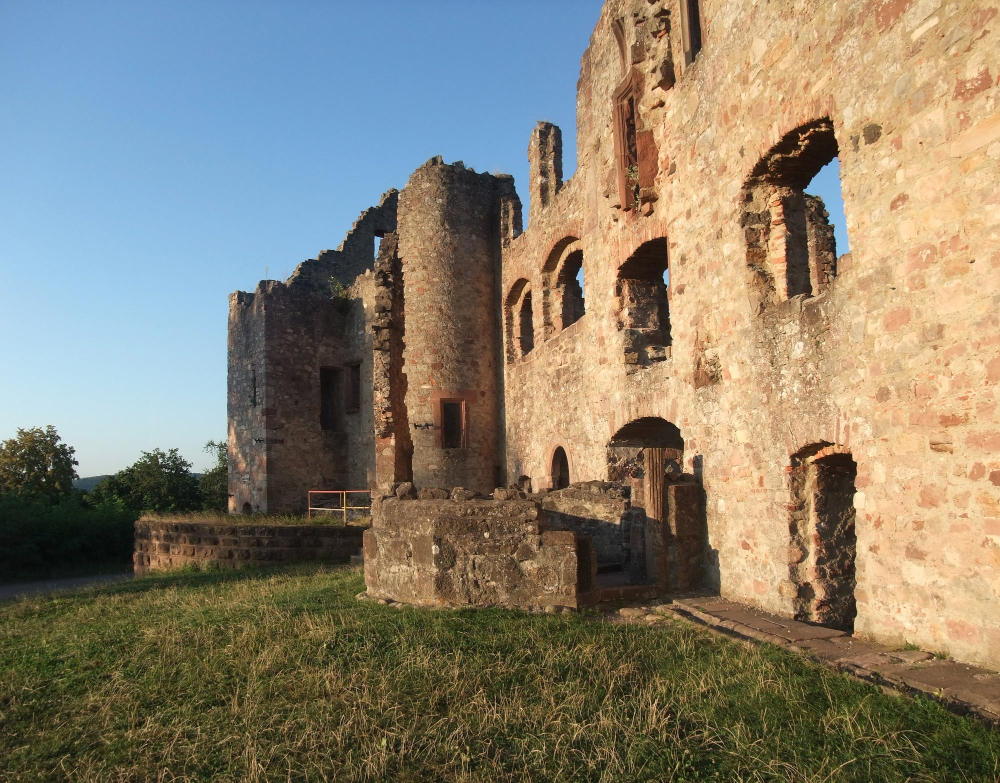
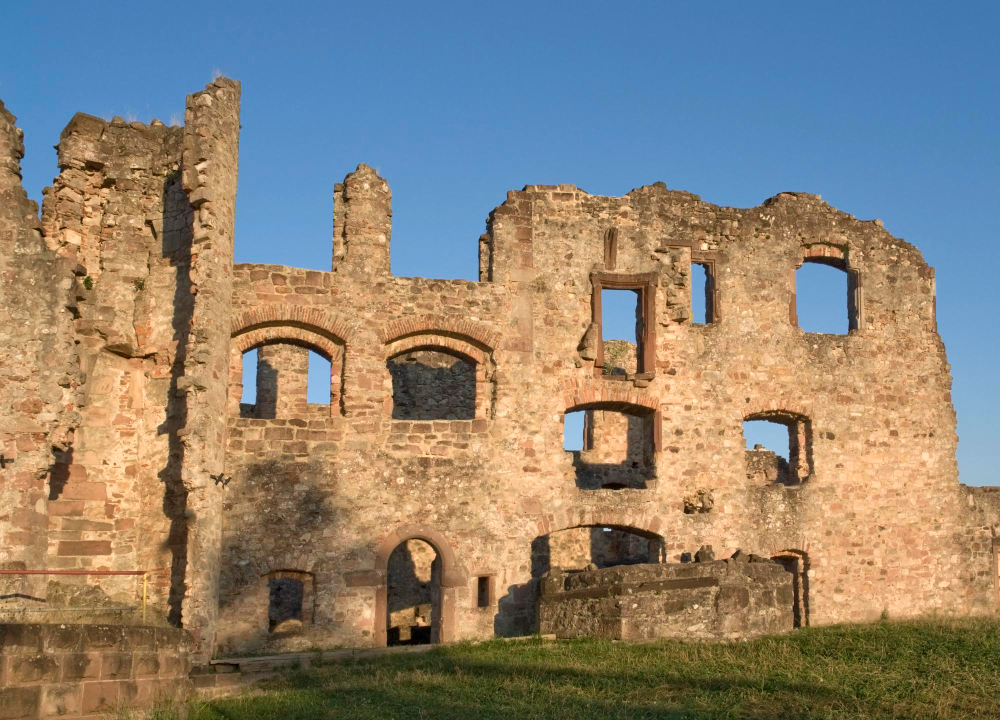
In the deep forests of the Brettes Valley, not far from the town of Emmendingen in the Black Forest, the ancient Hochburg stands perched on a steep rock, commanding the surrounding landscape. This medieval fortress is a place of interest not only because of its historical significance, but also because of a legend that has both fascinated and terrified people for centuries: the legend of the White Maiden.
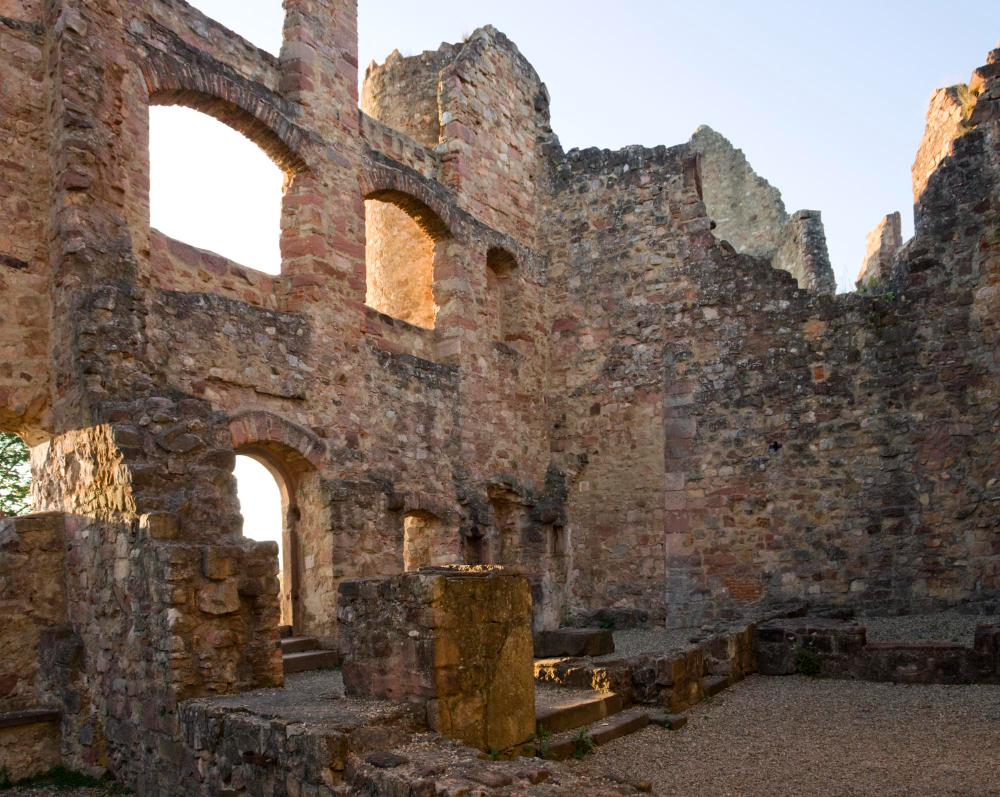
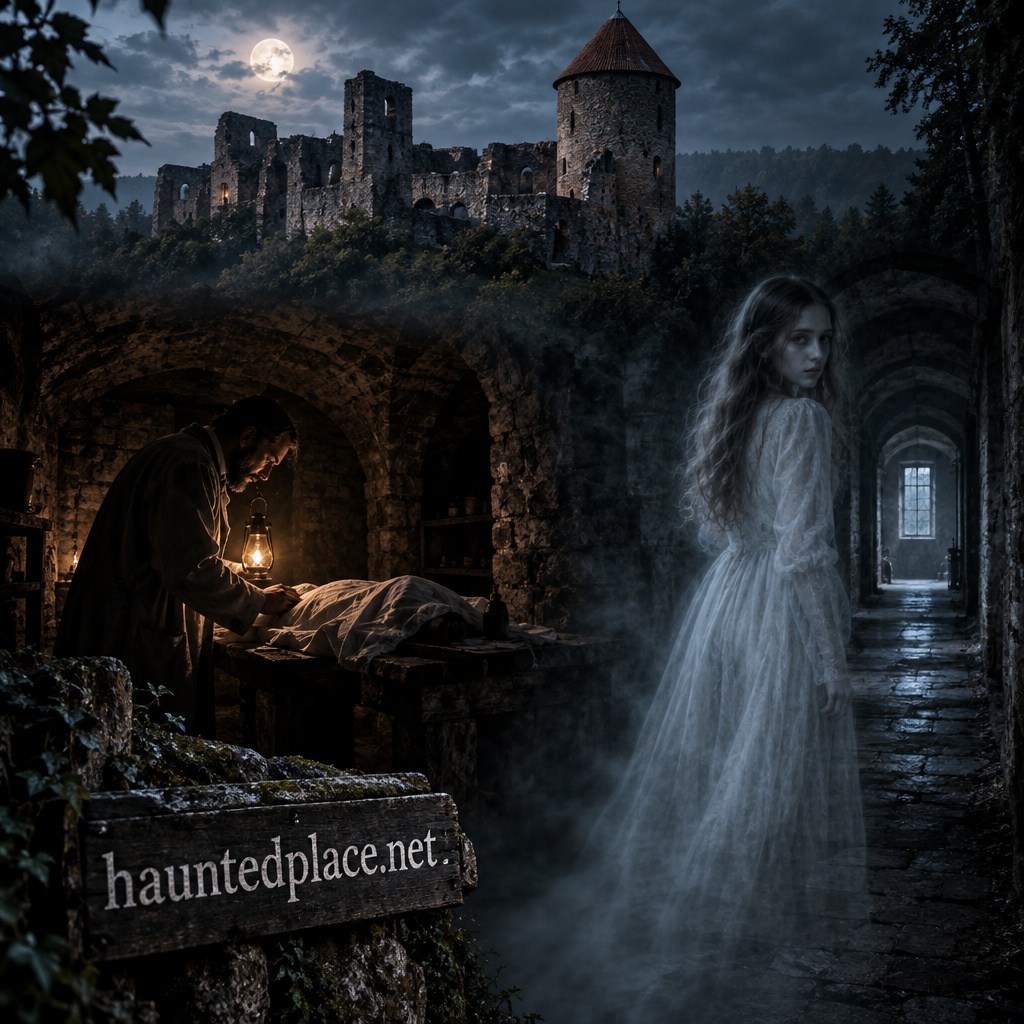
The Apparition of the White Maiden – In the clear light of the full moon, when the shadows are long and the nights are still, she is said to appear – a mysterious woman in a snow-white gown, gazing down from an old bay window of the stronghold. Numerous eyewitness accounts spanning several centuries unanimously describe this ghostly figure, who sings a melancholic song whose words have long been lost, but whose sound still sends a shiver down the spine of many a visitor. The white gown symbolises purity and innocence, whilst her pale face and sorrowful expression reflect deep sorrow. Her long hair flows freely over her shoulders, is often slightly ruffled by the night-time breeze, and seems to glow almost silver in the moonlight. This image is one of the best-known motifs in regional folklore and is firmly rooted in numerous tales.
The nocturnal ritual by the stream in the Brettental – Another key element of the legend describes how the White Maiden descends from the castle into the Brettental every night. There is a small, crystal-clear stream there, whose water is considered to have cleansing and healing properties. On the banks of this stream, the apparition is said to wash her long, golden hair carefully and then plait it – a process often interpreted as a symbol of purification, renewal and, perhaps, the keeping of secrets. This nocturnal ritual is characterised by a strange duality: whilst she appears to glide down into the valley cheerfully and almost gracefully, she returns to the castle in tears once her ceremony is complete. This image suggests that she is bound to a place from which she cannot free herself – trapped between life and death, between freedom and captivity.
The mysterious bunch of keys as a symbol of redemption – One of the most striking details of the legend is the large bunch of keys that the White Maiden always carries with her. Numerous accounts mention these keys, yet their exact meaning and function remain a mystery. In some tales, it is suggested that these keys possess extraordinary power, perhaps even capable of opening the gates that keep her imprisoned in the castle. A famous account tells of a brave peasant who attempted to free the maiden. He sought to grant her freedom using one of the keys from her bunch, but the attempt failed – whether through disbelief, fear, or because the magical bond was too strong. This episode adds to the tragic dimension of the myth and underscores the sense of hopelessness and inescapable fate.
Historical background and possible origins of the legend – The stronghold itself was built in the 11th century and served for centuries as an important defensive structure and the seat of power for local noble families. Like many ancient castles, it harbours numerous secrets and stories of love, betrayal, war and tragedy. The legend of the White Maiden may have arisen from these historical contexts to explain unclear or tragic events that took place within the castle walls. Some historians speculate that the legend stems from a deceased noblewoman whose spirit remained bound to the place due to an unfulfilled promise of love. Other theories point to political intrigues or family dramas in which young women were held as hostages or prisoners, and whose fates were forgotten by time but lived on in popular belief.
The White Maiden in a cultural and literary context – The story of the White Maiden is not an isolated phenomenon. Throughout Europe, there are similar tales of female apparitions in white dresses who haunt castles or historic sites. These figures often symbolise loss, longing and the connection between the world of the living and the dead. In German-speaking countries, for example, there is the ‘White Lady’ of Wilhelmstein Castle and other female ghostly figures, whose stories rank among the most popular legends. In literature and popular culture, the White Maiden has been frequently adapted and reimagined. She serves as inspiration for ghost stories, plays and even films, with new interpretations continually being added that breathe fresh life into the mystery surrounding her.
Contemporary Encounters and Tourist Significance – Even today, visitors to the stronghold occasionally report fleeting sightings or a feeling of being watched, particularly at night. These modern anecdotes help to keep the legend alive and ensure it continues to fascinate. For local tourism, the story of the White Maiden is an important part of the area’s identity and attracts curious visitors seeking a bit of a thrill. Guided night walks and specially organised events centred on the legend help to keep interest alive. The story is always told with respect for tradition, without trivialising it or exploiting it for sensationalism.
A timeless mystery between history and legend – The White Maiden of the Hochburg near Emmendingen is far more than just a spooky tale. She embodies the connection between history, myth and the human need for stories that make the inexplicable tangible. With her white robe, her nocturnal rituals and her mysterious bunch of keys, she symbolises longing, captivity and lost love. The legend lives on through oral tradition, historical research and people’s vivid imaginations. It reminds us that places like the Hochburg are not merely stone and mortar, but also gateways to a world full of emotions and secrets that blur the line between reality and fantasy.