 Isabella Mueller Baroness of Stainton le Vale
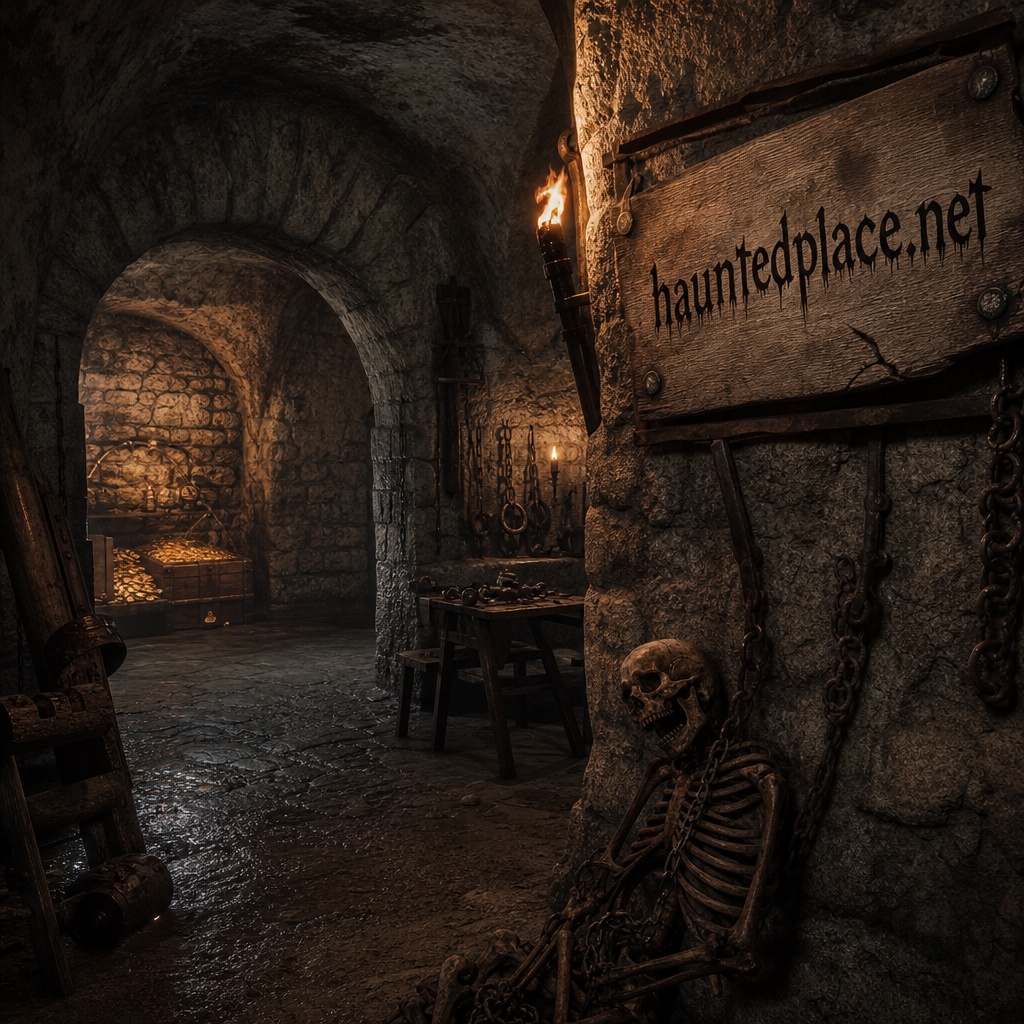
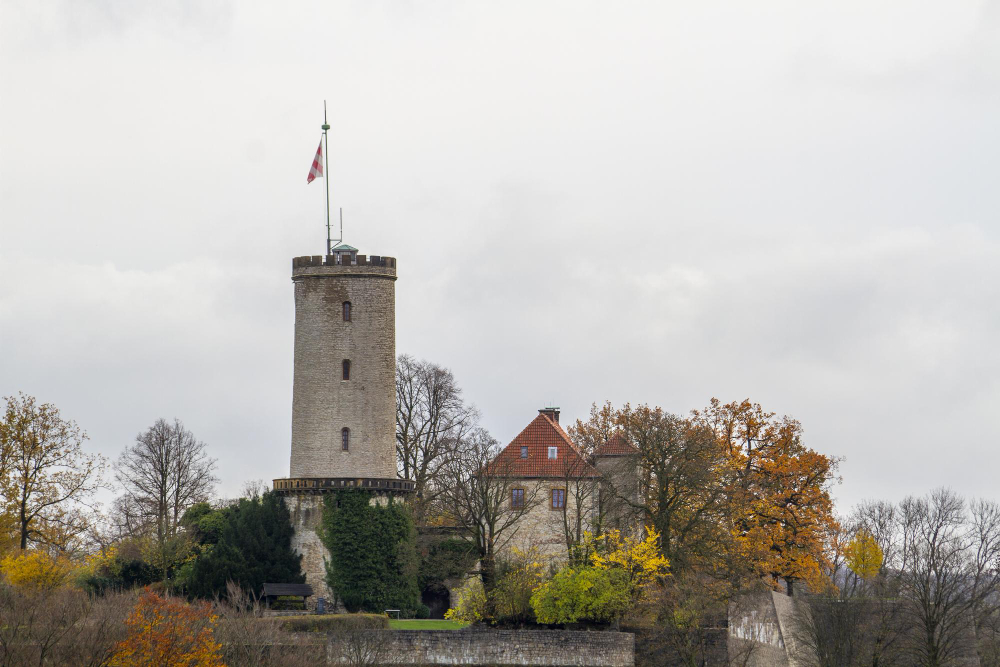
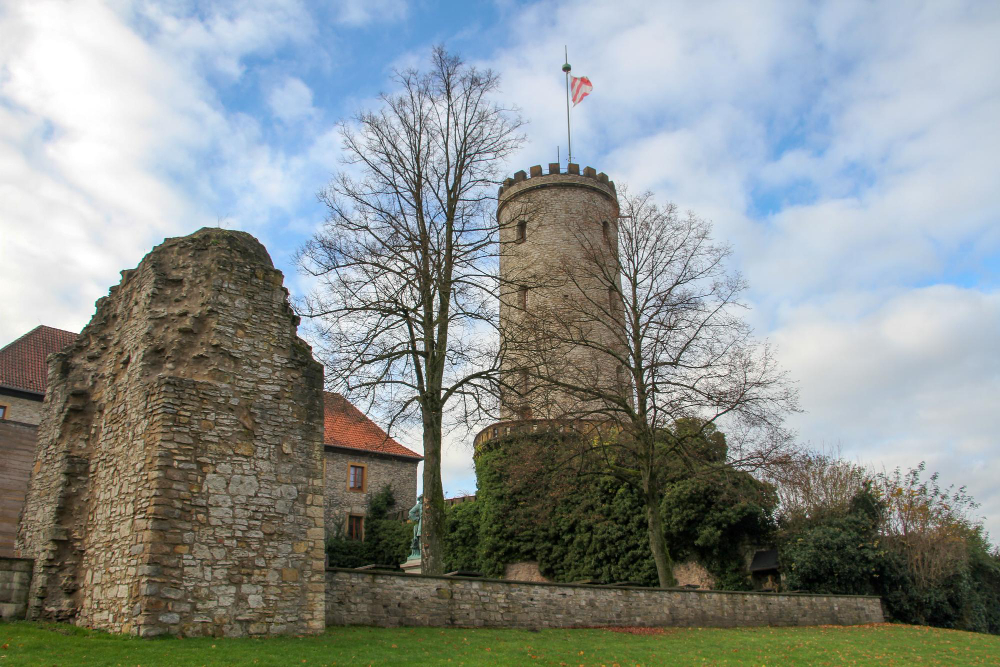
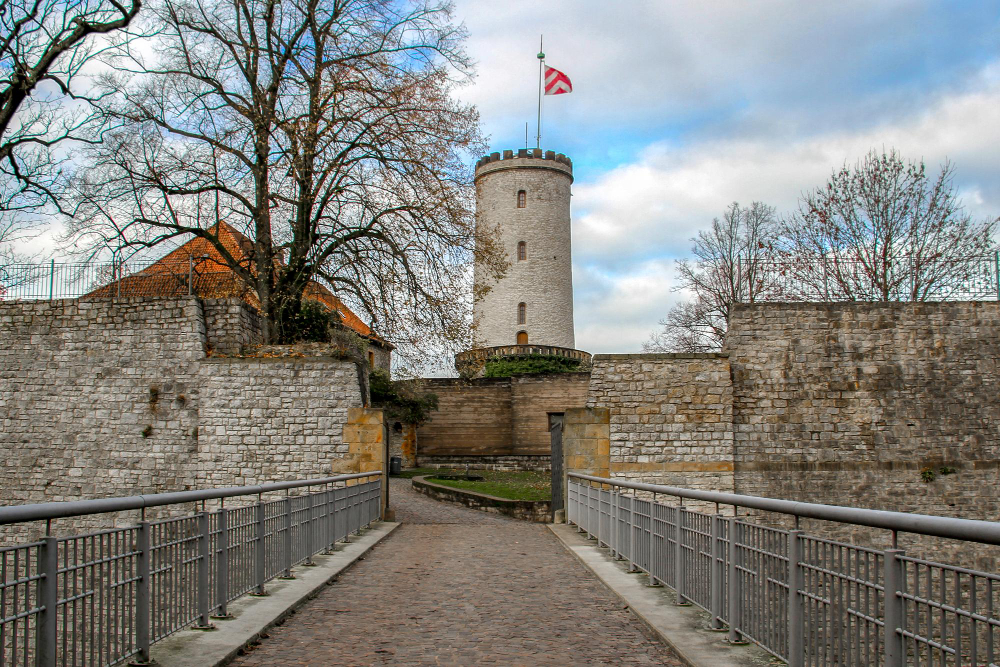
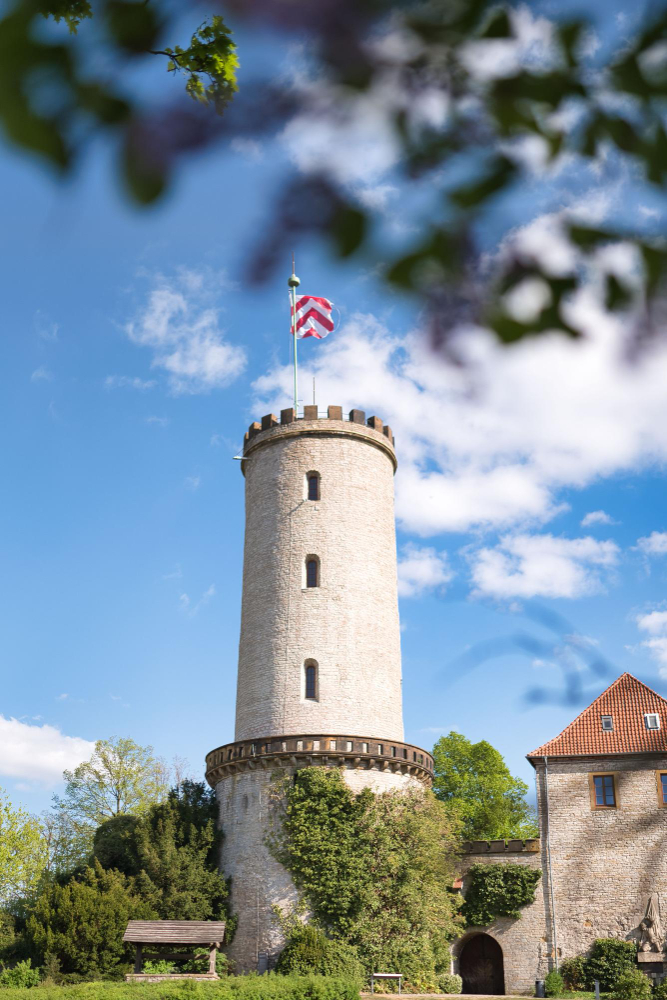
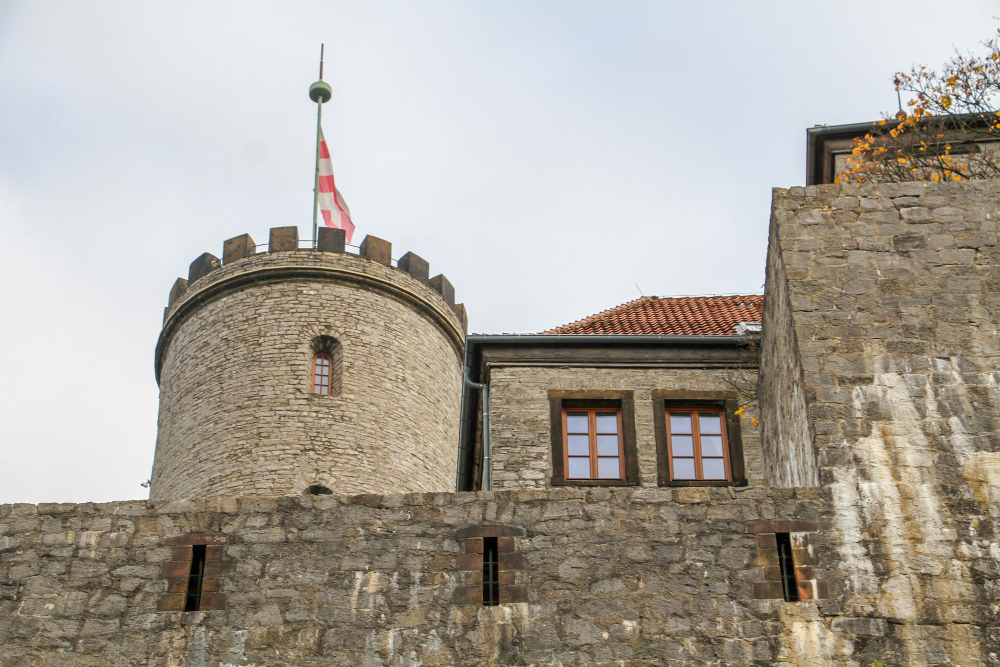
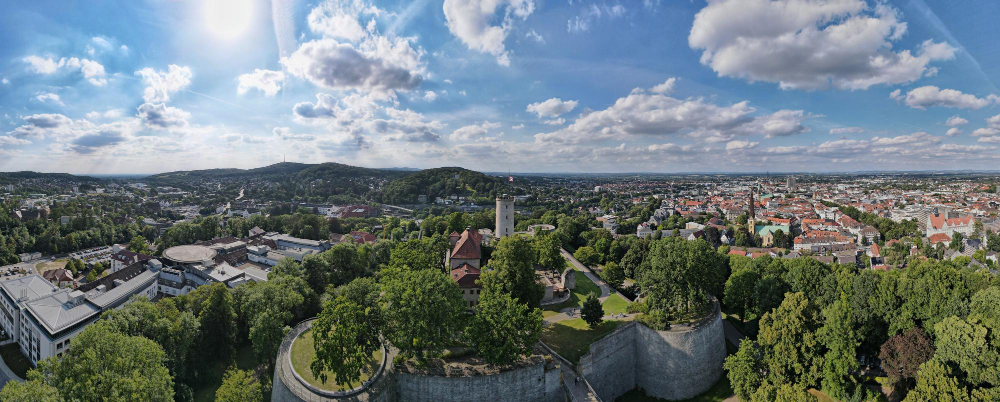
Sparrenburg Castle in Bielefeld—an impressive testament to medieval architecture and military power—harbors not only history and culture, but also dark legends and eerie tales. In particular, the underground casemates—those winding, dark passageways and hidden chambers beneath the fortress—have served for centuries as a source of spine-chilling tales about walled-in prisoners, hidden treasures, and mysterious noises. In this article, you’ll learn everything there is to know about the mysterious casemates of Sparrenburg, their historical significance, and the eerie atmosphere that continues to fascinate and frighten visitors to this day.
The Casemates of Sparrenburg – A Labyrinth of History and Secrets – Sparrenburg Castle was built in the 13th century and, over the centuries, developed into one of Westphalia’s most striking fortresses. It served as a defensive structure, a seat of authority, and a prison. Beneath the massive complex lie the casemates—a network of underground vaults originally designed as shelters and ammunition depots. Visitors and historians alike describe a peculiar feeling upon entering the dark passageways: a mixture of awe at the history and an oppressive sense of unease in the face of the narrow, cold walls that have outlasted many a generation. This architecture, with its small chambers and labyrinthine passages, gives the impression of a long-forgotten place that conceals more than meets the eye.
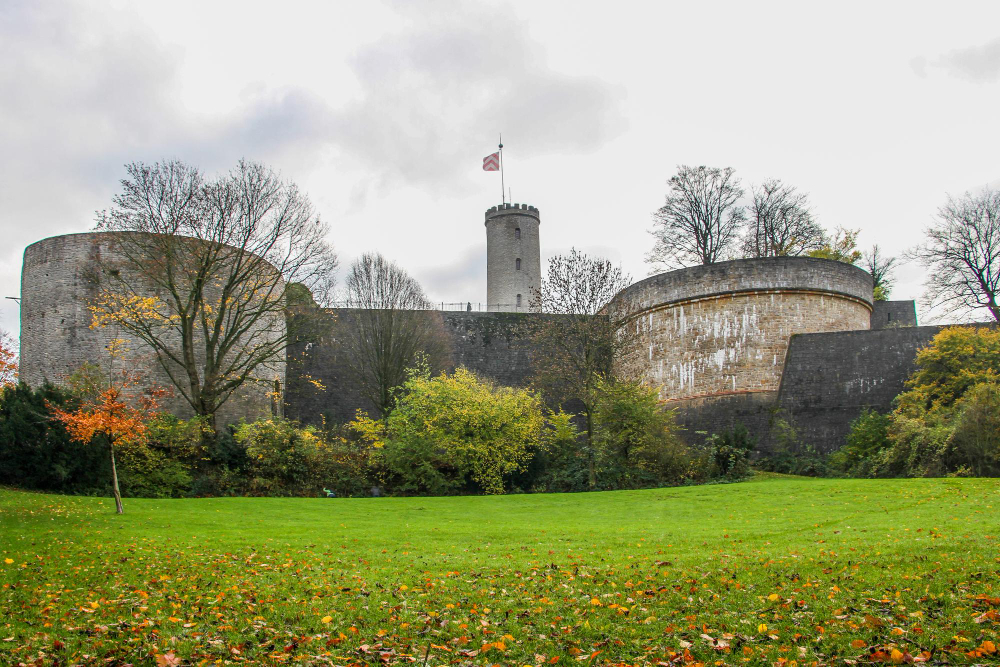
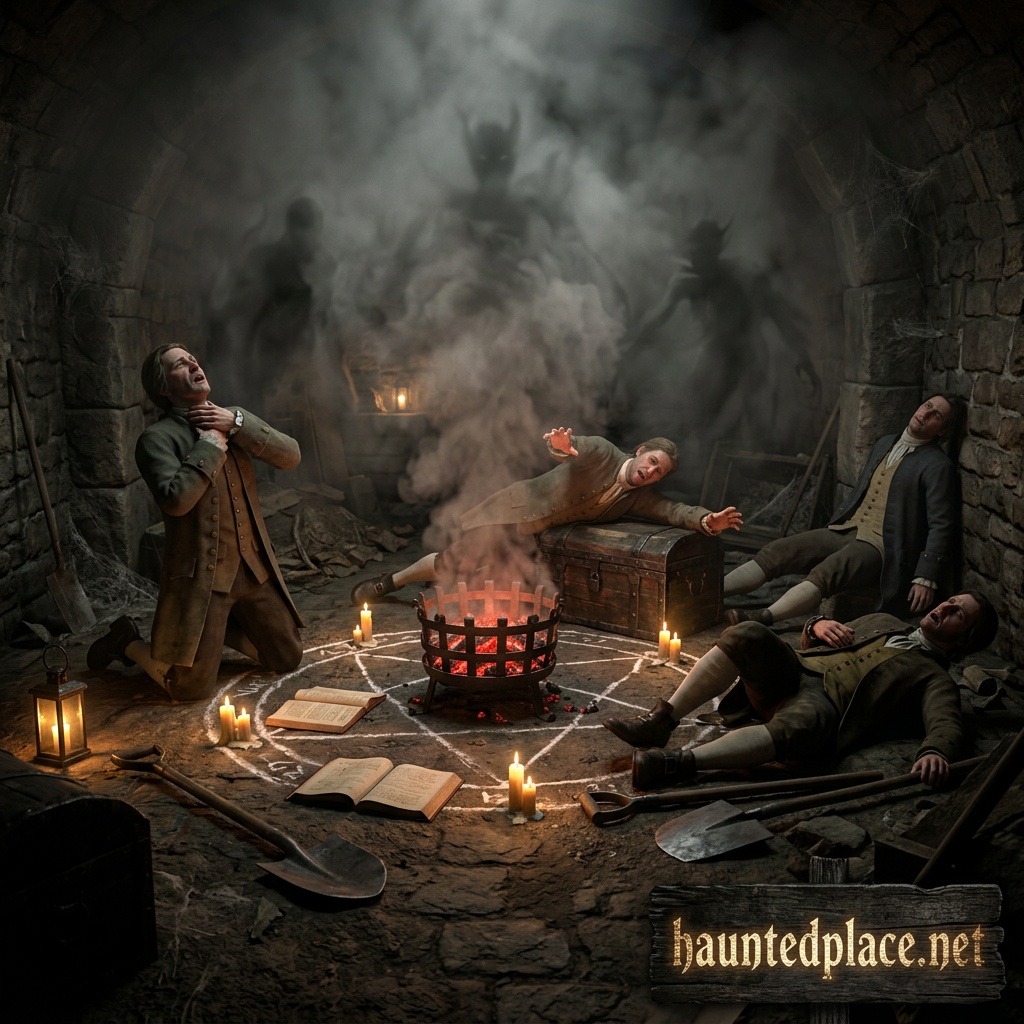
The Walled-Up Rooms—Between Torture Chambers and Treasure Hides – One of the most fascinating and, at the same time, creepiest aspects of the casemates are the so-called “walled-up” rooms, particularly in the area of the Marienrondell. Over the centuries, some chambers were sealed off and forgotten, providing fertile ground for numerous speculations and legends. Historical sources and research suggest that these rooms served various purposes: Some may have served as dungeons for prisoners of the past, with the suffering and despair still palpable within the stone walls. Others, in turn, are said to have been used as secret storerooms or hiding places for valuables and military supplies. Rumors of walled-up treasures such as gold or weapons, in particular, have been circulating in the region for centuries. But the cruel side of history is also said to be evident here: torture chambers, in which captured enemies or political opponents were tormented, are repeatedly mentioned in old reports and chronicles. Although there is no clear evidence of systematic torture at Sparrenburg, the gloomy atmosphere of the casemates fuels such speculation. The idea that screams and cries of anguish might still echo within these walls only intensifies the mysterious atmosphere.
Historical Background and Authentic Sources – The greatest challenge in researching the casemates lies in the scarcity of documentation. Many records have been lost or were deliberately destroyed, as sensitive topics such as imprisonment and torture were usually concealed or misrepresented. In addition, regional historians and researchers have examined old plans and reports in archives that provide clues about closures and changes in the fortress’s underground structure. As a result, it can now be confirmed that some rooms were indeed bricked up and never reopened—reason enough to fuel speculation.
Reports of Visits and Paranormal Experiences – It is not only written sources that document the fascinating history of the casemates; reports from visitors also shed an eerie light on the underground passages. Many people report hearing unexplained noises, feeling sudden waves of cold, or experiencing a sense of unease as they wander through the dark tunnels. Some even speak of fleeting shadows or unexplained light phenomena. Such accounts are typical of places with a long, eventful history full of suffering and human drama. The psychological effect of narrow, dark spaces, combined with an awareness of the past, creates a unique atmosphere that is easily perceived as “haunted.” These accounts are also frequently picked up by local media and online forums, which further fuels the fascination with the casemates. Paranormal experts often attribute these phenomena to residual energy from past events—though whether this is scientifically provable remains a matter of debate.
The Casemates Today—A Tourist Attraction and Cultural Heritage – Today, the casemates are part of Sparrenburg’s tourist offerings. Guided tours through the underground passages provide insight into the life and pitfalls of a medieval fortress. Nevertheless, much remains hidden and mysterious, as some sections are still off-limits due to the risk of collapse or the dilapidated condition of the walls. The city of Bielefeld protects the casemates as an important cultural heritage site and is simultaneously working to preserve and restore the historic structure. The combination of history, architecture, and a certain eerie atmosphere makes a visit here a special experience that is far more than just an ordinary castle tour.
A Place Full of History, Horror, and Myths – The mysterious casemates of Sparrenburg Castle are more than just underground passages—they are a living testament to the fortress’s eventful history. Walled-off rooms and dungeons, the gloomy atmosphere, and the oft-told ghost stories weave together to create a unique experience for visitors and historians alike. What lies behind the locked doors? Are they forgotten treasures or merely relics of a dark past? The answer remains partly hidden in the darkness. Yet it is precisely this uncertainty that gives the casemates their allure and keeps the haunting alive in the mysterious passageways.