 Isabella Mueller Baroness of Stainton le Vale
In the twilight between history and myth, one of the darkest legends emerges from the depths of a medieval fortress – the tale of the Black Dog, the castle’s guardian of the treasure. This terrifying creature, said to dwell in the hidden passageways or the west tower of a venerable fortress, has for centuries captured the attention of researchers, the brave and lovers of the macabre alike. The Black Dog is not merely the apparition of a wild animal, but rather embodies a cursed knight whose tragic fate is closely linked to a mysterious treasure.
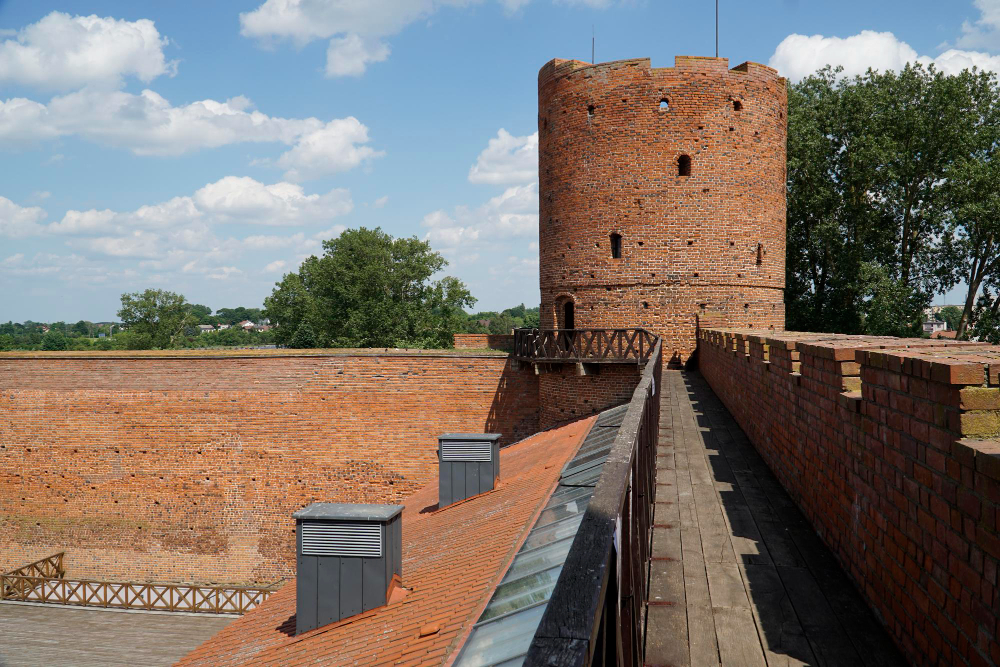
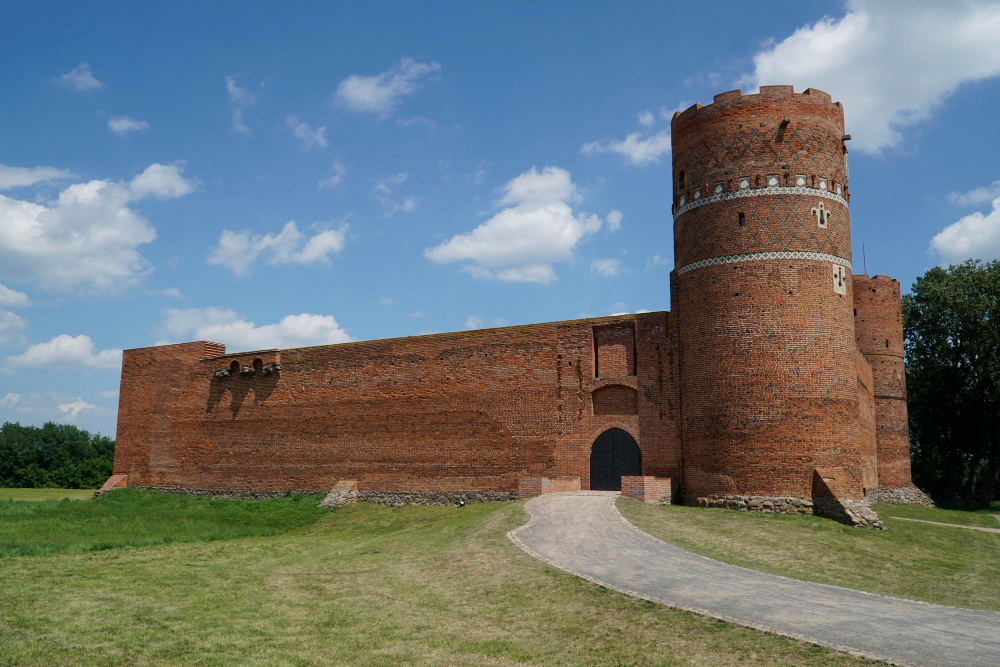
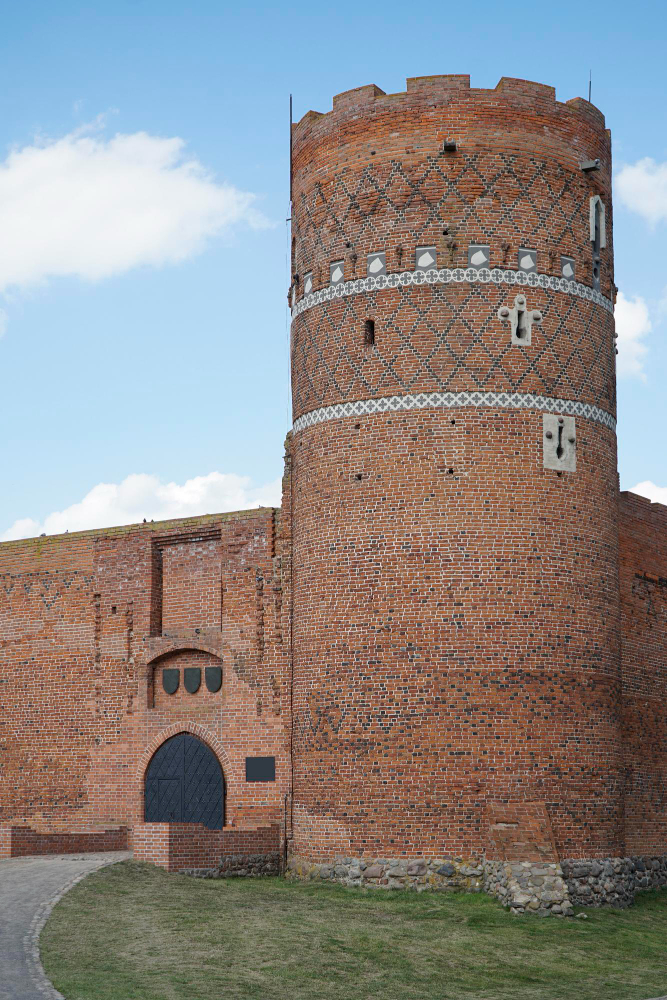
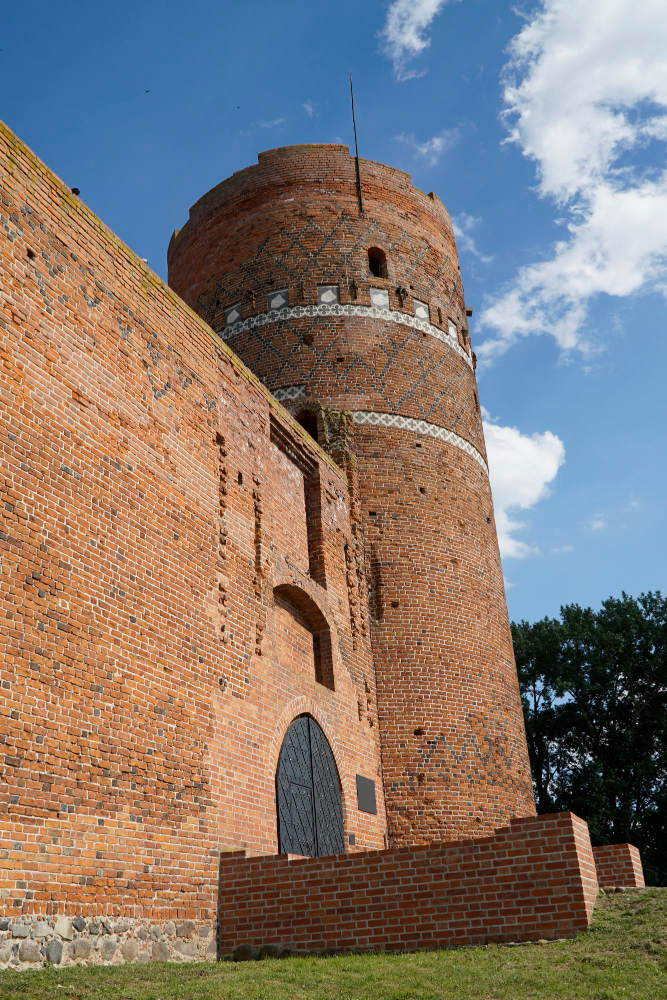
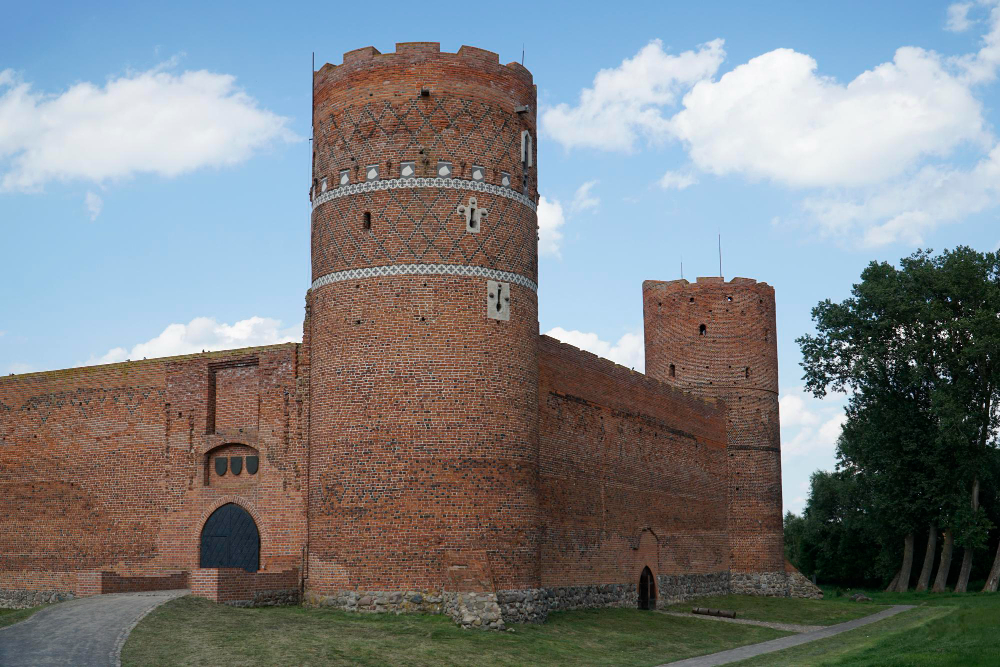
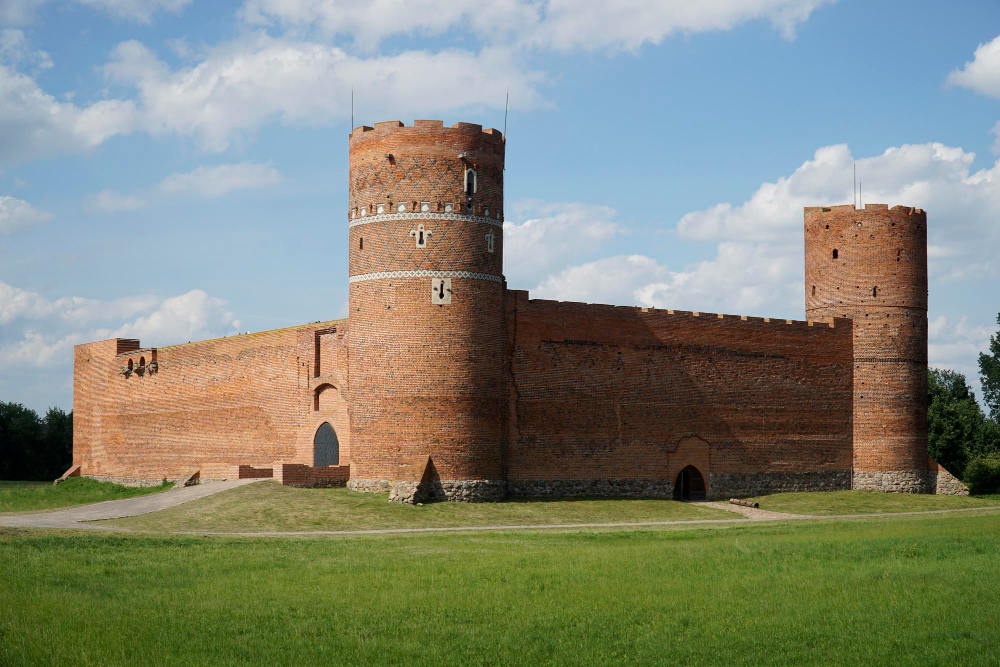
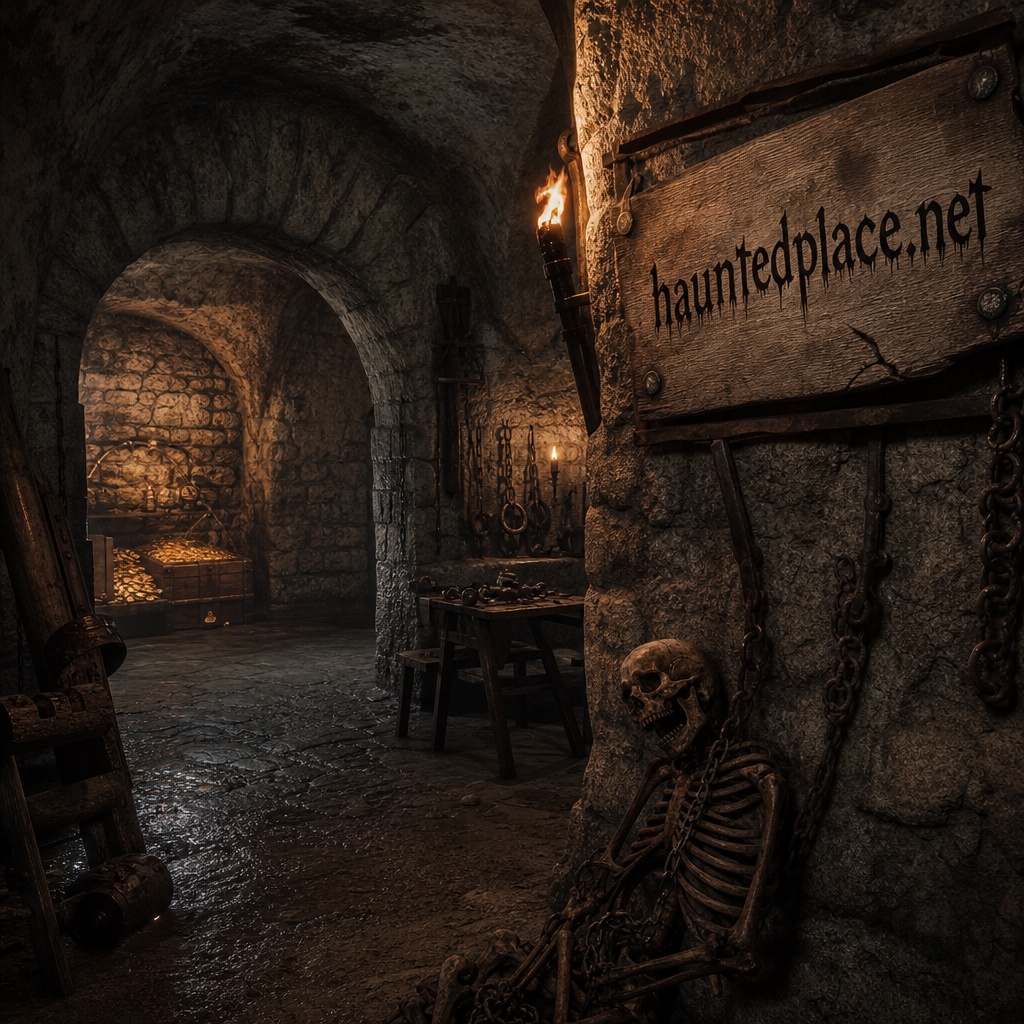
The Castle as the Setting for a Dark Tale – With its massive walls and winding corridors, the castle harbours numerous secrets from times gone by. Its imposing stone walls, marked by centuries of history, serve as the perfect backdrop for the legend of the Black Dog. The West Tower, in particular, has emerged as a place steeped in legend, where dreadful calamity seems most likely to take root. In the gloomy corridors beneath it, the eerie signs of its presence are said to be palpable – an icy chill, an ominous growl and the occasional flash of ghostly eyes in the darkness.
The Origin of the Black Dog: A Man Behind the Monster – Contrary to the assumption that it is merely the ghostly form of a wild animal, the legend of the Black Dog tells a multi-layered story of a man who became the symbol of the curse. Originally, he was no ordinary dog, but a knight named Sulimir – a man of high standing and great power, yet marked by sin and cruelty. His life is said to have been overshadowed by dark deeds, which is why a ducal alchemist transformed him with a powerful spell of metamorphosis to punish him for all time. The transformation into the eerie creature known as the Black Dog represents eternal torment: Sulimir is forced to guard the treasure he amassed during his lifetime through intrigue and violence for his own gain. Stripped of his humanity, he now wanders as a shadow of his former self, trapped between animal instinct and the awareness of his curse.
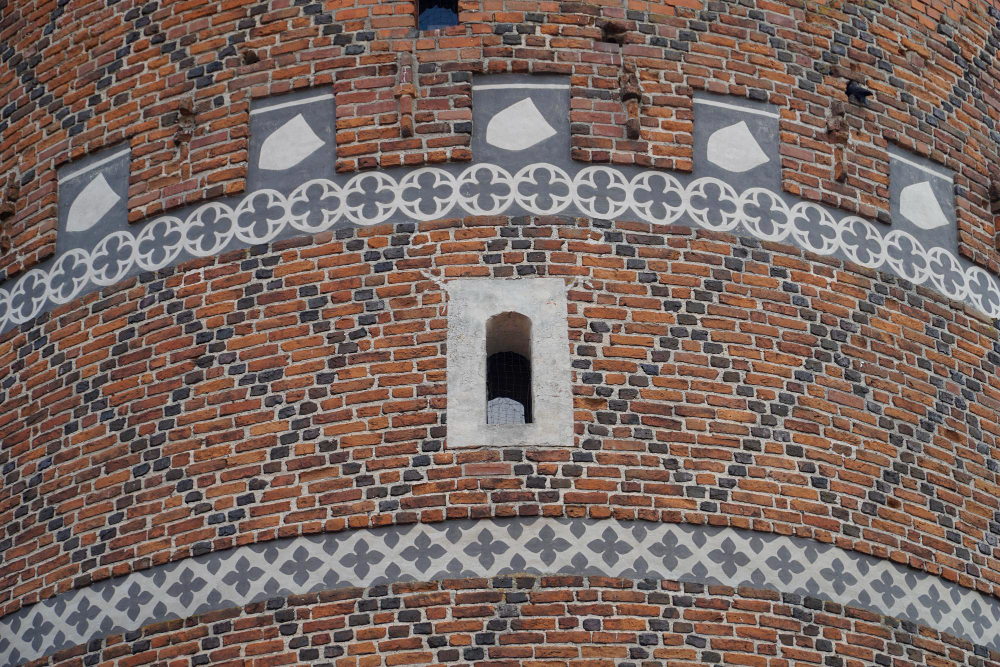
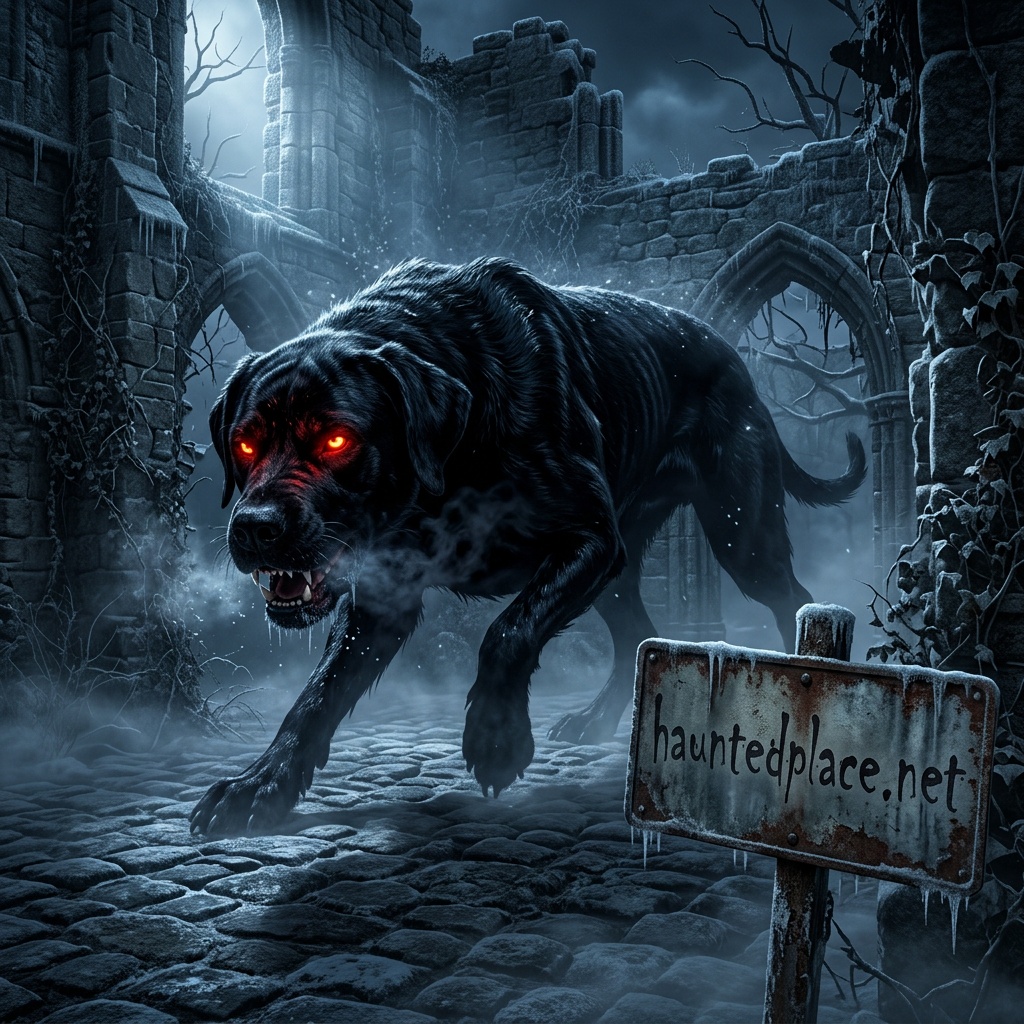
The eerie image of the Black Dog – Descriptions from ancient traditions and oral accounts paint a picture of an oversized, jet-black dog whose eyes glow red like glowing coals. His coat is said to be pitch-black and glossy, as if soaked in ink. There is often talk of its ominous movements – silent yet menacing, as if it were devouring the shadows it encounters. Its appearance triggers fear and panic in those who have glimpsed it; some even report an icy breath that accompanies its arrival, causing the air within the ancient walls to freeze. Interestingly, there is a so-called ‘plaster mark’ on the wall of the west tower, the outline of which vaguely resembles the silhouette of such a dog. For the castle’s residents and visitors, it serves as an eerie sign – a silent reminder of the black guardian who haunts these halls and protects the treasure.
The Quest for Redemption: Hope in the Face of Terror – However dark the legend may be, it nevertheless holds a glimmer of hope: the possibility of redemption. It is said that the curse can only be broken if a brave and kind-hearted person faces the Black Dog without fear and strokes him gently. This act of fearlessness and compassion is said to free the cursed knight Sulimir from his bestial form and redeem his spirit. Yet this is no easy feat. Most who have ever risen to the challenge have been overcome by their own horror or have never returned. The fear of the unknown, the dark and powerful force that the Black Dog represents, holds many back. Yet those who possess the courage to master this trial are said to be rewarded with immeasurable riches – for the treasure that Sulimir guards lies hidden in the castle’s secret chambers, undiscovered for centuries and suspected by only a few.
The connection to the historic castle – This sinister legend is closely linked to the history of the castle, which was once the seat of Duke Janusz I. The Duke was renowned for his power and influence, but also for the mysterious treasures he amassed during his reign. It is believed that the Black Dog guards precisely those riches that were not intended for the public. The castle and its inaccessible dungeons provide a tangible foundation upon which the legend can unfold. The combination of real-life structures, hidden passageways and a mysterious past makes the legend both particularly credible and fascinating. Consequently, the eerie tales surrounding the Black Dog can scarcely be separated from historical facts – yet another reason for researchers and enthusiasts of the paranormal to return time and again to the castle, in the hope of catching a glimpse of the dark guardian.
The Symbolism of the Black Dog in Folklore – The Black Dog is an archetypal motif in many European legends. It often symbolises death, protection, warning or the transition to the otherworld. In this legend, the dog embodies all these aspects: it is both the guardian of a hidden treasure and a sign of a curse and punishment. Its presence points to the hidden, the human and the supernatural in equal measure. The nature of the Black Dog thus also serves as a warning to be cautious – power-hungry people who embody greed and cruelty may be punished by dark magic. Sulimir’s curse serves as a reminder of the consequences of an immoral lifestyle and lends the story a moral depth that goes beyond mere horror tales.
Between fear and hope – a legend lives on – The legend of the Black Dog as the castle’s guardian of the treasure is far more than a mere horror story. It combines historical context with profound symbolism, human tragedy and a touch of hope. The cursed knight Sulimir, trapped in the form of an ominous dog, serves as a reminder of times long past – of power, greed and their potential consequences. For many, the legend remains an invitation to venture into the darkness and confront one’s own fears. Only those who possess true fearlessness and kindness can hope to break the curse – and thus unravel the mystery of the treasure. Until then, however, the Black Dog wanders through the shadows of the castle, an eternal guardian between life and the afterlife, between history and myth.