 Isabella Mueller Baroness of Stainton le Vale

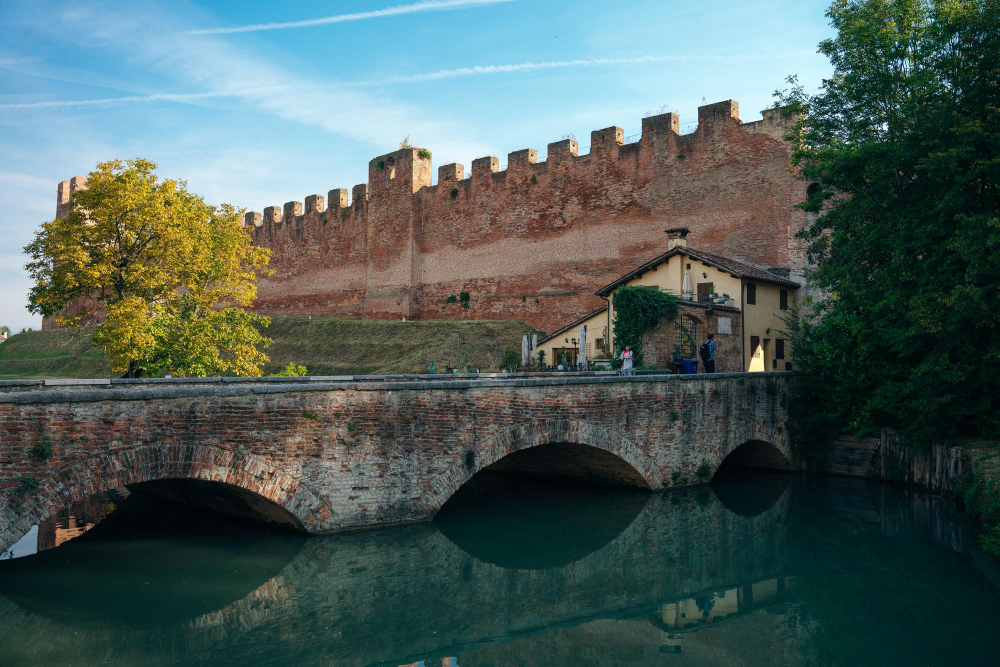
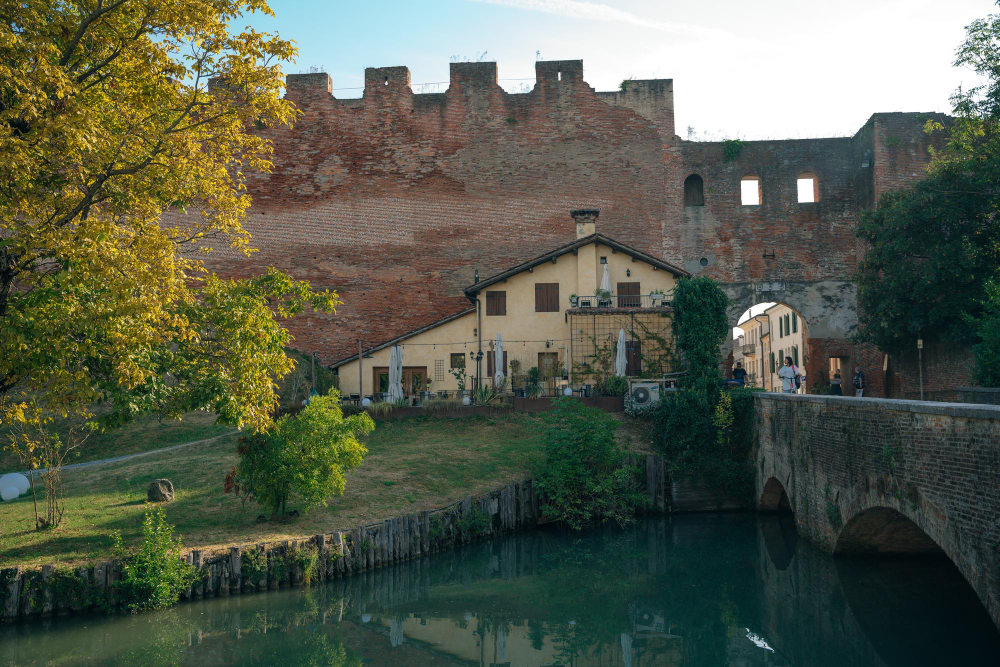
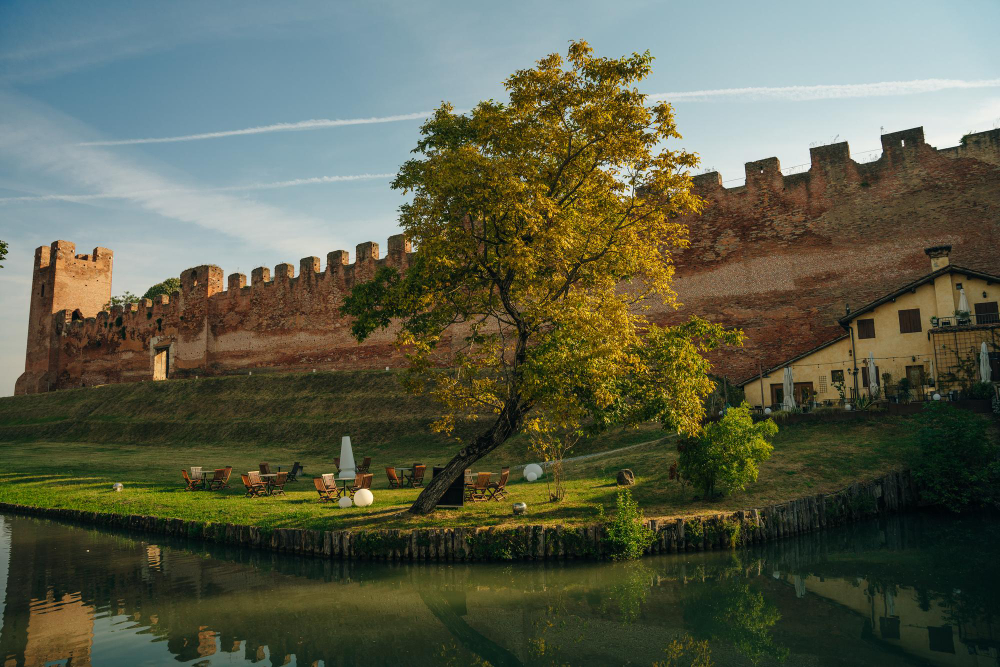
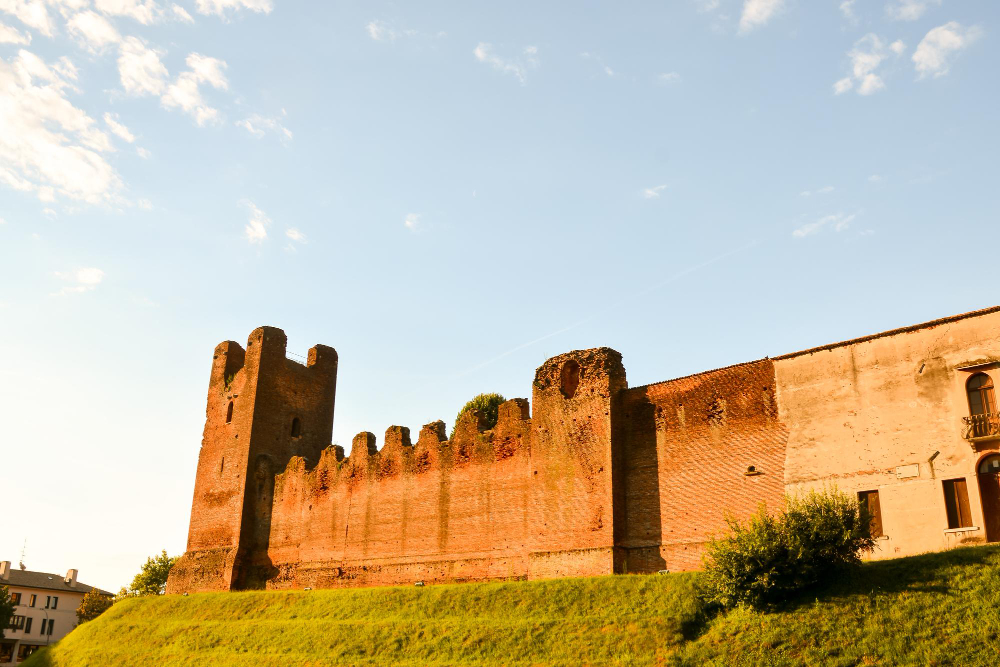
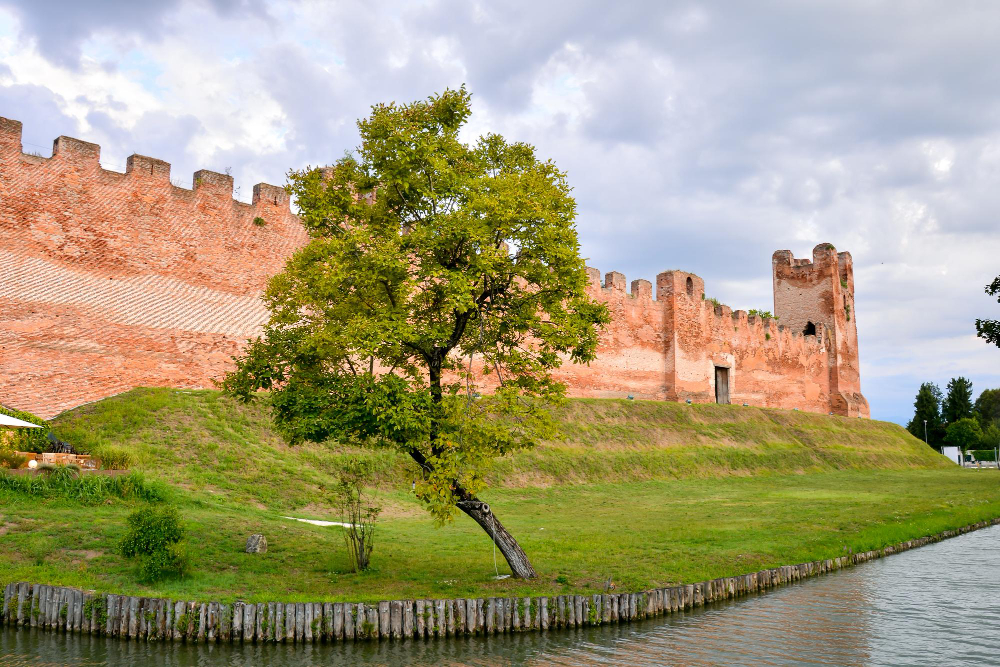
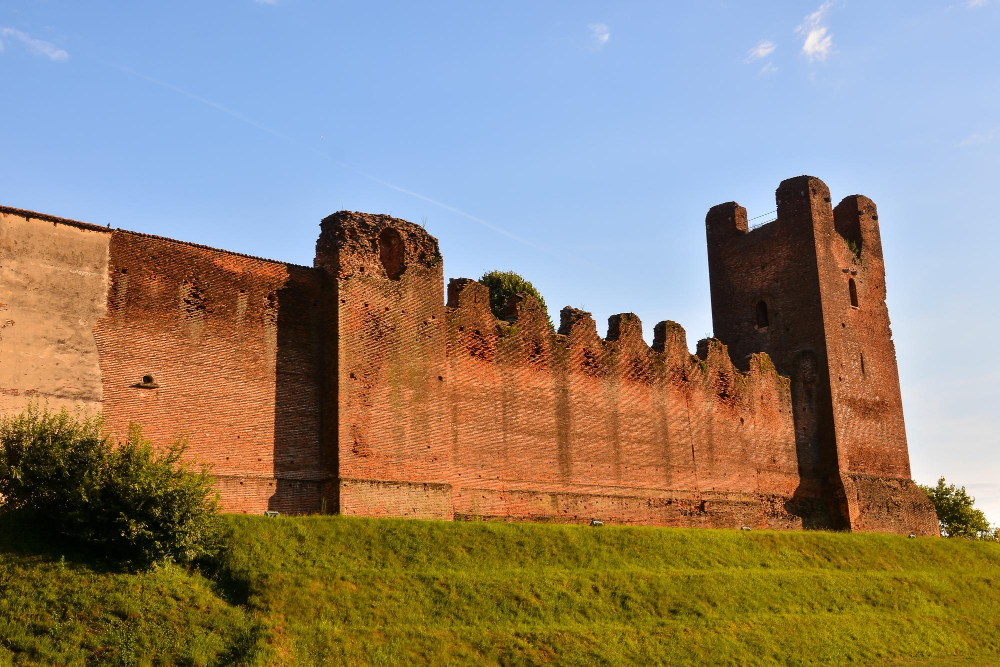
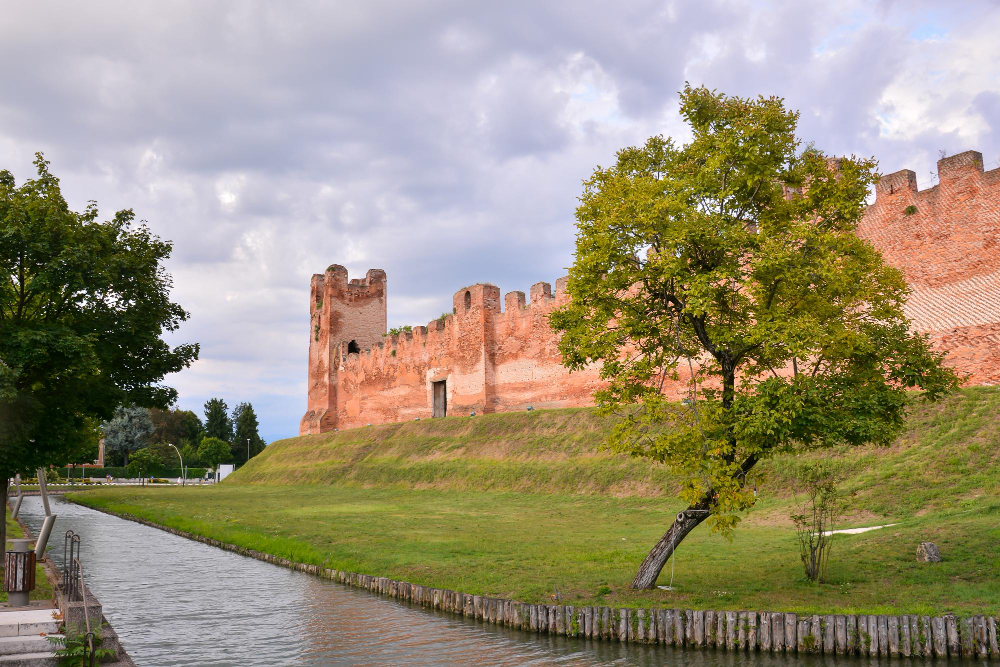
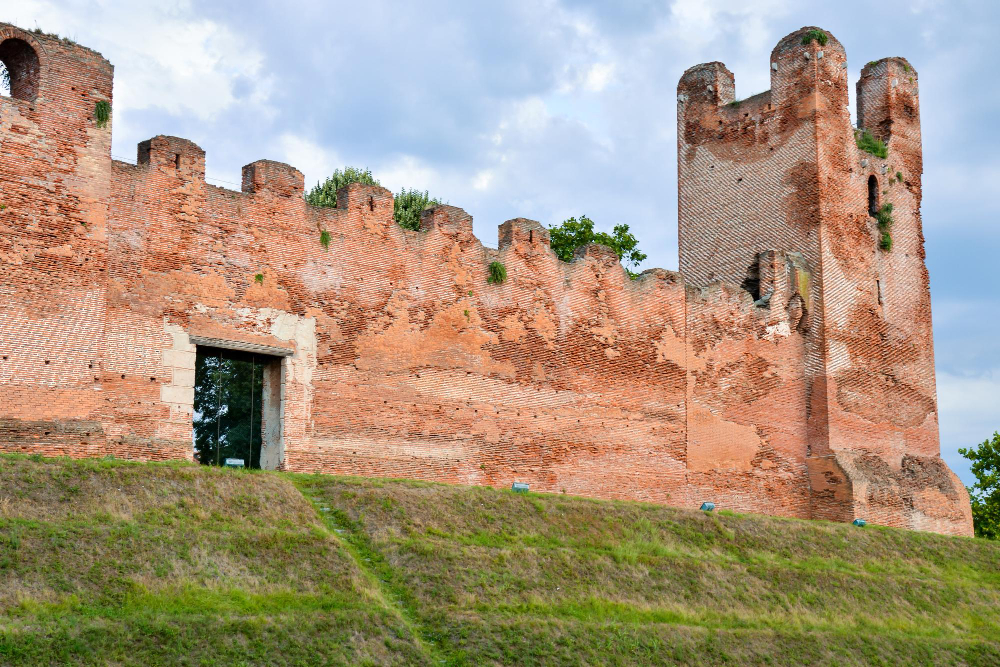
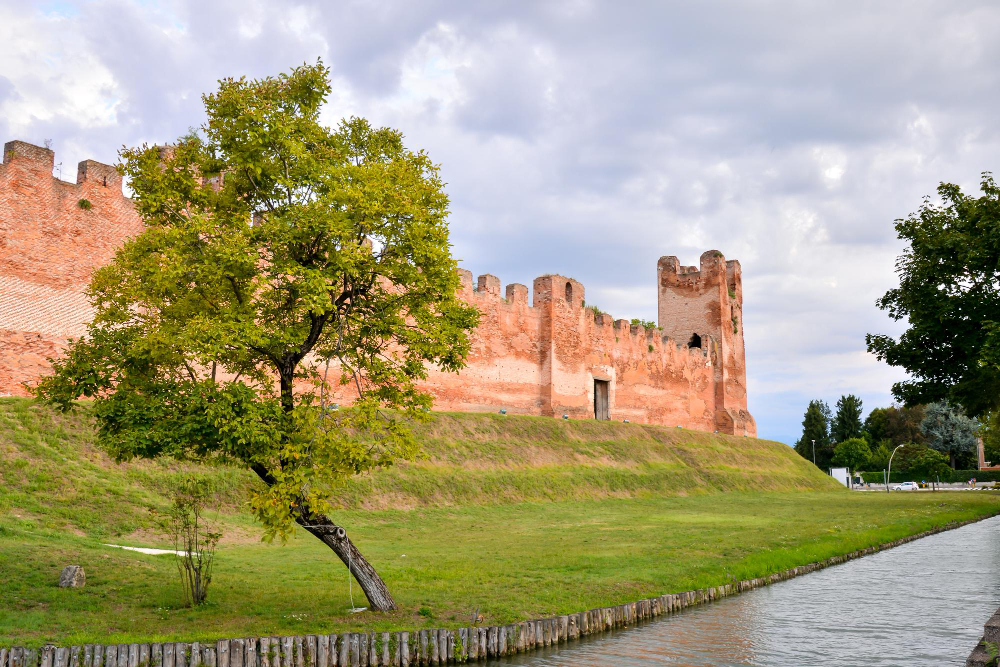
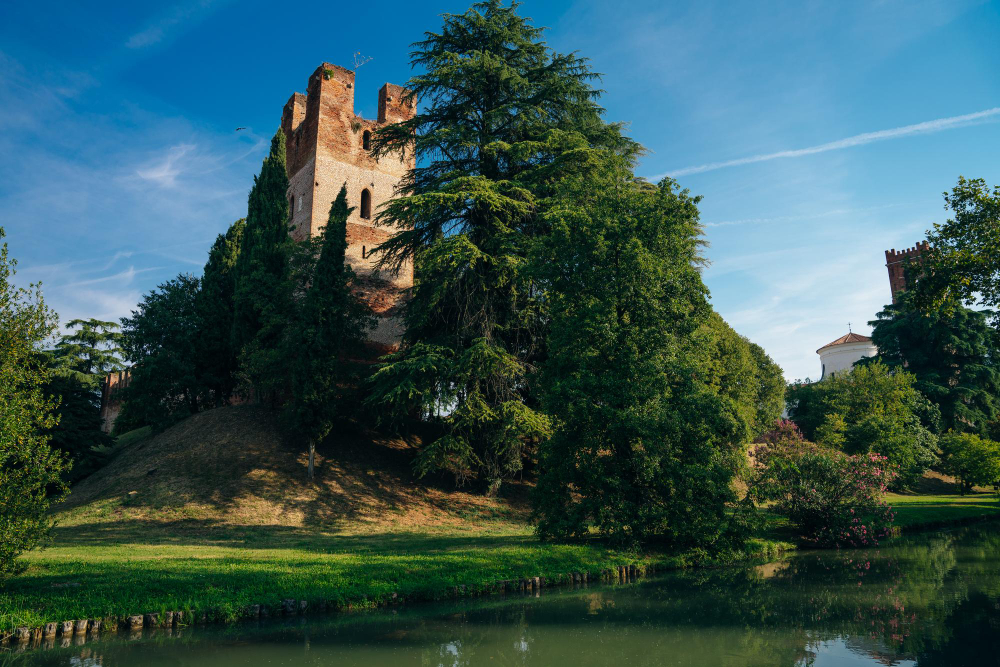
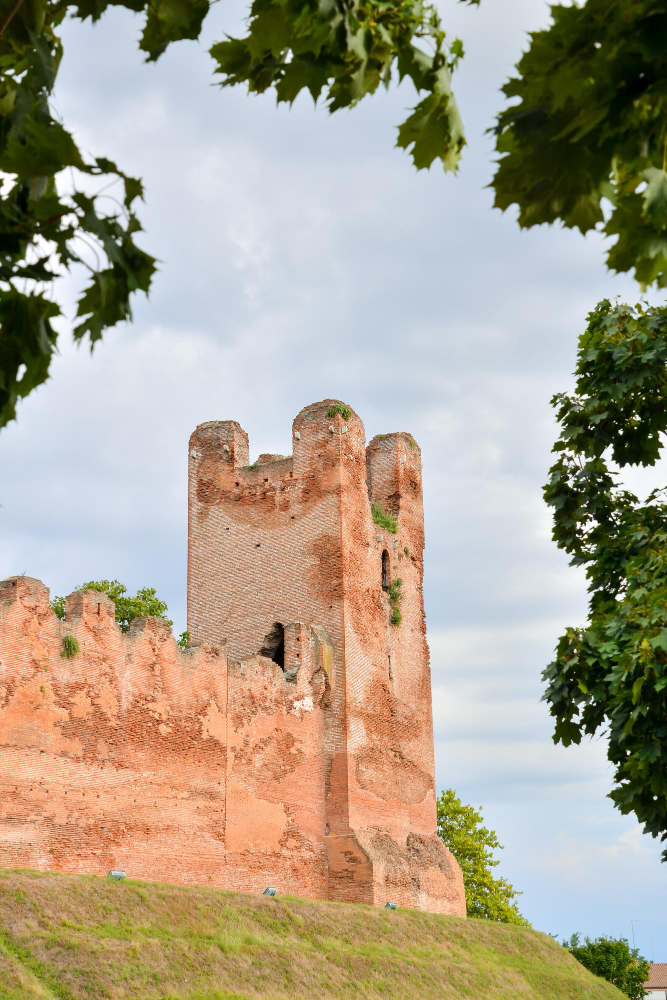
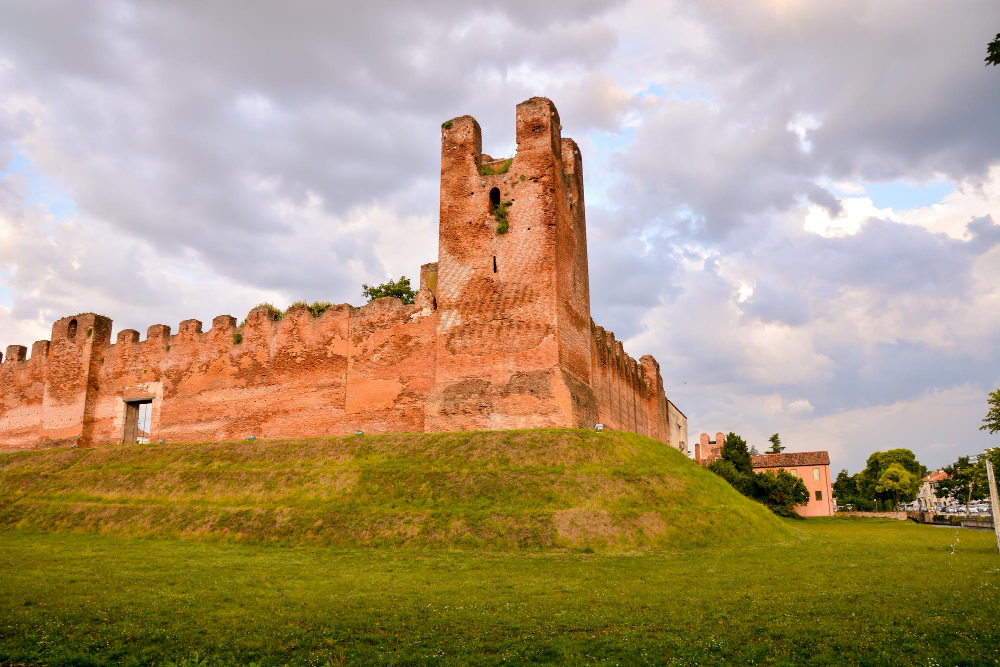
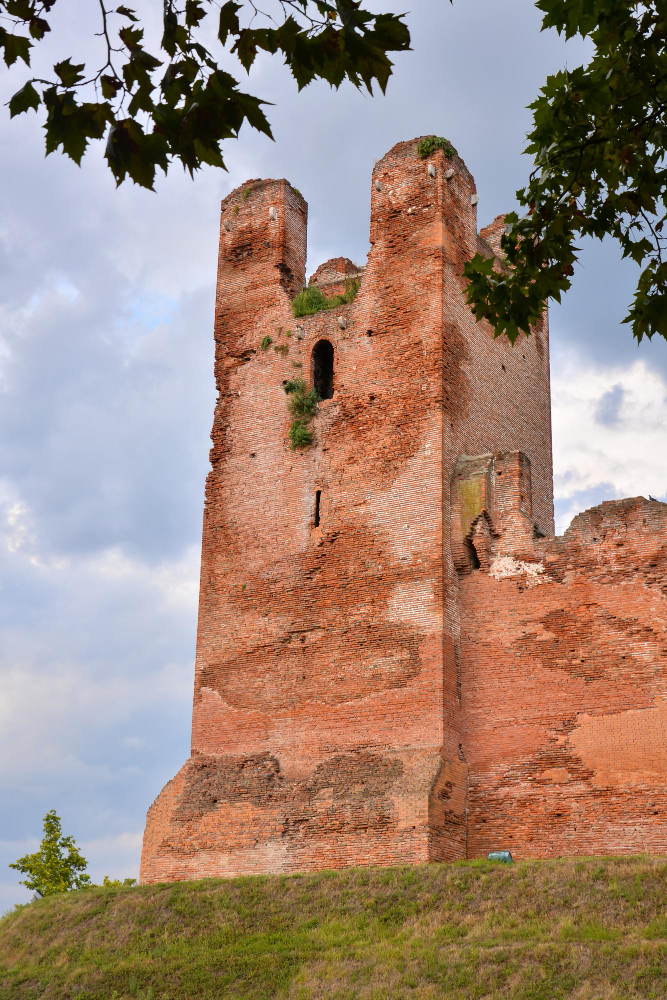
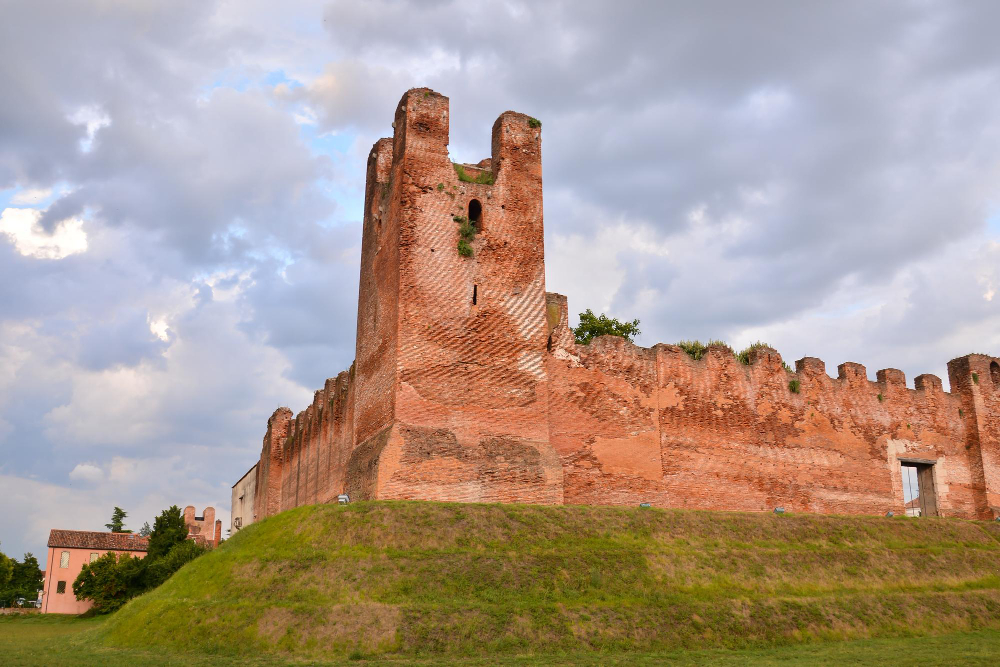
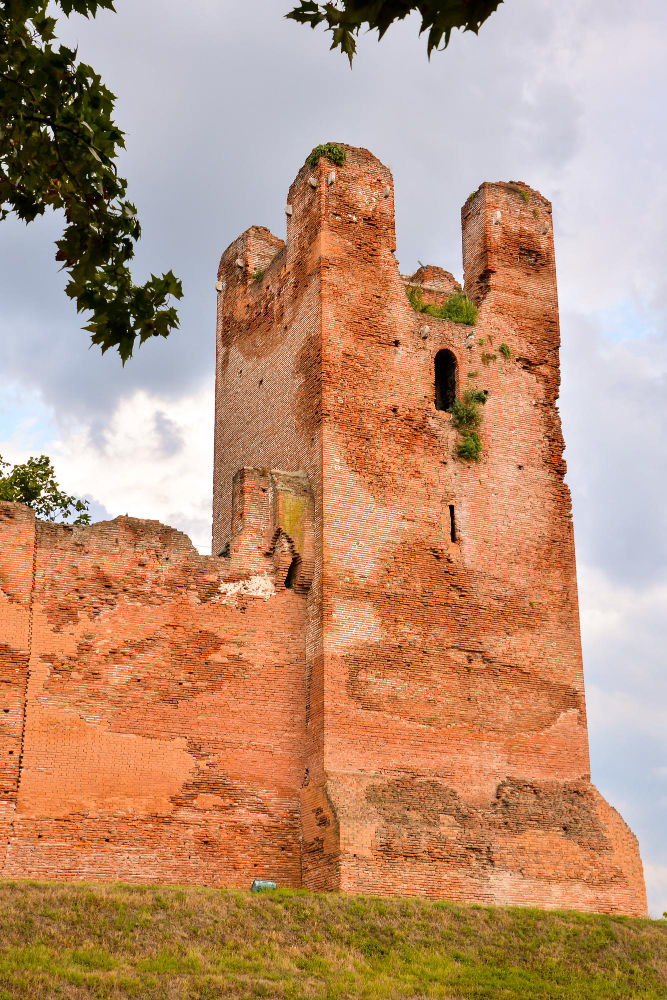
A young maid, a jealous mistress, a castle wall as a grave: the story of Bianca di Collalto is one of the best-known ghost stories in the province of Treviso. Her alleged apparitions are said to herald either good fortune or impending doom to this day. But what lies behind this sombre tradition from the Veneto? Anyone visiting the city walls of Castelfranco Veneto is first confronted with a different past: fortified brick walls, towers and moats are a reminder of the time when the fortified town was founded in the late 12th century as a border defence and refuge. Castelfranco Veneto is situated in the province of Treviso, between the historic centres of power: Padua, Treviso and Vicenza. Its almost entirely preserved town fortifications make the town a particularly impressive example of medieval military architecture in the Veneto. Yet the region is not only rich in visible traces of its history. Ancient legends also live on in the surrounding countryside – tales of castles, noble families, betrayal and restless souls. The most famous of these does not lead directly within the walls of Castelfranco, but to the Castello di Collalto near Susegana, north of Treviso. There, the ghost of the young Bianca di Collalto is said to haunt the castle: a figure dressed in white, the sight of whom has been interpreted as an omen for centuries. The tale is dramatic, sombre and full of classic motifs from European ghost stories. At the same time, it is closely linked to the history of a prominent noble family – the Counts of Collalto. Naturally, there is no definitive proof of the ghostly apparition itself; it belongs to the realm of local folklore. Nevertheless, it has become so deeply ingrained in the region’s cultural memory that Bianca di Collalto is now regarded as one of the best-known ‘white ladies’ of Veneto.
A castle overlooking the Piave – Collalto Castle stands on a hill overlooking the Piave valley. Its location was strategic: from there, the surrounding countryside could be controlled, and the complex offered protection in a landscape that was repeatedly marked by territorial conflicts during the Middle Ages. The Collalto family is one of the oldest and most influential noble families in Veneto. For centuries, their estates and political connections extended far beyond the boundaries of today’s municipality. Over the course of its long history, the Castello di Collalto has been altered, damaged and rebuilt on several occasions. Wars, sieges and, in particular, the fighting of the First World War left their mark. It is precisely this blend of real history and ruined, sometimes difficult-to-access architecture that provides fertile ground for legends. Where walls are ancient, rooms remain locked away and historical documents contain gaps, tales often emerge that blend history and imagination. In Collalto, the best-known of these tales centres on a young woman named Bianca. Her fate is said to have been intertwined with love, differences in social standing and deadly jealousy.
Bianca, the maid – According to traditional legend, Bianca was a young maid at Collalto Castle. She is said to have stood out for her beauty, gentleness and youth. Some versions of the story recount that the lord of the castle or a member of his family fell in love with her. However, this affection was allegedly perceived as a threat by Chiara da Camino, the lady of the castle. In the legend, Chiara da Camino is portrayed as a jealous and relentless woman. Whether the details described are historically accurate cannot be reliably verified. In local legends in particular, the plot often changes over the generations: names remain the same, whilst motifs, dialogue and dramatic details are embellished. The core of the story, however, remains the same: Bianca fell victim to a powerful woman who saw her as a rival. Tradition has it that Chiara decided to punish her servant cruelly. Bianca was neither banished, nor imprisoned, nor secretly killed. Instead, she is said to have been walled up alive in a wall of the castle. It is an image that remains unsettling to this day. The thought of being enclosed behind stone and mortar whilst still conscious is one of the oldest and most potent motifs in horror storytelling. There is no evidence to prove that such an incident actually took place. The story must therefore not be presented as a historical fact. It is precisely as a legend that it exerts its power: it lends the castle’s walls a human voice – the voice of a young woman who, it is said, found neither a grave, nor justice, nor peace.
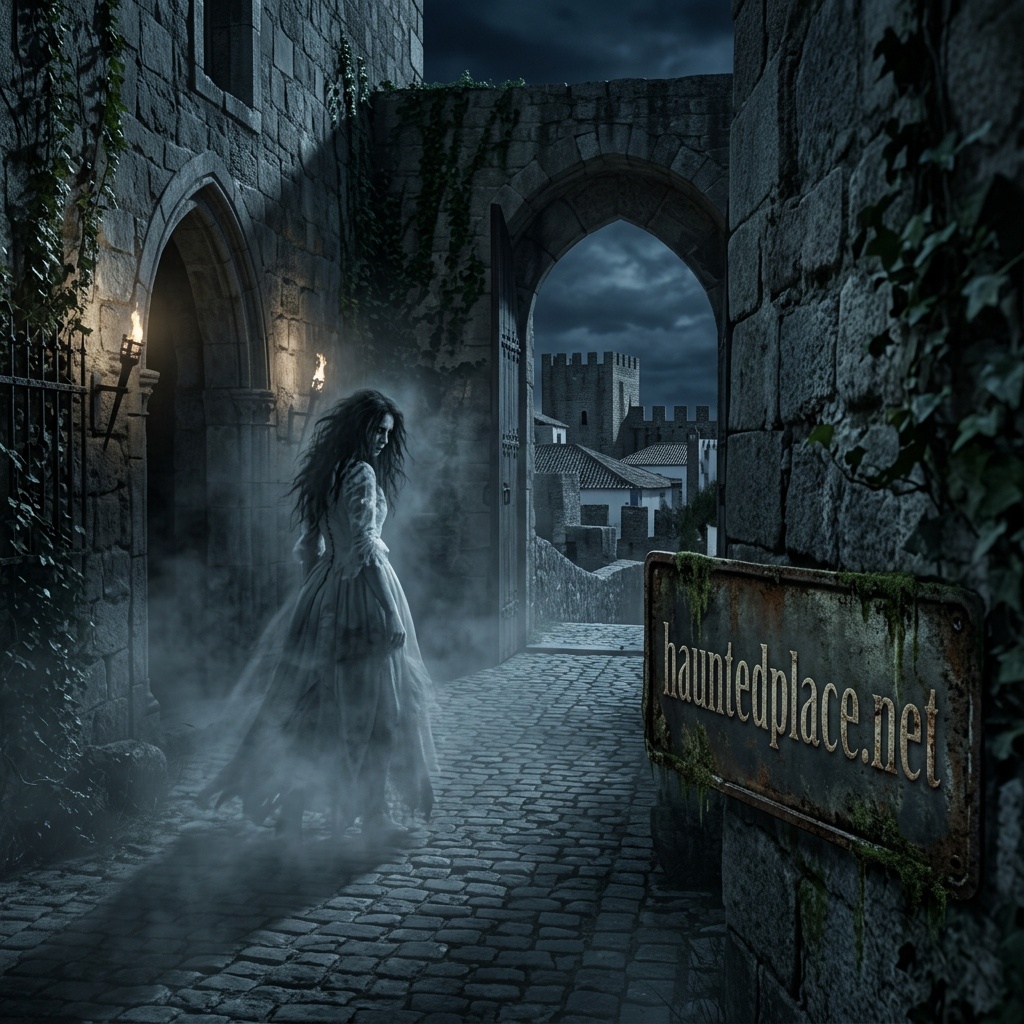
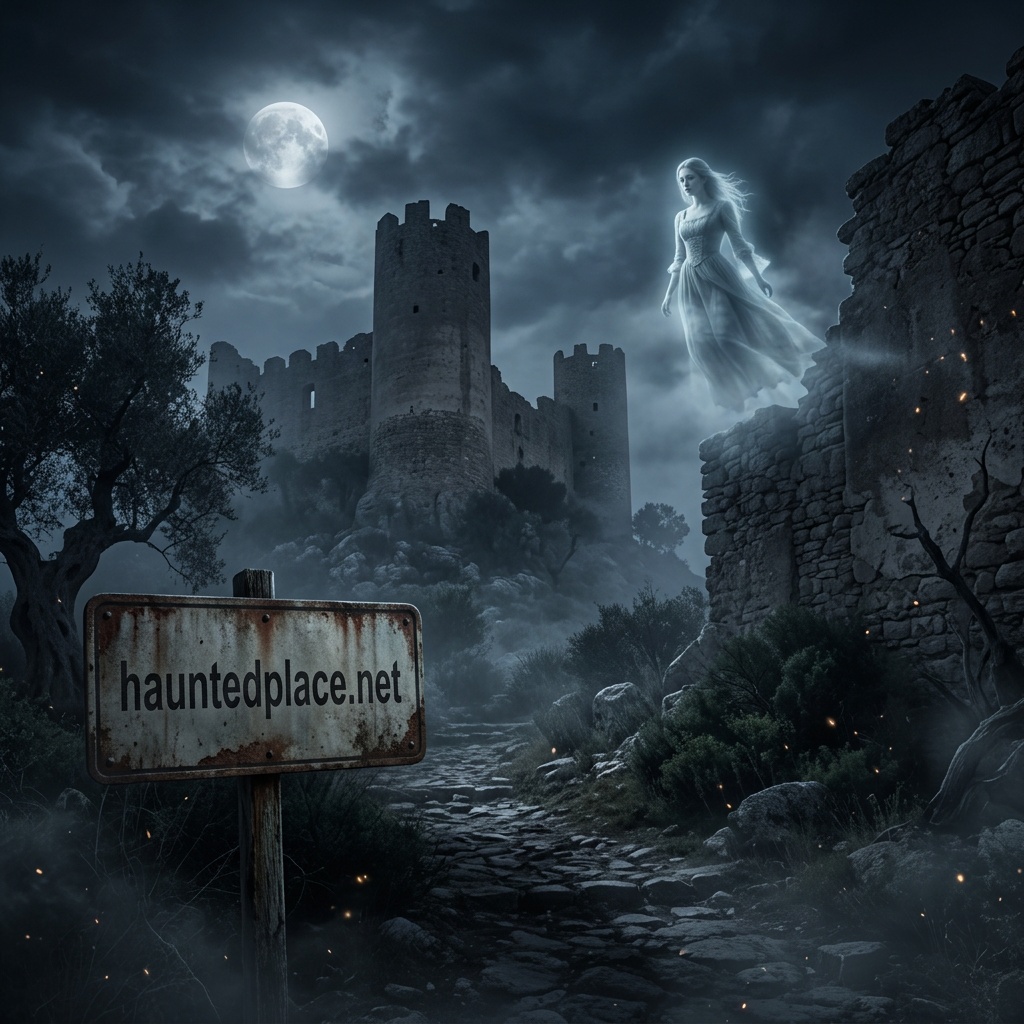
The Woman in White and the Black Veil – According to the legend, Bianca has returned to the castle as a ghost ever since her death. Her appearance is said to vary. This makes her more than just a haunting figure in local lore: Bianca is regarded as a harbinger. When she appears in a white dress, this is said to herald good news. In many European traditions, white symbolises purity, peace, hope or an impending happy change. In Bianca’s case, the pale gown also serves as a reminder of her innocence. In this interpretation, the young maid does not appear as a vengeful spirit, but as a sorrowful yet protective figure. The second form of her alleged apparition is quite different. If Bianca wears a black veil over her face, this is regarded, according to legend, as a warning. It is said that misfortune is then approaching: illness, death, war or a grave loss. The black veil transforms the White Woman into a figure of doom. It is precisely this contrast – the white gown as a good omen, the black veil as a warning – that makes the legend particularly memorable. Such interpretations form part of a widespread European pattern. The ‘White Lady’ is at home in numerous castles, palaces and manor houses: in Germany, Austria, the Czech Republic, France, Italy and many other countries. These are often women who are said to have suffered injustice. Frequently, they are victims of love, family conflicts, violence or social constraints. Their spirits remain bound to the place where they died or suffered. Bianca di Collalto follows this pattern, yet bears the hallmark of the Veneto. Her story combines the splendour of ancient noble families with the darker sides of feudal power structures. In the legend, the servant has scarcely any agency; others decide the course of her life. Precisely for this reason, her later return as a ghost becomes a reversal of the old order: the silenced woman becomes a messenger, the walled-in woman an apparition, the powerless woman a figure whose very sight even the powerful must fear.
Between Castelfranco and Collalto: a landscape of memory – Castelfranco Veneto and Collalto are not immediately adjacent to one another, but in the tourist and cultural memory of the province of Treviso they are often viewed as part of a wider network of medieval towns, castles and fortified settlements. Castelfranco itself is best known for its city walls, which were built at the end of the 12th century in response to the political tensions of the time. The structure is not merely a backdrop, but a testament to the necessity of protecting towns against attack. Today, the walls of Castelfranco appear orderly and monumental. Collalto Castle, by contrast, with its long and conflict-ridden history, evokes a stronger sense of mystery and loss. Both places, however, demonstrate how closely architecture and narrative are intertwined. Fortifications were built to protect people – yet in legends they often become the scenes of imprisonment. This lends the story of Bianca a special symbolism. Whilst a town’s walls promise protection from the outside world, the castle’s walls, in this narrative, become the scene of a crime from within. It is not an enemy laying siege to the castle; rather, the violence is said to stem from within the household itself. This is what makes the legend so unsettling: the supposedly safe home becomes a place of threat.
What is historically documented – and what remains legend – With such a dramatic story, the distinction between historical tradition and folk embellishment is crucial. The existence of the Collalto family and the castle is historically documented. The da Camino family also played an important role in medieval Treviso. However, the specific narrative concerning Bianca, her relationship with a lord of the castle, Chiara’s jealousy and the walling-up whilst still alive is part of the legend. There is no generally accepted historical evidence to confirm the spectacular details of the legend as fact. A responsible account must therefore make a clear distinction: Bianca di Collalto is a figure from regional folklore, not a verifiably documented historical person with a confirmed life story. This does not detract from the story’s significance. Legends are not history books, but they reveal a great deal about the fears, values and beliefs of the societies that pass them on. In Bianca’s case, the themes are jealousy, social hierarchy and female vulnerability. At the same time, the legend speaks of the desire that injustices committed should not be completely forgotten. In this sense, the ghost is a reminder: it returns because the past cannot remain silent.
The Allure of the Unknown – Anyone travelling through the Treviso area today will find no concrete evidence to prove that Bianca wanders through the ruins of Collalto at night. Nor should visitors expect to encounter a ghostly apparition as a tourist attraction. The value of the story lies not in proof, but in its atmosphere and its cultural legacy. Perhaps the legend has its greatest impact precisely when one does not read it as a sensational news report. The castle, the ancient family names and the medieval landscape are real. The white figure with the dark veil, on the other hand, belongs to the realm of folklore. Between the two lies that narrow, fascinating space where history and myth meet. When the evening light fades over the hills of Collalto and the castle walls stand dark against the sky, the ancient legend suddenly seems less distant. Then it seems possible that every crevice in the stone holds a story – including that of a young maid named Bianca, whose voice, according to legend, has still not fallen silent.