 Isabella Mueller Baroness of Stainton le Vale
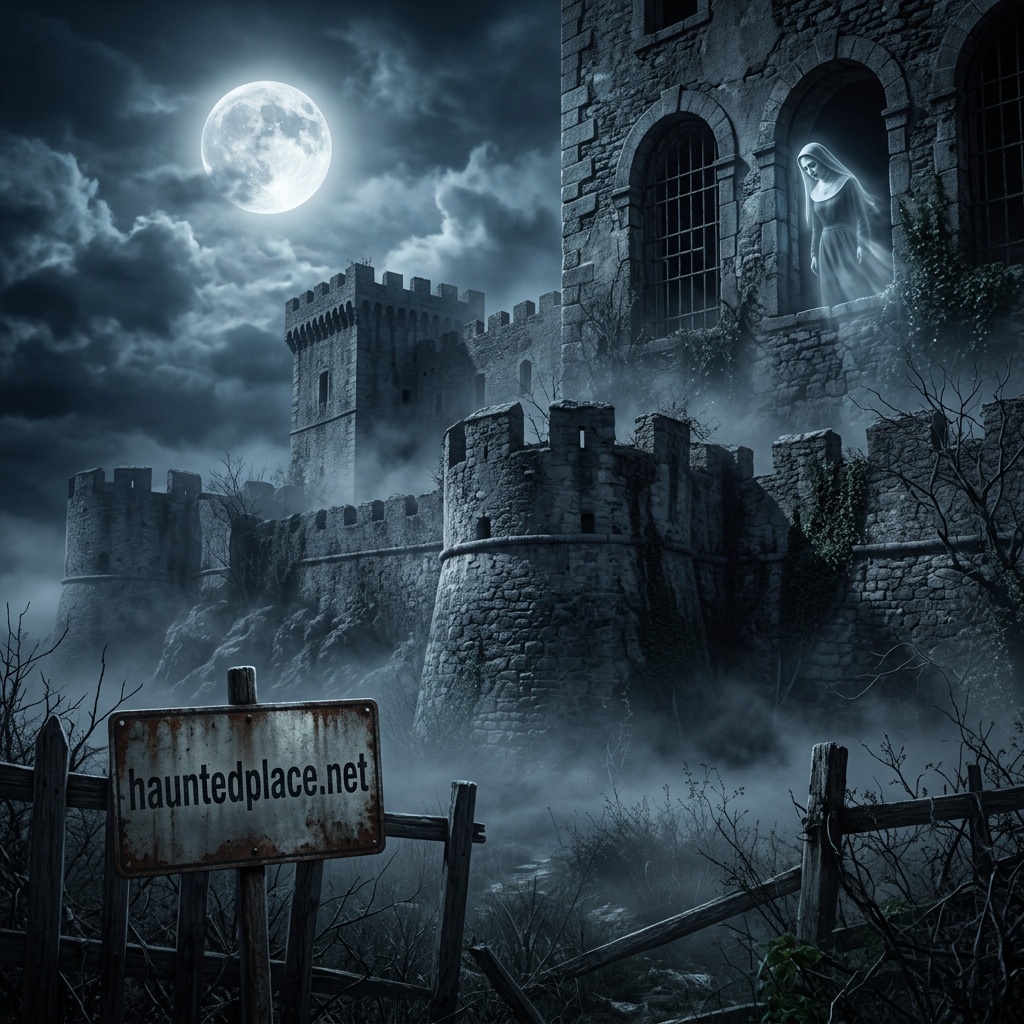
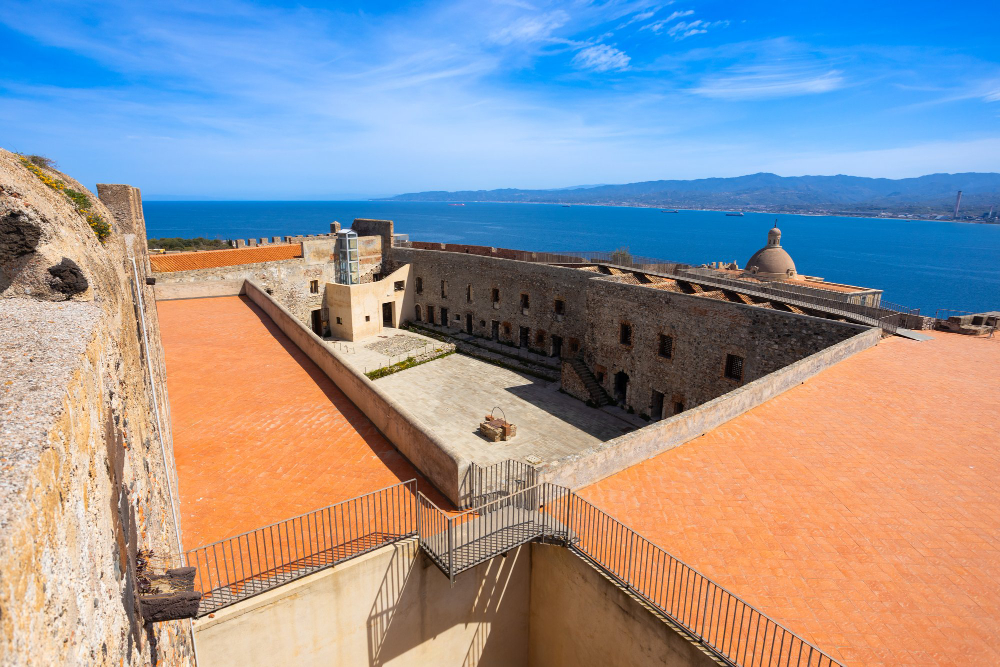
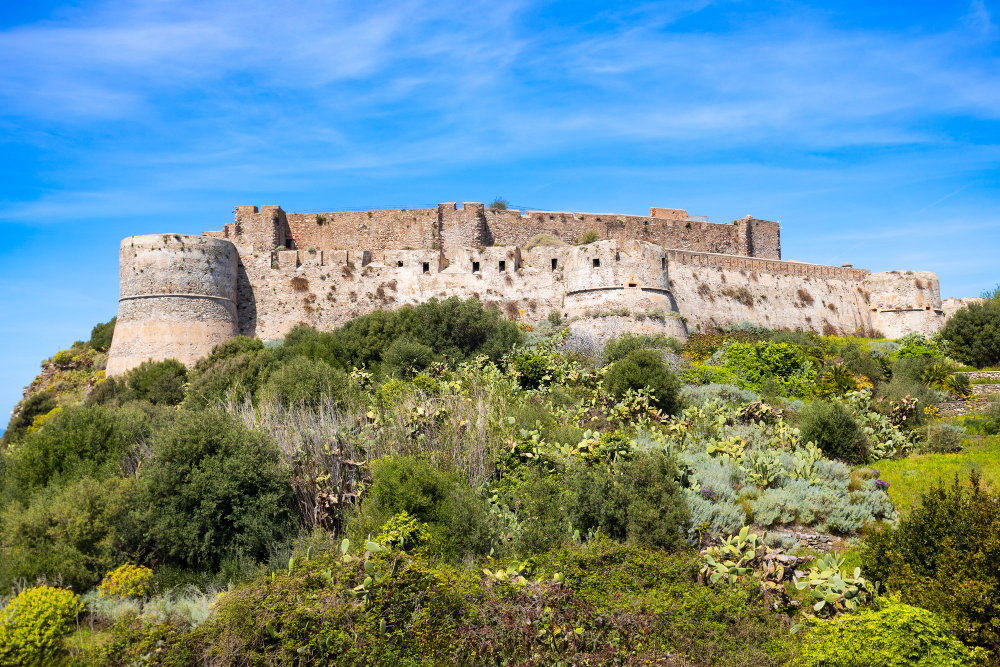
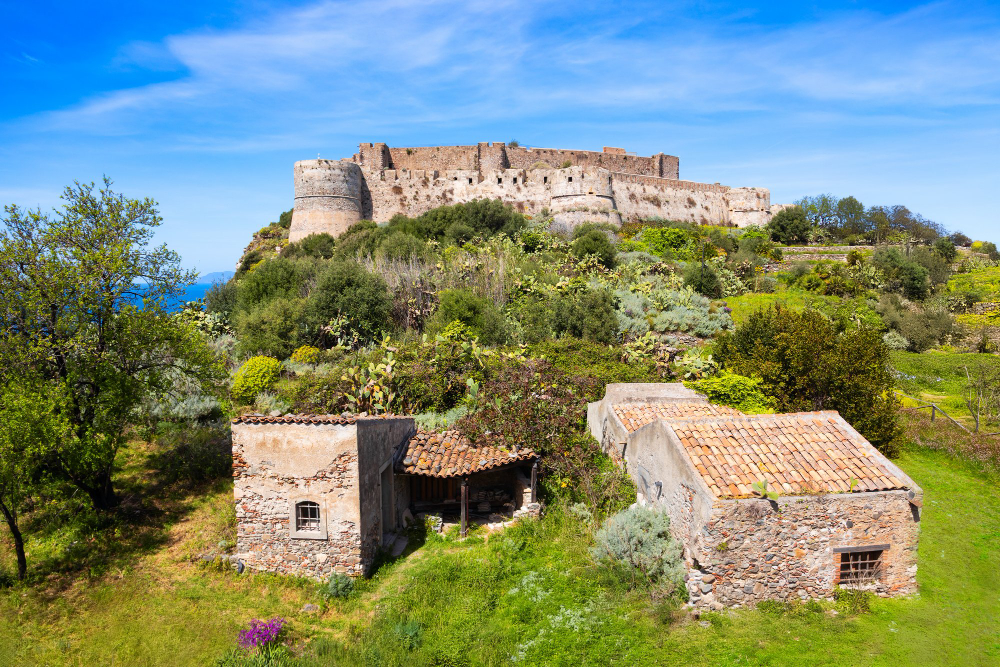
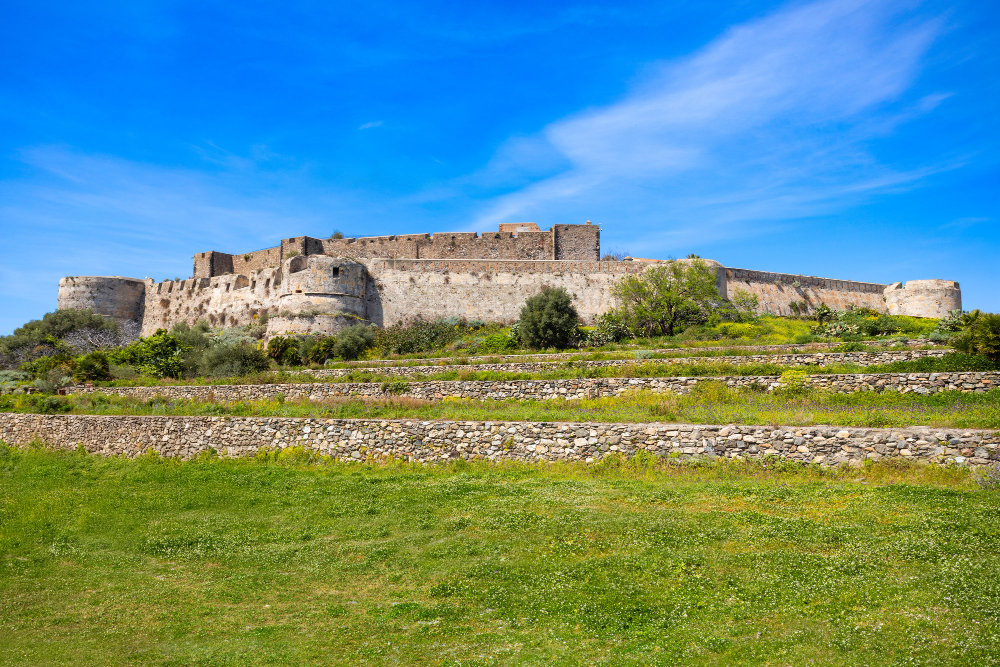
Towering high above the north-eastern coast of Sicily stands the Castello di Milazzo, one of the island’s most impressive fortifications. Behind its mighty walls lie centuries of eventful history – and a sombre tale that remains an integral part of local folklore to this day: the story of the ‘walled-up nun’. Anyone approaching Castello di Milazzo is first struck by the sight of a massive stone structure perched on a rock above the town of Milazzo. From there, the view stretches across the Tyrrhenian Sea as far as the Aeolian Islands. In daylight, the citadel appears as an extraordinary monument to Mediterranean military architecture. But as soon as the sun sinks below the horizon and the long walls are plunged into shadow, another side of the place comes to the fore: that of stories revolving around suffering, lost love and restless spirits. The most famous legend of the Castello di Milazzo is known in Italian as ‘Il fantasma della monaca’ – ‘The Ghost of the Nun’. It tells of a young woman from a noble family, a soldier of no social standing, and a love that, according to tradition, was shattered by the rigid rules of their time. There is no historical evidence to substantiate this specific tale. It forms part of the castle’s folklore, passed down orally through the generations. It is precisely for this reason that it has endured over the generations and continues to shape the fortress’s air of mystery to this day.
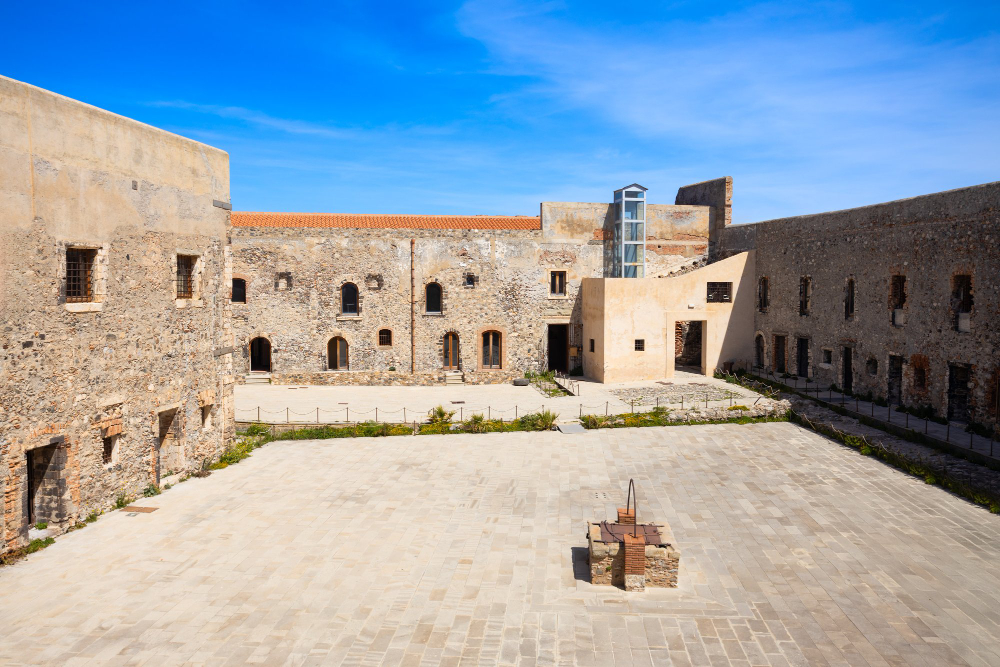
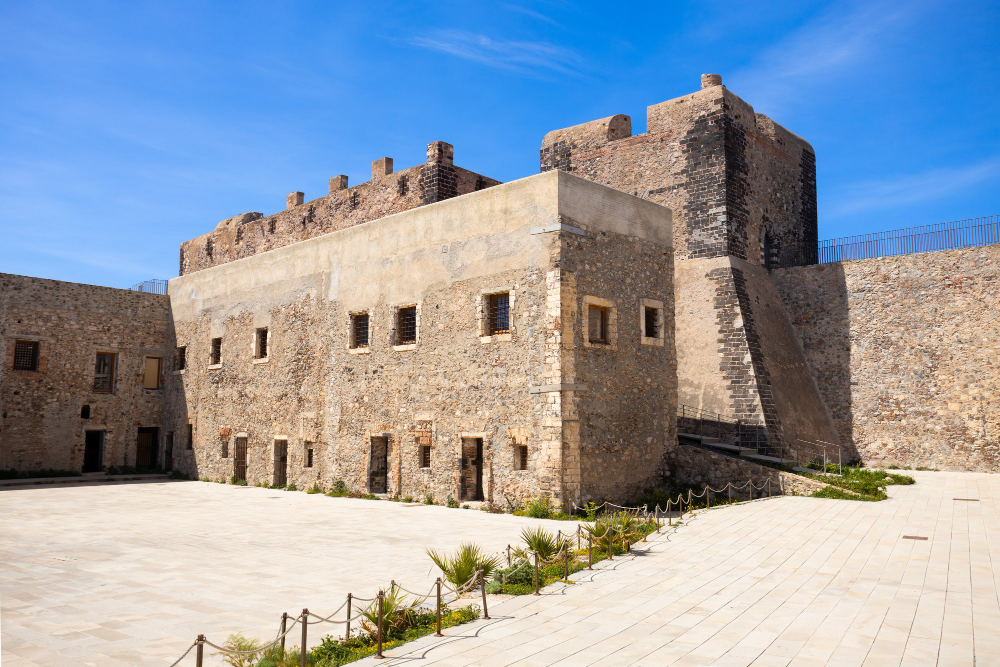
A love that was forbidden – At the heart of the legend is a young noblewoman from Milazzo. Her name is usually not mentioned in the widely circulated versions of the story. She is said to have fallen in love with a common soldier who was serving in or near the fortress. For a family of high social standing, such a union was therefore unthinkable: in earlier centuries, background, wealth and social expectations often determined whom a young woman was permitted to marry – or, indeed, whom she should not marry. When the family learnt of the relationship, they are said to have attempted to put an end to it once and for all. According to tradition, the young woman was taken to a Benedictine convent within the castle grounds and forced into monastic life. In the legend, her confinement to the convent is not portrayed as a voluntary religious choice, but as a means of control: the family wanted to separate their daughter from her lover and eradicate the relationship, which they considered shameful. Yet the two lovers, as the story goes in Milazzo, continued to find ways to see each other in secret. Within the winding passages of a fortress, the construction of which spanned centuries, the notion of secret meetings provides a particularly evocative setting. Gates, staircases, courtyards and narrow passageways ensure that the legend remains vivid to this day. The story thrives on the contrast between the austere walls of the convent and the desire for freedom which the young woman allegedly refused to relinquish. Eventually, the secret affair is said to have been discovered. What happened next forms the most gruesome core of the tradition: the young nun is said to have been walled up alive in a wall of the convent. From today’s perspective, the punishment seems inconceivably brutal. It is precisely this monstrosity that explains why the tale should be understood not as a sober chronicle, but as a horror legend. There is no generally accepted historical evidence that the woman was actually walled up. The legend does not claim to be a documented court record, but rather condenses the fears and power dynamics of bygone times into a dramatic image.
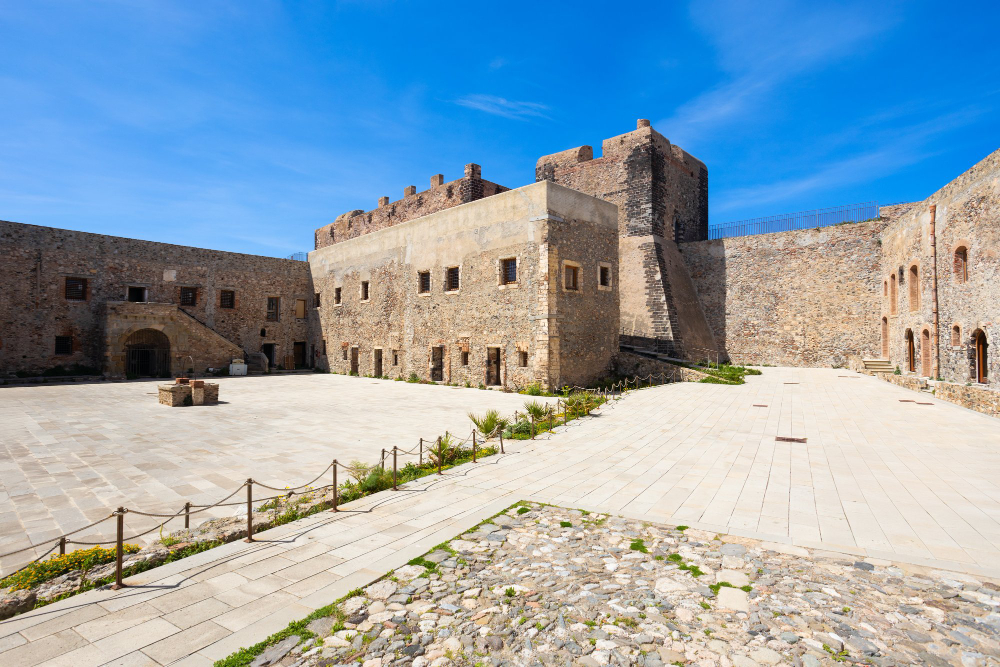
Sighs on Full Moon Nights – The story does not end with the young woman’s death. According to legend, her soul remained in the castle. Visitors and local residents recount, in various versions, that her wailing can be heard. It is said that, particularly on full moon nights or on nights in March, a drawn-out sigh pierces through the ancient walls. Other versions speak of a pale figure appearing at a window. The image of the nun at the window is a classic motif in European ghost stories. In the case of Milazzo, it gains added impact through the real architecture. The citadel does not consist of a single structure, but rather a complex arrangement of various defensive and residential areas. Its history stretches far back: fortifications already existed on the hill in ancient times. Over the centuries, the Byzantines, Normans, Staufers, Aragonese and Spaniards, amongst others, left their mark. The complex was repeatedly extended, rebuilt and adapted for military purposes. Today’s Castello di Milazzo is regarded as one of the largest fortified citadels in Sicily. The extensive walls, bastions and interior spaces are visible testimonies to a region that was long contested. In such an environment, legends arise almost inevitably. Where history leaves gaps, the imagination fills them with voices, shadows and inexplicable noises. Of course, the nun’s alleged wailing can also be explained rationally. Wind can blow through openings and passageways, sea air buffets the masonry, and sounds from the town can echo through the complex in a distorted manner. Yet it is precisely these natural phenomena that make the place so evocative for many people. A castle does not need to be demonstrably haunted to create a palpable atmosphere. The interplay of darkness, stone, wind and a centuries-old past is often enough to bring old tales to life.
Between History and Folklore – To take a responsible view of the legend, it is crucial to distinguish between documented history and local folklore. The existence of the Castello di Milazzo, its strategic importance and its various periods of construction are historically documented. The religious use of individual areas of the citadel and the presence of ecclesiastical institutions also form part of the site’s historical context. The specific story of the young noblewoman, the soldier and the woman walled up alive, on the other hand, is told primarily as a tradition. It is not linked to any clearly identified historical victim. Neither a confirmed name nor a reliable contemporary account is generally known. Visitors to the castle should therefore not regard the legend as a proven event, but rather as part of Milazzo’s cultural memory. This does not render it meaningless in the slightest. Legends often tell us less about what exactly happened than about the conflicts that have preoccupied a community over a long period of time. ‘Il fantasma della monaca’ brings together several powerful themes: the social divide between the nobility and ordinary soldiers, the restriction of women’s autonomy, the power of the family, and the notion that a violent death prevents the soul from finding rest. The motif of the walled-up woman also has a long literary and folkloric tradition. It appears in various regions of Europe in different versions of castle, monastery and house legends. It often symbolises a guilt that remains trapped within the walls of a place. In the case of Milazzo, the religious figure of the nun makes the story particularly unsettling: a place that was meant to promise protection and spiritual order becomes, in the legend, a scene of coercion and punishment.
The castle as a stage for the uncanny – However, the Castello di Milazzo is far more than merely the backdrop to a ghost story. The complex bears witness to Sicily’s strategic location at the heart of the Mediterranean. For centuries, Milazzo was an important coastal town whose harbour and surrounding hills had to be kept under military control. The fortress was therefore used and expanded by various rulers. Its structure still illustrates today how defensive technology and political power have evolved. It is precisely this historical depth that heightens the impact of the legend of the nuns. Anyone walking through the citadel is not moving through a single, clearly defined structure from a single era. Instead, paths lead past sections of wall, towers and rooms dating from different centuries. The place feels like a stone archive – but one whose pages are not entirely legible. It is within this tension that the uncanny thrives. The legend requires no photographic evidence to take effect. It thrives on the question that visitors inevitably ask themselves: what might have taken place behind these walls? And what remains of the people whose lives here were shaped by power, war, faith and family constraints? The thought of the supposedly wailing nun is particularly striking because the castle still towers over the bustling town to this day. Below lie the streets, the harbour and everyday life; above, the silent walls stand enthroned. The story of the young woman and the soldier lends this distance an emotional dimension. It transforms the fortress not only into a monument to a political and military past, but also into a place of personal, unseen drama.
A myth that haunts Milazzo – Whether the nun ever actually existed remains an open question. What is certain, however, is that her story forms part of Milazzo’s narrative heritage. It is repeatedly referenced in descriptions of the castle, in local tales and in tourist guides. Its enduring presence shows just how closely historical sites and oral tradition can be intertwined. The Castello di Milazzo can therefore be explored on two levels: as a significant structure in Sicilian history and as the setting for one of the town’s darkest legends. The facts lie in the walls, the phases of construction and the strategic location. The horror lies in what people have attributed to these walls. If, on a windy March night, a sound drifts through the corridors of the old citadel, there will probably be a natural explanation for it. Yet in Milazzo, some might still think of that nameless young woman who, according to legend, had to pay a cruel price for her love. And perhaps that is precisely the power of ‘Il fantasma della monaca’: not the definitive proof of a ghost, but the notion that some stories refuse to fall silent, even when their truth has long been hidden behind thick walls.