 Isabella Mueller Baroness of Stainton le Vale
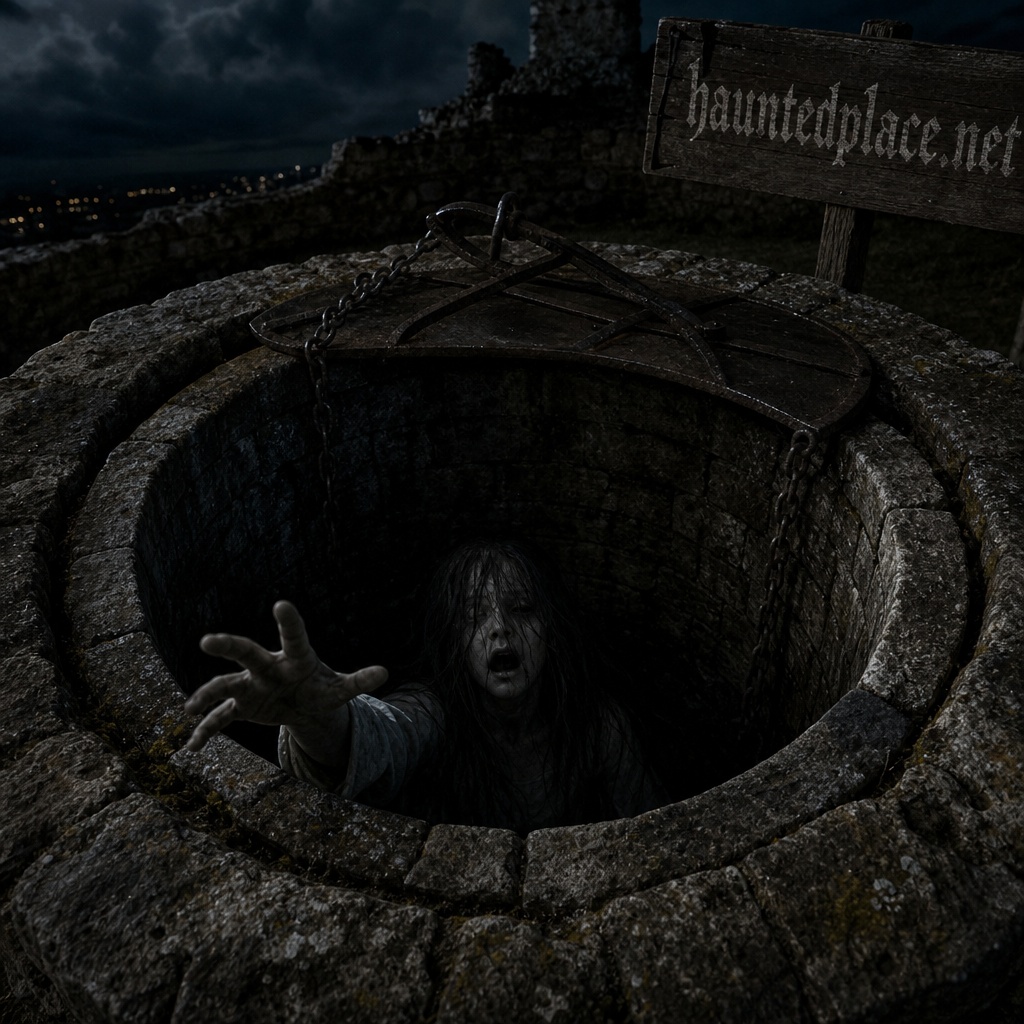
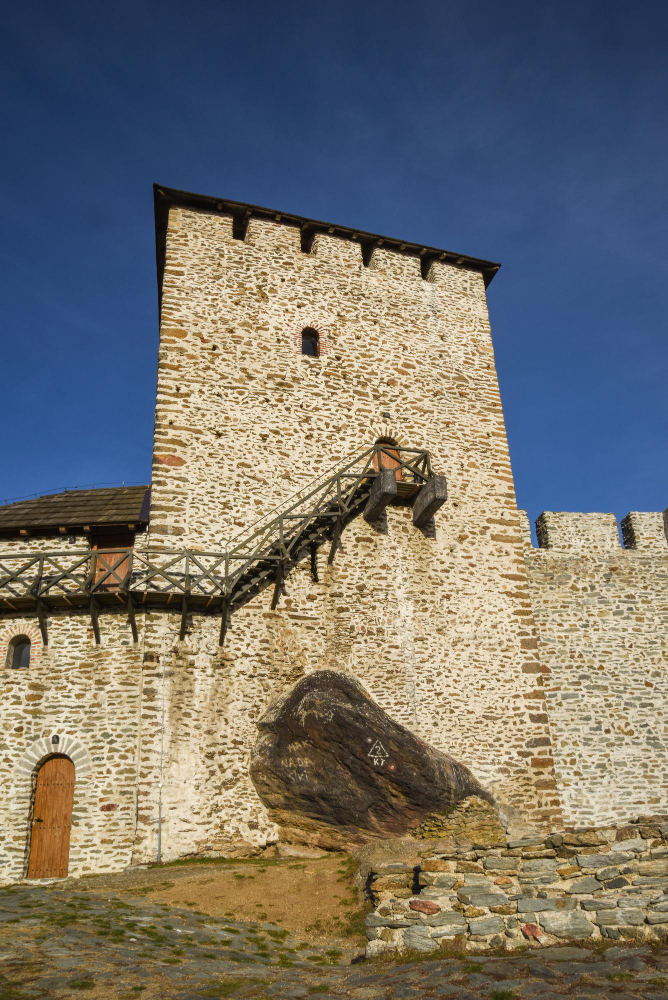
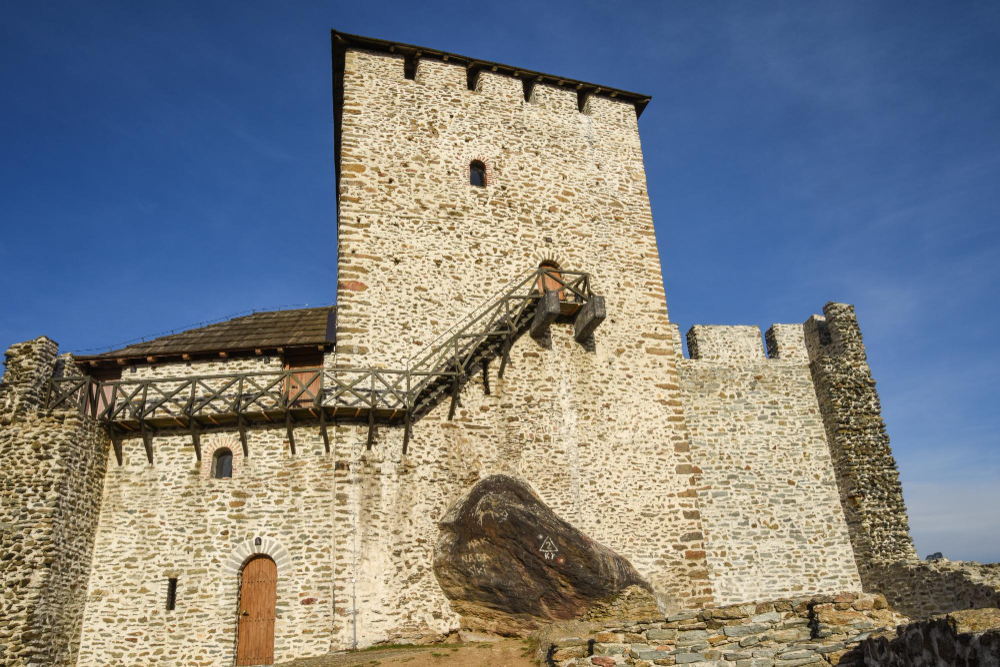
When the wind sweeps across the hill of Vršac at night, the old fortress overlooking the Serbian town is transformed. By day, the Vršačka kula, the castle tower of Vršac, stands as a silent witness to centuries past: a stone remnant of medieval power, perched high above the town’s rooftops. Yet once darkness falls, a different story is told in the surrounding area. A story of a girl, a deep well and a voice that is said to still emerge from the darkness. It is the best-known ghost story associated with the fortress of Vršac. According to popular belief, a young girl died long ago in the cistern or well of the castle. She is said to have been pushed into the depths – whether through cruelty, betrayal or a quarrel, there is no single, consistent account. The only certainty is the image that lives on in the tales to this day: a child or a young woman, alone in a cold, dark shaft, hidden beneath the walls of a fortress.
In this legend, the well is not merely regarded as the site of a tragedy. It becomes the focal point of a troubled past. It is said that anyone who approaches it at night may hear faint weeping from the darkness. Sometimes it sounds like a whisper, sometimes like a stifled cry for help. Others claim to have seen a pale, whitish figure near the old ruins – motionless between the walls, as if waiting for someone. Vršac Castle stands on a hill on the outskirts of the town, near the Banat plain. Its visible remains date back to the Middle Ages. The complex was part of a turbulent border region shaped over the centuries by changing rulers, military conflicts and political power struggles. It is precisely such places that often become a breeding ground for legends. Where walls crumble, names are forgotten and events are handed down only in fragments, the imagination fills in the gaps.
In the case of Vršac Fortress, it is above all the sense of depth that makes the story so compelling. A castle well is no ordinary place. It is narrow, damp and dark. Even by day, its interior feels like a sealed-off space outside of time. A cry that falls into such a shaft is not lost immediately. It bounces off stone walls, grows fainter, becomes distorted and returns as a barely audible echo. Perhaps it is precisely this echo that explains why the legend remains so vivid to this day. Yet on the nights of which local residents speak, it is said not to be an echo at all. They speak of a sound that does not seem to come from the surroundings. At first, it is merely a barely perceptible sound amidst the gusts of wind. Then it turns into a sob. It is said to begin so softly that visitors might think an animal is hiding in the bushes. But the longer one stands there, the more human it seems. Eventually, one feels as though one is hearing a young voice – exhausted, pleading and full of fear.
‘Help’ is sometimes said to be the word that some claim to have recognised in it. No one can say when this tale first originated. It was not recorded in any single chronicle and has no definitive historical version. Like many regional legends, it presumably changed with each generation. In some versions, the girl is the daughter of a lord of the castle. In others, she is a maid who is said to have witnessed something forbidden. Still others tell of a young woman in love whose fate was sealed by jealousy or domestic violence. This uncertainty heightens the horror. For the figure has no fixed name. She is not tied to any clearly recorded deed. She remains the nameless girl in the well – a shadow from a time that offers no answers.
One can imagine a moonless night, when the ruins are visible only as black silhouettes against the sky. The path up to the castle is silent. Small stones crunch underfoot, and every step seems too loud. A chill gathers between the walls. Even in summer, the air up there can suddenly feel heavy and damp, as if it were rising from the very heart of the earth. Then you stand at the edge of the old well. Nothing can be seen. No light penetrates the depths. Just a black circle between stone and shadow. Anyone looking down might make out the rough walls, but after a few metres the darkness swallows everything. The well is not merely deep; it seems bottomless. And it is precisely there, so the legend goes, that the girl vanished.
Supposedly, she does not reveal herself to everyone. The white apparition of which some speak is said to be visible only briefly: a slender figure at the edge of the path, a pale dress between the walls, or a pale face that emerges in the dim light of the night. Anyone who tries to get closer finds nothing but mist, grass and cold stone. In particularly sombre versions of the tale, the girl does not stand beside the well, but seems to be looking out from within it. No whole body, no clearly discernible movement – just a pale face beneath the stone opening. Then comes the weeping. Not loud and dramatic, but so quiet that it lingers in the memory for a long time. The story plays on a deep, primal human fear: the fear of darkness, confinement and falling. A well connects the world of the living with an invisible depth. In everyday life, it is a source of water, a place of provision and survival. In legends, however, it can become the entrance to another world. Whoever looks into it does not merely look down. They gaze into a space where time, light and safety vanish.
The castle itself reinforces this impression. Its walls symbolise protection, dominion and defence. Yet every fortress also has a dark side. Behind high walls, it was not only feasts that were celebrated and alliances forged. Castles were places of fear, punishment and violence. Prisoners, sieges, hunger and mistrust were as much a part of life in centuries past as were guards and weapons. The legend of the girl in the well therefore fits all too well into the atmosphere of a medieval ruin. At the same time, it remains a legend. There is no reliable historical evidence for the specific story of a girl who was killed in the well of Vršac Fortress. The tradition is not sustained by documents or inscriptions, but by voices. It lives on because people pass it on – on walks, within families, amongst young people and during night-time visits to the castle.
Perhaps that is precisely what has preserved its allure over the centuries. A documented story often ends with a date, a name and an explanation. The story of the castle well, on the other hand, remains open-ended. Nobody knows who the girl was. Nobody knows whether she really died there. Nobody can say for certain what visitors hear when the wind sweeps through the ruins. But anyone standing before the dark shaft on a quiet night does not need many answers. A single sound is enough. A faint sob that seems to come from the depths. A whisper amongst the ancient stones. And for a single moment, it seems as though the fortress of Vršac is not merely a medieval ruin, but a place where something has been left behind – something that could never escape the darkness of the well.