 Isabella Mueller Baroness of Stainton le Vale
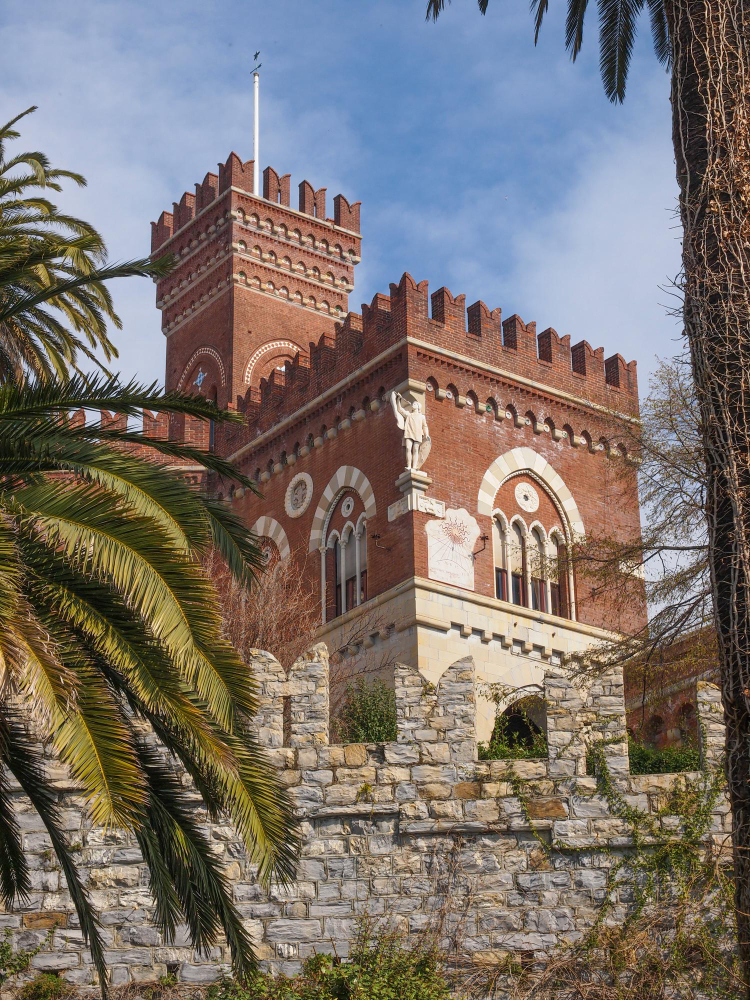
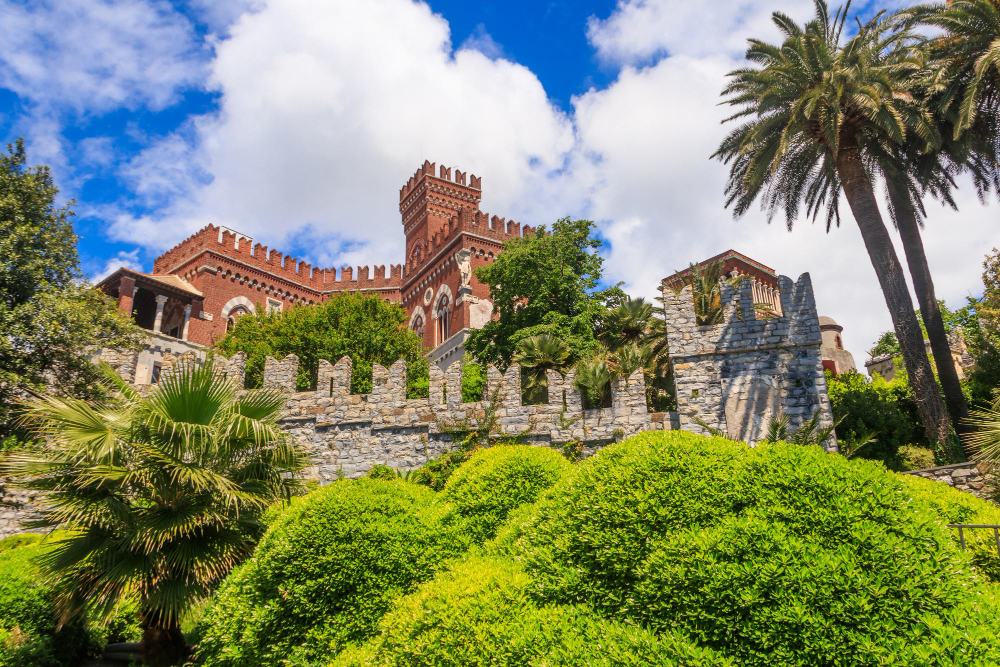
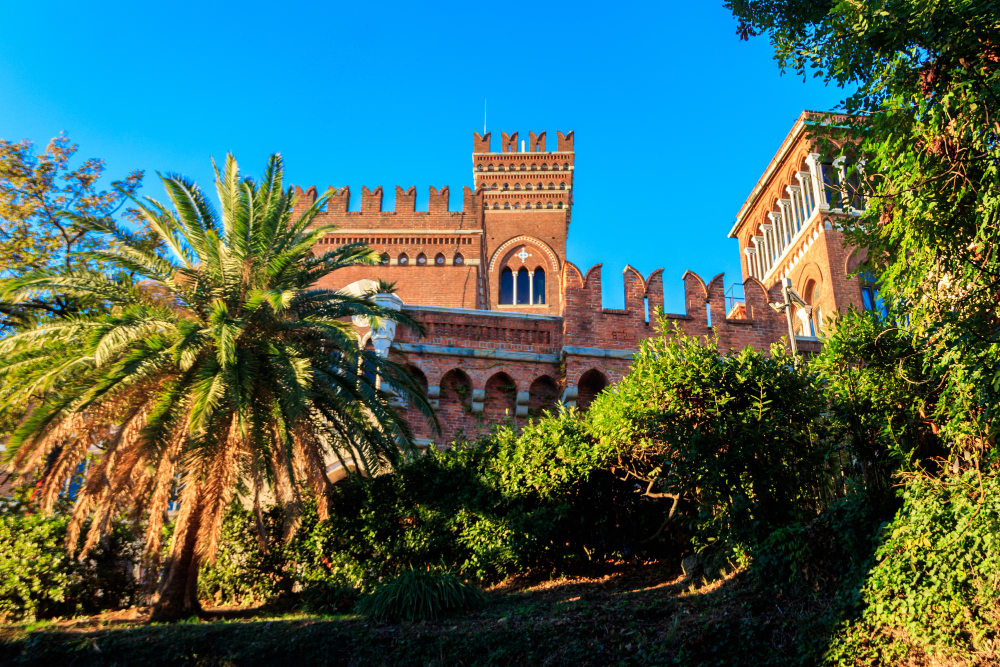
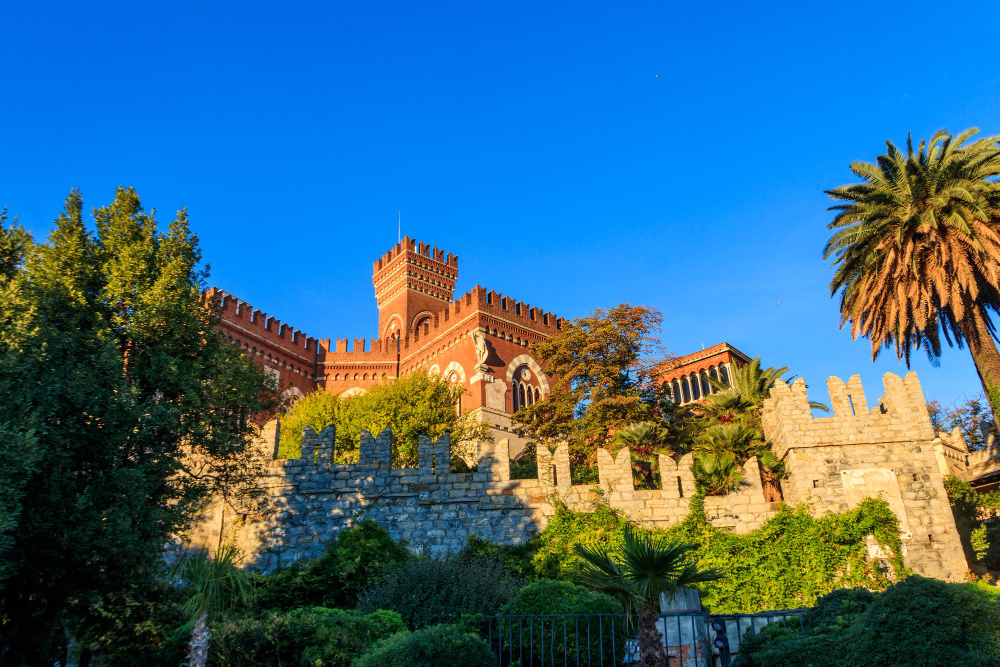
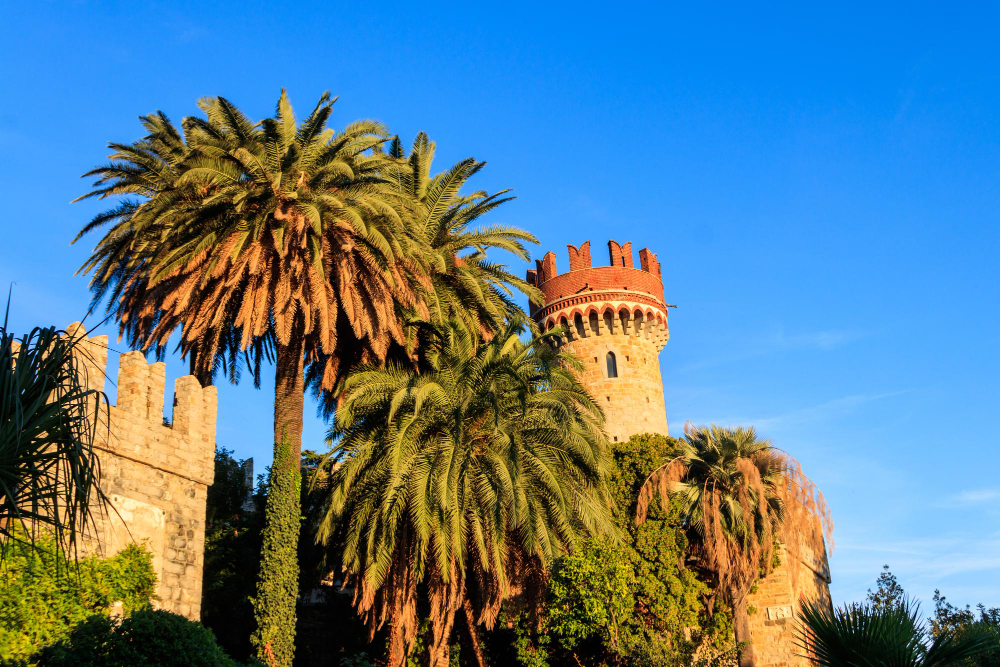
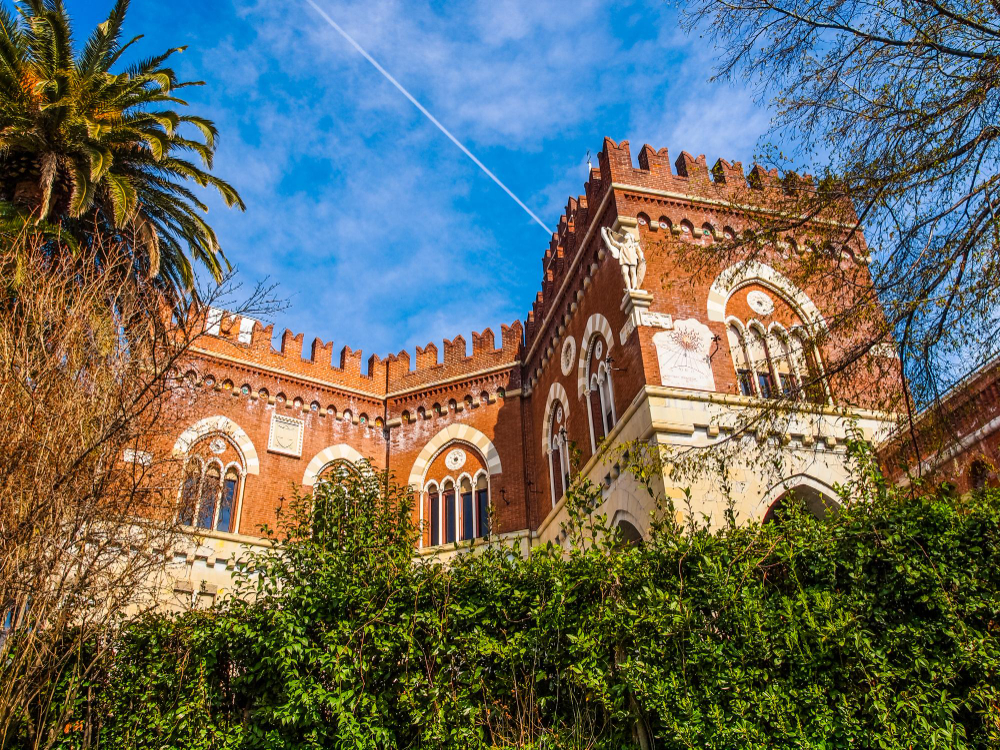
High above the narrow streets and the harbour of Genoa, Castello D’Albertis rises like a sombre reminder of centuries past. Its battlements, towers and stone walls appear older than they actually are. Anyone viewing the castle from the Castelletto district will immediately recognise why this place is shrouded in tales of nocturnal noises, invisible inhabitants and a door that, it is said, cannot be kept shut. The building was constructed between the late 19th and early 20th centuries for Captain Enrico Alberto D’Albertis. Yet its site is considerably older: The castle was built on the remains of a 16th-century fortification. This historical link to the old city defences, together with the house’s unusual architecture, has long made Castello D’Albertis a place that attracts visitors not only for its collection and views. Time and again, a particularly unsettling legend crops up in local tales: the story of a door that slams shut at night.
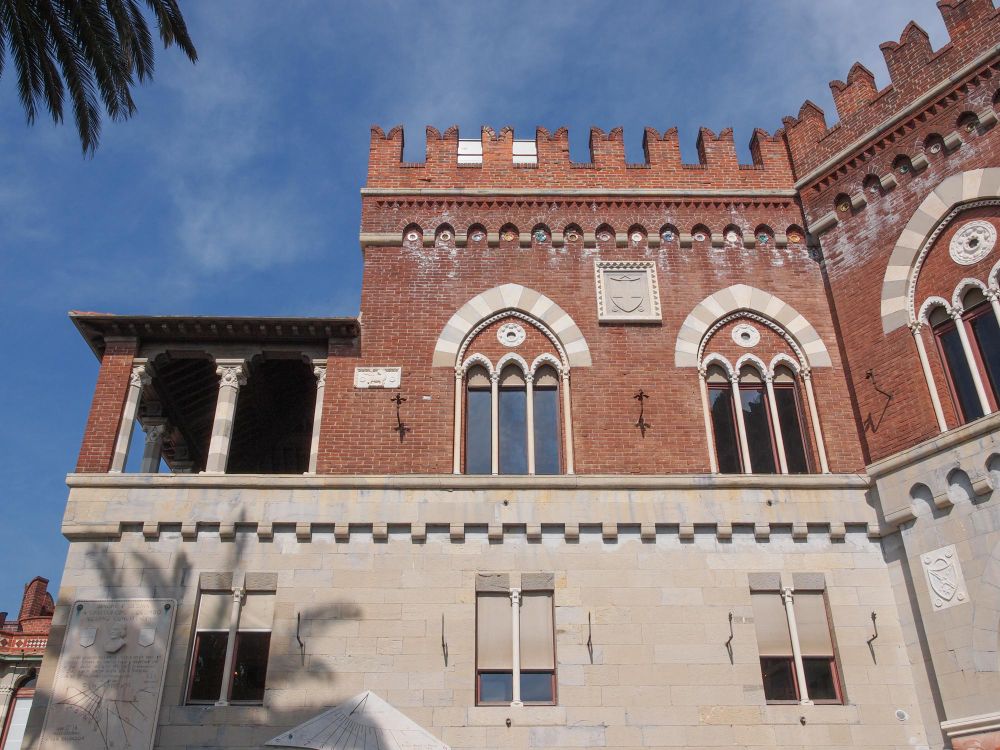
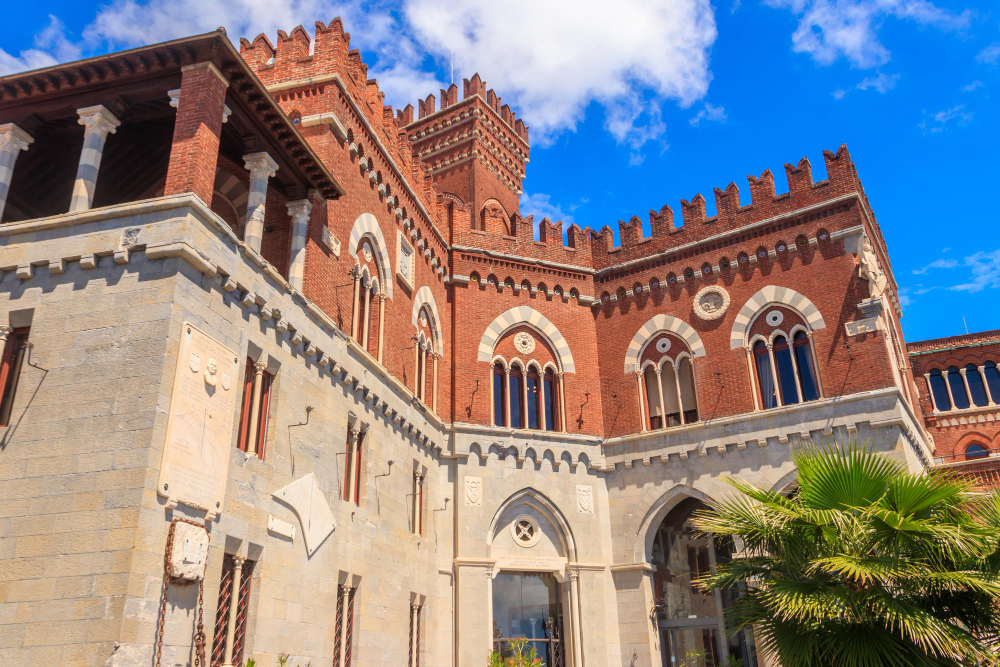
A castle of travels, memories and walls – Enrico Alberto D’Albertis was a well-known figure among Genoa’s bourgeoisie. The captain, seafarer, cartographer and traveller had a house built that resembled a personal fortress rather than an ordinary residence. The architecture combines neo-Gothic forms with elements that D’Albertis had seen or collected on his travels. Towers, battlements, narrow windows and interlocking rooms still lend the property an atmosphere more reminiscent of a medieval castle than a 19th-century villa. D’Albertis was fascinated by history, navigation and distant lands. Inside the house, he kept mementoes, objects and collections that he had amassed over the course of his life. After his death, the property passed to the city of Genoa. Today, it houses the Museo delle Culture del Mondo, the Museum of World Cultures. Behind the historic façades, ethnographic collections are on display, focusing on cultures from various regions of the world. Yet the museum’s sober history has not dispelled the rumours. It is precisely the interplay of ancient foundations, dark corridors, heavy doors and the many objects from different countries that fires the imagination. In the evening hours, when the visitors have gone and the wind sweeps across the hill, the castle, according to local accounts, appears completely different from how it does by day.
The door that must not be left closed – The most famous ghost story surrounding Castello D’Albertis centres on a particular door inside the building. The accounts do not always agree on exactly which door is meant. This is part and parcel of such local tales: they are passed on, embellished, shortened and, depending on the narrator, enriched with new details. The core of the story, however, remains the same. According to these tales, a door in the castle is supposed to be carefully locked on a regular basis, particularly after the museum closes. Staff and caretakers are said to have ensured that it was securely latched and that no draught could move it. Nevertheless, on some nights the door is said to open suddenly. Not slowly and silently, but with a hard, loud bang. This bang is said to be so distinct that it acts as a warning signal in the quiet rooms. Anyone who hears it might initially think of a draught, a loose lock or the movement of the old building. Yet in the legend, the bang is often followed by an oppressive silence. The door is then found to be open, even though it is said to have been closed beforehand. It is precisely this simplicity that makes the story so eerie. It is not about a clearly visible apparition, nor about a phantom wandering through corridors. It is about something everyday: a door. An object intended to provide security by separating and locking off rooms. When, of all things, a locked door bursts open for no apparent reason, an ordinary sound becomes a sign that something in the building has not found peace.
Nights above the harbour – Castello D’Albertis is situated in a spot offering sweeping views over Genoa and the Mediterranean. By day, the setting is impressive. By night, however, it can feel isolated. Below, the city’s lights twinkle; further away lie the harbour facilities, streets and houses. Inside the castle itself, shadows, silence and the sounds of an old building prevail. Old buildings are always ‘at work’: wood, metal and stone react to temperature fluctuations, damp and wind. Doors can warp, hinges can give way, and air pressure can amplify sounds. Such explanations seem plausible, but those who believe in the legend do not find them sufficient. For the tale is not merely about a single creak or a loose door handle. It tells of a door that seems to swing open deliberately and repeatedly. Whether these incidents were recorded or are primarily stories passed down orally cannot be conclusively proven. However, the legend is firmly established among the eerie tales associated with the castle. It is recounted by local residents, visitors and people interested in the mysterious side of Genoa.
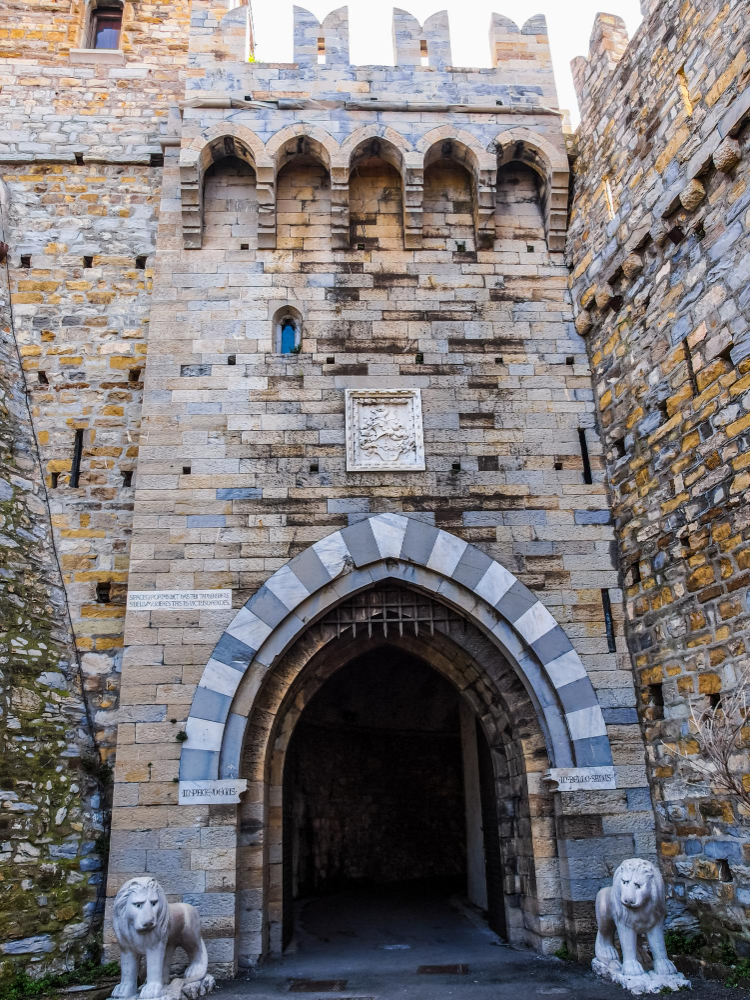
The ancient foundations beneath the castle – The location of today’s Castello D’Albertis adds to the story’s sombre atmosphere. The building stands on the site of a former 16th-century bastion. For centuries, Genoa was a major naval power and had to defend its strategically important position. Fortifications characterised the cityscape, particularly at elevated points overlooking the harbour and access routes. The walls beneath the castle therefore date from a time when the city was characterised by conflict, guard duties and military tension. Even though no reliable historical source links a specific death or event to the later ‘ghost door’, the thought of the old bastion continues to resonate to this day. Beneath the neo-Gothic building lie the traces of a past that was not designed for comfort, but for control, protection and defence. In ghost stories, it is often precisely this connection that suffices: a new building on old foundations, rooms built over former walls, a residence in a place that was once used for military purposes. The castle itself may date from the 19th century, but its substructure tells of a much older Genoa.
A house that preserves its owner? – The figure of Enrico Alberto D’Albertis also contributes to the legend. The captain was no ordinary master of the house. His life was shaped by expeditions, travels and scientific curiosity. He had the house designed according to his own vision and turned it into a place full of personal memories. After his death in 1932, his name remained closely associated with the building. In many ghost stories, it is precisely strong personalities who are said to remain connected to their homes. D’Albertis had not only lived in his castle, but had designed it as an expression of his life. From the outside, it appears like a fantasy of towers and fortress walls; inside, it combined living spaces, workspaces, collections and places of remembrance. The building still visibly bears his character to this day. The legend of the door, however, does not name any specific ghost. It is not explicitly stated that the captain himself walks through the corridors or opens the door. This vagueness heightens the terror. When no one knows who or what is moving the door, all that remains is the sound: a sudden slamming, a bang in the empty castle, an open door where, just moments before, a lock had been engaged.
Between museum and dark tale – Today, Castello D’Albertis is a museum open to the public and a cultural venue. Visitors come for the exhibitions, the architecture and the panoramic view over Genoa. The rooms are bustling, guided tours take place, and the captain’s story forms part of the official narrative. In daylight, the castle seems less like a scene of horror than an eccentric monument to a traveller. But as soon as the last visitors have left, the other story lives on. Then the corridors once again belong to the shadows, the old doors and the sounds of the house. Perhaps the slamming door is merely a product of wind, materials and expectation. Perhaps the tale arose because someone heard a castle slam on a quiet night and could find no explanation for it. One thing is certain: the story has endured. Castello D’Albertis remains a place where historical reality and sombre legend lie side by side. The neo-Gothic castle, with its towers and walls, watches over Genoa. And somewhere inside it, there is said to be a door that is locked in the evening – although some are convinced that it opens again during the night.