 Isabella Mueller Baroness of Stainton le Vale
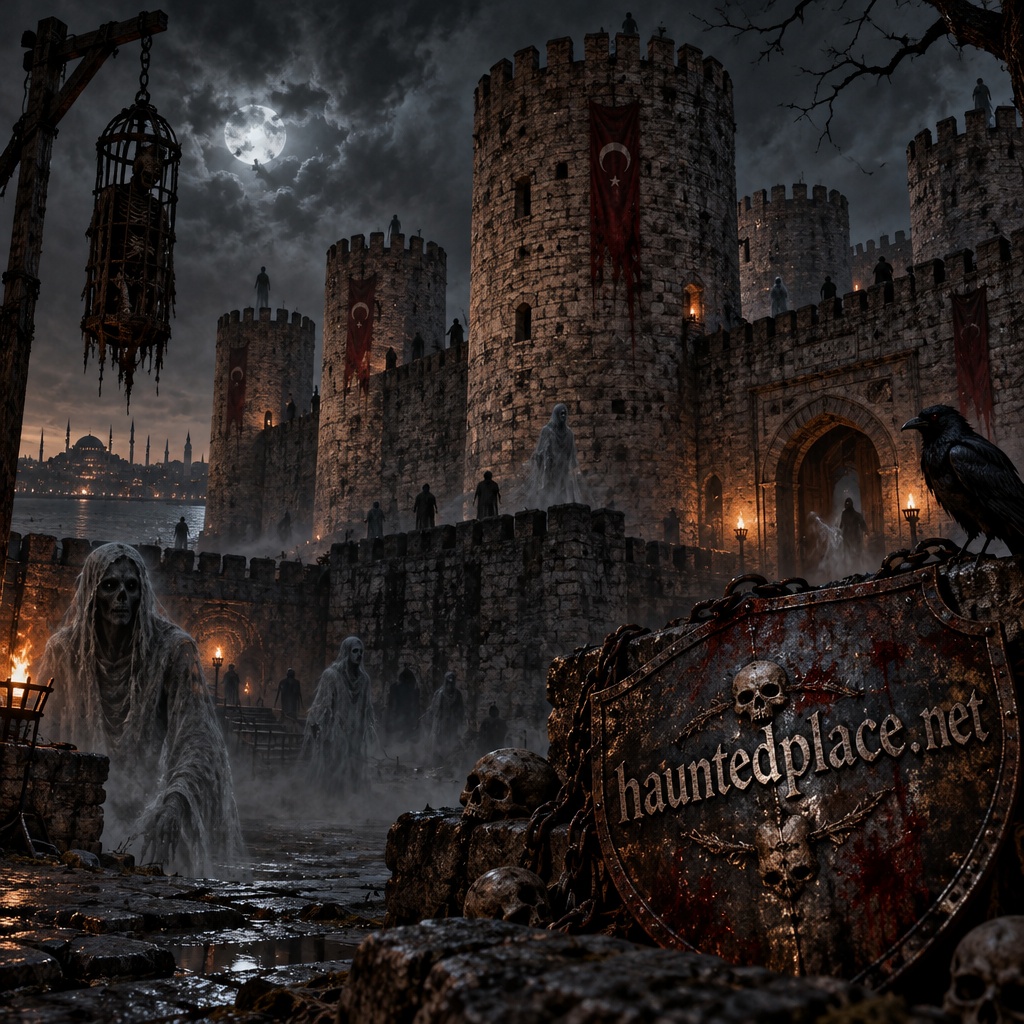
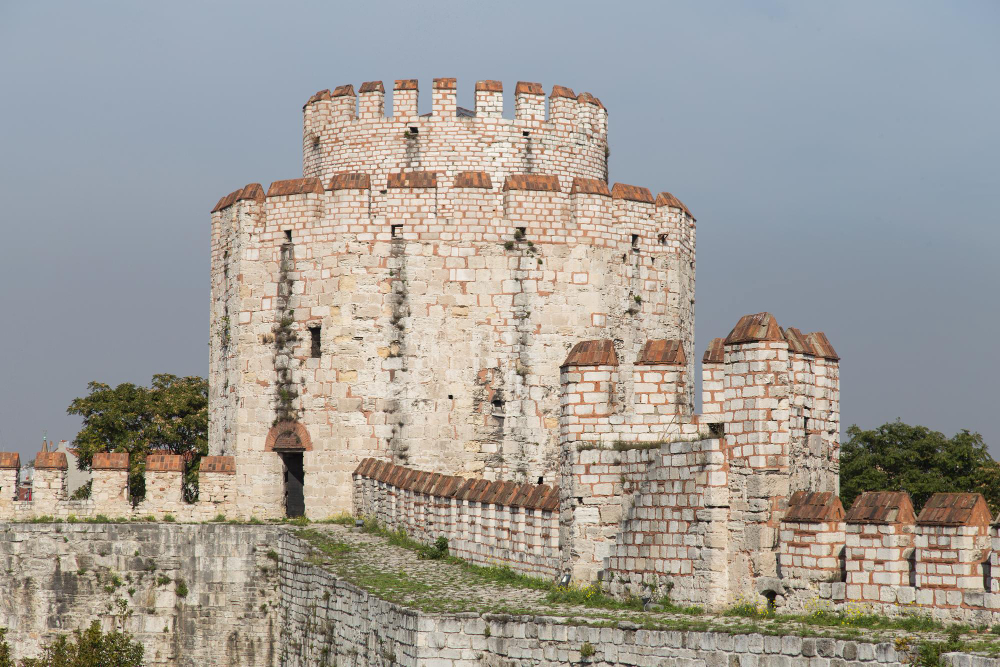
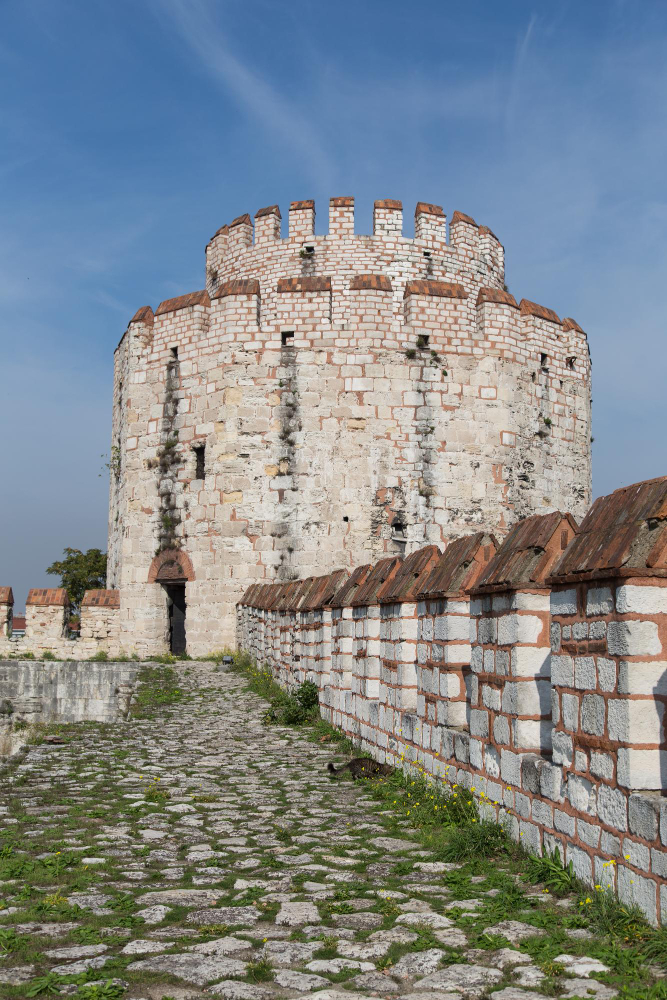
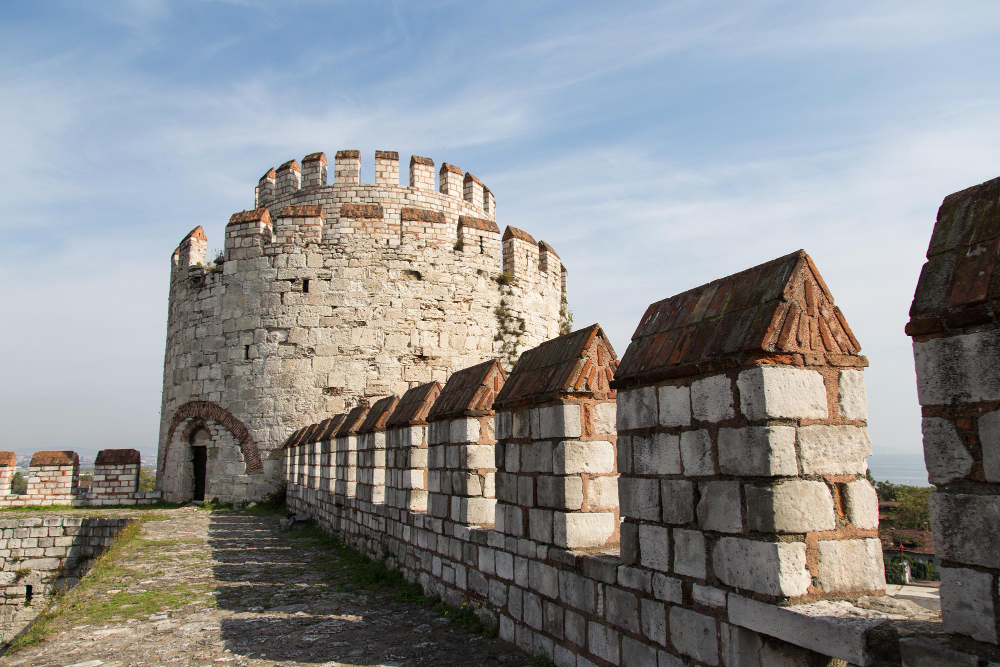
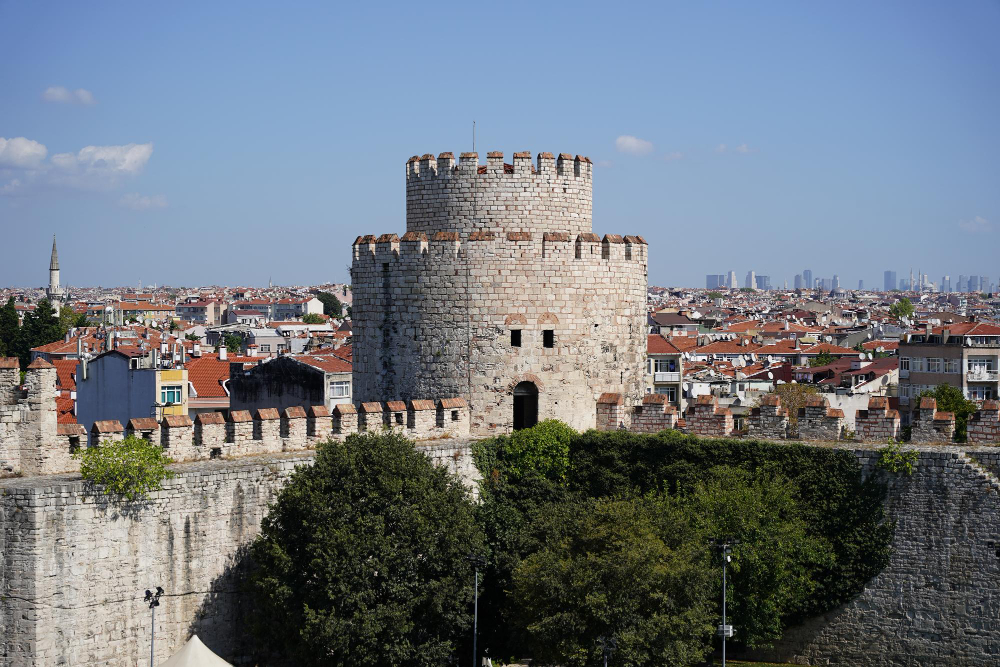
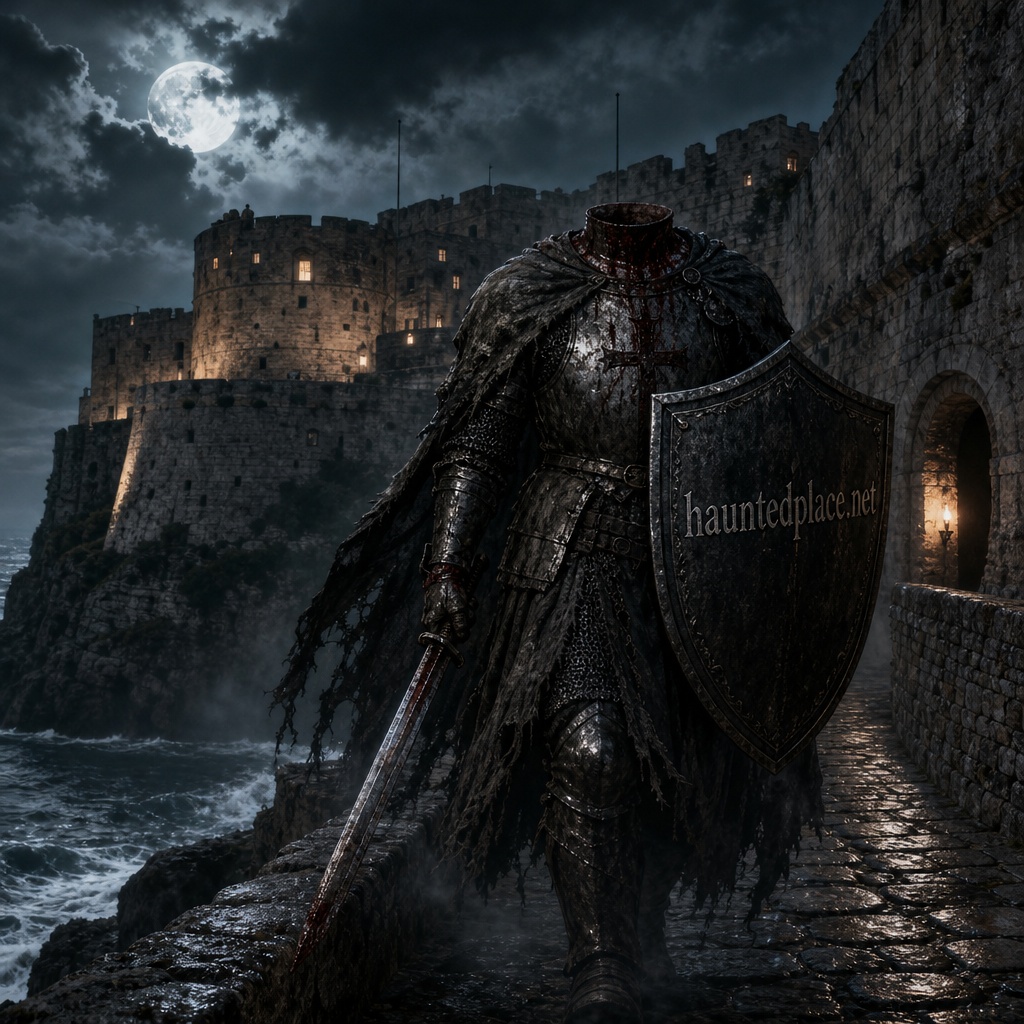
Anyone entering Yedikule Fortress in Istanbul’s Fatih district finds themselves standing before walls that have withstood almost two millennia of history. The structure, known in Turkish as “Yedikule Hisarı” or “Yedikule Zindanları” – ‘Fortress of the Seven Towers’ or ‘Prisons of the Seven Towers’ – is now a historic monument. Its reputation, however, extends far beyond the city’s architecture and history. Yedikule has long been regarded as one of Istanbul’s most oppressive places: a former prison for enemies of the state, a site of political violence, executions and imprisonment. It is precisely this past that continues to fuel stories to this day of voices in the vaults, shadows between the towers and an alleged curse that has never been broken. At the heart of these tales lies the so-called ‘Curse of the Heathen’. The story is passed down as a local ghost legend rather than a historically documented event. Nevertheless, its core is closely linked to the fortress’s real, grim past. According to tradition, a non-Muslim prisoner, referred to as a ‘pagan’, is said to have been tortured in the underground cells of Yedikule. As he lay dying, he is said to have spoken words in an ancient language that sounded like Latin. These words are said to have cursed the fortress walls themselves. According to the legend, the curse affects all those who suffered and died within the fortress. It is said that their souls cannot leave Yedikule. They are doomed to linger in the towers, in the courtyards, in the dark passageways and in the old dungeons – until the Second Coming of Jesus Christ. There is no way of proving whether the story has a specific historical origin. Nevertheless, it links real imprisonment and violence with a motif that has a particularly powerful effect in places such as this: the idea that the suffering of the past does not simply end with the passing of centuries.
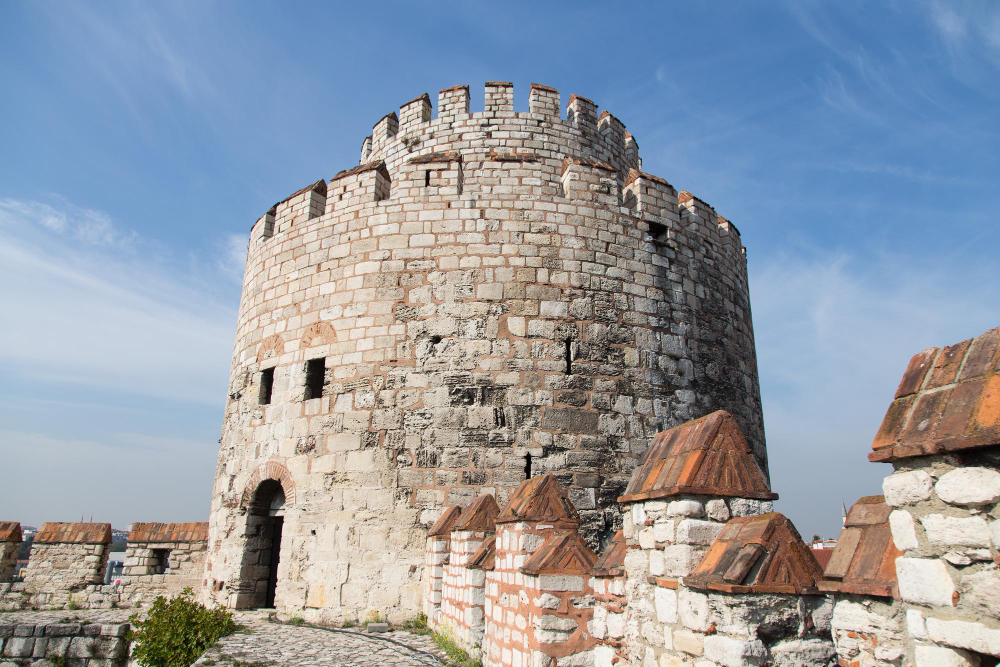
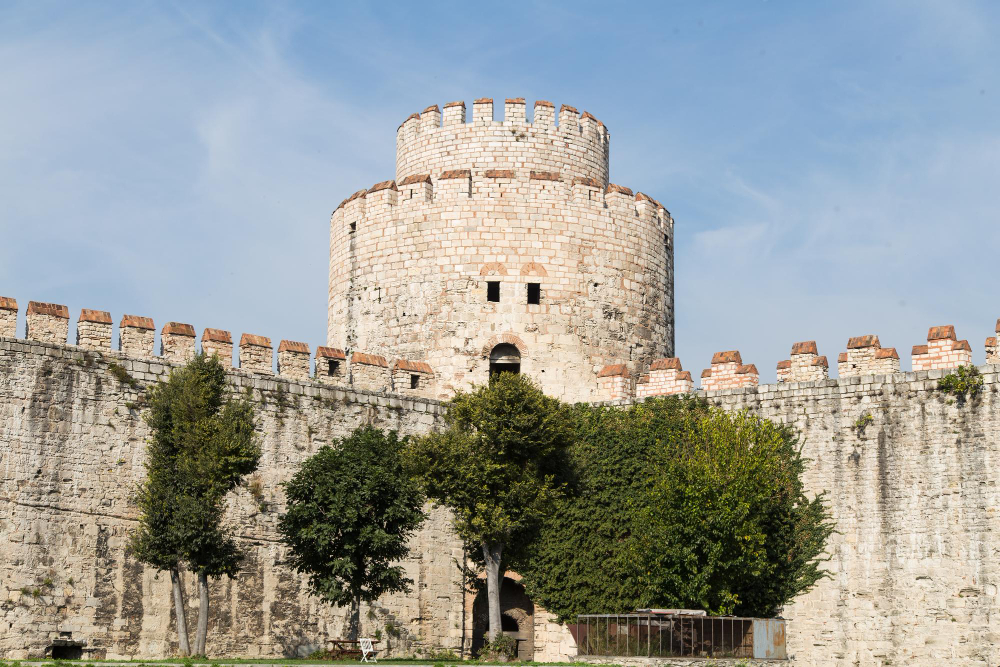
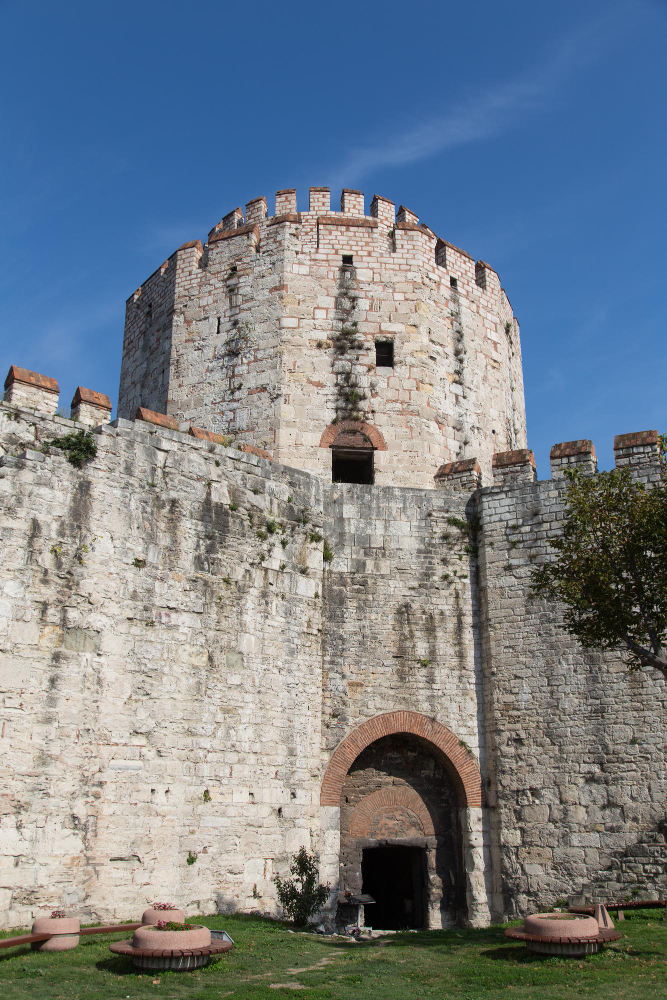
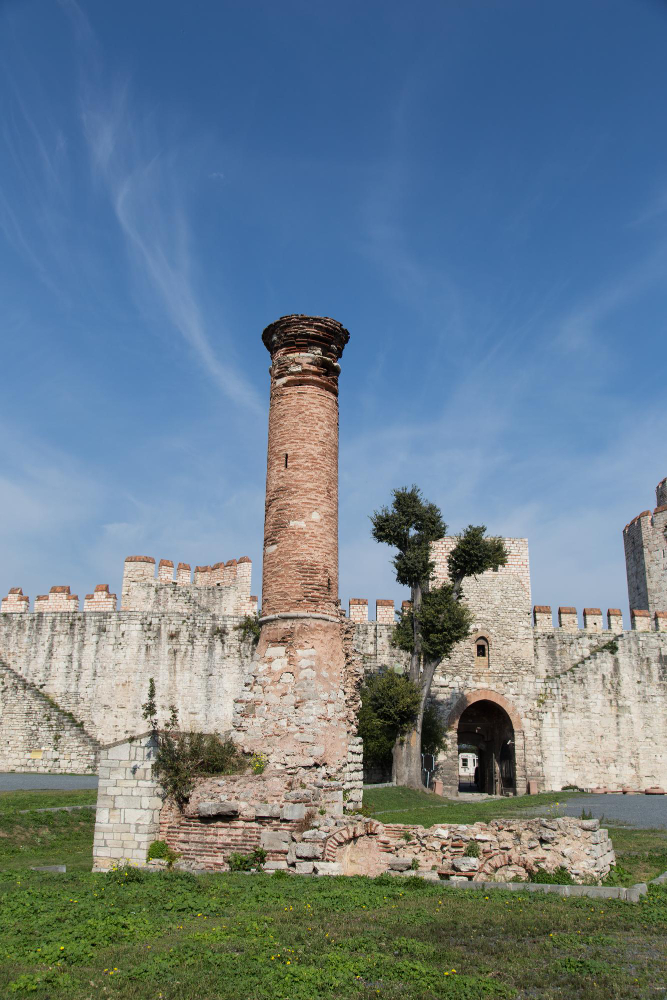
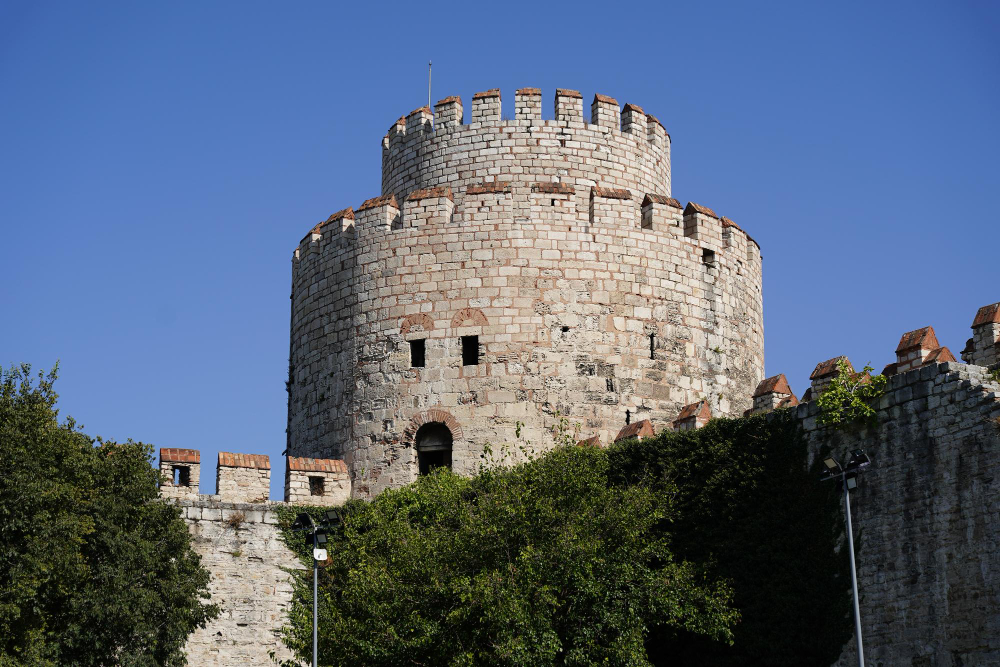
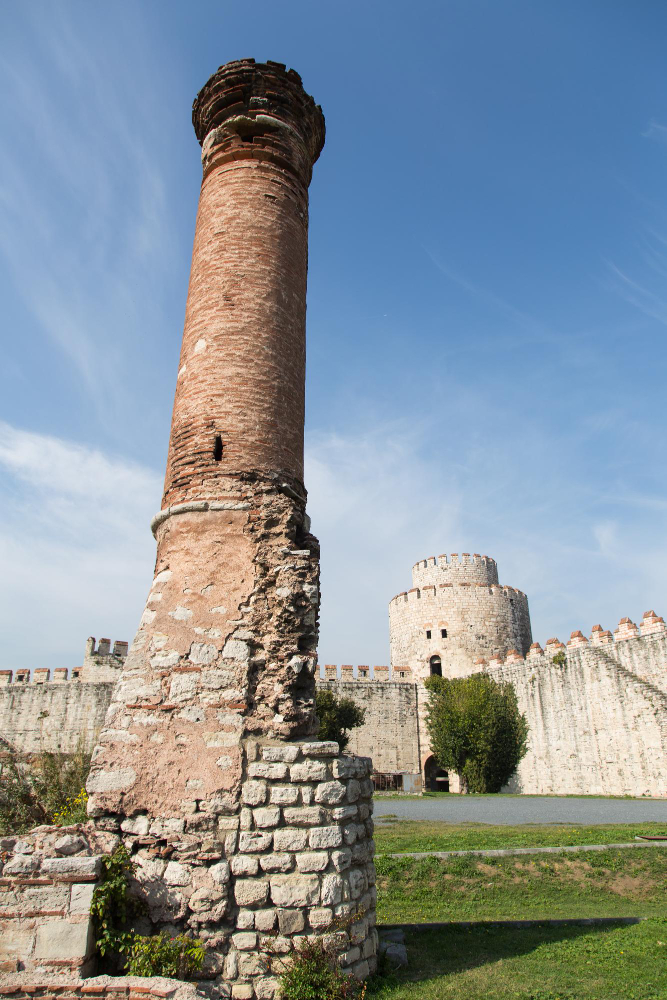
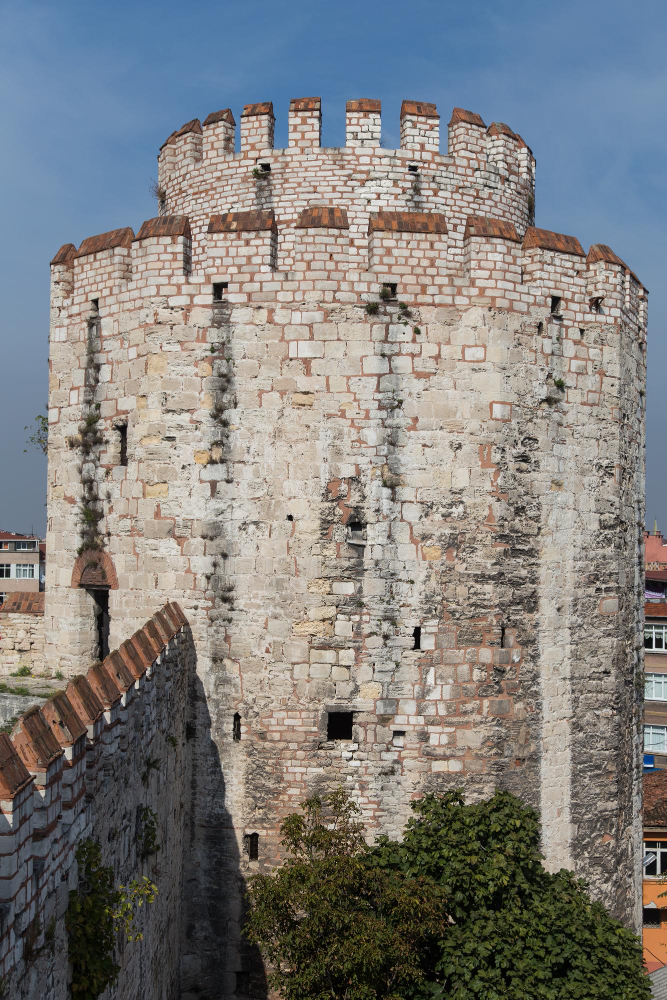
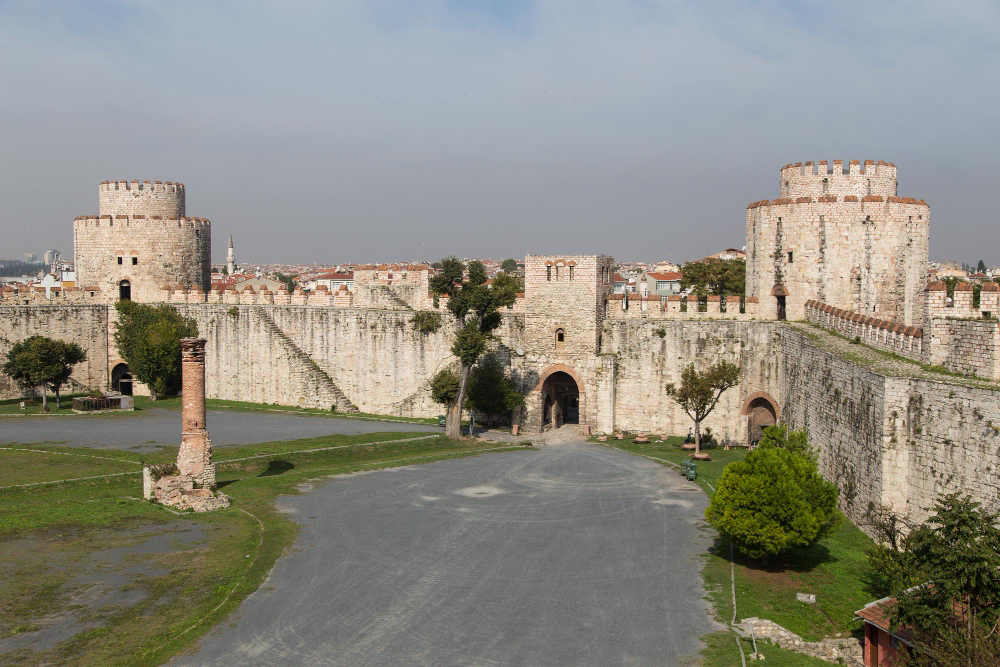
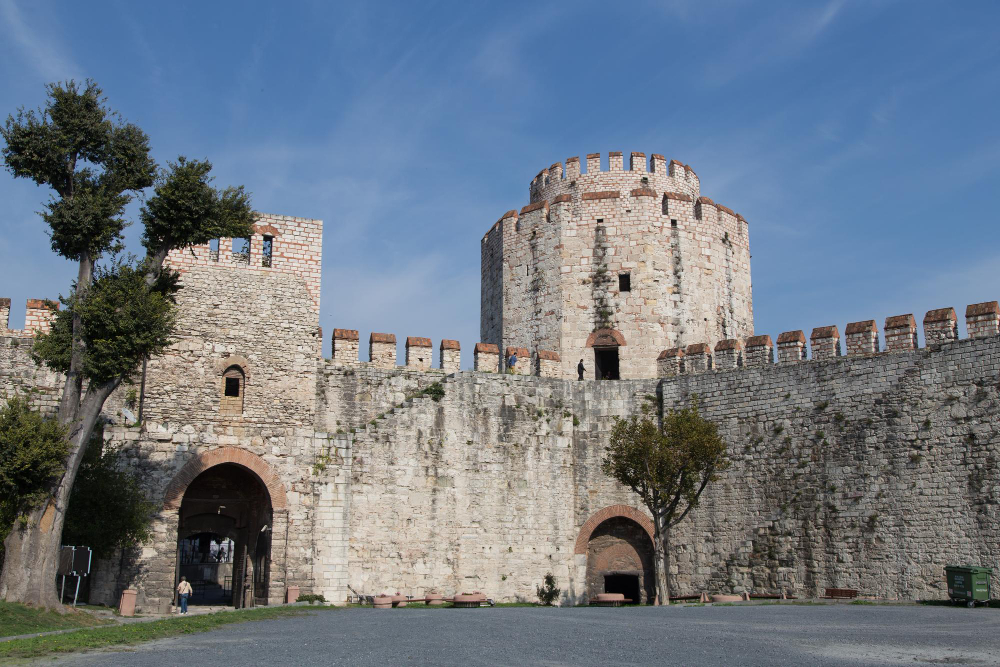
A fortress within the city walls of Constantinople – The Yedikule complex was not built entirely during the Ottoman period. Its oldest part dates back to late antiquity. This was the site of the Golden Gate, the most important and imposing gate in Constantinople. It formed part of the Theodosian land fortifications, which were erected in the 5th century and protected the city for many centuries. The Golden Gate was no ordinary entrance. Following military victories, the emperors would enter the capital through this gate. It symbolised the power, triumph and inviolability of the empire. Remains of this ancient structure can still be seen in Yedikule today. The later fortress comprises several towers from different eras; three of them date back to the Byzantine fortifications. Following the Ottoman conquest of Constantinople in 1453, the site took on a new role. Sultan Mehmed II, the Conqueror, had the existing walls and towers extended and supplemented with further towers. This is how the Fortress of the Seven Towers came into being. Its location on the old city walls gave it strategic importance. At the same time, Yedikule became a visible symbol of the new Ottoman rule over the former Byzantine capital. However, the complex was not merely a military fortress. Over the centuries, it also served as a repository for the state treasury. Above all, though, it gained its dreaded reputation as a prison. Within the massive towers and underground chambers, people were held captive, their fates often determined by political conflicts, diplomatic crises or power struggles at court.
A Dungeon for Ambassadors, Dignitaries and Rivals – Yedikule was no ordinary prison. Behind its walls were prominent prisoners: high-ranking officials, opponents of the Sultan, political rivals and foreign ambassadors. Particularly in times of military conflict, diplomats from states at war with the Ottoman Empire could be imprisoned there. This practice reflected the harsh reality of power politics in the early modern era. Ambassadors did not always enjoy the protection that diplomatic representatives can generally expect today. In times of crisis, they became tools of political pressure. For those affected, imprisonment in Yedikule meant uncertainty, isolation and the constant fear that their situation might worsen. Among the best-known prisoners was the French envoy Jean de La Haye. The Russian diplomat Peter Andreyevich Tolstoy was also imprisoned in Yedikule for a time. These names show that the fortress played a role not only in local memory. It was a place that European diplomats knew and feared. The grim tales about Yedikule are therefore not based solely on later imaginings. The historical facts are in themselves depressing enough: people were imprisoned here, held captive for political reasons and, in some cases, executed. Accounts of the conditions of detention in past centuries are often fragmentary and coloured by the perspective of their authors. It is, however, undeniable that Yedikule was long regarded as a place where no one went of their own free will.
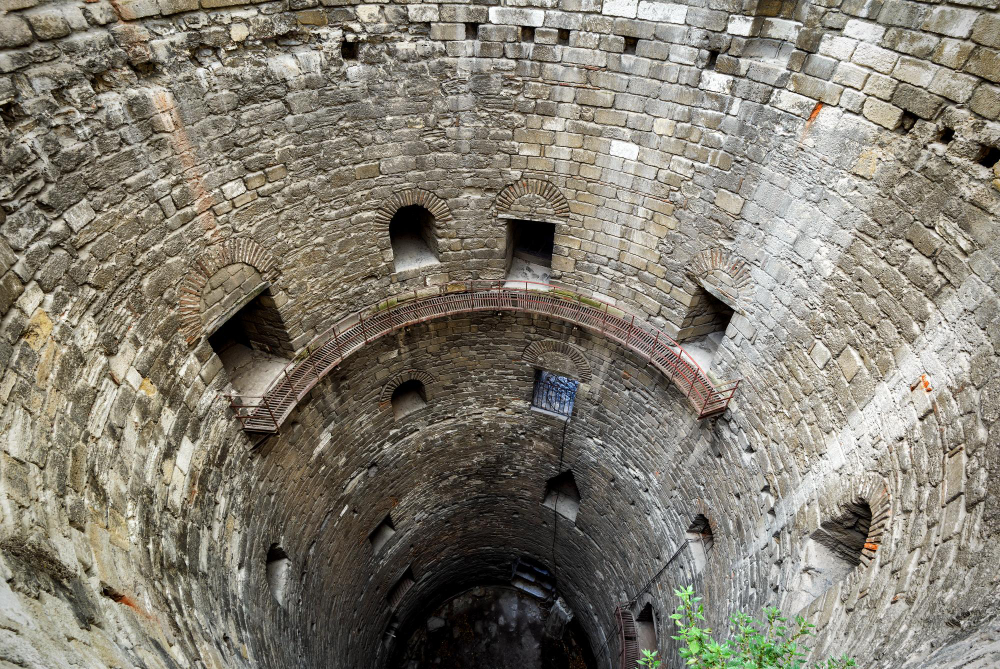
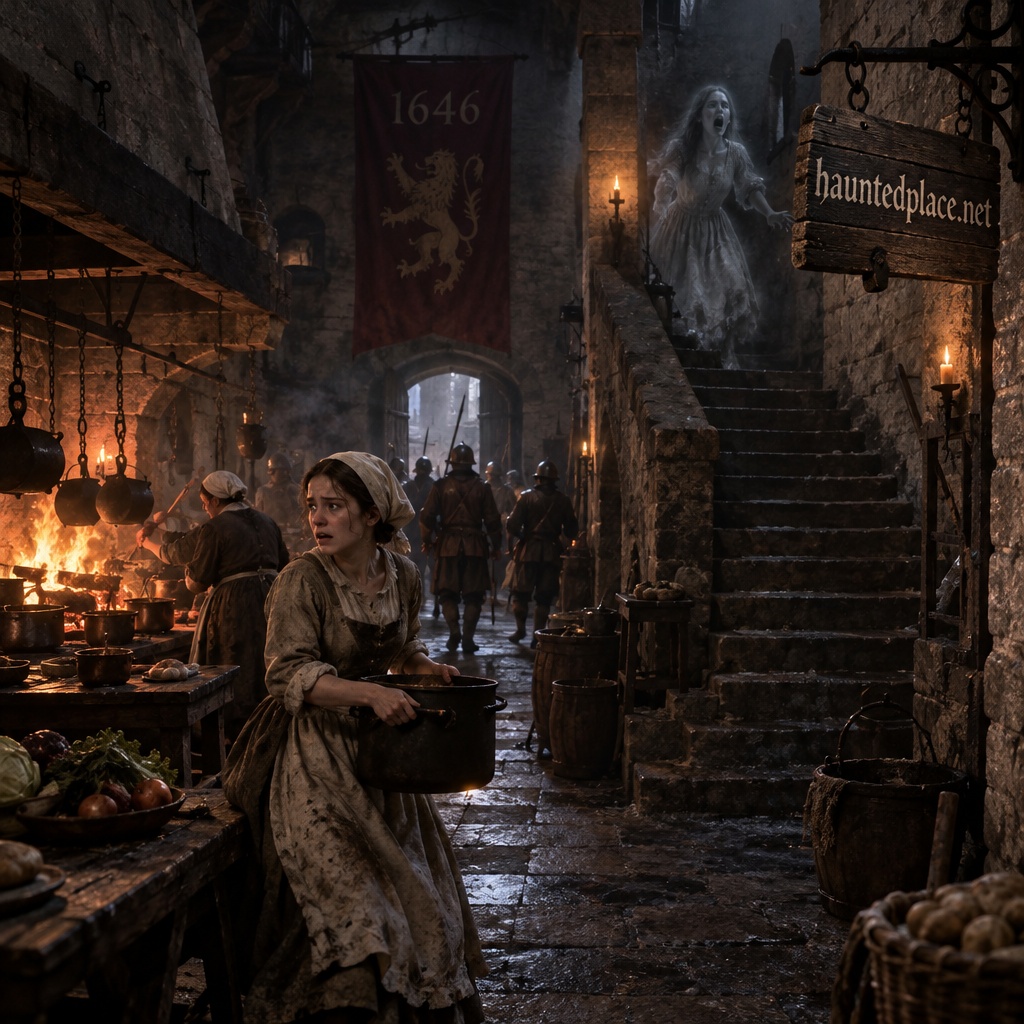
The Shadows of the Seven Towers – The fortress consists of a sprawling complex with thick walls, towers, inner courtyards and underground chambers. It is precisely this architecture that explains why so many eerie stories surround Yedikule. Narrow passageways, dimly lit vaults and high stone walls create an atmosphere in which the past can almost be felt physically. Some accounts speak of voices that are said to emanate from the lower levels of the complex on stormy nights. Visitors and former guards are said to have heard moans, wails or unintelligible words. Other stories tell of sounds that resemble the rattling of chains, or of footsteps in areas that should actually be empty. There is no evidence of supernatural occurrences. These accounts belong to the realm of folklore and oral tradition. Nevertheless, the legend persists, as it is set in a place whose documented history is marked by imprisonment and the fear of death. The idea that the walls preserve memories is not a historical fact – but it is a powerful image of what happened at Yedikule. The ‘Curse of the Heathen’ is particularly striking as it intertwines religious and existential concepts. It is said that the souls of the tormented will find no peace as long as the world endures. The focus is not on a single ghost, but on an entire community of the dead: anonymous prisoners, political opponents, ambassadors, the condemned. The curse transforms the fortress into a place where every cell becomes part of an endless imprisonment.
Between History and Legend – When it comes to ghost stories in particular, it is essential to draw a clear distinction. Yedikule Fortress, its Byzantine origins, its expansion under the reign of Mehmed II and its use as a state prison are historically documented. The imprisonment of prominent foreign diplomats and political prisoners is also part of the site’s recorded history. The so-called pagan prisoner, his torture and the curse in Latin, however, cannot be substantiated by reliable historical sources. It is a legend that is recounted in various versions. Neither the name of the alleged prisoner has been handed down, nor is there a confirmed record of his last words. Nor can the claims regarding audible curses and voices within the fortress be verified. For many, however, this does not make the story any less fascinating. On the contrary: it is precisely its vagueness that has allowed it to evolve and endure across generations. Each account fills the gap between the historical facts with new imagery: a dying man in a cell, words in a foreign language, a gust of wind at a tower window, a cry from the depths.
A place that cannot shake off its past – Today, Yedikule is, above all, a monument to the history of the city of Istanbul. The fortress serves as a reminder of Byzantine Constantinople, the Ottoman conquest and centuries of political rule. However, anyone who delves into its reputation soon encounters the other side of its past: dungeons, abuses of power and human destinies that have often been handed down only in fragments. The ‘Curse of the Heathen’ remains an unproven tale of horror. Yet it points to something real: for many people, Yedikule was not a symbol of triumph, but a place of fear. Where emperors once entered through the Golden Gate, prisoners later waited behind the walls for decisions that could determine their fate – freedom, exile or death. Perhaps this is precisely where the fortress’s enduring impact lies. Not because it is certain that ghosts roam its corridors, but because the stones of Yedikule preserve a history dark enough to lend credence to these legends.