 Isabella Mueller Baroness of Stainton le Vale
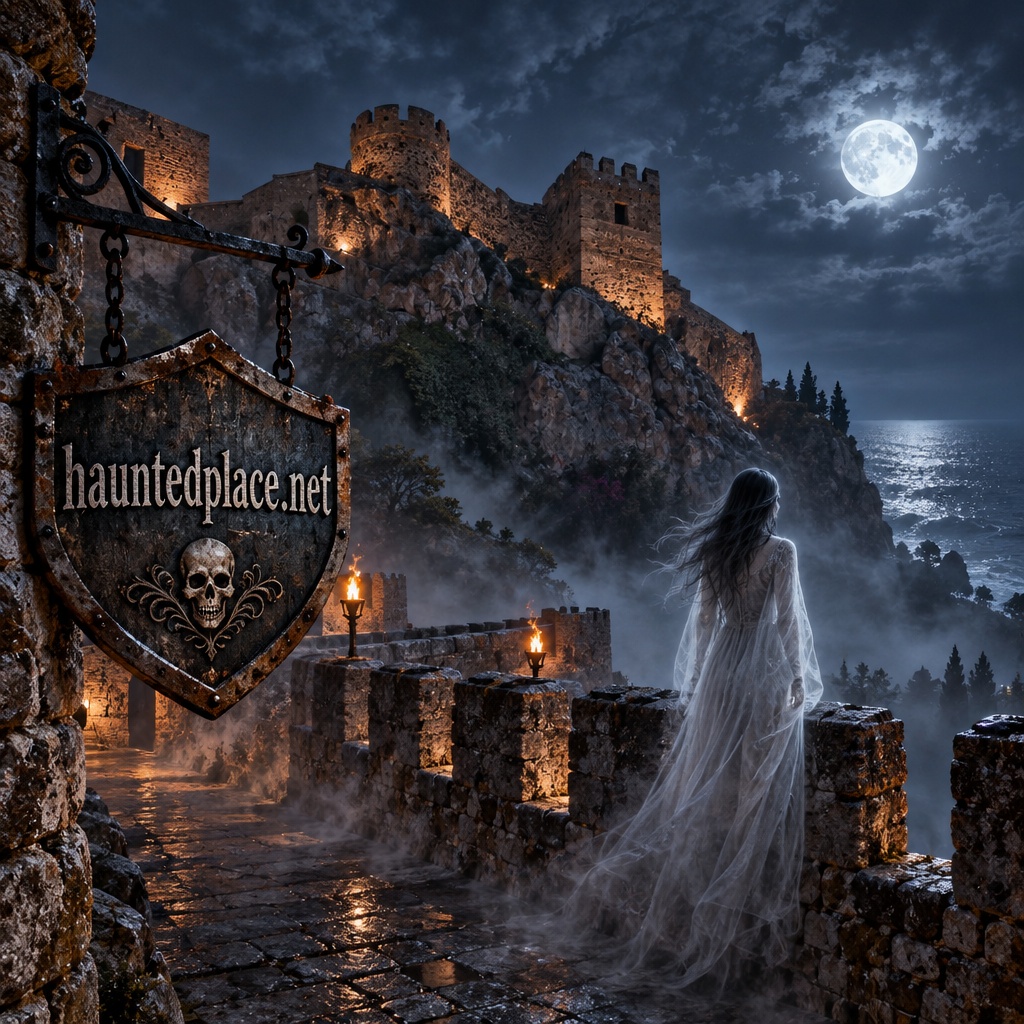
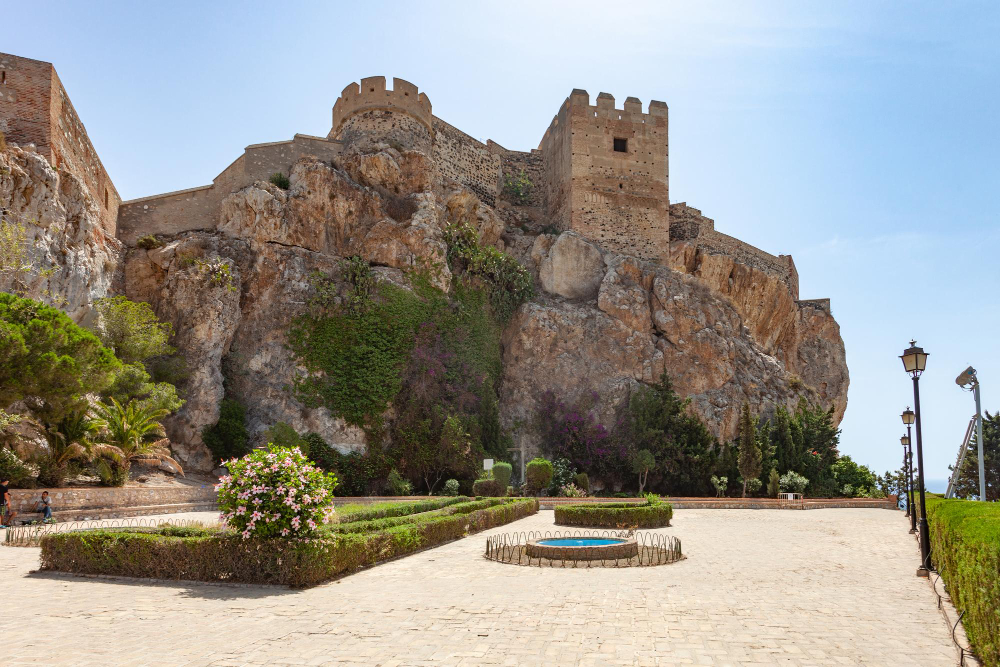
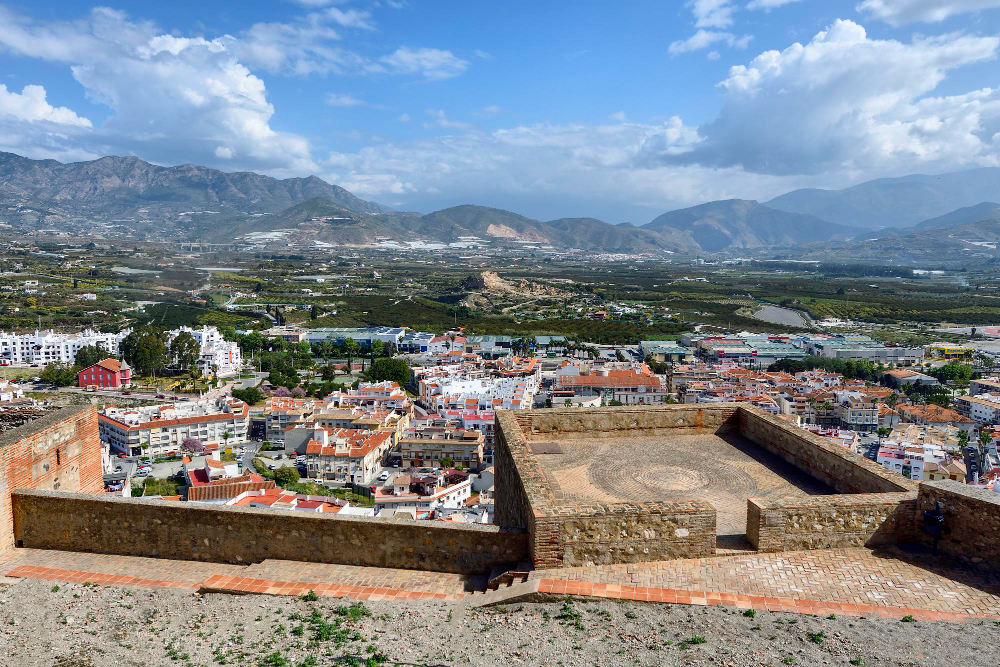
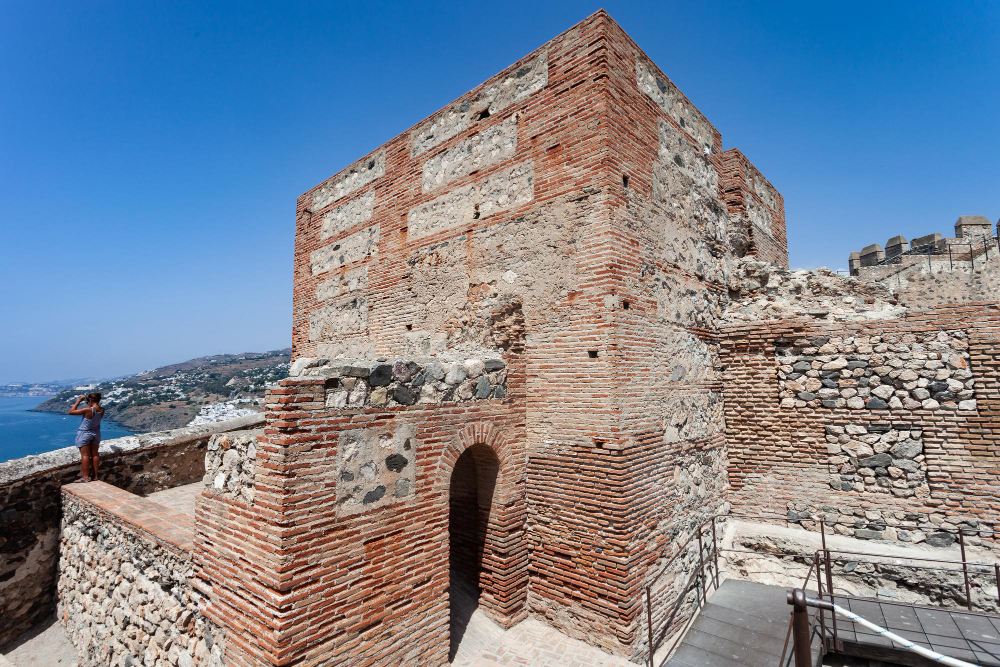
As the sun sinks behind the Mediterranean and the whitewashed houses of Salobreña in southern Spain are enveloped in darkness, the atmosphere of the town changes. Towering above the old town on a mighty rock stands the Castillo de Salobreña, a castle complex that has watched over the coast of the province of Granada for centuries. By day, it is a landmark of the town and a testament to Andalusia’s Moorish past. By night, however, according to local lore, it belongs to a figure from a bygone era: Princess Zorahaida. According to legend, her shadow still wanders along the castle’s battlements. Sometimes it is said to appear on the walls, sometimes in the steep, narrow alleys below the fortress. In these tales, Zorahaida is described as a Moorish princess whose tragic fate is linked to the final years of Muslim rule in the Kingdom of Granada. Her story is one of those sombre legends that link historic sites with memories of violence, captivity, betrayal and lost kingdoms. The Castillo de Salobreña provides the perfect backdrop for such a story. The castle was built on a steep rock that rises some one hundred metres above the surrounding landscape. From its walls, the view stretches far across the coast, the Salobreña plain and the nearby Mediterranean Sea. The location was of great strategic importance: whoever controlled the fortress not only ruled the town but could also monitor movements along the coast.
The complex, as it stands today, bears the marks primarily of the Islamic period and later Christian alterations. For a long time, Salobreña was under the rule of the Nasrids, the last Muslim dynasty on the Iberian Peninsula. At that time, Granada was the centre of the Nasrid Emirate, whilst Salobreña played an important role due to its location and fortifications. The castle served not only military purposes; it was also a place of refuge and residence for members of the ruling family. It is precisely this background that is crucial to the legend of Zorahaida. In the accounts, she does not appear as an ordinary inhabitant of the castle, but as a young woman from the innermost circle of Moorish rule. Her name is linked to a story of love and captivity. The tale has been passed down through the generations and is now closely associated with the Castillo de Salobreña. According to the well-known version of the legend, Princess Zorahaida fell in love with a Christian prisoner. Their relationship could not be openly maintained at a time of religious and political conflict. In its final decades, the Kingdom of Granada was under constant pressure from the Christian kingdoms of Castile and Aragon. Suspicion, power struggles and personal loyalties characterised life at court. In this context, a relationship between a Moorish princess and a Christian prisoner must have been regarded as a threat.
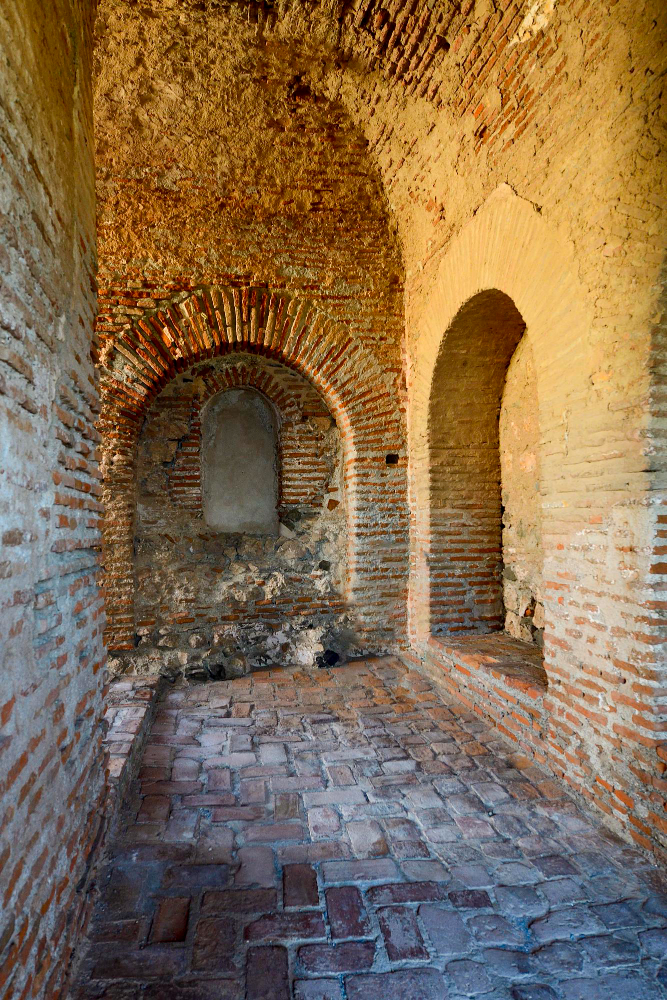
When the relationship is said to have been discovered, the story took a tragic turn. According to tradition, Zorahaida was confined to Salobreña Castle. The fortress, which was meant to offer protection, became a prison for her. Behind thick walls, high above the countryside and far removed from the freedom of the coast, she is said to have awaited her fate. Some accounts speak of a desperate princess who gazed at the walls, hoping for a sign from her beloved. Others focus on her loneliness and the impossibility of escaping the judgement of her family and the political order. The precise historical core of this story is almost impossible to separate from the embellishments added later. Zorahaida belongs, above all, to the legendary memory of Salobreña. Her story, however, is embedded in a real historical context. The Castillo de Salobreña was indeed a fortress of the Nasrid rulers and is linked to the history of the final Muslim rule in Granada. Historical sources also confirm that the castle was used as a place of imprisonment for high-ranking figures. Salobreña is particularly closely associated with Yusuf III, a Nasrid ruler of Granada. Before he became emir at the beginning of the 15th century, he is said to have been held captive in the castle. His father, Muhammad V, had him imprisoned there. This documented role of the fortress as a place of detention for members of the ruling family later reinforced the notion that a princess such as Zorahaida might also have suffered behind its walls. The castle was thus not merely a military structure, but a place where dynastic conflicts and personal tragedies unfolded.
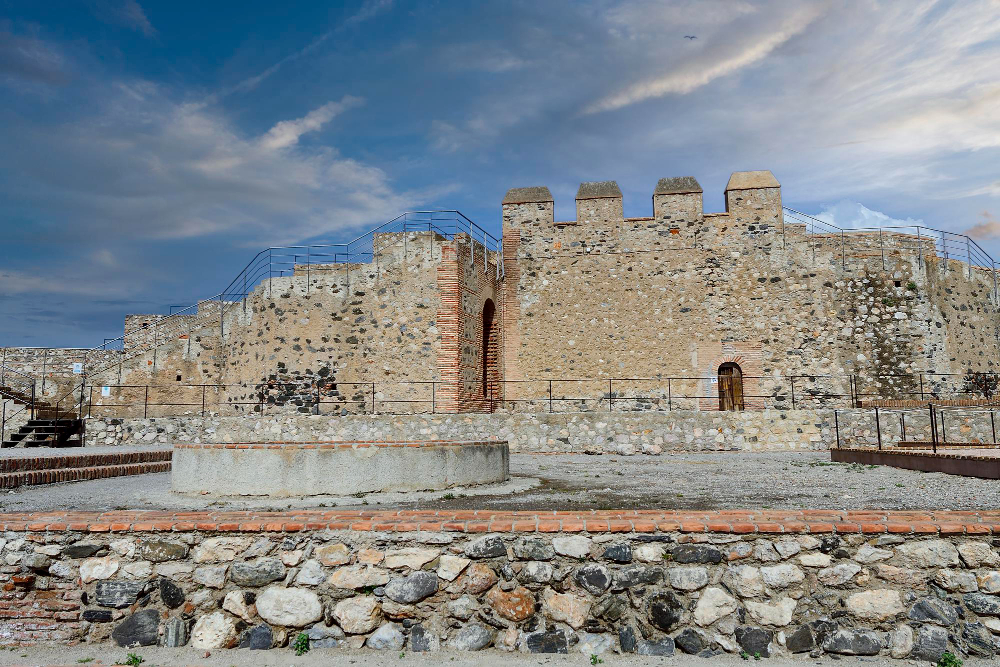
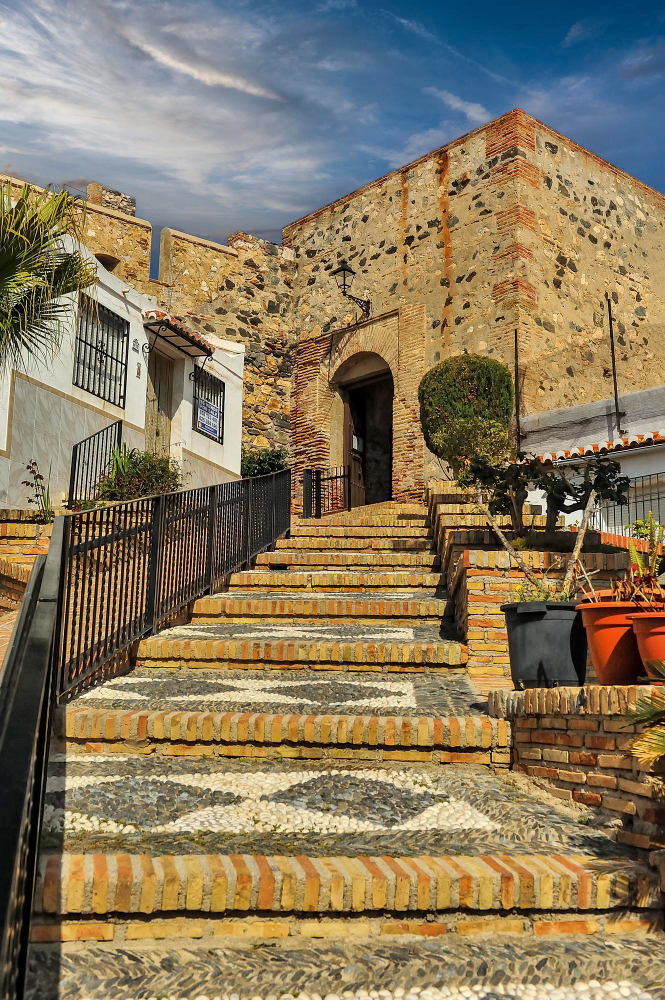
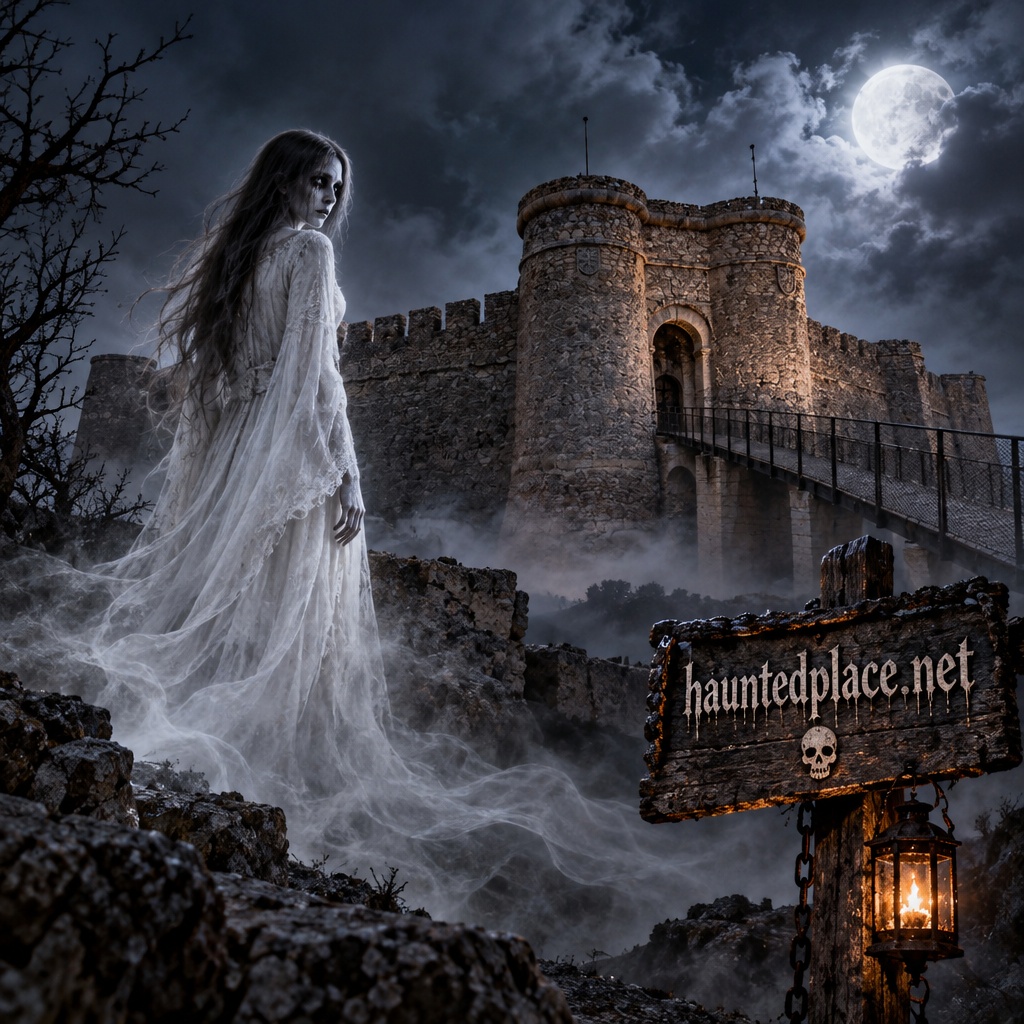
At night, this past feels particularly close. The fortress walls stretch across the rocky ridge, punctuated by towers, gates and vantage points. In the darkness, their outlines are lost against the black rock. The sea breeze sweeps through the openings in the complex and blows along the ancient paths. Visitors walking through the old town in the evening see the illuminated castle above them. For the residents of Salobreña, it is a familiar sight; in legend, it becomes the setting for an apparition. In the tales, the ghost of Zorahaias is usually not described as a violent or vengeful figure. It is precisely this that makes her story eerie. She appears as a shadow, as a silent woman in light-coloured clothing, or as a barely perceptible movement at the edge of a battlement. It is said that she walks slowly, as if searching for a way out that she could not find during her lifetime. Sometimes she is said to stand on the walls, gazing out towards the sea. This image links the castle with a sense of never-ending anticipation. Other versions of the legend place her footsteps in the old town. There, narrow, steep paths wind uphill between white façades towards the castle. At night, when the streets are almost deserted and the light from the lanterns illuminates only the corners of a few houses, these alleyways resemble a labyrinth. It is said that Zorahaida is particularly easy to spot in such nooks and crannies – not clearly, not for long, but as a fleeting silhouette that vanishes round a corner before one can follow her.
The terror of the legend does not stem from a sudden monster or a bloody event. It lies in the image of a woman who cannot find peace. Zorahaida is bound in the local memory to the very place where she is said to have lost her freedom. The castle still towers over Salobreña, yet the world of its legend is long gone: Nasrid Granada, the court intrigues, the border wars and the religious divisions of that era. In 1492, Granada fell to the Catholic Monarchs, Isabella of Castile and Ferdinand of Aragon. The surrender of the Alhambra marked the end of Nasrid rule. Salobreña, too, became part of Christian-ruled Spain. The Castillo remained standing, continued to be used and was altered over the centuries. Its walls outlasted the political upheaval, yet at the same time they preserved the memory of the era in which the legend is set. Today, the Castillo de Salobreña is open to the public as an important historical monument in the municipality. Visitors will find a restored complex offering views across the Costa Tropical. The visible beauty of the site contrasts with the stories that surround it. In broad daylight, the walls appear as part of a long architectural history. In the darkness, however, they become, in the imagination of many, the prison of a princess once more.
The legend of Zorahaida cannot be recounted like a historical event with clear dates and documents. It belongs to the realm of oral tradition and local memory. Its power lies precisely in the connection between a real place and an unverifiable apparition. The castle exists, Salobreña’s Nasrid past is documented, and the fortress’s role as a place of dynastic imprisonment has been historically recorded. The princess’s wandering shadow, however, remains part of the narrative. Yet for many, that is enough. Anyone standing beneath the Castillo de Salobreña at night and looking up at the dark battlements understands why this story has survived. Within the walls that once housed rulers, soldiers and prisoners, the past does not seem to have vanished entirely. Perhaps it is just the wind. Perhaps the play of shadows on ancient stone. And perhaps, as the legend goes, Princess Zorahaida still wanders up there – silent, alone and forever imprisoned within the walls of Salobreña.