 Isabella Mueller Baroness of Stainton le Vale
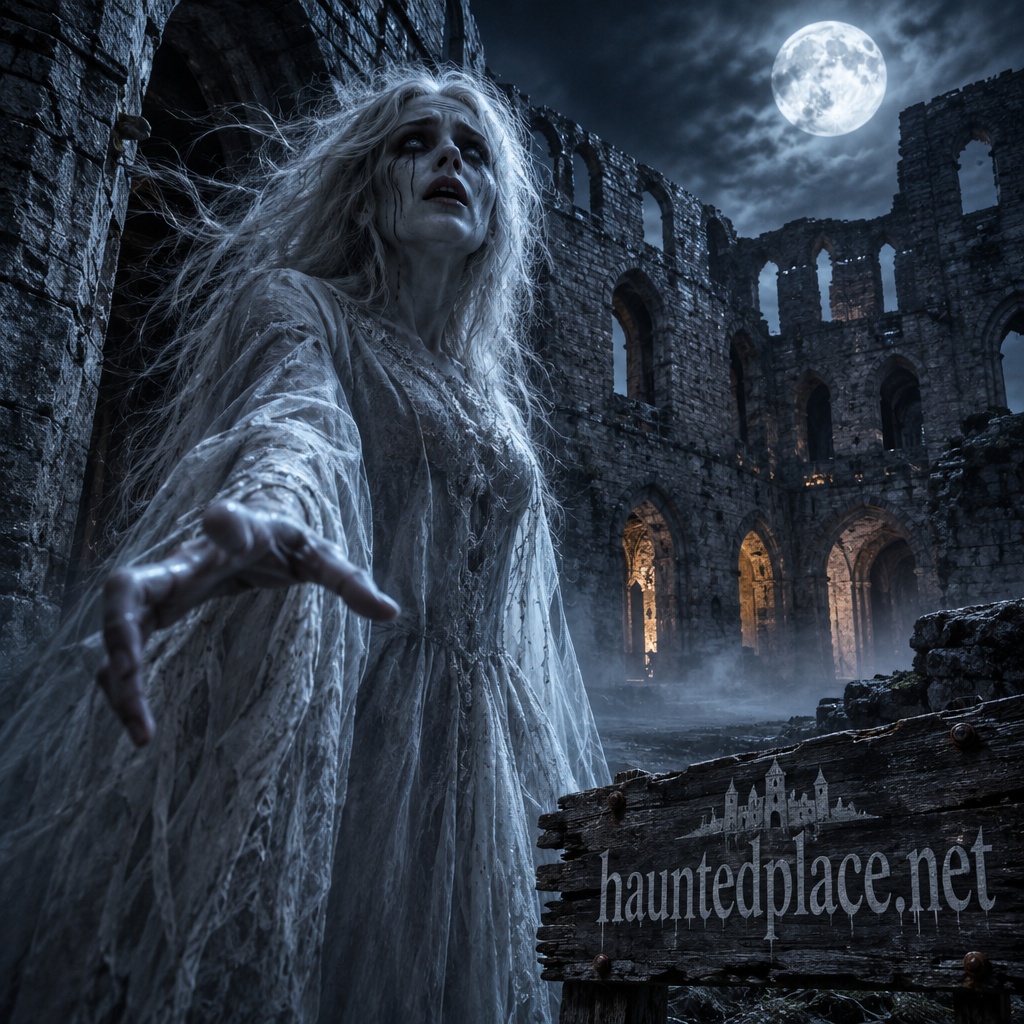
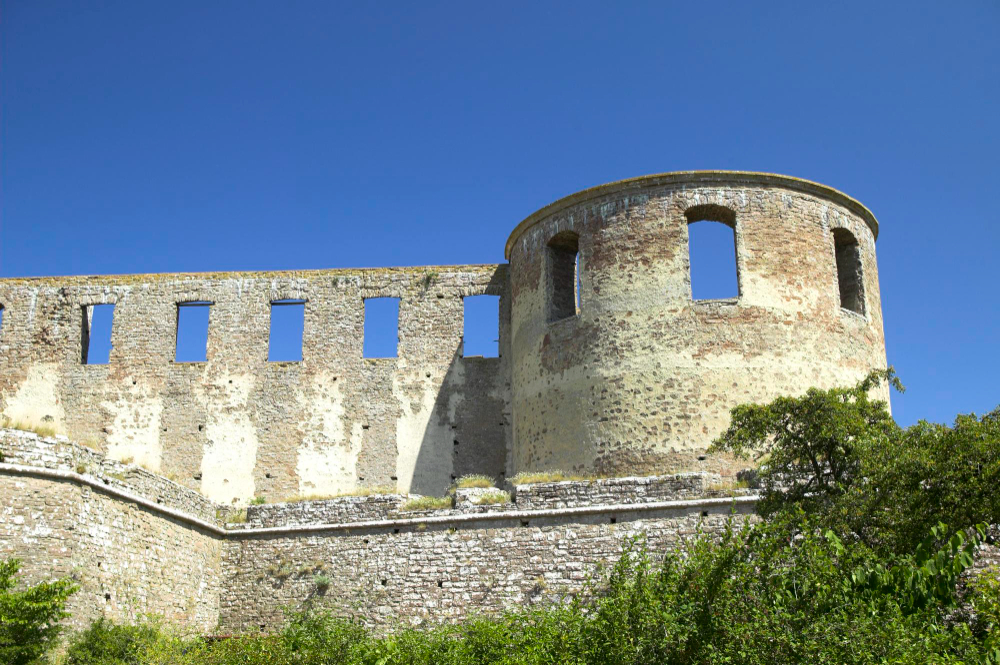
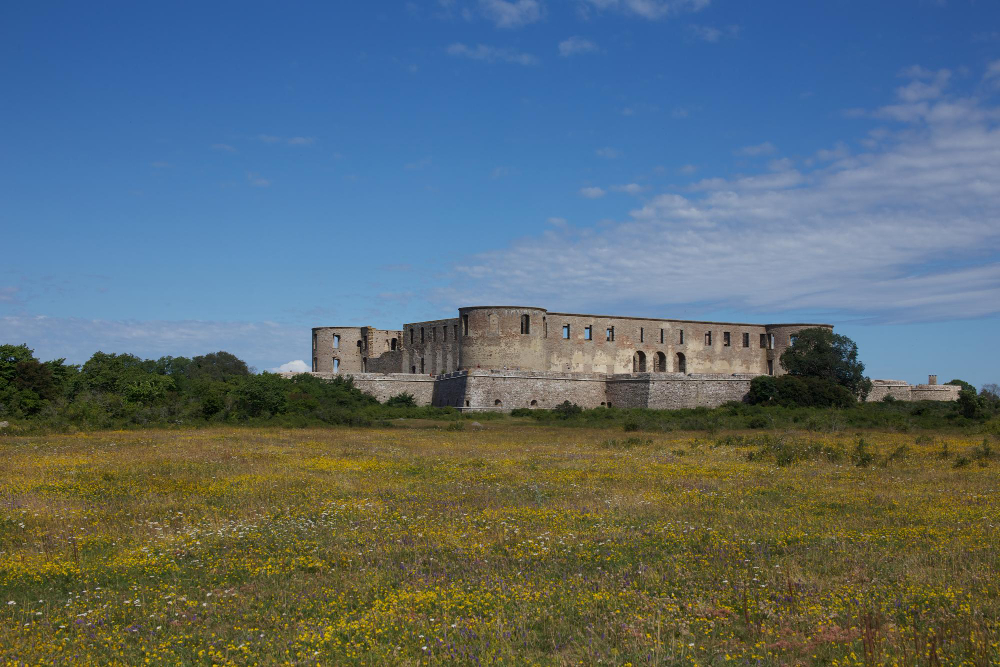
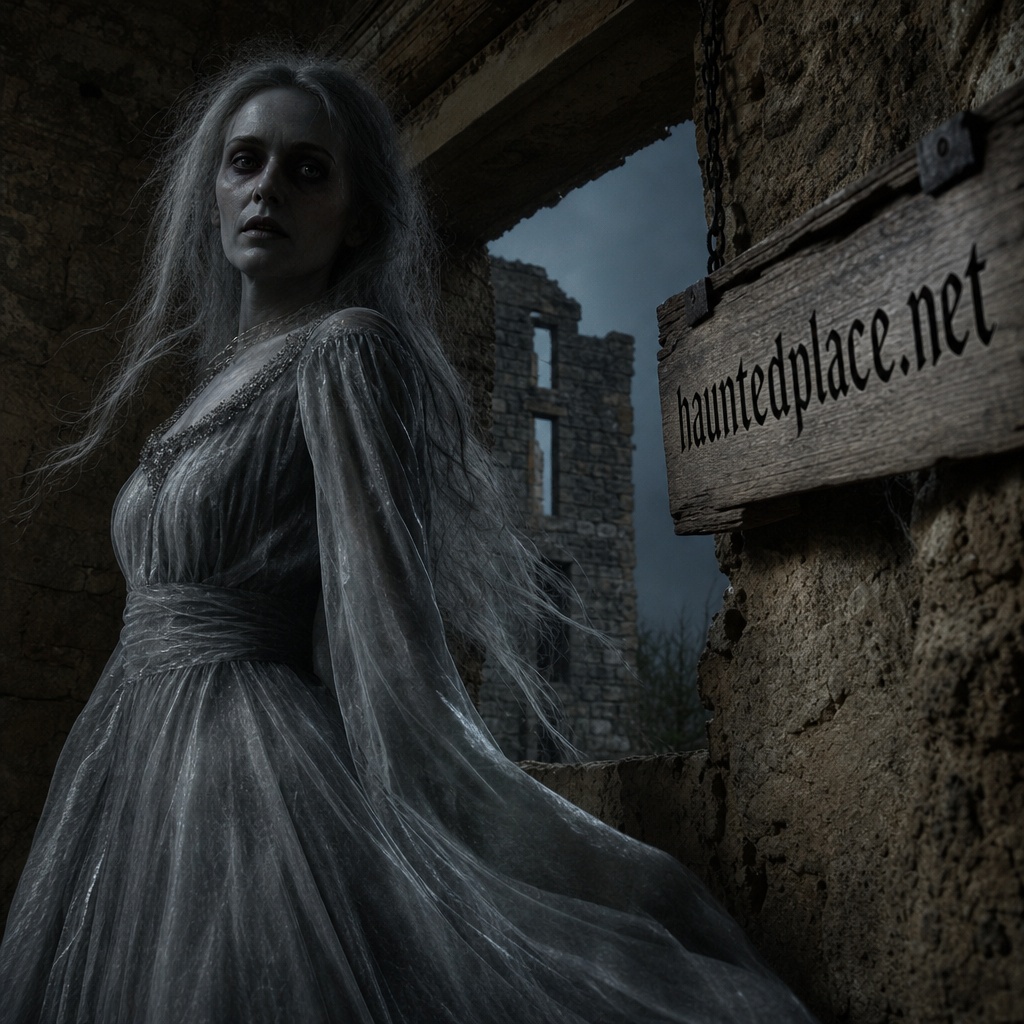
When darkness falls over the island of Öland and the wind sweeps through the open window arches of the ruins of Borgholm Castle, the imposing complex looks like a scene from a nightmare. The night sky stretches above the walls, and footsteps echo through the empty halls, even though no one is to be seen. For centuries, Borgholm Castle has been regarded not only as a historical landmark but also as one of Sweden’s most famous haunts. At the heart of these tales is a mysterious figure: the White Lady, known in Swedish as ‘Vita frun’. She is said to walk through the ruins in bright robes, to stand in the corridors or to emerge from dark rooms. Other accounts speak not of a visible woman, but of her weeping. In such cases, the White Lady is associated with the figure of the ‘Gråterskan’, the Weeping Woman. Her lamentations are said to echo from the walls, particularly when there are few people in the sprawling ruins. The history of Borgholm Castle is closely linked to war, power, alterations and destruction. It is precisely this past that has made the site an ideal breeding ground for dark legends. The ruins as they stand today are the result of a devastating fire in 1806. The castle was largely destroyed at that time and never fully rebuilt. What remained were massive stone walls, overgrown areas, tall window openings and rooms without roofs. This image of an abandoned residence continues to shape the notion that Borgholm has not entirely let go of its former inhabitants.
The first fortifications on the site date back to the Middle Ages. Its strategic location on Öland made Borgholm an important place for centuries. Over time, the complex was altered, extended and fortified on several occasions. In the 17th century in particular, a magnificent Baroque castle was built under the influence of the Swedish Crown. The residence created at that time was intended to radiate grandeur and power. After the fire, however, only its stone shell remained – and with it came the ruin’s sinister reputation. The White Lady is one of the best-known figures in Swedish folklore. White Ladies appear in many European legends as ghostly female figures, often associated with castles, palaces or old noble houses. In Borgholm, this concept took on its own local form. There, the ‘Vita frun’ is not regarded as a mere invention of a modern ghost story, but as part of the traditional tales that have grown up around the ruin. There is no single, clearly documented life story of the White Lady. That is precisely what makes her legend so eerie. There is no historical name, no confirmed portrait and no grave that can be linked to her beyond doubt. Instead, she remains a figure born of memories, oral tradition and tales that have evolved over generations. Some accounts leave open the question of who she might once have been. Others focus solely on her appearance: a woman in white, silent and pale, sometimes visible for only a brief moment. In the stories, she is not always threatening in the traditional sense. She is not primarily described as an aggressive spirit, but as a sad, restless apparition. It is her weeping, in particular, that gives the legend its special impact. Anyone standing in a ruin, where the wind penetrates through cracks and open passageways, may hear sounds that are difficult to identify. The creaking of old structural elements, the fluttering of birds, the echo of voices or gusts of wind between the walls can create an eerie atmosphere. In the traditions of Borgholm, such impressions were associated with the weeping woman.
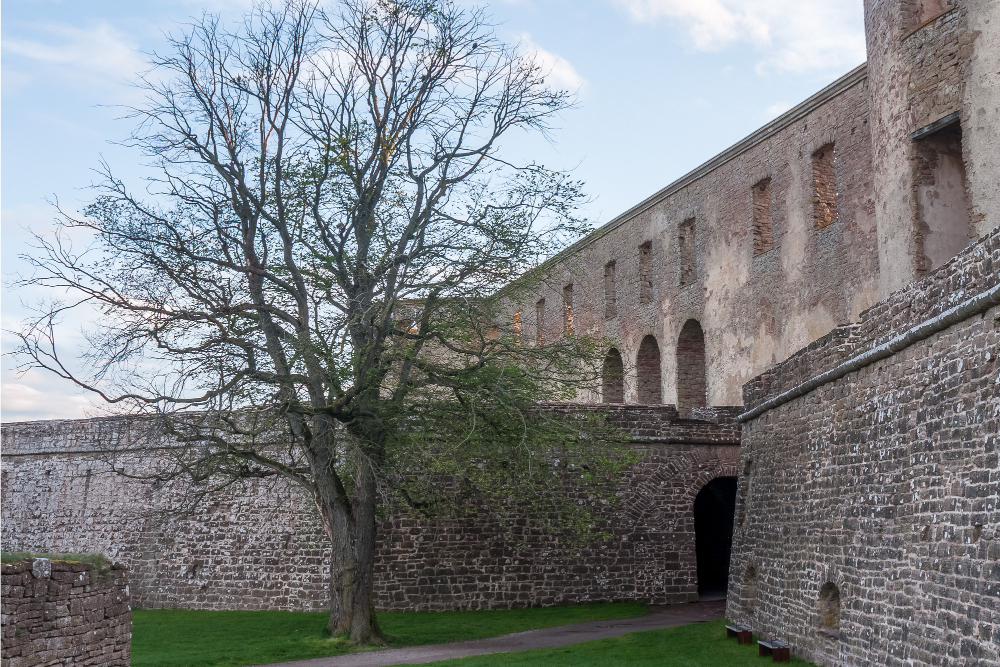
The name ‘Gråterskan’ roughly translates as ‘the Weeping Woman’. This name suggests that the figure was not only seen, but above all heard. Her sobbing, so the stories go, comes from the darker parts of the complex. It is said not to be like the weeping of a person standing nearby, but rather like a sound penetrating the walls from another time. Visitors are said to have felt as though they were being watched, whilst at the same time a soft, drawn-out lament could be heard from an empty room. The legend is particularly striking against the backdrop of the catastrophic fire of 1806. The fire reduced the castle to ruins. The complex, which had previously served as a Baroque residence, lost its roofs, its interiors and much of its former splendour. A fire leaves more than just visible traces; in the minds of many people, it remains associated with loss, flight and despair. The destroyed castle thus became a place where stories of souls left behind took root almost of their own accord. It is said that Borgholm Castle was not rebuilt in its former form after the fire. This gave the complex a permanent air of transience. Where once there was courtly life, servants and visitors, there are now open courtyards and empty halls. The high walls lack doors, ceilings and windows. Daylight streams sharply into the interior, whilst as night falls, shadows lengthen on the walls. Visitors to the ruins do not walk through a fully preserved castle, but through the remains of a lost building.
This setting is crucial to the impact of the story of the White Lady. The legend thrives on the contrast between the grandeur of the site and its emptiness. Borgholm is not a small, hidden ruin in the woods. The walls are massive; the complex appears monumental and stands clearly visible above the Öland landscape. It is precisely for this reason that the image of a solitary, silent woman in white seems so powerful. She would be a tiny figure within a colossal ruin – and yet the one who draws all the attention. Stories of unexplained apparitions are often passed down, altered and embellished at historic sites. In the case of the White Lady of Borgholm, however, it is not a single sensational event that takes centre stage. Rather, her story is interwoven with the site itself. Anyone speaking of Borgholm Castle will soon come across the tale of the ‘Vita frun’. The figure has now become part of the cultural image of the ruins, just as much as the massive walls and the memory of the fire. The narrative derives its suspense partly from the fact that it offers no clear resolution. The White Lady remains nameless. Her grief is never fully explained. No one can say with certainty whether the tradition stems from a real person, an older local legend, or from various stories that were later woven together. It is precisely this uncertainty that preserves the myth. A ghostly figure that has been fully explained often loses its terror. The Vita frun of Borgholm, on the other hand, remains a figure straddling history and legend.
Even today, Borgholm Castle attracts numerous visitors. The ruins are a major landmark on Öland and are used for cultural purposes, including events and concerts. In daylight, the focus is usually on the architecture: the remains of the Baroque castle, the views across the island and the traces of its long history. But as soon as the ghost stories are mentioned, one’s perspective on those very same walls changes. A dark passageway is no longer just part of the ruins. An empty room becomes a potential source of a sound. A patch of light between the stones can, in a story, become a white figure. The legend of the White Lady is thus inextricably linked to Borgholm. It needs no invented details to be unsettling. The castle’s actual history already provides the perfect setting: medieval origins, a significant royal complex, a magnificent Baroque extension and, finally, destruction by fire. From the ruins emerged a place that, to this day, appears both beautiful and eerie. Whether the ‘Vita frun’ was ever actually seen cannot be proven. What is certain, however, is that her story lives on. In folklore, she remains the Woman in White who cannot – or will not – leave. Sometimes she is described merely as a shadow in the old halls. Sometimes as a voice that weeps. And sometimes as that invisible presence which visitors claim to sense when the wind sweeps through the burnt-out walls of Borgholm Castle.