 Isabella Mueller Baroness of Stainton le Vale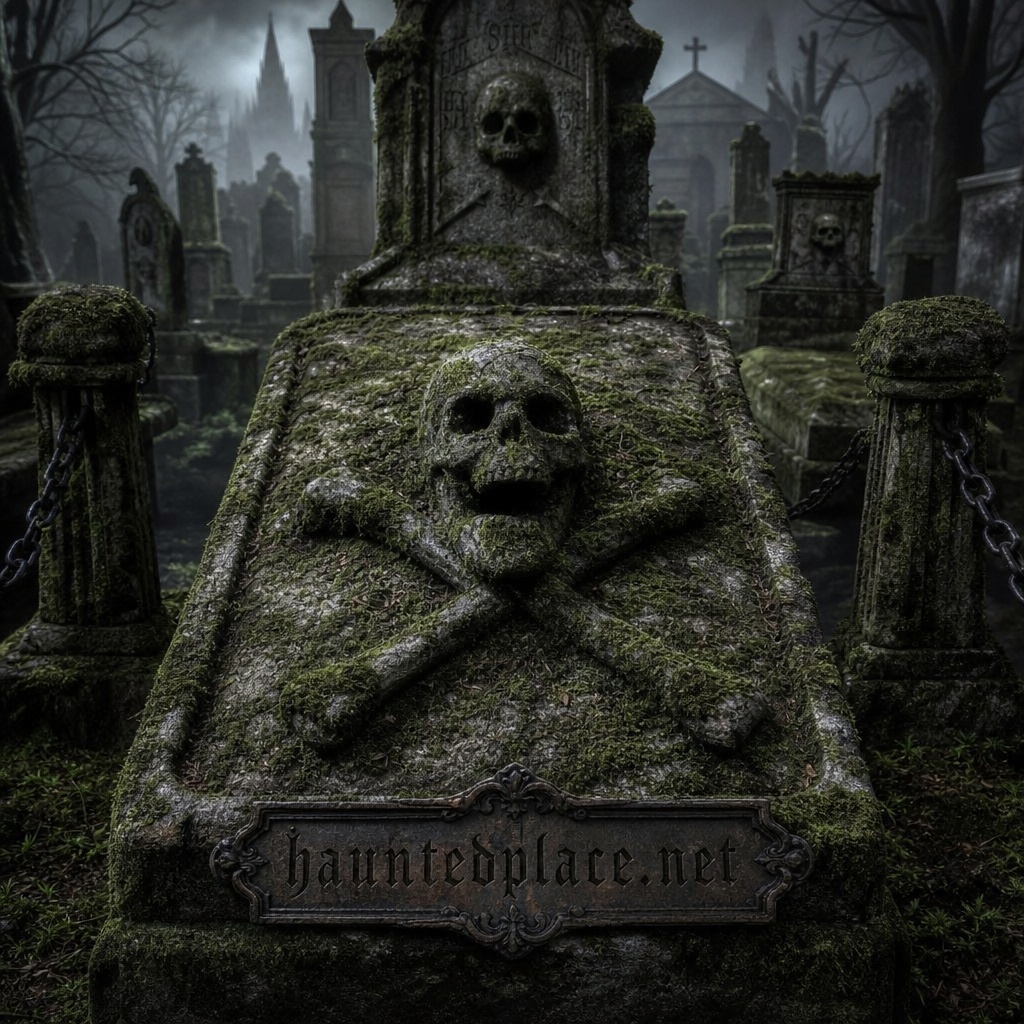
Tucked away in the picturesque countryside near Bruges in Belgium lies an eerie place that captivates even the bravest of visitors: the ‘Skull Cemetery’. This seemingly peaceful place exudes a gloomy atmosphere, heightened by the interplay of weathered gravestones, macabre carvings and a past shrouded in mystery. Its eerie history and the sinister symbols on the graves make it a magnet for ghost enthusiasts, horror fans and anyone drawn to tales of the supernatural. But what makes this cemetery so special?
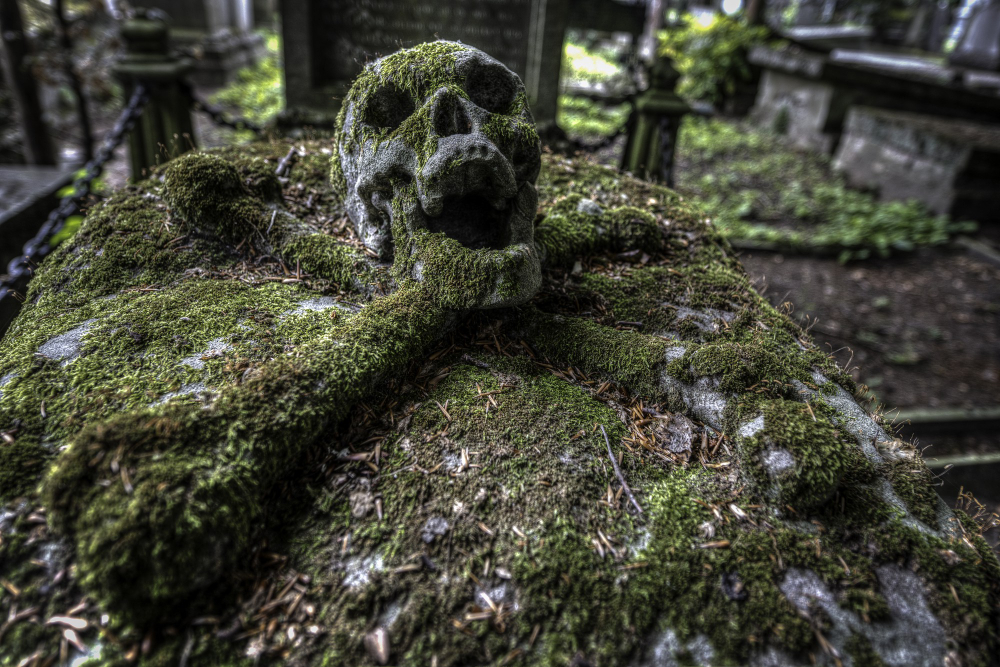
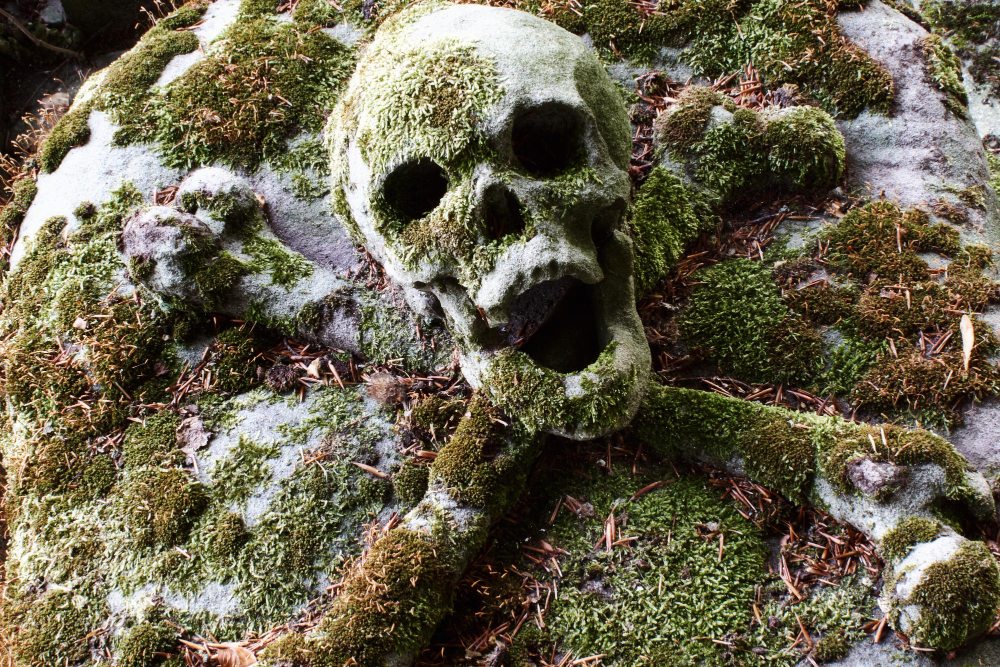
A journey into the past – The “Skull Cemetery” dates back to the 18th century, a time of social upheaval and deep-rooted religiosity. Most of the gravestones bear carvings of skulls and crossbones – iconic symbols of death and mortality. Whilst these depictions are perceived as eerie or surreal today, they reflected a clear message back then: the transience of life. Over the years, the once sharp contours of the engravings have faded, become covered in moss and weathered by the whims of nature. This natural transformation has made the cemetery’s appearance even more ghostly. The dull green of the moss seems to envelop the skulls in a living embrace, as if nature itself were seeking to preserve the stories of the deceased – or to make them even more eerie.
Dark legends and mysterious occurrences – Naturally, such a unique cemetery attracts numerous legends. One of the best-known stories concerns a woman named Marguerite, who is said to have been buried there in the late 18th century. According to the tales, Marguerite was a witch feared by the locals, who ultimately met a gruesome end. Visitors report that her grave emits a strange energy at night, causing the air to shimmer. Some claim to hear a tapping on her gravestone, even though there is no one to be seen far and wide. Another mystery surrounds the so-called ‘Whispering Grave’. It is said that if you lean against a certain stone at night, you can hear soft voices – as if the dead were trying to tell their stories. Scientists have attempted to explain these phenomena rationally by conducting acoustic investigations or pointing to possible natural sources of sound. Yet the reports remain numerous and persistent, and many visitors are convinced that something supernatural is at work here.
The sombre aesthetics of death – The skull and bone symbols on the graves are not merely decorative embellishments, but a clear expression of a philosophical idea of that time: the ‘Memento Mori’ movement (‘Remember Death’) was particularly widespread in the 18th century and was intended to remind people that life is fleeting. This depiction may seem matter-of-fact, but it is unsettling given the unease it leaves the viewer with. Many historians and art critics, however, regard the macabre sculptures as significant cultural artefacts. They illustrate not only the notion of death as an inevitable end, but also the fear felt by the society of that time. The “Skull Cemetery” is therefore often described as a kind of visual expression of the contemporary engagement with death.
Paranormal research and modern visitors – In recent years, paranormal investigators and ghost hunters have taken a closer look at the cemetery. Using highly sensitive measuring devices, they investigate electromagnetic fields, temperature changes and possible physical anomalies. Time and again, recordings show mysterious lights or shadows moving between the gravestones – extraordinary phenomena that pique the researchers’ curiosity whilst simultaneously sending a shiver down the spines of onlookers. Some of these investigators report strange experiences during their visits. One group, for example, spoke of a cold draught that suddenly hit the back of their necks, even though the summer air was warm and still. Others described the feeling of an oppressive presence, as if they were being watched. These reports have only further cemented the cemetery’s reputation as a place of supernatural phenomena.
A Place of Fascination – Despite its gloomy atmosphere, the cemetery attracts people from all over the world. Some come to admire the ornate engravings, others seek a thrill or hope to get to the bottom of the legends. There are even visitors who wish to experience the cemetery in a meditative way – a strange mixture of tranquillity and terror that is unique. For historians, the “Skull Cemetery” remains a valuable treasure trove for researching the burial culture and belief systems of that era. Artists and photographers, on the other hand, use the site’s melancholic imagery as a source of inspiration, whilst storytellers and filmmakers draw inspiration from the legends and tales surrounding the cemetery.
A place between life and death – The “Skull Cemetery” is more than just a cemetery – it is a place where the uncanny and the historical merge in a fascinating way. Its morbid beauty, the ghost stories and the inexplicable events make it a magical and eerie destination for all who love the mysterious. Yet whilst some regard this place as merely a historical artefact, others remain convinced that the boundary between life and death is particularly thin here. Whether a haven for supernatural energies or simply a testament to times gone by: this cemetery leaves no one unmoved. Those who enter it rarely leave without a sense of awe – and a slightly queasy feeling in the pit of their stomach.