 Isabella Mueller Baroness of Stainton le Vale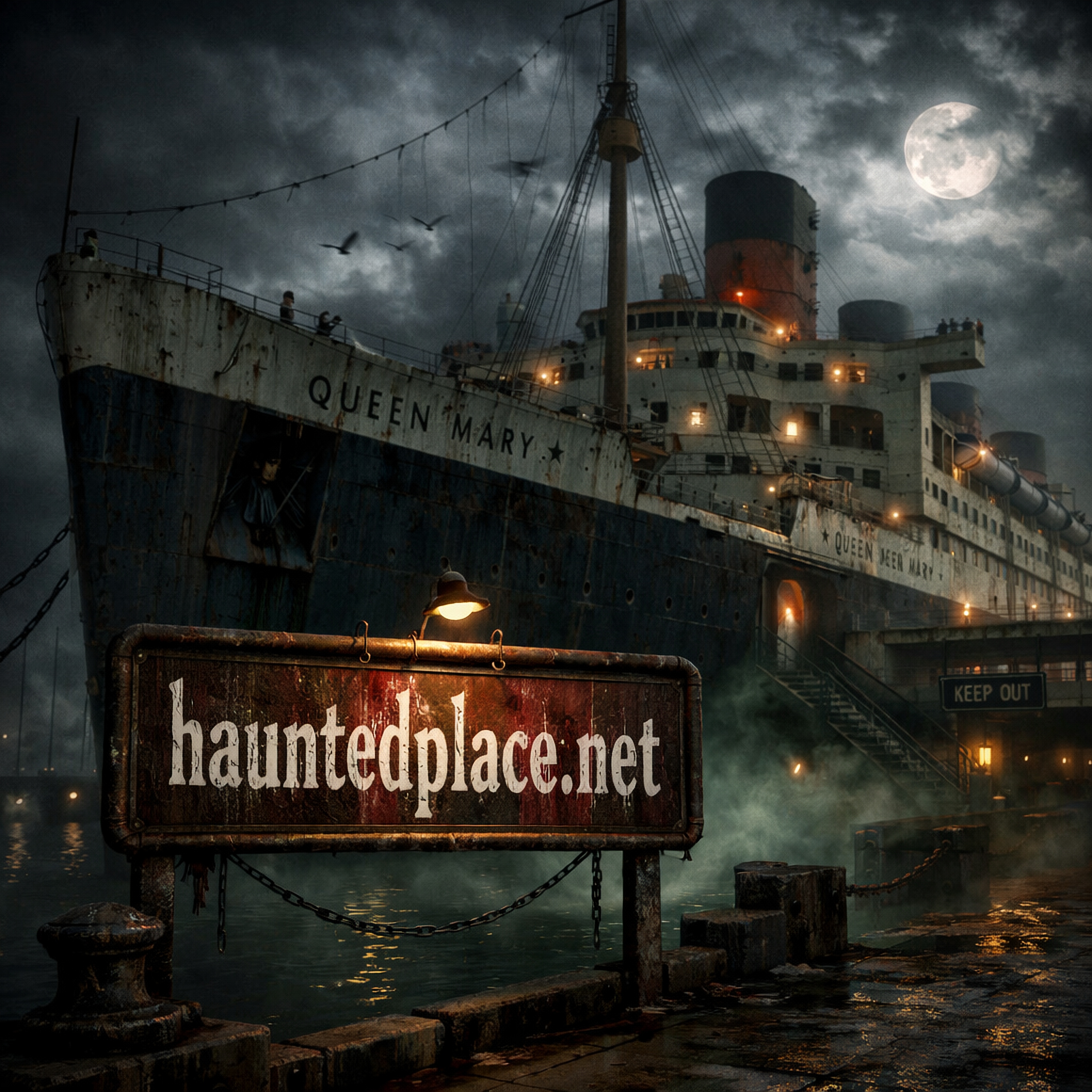
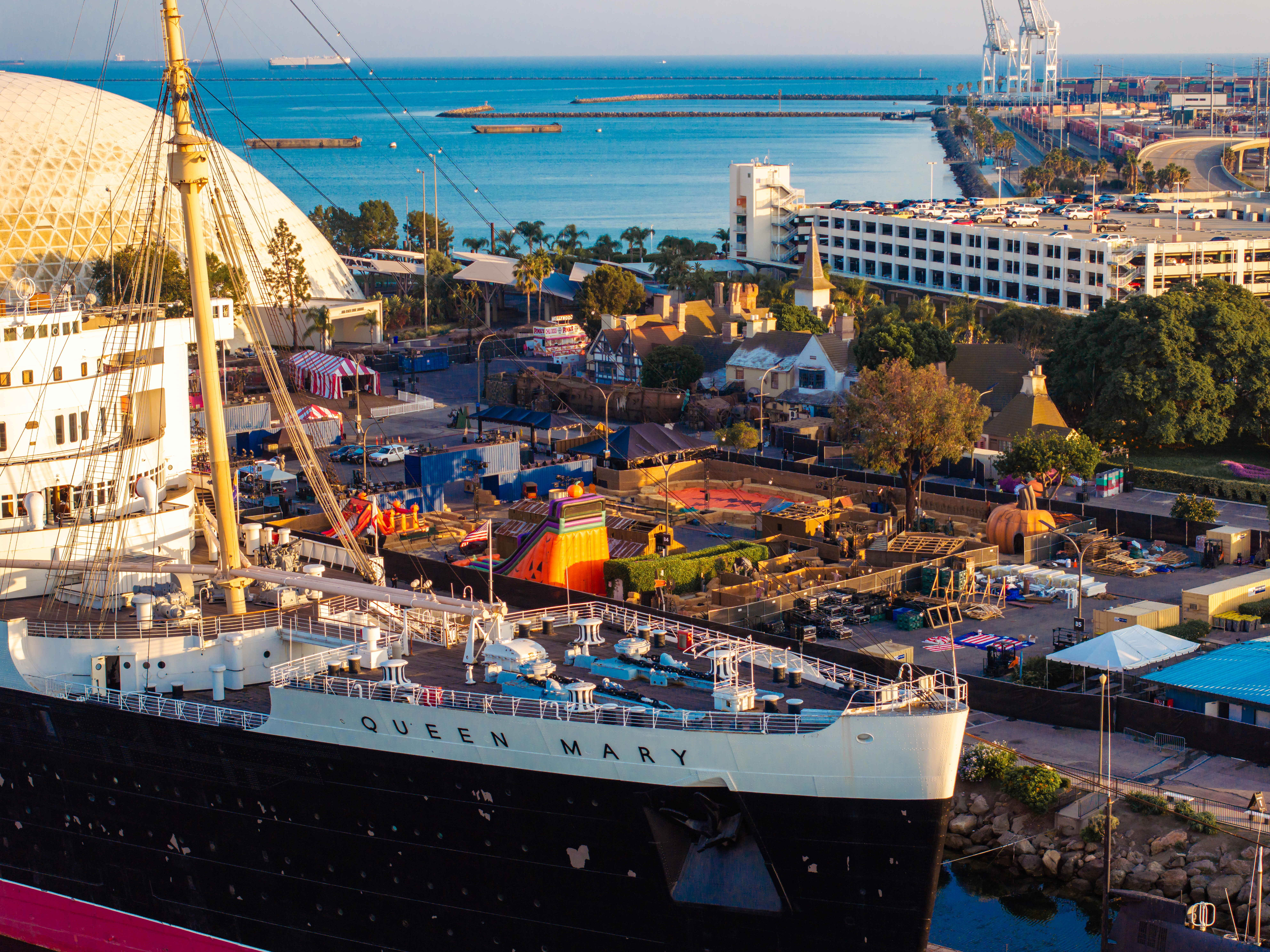
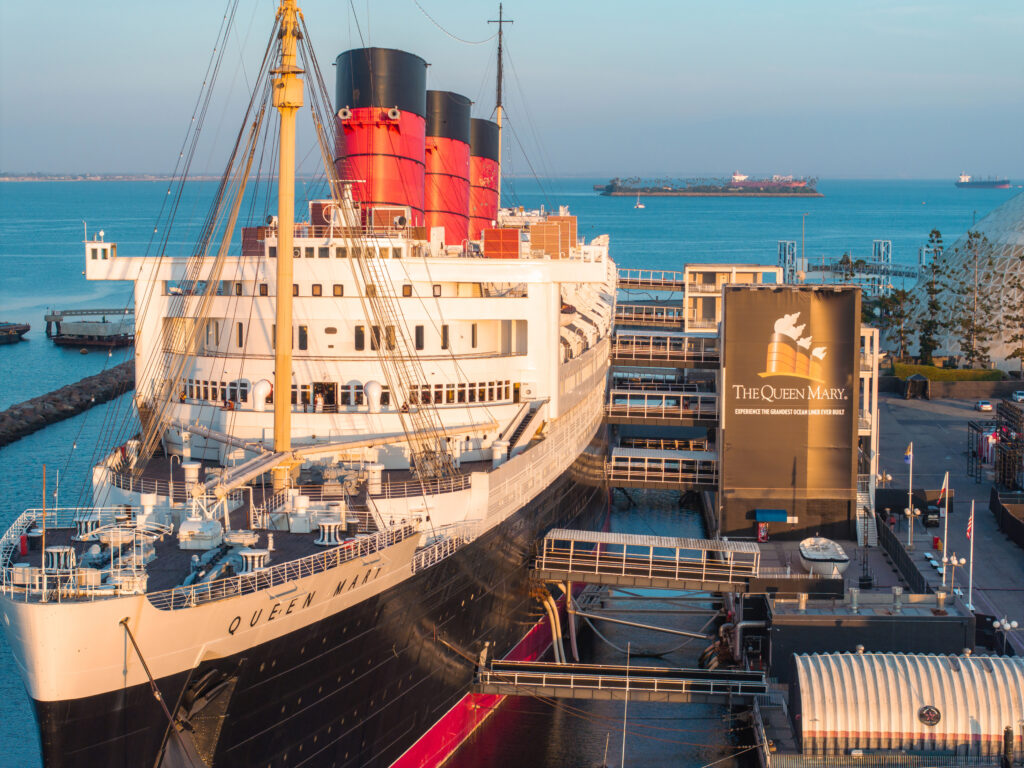
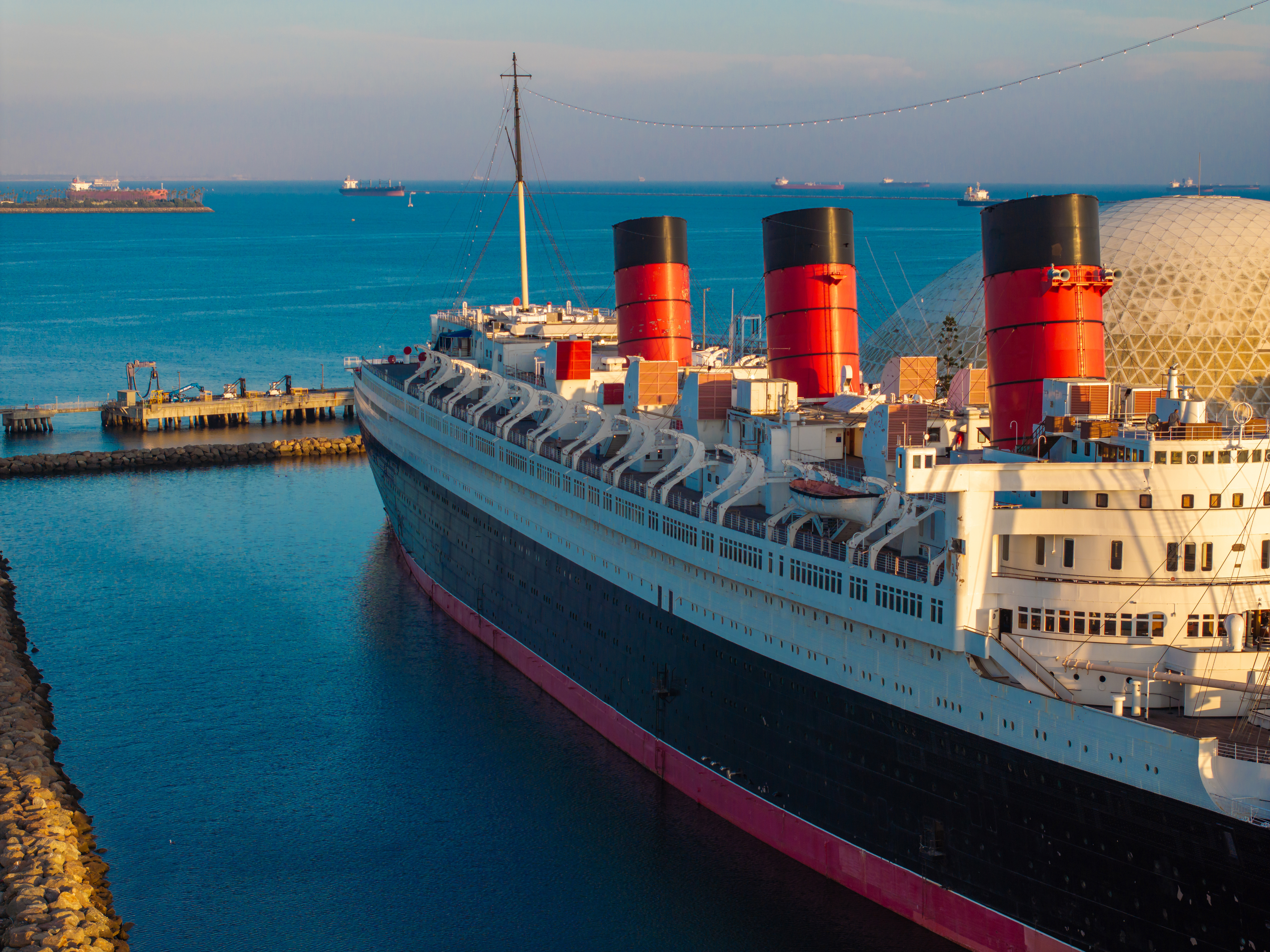
In the calm waters of Long Beach, California, lies a giant of the seas: the Queen Mary. Once a proud passenger ship that carried the glittering elite of the world across the Atlantic, the Queen Mary is now considered one of the most haunted places in the world. Its stories are as numerous as the waves that occasionally lap gently against its old hull. But what really lies behind the rusty facade of this maritime colossus?
Since the end of her active service in 1967, the Queen Mary has been the subject of numerous reports of supernatural encounters. Visitors and tourists report eerie noises, unexplained shadows, and cool gusts of wind in windowless corridors. While some dismissed this, others left the ship in panic and terror. But what could cause such reactions?
One of the most famous apparitions is the “Gray Lady,” a shadowy silhouette often seen in the ballroom. Some say she is a former passenger, while others believe she was a member of the crew who died in a tragic accident. In any case, her restless soul seems unable to find peace and she still wanders the halls of the ship today.
During a tour, the guide told a particularly creepy story about the engine room, a place full of steaming pipes and mechanical devices. Years ago, it is said, a young engineer was crushed by a heavy steel door there. The bloodcurdling squeak of this door is said to often echo at midnight, sounding like a ghostly echo from the past.
These eerie stories are corroborated by numerous eyewitness accounts. A particularly disturbing incident occurred in the dreaded cabin B340. This cabin is so notorious that it remained closed for years, but people’s curiosity remained unbroken. Overnight guests report blankets being pulled off their beds for no reason, light switches turning on by themselves, and terrifying screams that seemed to come from the walls. Scientists and parapsychologists who were called in to investigate these phenomena were baffled, although some noted temperature drops and unexplained electromagnetic disturbances.
The legend of a little girl also sends shivers down the spines of many visitors. She is said to have drowned on the upper deck of the ship while traveling with her parents. Her laughter still echoes through the halls today, and some report seeing her invisible apparition in the mirrors of the restrooms. The idea that the souls of children might linger on the ship adds to the oppressive atmosphere that pervades everywhere.
However, the Queen Mary is not the only ghost ship where undead crew members wreak havoc. Similar ghost stories surround the British passenger ship RMS Queen Elizabeth, where former sailors report ghostly apparitions on stormy nights. Reports of hauntings on the high seas are nothing new—even in the days of tall ships, there were stories of fearsome pirates and failed sailors haunting the ocean.
But what makes ships like the Queen Mary so susceptible to paranormal activity? Some experts and historians believe that places that have experienced great suffering and tragedy store emotional energy. This could explain why the ship is considered a hotspot for the unexplained. The war in which the Queen Mary served as a troop transport may have immortalized horror and fear within its steel walls.
Today, the dark legends surrounding the Queen Mary attract a growing number of adventurers and ghost hunters. During night tours, guests have the opportunity to venture into the most eerie parts of the ship, guided only by the dim light of a flashlight. The hope of catching another glimpse of the supernatural allows many travelers to experience the fascination of horror firsthand. However, the question remains unanswered as to whether all these phenomena are caused by human imagination or actually by the dead.
Amidst the countless stories that surround the ship, the Queen Mary lives on—as a floating relic of a bygone era and, at the same time, a monument to indelible memories and unsolved mysteries. Whether or not it is haunted by ghosts, the dark stories that surround it promise to keep its legend alive for generations to come.