 Isabella Mueller Baroness of Stainton le Vale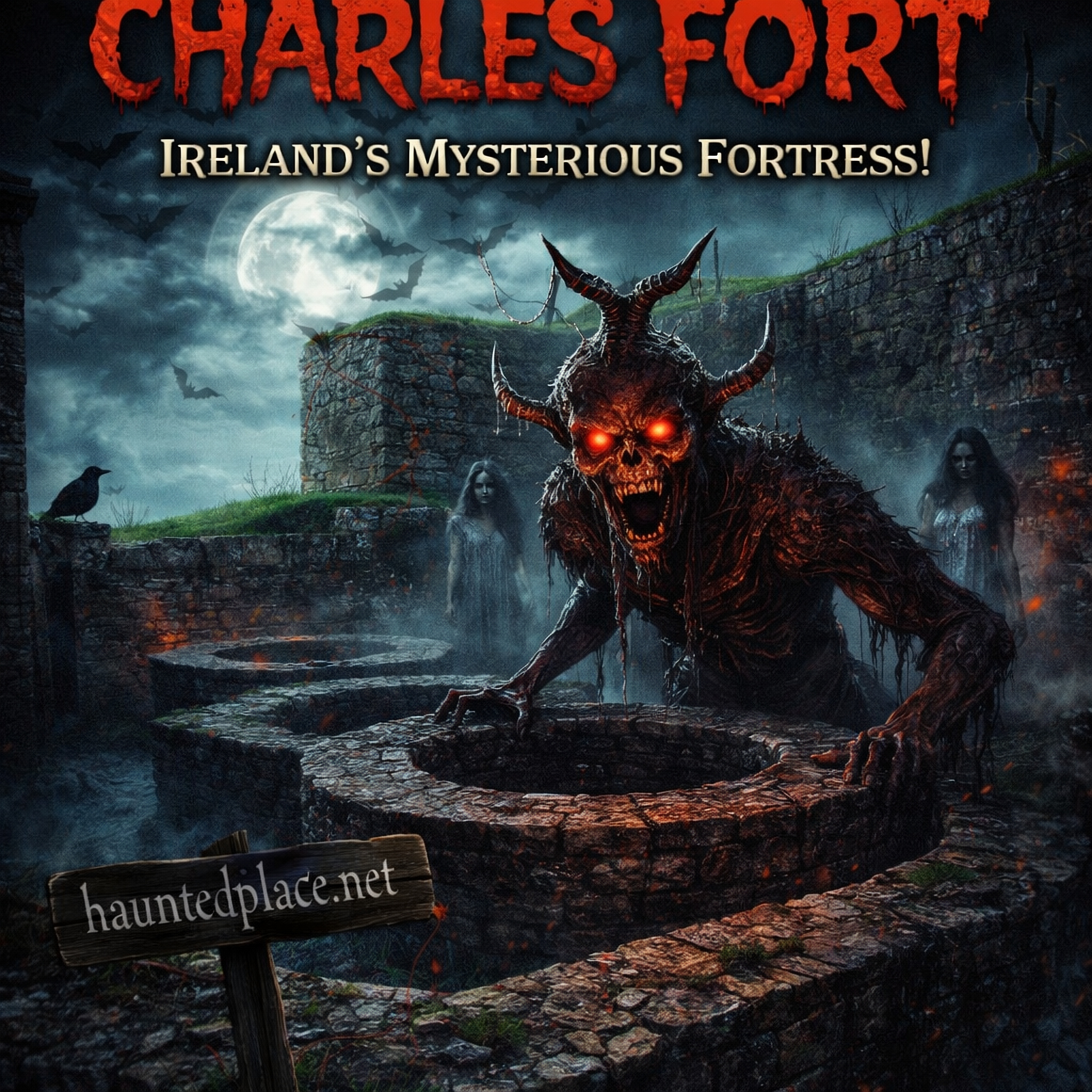
Located on the coast of County Cork in Ireland, Charles Fort stands as a guardian of history, its imposing walls whispering tales that are part truth, part fiction. While this 17th-century fortress is known for its strategic design and role in Irish military history, it is equally notorious for the eerie legends that surround it. From ghostly apparitions to tragic tales—Charles Fort is shrouded in mystery: a place where history and the supernatural intertwine, leaving visitors with haunting memories. What makes this fortress so eerily fascinating? To unravel its history, we must explore its historical roots and delve into the eerie myths that have shaped it.
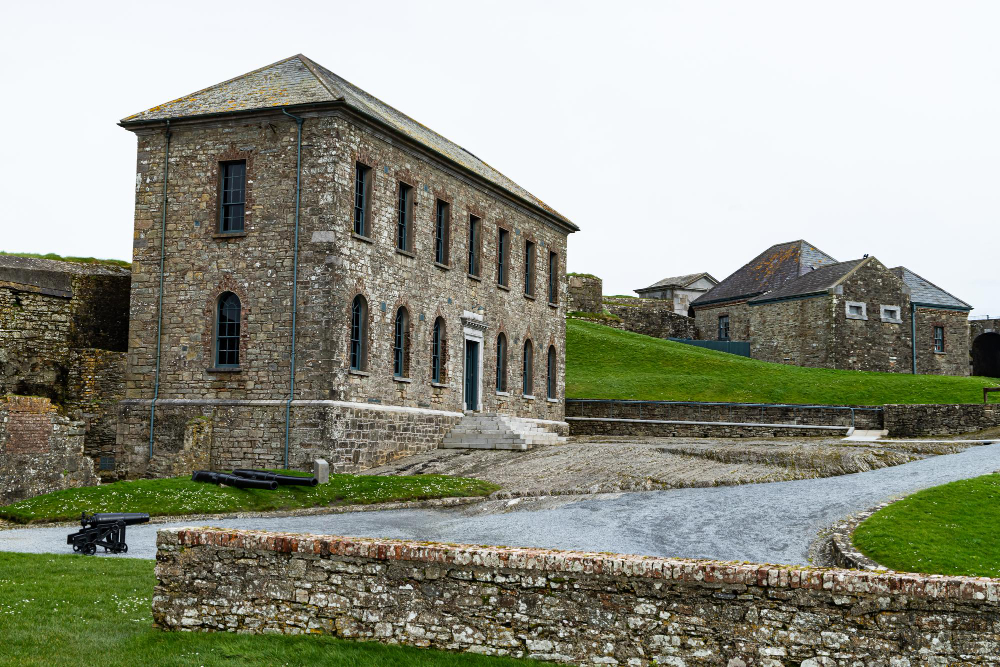
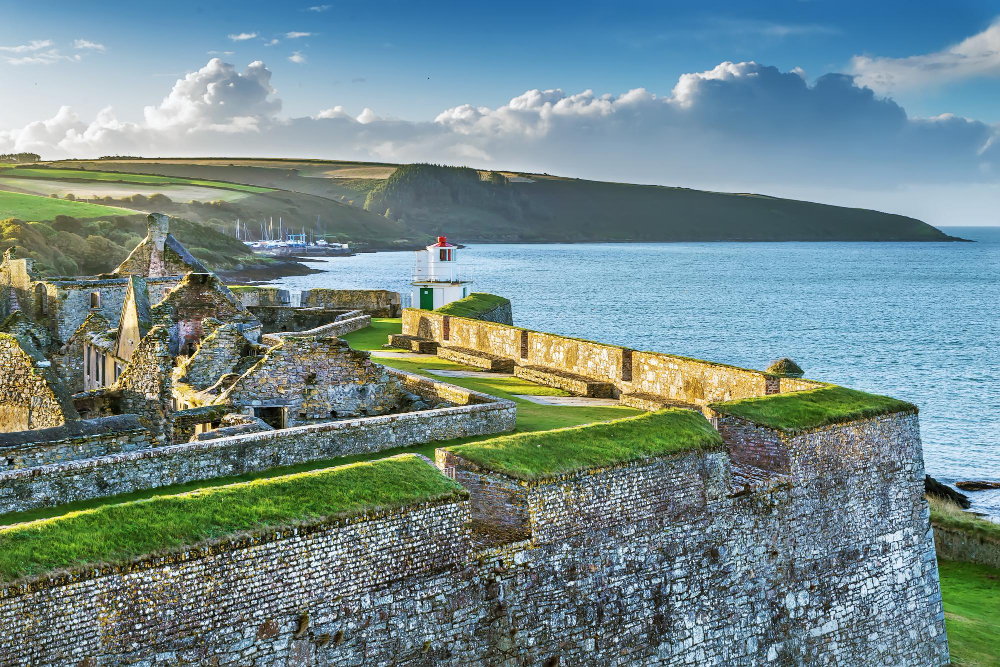
A Fort Born of Conflict – Charles Fort was built during the reign of Charles II between 1677 and 1682, primarily to defend against naval attackers entering Kinsale Harbor. Its star-shaped layout, inspired by military engineer William Robinson, was revolutionary for its time. The fort’s architecture allowed defenders to fire upon approaching enemies while ensuring protection from direct artillery attacks. This strategic genius made Charles Fort a key stronghold in Irish and British military history. Over the centuries, the fort witnessed numerous conflicts. It stood firm during the Williamite War in 1690, when troops loyal to King James II clashed with the supporters of William of Orange. Despite its strength, Charles Fort eventually surrendered to the Williamite forces after a brutal siege. Over the years, it continued to serve various purposes, from a defensive fortress to a military barracks, until it was finally abandoned in the late 19th century. Yet behind the fort’s historical significance lies a more sinister, eerie side—rumors of restless spirits and unexplained phenomena that arouse both curiosity and fear.
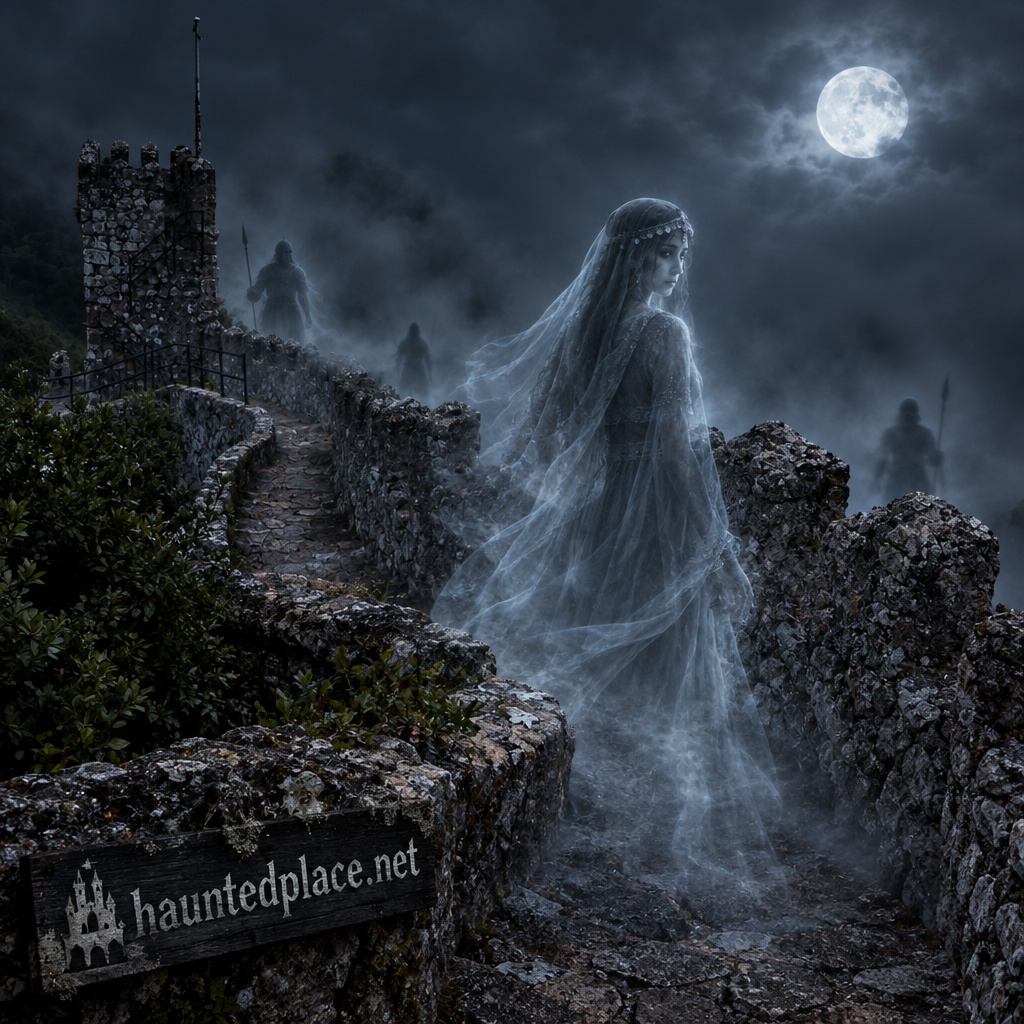
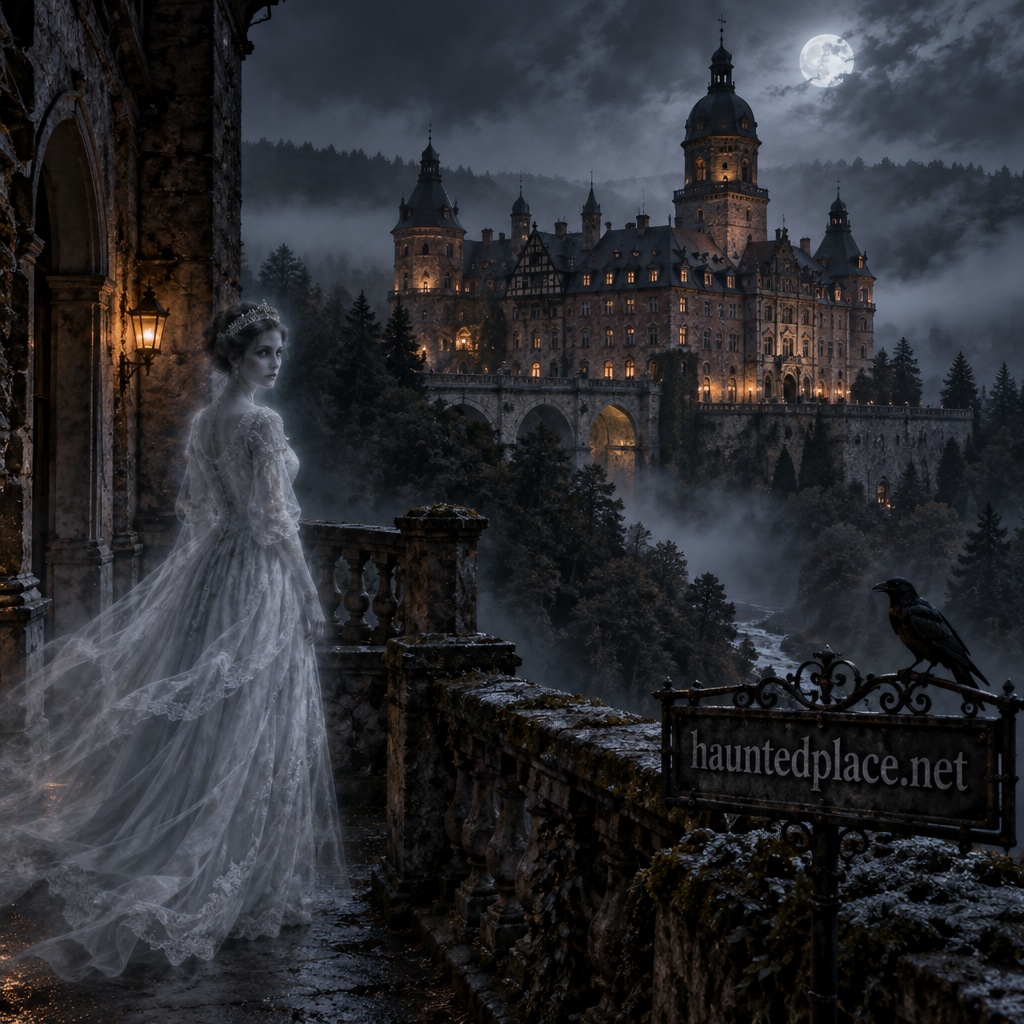
The Lady in White: A Tragic Love Story – One of the most famous legends associated with Charles Fort is the story of the “Lady in White.” Her tale is a mix of grief, betrayal, and revenge—perfect ingredients for a folk legend that refuses to fade into oblivion. According to legend, the White Lady was the young bride of a soldier stationed at the fort. Shortly after their wedding, her husband was assigned to stand guard at the fortress walls. Overwhelmed by joy and excitement, she visited him during his watch, thereby unintentionally distracting him. His superior noticed the breach of duty and, in accordance with strict military discipline, had the soldier executed for dereliction of duty. When the tragic news reached the bride, her world collapsed. Overwhelmed by grief and despair, she threw herself from the fortress walls of Charles Fort and ended her life there, where her happiness had been so short-lived. It is said that her tormented spirit still lingers within the fortress walls. Many visitors and locals claim to have seen her wandering through the ruins dressed in white—a ghostly figure, trapped in eternal grief. Some report sudden drops in temperature or faint sobs in the middle of the night. Whether these experiences are real or merely imagination—the White Lady has established herself as one of Ireland’s most enduring ghost legends.
Hauntings Beyond the Bride – The White Lady may be the fortress’s most famous ghost, but she is not the only presence said to haunt the grounds. Several witnesses have described shadowy figures patrolling the corridors—possibly the ghosts of long-dead soldiers who remain bound to their posts even in death. Others claim to hear phantom footsteps echoing through empty rooms, accompanied by the metallic clinking of invisible keys or weapons. Interestingly, locals suspect that Charles Fort’s sinister reputation may have deeper roots. Before it became a military fortress, the site is said to have held pagan significance—a place imbued with spiritual energy. Some theories suggest that the ancient energies of the area could amplify supernatural activity, making it a magnet for restless souls. The connection to pagan lore also ties into the site’s older, darker uses. Such theories are speculative, but they add another dimension to Charles Fort’s enigmatic aura and suggest that the spirits inhabiting the fort may have existed even before it was built.
The Curious Investigations of Paranormal Enthusiasts – Over the years, Charles Fort has attracted numerous paranormal investigators, all eager to find evidence of its reputation as a haunted site. Equipped with state-of-the-art technology such as EMF sensors and infrared cameras, they have combed through the ruins of the fort, searching for concrete signs of the supernatural. Several investigators have reported recording unusual readings near the main fortification walls and the inner chambers, where some claim the White Lady often appears. Others describe capturing unexplained movements, such as blurry figures darting across camera footage or orbs of light floating in dark rooms. While skeptics argue that such phenomena could be caused by natural processes—shifting shadows, reflections, or electronic interference—the sheer volume of reports points to a mystery that cannot simply be dismissed. For the adventurous, the appeal of Charles Fort lies precisely in its ambiguity. Is it truly haunted, or are the legends amplified by the power of suggestion?
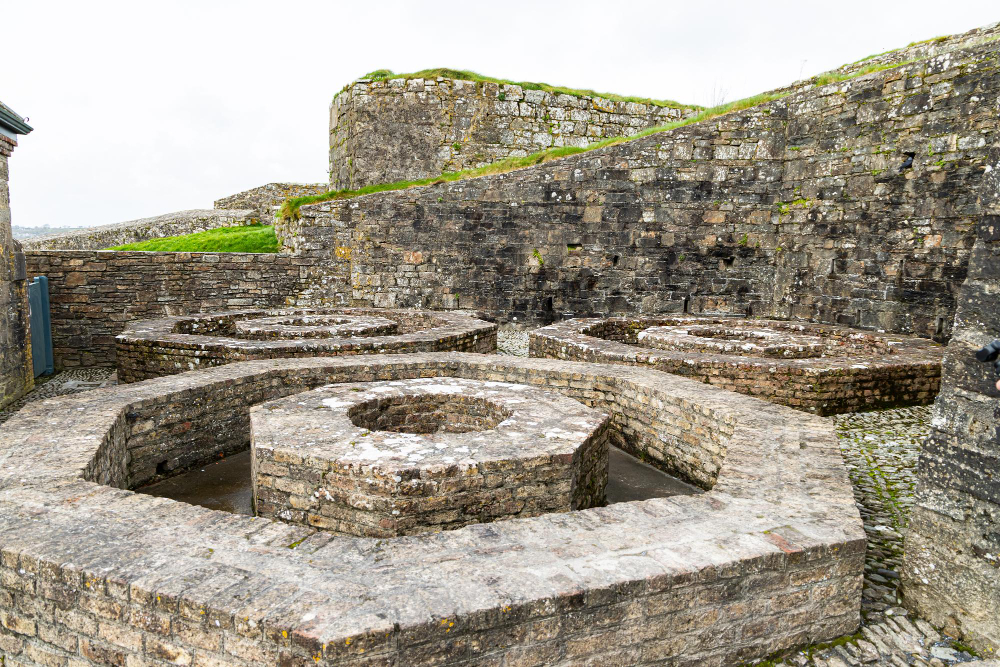
The Psychological Allure of Eerie Places – Psychologists have long studied how environments like Charles Fort affect the human psyche. Visiting places associated with tragedy and death—known as “dark tourism”—appeals to our fascination with the macabre. Charles Fort embodies this phenomenon—its blend of historical significance and eerie myths exerts an irresistible pull on visitors seeking both education and goosebumps. What makes such places unsettling is not only their legends but also the physical atmosphere. The weathered stone walls of Charles Fort and its secluded coastal location amplify the sense of desolation. Add to that the icy winds sweeping through the ruins, and it’s easy to understand why the place seems to be permeated by a ghostly tension. Interestingly, some researchers believe that the presence of such places can influence perception. Those who expect to encounter ghosts or paranormal activity may unconsciously interpret normal phenomena as supernatural. Whether you believe in ghosts or not—standing in Charles Fort on a stormy night could send a shiver down even the most hardened skeptic’s spine.
A Legacy Full of Secrets – Today, Charles Fort remains one of Ireland’s most popular historic sites. Tourists flock to the grounds to admire the architectural brilliance and immerse themselves in its rich history. Yet for many, the fascination goes beyond mere academic interest—the haunting legends and the ethereal presence of the White Lady continue to draw visitors curious about the unknown. As the sun sets over Kinsale Harbor and casts long shadows across the fort’s ancient walls, it’s easy to see why the mystical aura persists. Whether you’re captivated by its history, fascinated by its myths, or seeking a spooky thrill—Charles Fort offers an experience that will resonate long after your visit.
It reminds us that history is not just a collection of facts and dates—it is also a tapestry of human emotions, tragedies, and imagination. And sometimes, these emotions are strong enough to leave an echo in places like Charles Fort, where time seems to stand still and the line between the living and the dead blurs in an alluring way.