 Isabella Mueller Baroness of Stainton le Vale
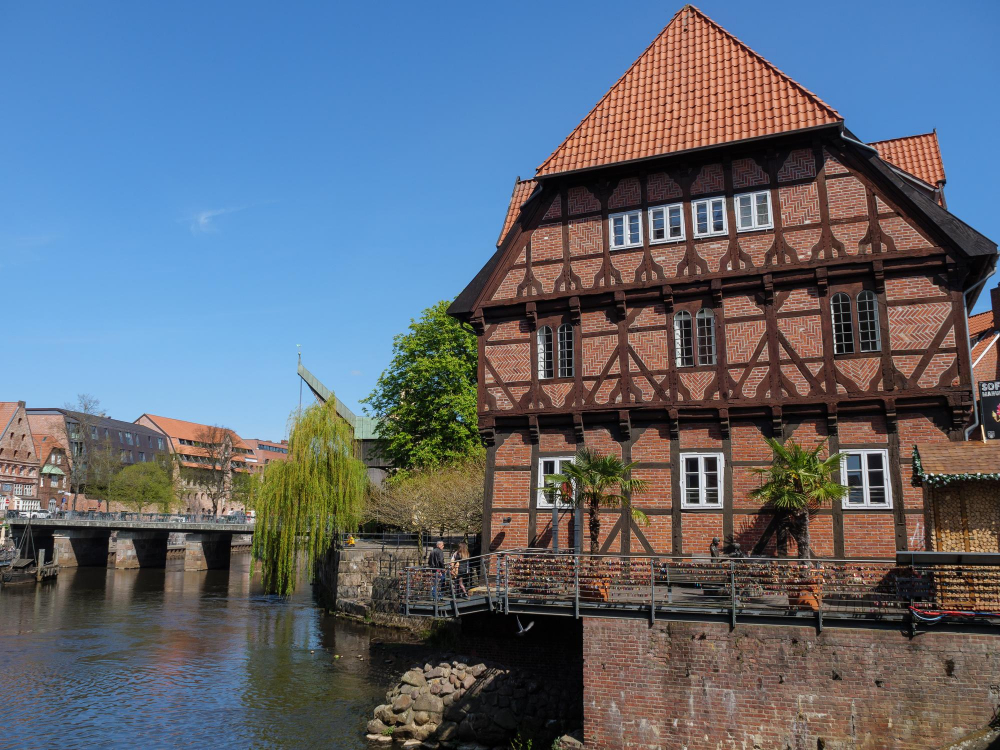
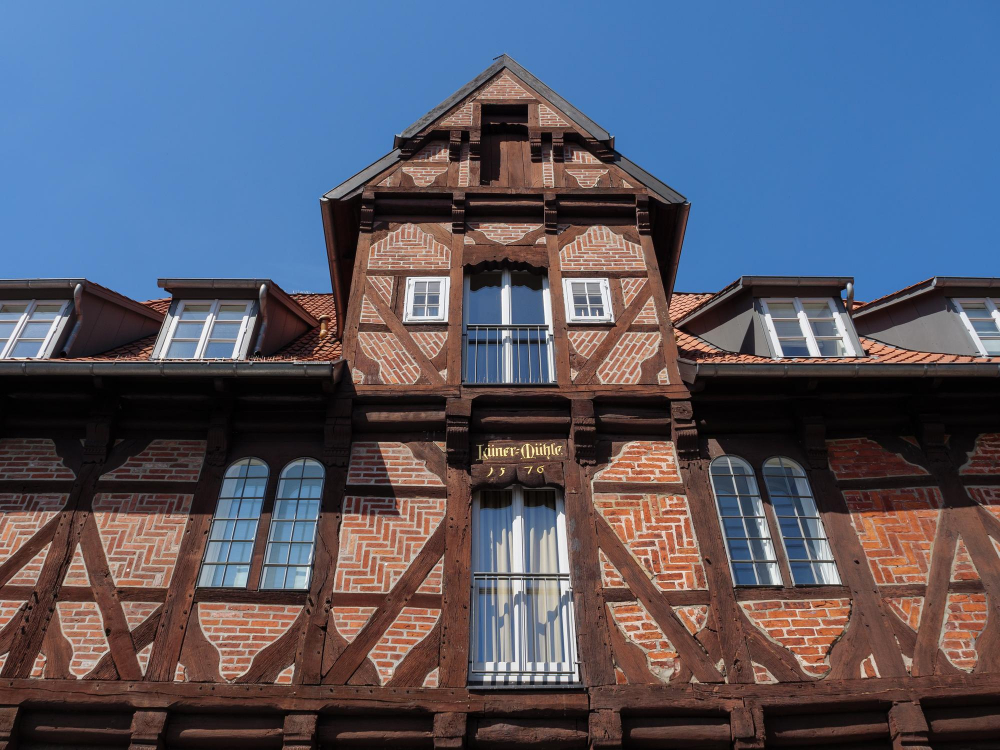
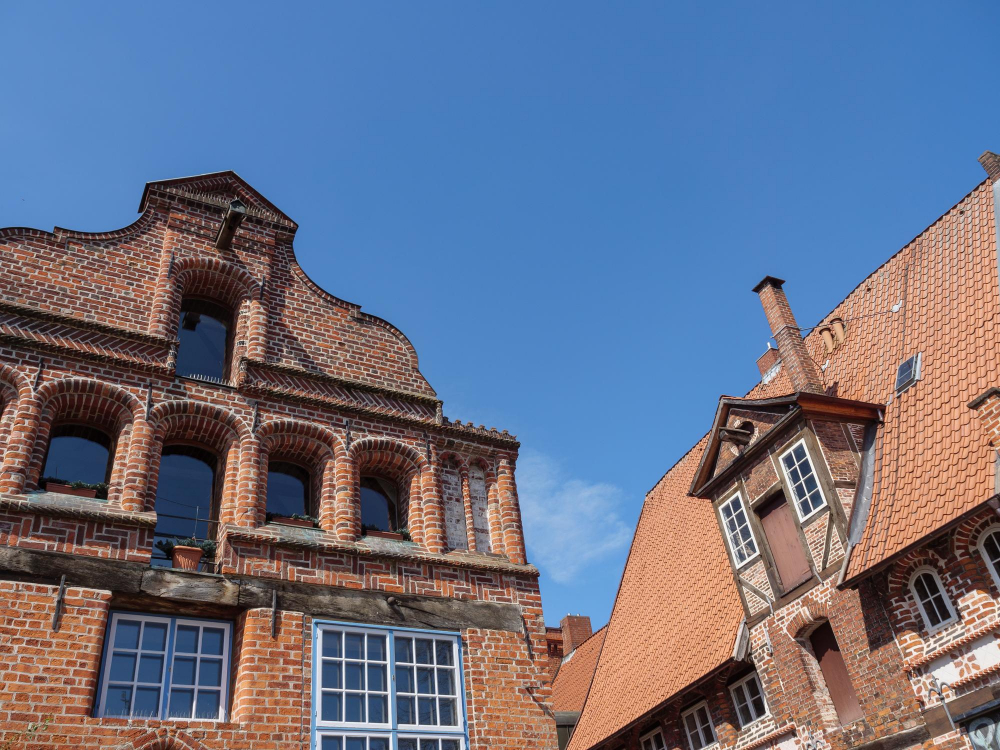
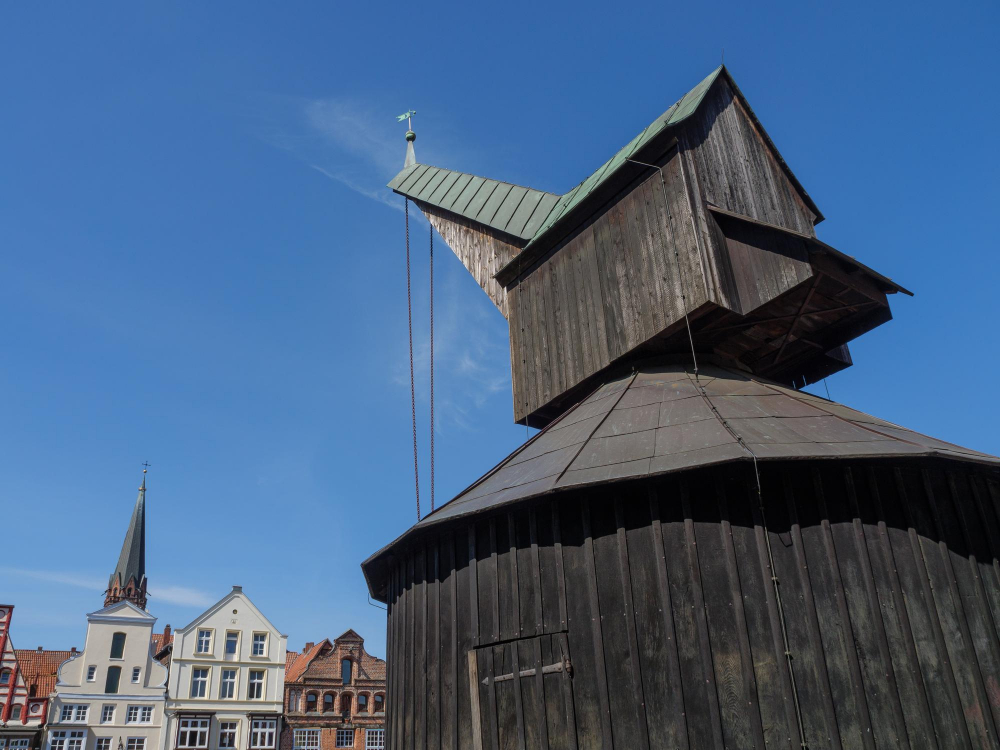
Lüneburg, a town with centuries of history, is known for its picturesque half-timbered houses, historic old town and its role as a centre of the salt trade. Yet behind this idyllic façade lies a dark secret: the eerie legend of the Salt Witch. The legend, deeply rooted in local folklore, tells of an outcast whose curse is said to still weigh upon the town to this day. Anyone strolling through the narrow streets at night might encounter an unexpected visitor who is not of this world.
The Tragic Story of the Salt Witch – The origins of the legend stretch far back to a time when salt was not only a valuable commodity but also symbolised power and prosperity. Lüneburg, which had amassed wealth through salt extraction from the surrounding brine springs, was a major centre for the ‘white gold’. Yet this esteem also had its dark side, as the story of the Salt Witch shows. According to legend, a woman lived on the outskirts of the town at that time, trapped in abject poverty. Her name has never been recorded – perhaps because the memory of her was overshadowed by fear and shame. It is said that she once attempted to steal salt from the town’s springs, an offence that was considered a serious crime at the time. Salt was more than just a seasoning; it was a staple food and a commodity, a good of crucial importance that was strictly guarded. It is said that she was caught red-handed as she attempted to steal the precious commodity in small bundles. The townspeople’s fury knew no bounds. They not only accused her of theft, but also claimed that her actions had been aided by dark forces. Rumours circulated that she had used witchcraft to defy the fate of poverty. In an era when belief in supernatural powers was deeply ingrained, such accusations were often enough to ruin a person. Following her arrest, she was publicly charged and eventually banished from the community. She was driven from the town in shame and disgrace, whilst the locals sought to erase her name and existence from their memories. She fled into the surrounding woods, yet the people’s hatred and contempt had already broken her spirit. There, far from society, she is said to have sworn a sinister pact to curse her enemies and exact revenge.
The Curse of Lüneburg – Since that time, a sinister tale has circulated about the Salt Witch, claiming that she found no peace after her death. Instead, she is said to wander the streets of the old town as a restless spirit as soon as darkness falls over the city. Her appearance is described as gloomy and terrifying: a gaunt woman with dishevelled hair, dressed entirely in black, carrying a heavy sack said to contain the stolen salt. The curse that the Salt Witch is said to have cast over Lüneburg is as cruel as it is haunting. Some accounts claim it is responsible for strange occurrences in the town – from sudden illnesses to unexplained deaths. Others say her presence is meant to remind people of how mercilessly they once treated the woman who wanted nothing more than to satisfy her hunger. Particularly eerie is the notion that the Salt Witch haunts precisely those places where the springs once lay that are said to be responsible for her curse. Brave walkers who venture into the alleys of the old town at night are said to be able to hear her wailing voices – whispering, pleading and full of pain. Some swear that her shadow suddenly appears when the lanterns flicker softly; others report icy gusts of wind that inexplicably come out of nowhere.
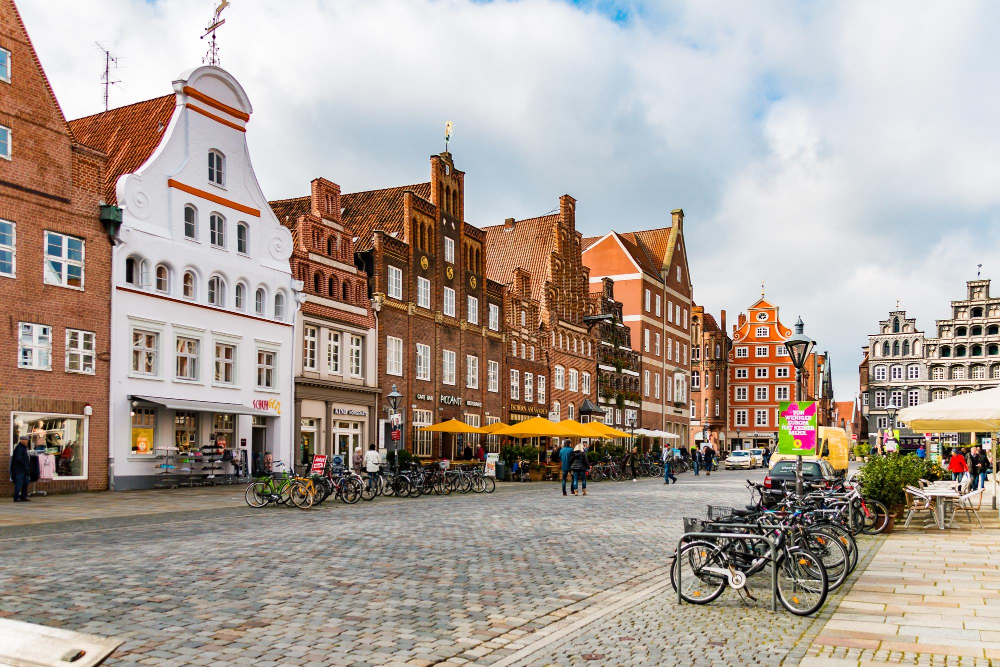
Encounters with the Supernatural – The stories of encounters with the Salt Witch vary. Some are said to have come face to face with her, only to run away in a mixture of fear and terror. A particularly well-known anecdote tells of a young man who was out one night near Stint Market. He is said to have felt an icy touch on his shoulder, even though no one was standing behind him. When he turned round, he caught a glimpse out of the corner of his eye of a dark figure watching him from the depths of the shadows. He ran away and never wanted to walk through those streets at night again. Others claim that the Salt Witch does not appear to everyone, but rather seeks out those who harbour weaknesses and feelings of guilt – perhaps an echo of her own fate. To onlookers, she is usually just a fleeting shadow or a barely tangible apparition, yet those who fall victim to her evil gaze are said to learn a lesson they will never forget.
The significance of the legend for Lüneburg – Although the story of the Salt Witch seems eerie and tragic, it nevertheless holds significant cultural value. It serves not only as a ghost story for long autumn nights, but also as a reminder of how brutally and inhumanely society treated outsiders in the past. The curse of the Salt Witch serves as a stark warning of the consequences of injustice and prejudice. Today, the legend lives on in local folklore and is often mentioned on guided tours of the city, particularly during night-time walks through the old town. Historians and folklorists regard the legend as a blend of actual events and mythological elements, exhibiting characteristics typical of medieval legends. Even though there is no proof of the Salt Witch’s existence, she remains a fascinating part of the city’s cultural heritage.
The Ominous Shadow – For those visiting Lüneburg and strolling through the old alleyways, the story of the Salt Witch may seem like nothing more than a myth. Yet as night falls and the streets grow quiet, that might change. Perhaps the shadows grow a little longer, perhaps the air feels colder than before. And who knows? Perhaps the curse of the Salt Witch still hangs over the city, ready to teach a lesson to anyone who fails to appreciate the precious commodity of salt – or forgets their fellow human beings. It is precisely this blend of fact and fiction that makes the story of the Salt Witch so eerie. For whether she was real or merely a figment of the imagination – the thought that a soul, driven by pain and vengeance, might roam the streets still sends a shiver down one’s spine today.