 Isabella Mueller Baroness of Stainton le Vale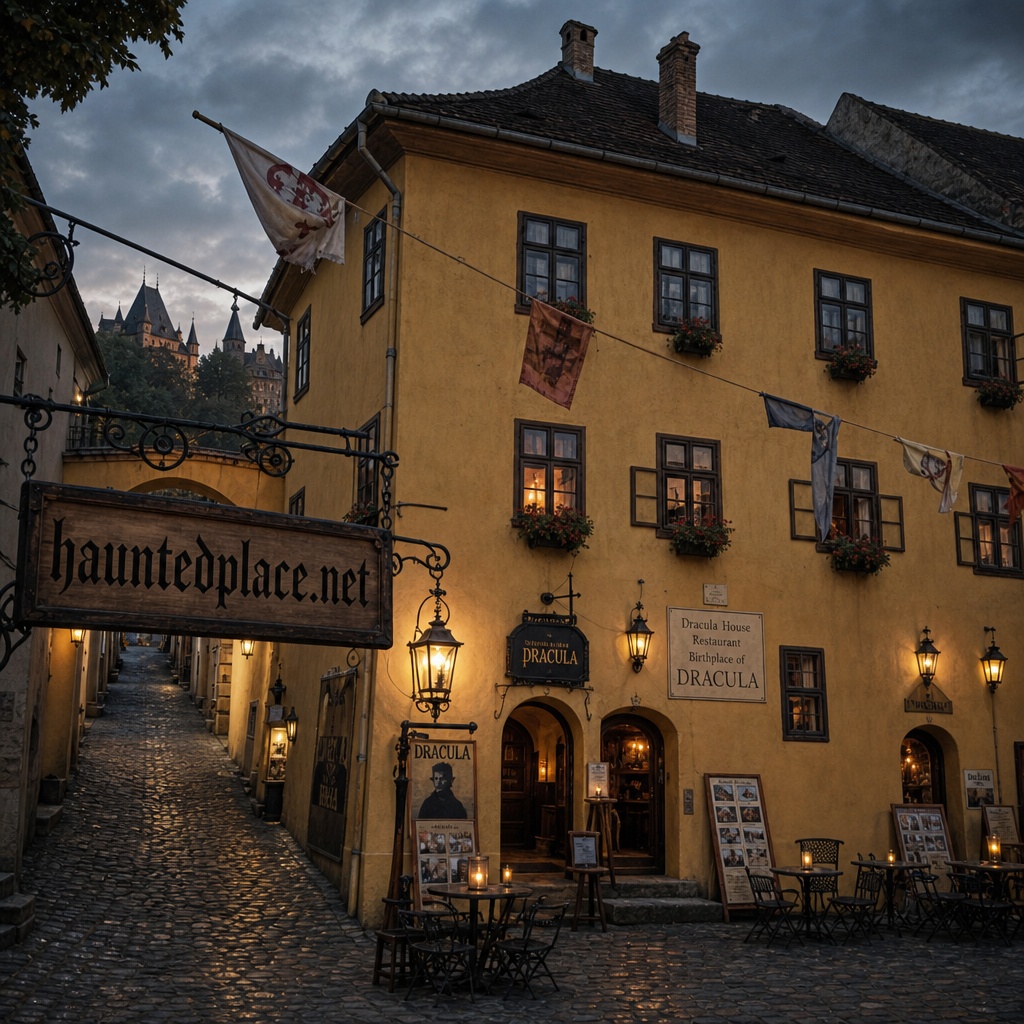
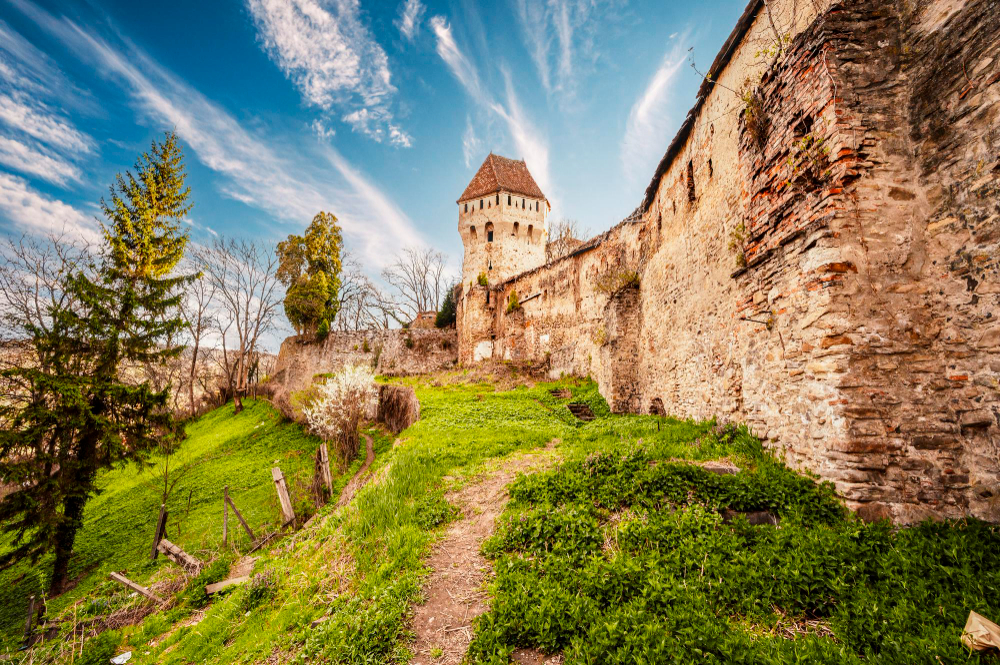
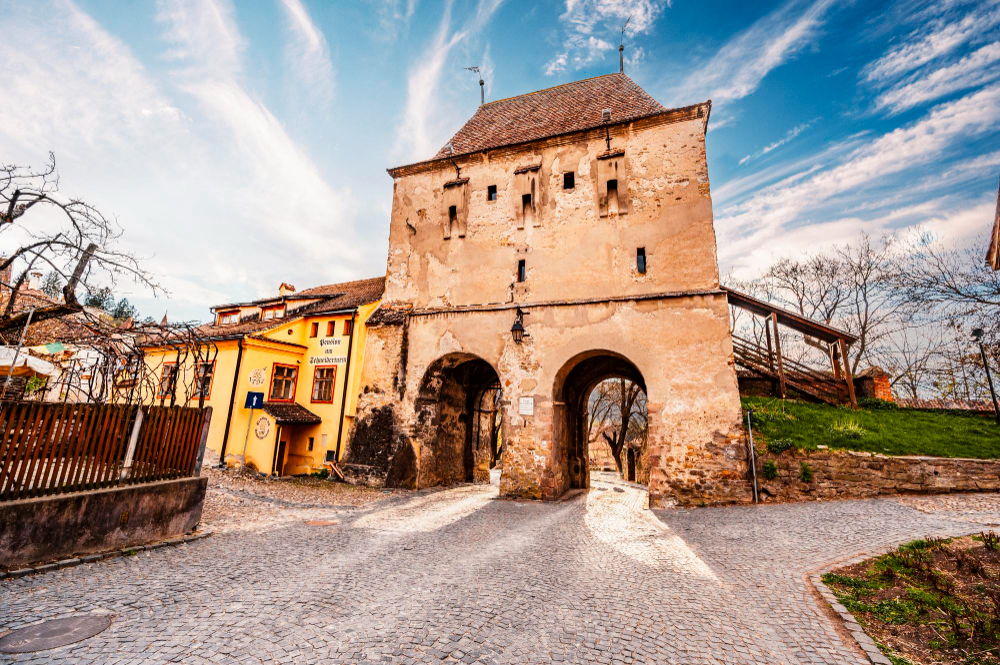
When one thinks of picturesque medieval towns, images of cobbled streets, old half-timbered houses and mysterious towers often spring to mind. Yet Sighișoara, a small town in the heart of Romania, goes far beyond these idyllic notions. Here, in the historic region of Transylvania, beauty and terror intertwine in a way that captivates even the most seasoned traveller. In the town’s shadowy corners and hidden nooks, time seems to stand still, whilst dark legends and historical secrets appear to whisper through the alleyways.
The Birthplace of Dracula: Where history meets myth – Hardly any other place in the world embodies the spirit of the Middle Ages as authentically as Sighișoara. The town is known not only for its impressively well-preserved old town, which is a UNESCO World Heritage Site, but also for its eerie connection to the literary and historical figure Vlad III Drăculea – better known as Vlad the Impaler or ‘Dracula’. Vlad III, born around 1431, was a key figure in the struggle against the Ottoman Empire. His brutal methods, including the infamous execution by impalement, made him as feared as he was famous. Yet it is the stories surrounding his alleged bloodlust that transformed him, in Bram Stoker’s novels, into the vampire we know today as Dracula. Vlad III is said to have been born in an unassuming house in Sighișoara – a place that now attracts numerous tourists. The ‘Dracula House’, now a restaurant, tells the story of this man and draws curious visitors who wish to experience the origins of the legend first-hand. But the connection to Dracula is just the beginning. Sighișoara offers far more than myths and legends; it is a living museum that exudes the sombre spirit of the Middle Ages.
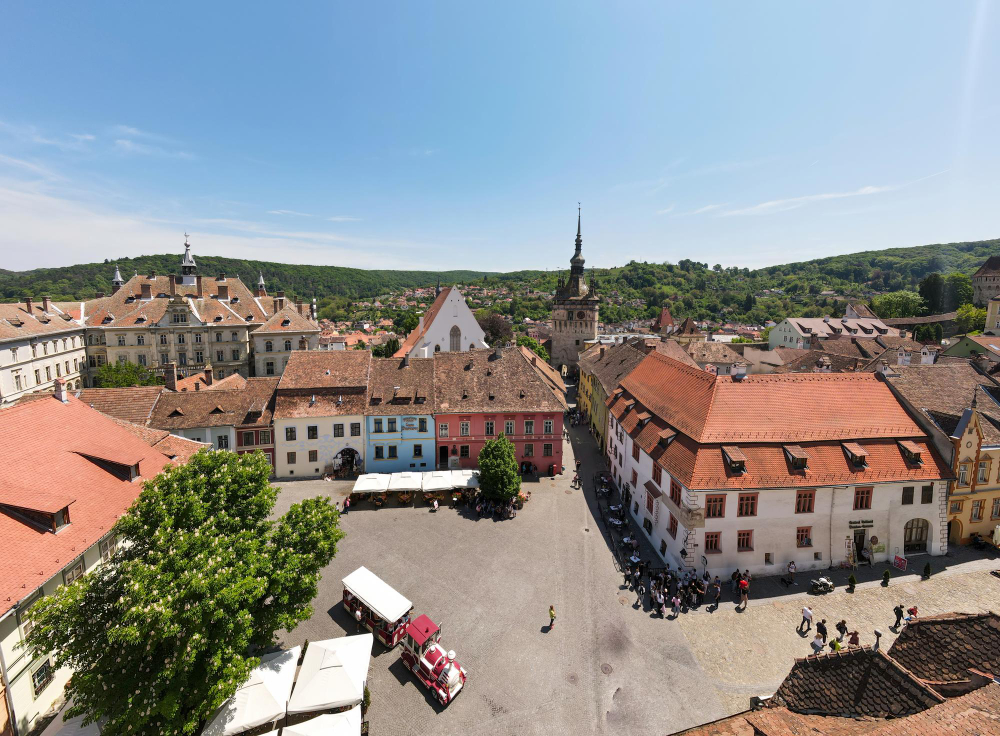
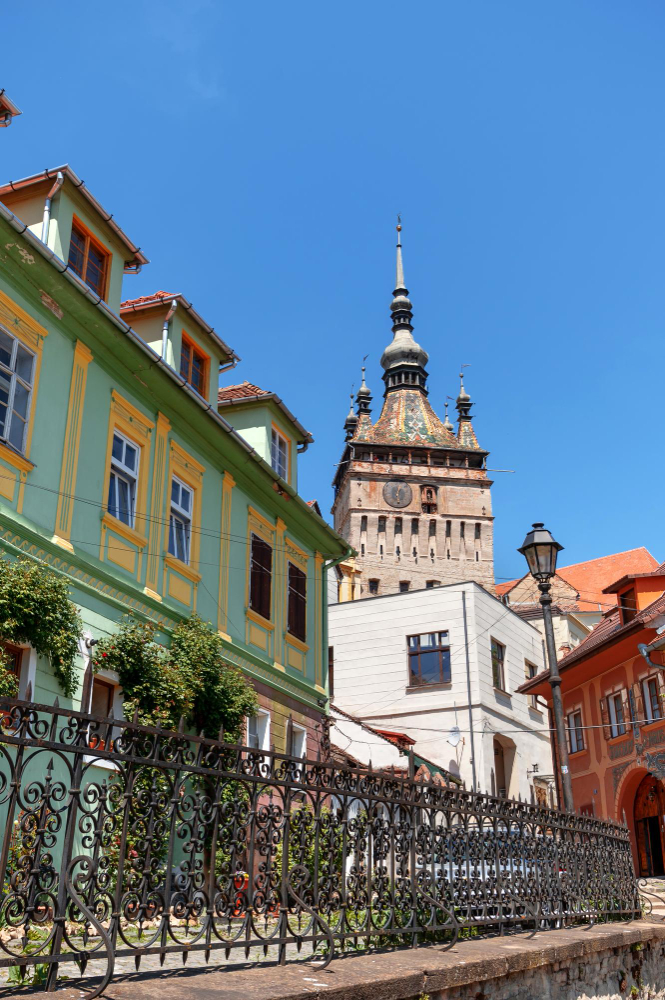
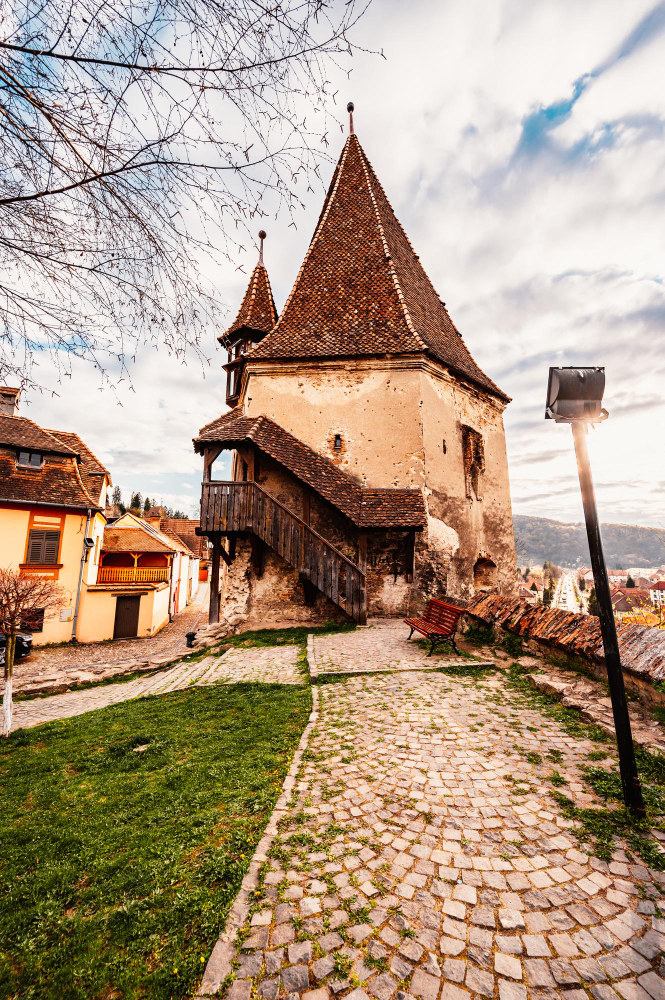
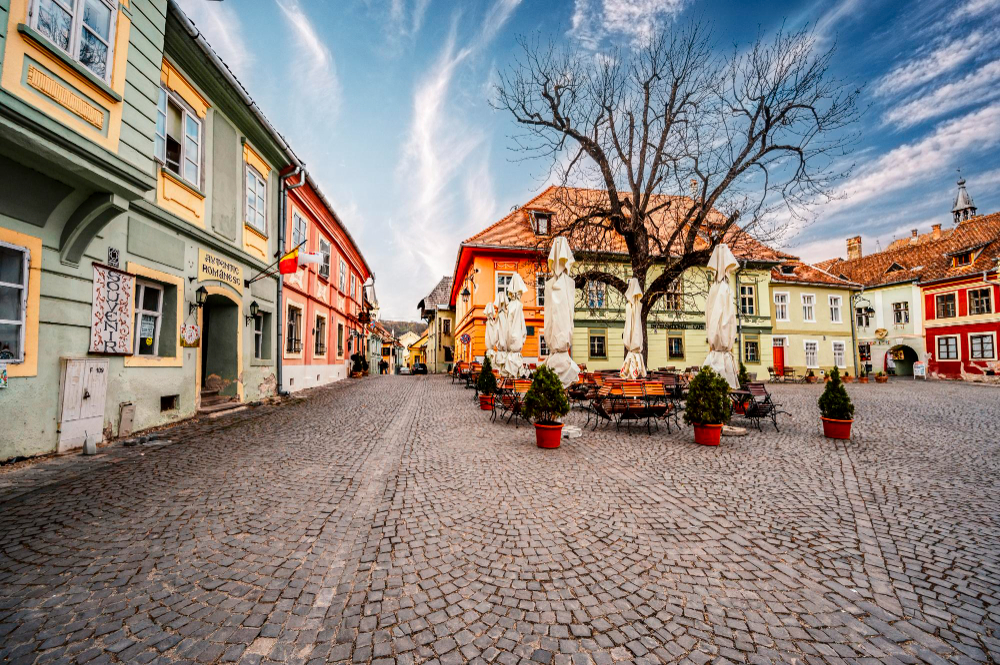
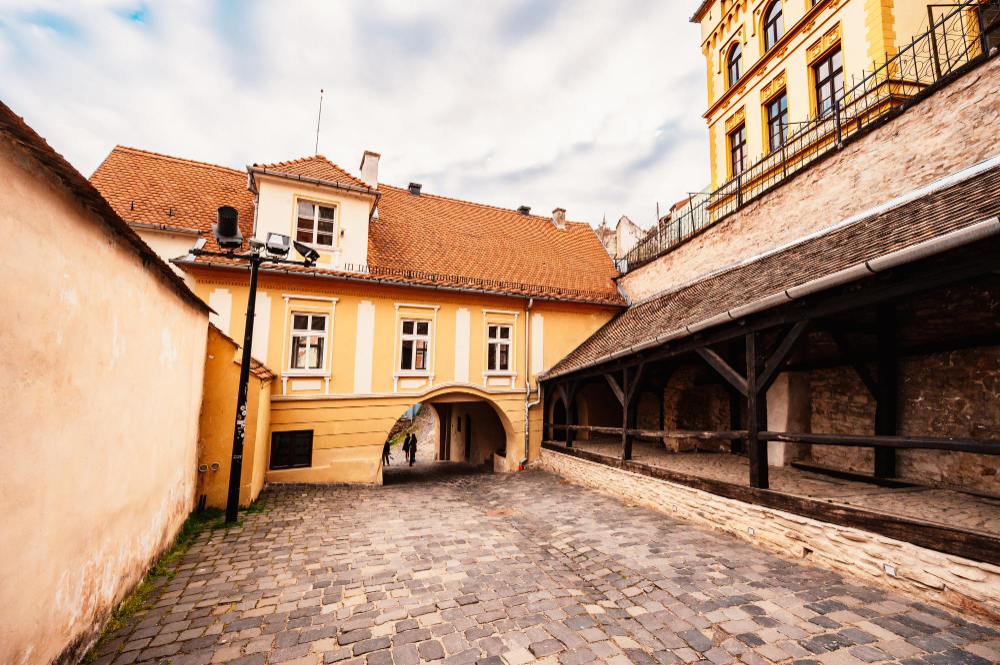
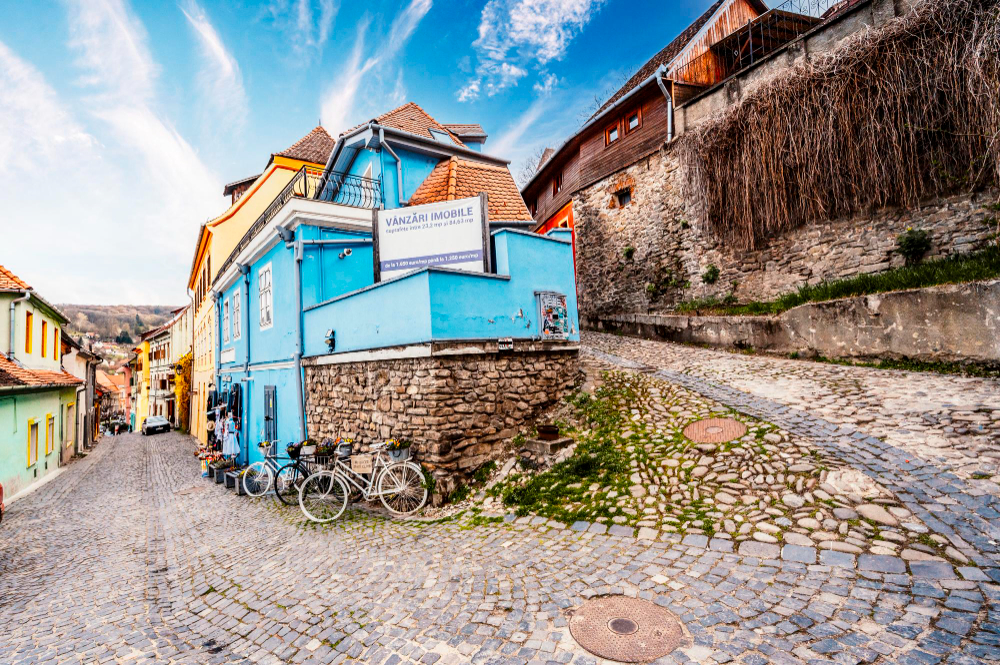
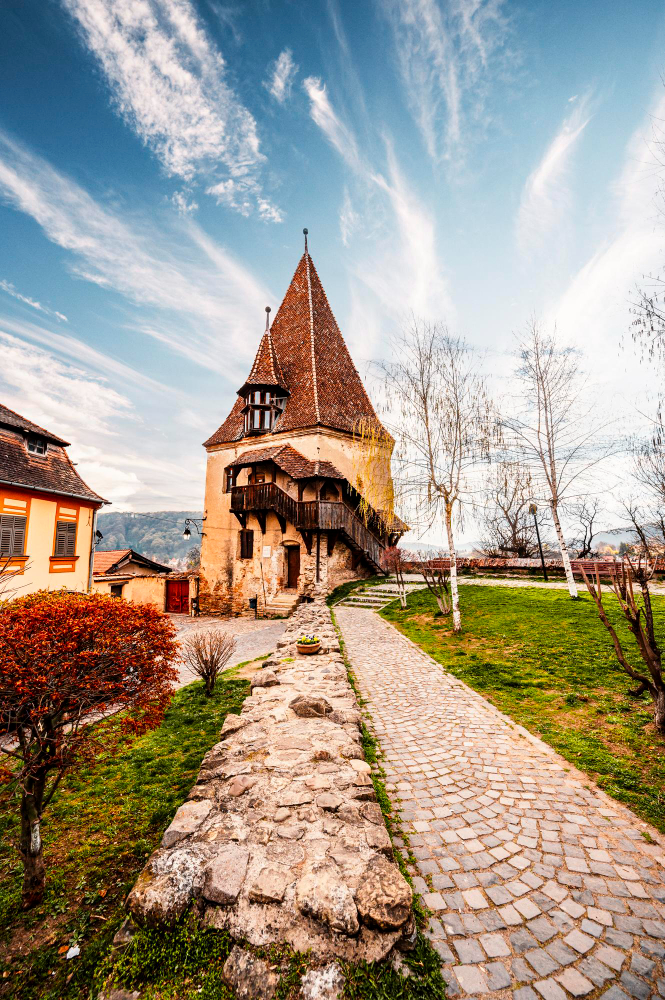
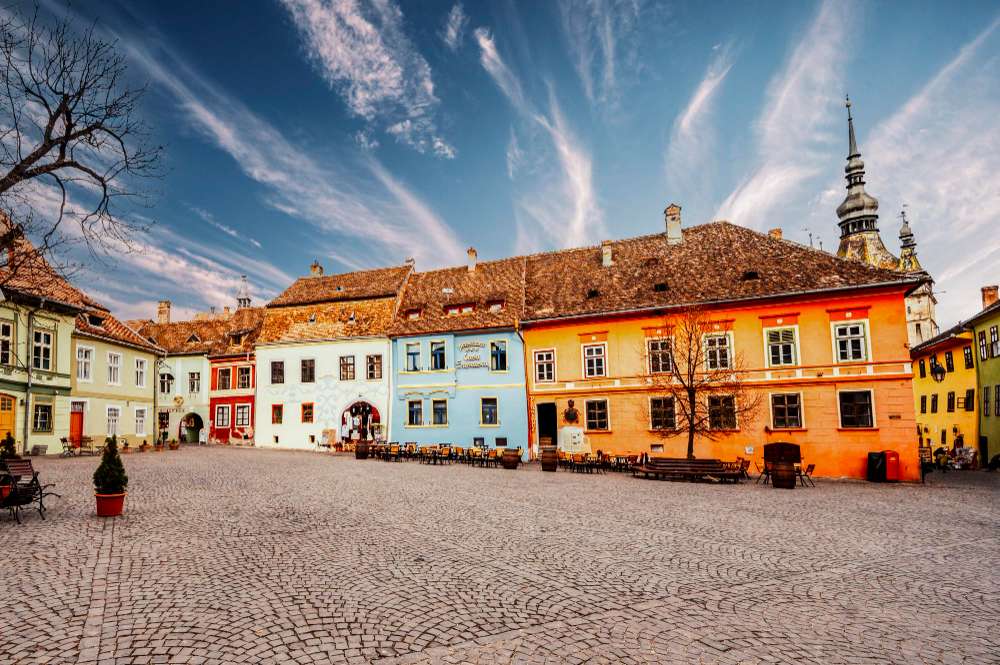
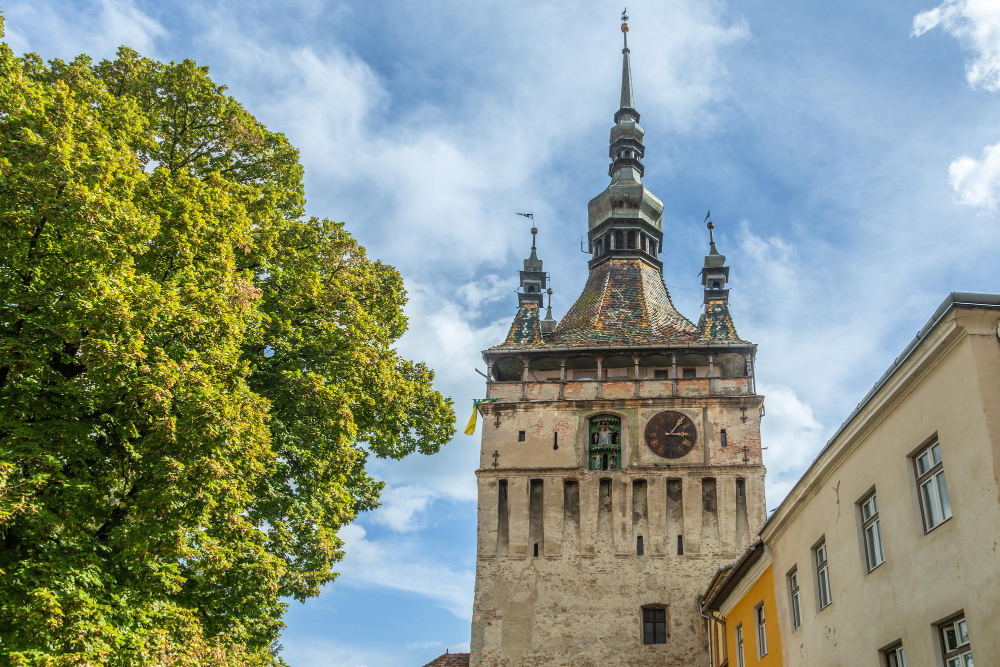
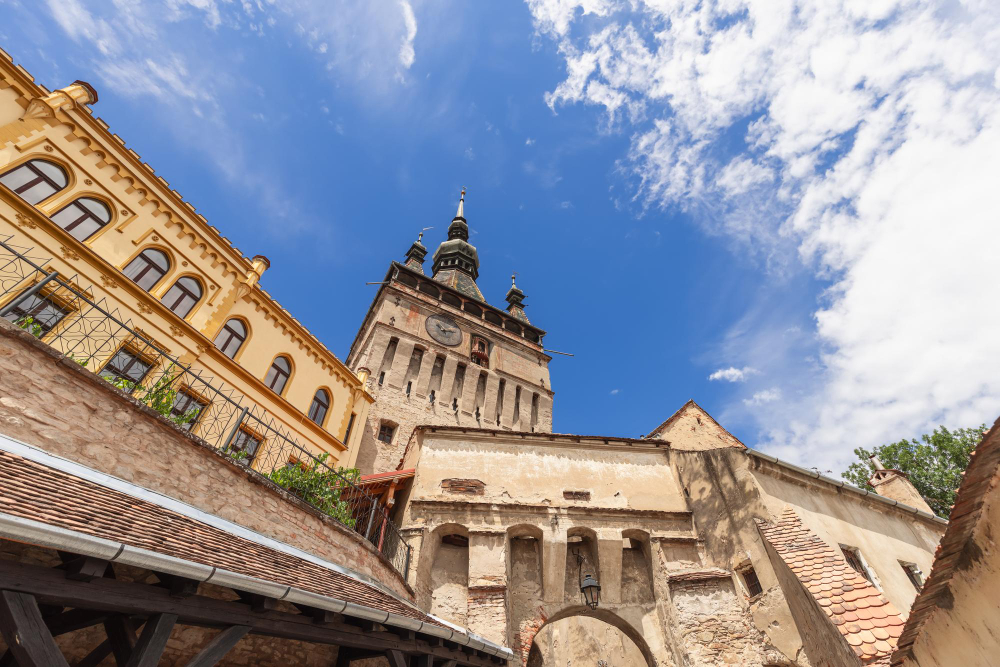
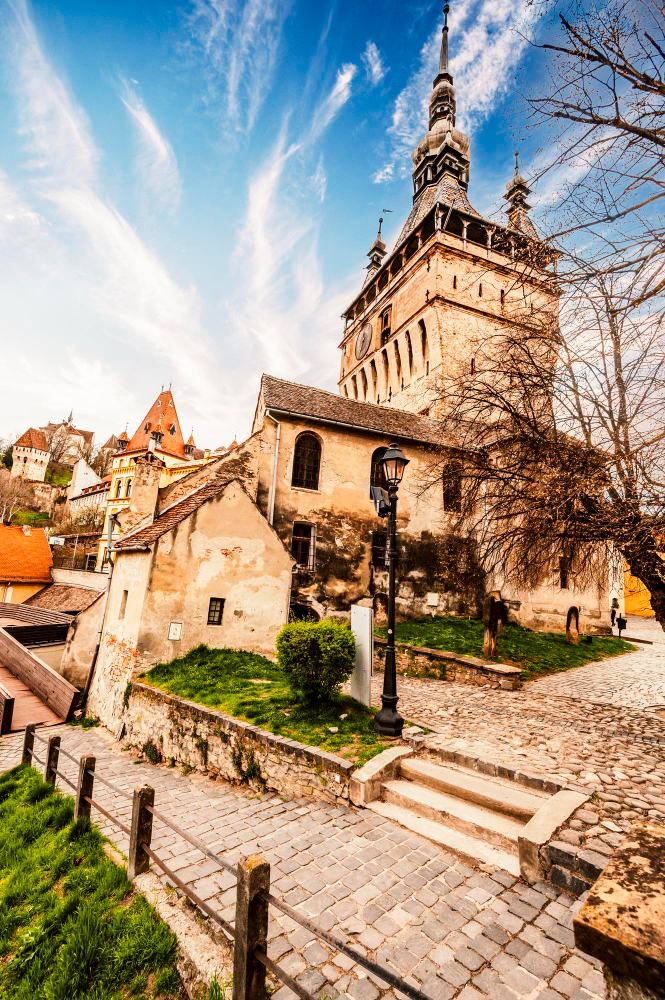
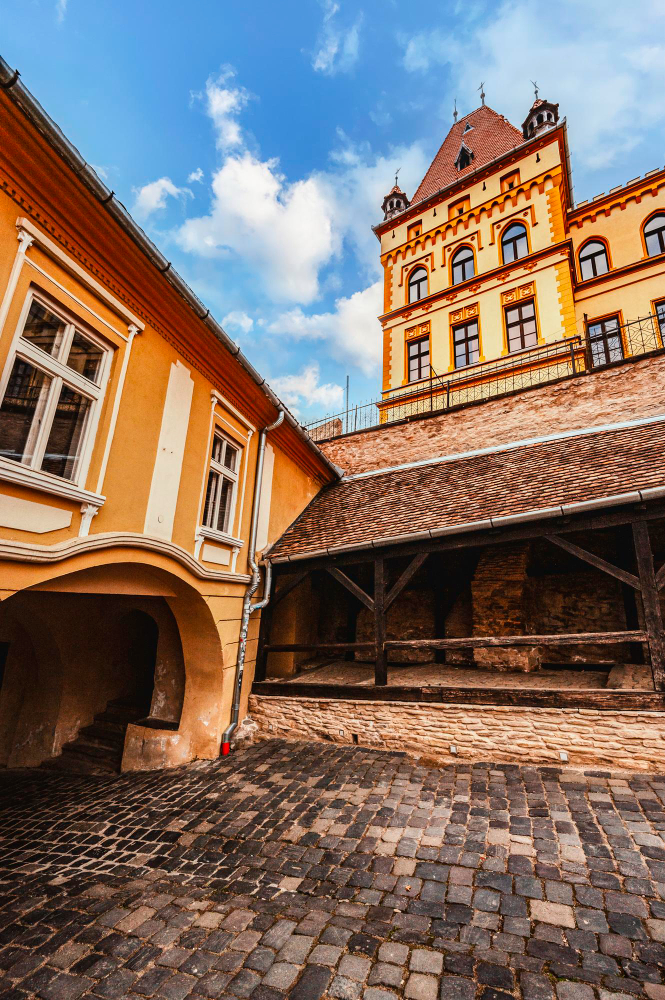
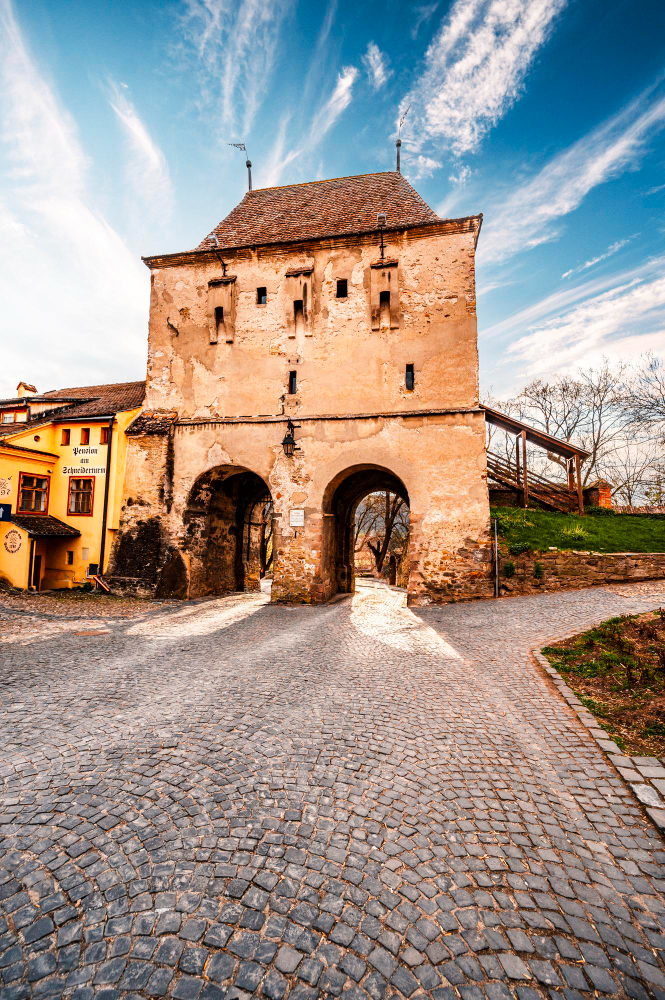
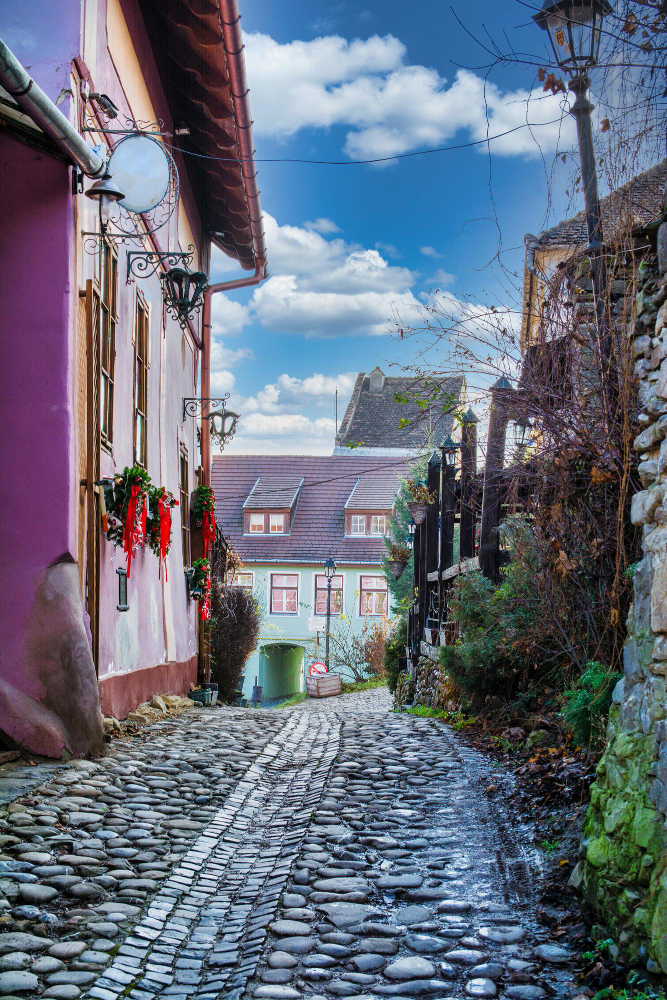
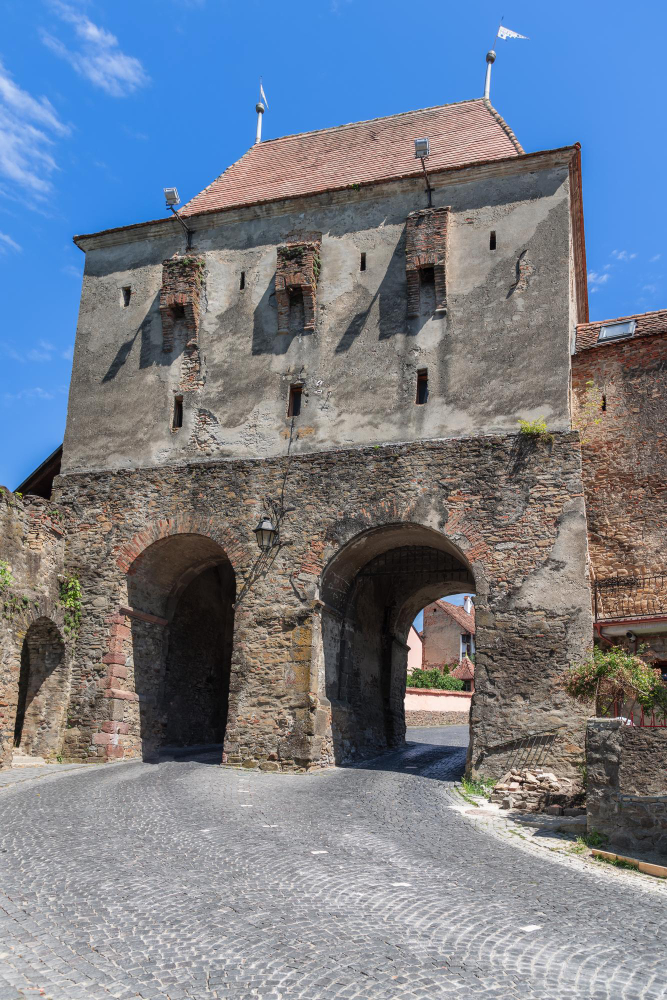
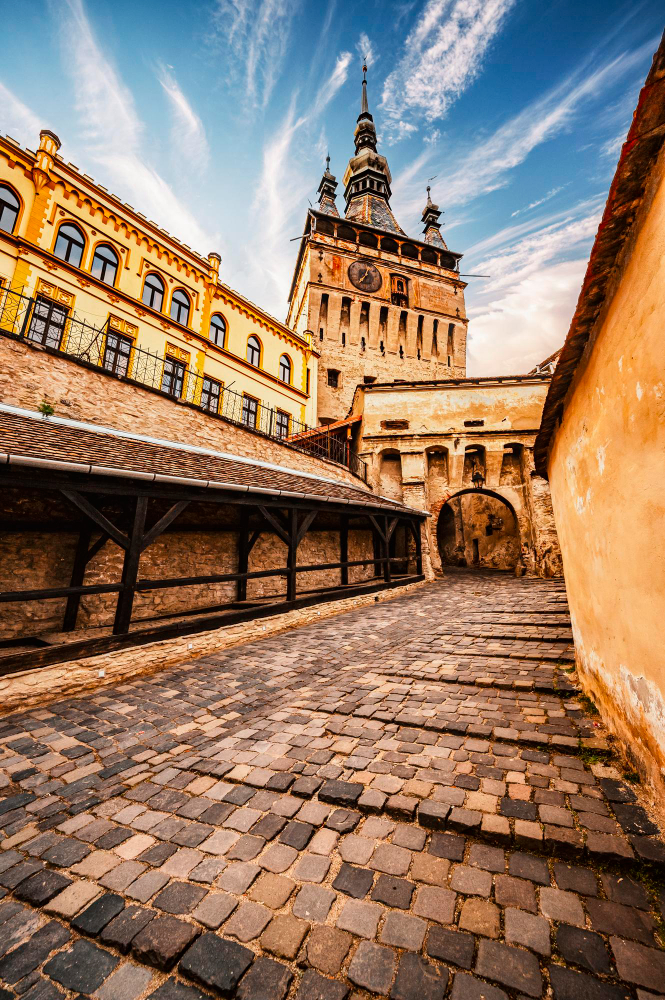
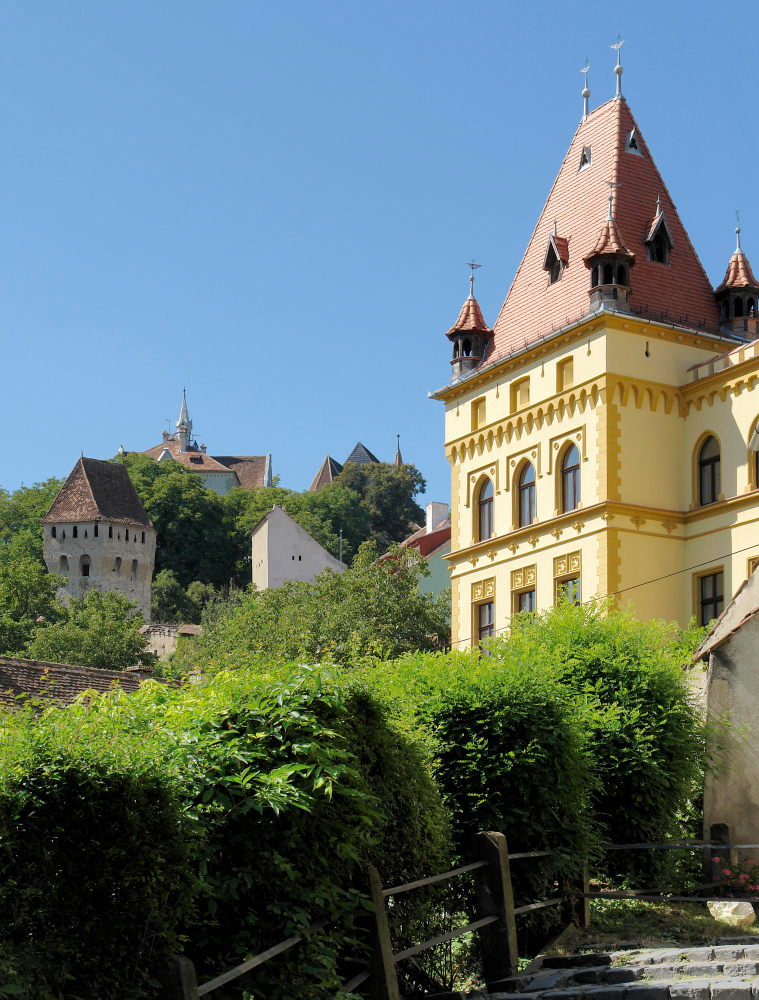
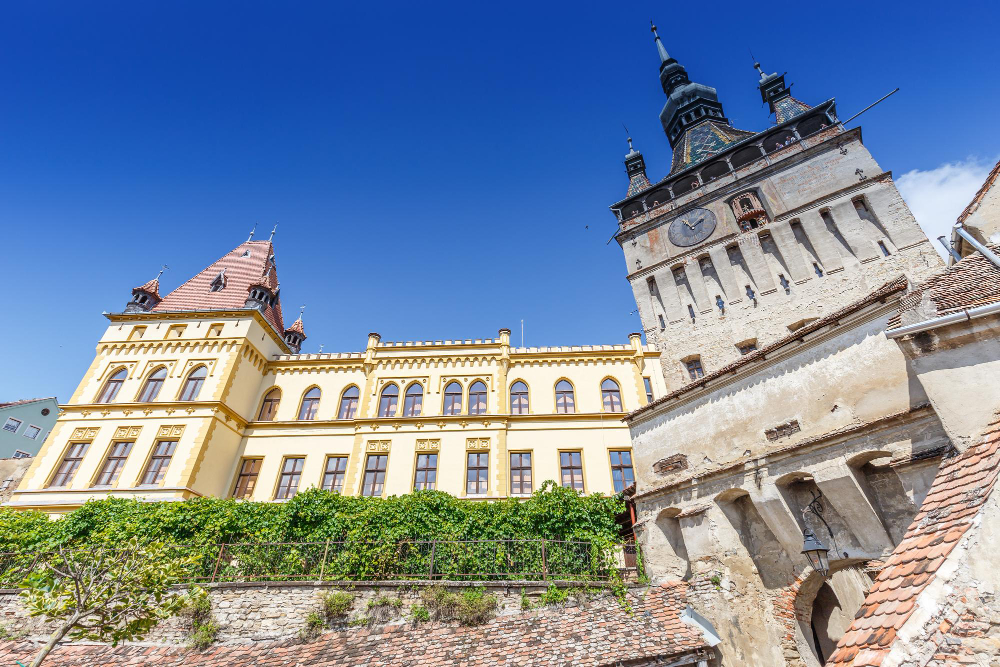
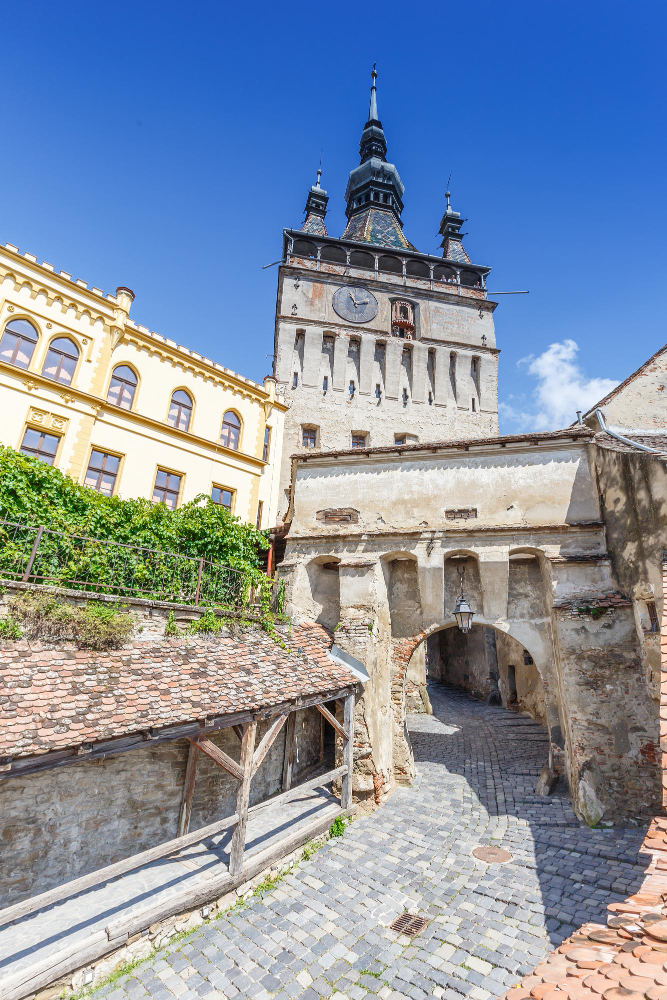
A medieval setting straight out of a horror film – When you enter the old town, you feel as though you’ve stumbled through a time portal. Narrow alleyways wind their way between colourfully painted, sometimes crooked houses – each of which seems to have its own story to tell. Cobblestones creak underfoot, whilst the old façades cast eerie shadows in the light of the narrow street lamps. One of the town’s highlights is the 64-metre-high clock tower, which towers majestically over Sighișoara. This tower, once the seat of the town council and the judiciary, now houses a museum displaying medieval weapons and tools. But the real fascination lies in the stories the tower holds. Its carillon is said to have once shaped the lives of the inhabitants by announcing the start or end of markets, processions and even executions. Anyone who climbs the tower’s narrow stairs is rewarded with a breathtaking view over the city’s rooftops and the surrounding hills – a sight that is both enchanting and unsettling.
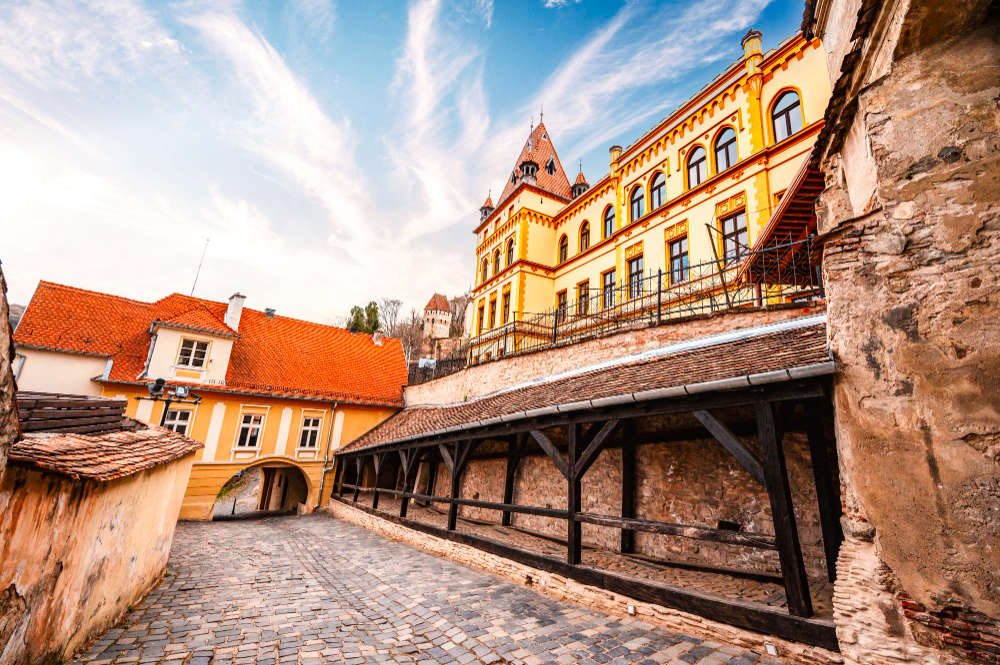
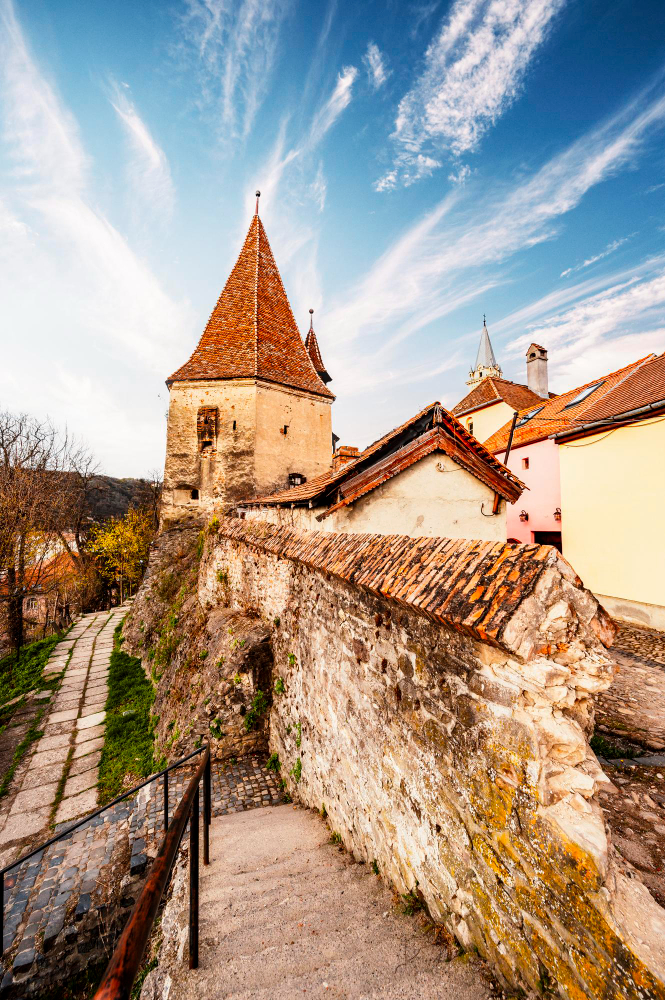
The Students’ Staircase: A Path into the Unknown – A special attraction of the town is the so-called Students’ Staircase, a covered wooden staircase dating from 1642. It was originally built to make it easier for students to reach the mountain school, even in bad weather. Yet in the semi-darkness of these stairs, where the wooden walls amplify the echo of footsteps, there is a palpable atmosphere of unease. Every step reverberates, as if invisible companions were following the visitor. The legends surrounding the Students’ Staircase revolve around mysterious apparitions and whispering shadows that are said to terrify travellers. Its narrow layout and the almost oppressive darkness make walking up the stairs an experience that lies somewhere between adventure and horror. It is easy to imagine how, centuries ago, young students hurried through there, sensing that something eerie was breathing down their necks.
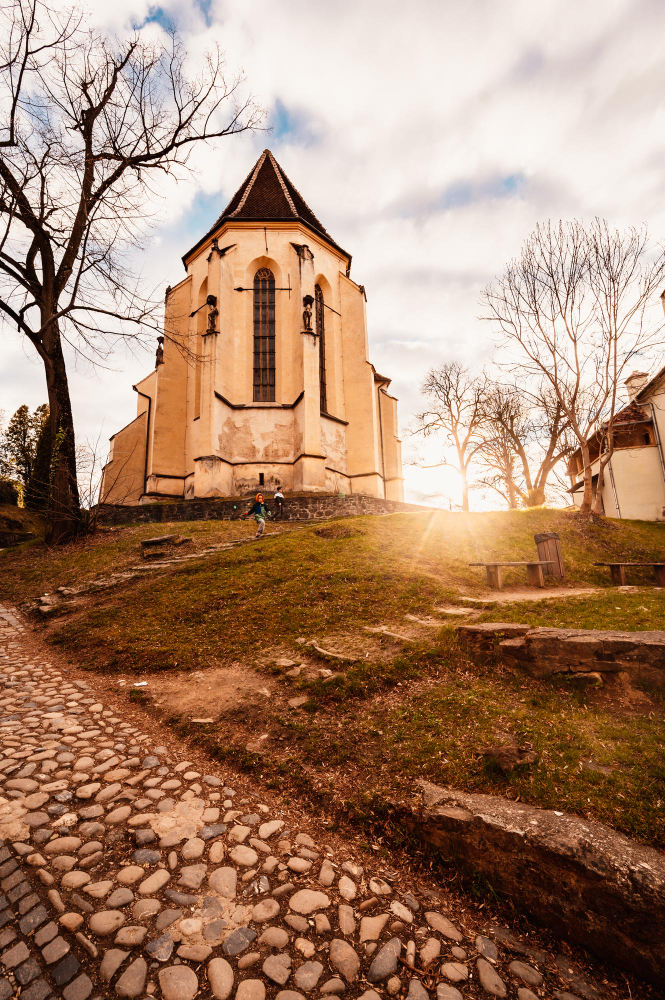
Cemetery and Monastery Church: An Encounter with Eternity – Not far from the Students’ Staircase lies the old Protestant cemetery, nestled in the peaceful hills surrounding Sighișoara. Here you’ll find weathered gravestones and cross monuments, overgrown with moss and almost completely sunk into the ground. Many of them bear German inscriptions that recall the history of the Transylvanian Saxons – immigrants from German-speaking regions who settled here in the Middle Ages. In the centre of the cemetery stands the Mountain Church, an imposing Gothic structure that is as fascinating as it is eerie. Inside, you’ll find ornate frescoes and a mysterious crypt which, according to legend, once served as a hiding place. For many visitors, this is a place where the proximity to history is almost tangible – and the sighs of the past hang in the air like a whisper.
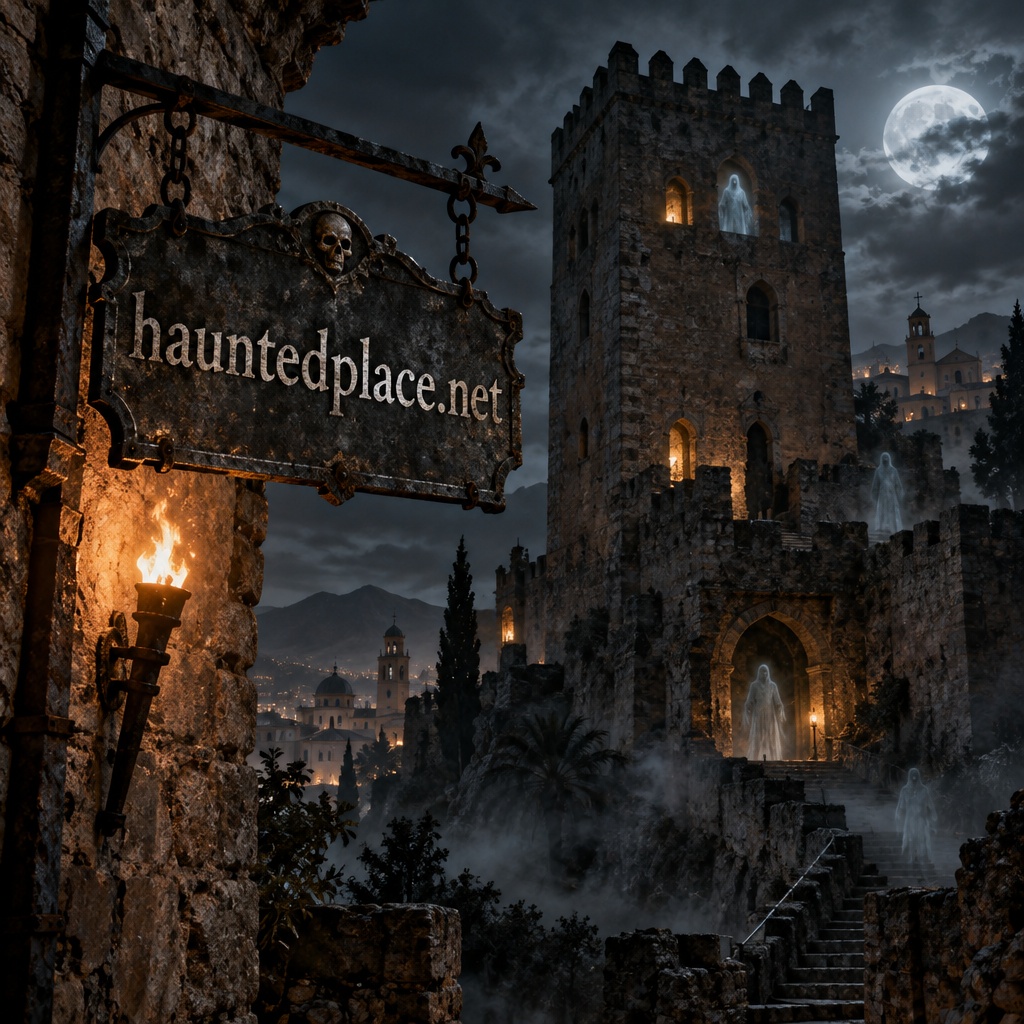
The nocturnal atmosphere of Sighișoara – If you want to experience the true magic of Sighișoara, you should explore the town after dark. When the sun disappears behind the hills and the moon bathes the alleyways in silvery light, the town is transformed as if by magic. Suddenly, every corner that seemed harmless by day appears to be full of secrets. Is that creaking in the wind just the whispering of old beams, or did someone really scream here? And who was that figure who was just standing at the end of the narrow passageway and suddenly vanished? These questions are part of Sighișoara’s unique charm. The town practically challenges you to immerse yourself in its dreamlike yet unsettling world with open senses and childlike curiosity. You rarely leave this place without goosebumps – whether from wonder or because of the eerie atmosphere.
A town like no other – Sighișoara is far more than just a tourist magnet or a picturesque backdrop for photographers. It is a place where the mystical and the historical merge, where the boundaries between fantasy and reality seem to blur. Whether you’re interested in the bloodthirsty legends surrounding Vlad the Impaler, wish to enjoy the beauty of the architecture, or simply want to experience the dark romance of the Middle Ages – in Sighișoara, everyone will find something to captivate them. And perhaps it is precisely this blend of history, myth and a touch of the spine-tingling that makes Sighișoara so unforgettable. It is a place that evokes the feeling of strolling through a long-forgotten chapter of human history – a chapter that has not yet revealed all its secrets.