 Isabella Mueller Baroness of Stainton le Vale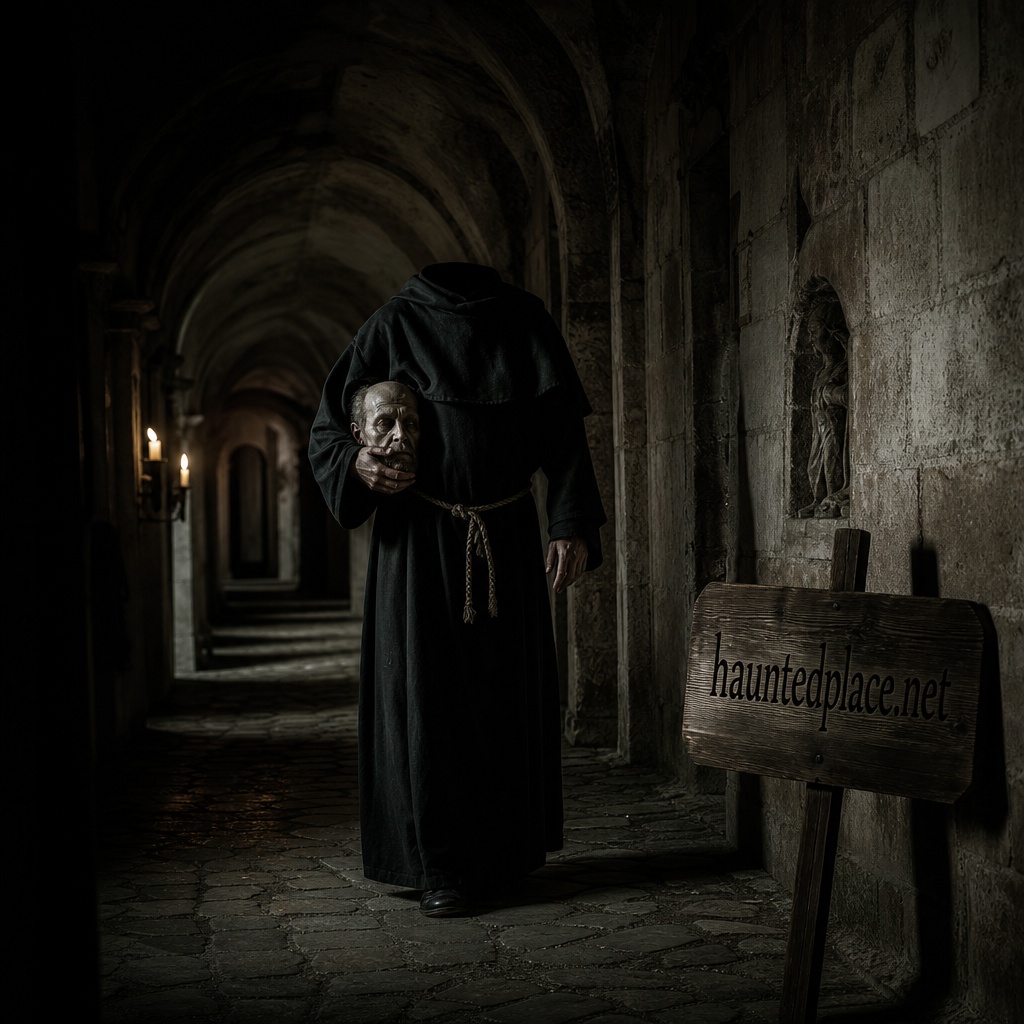
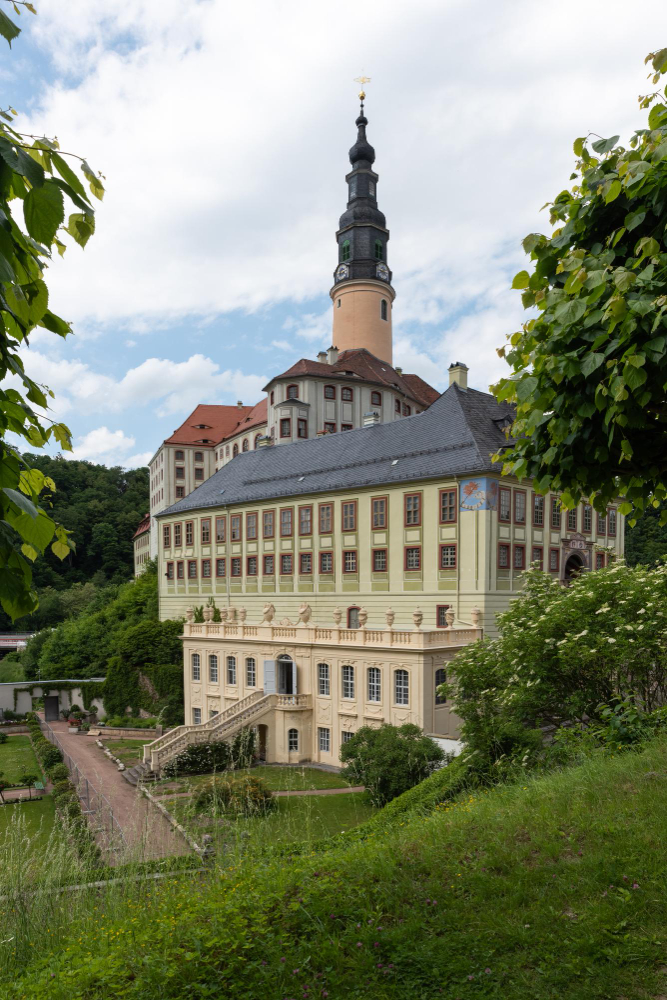
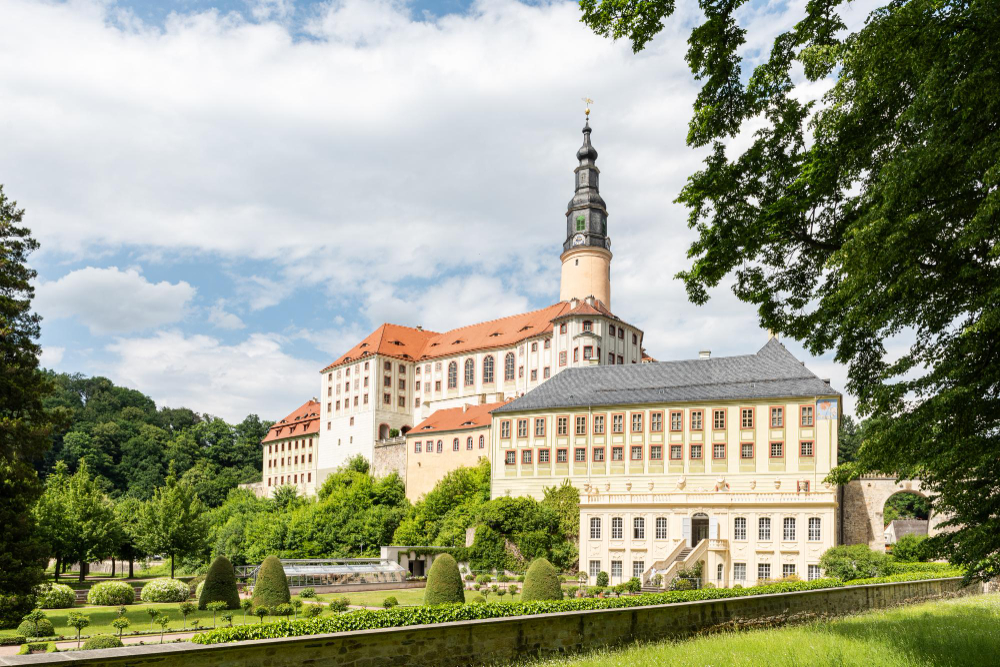
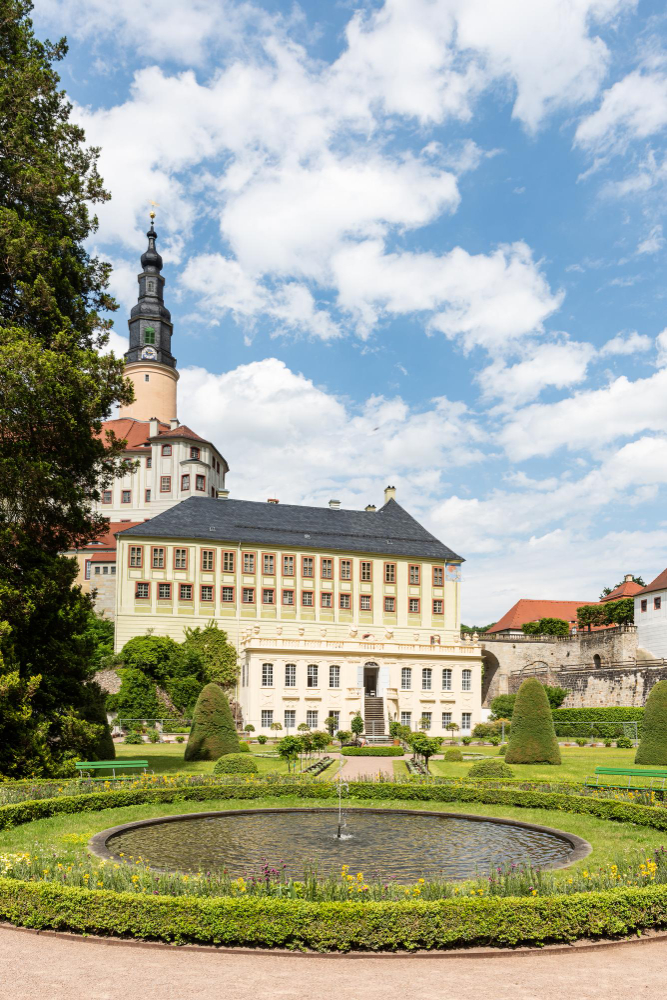
Weesenstein Castle, an imposing structure set amidst the picturesque landscape of the Müglitz Valley, is not only known for its impressive architecture and historical treasures. It is also home to a dark legend that has captured people’s imaginations for centuries and sends a shiver down the spine of many a visitor: the story of the headless monk in the so-called ‘Monks’ Corridor’. This corridor, hidden behind the castle chapel and formerly used as a passageway to the organ loft, has long been a source of mystery. It winds its way through cool shadows and seems to be shrouded in an eerie aura – as if the darkness there were so thick that even light can barely penetrate it. But what is truly unsettling are the reports of a mysterious apparition that haunts this place: a monk in a black habit, carrying his own head under his arm.
The Origin of the Legend – The legend of the headless monk can be traced back to the collection of legends by Johann Georg Theodor Grässe, a prominent 19th-century folklorist. In his accounts, he describes the Monks’ Corridor and the apparition said to have been seen there, moving like a shadow through the narrow, cold walls of the castle. The headless ghost is said to appear at certain times, usually in the middle of the night, when the world around him is shrouded in silence. Legends such as these often arose from fragments of historical events, religious beliefs and human fears. According to tradition, this headless monk was once a traitor whose transgression prevented him from finding peace after his death. Some say he once broke the commandments of his order and must therefore suffer a cruel punishment. His death was reportedly so horrific that his soul could find no redemption, and he is forced to wander as a restless ghost – always gazing at his severed head.
The Monks’ Corridor: An Eerie Place – As soon as you enter the Monks’ Corridor, you are enveloped by a gloomy atmosphere. The stone walls are cool, almost damp, and the passage seems to go on forever. Sounds echo, even when no one is in sight. Visitors report sudden shivers running down their spines, or an oppressive silence that makes the air unbearably heavy. For many, the mere thought of the headless monk is enough to make them avoid this part of the castle. Yet not everyone shuns the Monk’s Corridor. There are those who deliberately try to catch a glimpse of the ghost. Some claim to have actually seen him: like a shadow, he glides through the corridors, his robe fluttering in the wind, even though there is no draught to be felt. Particularly eerie, however, is the head he carries under his arm – a pale, lifeless face that stares ceaselessly straight ahead. His eyes are said to be empty and black, and yet they seem to pierce through anyone who encounters him.
Historical background or mere ghost story? – Historians have attempted to uncover the truth behind the legend. Was the headless monk perhaps a real person? Was there actually a fellow monk who had sinned so grievously that he was denied peace both in life and in death? So far, no documents have been found to confirm this. Nevertheless, there is speculation that the legend might allude to certain historical events, such as forbidden rituals or dark secrets within the monastery walls. Others, however, believe that stories like this – particularly in the Middle Ages – arose to maintain order and morality through the fear of supernatural punishment. The notion of a headless ghost embodying despair and suffering may have deterred people in those days from misdeeds and sins. Yet over the centuries, the story has evolved, been embellished and grown ever more eerie – until it finally gave rise to the modern-day image of the headless monk.
Encounters with the Uncanny – This eerie legend has attracted numerous visitors: curious souls who visit the castle every year in the hope of catching a glimpse of the headless monk for themselves. Reports of such encounters are particularly common on dark autumn nights or around the winter solstice, when the boundary between our world and the realm of spirits is said to be at its thinnest. One visitor once recounted how, during a night-time guided tour, she approached the Monks’ Corridor. “The air turned unbearably cold, and suddenly I felt a breath on the back of my neck,” she later described. “When I turned round, there was no one there. But I heard a faint murmur coming from the depths of the corridor.” As she ventured further in, she thought she made out a figure in the darkness – a black silhouette that appeared to have no head. In a panic, she fled the corridor and vowed never to return.
The Allure of the Uncanny – Why does this legend hold such a fascination for us? ‘The Headless Monk’ deals with themes deeply rooted in the human psyche: guilt and atonement, betrayal and punishment, life and death. The idea of finding no peace after death terrifies us and, at the same time, reminds us of how closely these two worlds might be connected. Moreover, such stories seem to satisfy our need for the inexplicable – for a mysterious core that defies logic. They provide fodder for dark fantasies and allow us to escape a reality that is often shaped by strict laws and rules. The Headless Monk embodies precisely this allure: the mysterious, the terrifying and the unfathomable.
A castle between history and legend – Despite its magnificent façades and its eventful history, Weesenstein Castle remains a place full of secrets. The Monks’ Corridor, with its gloomy atmosphere and eerie legend, is just one example of the many stories hidden here. Whether the headless monk actually exists or is merely a figment of the human imagination will probably never be definitively established. Yet it is precisely this uncertainty that makes the legend so fascinating and keeps it alive. Perhaps that is precisely what makes places like Weesenstein so special: they connect the real world with the imaginary, history with myths, and the past with its ghosts. And sometimes, when it is particularly quiet and night falls, a visitor might feel as though they can make out a shadow in the darkness of the Monks’ Corridor – a monk in a black hood, carrying his head under his arm, reminding us that some secrets are better left undiscovered.