 Isabella Mueller Baroness of Stainton le Vale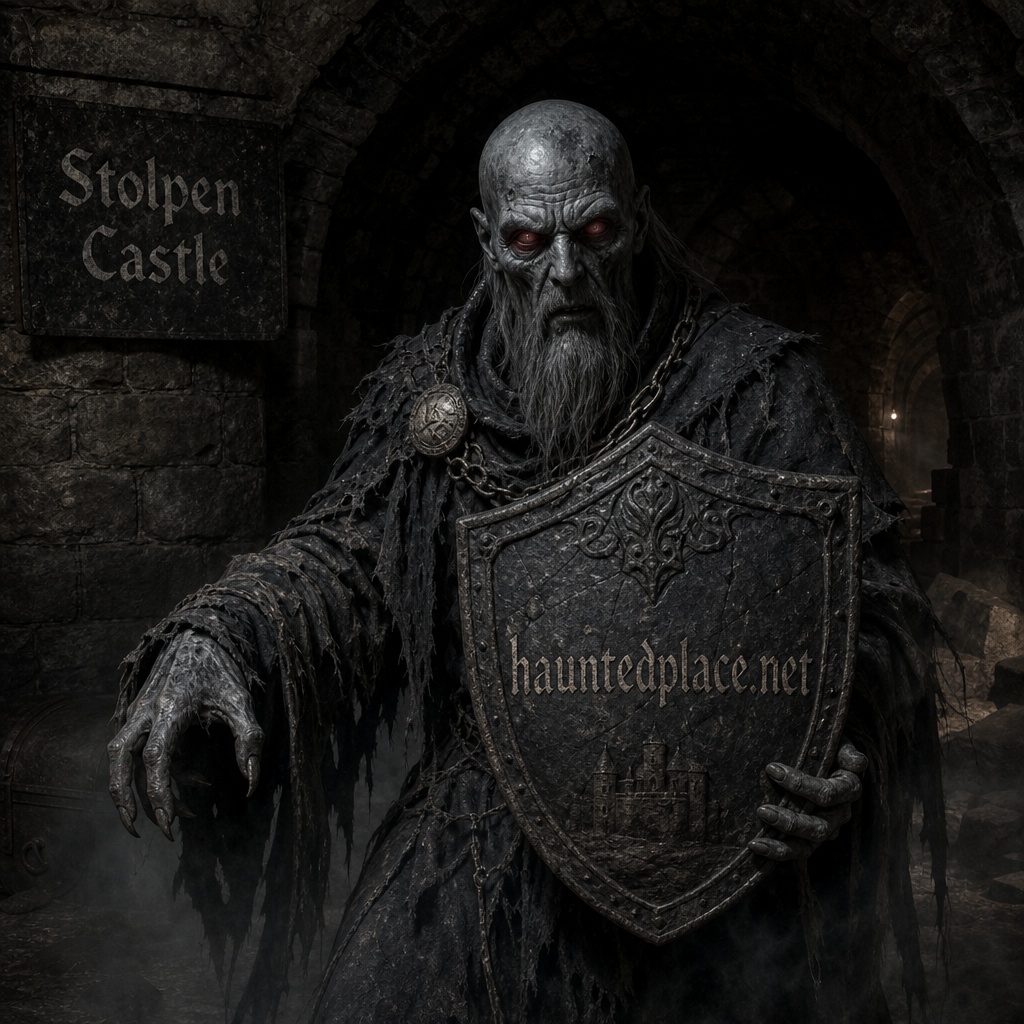
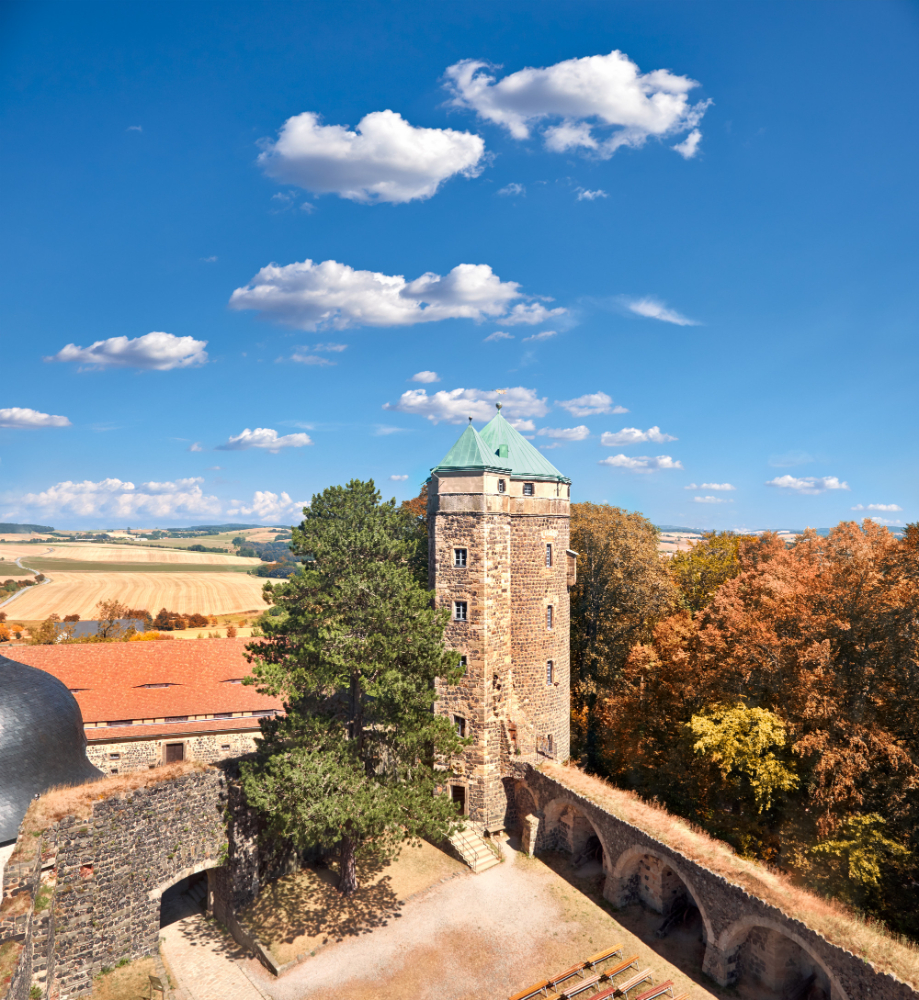
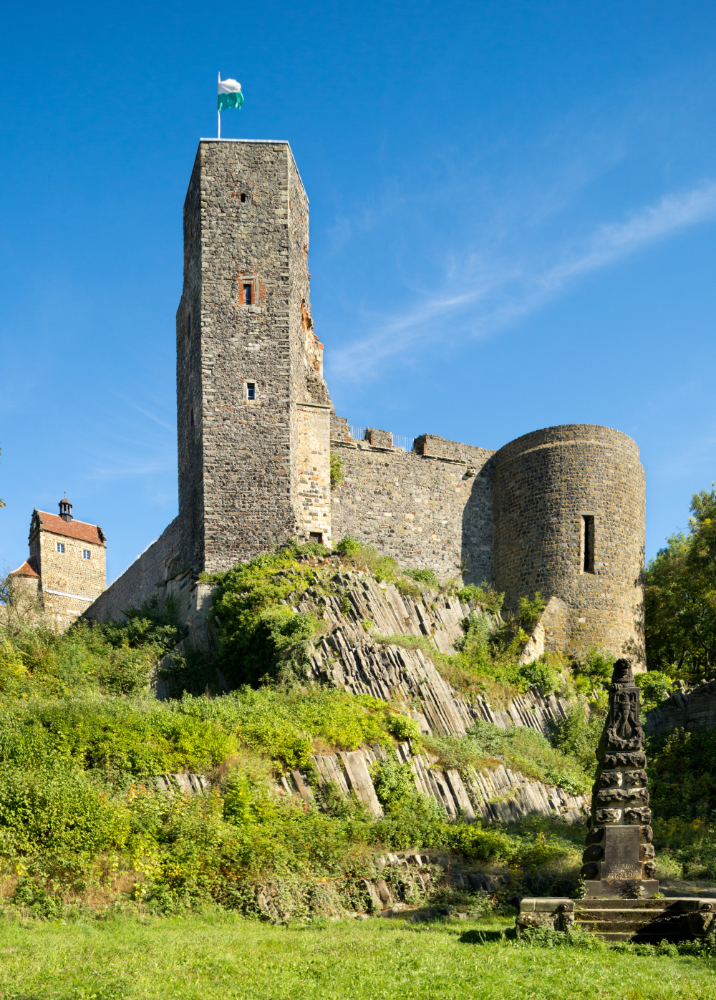
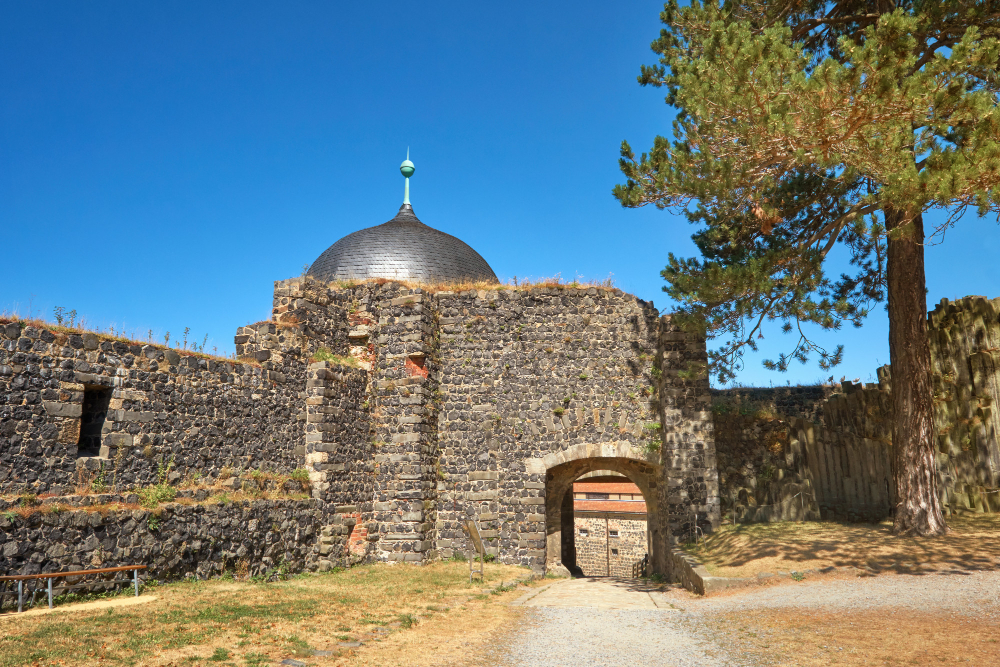
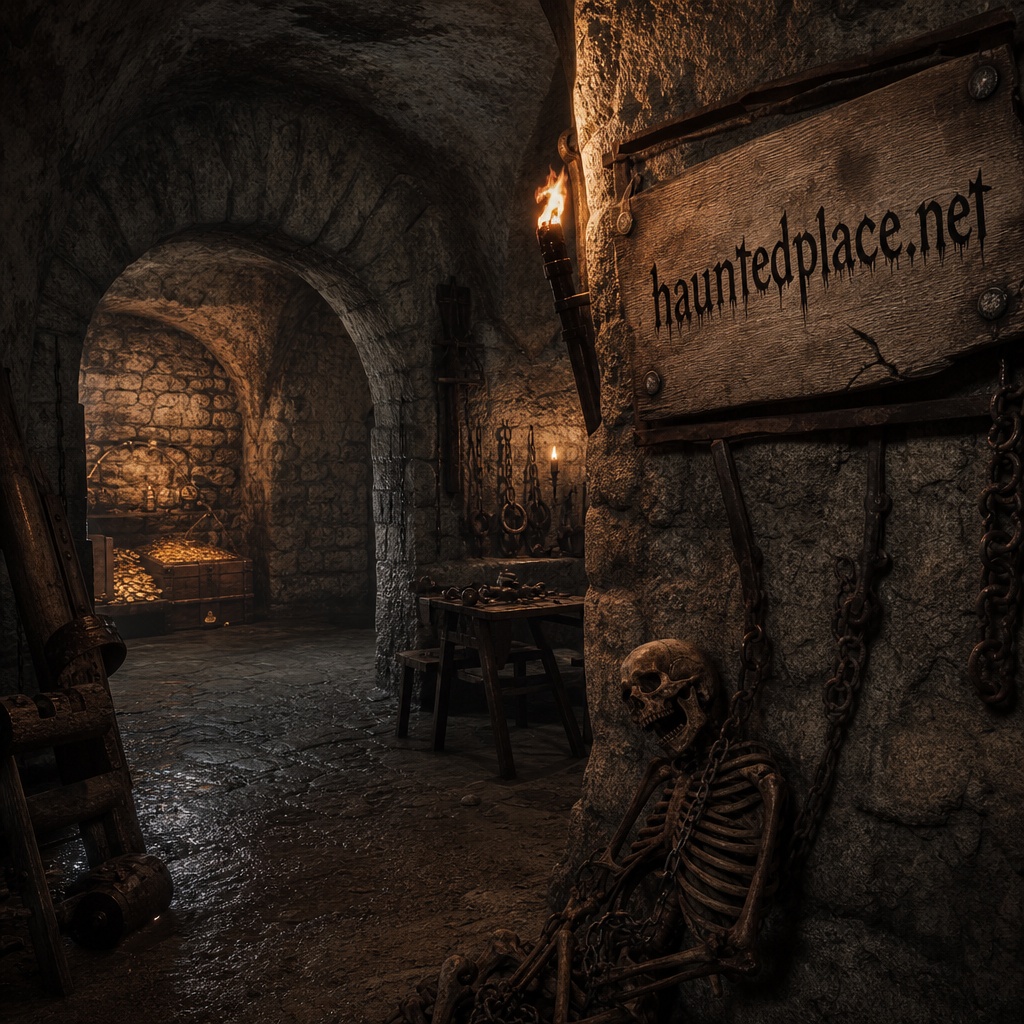
The walls of the imposing Stolpen Castle have towered over the Saxon countryside for centuries, bearing witness to a turbulent past full of power struggles, intrigues and secrets. Yet one of the darkest chapters in the history of this ancient fortress does not unfold in the magnificent halls or towers – but deep underground, hidden in the damp and cold vaulted cellars. There, where hardly a ray of sunlight penetrates, an eerie figure is said to dwell: the castle ghost Basaltus. This mysterious figure is feared by locals and visitors alike. His legend revolves around black volcanic rock, dark magic and inexplicable noises that continue to shape the atmosphere of the castle to this day. But what really lies behind the story of Basaltus? And why has this legend fascinated people from all over the world for centuries? Join us on a journey into the dark depths of this mystery – but be warned: the truth about Basaltus robs even the bravest of their sleep.
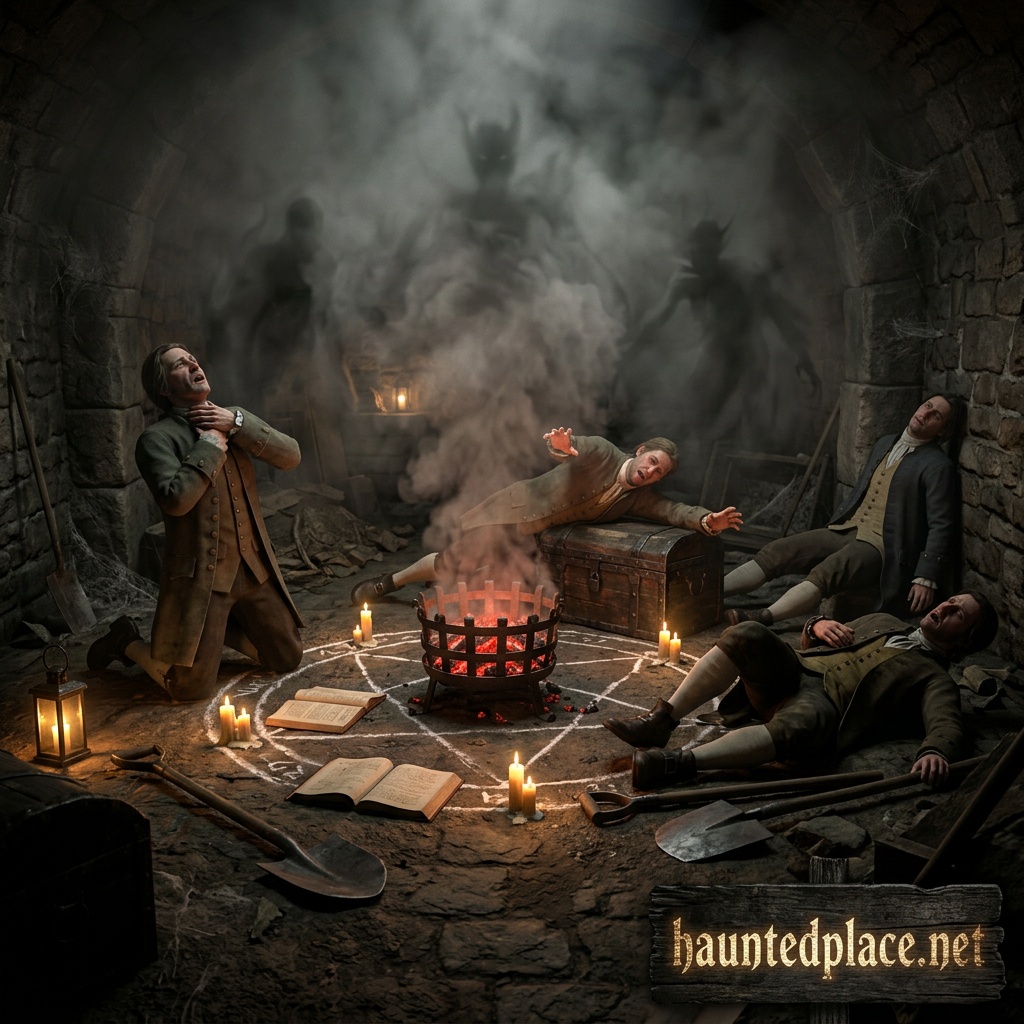
The Origin of the Legend: Basaltus and the Black Rock – The roots of the legend stretch far back to the Middle Ages, when Stolpen Castle was of strategic importance for the defence of the region. At that time, the black volcanic rock – known as basalt – was quarried in large quantities and used to build the fortress. However, unlike ordinary building material, this stone was believed to possess special powers. The people of that time firmly believed that basalt had magical properties: it could ward off evil spirits, but also attract dark energies. Soon, all manner of myths began to surround the black stone, and it was only a matter of time before a figure like Basaltus emerged. According to legend, Basaltus was once a simple stonemason who helped build the castle. Yet he was not merely a craftsman, but also a man with a dark secret. Some say he made a pact with dark forces; others claim that his contact with the basalt drove him mad. Whatever the truth may be, one thing is certain: after his death, Basaltus vanished without a trace – at least in physical form. His spirit, however, is said to continue to roam the castle’s underground vaults as the immortal guardian of the black stone.
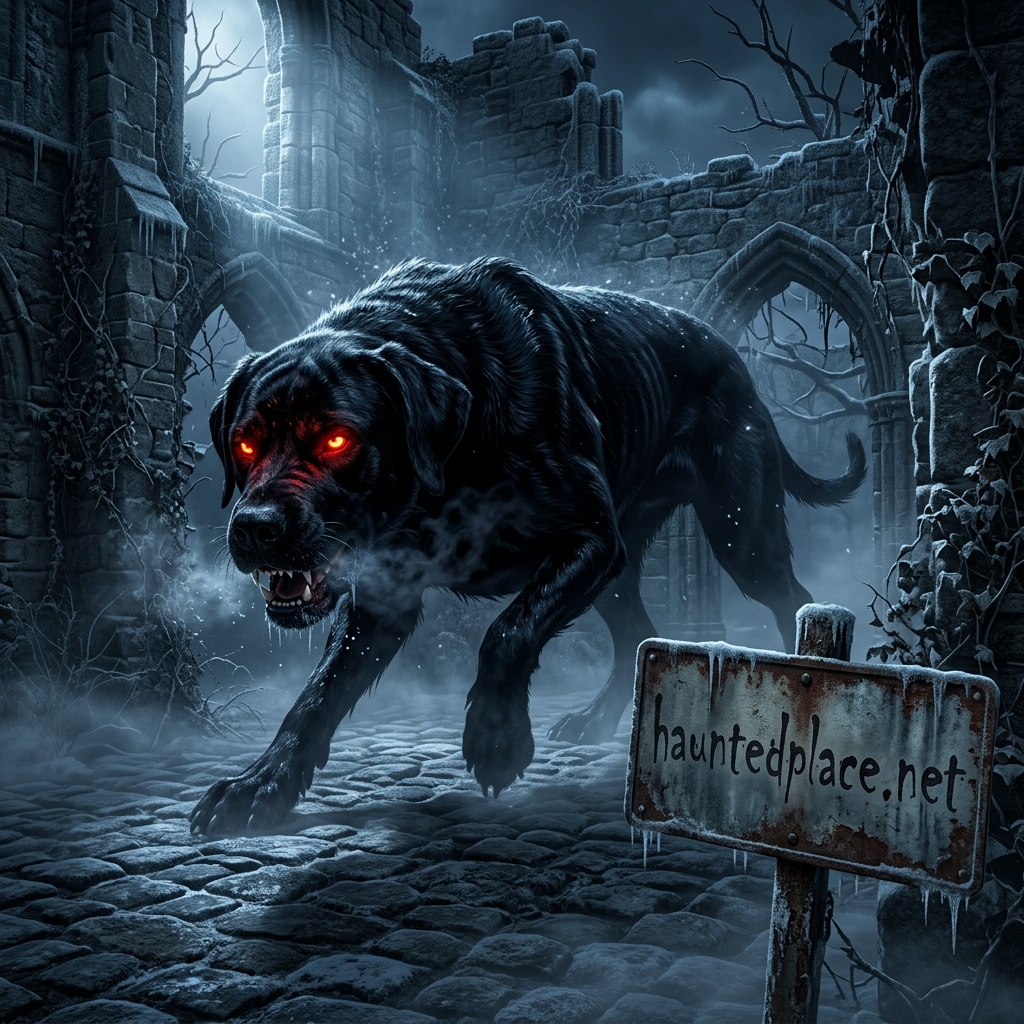
A guardian spirit or a curse? – Basaltus’s role remains a matter of debate to this day. Some see him as a protector of the basalt’s magical powers, whilst others regard him as a vengeful spirit who haunts those who desecrate the stone or disturb its peace. It is said that Basaltus protects the fortress from intruders and has even put attackers to flight. Yet there are also reports of misfortunes and inexplicable tragedies attributed to his presence. Particularly eerie are the stories of those who claim to have seen the spirit. They describe a shadowy figure whose eyes glow like burning coals and whose voice is a deep, blood-curdling growl. His appearance is often preceded by a strange sound – the howling of the wind sweeping through the castle’s corridors, or a faint scraping, as if something invisible were crawling along the walls. Another fascinating aspect of the legend is that Basaltus is said to appear only when someone makes an offering. In the past, these offerings included bread, coins or even blood. Today, however, a small sum of ten cents – which visitors can drop into a special chest – seems to be enough to ‘awaken’ the ghost. As soon as the coin is dropped in, eerie sounds emanate from the cellar – a spectacle guaranteed to give you goosebumps, even if sceptics might attribute this to technical tricks.
Encounters with the Unimaginable – Reports of encounters with Basaltus are numerous and range from harmless ghost stories to deeply unsettling experiences. One particularly well-known incident occurred at the beginning of the 20th century, when a night watchman at the castle reported strange occurrences. According to the man, he repeatedly heard the sound of heavy footsteps, even though he knew he was alone. When he followed the source of the sound, his path led him down into the vaulted cellars. There he found nothing but silence – until suddenly an icy draught brushed across his face and he thought he could make out a dark silhouette in the distance. The incident is said to have frightened the brave night watchman so much that he resigned from his post at the castle.Even modern-day visitors report unexplained phenomena. Some speak of lights that suddenly flicker, of cold draughts or inexplicable noises that sound like wails or screams. Others claim to sense an invisible presence that follows them at every turn as they approach the dark corners of the cellar. There are even reports of people who claim to have felt a sudden tug on their arm or leg, as if something invisible had reached out for them.
Ghost tourism: The business of fear – Although the legend of Basaltus deters countless people, it nevertheless exerts a strange fascination. Every year, thousands of tourists flock to Stolpen Castle to see for themselves what the alleged haunting is all about. The castle’s management has skilfully integrated this mystical aura into its tourism strategy. With guided tours of the vaults, themed events and the chance to ‘summon’ the ghost by tossing a coin, history is combined with a thrill. Critics accuse the castle of exploiting the legend of Basaltus for commercial gain and of artificially keeping the myth alive. Yet although there is certainly an element of marketing strategy at play, no one can deny that the gloomy atmosphere of the cellar vaults provides more than enough material for spooky tales. Anyone wandering through the dark, damp corridors of the castle inevitably senses the oppressive atmosphere. And who knows – perhaps there is more truth to the legend than modern sceptics are willing to admit.
Attempts at scientific explanations – As with many supernatural phenomena, there have also been attempts here to explain the legend scientifically. Some historians suspect that the myths surrounding Basaltus served to deter the population and emphasise the importance of basalt as a valuable raw material. Others speculate that the eerie noises can be attributed to natural phenomena such as air currents or acoustic illusions in the cellar chambers. Parapsychologists, on the other hand, consider the legend to be entirely plausible. They point to the energy supposedly stored in volcanic rock and speculate that basalt might indeed act as a kind of ‘energy store’ that fosters the supernatural.
Haunting or legendary spectacle? – Whether you believe in the legend of Basaltus or not is up to you. One thing is certain, however: the story of the castle ghost makes a visit to Stolpen Castle an unforgettable experience. Perhaps, on your next tour through the gloomy vaulted cellars, you’ll feel an icy draught yourself or hear the distant howling. And who knows – perhaps Basaltus is already waiting for you, ready to write another chapter in his eerie legend. So be careful the next time you offer a coin. Because sometimes, what should really be left to rest in peace awakens.